Tucked away in the rolling countryside of Ronks, Pennsylvania, the National Toy Train Museum is a hidden gem that surprises and delights visitors of all ages.
Housed in a charming Victorian-style building that looks straight out of the 1800s, the museum holds one of the largest toy train collections in the entire world.
From rare antique engines to colorful modern sets, there is something here for everyone — whether you are a lifelong train enthusiast or simply curious about history.
If you have never heard of this place, get ready to add it to your must-visit list.
A Storybook Victorian Exterior That Sets the Scene
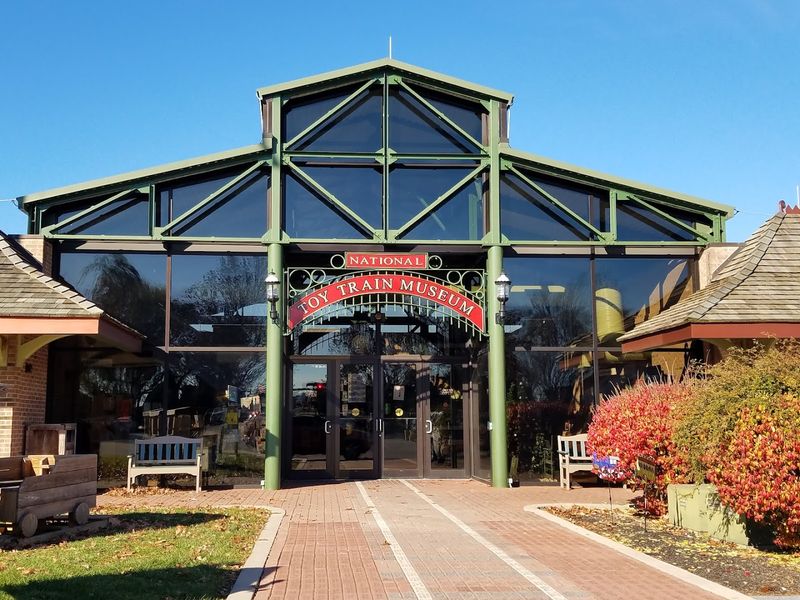
Before you even walk through the front door, the National Toy Train Museum earns its place on your bucket list. The building is designed to look like a classic 19th-century Victorian train station, complete with decorative trim, period-accurate architecture, and an old-world charm that makes you feel like you have stepped back in time the moment you pull into the parking lot.
Victorian train stations were the grand centerpieces of their communities — busy, beautiful, and full of life. The museum captures that energy perfectly.
Families often stop to take photos outside before heading in, and it is easy to see why. The exterior alone tells a story.
This kind of thoughtful design is rare at museums. Rather than dropping visitors into a plain building with exhibits inside, the National Toy Train Museum starts the experience outside.
It signals right away that what awaits inside is something special, lovingly curated, and worth every minute of your time. First impressions really do matter.
Home to One of the World’s Largest Toy Train Collections
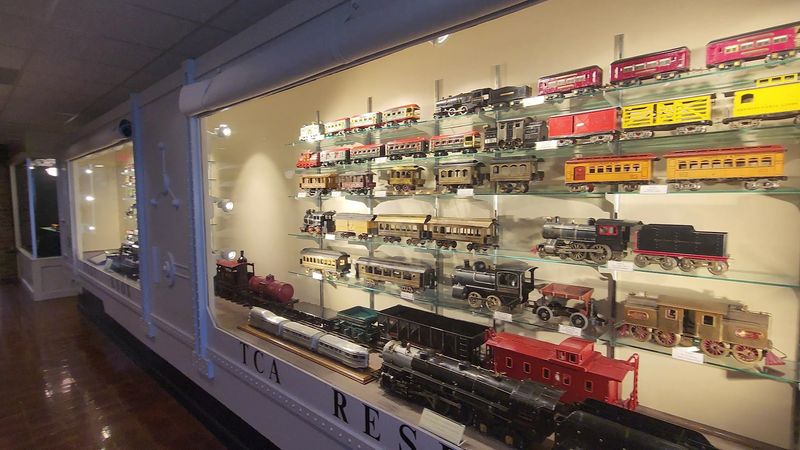
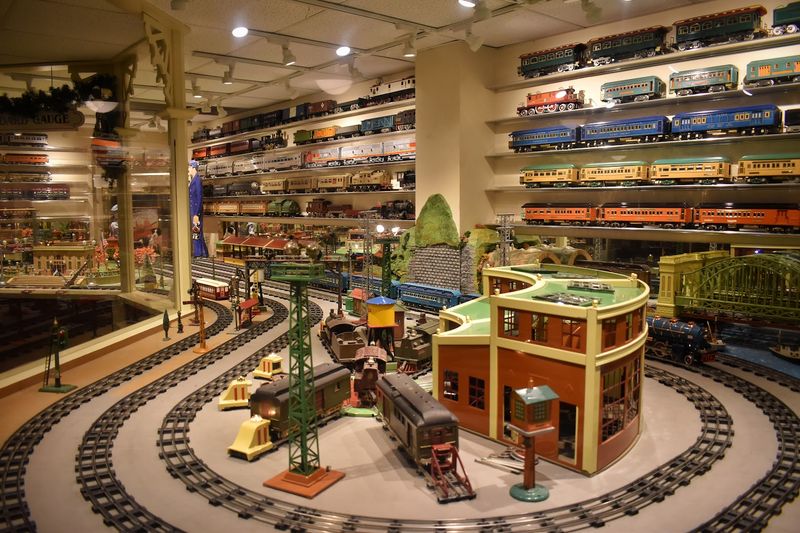
Tens of thousands of toy trains — that number alone is enough to make any train lover’s jaw drop. The National Toy Train Museum proudly holds one of the most extensive public collections of toy trains and accessories found anywhere on the planet.
Pieces span more than a century of manufacturing history, representing dozens of brands, styles, and countries of origin.
What makes this collection so remarkable is not just its size, but its variety. You will find everything from sleek electric locomotives to hand-painted tin toys, from European imports to beloved American classics.
Each piece tells its own story about the era it came from and the children who played with it.
For first-time visitors, the sheer scale can feel almost overwhelming — in the best possible way. Take your time moving through each exhibit.
Read the labels, look closely at the details, and let yourself get absorbed in the history. Whether you grew up with toy trains or are discovering them for the first time, this collection has a way of sparking genuine wonder in everyone who sees it.
Trains Dating Back to the Early 1800s
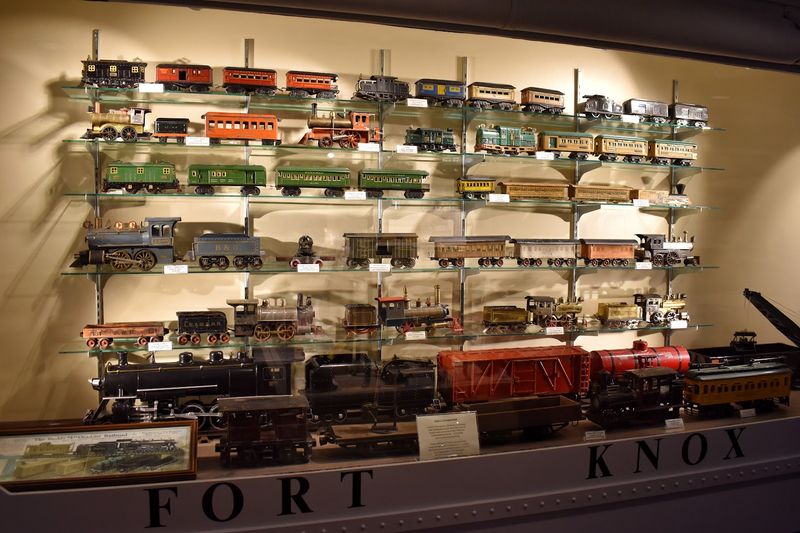
Somewhere inside this museum sits a toy train that is nearly 200 years old. Some of the oldest pieces in the collection date back to around the 1840s, making them among the earliest known examples of toy train manufacturing in existence.
Holding that kind of history in one place is genuinely extraordinary.
Back in the mid-1800s, toy trains were not the battery-powered sets kids unwrap today. Early models were crafted from wood, tin, and cast iron, often hand-painted and built by skilled artisans.
They were luxury items, owned mostly by wealthy families, and they reflected the excitement people felt about the real railroads that were reshaping the world around them.
Seeing these ancient pieces up close gives you a profound sense of how far both toy-making and railroad technology have come. It also reminds you that the human love of trains — real or miniature — has been around for a very long time.
If history lessons were always this tangible and fascinating, school would look a lot different. These artifacts are living proof that some passions truly never go out of style.
Interactive Layouts Bring the Exhibits to Life
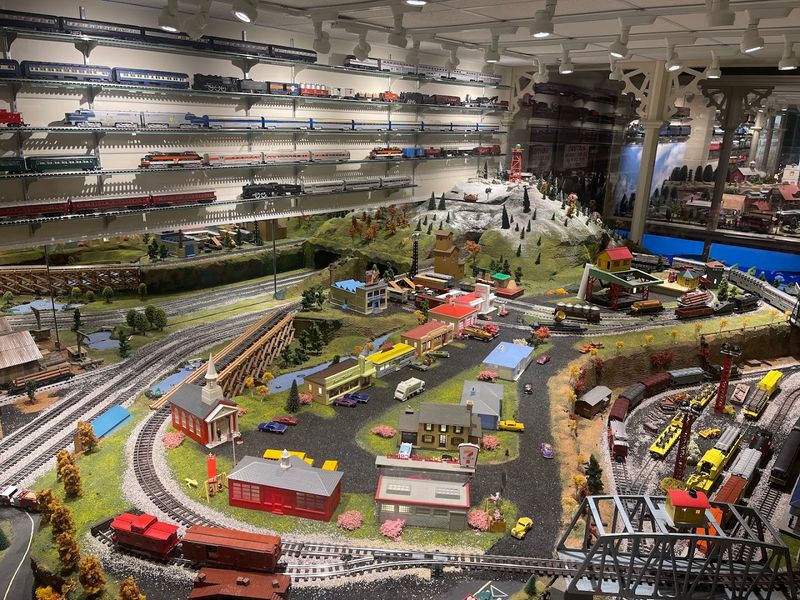
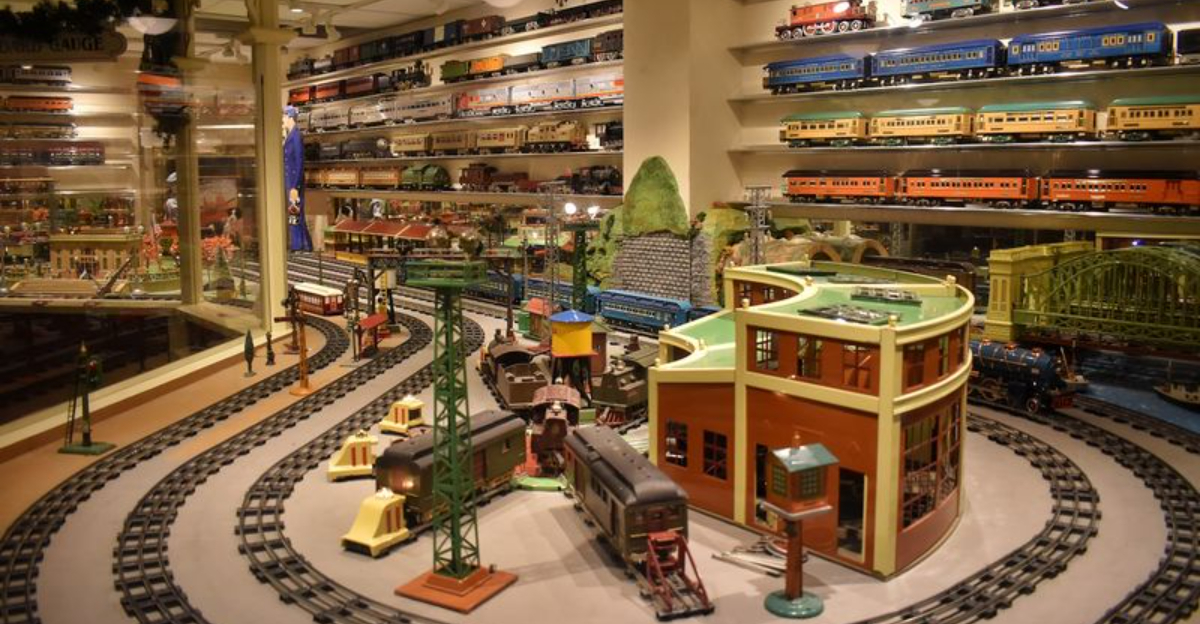
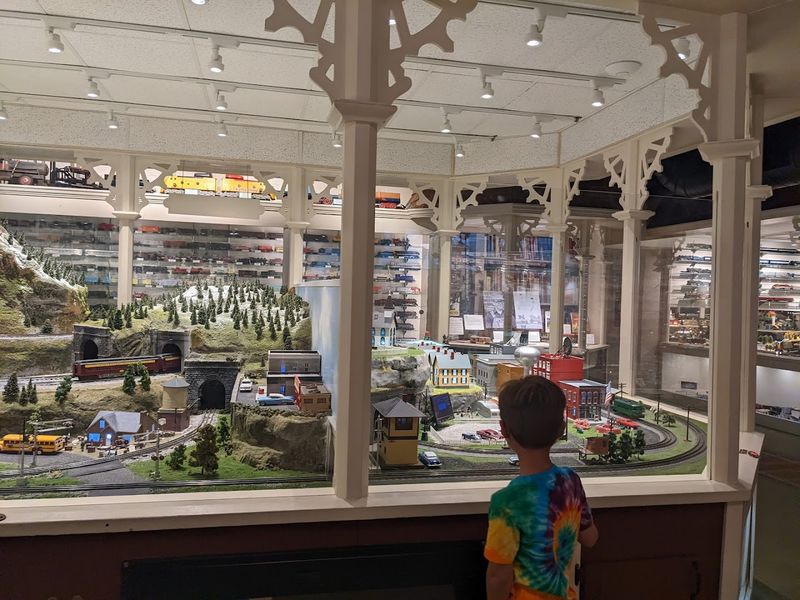
Pushing a button and watching a tiny locomotive spring to life on a detailed miniature landscape — that simple joy is one of the best things about visiting the National Toy Train Museum. Unlike many museums where everything is strictly hands-off, this one actively invites visitors to interact with the displays.
Strategically placed buttons let guests activate working train layouts throughout the building.
Kids absolutely love this feature, but honestly, so do adults. There is something almost magical about seeing a perfectly scaled-down world suddenly burst into motion.
Trains chug through tunnels, cross bridges, and pass by tiny towns while onlookers smile and point out their favorite details. It turns a typical museum visit into a genuinely playful experience.
Parents traveling with younger children will especially appreciate how well-designed these interactive elements are. The museum understands that engagement matters, and it delivers on that in a big way.
You are not just looking at history here — you are experiencing it in a way that feels alive and immediate. Plan to spend more time than you expect at each layout, because once the trains start moving, it is surprisingly hard to walk away.
Multiple Working Layouts in Different Gauges
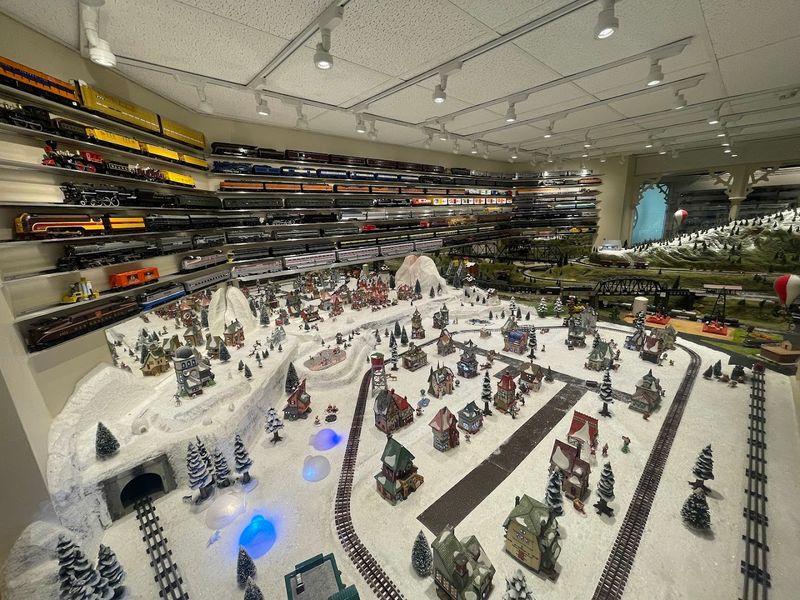
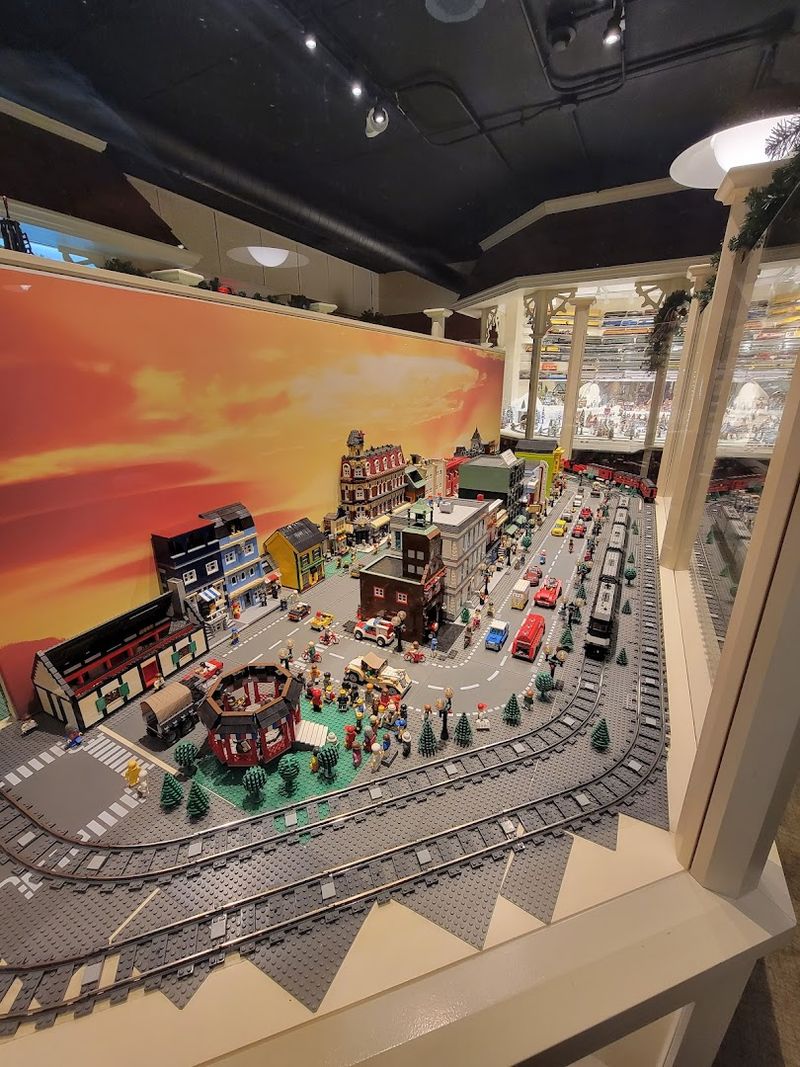
Not all toy trains are the same size, and the National Toy Train Museum makes sure you understand exactly why that matters. The museum features several fully operational layouts built in G, O, S, HO, and other gauges — each one representing a different scale, era, and style of model railroading.
Seeing them all running side by side is a surprisingly eye-opening experience.
Gauge refers to the width between the rails, and different gauges became popular during different periods of toy train history. G gauge trains are large and bold, often used in garden layouts.
O gauge is the classic American standard, popularized by brands like Lionel. HO gauge is smaller and more detailed, favored by serious hobbyists who love intricate scenery.
Each format has its own personality and community of devoted fans.
For newcomers, the variety of layouts is a crash course in the rich world of model railroading. For experienced collectors, spotting familiar pieces running on the tracks is like greeting old friends.
Either way, the working layouts are the beating heart of the museum. They transform static displays into something dynamic, joyful, and genuinely worth the drive to Ronks.
Rotating Exhibits Keep Every Visit Fresh
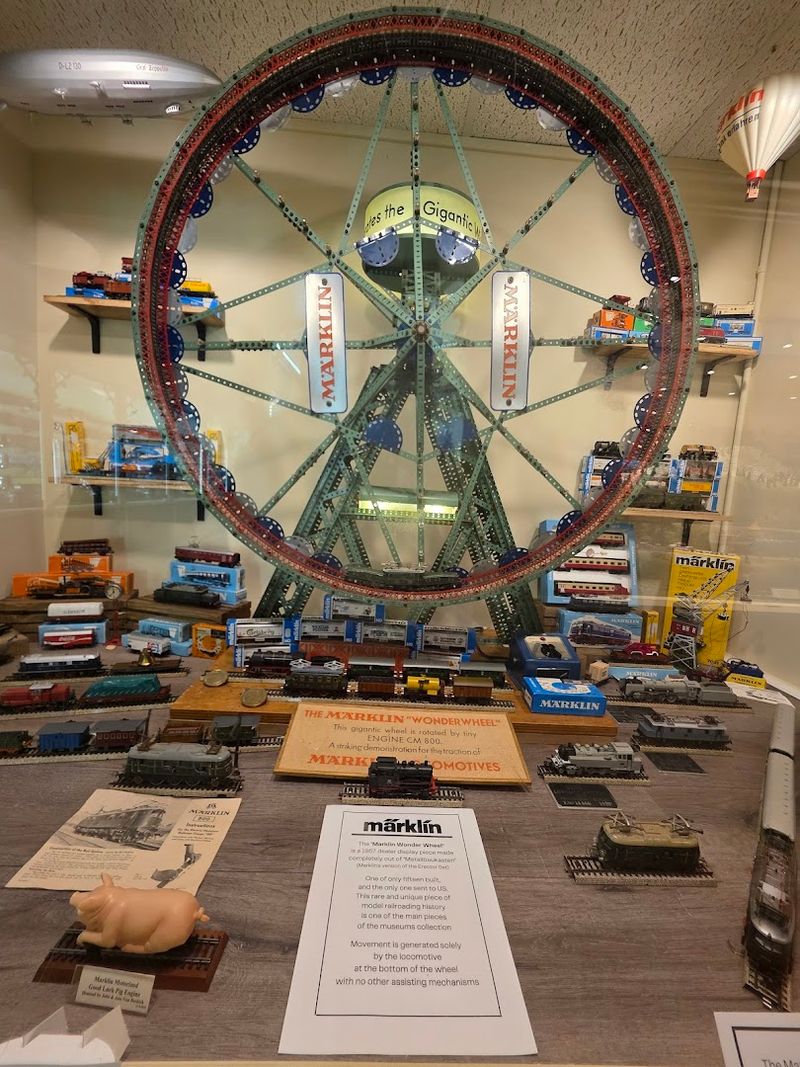
One visit to the National Toy Train Museum is great. Multiple visits over the years?
Even better. The museum regularly rotates its special exhibits, introducing new themes, rare trains, and unique displays throughout the year.
That commitment to freshness means returning visitors almost always find something they have never seen before.
Rotating exhibits also give the museum a chance to highlight pieces from its vast archives that cannot always be on permanent display. Rare prototypes, limited-edition sets, and historically significant models occasionally make their way into the spotlight, giving collectors and historians a genuine thrill.
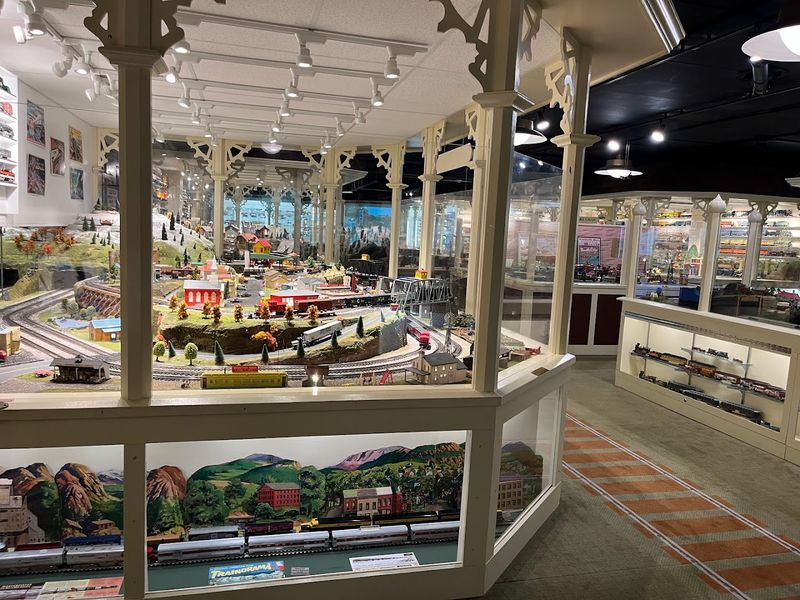
Seasonal themes — especially around the holidays — make the museum feel particularly magical during certain times of year.
If you visited a few years ago and thought you had seen everything, think again. The curatorial team works hard to keep the experience evolving.
Following the museum on social media or checking their website before your trip is a smart move, since special exhibits are often announced in advance. Planning your visit around a themed display can turn an already great outing into something truly memorable.
Fresh content keeps this destination relevant year after year.
A Treasure Trove for Train Enthusiasts and Historians
Hidden within the museum is a resource that most casual visitors never even realize exists — and it is absolutely incredible. The on-site Toy Train Reference Library houses hundreds of thousands of archival materials, including manufacturer catalogs, historical photographs, trade publications, and research documents spanning over a century of toy train history.
For serious hobbyists and researchers, it is practically a sacred space.
Imagine trying to identify a rare locomotive you found at an estate sale, or researching the production history of a beloved childhood toy. The library’s archives make that kind of deep research possible in ways that online searches simply cannot match.
Original catalogs from companies like Lionel, American Flyer, and Ives sit alongside promotional materials and correspondence that paint a vivid picture of how the industry evolved.
Access to the library is typically available for members of the Train Collectors Association, though researchers can often arrange visits by contacting the museum in advance. Even if you never crack open a single catalog, knowing that this depth of historical preservation exists right there in Ronks, Pennsylvania, adds a whole new layer of respect for what the museum represents.
Knowledge and nostalgia, beautifully preserved together.
Headquarters of the Train Collectors Association
Since 1977, the National Toy Train Museum has served as the official home base of the Train Collectors Association — one of the most respected organizations in the hobby world. Founded to preserve the history and culture of toy trains, the TCA has tens of thousands of members across the country and around the world.
Having their headquarters anchored at this museum says everything about the institution’s importance to the hobby.
The Train Collectors Association plays a huge role in connecting enthusiasts, organizing events, publishing research, and advocating for the preservation of train-related artifacts. Members enjoy benefits like access to the Reference Library, discounted museum admission, and opportunities to connect with fellow collectors at regional and national meets.
Membership is open to anyone with a genuine love of toy trains.
For visitors who are not yet members, a trip to the museum often serves as the final nudge to join. Seeing the breadth of what the TCA has helped preserve — and imagining being part of that community — is genuinely inspiring.
Whether you collect seriously or just appreciate the history, knowing there is an organization this dedicated to keeping the tradition alive is a comforting and exciting thing.
Located in the Heart of Pennsylvania’s Railroad Country
Geography matters when it comes to travel planning, and the National Toy Train Museum could not be better situated. Nestled near Strasburg in Lancaster County, the museum sits in the middle of one of Pennsylvania’s most celebrated railroad regions.
The area is home to a cluster of train-related attractions that together make for an unforgettable multi-day itinerary.
Just down the road, the Strasburg Rail Road offers scenic steam train rides through the Pennsylvania countryside — one of the oldest operating short-line railroads in the country. The Railroad Museum of Pennsylvania is also nearby, housing full-size locomotives and a stunning collection of historic rolling stock.
Combine all three in one trip and you have covered toy trains, historic trains, and working steam trains in a single visit.
Lancaster County itself is a beautiful place to spend time, with its Amish farmlands, covered bridges, and charming small towns adding extra appeal for families and curious travelers. The region has a unique, unhurried pace that makes exploration genuinely enjoyable.
For train lovers especially, this corner of Pennsylvania feels like a pilgrimage destination — a place where railroading history is not just remembered, but actively celebrated every single day.
Visitor Info and Tips Before You Go
Planning ahead makes any museum visit better, and the National Toy Train Museum rewards a little preparation. The museum is located at 300 Paradise Lane, Ronks, PA 17572, and can be reached by phone at +1 717-687-8976.
It is typically open from spring through December, with longer daily hours during the busy summer season and more limited schedules in the shoulder months of spring and fall.
Admission fees apply for most visitors, though members of the Train Collectors Association get in free — another great reason to consider joining before your trip. Children tend to have an absolute blast here, especially at the interactive layouts, so budget extra time if you are bringing young ones.
The museum moves at its own relaxed pace, and rushing through would mean missing too much.
Before visiting, check the museum’s official website or call ahead to confirm current hours, any special exhibits, and seasonal closures. Parking is available on site, and the surrounding area offers plenty of dining and lodging options for those making a full day or weekend of it.
Wear comfortable shoes, bring your curiosity, and prepare to leave with a whole new appreciation for the surprisingly deep and delightful world of toy trains.