Tucked away along a quiet ridgeline in Huntingdon, Pennsylvania, the Isett Heritage Museum is the kind of place that makes you stop and say, “Wait, people actually used that?”
With over 40,000 artifacts collected across decades, this remarkable museum preserves the everyday objects, tools, and stories that shaped American life from the 1800s onward.
Whether you’re a history buff, a curious kid, or just someone who loves a good story, this museum delivers something truly unforgettable.
A visit here feels less like a field trip and more like a time machine ride through a century of real American living.
A Hidden Gem on Scenic Stone Creek Ridge
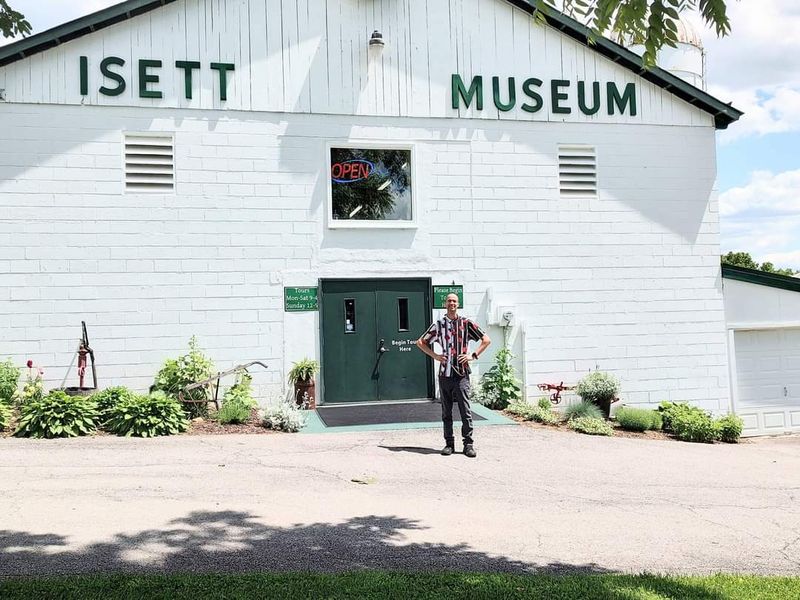
Some of the best discoveries happen when you least expect them. Nestled along Stone Creek Ridge Road just outside Huntingdon, Pennsylvania, the Isett Heritage Museum sits in a setting so peaceful and unhurried that visitors often feel transported before they even reach the front door.
The drive alone, winding through wooded hills and farmland, sets the mood perfectly.
That rural backdrop isn’t just pretty scenery — it’s part of the experience. The museum’s location feels intentional, as if the land itself is holding history in place.
You won’t find this place sandwiched between a coffee shop and a parking garage. Out here, the quiet is real, and it makes every artifact inside feel that much more meaningful.
Many visitors say the setting reminds them of visiting a relative’s old farmstead. That nostalgic feeling kicks in early and never really lets go.
If you’re planning a road trip through central Pennsylvania, this hidden gem is absolutely worth adding to your list. It rewards the curious traveler who’s willing to take the scenic route and slow down long enough to look around.
A Lifetime Collection Turned Public Treasure
Melvin Isett spent a lifetime collecting the kinds of objects most people throw away. Old tools, household gadgets, farming equipment, printed materials — if it told a story about everyday American life, Melvin wanted to save it.
What started as a personal passion grew into something extraordinary: a museum housing more than 40,000 artifacts open to the public.
That number alone is staggering. To put it in perspective, many well-funded regional museums hold a fraction of that total.
Melvin’s dedication to preservation turned a private obsession into a genuine public resource, giving communities and schools access to tangible pieces of history that would otherwise be lost forever.
What makes this collection especially powerful is its focus on ordinary life. These aren’t crowns and swords from kings and queens.
These are the tools your great-great-grandmother used to wash laundry, the radio your grandfather listened to during wartime broadcasts, and the hand-painted signs that once hung in small-town storefronts. Everyday objects, preserved with extraordinary care, now tell the story of who Americans really were — and in many ways, still are today.
Three Massive Buildings Packed With History
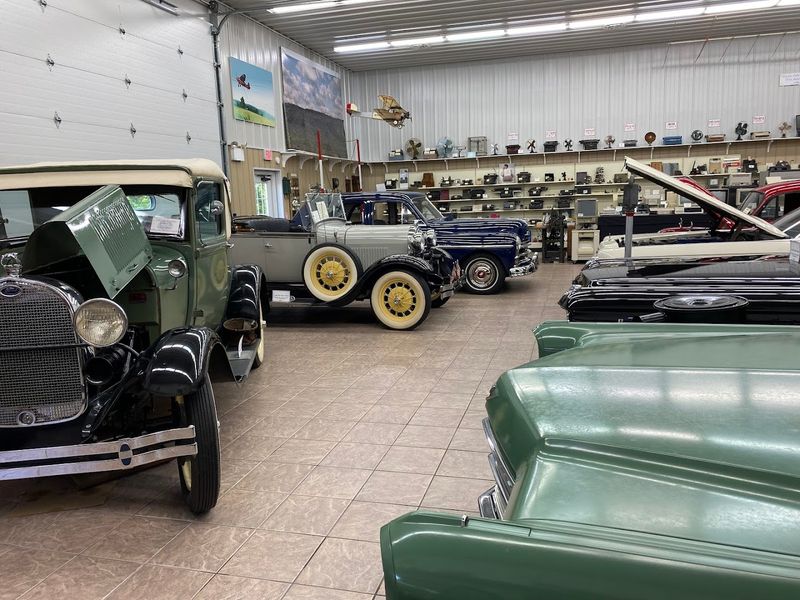
Walking into the Isett Heritage Museum, one building simply isn’t enough to hold it all. The experience unfolds across multiple large structures, each one dedicated to different themes and time periods.
Floor-to-ceiling displays line the walls, and nearly every surface holds something worth stopping to examine. First-time visitors are often genuinely surprised by the sheer scale of it all.
Plan your visit carefully, because rushing through this place would be doing yourself a disservice. Most visitors spend two to three hours exploring, and even then, some feel like they’ve only scratched the surface.
Each building has its own personality — one might feel like stepping into a working farm from the 1890s, while another resembles a cluttered but lovingly organized general store from mid-century America.
The layout encourages wandering, and that’s honestly the best approach. Let yourself get lost between the rows of tools, signs, and machines.
You’ll stumble onto things you never expected to find, from a printing press tucked in a corner to a wall of vintage license plates arranged by decade. Every turn reveals something new, making the multi-building format one of the museum’s greatest strengths.
The 1940s Barn That Starts It All
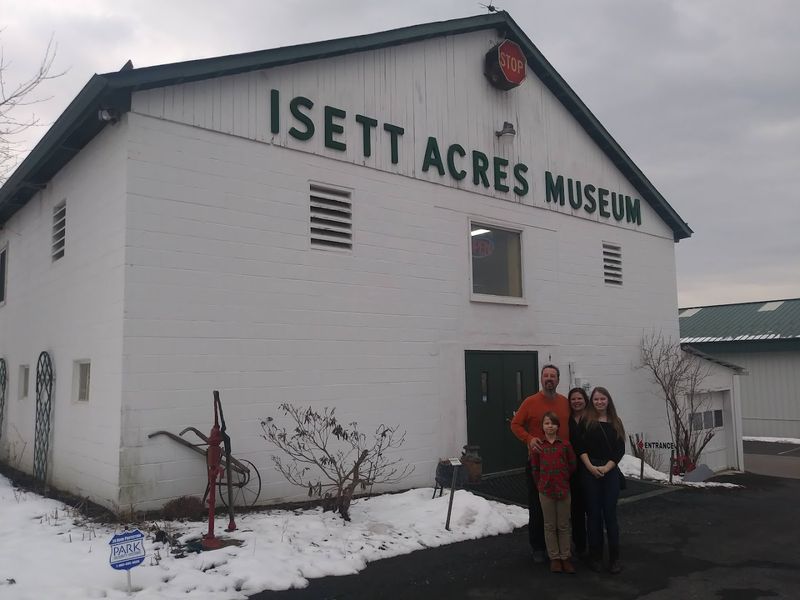
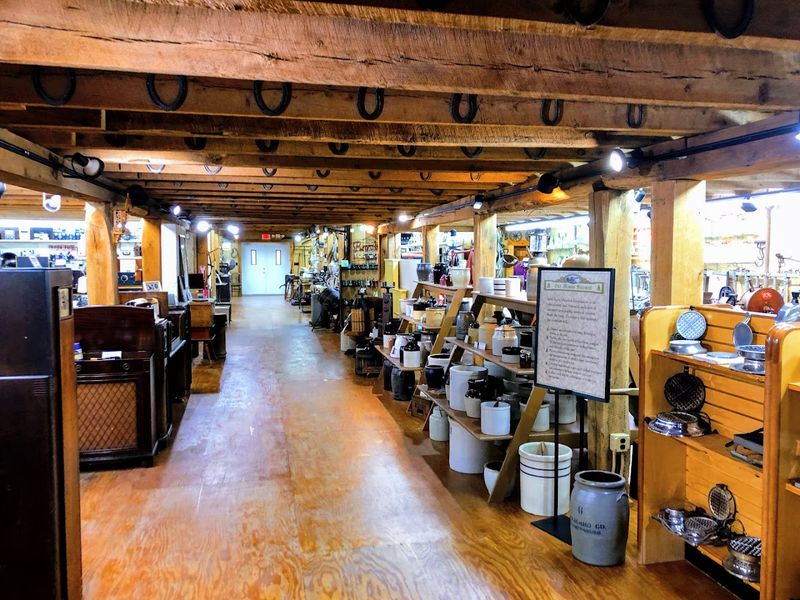
Right from the start, the Isett Heritage Museum sets a powerful tone. Tours typically begin in a restored barn that dates back to the 1940s, and it wastes no time pulling you into the past.
The moment you step inside, you’re greeted by early antiques arranged with care — not just thrown on shelves, but displayed in ways that invite you to imagine the hands that once used them.
Among the highlights are printing presses from the 1870s, which are genuinely fascinating to stand next to. These weren’t decorative pieces — they were working machines that produced newspapers, flyers, and books at a time when information moved slowly and every printed word mattered.
Seeing them in person gives you a whole new appreciation for how communication worked before smartphones and the internet.
Farming tools from the same era fill out the space alongside beautifully preserved trade equipment from long-gone local businesses. Each piece carries a quiet dignity, a reminder that the people who used these objects worked incredibly hard.
Starting the tour here grounds visitors in a time and place that feels both distant and surprisingly familiar, making it the perfect launchpad for everything that follows.
Everyday Objects That Tell Extraordinary Stories
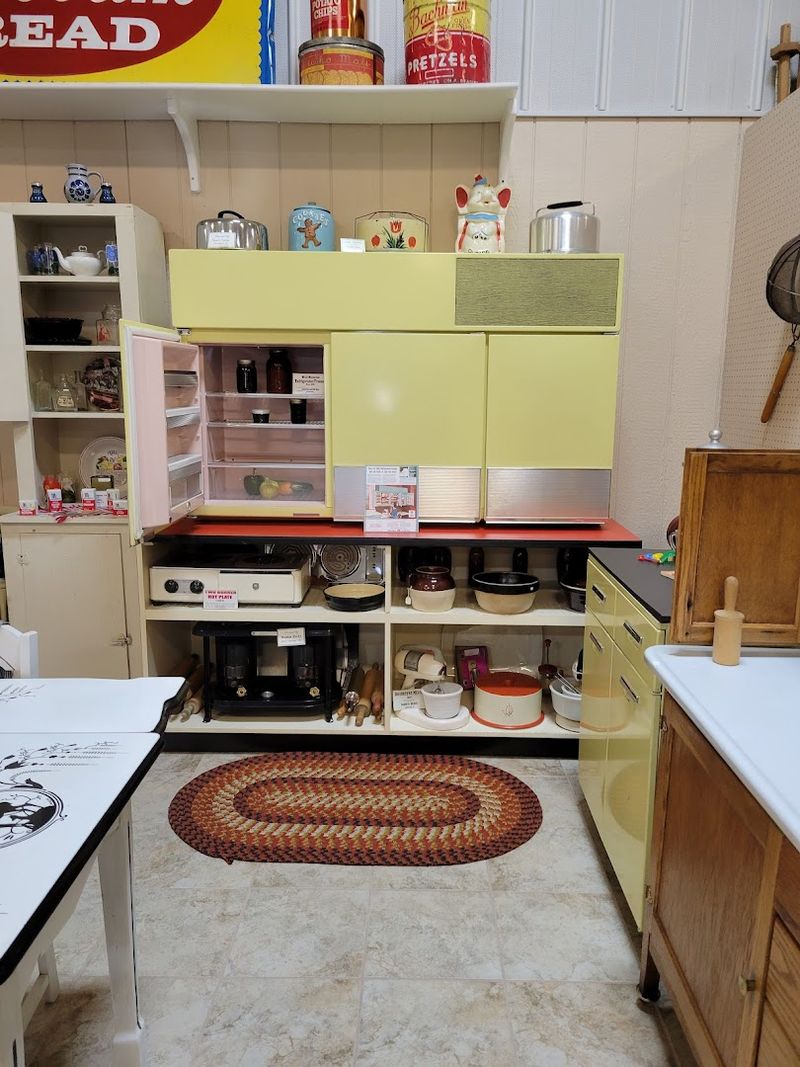
There’s something quietly powerful about seeing a century’s worth of kitchen gadgets lined up side by side. The Isett Heritage Museum understands this better than almost anyone.
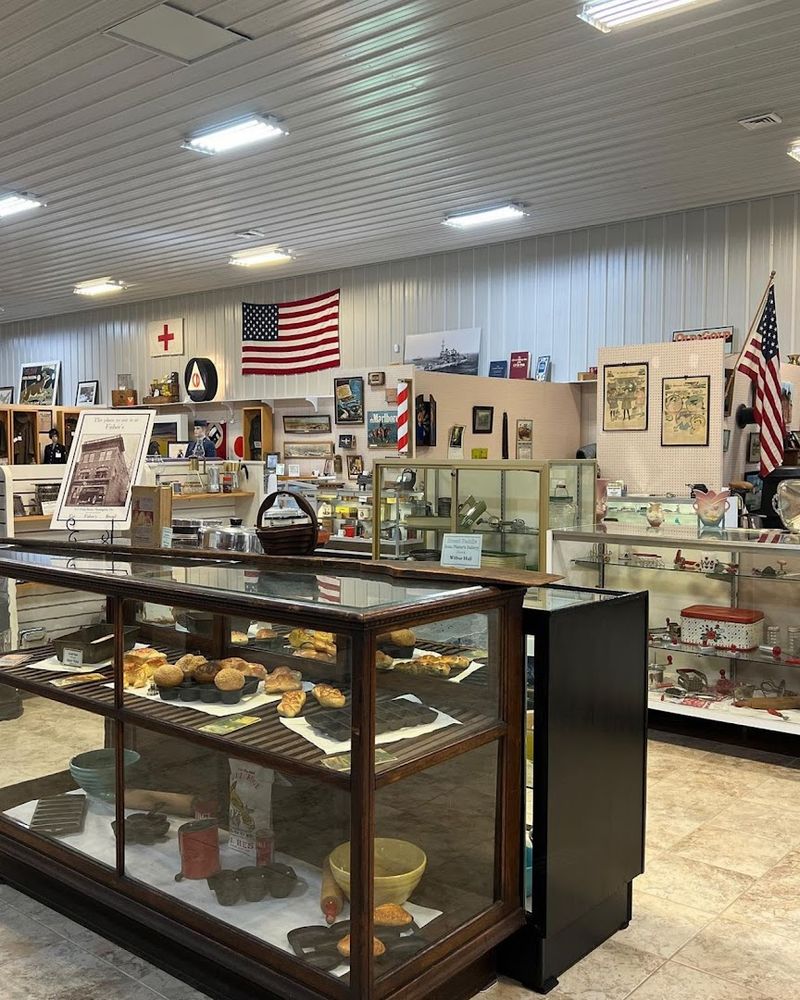
By gathering everyday items — egg beaters, irons, coffee percolators, washing tubs — and arranging them across time periods, the museum transforms ordinary objects into a vivid, hands-on history lesson.
What’s striking is how much these items changed within just a few decades. A laundry wringer from the 1890s looks like it belongs on another planet compared to an electric washing machine from the 1950s, yet only about sixty years separate them.
Seeing that evolution laid out physically, rather than just reading about it in a textbook, makes the pace of American innovation feel almost breathtaking.
Kids especially respond well to this part of the museum. Many have never seen a rotary telephone or a hand-cranked ice cream maker, and watching their reactions is half the fun.
Adults, on the other hand, often find themselves whispering, “My grandmother had one of those.” That blend of curiosity and nostalgia is exactly what makes this collection so emotionally resonant and worth every minute of your time.
Fascinating Collections of Radios, Cameras, and Technology
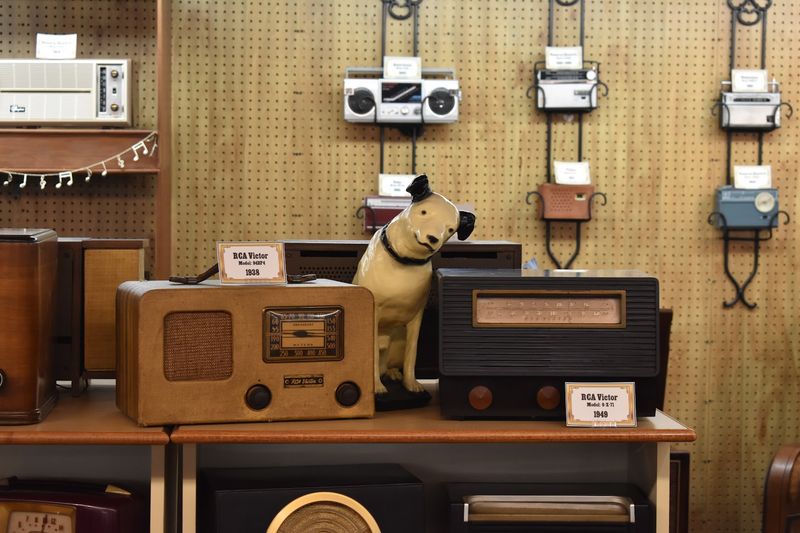
Technology moves fast, but the Isett Heritage Museum slows it down just enough to appreciate how far we’ve come. One of the most popular sections features an extensive collection of antique radios, vintage cameras, and early computing equipment, all gathered under one roof and organized to show how each device evolved over time.
For tech lovers, this section alone is worth the trip.
Antique radios from the 1920s and 1930s are genuinely beautiful objects — made from polished wood and glowing dials, they look more like furniture than electronics. Vintage cameras range from bulky box models to sleek mid-century designs that look surprisingly modern.
And the early computers? Seeing the machines that once filled entire rooms now sitting quietly on a shelf is a humbling reminder of how quickly technology accelerates.
What makes this collection more than just a display of old gadgets is the story it tells about human connection. Each device was, at its core, a tool for communication — for hearing voices from far away, capturing moments, or sharing information.
Tracing that thread from a 1930s cathedral radio to an early personal computer shows just how consistent that human need has always been, even as the tools change dramatically.
Immersive Room Displays and Recreated Spaces
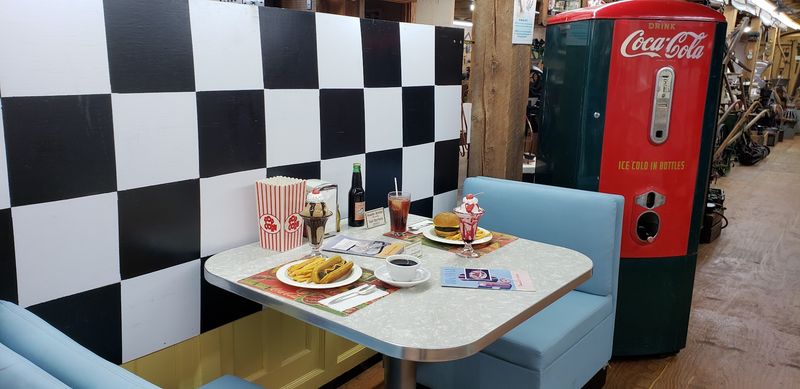
Forget reading labels on a wall — the Isett Heritage Museum puts you right inside the moment. Among its most memorable features are fully recreated rooms that replicate the look and feel of real spaces from earlier eras.
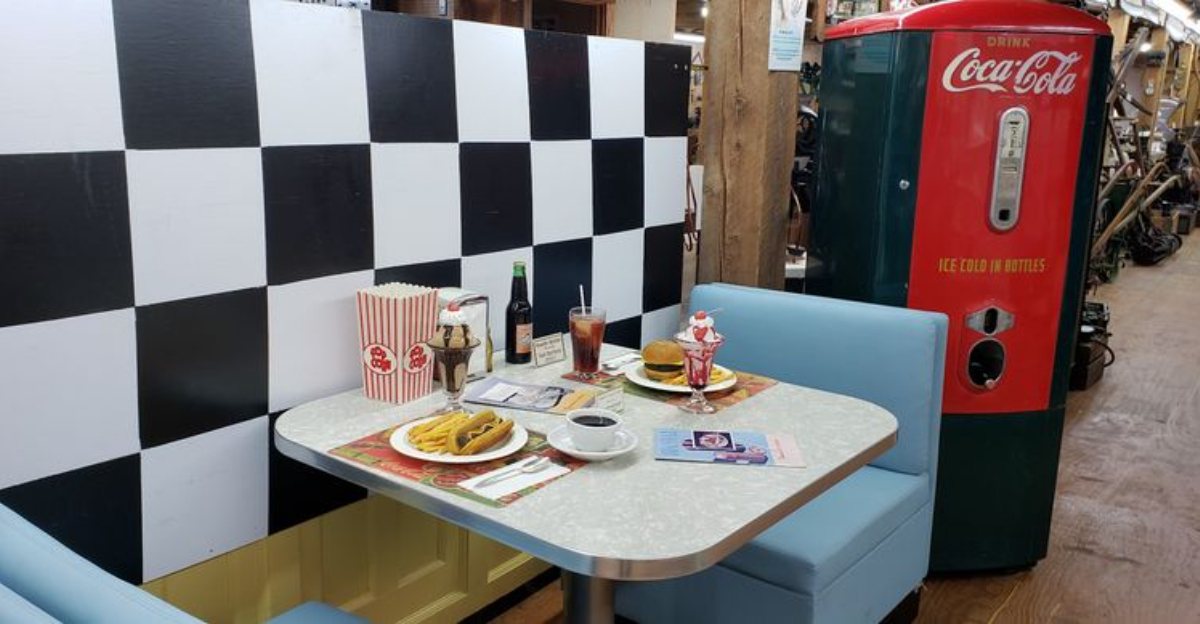
Old barbershops, one-room schoolhouses, and weathered storefronts have been rebuilt with authentic period details that make you feel like you’ve actually walked into another decade.
Standing inside a recreated 1920s barbershop, complete with a worn leather chair, a straight razor on the counter, and a faded tin ceiling overhead, is a genuinely surreal experience. These aren’t stage sets — they’re carefully assembled from actual artifacts, meaning every item in the room was once used by real people in real places.
That authenticity changes the energy completely.
Schoolroom recreations are particularly moving for younger visitors. Seeing the tiny wooden desks, the chalkboard covered in old-fashioned cursive lessons, and the American flag hanging in the corner brings history to life in a way no textbook can match.
These immersive spaces are the museum’s secret weapon — they turn passive observation into active imagination, inviting every visitor to mentally step into the shoes of someone who lived a very different kind of everyday life.
Local History Brought to Life
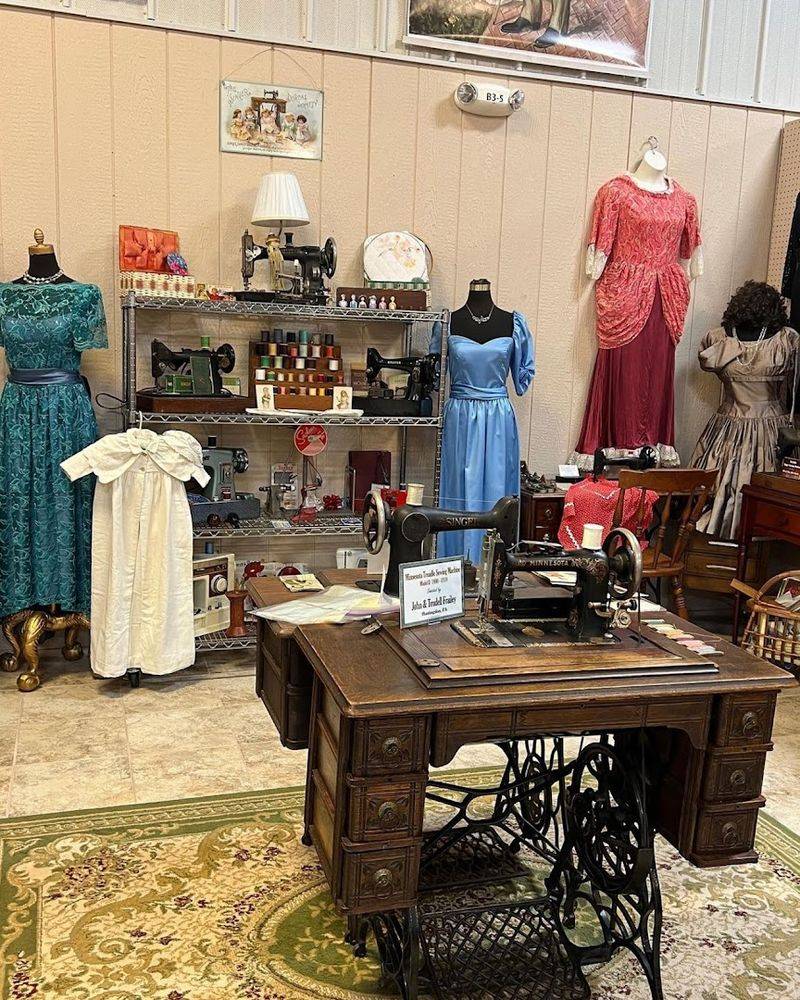
National history gets plenty of attention, but the Isett Heritage Museum makes sure local stories don’t get left behind. Alongside its broader American collections, the museum preserves a rich archive of regional heritage — from military memorabilia honoring Huntingdon County veterans to relics from businesses that once anchored the community’s main streets.
These pieces carry a different kind of emotional weight.
Seeing a uniform worn by a local soldier, or a sign from a hardware store that your grandparents might have visited, creates a personal connection that broader national exhibits simply can’t replicate. The museum understands that history isn’t just about famous names and major events — it’s about the daily rhythms of real communities, the small businesses, the local schools, and the families who built their lives in a specific place.
For Huntingdon County residents, this section can feel like flipping through a family photo album. For visitors from elsewhere, it offers a window into the texture of small-town Pennsylvania life across generations.
Either way, these regional artifacts remind us that local history is just as rich, layered, and worth preserving as anything you’d find in a big-city institution. The stories here are smaller in scale but no less meaningful.
Guided Tours That Make the Past Feel Personal
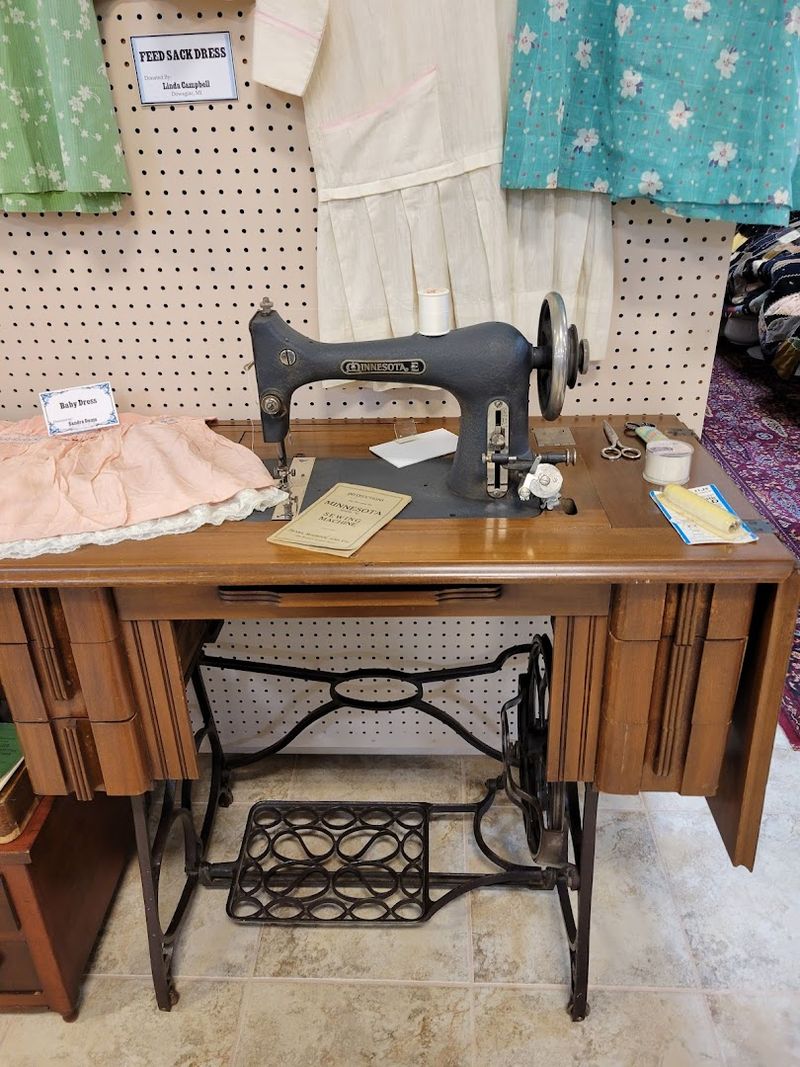
A collection of 40,000 artifacts could easily feel overwhelming without the right guide to help you make sense of it all. Thankfully, the Isett Heritage Museum typically offers guided tours led by knowledgeable staff who know these objects like old friends.
Their enthusiasm is contagious, and they have a real talent for turning a rusty piece of farm equipment into a compelling story.
Good museum guides do more than recite dates and facts — they create context. At the Isett, guides often share personal anecdotes about the artifacts, explain how specific objects were used in daily life, and offer demonstrations that make the past feel surprisingly close.
Watching someone explain how a hand-cranked printing press actually worked is a completely different experience from just reading a placard beside it.
If you’re visiting with kids, guided tours are especially valuable. Children tend to stay more engaged when a real person is narrating the experience, asking questions, and sparking conversation.
Adults benefit just as much, often walking away with a richer understanding of how dramatically life changed across just two or three generations. A guided tour here doesn’t just show you history — it helps you feel it, which is a rare and genuinely special thing.
Visitor Information
Ready to plan your visit? The Isett Heritage Museum is located at 11941 Stone Creek Ridge Rd, Huntingdon, PA 16652.
You can reach them by phone at +1 814-643-9600 for the most up-to-date information on hours, tour availability, and seasonal access. Because the museum operates with limited seasonal hours, calling ahead is always a smart move before making the drive.
Most visitors find that two to three hours is the sweet spot for a thorough visit, though some enthusiastic history lovers have been known to linger even longer. Guided tours are typically included, which adds tremendous value and helps visitors navigate the sprawling collection with purpose.
The museum is currently planning to reopen in spring 2026 after its winter closure, so timing your trip accordingly will ensure you don’t miss out.
The museum is best suited for visitors who enjoy a slower, exploratory pace — this isn’t a quick pop-in kind of place. Wear comfortable shoes, bring your curiosity, and consider visiting on a weekday if you prefer a quieter experience.
Whether you’re a local resident or a traveler passing through central Pennsylvania, the Isett Heritage Museum is one of those rare places that genuinely earns every minute you give it.