Florida is packed with stunning places to explore, and spring is hands down the best time to visit.
The weather is warm but not too hot, the crowds are manageable, and nature is putting on a show everywhere you look.
From crystal-clear freshwater springs to sugar-white Gulf beaches, the Sunshine State has something amazing for every kind of traveler.
Whether you love outdoor adventures, cultural history, or simply relaxing by the water, these 15 destinations will make your spring unforgettable.
Naples
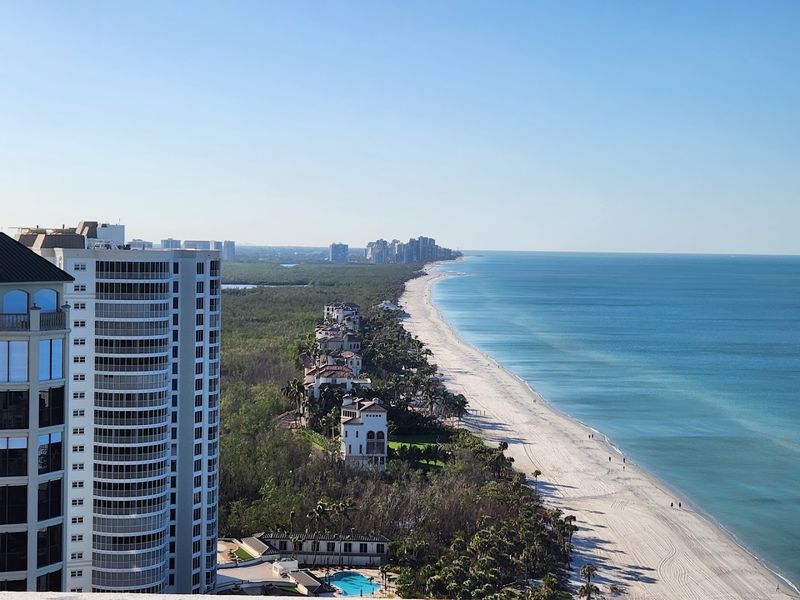
Few places in Florida blend elegance and ease quite like Naples in the spring. The Gulf breezes are mild, the beaches are quiet, and the whole city feels like it exhales a long, happy sigh before summer’s heat moves in.
Shelling along the shoreline here is a genuine treasure hunt — you might walk away with lightning whelks, fighting conchs, or even a sand dollar.
Paddleboarding on the calm Gulf waters is almost meditative, especially in the early morning when the surface looks like glass. The sunsets at Pier 81 are legendary, drawing locals and visitors alike with their brilliant orange and pink skies.
If you have never watched a Florida sunset from a pier while pelicans glide overhead, Naples will change that.
Al fresco dining is another highlight, with dozens of restaurants lining 5th Avenue South offering fresh seafood and outdoor seating. Spring temperatures make eating outside genuinely enjoyable rather than sweaty.
Naples is the kind of destination that feels luxurious without demanding you spend a fortune — just bring sunscreen, comfortable sandals, and a willingness to slow down and appreciate the beautiful surroundings around you.
Sarasota and Siesta Key
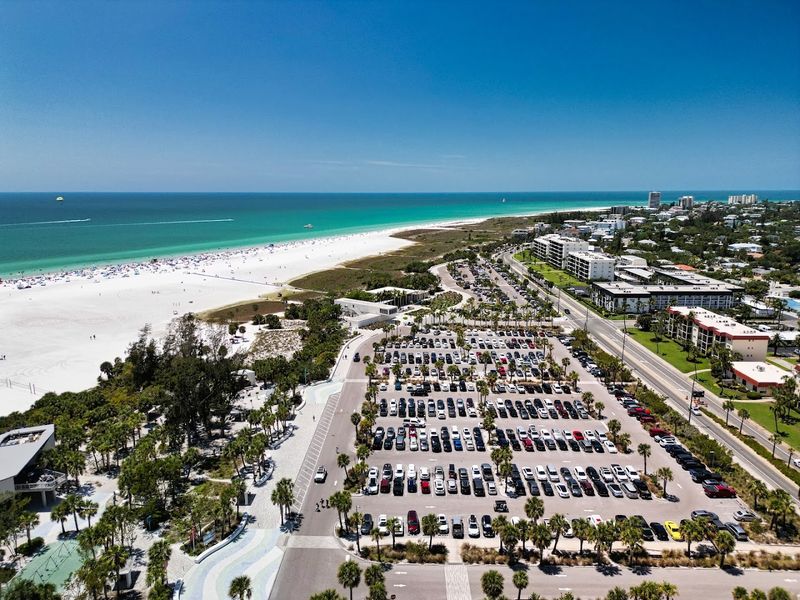
Siesta Key’s sand is not just white — it is scientifically proven to be among the finest quartz sand in the world, staying cool even on warm spring afternoons. That alone makes Sarasota worth the trip.
But this coastal city offers so much more than its world-famous beach, making it a destination that rewards curious travelers.
Sarasota has a thriving arts scene anchored by the Ringling Museum of Art, where you can stroll through a stunning Venetian-style courtyard surrounded by world-class paintings and sculptures. The Bayfront Park area is perfect for a spring morning walk, with breezy waterfront views and blooming tropical plants framing the horizon.
Kayaking through the calm waters around the key reveals hidden mangrove tunnels teeming with wildlife.
Spring brings cultural events like outdoor film screenings, farmers markets, and open-air concerts that fill the city’s parks and plazas with energy. The shoulder-season timing means hotel rates are reasonable and restaurant waits are short.
For families, couples, or solo adventurers craving a mix of relaxation and enrichment, Sarasota delivers a layered experience that beach towns twice its size often struggle to match. Pack your snorkel and your museum shoes — you will need both.
Anna Maria Island
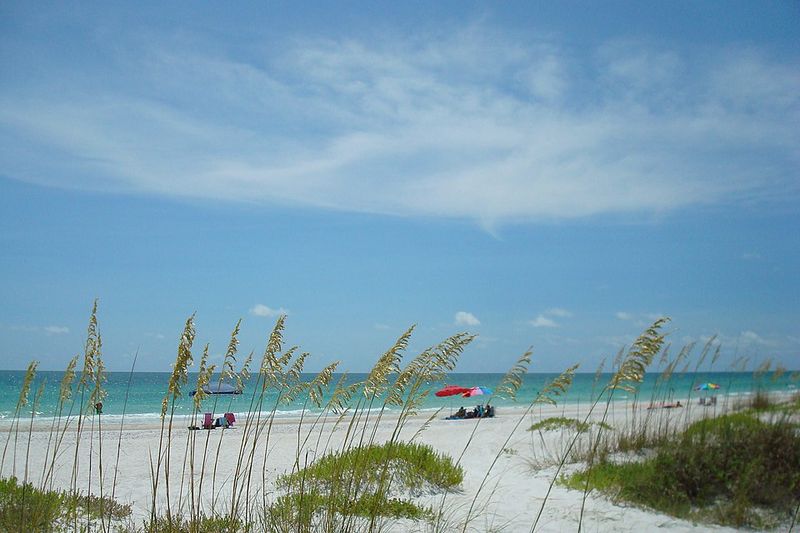
There is a certain magic to Anna Maria Island that hits you the moment you cross the bridge onto its seven miles of laid-back, old-Florida charm. No high-rise hotels crowd the skyline here — just pastel-colored cottages, swaying palms, and a community that genuinely loves its island.
Spring is when this barrier island is at its absolute best.
The Gulf waters are calm and warm enough for swimming, snorkeling, and paddleboarding without the summer crush of tourists. Renting a bike and cruising the flat, shaded roads is one of the most satisfying ways to spend a morning.
You can stop at Pine Avenue for a smoothie, browse a local art gallery, or grab a table at a beachside cafe where the grouper sandwich is always fresh.
Sunsets on the island’s western shore are genuinely show-stopping — locals gather with beach chairs and cameras every evening, and the atmosphere feels like a community celebration. Holmes Beach and Bradenton Beach each have their own personality, giving you variety within a small geographic area.
Anna Maria Island rewards those who take their time, put down their phones, and simply enjoy the unhurried pace of a place that has resisted the rush of modern tourism with quiet, beautiful defiance.
Destin and the Emerald Coast
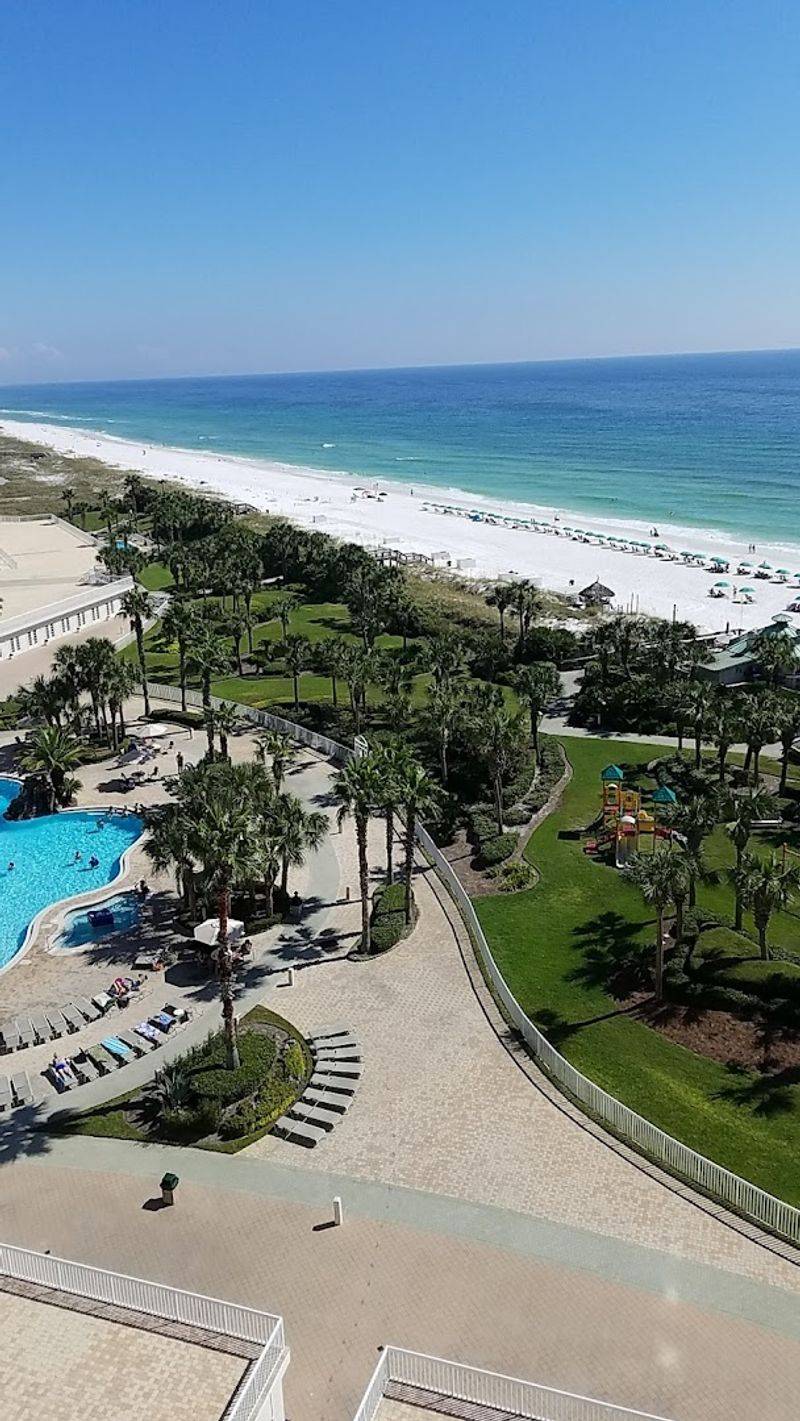
The water in Destin is the kind of color you think only exists in travel brochures — an electric, jewel-toned emerald green that looks almost unreal against the blinding white sand. Spring is the sweet spot for visiting, when the Gulf is clear, the beaches are uncrowded, and the fishing tournaments are just kicking off.
Anglers from across the country make the pilgrimage here each spring for good reason.
Snorkeling conditions in spring are excellent, with visibility stretching far enough to spot schools of fish darting around nearshore sandbars. Henderson Beach State Park offers a quieter alternative to the main strip, with nature trails winding through coastal scrub and dunes.
It is the kind of place where you can spend a whole morning without seeing another person on the trail.
Water activities abound — from dolphin cruises and parasailing to paddleboard yoga on the calm morning Gulf. The HarborWalk Village area has waterfront dining with fresh catch that practically jumps from the boat to your plate.
Destin’s spring vibe is energetic but not overwhelming, making it ideal for families and adventurous couples alike. Arrive before Memorial Day weekend and you will experience the Emerald Coast at its most breathtaking, least crowded, and most authentically Floridian best.
Miami Beach
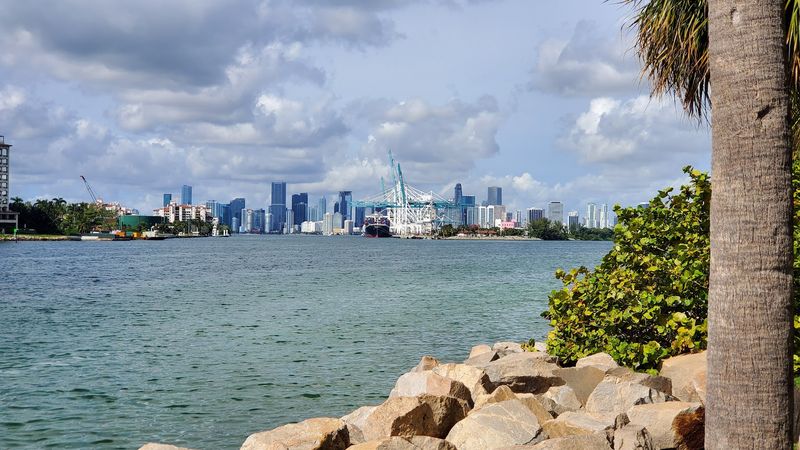
Spring in Miami Beach hits differently than any other time of year. The temperatures are warm and inviting without the suffocating humidity of summer, and the city buzzes with an infectious energy that spills out of galleries, food markets, and beachside bars onto the wide, sunny sidewalks.
Ocean Drive’s Art Deco buildings glow pastel pink and turquoise in the morning light.
The cultural calendar in spring is packed — Art Basel’s winter ripple effects keep galleries humming, outdoor food festivals celebrate the city’s incredible culinary diversity, and neighborhood events in Wynwood, Little Havana, and the Design District draw creative crowds. The beach itself is wide and beautiful, with lifeguard stands painted in cheerful colors and waves gentle enough for casual swimming.
South Pointe Park at the southern tip of the island is a peaceful contrast to the busier stretches of sand, offering skyline views, shaded paths, and a dog-friendly atmosphere. Rollerblading along the beachside path is a Miami classic that never gets old.
Whether you are chasing art, food, nightlife, or simply a perfect beach day with a backdrop of iconic architecture, Miami Beach in spring delivers an experience that is genuinely hard to find anywhere else in the country. The city earns every bit of its legendary reputation.
Islamorada in the Florida Keys
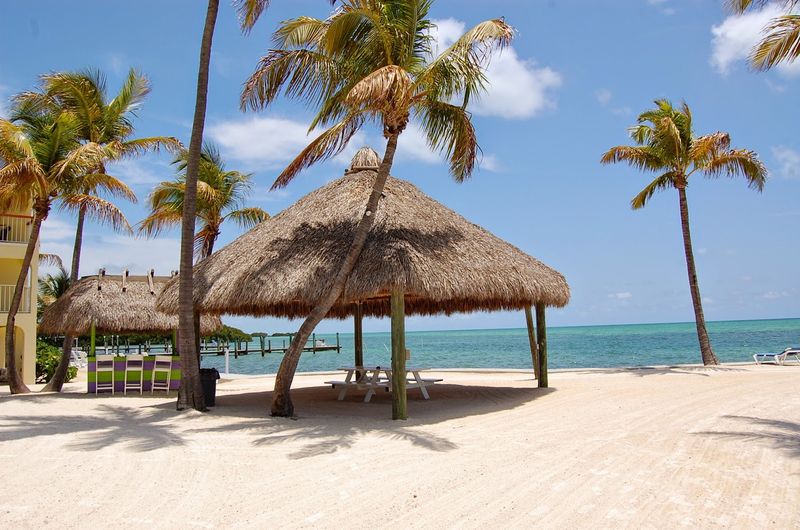
Islamorada sits in the heart of the Florida Keys, and spring is when this island village truly shines. The winter crowds have thinned, the seas are calming down from their rougher winter patterns, and the underwater visibility reaches some of its clearest levels of the year.
For snorkelers and divers, this timing is almost too good to be true.
The reef system near Islamorada is part of the Florida Reef Tract, the third largest barrier reef in the world. Spring brings excellent conditions for exploring shallow coral gardens where parrotfish, angelfish, and sea turtles are commonly spotted.
Backcountry fishing trips through the shallow flats are equally rewarding — fly fishing for bonefish and permit is considered among the best in the world here.
Beyond the water, Islamorada has a relaxed, artsy character with local galleries, farm-to-table restaurants, and waterfront tiki bars that feel like they were built specifically for long, unhurried spring afternoons. Theater of the Sea, an old-school marine park, offers a quirky and charming look at native species.
The sunrises over the Atlantic and sunsets over Florida Bay create a daily double feature of natural beauty that no screen can replicate. Islamorada is a place that earns genuine affection from everyone who visits.
Panama City Beach
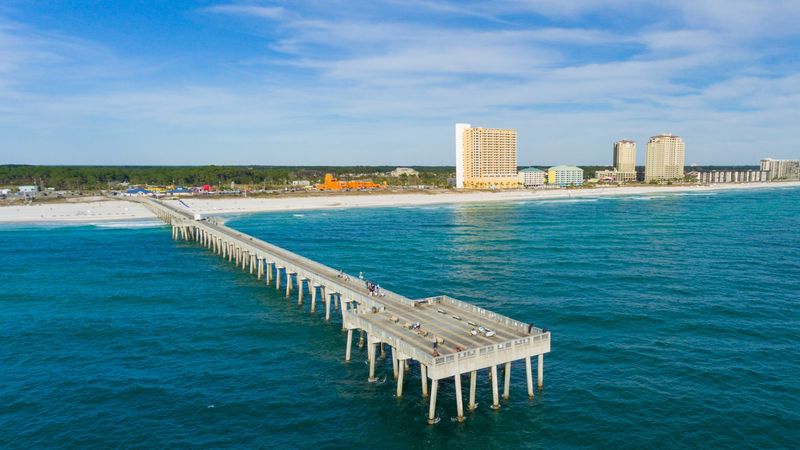
Panama City Beach has a reputation as a spring break hotspot, but look beyond the busy strip and you will find one of Florida’s most genuinely beautiful coastal destinations. St. Andrews State Park sits at the eastern tip of the peninsula, offering pristine Gulf-front beaches, pine flatwoods, and a jetty where anglers cast lines as dolphins play in the current nearby.
It is a world away from the resort hotels just a few miles west.
Spring is ideal for dolphin cruises departing from the marina, where pods of bottlenose dolphins are frequently spotted surfing boat wakes and hunting fish in the emerald shallows. Hiking the coastal trails inside St. Andrews reveals a side of the Panhandle that most visitors miss entirely — scrubby dunes, shorebird nesting areas, and stunning Gulf panoramas from elevated lookout points.
Sunset picnics on the beach here have an almost cinematic quality, with the sky turning shades of peach and violet over calm water. The seafood scene along the Front Beach Road is excellent, with family-owned spots serving Gulf shrimp and fresh flounder that rival anything you will find in fancier coastal cities.
Panama City Beach in spring is proof that Florida’s Panhandle deserves far more credit than it typically receives from travel guides focused on the southern coasts.
Santa Rosa Beach and Scenic 30A
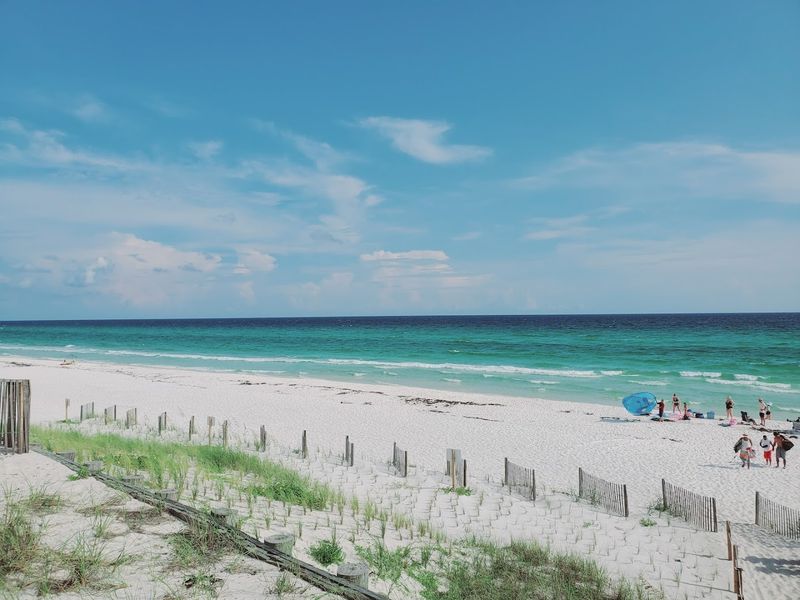
Driving along Scenic Highway 30A in spring feels like flipping through the pages of an architectural magazine where every house is more charming than the last. Pastel-painted beach cottages peek through longleaf pines, small boutiques line shaded village streets, and the pace of life slows to something genuinely restorative.
This stretch of Florida’s Panhandle is unlike anywhere else in the state.
One of 30A’s most unique features is its coastal dune lakes — rare geographic formations found in only a handful of places worldwide. Paddling across these calm, tannin-tinted lakes in spring, surrounded by towering dunes and native vegetation, is a quietly extraordinary experience.
Grayton Beach State Park is the crown jewel of the area, with pristine beaches and a dune lake that connects seasonally to the Gulf.
Bike trails link the charming communities of Seaside, Watercolor, Alys Beach, and Rosemary Beach, making human-powered exploration easy and rewarding. Spring brings fewer crowds than summer but keeps the restaurants, coffee shops, and art galleries buzzing with life.
The morning light along 30A has a particular golden quality that photographers absolutely love. Whether you spend your days paddling, cycling, gallery-hopping, or simply sitting on the porch of a rented cottage listening to the wind, 30A in spring is quietly perfect.
Ichetucknee Springs State Park
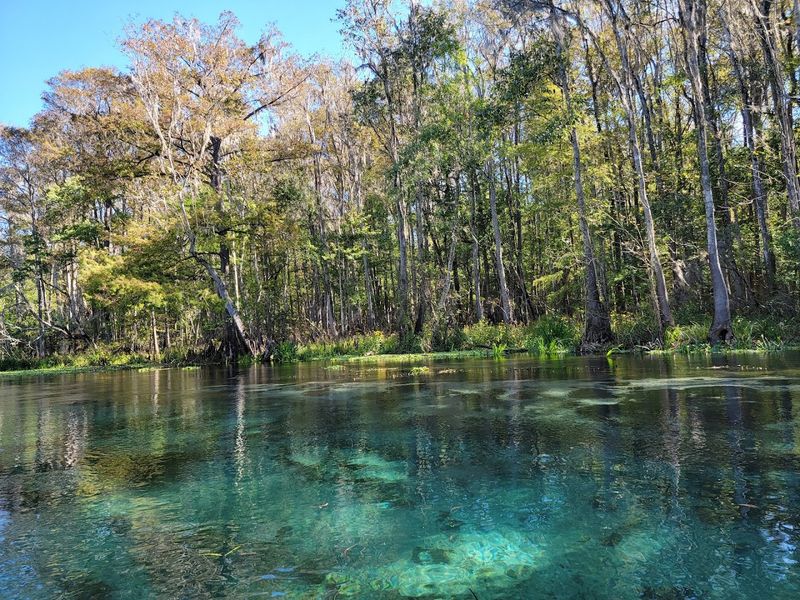
Imagine floating down a river so clear you can count the blades of grass on the bottom ten feet below you. That is what tubing the Ichetucknee River feels like, and it is one of those experiences that permanently raises your standard for what a river can be.
Fed by nine springs, the Ichetucknee pumps out 233 million gallons of 68-degree water every single day — a staggering natural achievement.
Spring is arguably the best season to visit, when the surrounding forest is lush and green, wildflowers bloom along the banks, and the cool spring water provides a refreshing contrast to warming air temperatures. Tubing the river’s upper section takes about two hours and covers some of the most scenic natural corridor in all of Florida.
Turtles sun themselves on logs, herons stand motionless in the shallows, and the occasional river otter might pop up to check you out.
Snorkeling is equally rewarding, with visibility stretching long distances through the gin-clear current. The park also has hiking trails and picnic areas for those who prefer to stay dry.
Arrive early on weekends — this park fills up fast, and tube rentals sell out. Ichetucknee Springs is the kind of place that makes you genuinely grateful for Florida’s extraordinary natural water systems and the state parks that protect them.
Weeki Wachee Springs State Park
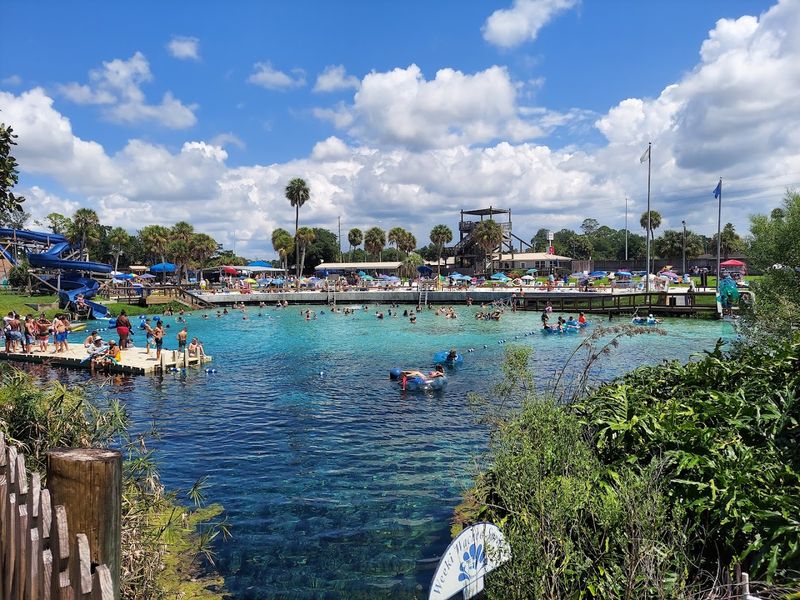
Weeki Wachee Springs has been enchanting visitors since 1947, when a former Navy frogman named Newton Perry trained a group of swimmers to perform underwater shows while breathing through air hoses. Today, the mermaid shows continue as a beloved Florida tradition that delights children and nostalgic adults in equal measure.
There is something genuinely magical about watching performers glide effortlessly through crystalline spring water.
Beyond the shows, the park offers paddleboarding and kayaking on the Weeki Wachee River, where manatees, river otters, and an extraordinary variety of birds are regularly spotted. The river cruise is a relaxing way to see wildlife without paddling, with a naturalist guide pointing out species along the lush, jungle-like banks.
Spring brings particularly vibrant greenery and active wildlife, making the cruise especially rewarding.
Buccaneer Bay, the park’s natural spring swimming area, is a wonderful place to cool off after exploring. The water temperature stays a constant 74 degrees year-round, which feels refreshing in spring without being shockingly cold.
Weeki Wachee is proof that Florida’s roadside attractions can be both quirky and genuinely wonderful — the kind of place that earns its reputation not through flashy marketing but through decades of authentic, joyful experiences that families pass down from one generation to the next.
Silver Springs State Park
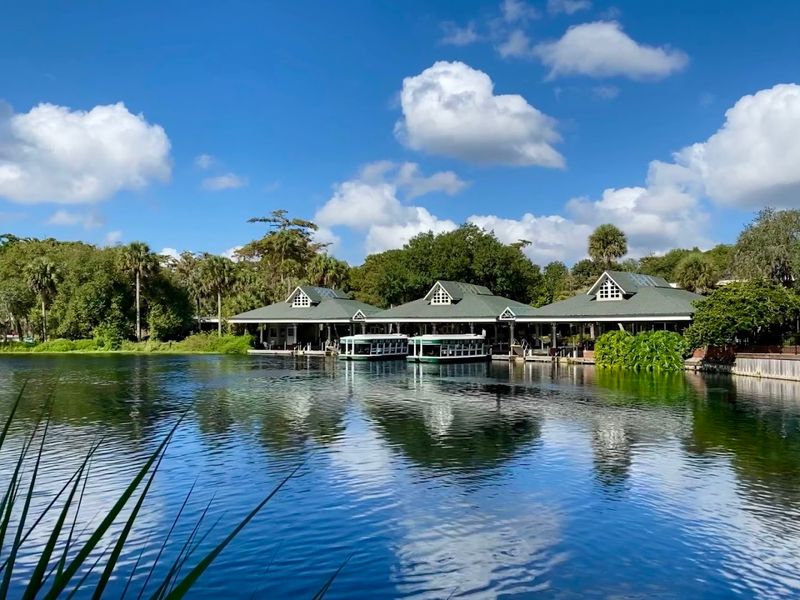
Glass-bottom boats have been gliding across Silver Springs since the 1870s, making this one of Florida’s oldest tourist attractions — and one of its most enduring. The spring vent at the heart of the park produces extraordinarily clear water, allowing passengers to peer through the boat’s glass panels at a living underwater world of fish, turtles, and aquatic plants below.
It is a simple concept that never loses its wonder.
Silver Springs became famous beyond Florida when it served as a filming location for classic movies and the original Tarzan films. Remnants of that Hollywood history add an interesting layer to the park’s already rich character.
Today, the park also offers kayak and canoe rentals for those who want a more active exploration of the spring run and the Silver River that flows from it.
Wildlife viewing along the river banks is exceptional — great blue herons, anhingas, river otters, white-tailed deer, and the occasional wild rhesus monkey (descendants of animals introduced during a 1930s jungle cruise attraction) can all be spotted. Spring brings longer daylight hours and comfortable temperatures that make long paddling days genuinely enjoyable.
Silver Springs is a place where Florida history, natural beauty, and wildlife all converge in one remarkably accessible and endlessly fascinating state park experience.
Blue Spring State Park
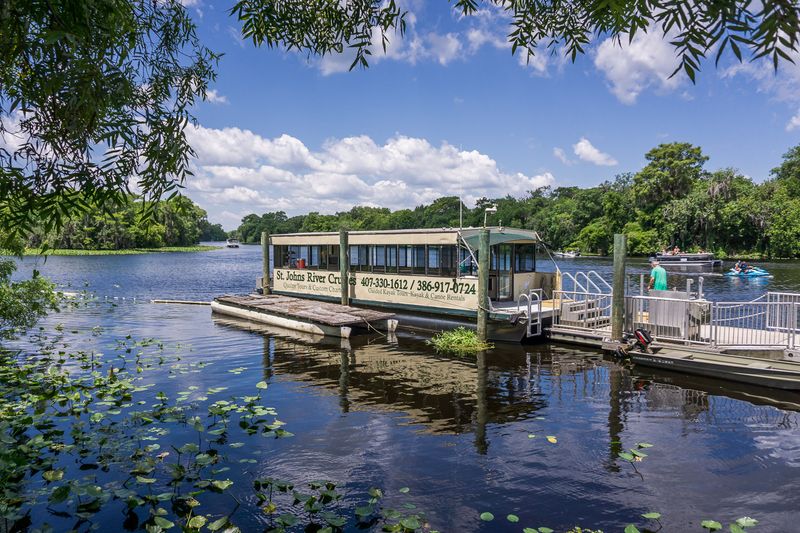
Blue Spring is perhaps best known as a winter manatee sanctuary — hundreds of the gentle sea cows gather in its 72-degree waters when the St. Johns River gets cold. But early spring is a fascinating transitional time, when the last manatees linger before heading back to warmer coastal waters and the spring itself opens back up for swimming and snorkeling.
Catching that overlap is a genuinely special experience.
The spring boil at Blue Spring is visually stunning — a deep, electric-blue pool fed by one of Florida’s largest first-magnitude springs, pumping over 100 million gallons of crystal-clear water daily into the St. Johns River. The boardwalk that follows the spring run is a wonderful vantage point for spotting wildlife, including alligators, turtles, and dozens of bird species that nest in the surrounding cypress forest.
Canoe and kayak rentals are available for paddling the spring run and connecting to the broader St. Johns River system. Camping within the park allows visitors to experience the magic of sunrise over the water, when mist rises from the spring and birds begin their morning chorus.
Blue Spring State Park is the kind of place that reminds you why protecting Florida’s natural water systems matters so deeply — it is irreplaceable, astonishing, and worth every effort to preserve.
Rainbow River in Dunnellon
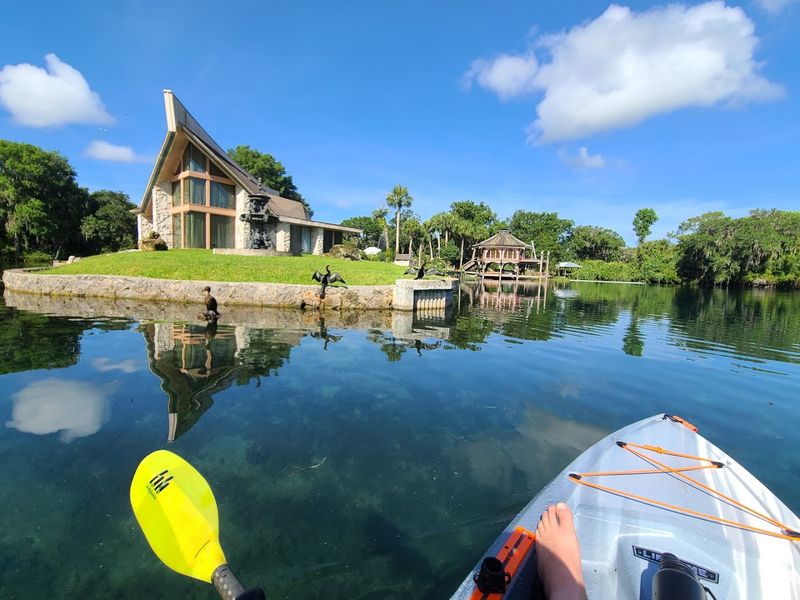
Paddling the Rainbow River for the first time tends to produce a specific reaction: jaw-dropping silence, followed by the urgent need to tell everyone you know about this place. The water is so clear and so richly colored — shifting between turquoise, emerald, and sapphire depending on depth and light — that it genuinely resembles a tropical snorkeling destination rather than a river in central Florida.
The name is completely earned.
Spring is ideal for a float trip down the river, which covers about 5.7 miles from the headspring to its confluence with the Withlacoochee River. The current is gentle enough for beginners and relaxing enough for anyone who just wants to drift and watch the underwater world scroll by beneath the boat.
Aquatic grasses sway in the current below, and fish dart through shafts of filtered sunlight in a display that feels almost choreographed.
Rainbow Springs State Park at the headwaters features walking trails, waterfalls, and a swimming area where you can snorkel directly over the spring vent. Wildlife photography opportunities abound — limpkins, ospreys, river otters, and softshell turtles are all regular residents.
Dunnellon itself is a small, friendly town worth exploring for lunch after a morning on the water. Rainbow River is one of Florida’s most photogenic natural treasures, and spring light makes it absolutely glow.
St. Augustine
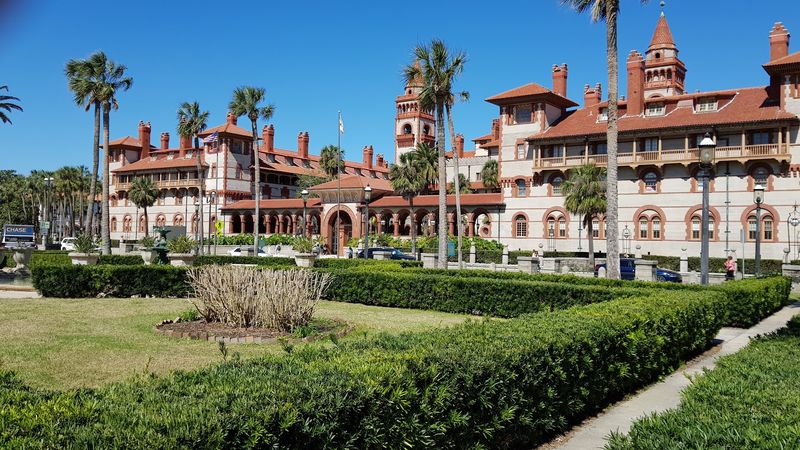
Founded in 1565, St. Augustine holds the title of the oldest continuously occupied European settlement in the United States — and spring is when this ancient city looks its absolute finest. Flowering trees and bougainvillea burst into color along the narrow cobblestone streets of the historic district, creating a backdrop that feels equal parts European village and tropical paradise.
History here is not behind glass — it is all around you.
The Castillo de San Marcos, a 17th-century Spanish stone fort overlooking Matanzas Bay, is one of the most impressive historic structures in the entire country. Walking its ramparts in spring, with the bay sparkling below and the old city spread out behind you, is a moment that sticks with you.
The city’s spring calendar fills with cultural festivals, art shows, and outdoor events that celebrate its extraordinary multicultural heritage.
Flagler College’s Gilded Age campus, the St. Augustine Lighthouse, the Colonial Quarter living history museum, and the Fountain of Youth Archaeological Park all offer fascinating ways to spend a day. The bayfront is lined with restaurants where you can eat outside and watch boats glide past.
St. Augustine rewards slow, wandering exploration — turn down an unfamiliar alley and you might find a centuries-old cemetery, a hidden garden, or a craft brewery in a restored historic building. This city genuinely has layers.
Everglades National Park
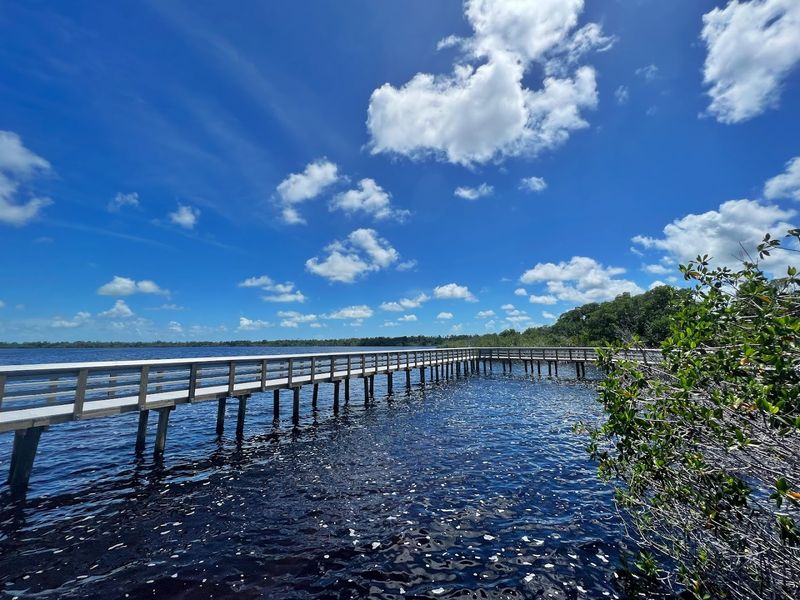
The Everglades is not just a swamp — it is a slow-moving river of grass, a UNESCO World Heritage Site, and one of the most biologically unique ecosystems on the planet. Spring arrives here before the summer rainy season transforms the landscape, creating the best conditions of the year for wildlife observation.
Water levels drop, concentrating fish and the birds and predators that depend on them into spectacular, easy-to-observe gatherings.
Wading birds are everywhere in spring — roseate spoonbills in brilliant pink, great blue herons standing motionless in the shallows, wood storks wheeling overhead in thermal columns, and snowy egrets dancing through the water in pursuit of fish. Alligators bask on every sunny bank, and if you are lucky, you might spot a Florida panther track or a rare snail kite hunting apple snails along the marsh edge.
The Anhinga Trail near the Royal Palm area is one of the best wildlife walks in North America, offering close-up encounters with birds and reptiles that seem almost unbothered by human presence. Canoe and kayak trails through mangrove tunnels reveal a secret, shadowy world that feels prehistoric.
Wild orchids bloom in spring along hammock edges, adding unexpected bursts of color to the green-and-gold landscape. The Everglades asks for patience and quiet — and rewards both with moments of breathtaking, primal beauty.