Tucked away in the rolling hills of southwestern Pennsylvania, West Overton Village is one of the most remarkably preserved pre-Civil War communities in the entire country.
Founded in the early 1800s, this living piece of history tells the story of hardworking settlers, a famous American family, and a thriving industrial village that once buzzed with activity.
Walking through its 19 original buildings feels like stepping back in time to a world of whiskey distilling, grain milling, and frontier entrepreneurship.
Whether you love history, architecture, or just a great road trip, West Overton Village is a destination that will genuinely surprise you.
Origins of West Overton Village
Long before the Civil War changed America forever, a determined group of German Mennonite settlers carved out a new life in the rugged hills of Westmoreland County, Pennsylvania. Led by Henry Overholt, these early arrivals brought with them a strong work ethic, deeply held faith, and a talent for farming that would lay the foundation for something extraordinary.
Their settlement, eventually known as West Overton, began as a modest but self-sufficient farm community.
Henry Overholt recognized that the land offered more than just fertile soil. The local grain supply and nearby waterways made the area ideal for milling and, crucially, whiskey distilling.
By combining agriculture with small-scale industry, the Overholts turned their homestead into a productive and profitable enterprise that drew workers and families to the area.
What makes West Overton’s origin story so compelling is how ordinary it started. A family, a patch of Pennsylvania land, and a vision — that combination sparked a community that would eventually produce one of America’s most powerful industrialists.
Visiting today, you can still feel the quiet determination those early settlers must have carried with them every single day.
The Overholt Family Legacy
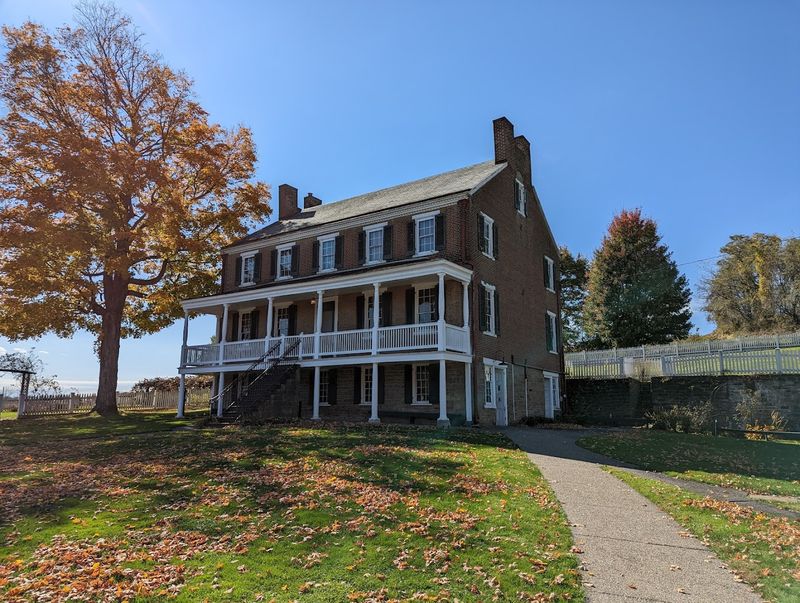
Abraham Overholt was the kind of man who never seemed satisfied with just enough. Taking over leadership from his father Henry, Abraham transformed what had been a working farm into a full-blown industrial operation that put West Overton on the map.
Under his direction, the village grew to include a thriving whiskey distillery, a gristmill, a sawmill, and various other enterprises that kept dozens of workers employed and busy year-round.
His business instincts were sharp, and his timing was excellent. The early 19th century was a period of rapid growth across Pennsylvania, and Abraham knew how to take advantage of expanding markets for grain, lumber, and spirits.
The Overholt name became synonymous with quality rye whiskey, a reputation that would outlast Abraham himself and echo through American history.
Beyond business, Abraham shaped the social fabric of the community. He provided worker housing, supported local families, and created a company town atmosphere that was both paternalistic and genuinely caring by the standards of his era.
His legacy is woven into every building still standing at West Overton today, a reminder that one family’s ambition can shape an entire community for generations to come.
Birthplace of Henry Clay Frick
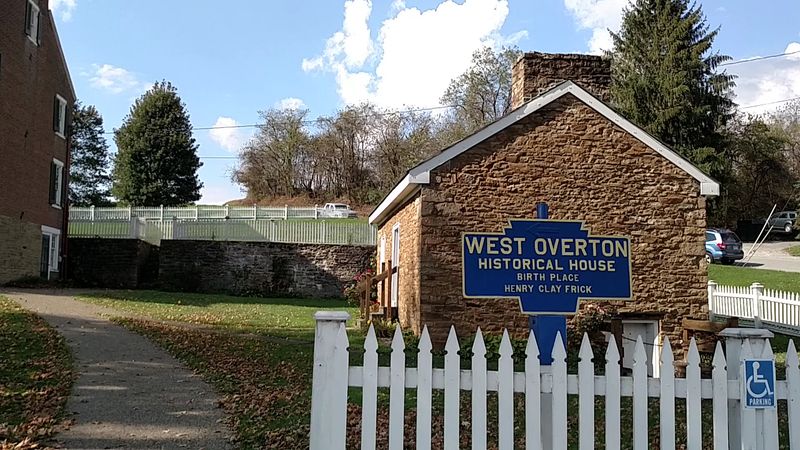
Few visitors expect a quiet Pennsylvania village to be the birthplace of one of America’s most powerful and controversial industrialists, but West Overton holds exactly that distinction. Henry Clay Frick was born here on December 19, 1849, in a modest cottage on his grandfather Abraham Overholt’s estate.
Growing up surrounded by industry, commerce, and the rhythms of a working village clearly shaped the ambitions that would later make him famous — and infamous.
Frick would go on to become the coke king of western Pennsylvania, supplying the fuel that powered Andrew Carnegie’s steel empire. His partnership with Carnegie made both men extraordinarily wealthy, though their relationship famously ended in bitter conflict.
The Homestead Strike of 1892 remains one of the most dramatic labor confrontations in American history, and Frick stood at its center.
Standing inside the small cottage where Frick was born, it is genuinely humbling to think about how far one person can travel from such humble origins. The birthplace is preserved as part of the museum complex, and guided tours bring his early life vividly to light.
History lovers will find this connection to Gilded Age America one of the most fascinating aspects of visiting West Overton.
Industrial Village Life Before the Civil War
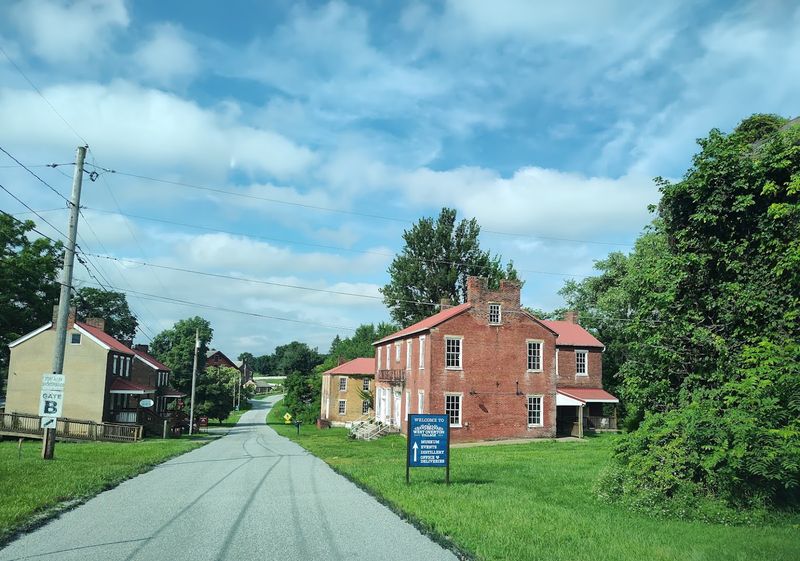
Picture a morning in West Overton around 1850: smoke rising from the distillery, the clatter of wagon wheels on packed dirt paths, coopers hammering barrel staves into shape, and millers hauling sacks of grain through heavy wooden doors. This was not a sleepy farming hamlet — it was a humming industrial community that operated with impressive efficiency for its time and place.
The village functioned almost like a small city unto itself. Workers lived in housing provided by the Overholt family, shopped at the company store, and organized their entire lives around the rhythms of the distillery and mill.
Social hierarchies were real and visible: the Overholt family occupied the grand farmhouse, while laborers lived in simpler quarters nearby. Yet the community also shared meals, celebrations, and the hard work that tied everyone together.
What is remarkable about West Overton is that this industrial village lifestyle existed decades before the great steel mills and coal mines that would later define western Pennsylvania. In many ways, the Overholt operation was ahead of its time, proving that rural communities could support complex, multi-industry economies.
Touring the village today gives visitors a rare, unfiltered look at what working life actually looked like before the Civil War transformed everything.
Historic Architecture and Original Buildings
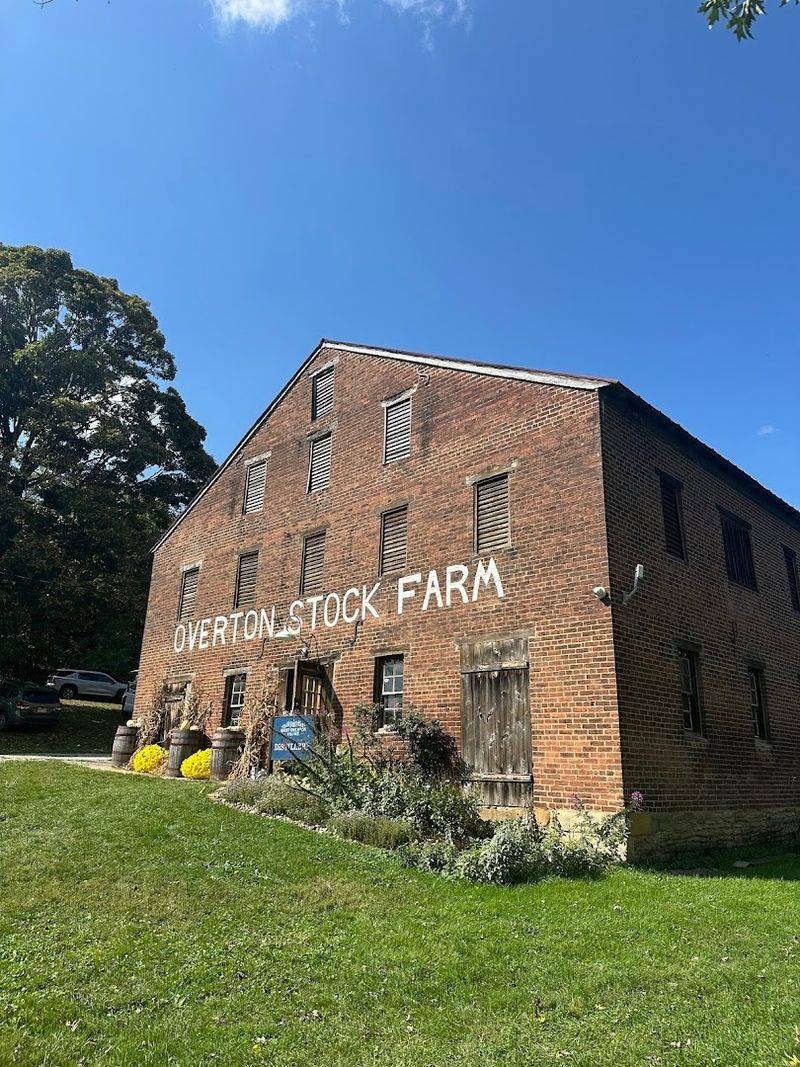
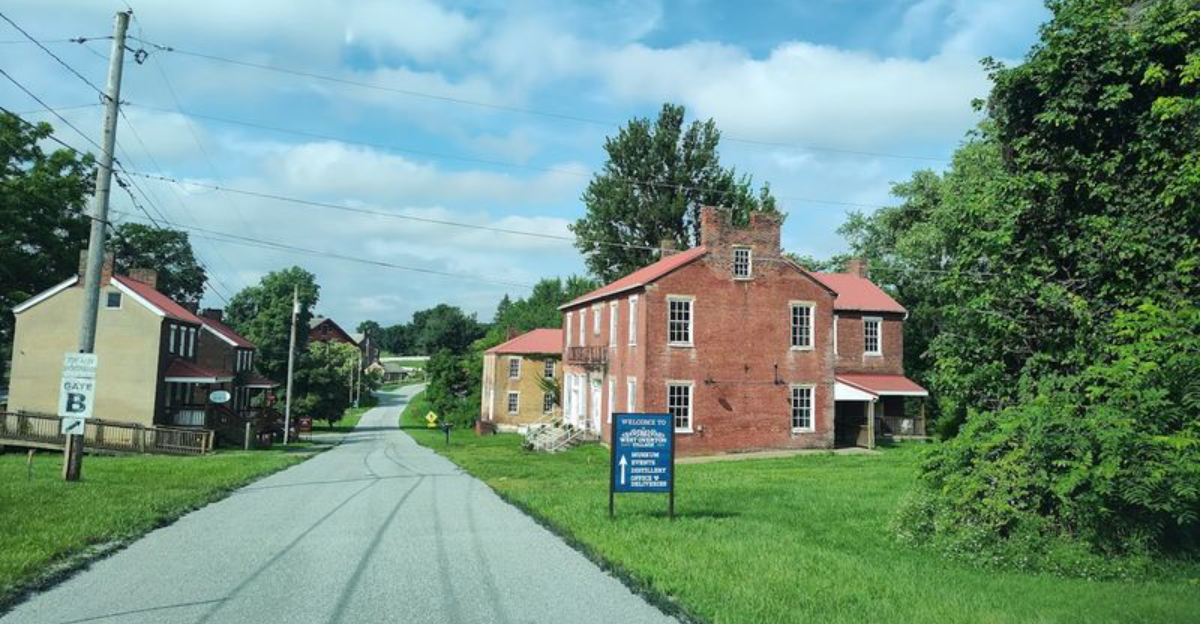
Architecture enthusiasts, get ready — West Overton Village is a genuine treasure chest of 19th-century building styles. The site preserves 19 original structures, making it one of the most intact pre-Civil War village complexes anywhere in Pennsylvania.
The buildings showcase vernacular Greek Revival design, a style popular in rural America during the 1830s through 1860s, characterized by simple symmetry, low-pitched roofs, and clean decorative details adapted from ancient Greek temples.
What sets these structures apart is that they were never dramatically altered or rebuilt. Visitors can examine original stonework, hand-hewn timber framing, and period-appropriate construction techniques that have survived nearly two centuries.
The farmhouse, distillery, springhouse, granary, and worker cottages each tell a slightly different story about how the village functioned and who lived and worked there.
The entire complex is listed on the National Register of Historic Places, recognizing its exceptional architectural and historical significance. Preservation experts consider West Overton a rare example of an almost completely intact rural industrial landscape.
For anyone who appreciates old buildings, craftsmanship, or American history, wandering through these structures is an experience that no photograph can fully capture. Every beam, every stone, and every doorway carries the weight of real human stories from a very different America.
Distillery and Whiskey Heritage
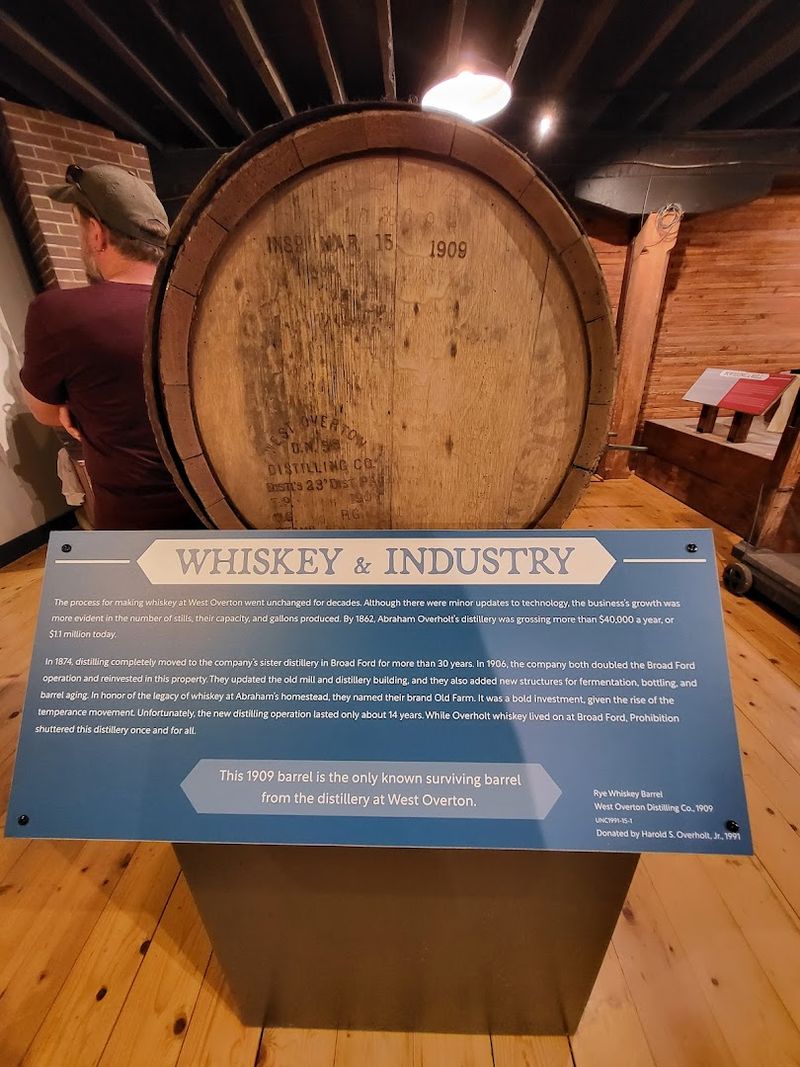
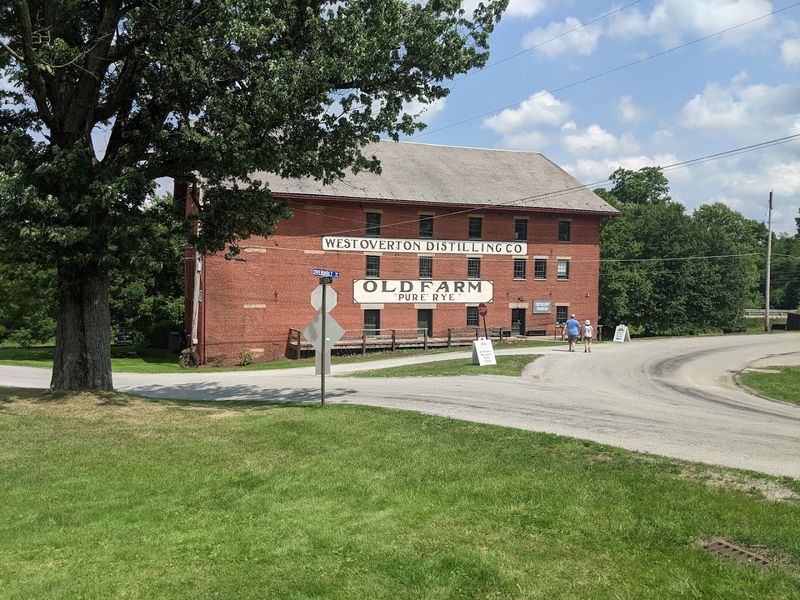
Whiskey has deep roots in western Pennsylvania, and West Overton Village sits right at the heart of that story. The Overholt distillery produced Monongahela rye whiskey, a distinctly American spirit made from locally grown rye grain that was prized across the region and beyond.
Monongahela rye was America’s original whiskey style, predating the Kentucky bourbon traditions that most people think of today when they hear the word whiskey.
The Overholt brand became one of the most recognized whiskey labels in 19th-century America. Abraham Overholt’s commitment to quality helped establish a standard that competitors tried hard to match.
After his death, the brand continued under different ownership and eventually survived Prohibition — a remarkable feat that speaks to just how beloved Old Overholt rye whiskey truly was. The brand is still sold today, making it one of America’s oldest continuously marketed whiskey names.
West Overton is now a featured stop on the American Whiskey Trail, a national recognition of its importance to the history of American spirits. The on-site educational distillery lets visitors see how rye whiskey was made using historical methods.
Whether you are a whiskey enthusiast or just curious about American food history, this part of the tour is genuinely eye-opening and a whole lot of fun.
Life of Workers and the Community
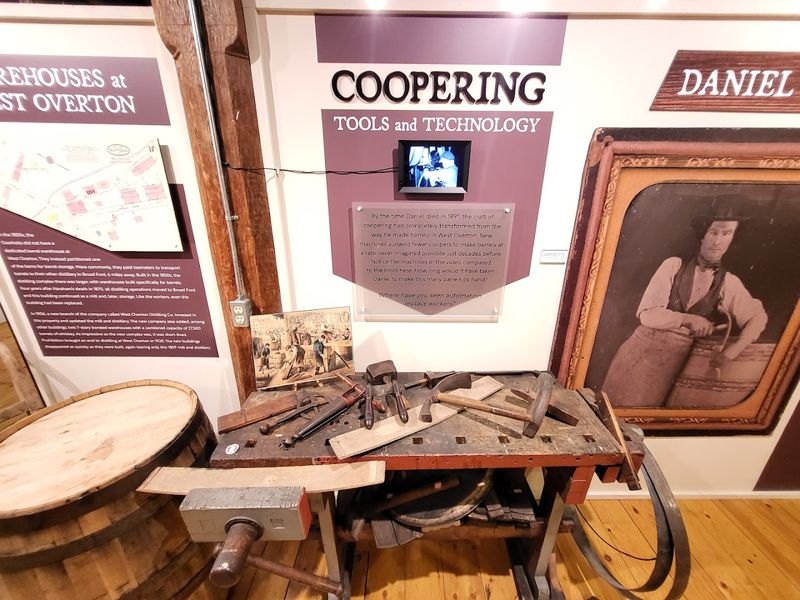
Behind every barrel of rye whiskey and every sack of milled grain stood real people whose names history rarely records. The workers of West Overton — farmers, coopers, millers, distillery hands, and domestic laborers — formed the backbone of a community that could not have functioned without them.
Their daily lives were shaped by hard physical work, seasonal rhythms, and the social structures of a company town where the Overholt family held enormous influence.
Social life in the village revolved around work, family, and faith. Many workers were of German or Scots-Irish descent, reflecting the broader immigrant patterns of southwestern Pennsylvania.
They lived in modest but functional housing, and their children grew up playing in the same fields and lanes that visitors can walk today. The community was tight-knit by necessity — when one family struggled, neighbors stepped in.
Interestingly, the workers of West Overton represent a social class that historians sometimes overlook when telling stories about industrial America. They were neither wealthy landowners nor destitute laborers — they occupied a complicated middle ground that shaped the character of the village in lasting ways.
Museum exhibits at West Overton do a thoughtful job of bringing these largely forgotten voices back to life through artifacts, documents, and engaging interpretive displays.
Preservation as a Museum
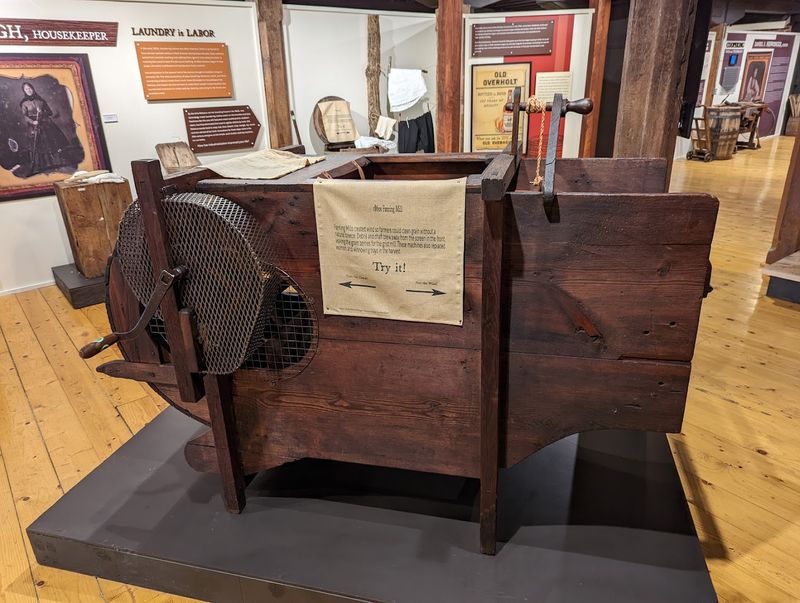
Sometimes it takes one determined person to save an entire piece of history. In 1928, Helen Clay Frick — the daughter of Henry Clay Frick — purchased the West Overton property with a clear and passionate purpose: to preserve the place where her father was born and to honor the community that shaped her family’s story.
Without her intervention, it is very likely that these buildings would have been lost to neglect, demolition, or commercial development.
Helen was already known as a serious art collector and philanthropist by the time she turned her attention to West Overton. She had inherited her father’s sharp eye for quality and his belief that preservation was a moral responsibility.
Her decision to protect the village reflected a growing national movement in the early 20th century that recognized the value of saving historic places before they disappeared forever.
Today, West Overton Village operates as a museum and historic site under the stewardship of a dedicated nonprofit organization. Helen’s original vision — that this place should educate and inspire future generations — remains the guiding principle behind everything the museum does.
Her legacy is as much a part of West Overton’s story as the Overholts themselves, and visitors owe much of their experience to her far-sighted generosity and love of history.
Educational Exhibits and Programs
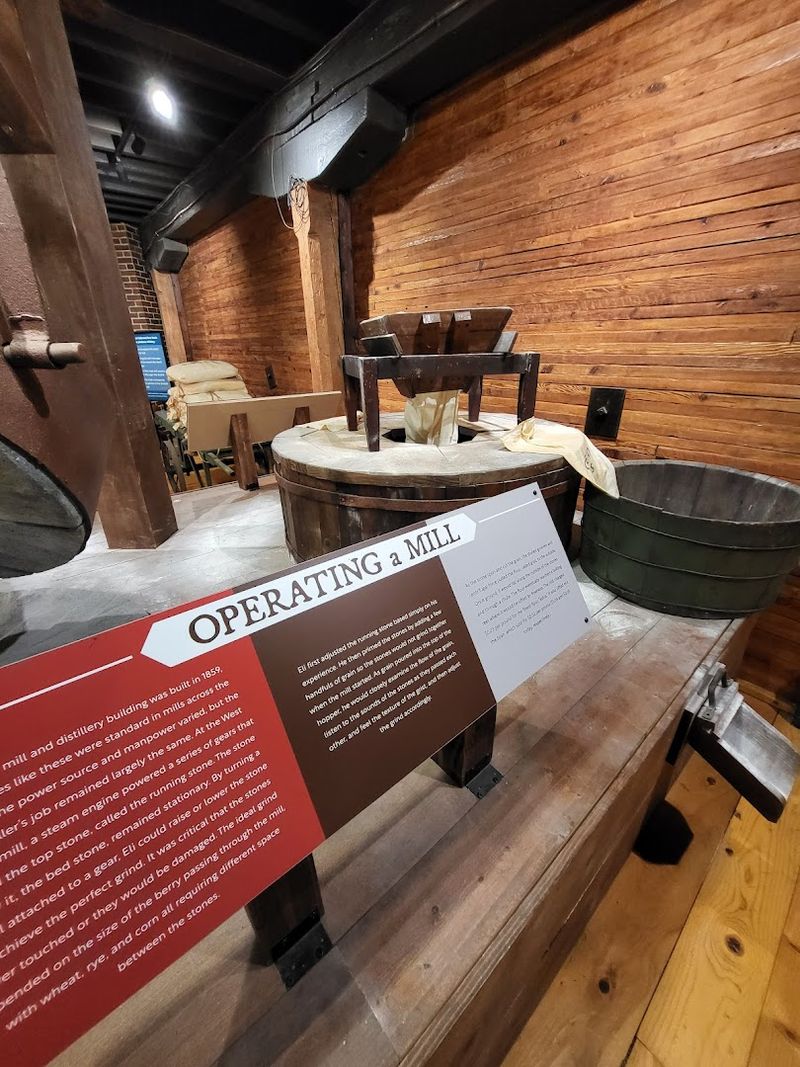
History comes alive at West Overton Village in ways that go far beyond reading a placard on a wall. The museum offers a rich lineup of guided tours, hands-on activities, and immersive exhibits designed to make 19th-century life feel real and relevant to visitors of all ages.
School groups, families, and history buffs all find something genuinely engaging here, which is a testament to how thoughtfully the programming has been developed over the years.
One of the most popular offerings is the educational distillery experience, where visitors can learn about the step-by-step process of making historic Monongahela rye whiskey using methods that would have been familiar to Abraham Overholt himself. Guides explain the chemistry, the craftsmanship, and the cultural significance of whiskey production in early America.
For older visitors, whiskey tastings add an extra layer of sensory connection to the history.
Beyond distilling, the museum hosts seasonal events, craft demonstrations, and special exhibitions that explore topics like rural industry, immigration, and family life in pre-Civil War Pennsylvania. The programs are designed to spark curiosity rather than just deliver facts, which makes the learning feel natural and memorable.
Whether you spend two hours or a full day here, you will leave knowing something genuinely new about American history.
Visitor Information and Planning Your Trip
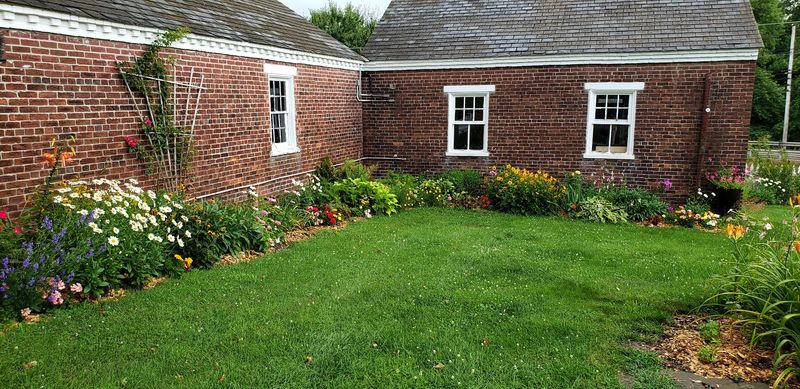
Planning a visit to West Overton Village is straightforward, but a little preparation goes a long way toward making the most of your trip. The museum is located at 109 W.
Overton Road in Scottdale, PA 15683, nestled in the gentle countryside of Westmoreland County about an hour southeast of Pittsburgh. The drive itself is scenic, passing through small towns and farmland that still carry echoes of the 19th-century landscape.
Most tours and programs run seasonally from May through October, so timing your visit during those months gives you the best access to guided experiences, distillery demonstrations, and special events. Hours and admission prices can vary depending on the season and specific programming, so it is always a smart move to call ahead at +1 724-887-7910 or check the official website before you go.
Nobody wants to make a long drive only to find the gates closed.
West Overton pairs beautifully with other regional attractions, including Frank Lloyd Wright’s Fallingwater and Kentuck Knob, both within reasonable driving distance. Bringing a picnic lunch is a great idea — the grounds are lovely and peaceful.
Whether you are a dedicated history traveler or simply looking for an off-the-beaten-path day trip, West Overton Village delivers an experience that feels both educational and genuinely unforgettable.