Tucked into Stetson University, this small-but-mighty museum turns geology into a hands-on adventure. You can literally hold a meteorite, sift for your own take-home stones, and get face to face with minerals that sparkle like stage lights.
Best of all, admission is free, so you can wander at your own pace and come back when exhibits rotate. Plan a weekday visit, and you will see why locals call it a hidden gem worth sharing.
Hold a Real Meteorite
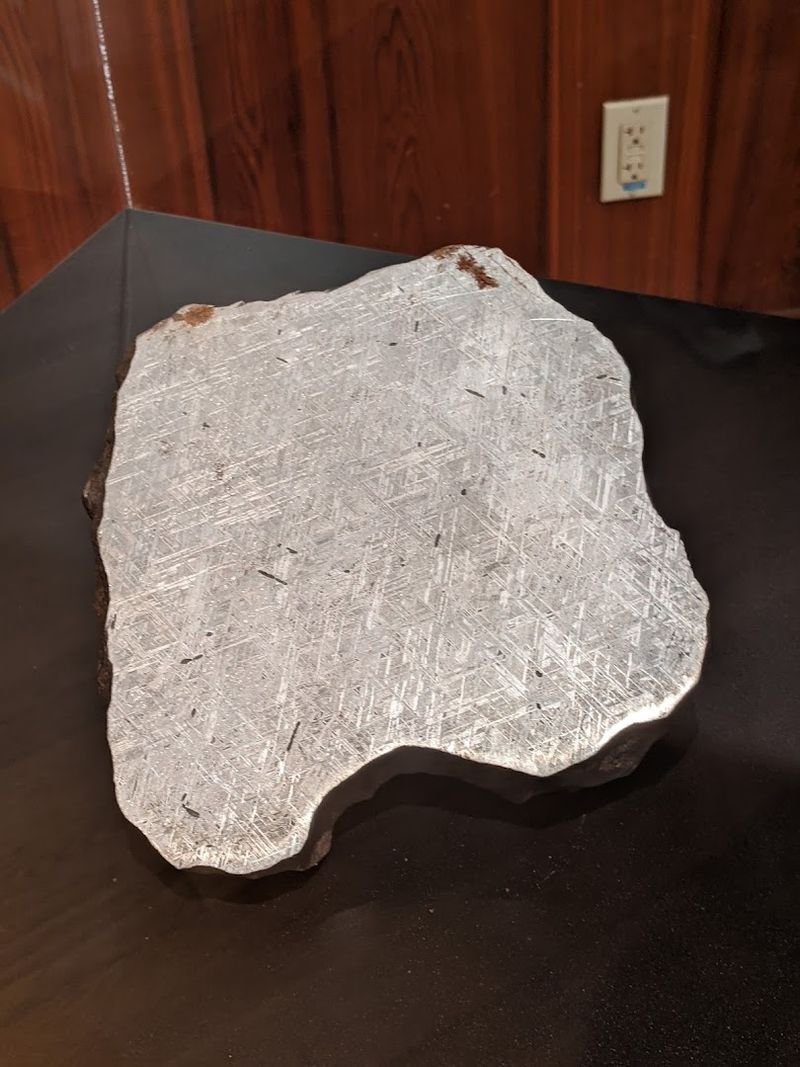
That cool weight in your palm is not a prop, it is a real meteorite the staff invites you to hold. Feeling the dense nickel-iron instantly reframes space as tangible, not distant, and kids love comparing it to regular rocks.
A friendly educator shares the fall story, points out fusion crust, and explains why magnetic pull is stronger than you expect.
You can set it beside tektites and impact glass from Florida collections to notice color, luster, and streak differences up close. Staff encourage safe handling etiquette, like two-hand carrying and table-level viewing, which keeps rare specimens accessible without anxiety.
Photo spots nearby let you frame that unforgettable moment so the story travels home with your group. Docents also compare chondrites and irons side by side, showing metal flecks, regmaglypts, and polished sections that reveal crystalline Widmanstatten patterns.
Ask about meteorites in Florida history, from sonic booms to tiny finds discovered in shell driveways after storms. The museum pairs these tales with clear labels, magnifiers, and maps, turning quick curiosity into confident understanding.
You leave ready to spot fusion crust on your next nature walk, plus a new respect for stones that fell from space.
Dig For Your Own Rocks
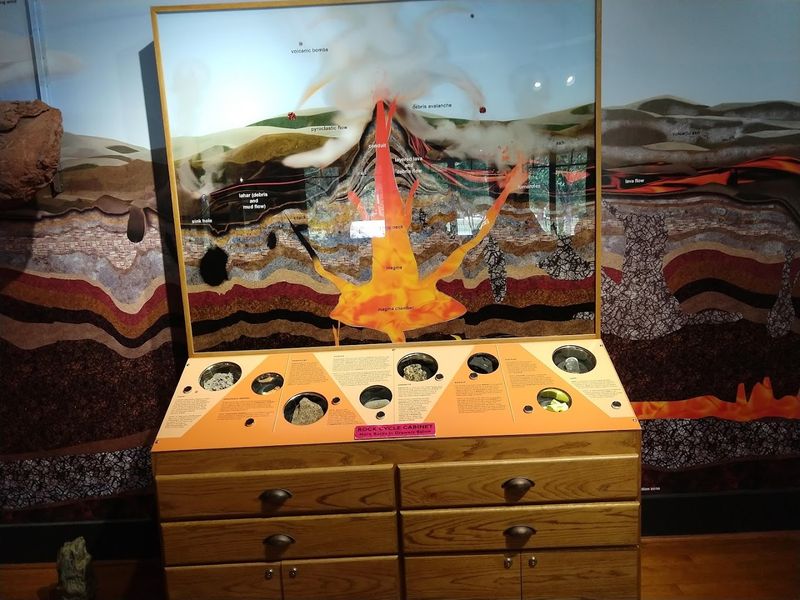
No token souvenir beats the thrill of uncovering your own stones in the museum’s dig experience. Trays, sifters, and labeled reference cards guide you as you rinse away sand to reveal quartz points, agate chips, and occasional surprises.
Kids feel like prospectors while grownups quietly compete to spot banding, cleavage, and sparkle first.
Staff teach quick ID skills, like checking hardness with a fingernail or coin, and noticing conchoidal fractures on glassy pieces. You can sort finds into keepers and question marks, then walk to display cases and compare them with polished museum specimens.
The process builds confidence, because every tray becomes a mini field lab where observations matter more than memorization.
Bring a small zip bag for take-homes, and jot notes on a phone so the stones keep their stories. Weekend visitors sometimes catch special pop-up digs tied to rotating themes, from Florida phosphate to trilobite replicas.
Expect sandy hands, big grins, and a satisfying clink of treasures that will ride home in your pocket.
Florida Minerals Spotlight
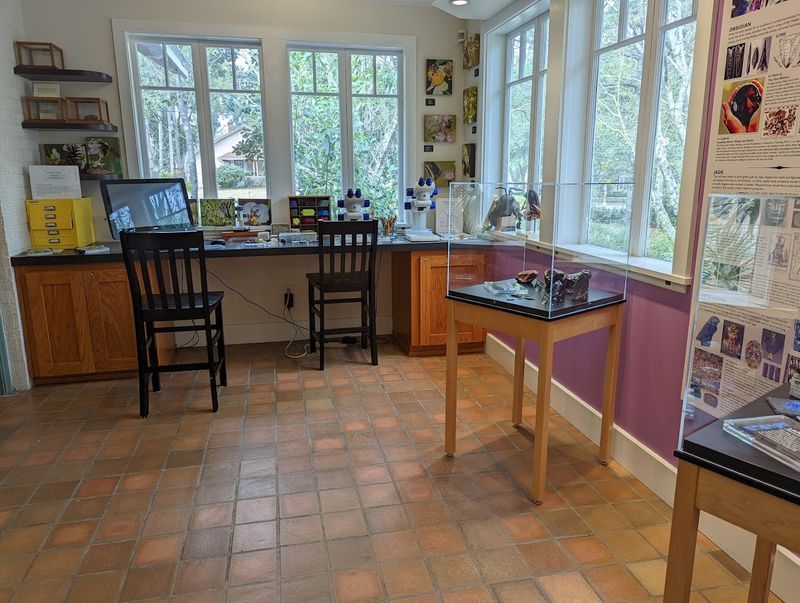
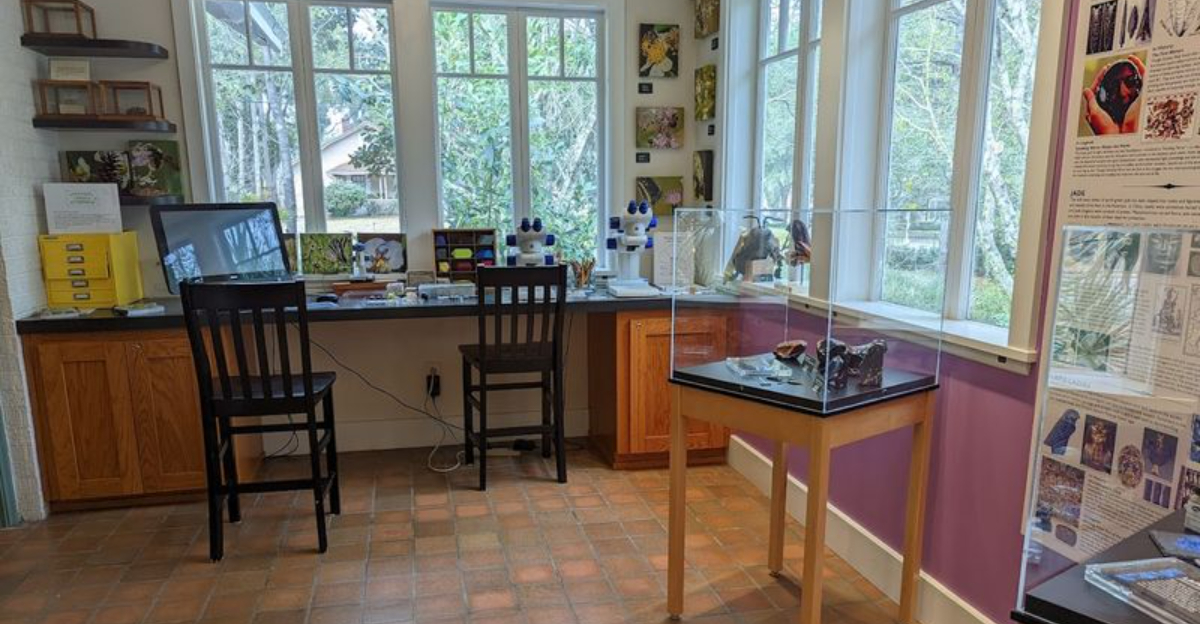
State geology gets star treatment here, making local landscapes feel newly readable. Cases highlight Florida calcite, phosphate nodules, agatized coral, and shell-rich limestones that shaped roads, farmland, and industry.
You can trace where each specimen came from on bright county maps, then match colors and textures to places you have actually driven.
Interpretive panels keep jargon light and show how aquifers, sinkholes, and karst connect to your tap water and springs. Side-by-side samples invite touch on designated pieces, so you can feel porous textures that explain why rain disappears quickly.
Kids latch onto agatized coral because it looks like candy, while adults appreciate the economic history tucked into the labels.
For at-home learning, snap photos of the stratigraphy diagrams and create a pocket guide for your next springs visit. Staff will point you to off-museum spots like roadside exposures, emphasizing safety and leave-no-trace habits.
By the end, Florida’s flat horizon carries depth, and road cuts become storyboards waiting to be read.
Rotating Exhibits That Keep It Fresh
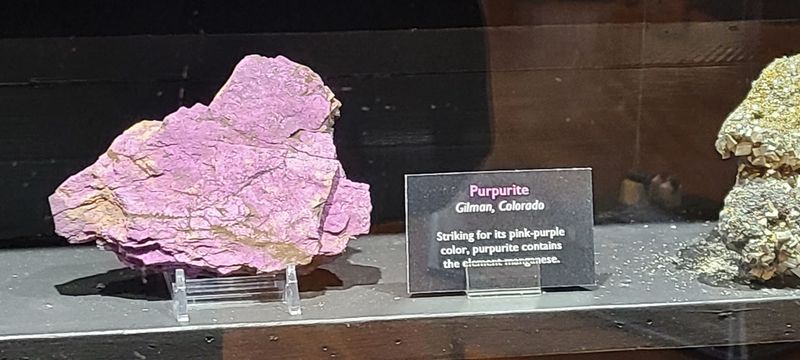
Return visits feel new thanks to rotating shows that spotlight different corners of the collection. One season might feature fluorescent minerals under blacklight, and the next might highlight towering quartz clusters or regional fossils.
The team curates with balance, mixing visual wow with stories about mining, science breakthroughs, and everyday uses.
Signage stays approachable, so you can walk in cold and still follow the thread without a textbook. Family guides on clipboards add scavenger-hunt prompts that reward careful looking instead of speed.
If you like a deeper layer, QR codes link to videos and behind-the-scenes notes from Stetson University staff.
Check the website calendar before you go, because hours shift with the school year and special events appear suddenly. Locals often plan a quick weekday stop when a new theme opens, then swing back with visiting relatives.
It turns into a habit that makes geology part of regular life instead of a once-and-done field trip.
Family-Friendly Ways To Learn
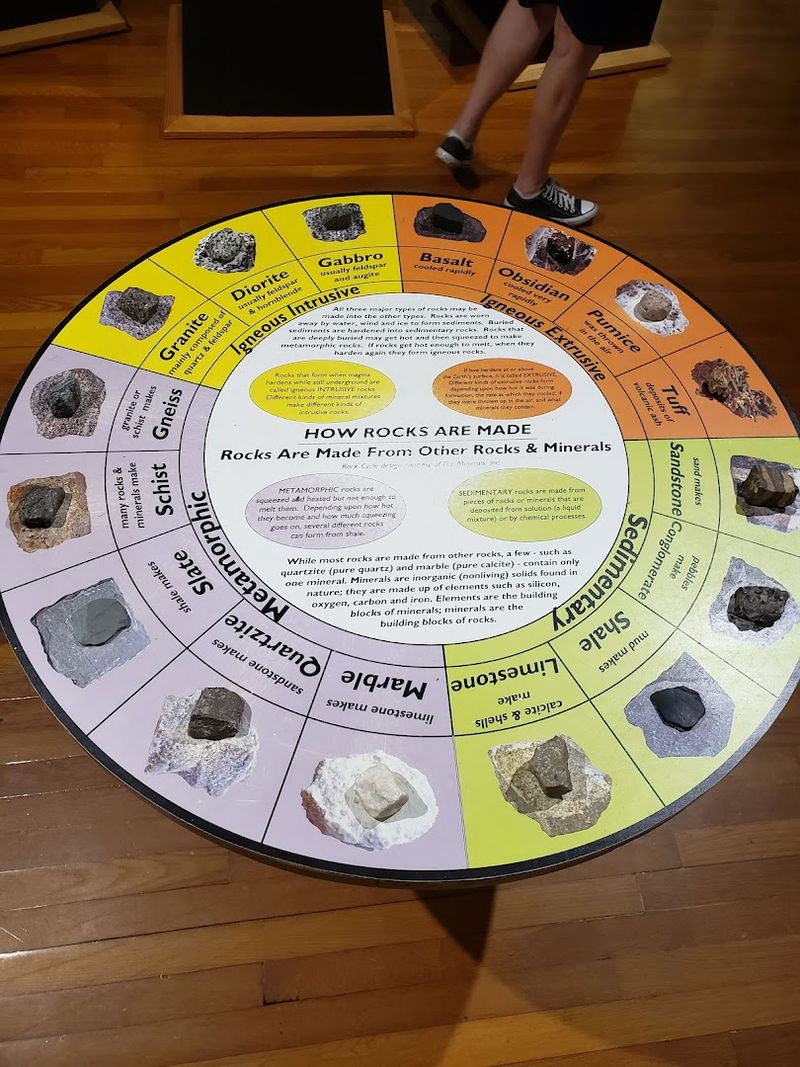
Attention spans vary, and the museum plans for that beautifully. Stations are short, tactile, and clearly labeled, so kids can jump in quickly while adults linger on deeper reads.
Seating nooks give grandparents a rest with a view of the action, which keeps the whole crew happy.
Look for simple prompts that turn glancing into observing, like find a mineral with perfect cleavage or compare two lusters. Staff keep the tone encouraging and never gatekeep vocabulary, which makes questions feel welcome.
If your group learns best by doing, a volunteer will happily set up a quick hardness test or magnet check.
Two hours slide by faster than expected, so start near opening if you want the quietest gallery time. Bring a small notebook for kid sketches and rock rubbings using blank index cards at activity tables.
You will head out with new words, shared jokes, and a pocket stone that already carries a memory.
Planning Your Visit and Parking
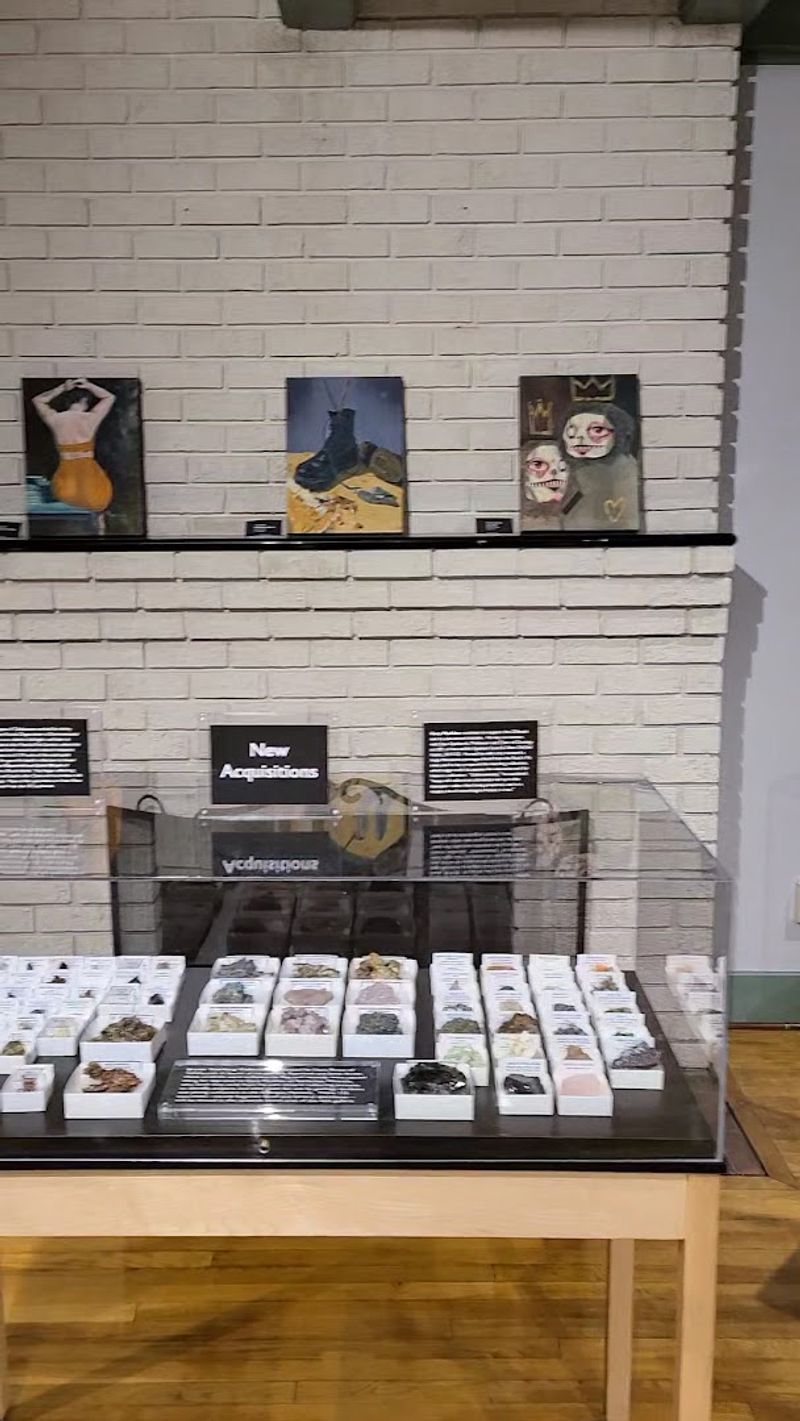
A smooth visit starts with timing. The museum aligns hours with Stetson University’s schedule, typically open Wednesday and Friday midday and longer on Thursday, with weekends mostly closed.
Admission is free, donations appreciated, so bring a few dollars if you like supporting field trips and fresh exhibits.
Parking sits across the street, and traffic can feel busy at class change, so use crosswalks and take a moment with kids. Light snacks are fine outside, but food stays out of galleries, which keeps specimens safe and glass spotless.
Restrooms are clean and close to activity stations, making it easy to regroup before another round.
Check the website or call ahead for holiday changes and special program days. If you are driving from Orlando, plan extra time for DeLand’s charming downtown, great for a post-museum bite.
With a little prep, you get a relaxed rhythm that makes room for questions, photos, and unhurried discoveries.
School Programs, Clubs, and Workshops
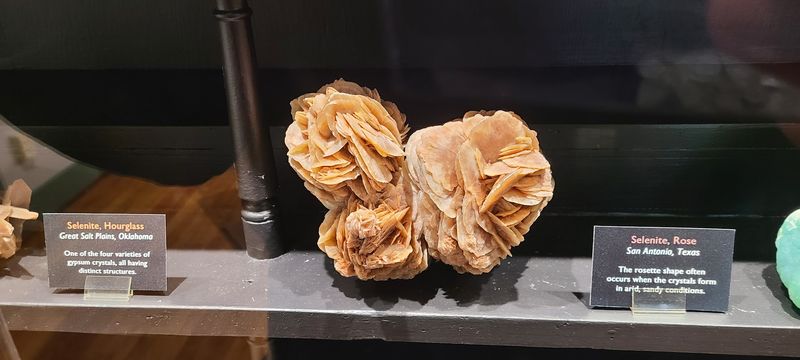
Class field trips bring the galleries to life, but smaller clubs get just as much attention. Educators tailor activities to age and goals, from rock cycle relays for third graders to mineral ID labs for teens.
Homeschool groups appreciate clear pre-visit packets and post-visit worksheets that turn curiosity into credit.
On select dates, the museum hosts talks, night programs, and community science events that connect campus research to visitors. Seating is limited, so RSVP early and arrive a few minutes ahead for the best sightlines.
You can often handle teaching kits packed with labeled samples, magnifiers, and easy checklists you can copy at home.
If you run a scout troop, ask about badge-aligned sessions that cover safety, observation, and environmental stewardship. Families can build momentum afterward by starting a windowsill collection labeled with painter’s tape and pencil.
Those small follow-ups reinforce what you learned and keep the excitement humming until your next visit.