Somewhere in the heart of Quakertown, Pennsylvania, a building has been standing since before the United States even existed. McCoole’s at the Historic Red Lion Inn has welcomed travelers, farmers, merchants, and curious visitors through its doors for centuries.
Today, you can sit down for a meal in the very same rooms where colonial-era guests once warmed themselves by the fire. If eating history sounds like your kind of night out, this place is absolutely worth knowing about.
A Table Set Since the 1700s
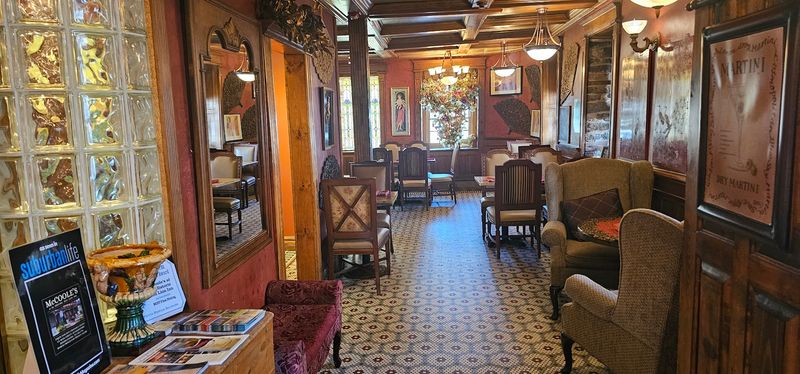
Walking through the front door of McCoole’s at the Historic Red Lion Inn feels like stepping across a timeline. The building beneath your feet has been standing since colonial times, long before the United States was even a country.
Generations of travelers pulled off the road and came through this same entrance, tired, hungry, and grateful for a warm meal.
There is something grounding about sitting at a table in a space that old. The walls have witnessed pre-Revolutionary conversations, post-war celebrations, and every ordinary Tuesday in between.
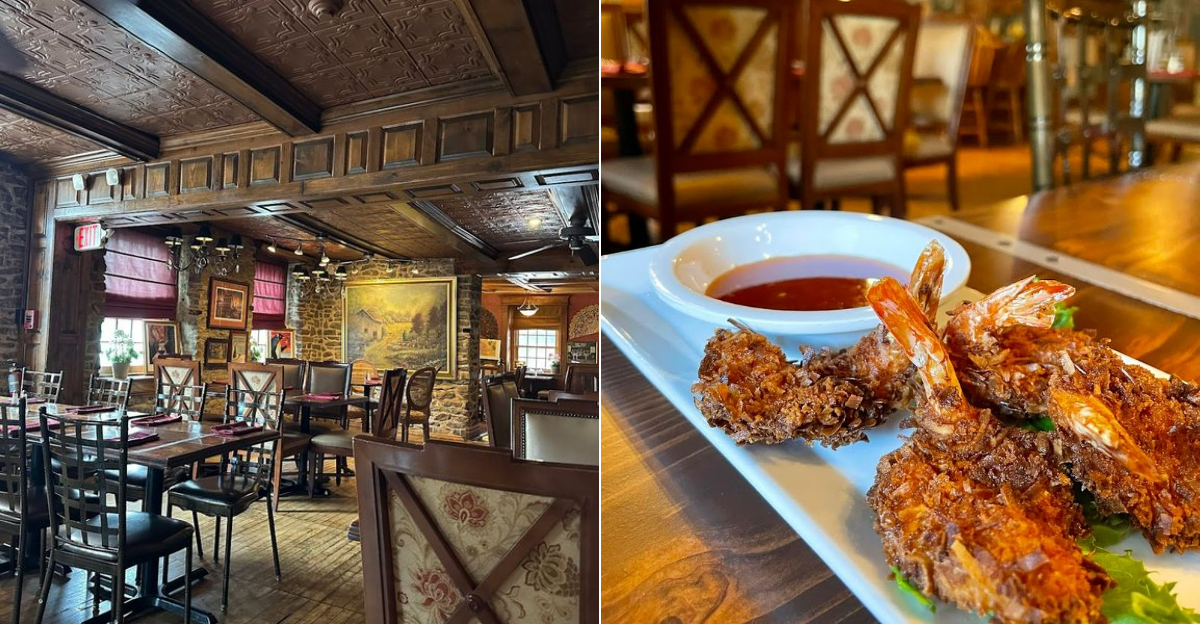
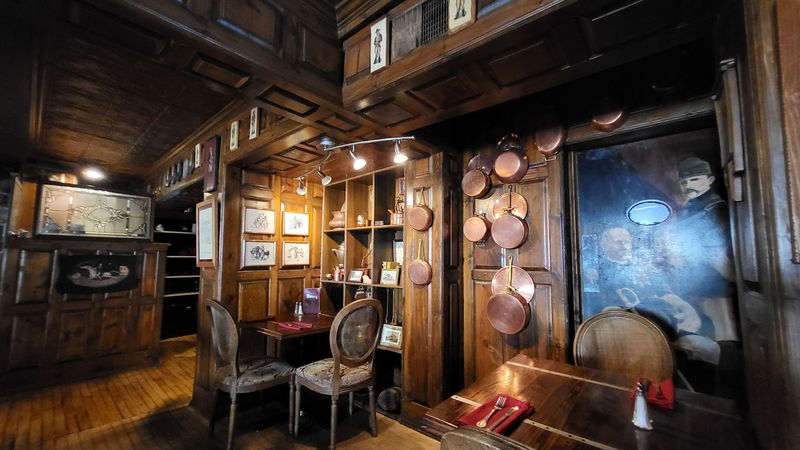
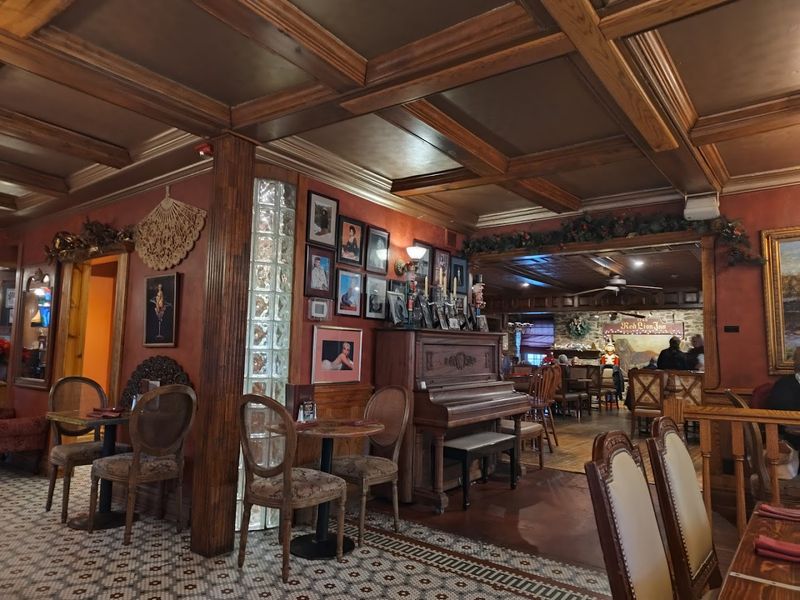
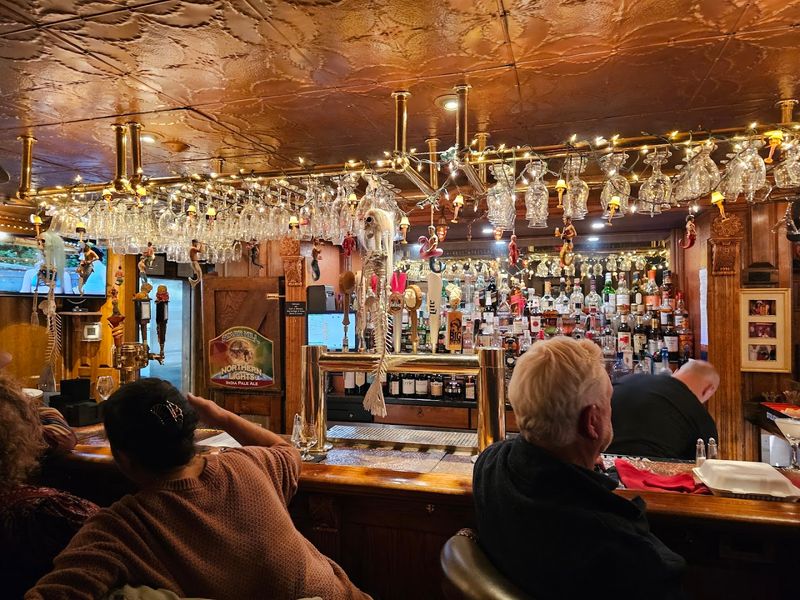
Guests today settle in among stone walls and dark wood, ordering French onion soup or beef stroganoff while sitting in a room that once served stagecoach riders.
No museum rope separates you from the history here. You eat in it.
The flickering fireplace, the uneven floors, the low ceilings overhead — all of it is real, unchanged, and quietly remarkable. Few dining experiences in Pennsylvania carry that kind of weight without even trying to show off about it.
From Tavern to Landmark: How the Red Lion Inn Got Its Name
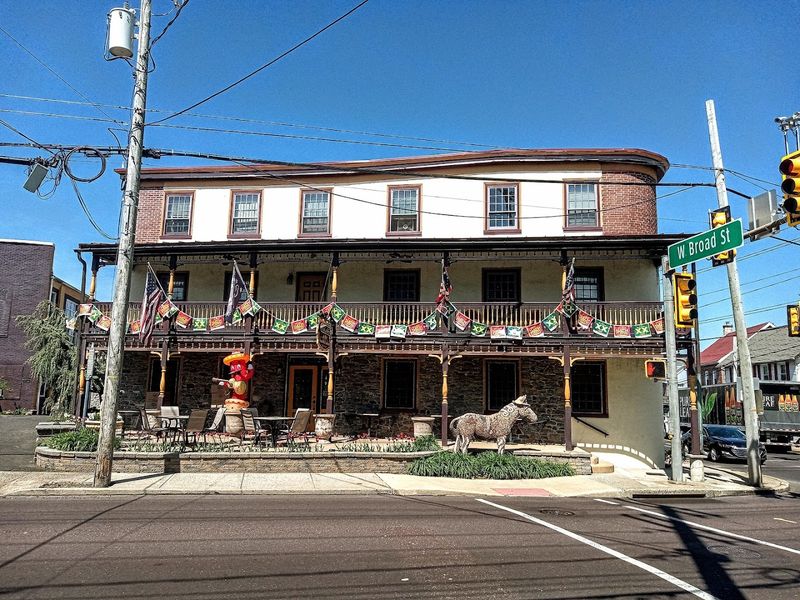
Back in colonial Pennsylvania, most travelers couldn’t read. Tavern owners solved that problem the same way English pub owners had for centuries — by hanging a painted image above the door.
A red lion was one of the most recognized symbols, borrowed from British heraldic tradition, and it told road-weary guests exactly what kind of stop they had found.
The Red Lion Inn in Quakertown followed that same naming tradition. It wasn’t just a catchy title; it was a practical signal along one of Pennsylvania’s busiest early roads.
Travelers heading between Philadelphia and the Pennsylvania interior would have known exactly what to look for.
Over time, the name stuck even as the inn’s role evolved. Today, McCoole’s carries that legacy forward, keeping the Red Lion name alive as both a nod to history and a genuine point of pride.
Knowing the story behind the name makes the first sip of a craft beer or a warm bowl of clam chowder taste just a little more interesting.
Stone Walls and Low Ceilings: What the Building Tells You
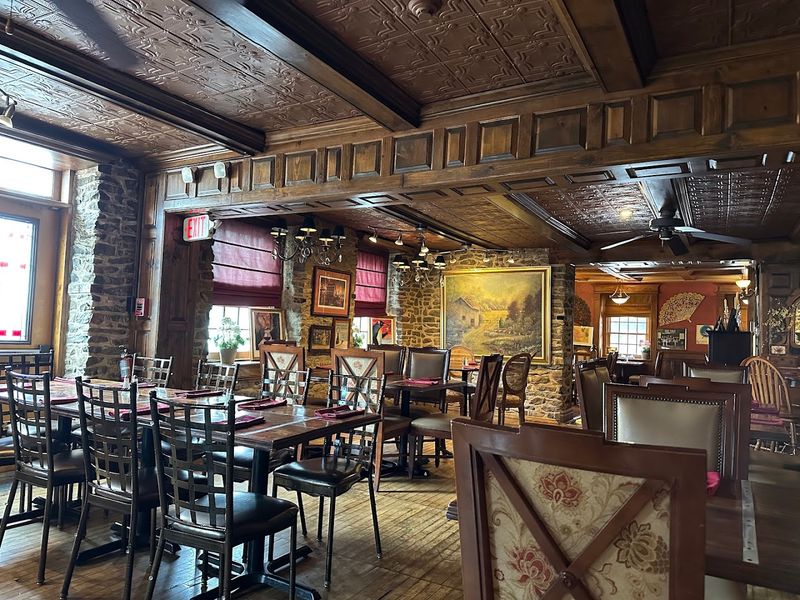
Every crack in the mortar and every hand-hewn beam overhead tells a story about how people built things in the 1700s. The stone walls of the Red Lion Inn were not decorative choices — they were practical ones.
Local fieldstone was abundant, durable, and free if you knew where to dig it up, which made it the go-to material for Pennsylvania German settlers in this region.
That building tradition, brought over from central Europe, shows up throughout Bucks County. Thick walls kept interiors cool in summer and held heat in winter without any mechanical help.
The wide-plank floors came from old-growth trees that no longer exist in those sizes today. Everything you see was made by hand, with tools that would look primitive by modern standards.
Standing inside McCoole’s, you’re essentially inside a time capsule of regional craftsmanship. Reviewers frequently mention the warm, intimate feel of the space — stone walls and dark wood creating an atmosphere that feels genuinely historic rather than themed or manufactured for tourists.
What’s Actually on the Menu Today
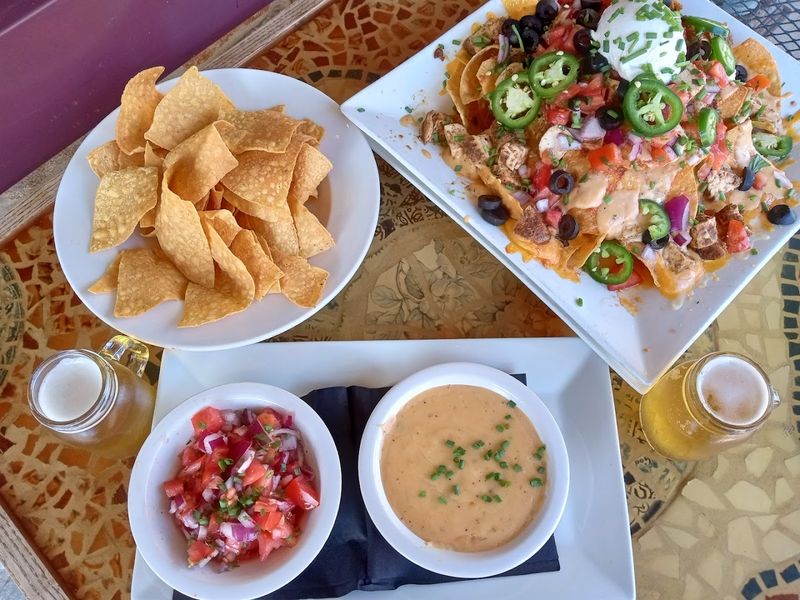
Forget the idea that a historic building means boring food. McCoole’s runs a full working restaurant with a menu that mixes classic American comfort dishes with some genuinely well-executed options.
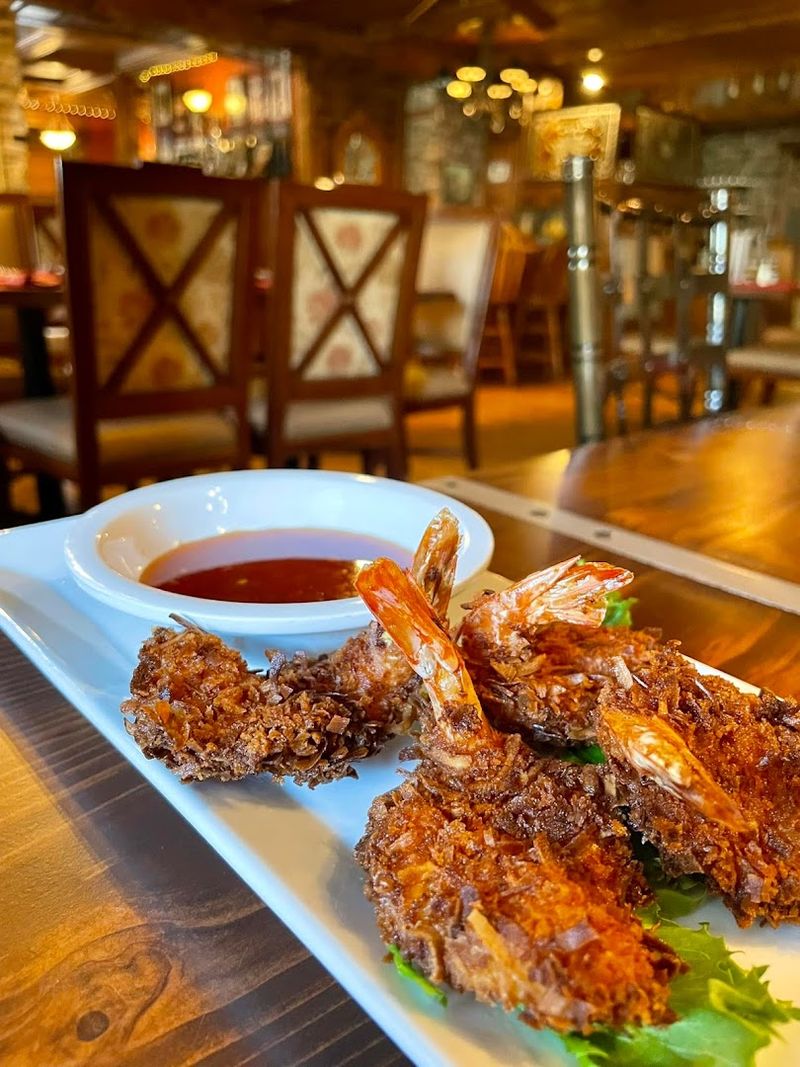
French onion soup, crab cakes made with real crab meat and zero filler, beef stroganoff, French dip sandwiches, and Angus sliders have all earned praise from guests who came expecting atmosphere and left talking about the food.
The craft beer selection is another draw. The inn brews four or five of its own beers on rotation, alongside standard drafts and a cocktail menu that includes seasonal specials like a gingerbread espresso martini.
The pace of a meal here tends to be relaxed rather than rushed, which fits the setting perfectly.
Eating in a space this old genuinely changes the sensory experience. The ambient sounds of a centuries-old building, the warmth of a real fireplace, and the faint unevenness of the floor under your chair all add up to something a modern dining room simply cannot replicate.
The food earns its place in that setting.
Why Quakertown Was a Crossroads Town
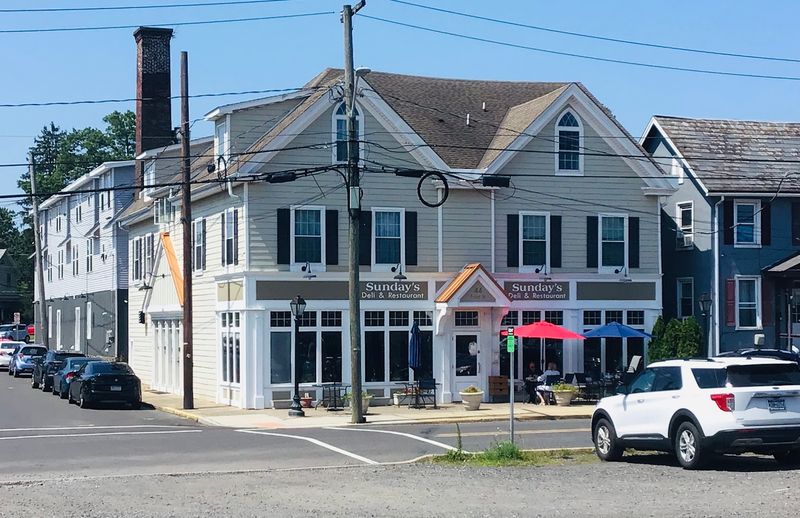
Geography made Quakertown important long before anyone alive today was born. Sitting along Bethlehem Pike — one of colonial Pennsylvania’s primary travel routes — the town was a natural stopping point for anyone moving between Philadelphia and the communities further inland.
An inn at that location wasn’t a luxury; it was a necessity.
Merchants hauling goods, soldiers moving between posts, farmers heading to market, and families relocating westward all passed through this stretch of road. A place to eat, water the horses, and get a night’s sleep was as essential as any modern highway rest stop, except with considerably better soup.
That geographic logic is part of why the Red Lion Inn survived when so many similar establishments didn’t. Quakertown remained a functioning community crossroads through multiple centuries of American growth and change.
The inn stayed relevant because the town stayed relevant. Today, visitors from the Philadelphia metro area — roughly 40 miles south — make the trip specifically to experience what that crossroads history actually looks and feels like up close.
Generations of Innkeepers, Cooks, and Regulars
A building this old doesn’t survive on its own. Behind the stone walls of the Red Lion Inn is a long human chain — innkeepers who kept the fires going, cooks who figured out what travelers wanted to eat, and regulars who made the place feel like a community anchor rather than just a roadside stop.
Ownership has changed hands across every major era of American history, from the pre-Revolutionary period through the founding of the nation, the Civil War years, the industrial age, and into the present. Each new steward brought different priorities, but the building kept drawing people in.
The current owner, Jan Hench, runs McCoole’s with a hands-on approach that shows up in personal responses to guest reviews and a clear pride in the space.
That continuity of care is rare. Most buildings this age are either demolished or preserved as static exhibits.
The Red Lion Inn took a third path staying alive as a place where real people eat dinner, celebrate weddings, and occasionally get visited by a wandering barbershop quartet.
Keeping Old Buildings Alive: What It Actually Takes
Running a restaurant inside a building from the 1700s sounds romantic until you start thinking about the plumbing. Historic preservation is genuinely hard work, and doing it inside a functioning food-service business adds an entirely different layer of complexity.
Health codes, fire safety requirements, accessibility standards, and kitchen ventilation needs all have to coexist with original stonework, low ceilings, and floors that were never designed for a commercial range.
The Red Lion Inn manages that balance in a way that keeps the historic character intact without turning the building into a liability. Guests consistently mention the authentic feel of the interior which means the preservation efforts are working.
Stone walls stay stone walls. The wood paneling stays warm and real rather than getting covered up with drywall for easier maintenance.
Every repair decision in a building like this carries weight. Replace a window the wrong way and you lose something irreplaceable.
Get the heating system wrong and you risk the structure itself. The fact that McCoole’s is still operating and still genuinely feels historic is a quiet achievement that deserves more credit than it usually gets.
What to Know Before You Go
McCoole’s at the Historic Red Lion Inn is located at 4 South Main Street in Quakertown, Pennsylvania. The restaurant is open Wednesday through Sunday, with lunch service starting at noon.
Monday and Tuesday are closed, so plan accordingly. Dinner service runs until 9 PM on weeknights and Saturdays, and 8 PM on Sundays.
Reservations are a smart move, especially on Friday and Saturday evenings. The dining room is intimate by design which is part of the charm but it also means space fills up faster than you might expect.
Calling ahead at 215-538-1776 or checking the website at mccoolesredlioninn.com is the easiest way to secure a table without a wait.
Parking in downtown Quakertown is generally manageable, and the inn sits right on Main Street, making it easy to find. Expect a relaxed, pub-style atmosphere with an upscale food sensibility not white tablecloth formal, but definitely a step above standard bar food.
Day-trippers from the Philadelphia area typically find the 40-mile drive well worth the trip, especially on a crisp fall or winter evening.
Other Places Worth Seeing in Bucks County
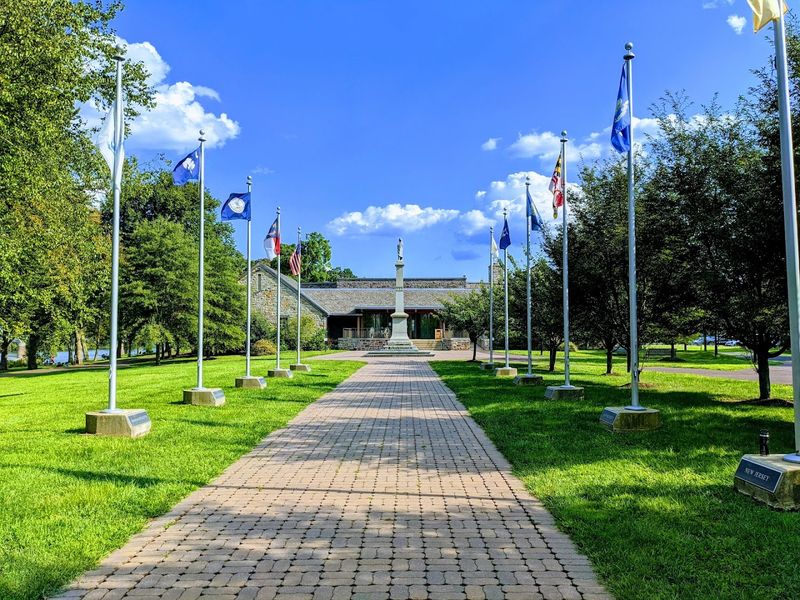
Bucks County holds one of the highest concentrations of preserved 18th-century structures anywhere in the mid-Atlantic United States, which makes it an excellent base for a day of history-minded exploration. Washington Crossing Historic Park, located along the Delaware River, marks the site of George Washington’s famous Christmas night river crossing in 1776.
It’s a straightforward and genuinely moving place to spend an hour.
The Mercer Museum in Doylestown is another strong option. Built in 1916 by archaeologist Henry Mercer, it houses an enormous collection of pre-industrial American tools and artifacts — over 40,000 objects displayed inside a poured-concrete castle.
It sounds unusual because it is, and that’s exactly what makes it memorable.
For something quieter, the covered bridges of Bucks County offer scenic drives through countryside that hasn’t changed dramatically since the 1800s. There are more than a dozen preserved covered bridges in the county.
Pairing any of these stops with dinner at the Red Lion Inn makes for a full, unhurried day that covers a lot of Pennsylvania history without feeling like a school field trip.
Why Places Like This Are Worth Paying Attention To
Most things we call historic are behind glass or roped off with a velvet barrier. The Red Lion Inn is different.
It’s a place where you make a reservation, sit down, and order dinner. The history isn’t displayed — it’s underneath you, around you, and built into the walls you’re leaning against.
That distinction matters more than it might seem at first.
Living landmarks like this one connect daily life to a much longer story without requiring any formal effort from the visitor. You don’t have to read a placard or follow a guided tour.
You just have to show up and pay attention to where you are. The 1799 Fries Rebellion — a tax revolt with direct ties to this building — happened in the same community where someone today is ordering a gingerbread espresso martini.
That overlap is genuinely strange and wonderful.
Every region has places like this waiting to be noticed. Seek them out.
Eat in them. The best way to understand that history is a living thing, not a finished one, is to sit inside proof of it and ask for the soup.