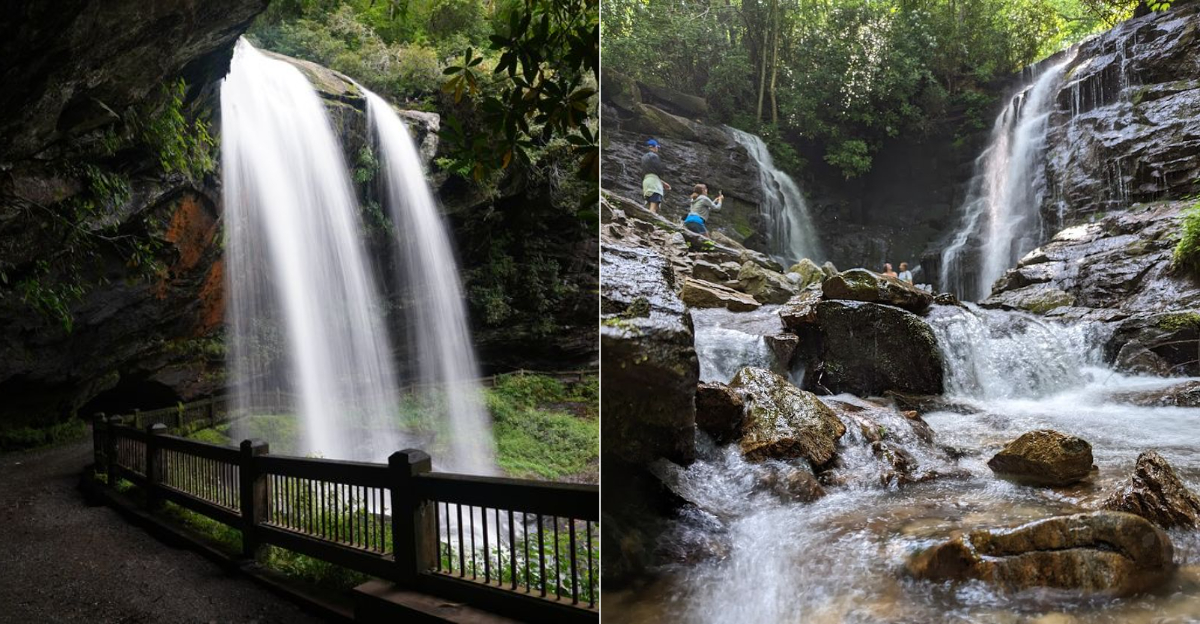
Some waterfalls impress you from a parking lot, but the best ones feel earned. In North Carolina, the trail is often part of the magic, leading you through rhododendron tunnels, mossy coves, and mountain overlooks before the first roar hits your ears.
If you want hikes with a memorable payoff, these waterfalls deliver scenery, atmosphere, and just enough effort to make the view unforgettable. This outline highlights 12 standout falls that are absolutely worth lacing up for.
Linville Falls
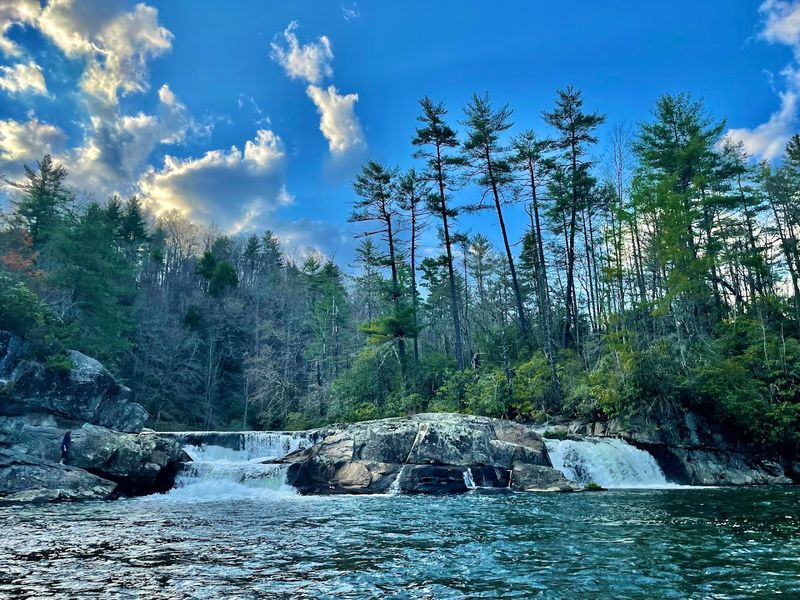
Linville Falls feels like one of those places that instantly justifies the hike because the scenery keeps building with every overlook. Set near Milepost 316 on the Blue Ridge Parkway, it drops in stages through the rugged cliffs of Linville Gorge, creating one of North Carolina’s most photographed waterfall scenes.
The Erwin’s View Trail is the most popular way in, and I would call it moderate, with enough elevation and uneven ground to make you pay attention. Several overlooks let you choose your experience, from broader views of the upper cascades to dramatic perspectives over the plunging lower falls.
What makes this stop special is the combination of sheer rock walls, powerful water, and the wild feel of the gorge itself. You are not just visiting a waterfall here – you are stepping into one of the state’s most iconic mountain landscapes.
Go early for softer light, fewer crowds, and a better chance to hear the river before the voices arrive.
Whitewater Falls
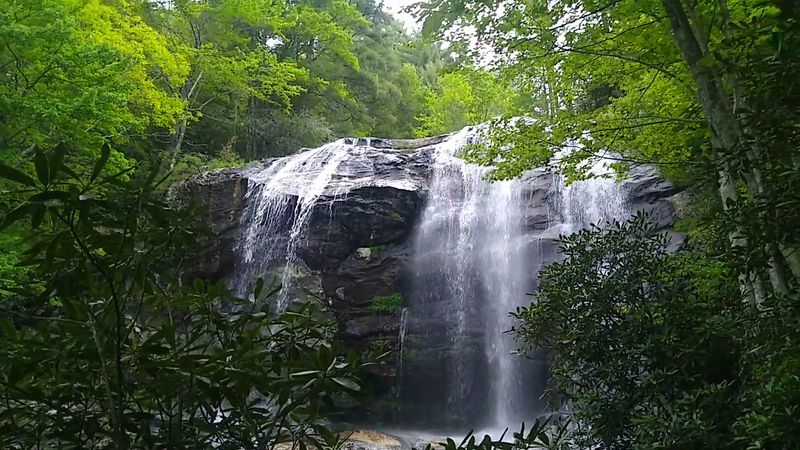
Whitewater Falls is the kind of waterfall that makes you stop talking for a second because the scale is hard to process at first glance. Near Sapphire, this giant cascade drops 411 feet, making it the tallest waterfall east of the Rockies and one of the most unforgettable sights in the state.
The walk from the parking area to the main overlook is short, but the grade can feel steep enough to count as a real effort, especially on the way back up. If you take the stairs toward the lower overlook, expect more work and even better angles on the crashing water.
I like that this waterfall delivers a huge visual payoff without requiring an all-day trek. The force, the depth of the gorge, and the constant plume of mist make it feel bigger than photos ever suggest.
Bring a camera with a little zoom, take your time at the railings, and let yourself enjoy one of the East’s true heavyweights.
Rainbow Falls
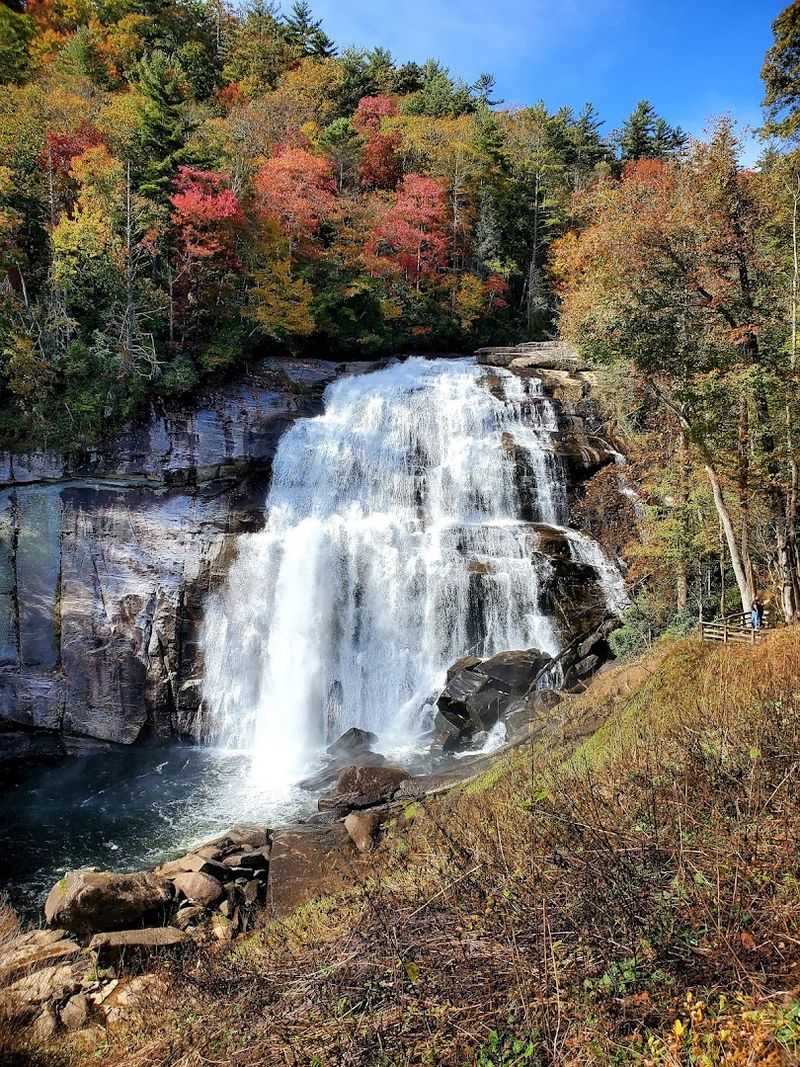
Rainbow Falls in the Sapphire area offers the kind of hike that feels balanced in the best way – enough distance to feel satisfying, but never so punishing that the reward gets overshadowed. The roughly 3-mile round-trip route in Gorges State Park follows the Horsepasture River through beautiful forest before revealing a broad, thunderous drop.
When conditions are right, sunlight catches the spray and creates the rainbows that give this waterfall its name. That detail alone would be memorable, but the real draw is the raw volume of water and the dramatic rock setting.
The trail includes roots, inclines, and a few spots where sturdy shoes matter, especially after rain. You will want to pace yourself because there are river views along the way that deserve more than a quick glance.
This is one of those waterfalls that feels alive from a distance, then becomes even more impressive once you hear its constant roar.
Looking Glass Falls
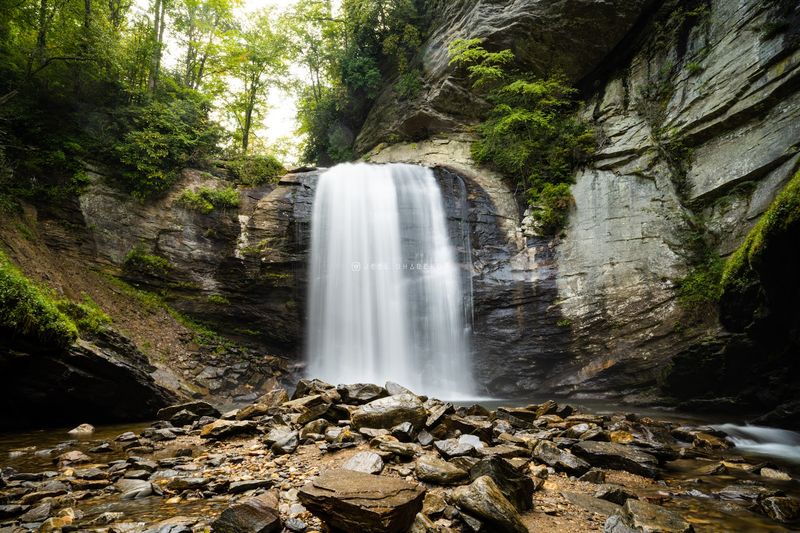
Looking Glass Falls is one of the easiest waterfalls on this list to reach, but it still deserves a place because the payoff is immediate and beautiful. Just off US-276 near Brevard in Pisgah National Forest, the 60-foot cascade pours over a smooth rock face in a way that feels both graceful and powerful.
You only need a short walk from the roadside area to reach the viewing platform, and stairs take you closer if you want a more immersive angle. Even though the hike is minimal, the experience still feels adventurous thanks to the rushing sound, cool spray, and forested surroundings.
I think this is an ideal stop if you want a big visual return without a long commitment. It also works well as part of a waterfall-filled day, especially if you plan to pair it with nearby trails and other Pisgah icons.
Come after recent rain if you can, because the flow gets even more dramatic and photogenic.
Moore Cove Falls
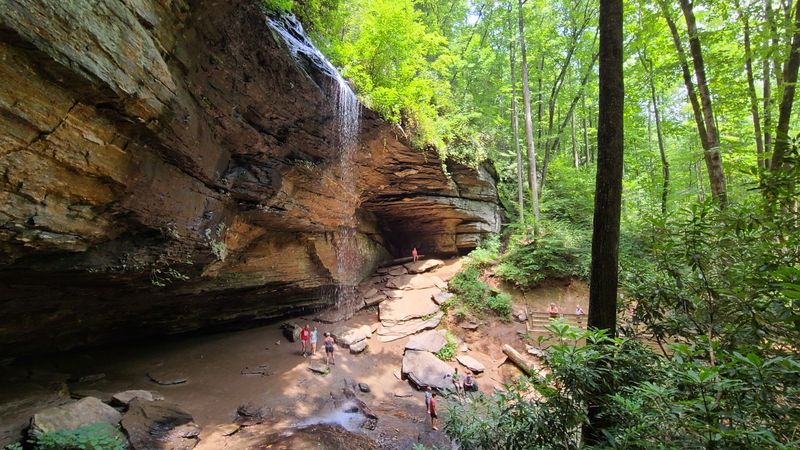
Moore Cove Falls proves that a relatively easy hike can still feel magical when the setting is right. Located along US-276 near Brevard, this 1.4-mile round-trip trail leads through a lush, shaded forest to a delicate waterfall that spills over a rocky overhang.
The best part is that you can walk behind the falling water, which adds a memorable sense of movement and perspective. It is not a roaring giant, but that softer character is exactly what makes the place feel intimate and inviting.
The trail itself is approachable for many hikers, though muddy patches and roots can appear after wet weather. I like recommending this one to anyone who wants a rewarding stop that does not require a huge time investment or advanced fitness level.
Bring shoes with decent traction, pause to enjoy the quiet on the approach, and do not rush the final view. This waterfall is all about atmosphere, not just scale.
Triple Falls
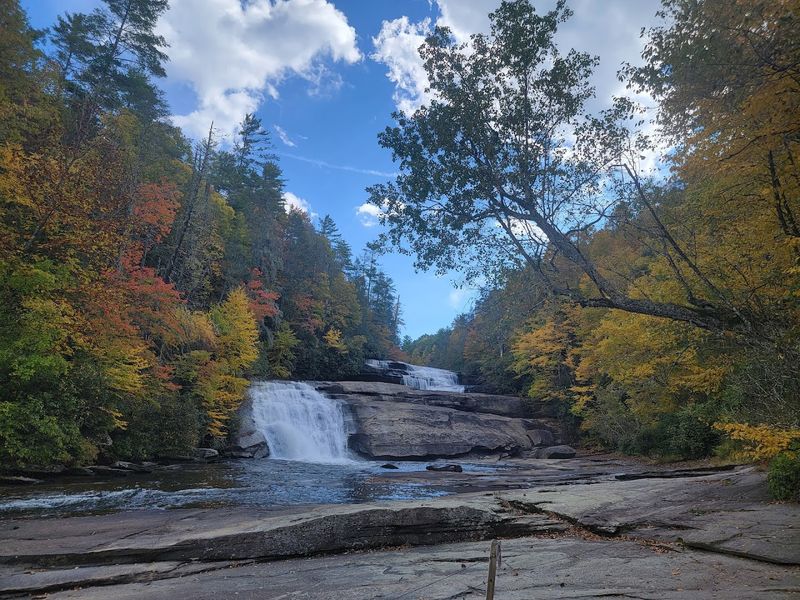
Triple Falls in DuPont State Recreational Forest is one of those waterfalls that feels cinematic even before you remember it actually appeared in The Hunger Games. Near Cedar Mountain, the cascade drops in three clear steps, creating a layered look that makes every viewpoint slightly different.
The hike is moderate and approachable for many visitors, especially if you use the High Falls access area and follow the well-traveled trail system. Along the way, the forest opens just enough to build anticipation before the full scene comes into view.
What I love here is how the water seems to keep reorganizing itself as it descends, turning one waterfall into three linked performances. The wide rock surfaces, surrounding trees, and steady flow give it a polished, dramatic feel without losing its natural character.
If you have time, pair this stop with nearby High Falls and Bridal Veil Falls for a full DuPont day. Few places pack this much scenery into one outing.
High Falls
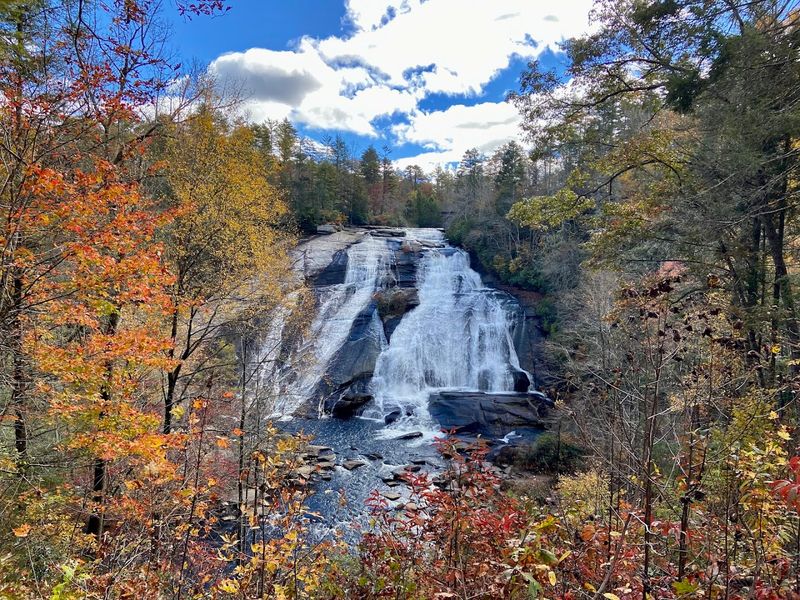
High Falls delivers a completely different mood from nearby Triple Falls, and that contrast is part of what makes DuPont so worth exploring. This broad cascade stretches more than 150 feet over an immense sloping rock face, creating a powerful sheet of white water that looks impressive in every season.
The hike is moderate, with well-established trails that make the route manageable while still giving you that earned-it feeling. As you get closer, the sound grows louder until the whole landscape seems to center around the waterfall’s force.
I think High Falls stands out because it is not only tall – it is wide, muscular, and visually commanding. The overlook gives you a strong sense of scale, and the river’s movement across the exposed rock adds texture that changes with rainfall and light.
This is a great stop for photographers, first-time DuPont visitors, and anyone who wants a classic North Carolina waterfall experience with a dramatic payoff.
Catawba Falls
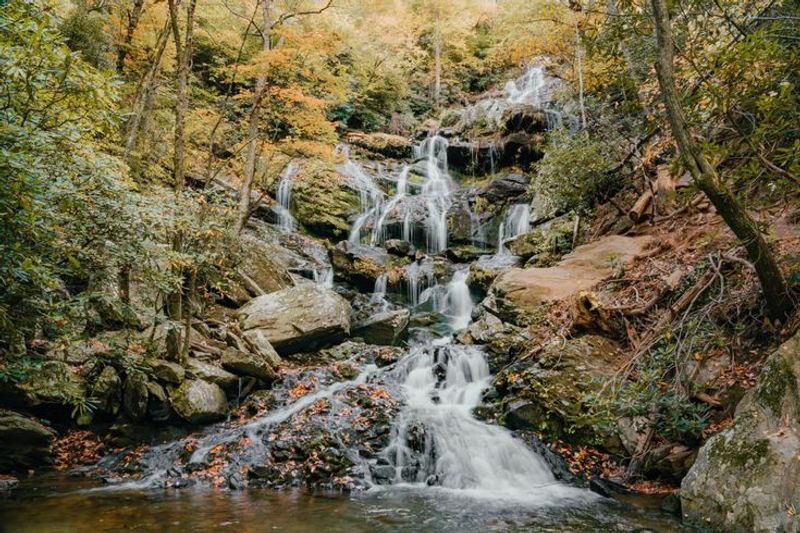
Catawba Falls near Old Fort gives you that satisfying sense of heading deeper into the woods toward something special. The roughly 3-mile round-trip hike follows the river through Pisgah National Forest, with bridges, rushing water, and thick greenery creating a beautiful approach from start to finish.
The waterfall itself is multi-tiered, which means the experience unfolds gradually rather than all at once. That structure makes the destination feel bigger and more dynamic, especially after rain when the separate sections carry extra volume.
I like this hike because it combines a family-friendly feel with enough distance and elevation to make the reward feel earned. The trail has been improved in recent years, but sturdy shoes still matter, and the river corridor can stay damp and slick in spots.
If you enjoy waterfall hikes that feel immersive instead of rushed, Catawba Falls absolutely belongs on your list. It is scenic, accessible, and rich with that classic Pisgah atmosphere.
Crabtree Falls
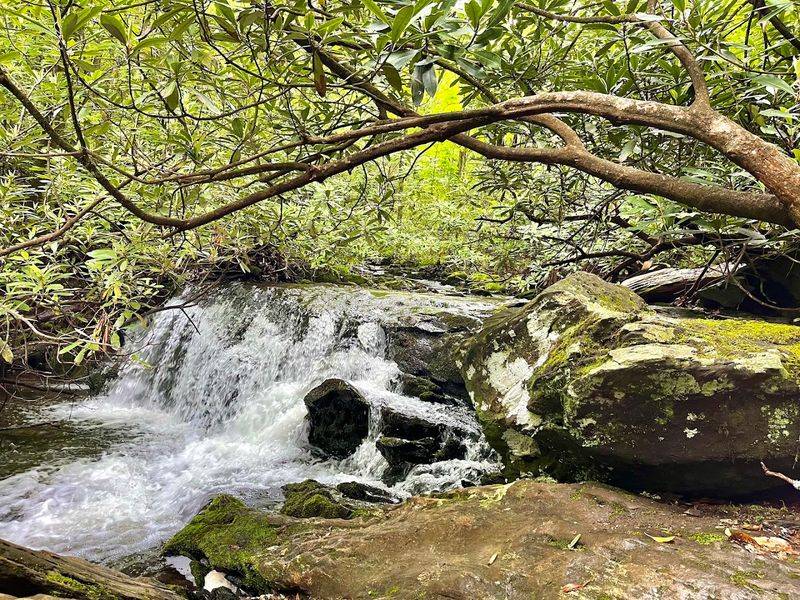
Crabtree Falls is a classic Blue Ridge Parkway stop that feels more tucked away than its location might suggest. Near Milepost 339.5, the roughly 2.5-mile loop hike winds through a cool forest before reaching a 70-foot waterfall that drops elegantly into a rocky cove.
The trail includes moderate elevation change, and parts of the loop can feel a little more strenuous than expected, especially when the ground is wet. Still, that effort is exactly what makes the final view more rewarding when the waterfall appears through the trees.
I appreciate how balanced this hike feels. You get a scenic wooded walk, a substantial cascade, and the convenience of being close to one of North Carolina’s most beautiful parkways.
The falls are especially photogenic after rain, when the flow thickens and the surrounding moss seems to glow. If you want a dependable waterfall hike with a classic mountain-forest atmosphere, Crabtree Falls is a strong choice that rarely disappoints visitors.
Hickory Nut Falls
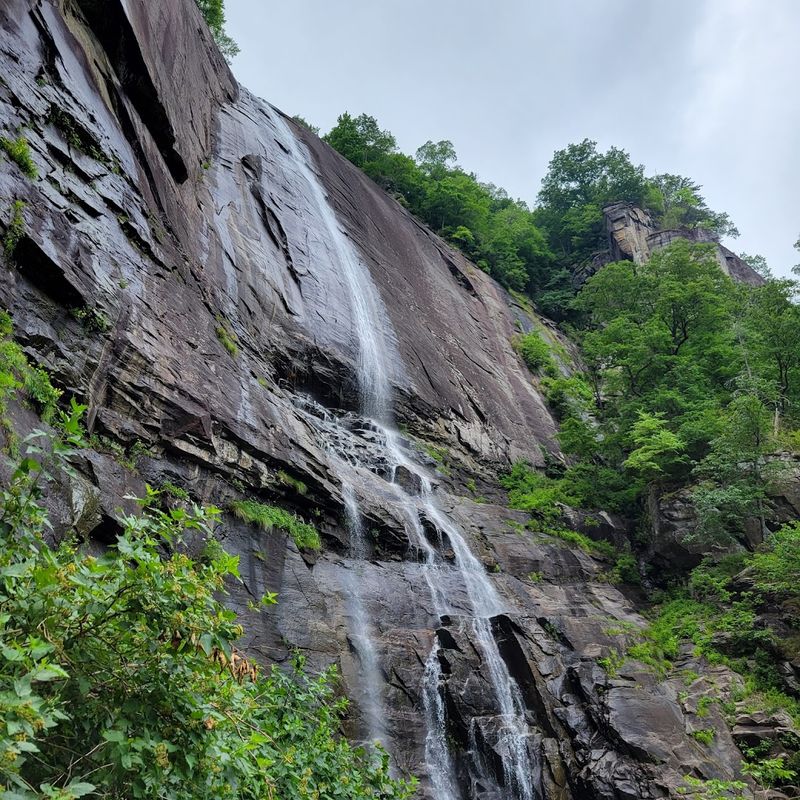
Hickory Nut Falls feels dramatic long before you reach the base because the cliffs around it set such an imposing scene. Located in Chimney Rock State Park, this waterfall drops about 400 feet, making it one of the tallest in the eastern United States and a standout reward for a relatively easy hike.
The trail is accessible for many visitors and follows a broad path through a gorge-like setting that keeps the anticipation high. When the waterfall finally comes into view, it looks almost impossibly tall as it descends from the rock wall above.
Movie fans may recognize it from The Last of the Mohicans, but you do not need that reference to appreciate the atmosphere. I think the combination of height, cliffside drama, and manageable effort makes this one especially memorable for mixed-age groups.
Try to visit when the light is softer, because the surrounding stone glows and the waterfall photographs beautifully. It is an easy hike with a huge sense of scale.
Mingo Falls
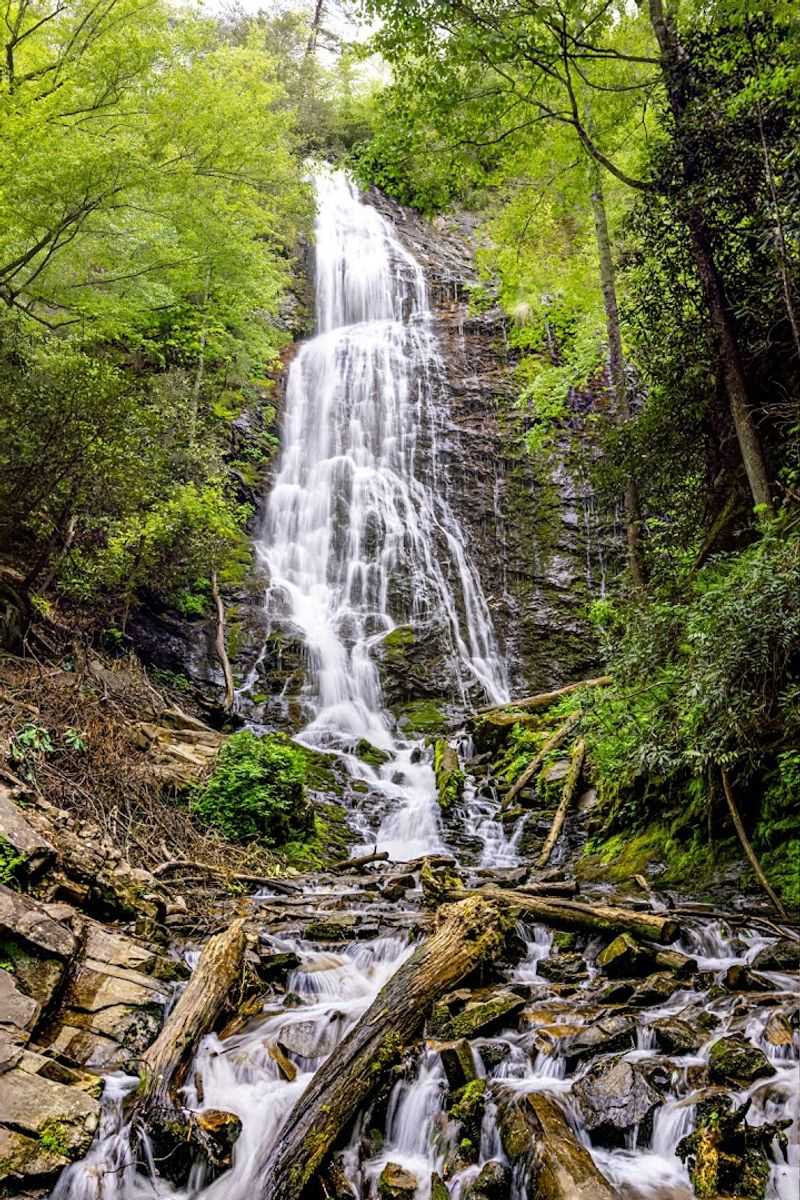
Mingo Falls is a short outing with a surprisingly dramatic payoff, especially if you do not mind starting with a stair climb. Near Cherokee, this waterfall rises about 120 feet and ranks among the tallest in the southern Appalachians, dropping through a narrow, lush ravine.
The main challenge is the staircase at the beginning, which can leave you breathing a little harder than expected. Once you reach the viewing area, though, the reward is immediate: a powerful, elegant cascade framed by dense vegetation and dark rock.
I like how quickly this place shifts from roadside stop to immersive mountain scene. The falls feel tucked into their own secluded pocket, and the vertical drop gives the water a striking, almost theatrical presence.
If you are exploring Cherokee and want a memorable natural stop without committing to a long backcountry hike, this is an excellent choice. Bring water for the climb, watch your footing, and enjoy one of western North Carolina’s most impressive quick-payoff waterfalls.
Soco Falls
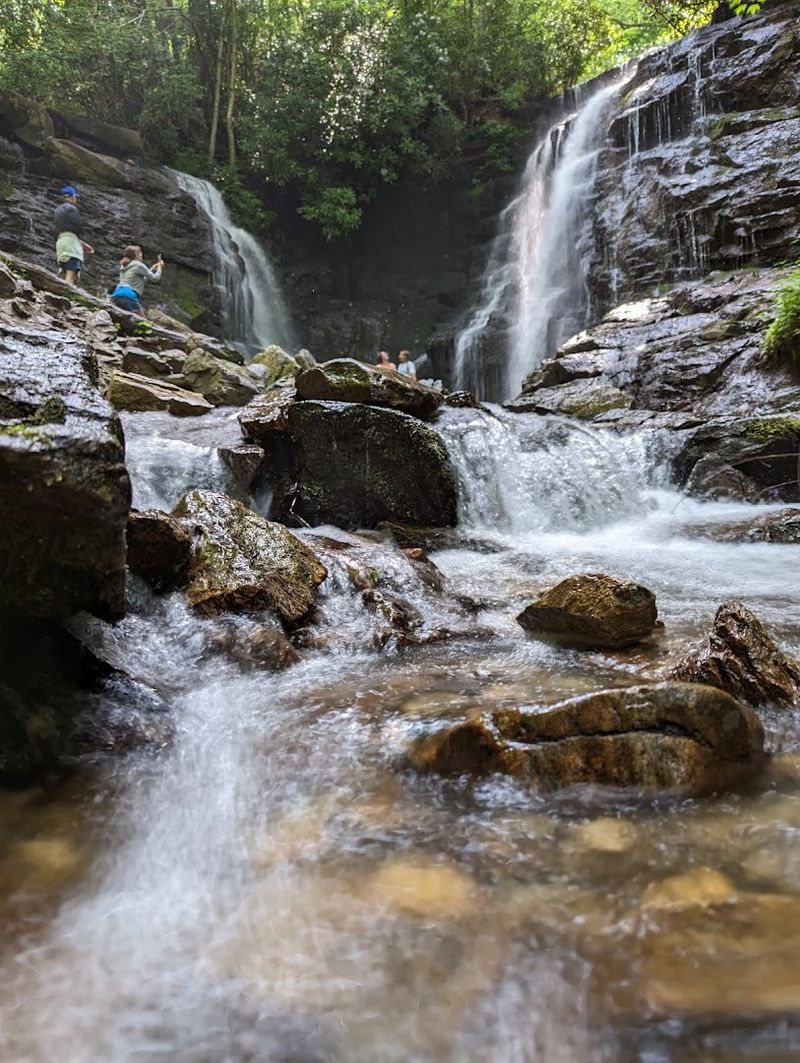
Soco Falls may not require a long hike, but the steep descent gives it enough challenge to feel like a genuine adventure. Located between Cherokee and Maggie Valley off US-19, this unusual waterfall features two streams converging into one beautiful, misty scene.
The trail down is short, but you should expect uneven footing, roots, and slippery spots that demand care both going in and climbing back out. That effort is part of the experience, because the hidden feel of the lower viewpoint makes the waterfall seem more special once you arrive.
What stands out most is the shape of the falls. Instead of one simple drop, you get a layered composition where separate ribbons of water merge against a lush, mossy backdrop.
I would recommend this stop to anyone who loves discovering places that feel slightly secret even when they are well known. Wear shoes with traction, move slowly on the descent, and enjoy one of North Carolina’s most distinctive roadside-access waterfall hikes.
Dry Falls
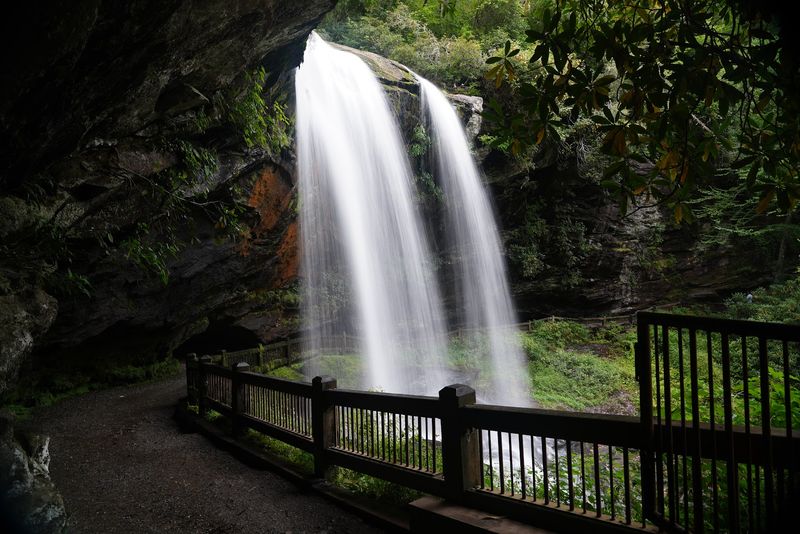
Dry Falls is one of the most fun waterfall stops in North Carolina because it gives you an experience, not just a viewpoint. Near Highlands along US-64, the short trail leads to a dramatic cascade where you can walk behind the sheet of water without getting fully soaked in normal conditions.
The path is brief and paved in sections, but stairs and moisture can still make it feel like a real outing rather than a simple pull-off. As you approach, the sound grows quickly, and the overhang creates that thrilling moment when you pass behind the falls and look outward through the water.
I think this one is especially satisfying for travelers who want a memorable payoff with minimal mileage. The combination of accessibility, cool mist, and close-up perspective makes it feel much more immersive than many easy-access waterfalls.
Visit on a weekday if possible, since it is popular for good reason. Even with company, the dramatic rock wall and curtain of water still make Dry Falls feel unforgettable.
Bridal Veil Falls
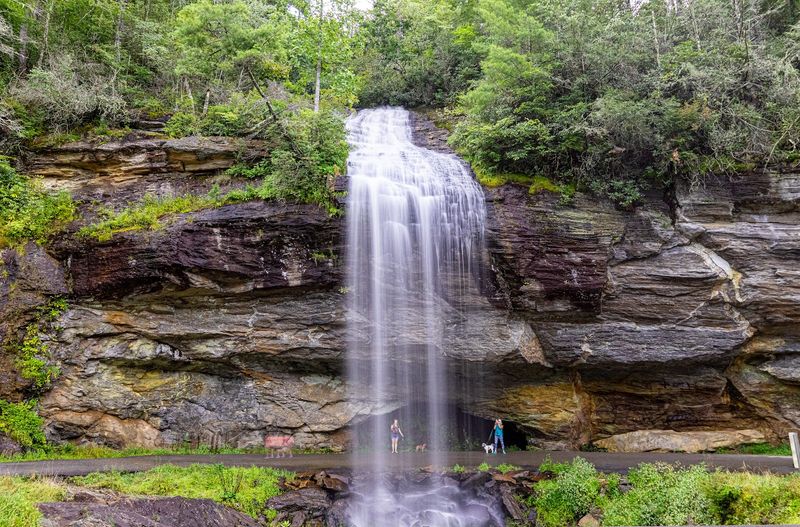
Bridal Veil Falls in DuPont State Recreational Forest offers a softer, more graceful kind of beauty than some of the louder waterfalls nearby. Reached by a moderate hike from the Fawn Lake or High Falls area, it spreads across a wide rock face in a way that feels calm, elegant, and almost inviting.
The trail is pleasant and scenic, moving through forest that makes the reveal feel gradual and satisfying. By the time you arrive, the waterfall looks less like a single plunge and more like a silver veil draped over stone.
I enjoy this stop because it invites you to slow down instead of just snapping a quick photo and leaving. The broad rock, gentle flow, and surrounding trees create a peaceful atmosphere that contrasts nicely with more forceful cascades elsewhere in the state.
If you are planning a DuPont waterfall day, this is an easy waterfall to add for variety. It may be quieter in personality, but it is absolutely worth the walk.
Upper Whitewater Falls
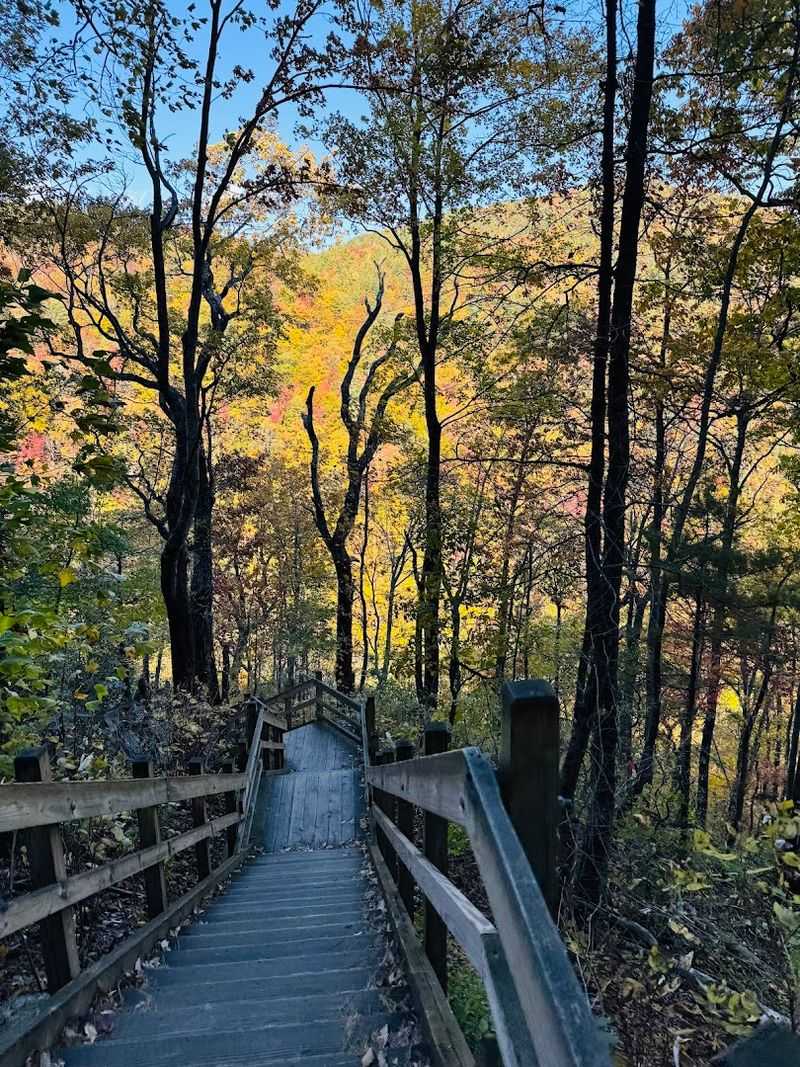
Upper Whitewater Falls gives you a closer appreciation for the immense waterfall system that makes this corner of North Carolina so famous. In the Sapphire area, this section represents the upper drop of the Whitewater Falls complex, and reaching better vantage points often involves a moderate stair-heavy effort.
That extra work matters because the perspective shifts from simply seeing a giant waterfall to feeling more connected to its scale and motion. The gorge is steep, the air is damp, and the constant rush of water adds a sense of drama that builds with every step.
I think this stop works especially well for hikers who want more than the standard overlook experience. Instead of one quick photo and back to the car, you get a fuller sense of the terrain and the power behind the tallest waterfall in the East.
Take your time on the stairs, bring water, and expect a leg workout on the return. The views and atmosphere easily justify the effort for most visitors.
Lower Cascades Falls
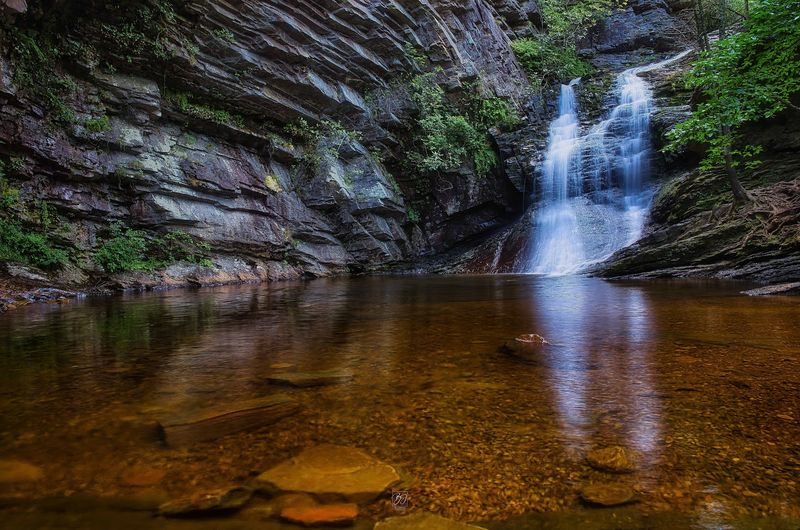
Lower Cascades Falls in Hanging Rock State Park is one of the best waterfall hikes in central North Carolina, especially if you want a rewarding trail without driving deep into the mountains. Near Danbury, the moderate route leads through a lovely forest setting before revealing a broad, picturesque cascade spilling into a rocky pool.
The trail has enough roots, elevation, and uneven ground to feel like a real hike, particularly for casual walkers. That added effort makes the arrival more satisfying, and the waterfall’s shape gives the whole scene a peaceful, classic look.
I like this one because it offers a strong scenic payoff in a region better known for cliffs and overlooks than giant waterfalls. The surrounding ravine stays cool and green, and the water creates a welcoming place to pause before heading back up the trail.
If you are exploring Hanging Rock, this waterfall deserves a slot in your itinerary. It is approachable, photogenic, and a reminder that memorable cascades are not limited to the far western mountains.