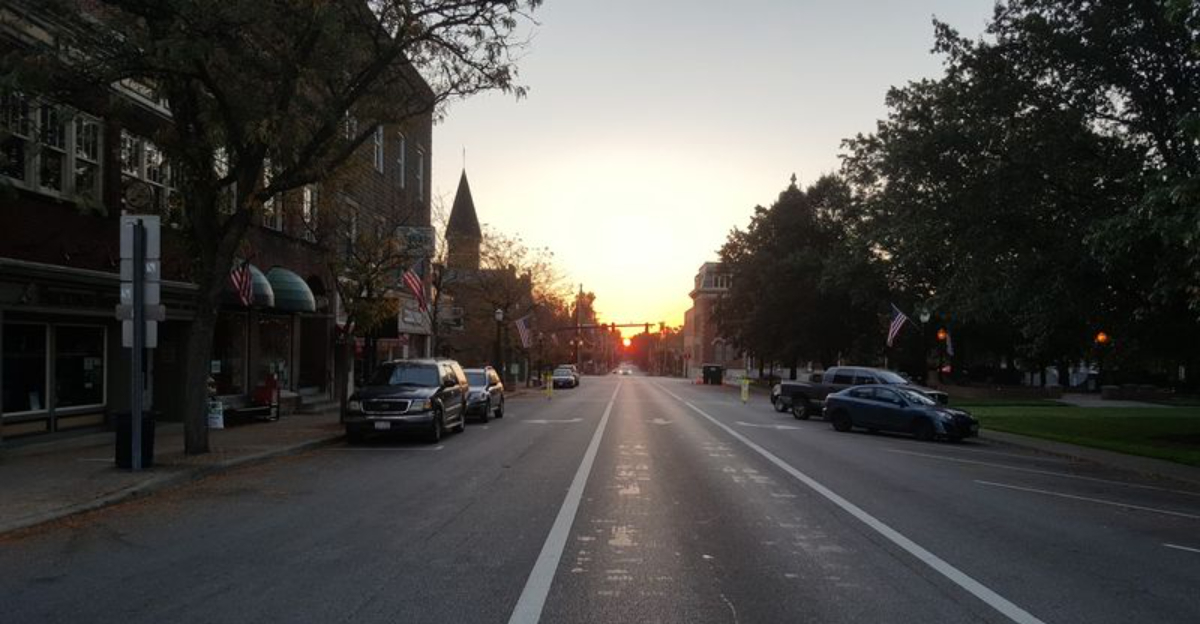
Ohio has some of the most charming small-town main streets in the entire Midwest, and spring makes them even harder to resist.
When the flowers bloom, the patios open up, and the warm air returns, these historic downtowns come alive in ways that photos barely do justice.
From canal-era brick buildings draped in hanging baskets to riverside walkways lined with blossoming trees, each of these streets tells a story worth exploring.
Whether you are planning a day trip or simply looking for weekend inspiration, these 11 Ohio main streets deserve a spot on your spring bucket list.
Granville Main Street (Granville)
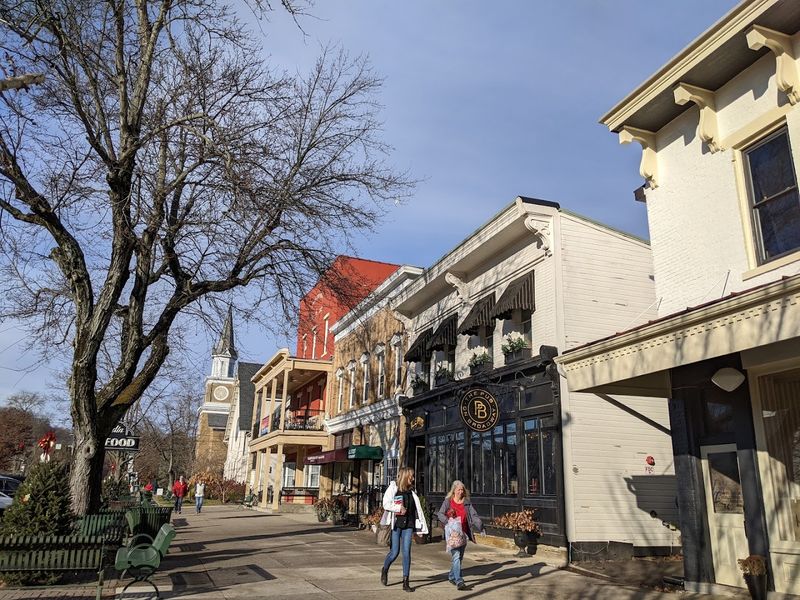
Walking down Granville’s main street in spring feels a little like stepping into a painting you never want to leave. The historic brick buildings, many dating back to the early 1800s, are dressed up with colorful hanging flower baskets that sway gently in the warm breeze.
Students from nearby Denison University fill the sidewalks, giving the town a lively but unhurried energy that’s hard to find anywhere else.
Granville is often compared to a New England village, and that comparison really earns its weight in spring. Boutique shops sell locally made goods, cozy cafes brew fresh coffee with their windows propped open, and shaded benches along the main corridor practically beg you to sit and watch the world go slowly by.
The whole downtown is incredibly walkable, making it easy to spend an entire afternoon without a plan.
One fun detail many visitors miss: Granville was actually founded by settlers from Granville, Massachusetts, which explains that distinct New England character. Spring is the season when that charm peaks.
If you go on a Saturday morning, the streets buzz with locals, visitors, and plenty of four-legged companions soaking up the sunshine together.
Marietta Historic Downtown (Marietta)
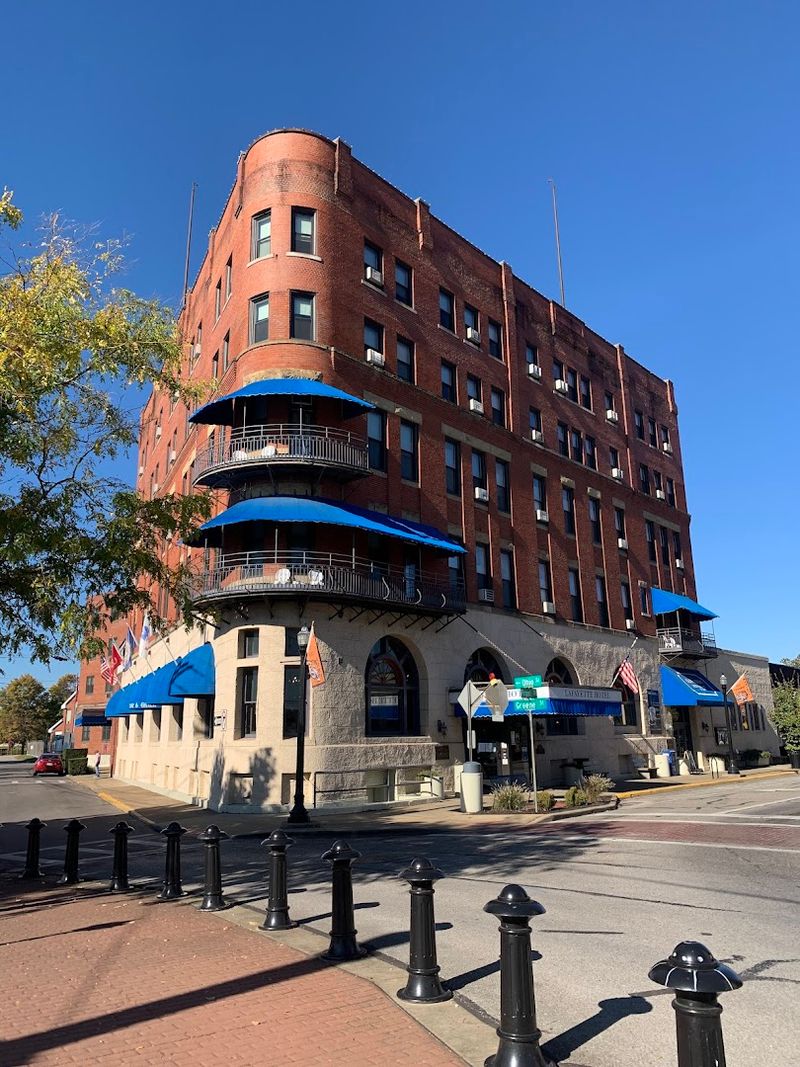
Marietta holds a special title that most Ohioans know well: it was the first permanent settlement in the Northwest Territory, established in 1788. That deep history is visible in every corner of its downtown, where 19th-century buildings line the streets with a quiet dignity that spring only makes more striking.
Blooming trees frame the architecture like a living picture frame, and the whole scene feels effortlessly cinematic.
Positioned at the meeting point of the Ohio and Muskingum Rivers, Marietta benefits from a natural setting that most inland towns can only dream about. When spring arrives, river breezes carry the scent of fresh blossoms through the commercial district, and outdoor dining patios reopen with cheerful energy.
The waterfront paths connect the historic core to the riverbanks, making a scenic loop that blends sightseeing with a relaxed afternoon stroll.
Local shops and restaurants draw a mix of history buffs, college students, and weekend travelers who appreciate a town that wears its past proudly. Spring festivals and farmers markets add rhythm to the schedule.
If you time your visit right, you might catch a paddleboat gliding past just as the dogwoods hit their peak bloom along the river walk.
Lebanon Main Street (Lebanon)
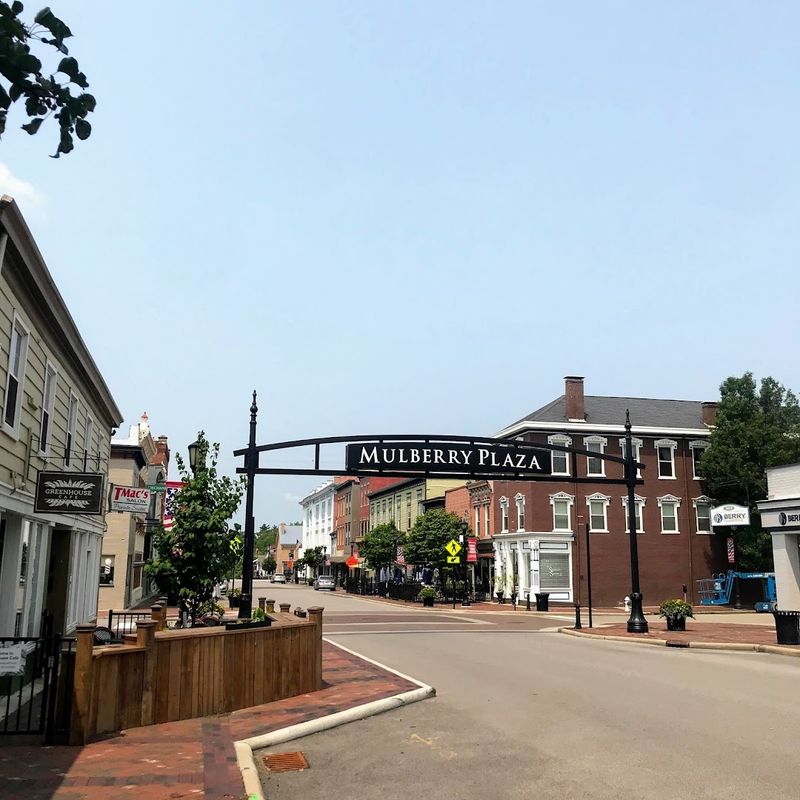
Lebanon has a knack for making visitors feel like they have traveled back in time, and spring dresses up that nostalgic quality beautifully. The preserved brick storefronts along Broadway Street look especially warm when hanging baskets of petunias and geraniums return each May, adding splashes of pink, red, and purple against the weathered facade of century-old buildings.
Patio seating reappears outside restaurants and coffee shops, turning sidewalks into casual gathering spots.
Antique hunters consider Lebanon something of a regional treasure, and the selection of shops here is genuinely impressive. You can spend hours browsing furniture, vintage jewelry, old maps, and quirky collectibles without covering the same ground twice.
The town’s historic alignment follows a former railroad corridor, which gives the commercial district a long, linear feel that rewards slow exploration on foot.
The Golden Lamb, Ohio’s oldest continuously operating inn and restaurant, anchors the downtown with its Federal-style architecture and storied past. Presidents from John Quincy Adams to Ulysses S.
Grant reportedly stayed there. Spring is a wonderful time to grab a meal inside or simply admire the building from across the street while sipping something warm from one of the nearby cafes lining this timeless stretch of small-town Ohio.
Medina Public Square (Medina)
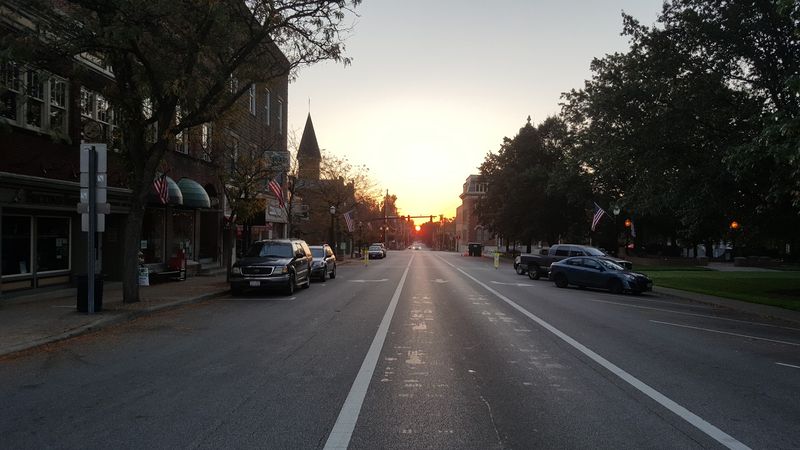
Medina’s public square is one of those rare places that looks like it was designed specifically for a spring morning. The Victorian-era commercial buildings that ring the square have been beautifully preserved, and their ornate facades catch the morning light in a way that feels almost theatrical.
As soon as temperatures rise, the central green space fills with activity, and the whole downtown shakes off its winter stillness with obvious enthusiasm.
Farmers markets return to the square in spring, drawing vendors selling fresh produce, homemade jams, cut flowers, and artisan goods. Local restaurants set up sidewalk tables, and the aroma of fresh pastries drifts from bakery doorways.
Carriage rides, which are a signature Medina experience, begin picking up again as the season warms, offering a slow and scenic way to take in the architecture from a different perspective.
Medina was named after a city in Saudi Arabia, a fun bit of trivia that surprises most first-time visitors. The town has consistently ranked among Ohio’s most beautiful squares, and spring is arguably when that reputation is most fully earned.
Spend a weekend morning here with nowhere particular to be, and you will understand exactly why residents love this town so fiercely year after year.
Wooster Main Street (Wooster)
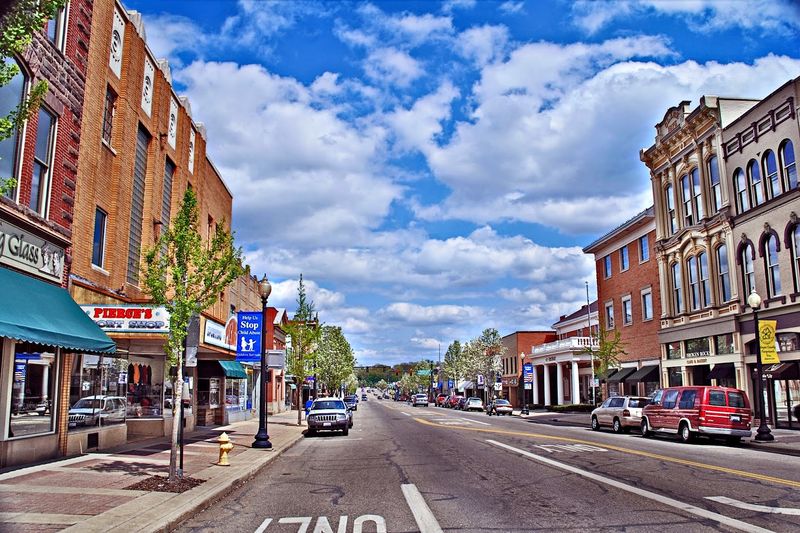
Wooster is the kind of town that surprises you. Pull into the downtown for the first time and you might expect a sleepy county seat, but what you find instead is a genuinely vibrant arts and food scene anchored by some seriously handsome historic architecture.
Spring cranks that energy up considerably, with blooming planters and landscaping softening the brick and stone facades that line the main commercial corridor.
Outdoor concerts become a weekend fixture once the weather cooperates, drawing locals and visitors to the downtown plaza for live music that ranges from folk to jazz. Restaurant patios fill quickly on Friday evenings, and the mix of independent shops, galleries, and specialty food spots gives the area a personality that feels both rooted and forward-thinking.
The College of Wooster nearby adds a youthful creative current to the overall atmosphere.
Food lovers will find a lot to celebrate here. Craft breweries, farm-to-table restaurants, and specialty coffee roasters have all found a home in Wooster’s historic storefronts, giving the downtown real culinary depth.
Spring is also when the surrounding Wayne County countryside bursts into bloom, making any drive into Wooster a scenic bonus on top of everything the main street itself has to offer visitors.
Tipp City Main Street (Tipp City)
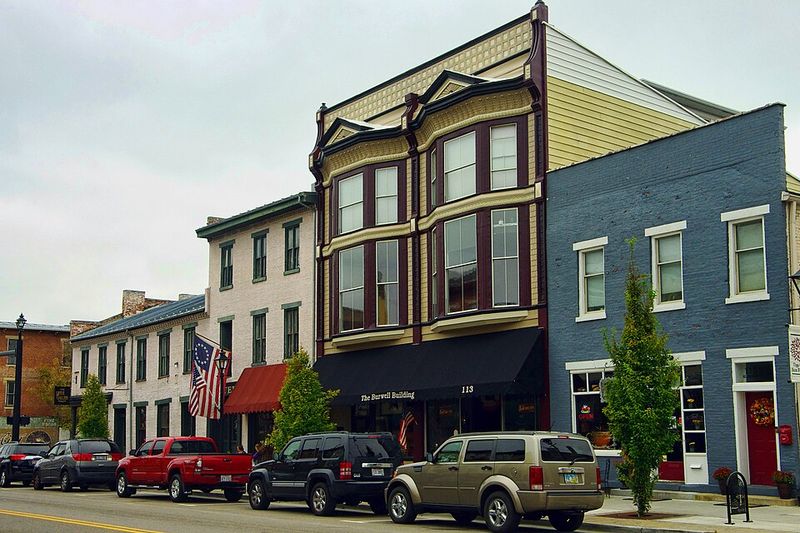
Tipp City is compact, colorful, and completely underrated. This small canal-era town in Miami County has one of the most photogenic main streets in western Ohio, and spring is when its visual appeal reaches a whole new level.
Storefront window boxes overflow with tulips and daffodils, hand-painted signs pop against freshly whitewashed facades, and the narrow historic district invites the kind of slow, unhurried wandering that feels increasingly rare in modern life.
The town’s downtown is easy to cover on foot in an afternoon, but most visitors end up staying longer than planned. Coffee shops with mismatched furniture and local artwork on the walls make it easy to linger.
Antique stores packed floor to ceiling with carefully curated finds draw browsers who lose track of time entirely. A handful of local bakeries produce fresh goods that are genuinely worth building a detour around.
Tipp City grew up along the Miami and Erie Canal in the early 19th century, and that heritage is woven into the look and feel of the downtown. Some buildings along the main strip still bear faint ghost signs from earlier commercial lives.
Spring gives all of that layered history a fresh coat of seasonal color, turning a short visit into a memory that sticks around long after the drive home.
Cambridge Main Street (Cambridge)
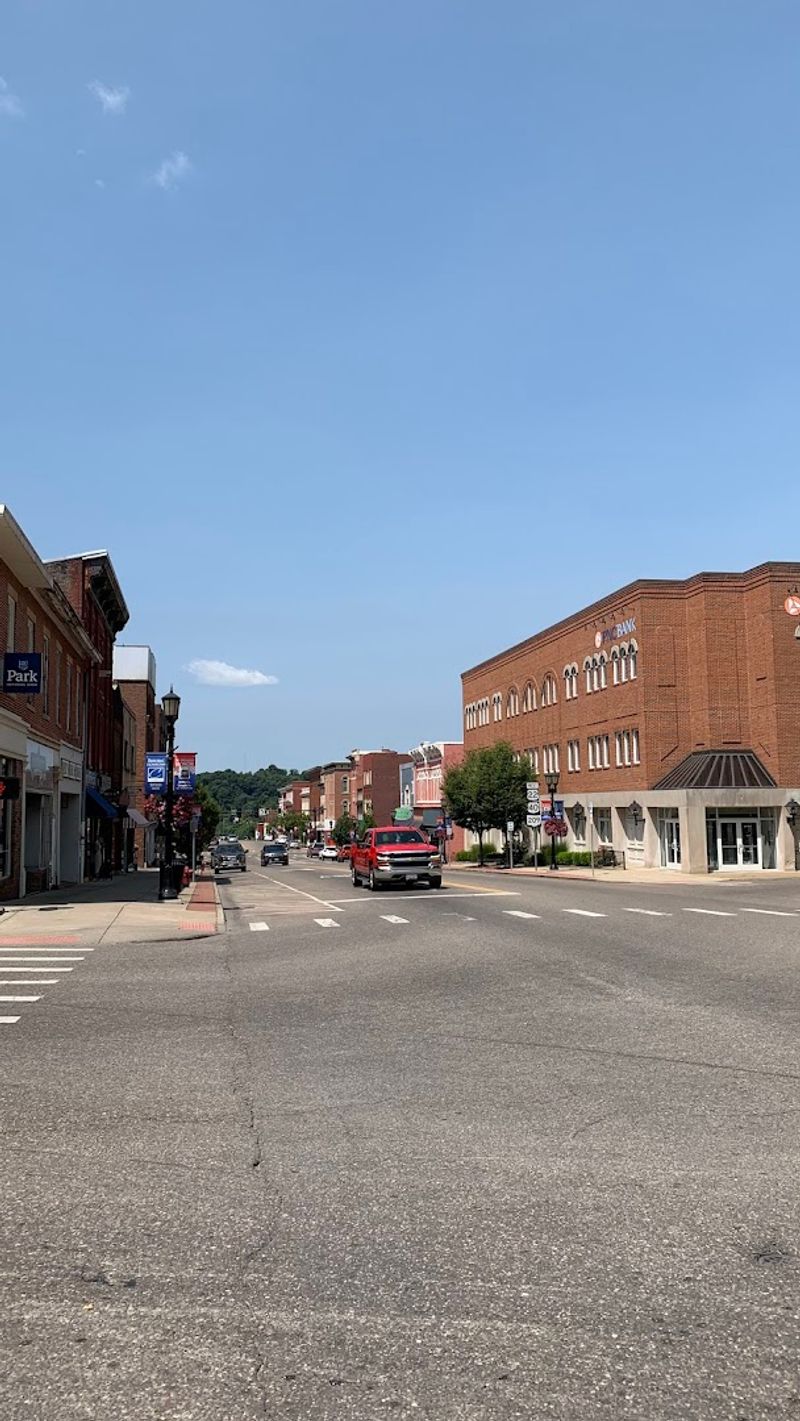
Cambridge carries a creative energy that sets it apart from other small Ohio downtowns. Known historically as a center for American glass production, the town has woven that artistic identity into its commercial district in ways that feel authentic rather than manufactured.
Spring brings renewed foot traffic, seasonal storefront displays, and community events that wake up the downtown after the long gray stretch of winter.
Murals painted across building exteriors add unexpected bursts of color to the main street, and galleries featuring glass art give window shoppers something genuinely unusual to admire. The surrounding Guernsey County landscape, with its rolling hills and wooded ridgelines, provides a scenic backdrop that becomes especially lush and green as spring progresses.
That natural setting makes Cambridge feel grounded in a way that purely urban downtowns rarely achieve.
Local festivals celebrating the town’s glass heritage draw collectors and curious visitors from across the region. Spring markets and pop-up shops bring new energy to storefronts that might sit quieter in cooler months.
Cambridge rewards visitors who take their time, because the best finds here, whether a handblown glass piece or a homemade pie from a side-street bakery, tend to reveal themselves only to those who slow down and look carefully at what this quietly remarkable town has to offer.
Millersburg Main Street (Millersburg)
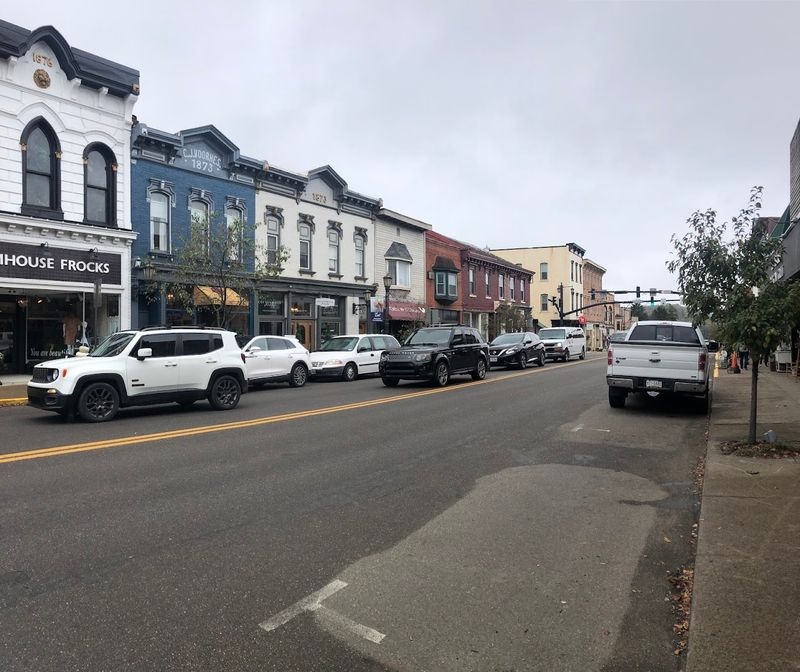
There is something deeply unhurried about Millersburg, and that quality feels like a gift in a world that rarely slows down. Sitting at the center of Ohio’s Amish Country, this Holmes County seat has a historic district that prioritizes preservation over reinvention, and the result is a main street that looks remarkably close to what it looked like a hundred years ago.
Spring adds a layer of seasonal warmth that makes the whole scene feel almost impossibly peaceful.
Horse-drawn buggies pass through the commercial district regularly, a sight that never quite loses its novelty for visitors from more urban areas. The clip-clop of hooves on pavement, the smell of blooming trees, and the sight of hand-lettered shop signs combine into an experience that feels genuinely singular.
Restored 19th-century storefronts house quilt shops, furniture makers, and bakeries that sell goods made with a care and craft you can actually taste and feel.
Spring in the surrounding countryside is breathtaking, with farms and fields transitioning from brown to vivid green almost overnight. A drive through the back roads before or after your main street visit adds enormous value to the trip.
Millersburg proves that beauty does not always require spectacle, and that sometimes the most memorable places are the ones that simply stayed true to themselves.
Delaware Sandusky Street District (Delaware)
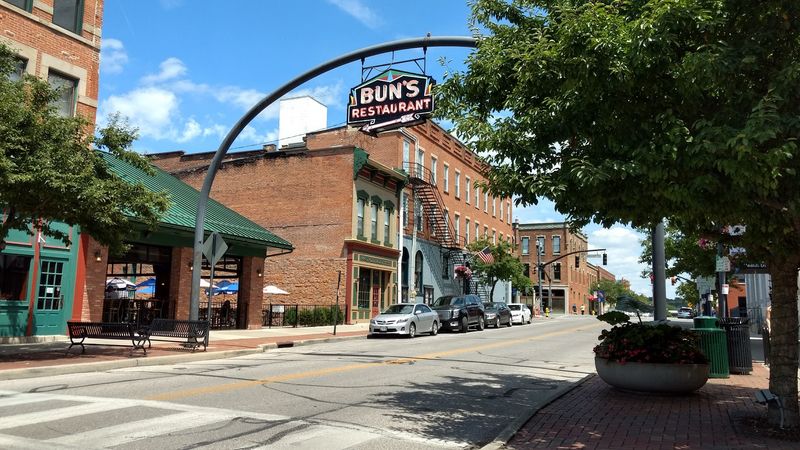
Delaware, Ohio, has been quietly building one of the most appealing downtown districts in central Ohio, and spring is when all that hard work really pays off visually. The Sandusky Street corridor runs through the heart of the city, lined with restored commercial buildings that house an appealing mix of independent restaurants, boutique retailers, and creative businesses.
When warmer weather arrives, the whole street seems to exhale and open up.
The farmers market that anchors spring weekends here draws a loyal crowd of locals who show up early for fresh vegetables, cut flowers, artisan bread, and handmade crafts. Restaurant patios along Sandusky Street fill up fast on pleasant afternoons, and the buzz of conversation spills pleasantly onto the sidewalk.
The courthouse square layout gives the district a classic Midwestern symmetry that feels both familiar and reassuring.
Delaware is also the birthplace of President Rutherford B. Hayes, a fact the town celebrates with quiet pride.
That historical depth adds an extra dimension to what is already a visually satisfying downtown experience. Spring festivals and community events are scheduled throughout the season, giving visitors multiple reasons to return rather than treating Delaware as a single-visit destination.
The warmth of the community here is something you notice almost immediately upon arrival.
Kent Main Street (Kent)
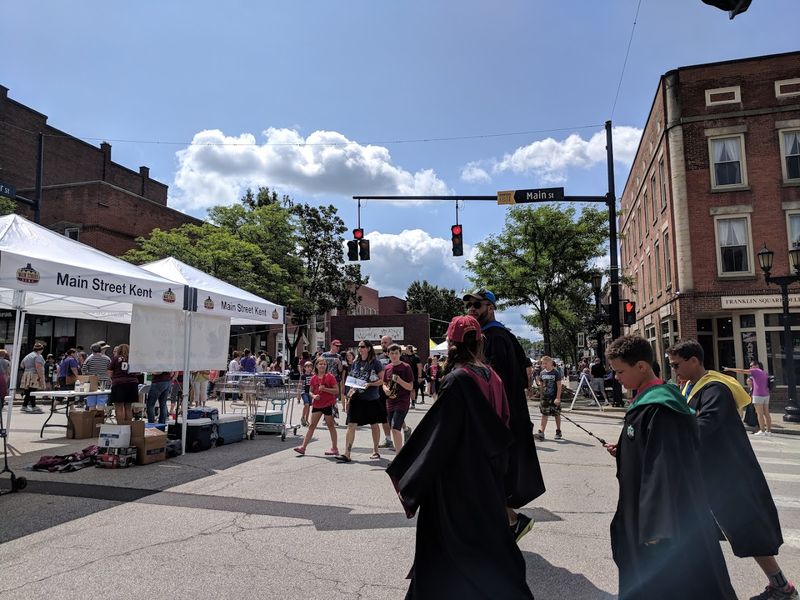
Kent in spring has a particular kind of electricity to it. The college town energy that Kent State University brings to this Portage County city combines with the natural beauty of the Cuyahoga River to create a downtown atmosphere that feels simultaneously youthful and deeply rooted.
As soon as the temperatures climb, students, locals, and visitors converge on the main commercial strip with an enthusiasm that is genuinely contagious.
Independent coffee shops prop open their front doors and arrange chairs on the sidewalk. Craft breweries, several of which have earned regional reputations for quality, pour seasonal releases that pair well with the warmer weather.
Bookstores, record shops, and art galleries fill the spaces between restaurants, giving the strip an eclectic, creative character that rewards browsing without a specific destination in mind.
The Cuyahoga River, which runs just steps from the downtown core, adds a natural dimension that most Main Street districts lack entirely. Riverside trails connect the commercial area to green spaces where you can watch the water move through a landscape that greens up dramatically in spring.
Kent is also a town with a complex and important history, and that awareness gives even a casual visit here a sense of weight and meaning worth sitting with.
Piqua Main Street (Piqua)
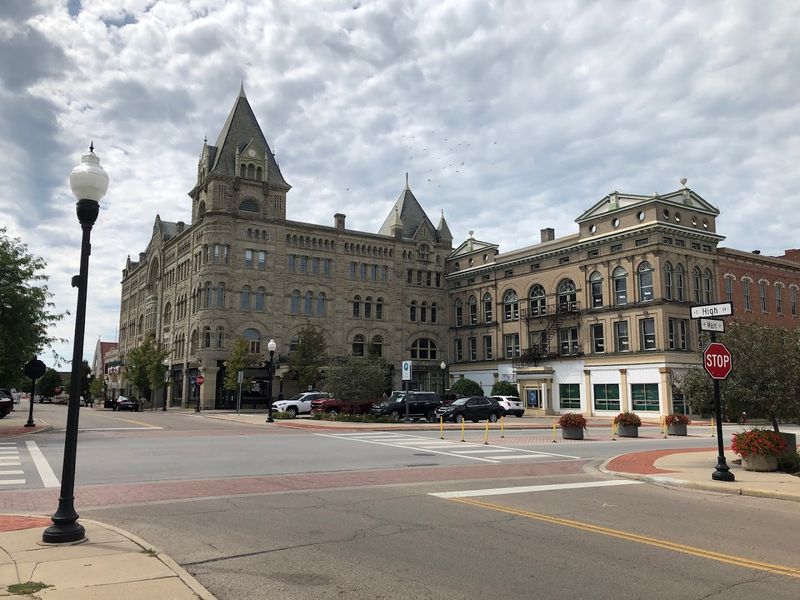
Piqua does not always make the top of Ohio’s most-celebrated main street lists, but that might be exactly what makes it so rewarding to discover. This Miami County city has a downtown rooted in canal-era history, and the architecture along the main commercial corridor reflects that heritage with a quiet authenticity that feels earned rather than performed.
Spring is when Piqua’s downtown shakes off its modest winter profile and steps into something more confident.
Community events scheduled throughout spring bring residents out in numbers that remind you how strong the local identity here really is. Storefronts that went quieter in January reopen with fresh energy, new window displays, and seasonal merchandise that signals a genuine seasonal shift.
Planters and hanging baskets along the main corridor bloom in waves as the weeks progress, giving repeat visitors something new to notice each time they return.
The nearby Miami and Erie Canal heritage site adds a layer of outdoor exploration that pairs naturally with a main street visit. Trails along the old canal route become especially appealing in spring when wildflowers and new growth line the towpath.
Piqua rewards the visitor who arrives without high expectations, because what you find is a town that takes genuine pride in its history, its people, and its slowly brightening spring streetscape.