Ohio might not be the first place that comes to mind for a spring road trip, but that is exactly what makes it such a great surprise. From ancient earthworks and glacial grooves to warbler-filled forests and butterfly-filled glass pavilions, the state packs an enormous variety of experiences into a compact geography.
Spring is the sweet spot — crowds are smaller, wildflowers are popping, and the air carries that particular freshness that only comes after a long Midwestern winter. Whether you are planning a solo adventure, a family outing, or a weekend escape, Ohio has something genuinely worth showing up for.
Hocking Hills State Park: Sandstone Cliffs and Waterfall Trails in Full Bloom
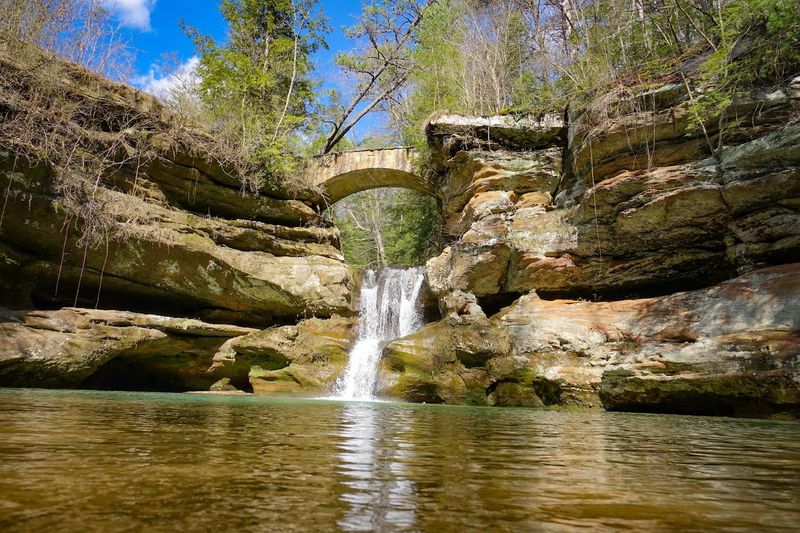
Water has been carving through the Black Hand sandstone at Hocking Hills for thousands of years, and spring is when all that patient geology looks its absolute best. Ferns unfurl along the gorge floors, wildflowers push through the leaf litter, and the waterfalls run full and loud from snowmelt and April rain.
Old Man’s Cave stays cool and shaded even on warm days, making it a surprisingly comfortable early-season hike.
The moss covering the rock walls shifts to a vivid, almost electric green in spring — a color that photos rarely do justice. Trails here range from easy boardwalk loops to more rugged out-and-back routes, so families and serious hikers both find something worth the trip.
Arrive early on weekends to beat the crowds and catch the morning light hitting the canyon walls at its most dramatic angle.
Camping is available inside the park, and nearby cabins book fast — reserving a few weeks ahead is strongly recommended for spring visits.
Cuyahoga Valley National Park: Ohio’s Only National Park Wakes Up for Spring
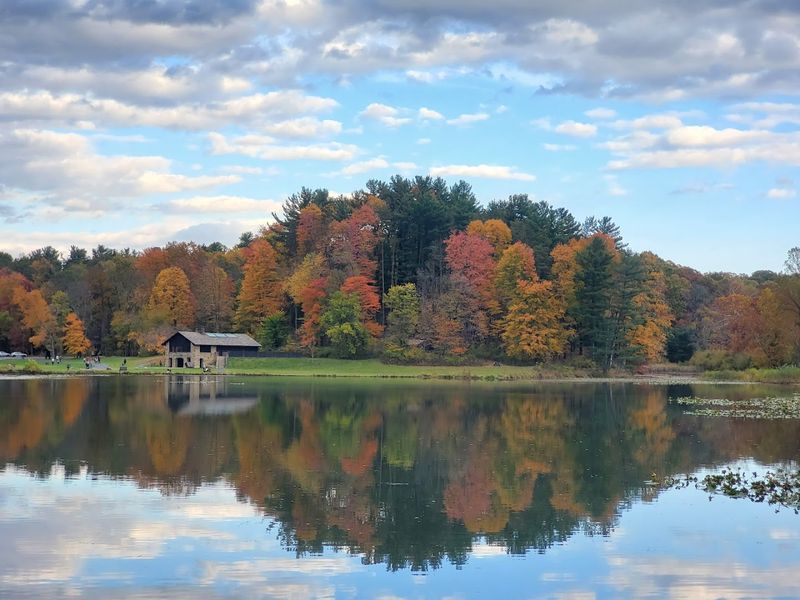
Thirty minutes from downtown Cleveland, you can be standing in a quiet hemlock forest watching a great blue heron work the shallows of the Cuyahoga River — that contrast is what makes this park genuinely remarkable. Ohio’s only national park stretches between Cleveland and Akron along the river corridor, and spring fills it with migrating birds, blooming trailside wildflowers, and the return of the Cuyahoga Valley Scenic Railroad.
Brandywine Falls is the park’s most famous feature — a 65-foot drop framed by budding trees that the short boardwalk trail delivers you to without much effort. Birdwatchers should prioritize the Towpath Trail in May, when warblers and other migrants move through in numbers that feel almost unreal for a place this close to a major city.
The railroad offers a relaxed way to see the valley without hiking every mile yourself — hop on, ride through the greening forest, and hop off at a trailhead that interests you. It is a genuinely underrated way to spend a spring afternoon.
Columbus: Flowering Trails, Gardens, and a Food Scene Ready for Outdoor Dining
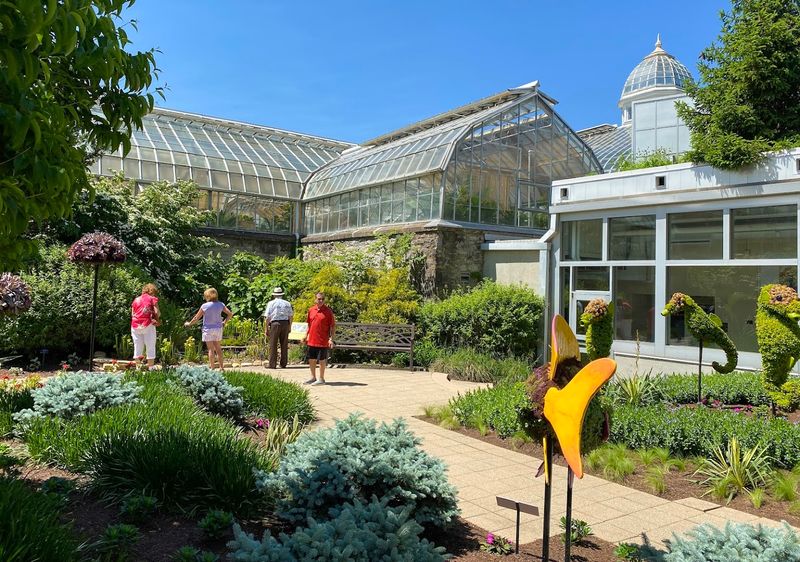
Columbus has a way of making spring feel like a genuine event. The Short North arts district fills its sidewalks with outdoor seating almost overnight, restaurants throw open their windows, and the whole neighborhood takes on a festive, unhurried energy that is hard to find in larger cities.
Franklin Park Conservatory runs its annual Blooms and Butterflies exhibit each spring, releasing hundreds of live butterflies into its warm glass pavilion alongside tropical plants and one of the largest permanent collections of Dale Chihuly glass sculptures in the country. The combination of living color and glowing art is genuinely unlike anything else in Ohio.
Tickets sell out on busy weekends, so booking ahead saves a lot of frustration.
For outdoor time, Scioto Audubon Metro Park offers easy riverside walking with a clear downtown skyline view that looks especially sharp on a bright April morning. The climbing wall at the park’s edge is free and open to the public — a fun bonus for younger visitors with extra energy to burn.
Mohican State Park: Quiet River Paddling and Forest Trails in the Central Hills
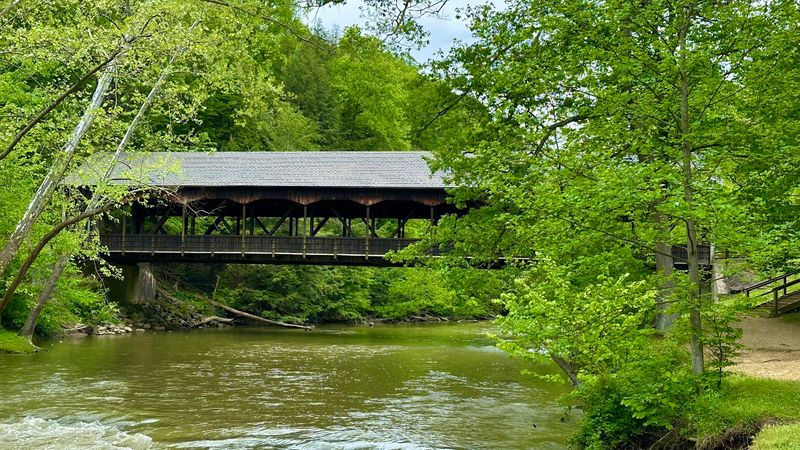
There is something almost prehistoric about paddling the Mohican River in spring. The water runs higher and faster than in summer, the hemlock banks are dense with new growth, and the Clear Fork Gorge rises on both sides in a way that makes the outside world feel genuinely far away.
Canoe and kayak rentals are available from outfitters just outside the park, making access easy even for first-timers.
The hemlock forest along the gorge survived the logging era because the terrain was simply too rugged to work efficiently — which means hikers today are walking through one of the few places in Ohio where the forest carries a sense of real age. Trails range from flat riverside walks to steeper ridge routes with longer views over the treetops.
Spring weekends fill up at the campgrounds, so reservations matter. Midweek visits in April offer a noticeably quieter experience, with wildlife activity — including wild turkey and white-tailed deer — peaking in the early morning hours along the forest edges.
Serpent Mound: An Ancient Earthwork That Lines Up With the Spring Sky
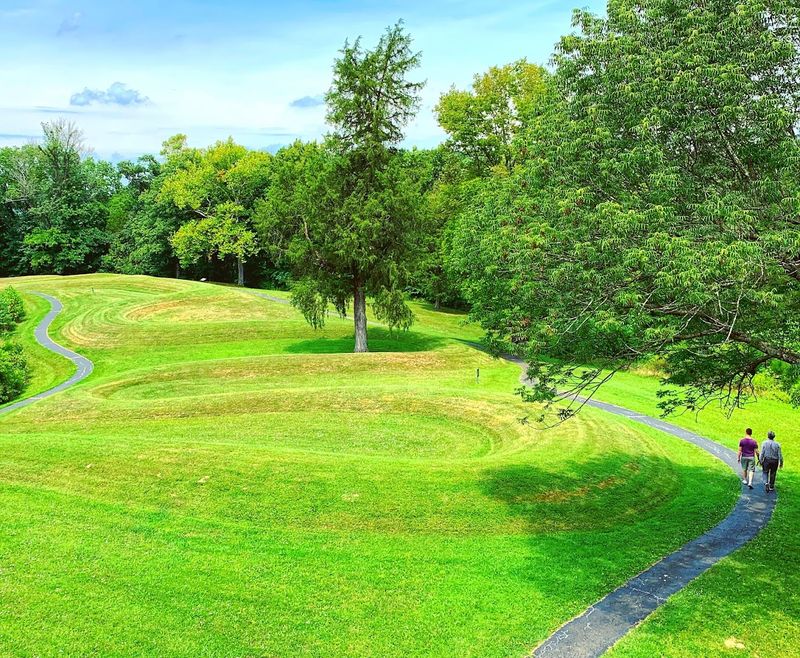
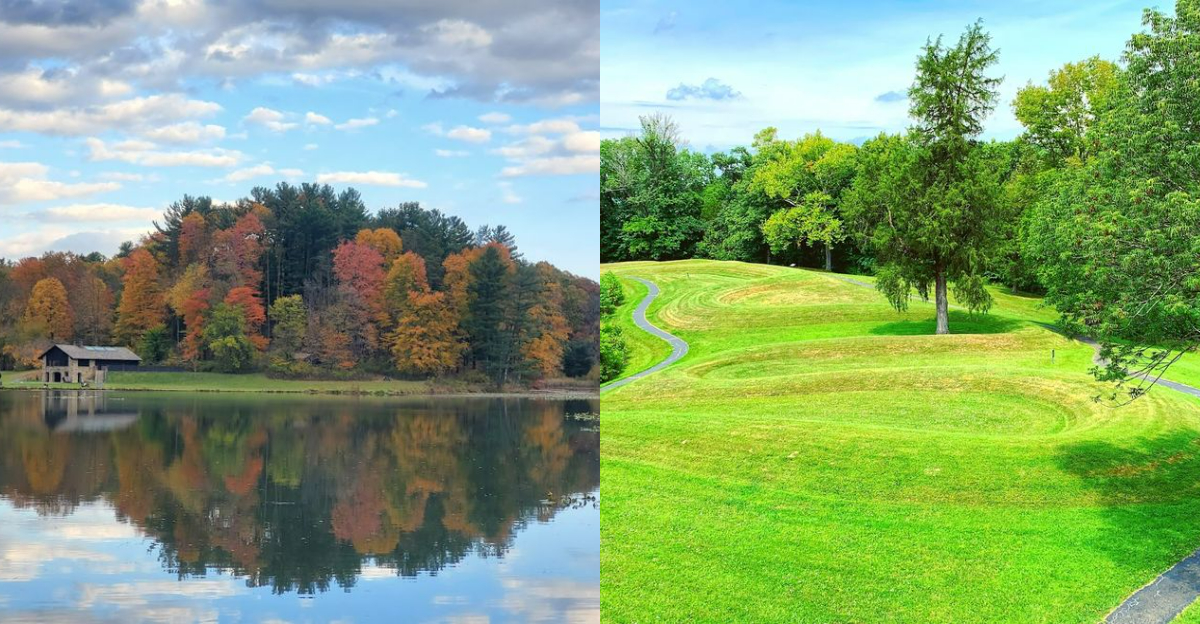
Few places in Ohio carry the quiet weight of Serpent Mound. Built roughly 2,000 years ago by Indigenous people, this 1,348-foot-long earthwork coils across an Adams County hilltop in the unmistakable shape of an uncoiling serpent — and researchers have found that its curves align with astronomical events including the spring equinox.
Visiting in late March or early April connects the experience to something much larger than a day trip.
From the observation tower, the full length of the serpent shape traces itself across the landscape below — a scale that ground-level photos genuinely fail to capture. The site is managed by the Ohio History Connection, and a small museum on the grounds provides context about the construction, the astronomy, and the ongoing research into who built it and why.
Spring grass covers the mound in a bright, uniform green that makes the earthwork shape read clearly from above. Come early in the day when the light is low and the hilltop is quiet — the atmosphere at Serpent Mound rewards patience and a slow pace.
Clifton Gorge State Nature Preserve: A Short but Dramatic River Walk
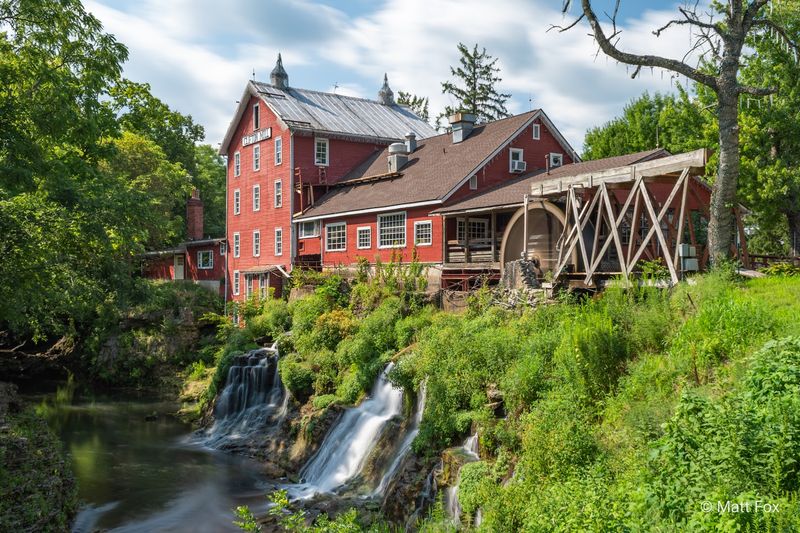
Spring turns the Little Miami River at Clifton Gorge into something genuinely impressive. The water moves fast and loud between dolomite cliffs that rise sharply on both sides of the trail, and the sound alone is worth the drive.
Most of the main trail runs under two miles, but the geology packed into that short distance is dense enough that naturalists and geology teachers bring groups here regularly.
What makes Clifton Gorge ecologically unusual is its plant life. Species more commonly found in Canada survive here because the shaded rock walls keep temperatures cooler than the surrounding landscape year-round — a microclimate that has preserved a small pocket of northern vegetation far south of its typical range.
Look for these plants clinging to the cliff faces and the shadier sections of the trail.
The preserve sits adjacent to John Bryan State Park, which adds more trail mileage for visitors who want a longer outing. Parking fills quickly on spring weekends, so arriving before 9 a.m. is the practical move.
The gorge is at its most dramatic right after a rain.
Toledo and Maumee Bay: Shorebird Migration Along Lake Erie’s Western Edge
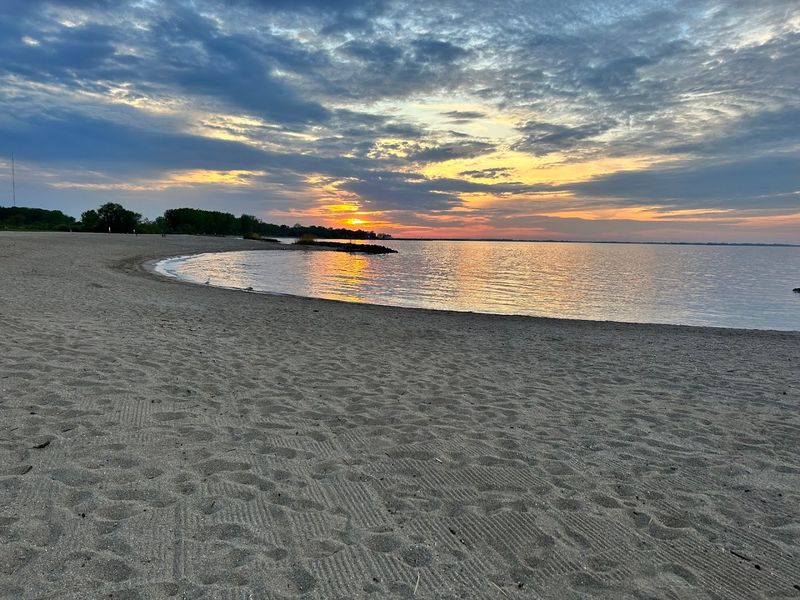
Every May, the western basin of Lake Erie becomes one of the most electric birdwatching locations in North America. Magee Marsh Wildlife Area, just east of Toledo, draws birders from across the country for what the birding community has nicknamed the Warbler Capital of the World — and that title is not an exaggeration.
Dozens of warbler species move through in a single morning during peak migration weeks.
The boardwalk trail at Magee Marsh runs directly through the tree canopy where exhausted migrants rest before continuing north across the lake. Birds that might stay high and distant in other locations come down to eye level here — sometimes within arm’s reach of the path.
It is the kind of experience that turns casual observers into committed birdwatchers on the spot.
The Biggest Week in American Birding festival takes place here each May and draws tens of thousands of visitors. Binoculars are helpful but not required — some of the warblers are close enough that bare eyes catch the color just fine.
Plan accommodations in advance, as the Toledo area books up during festival weeks.
Yellow Springs: A Walkable Village Built Around Art, Nature, and Glen Helen
Yellow Springs is one of those places that feels like it was designed by someone who genuinely thought about what a town should be. The main street holds independent bookstores, local restaurants, and working galleries — all within comfortable walking distance of each other and of Glen Helen, a 1,000-acre nature preserve that borders the village directly.
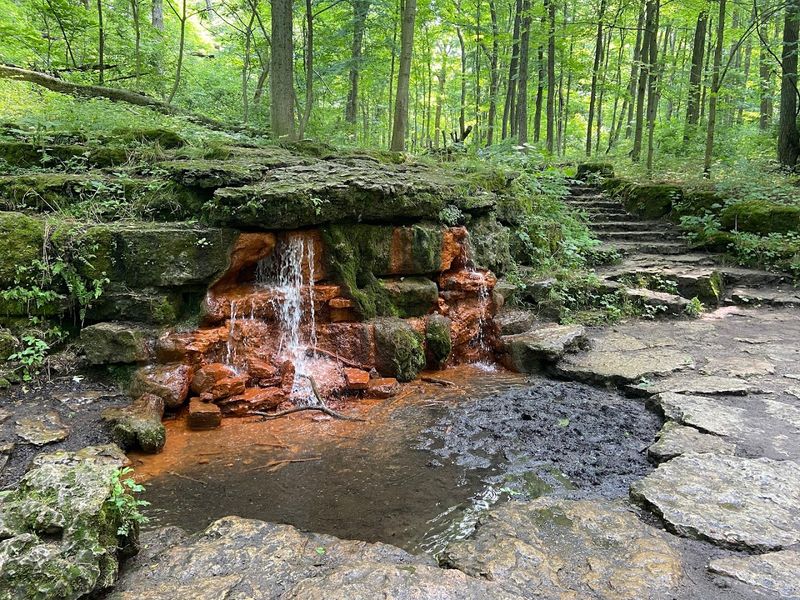
Glen Helen’s ravines fill with spring wildflowers from mid-April through May, including trillium, Virginia bluebells, and wild ginger carpeting the forest floor in waves of color. The Yellow Spring itself — a mineral spring whose iron-rich water stains the surrounding rocks a vivid orange — runs year-round and is worth finding on the trail.
Antioch College sits at the center of town and has shaped Yellow Springs’ character for generations, giving it an intellectual, curious energy that feels distinct from other small Ohio communities. Spring weekends bring visitors from Columbus and Dayton, so the village gets lively without feeling overcrowded.
Parking is free and the whole town is genuinely walkable — leave the car and explore on foot.
Cincinnati: Blooming Parks, a World-Class Zoo, and the Ohio River in Spring Light
Cincinnati takes spring seriously. Eden Park sits on a hillside above the Ohio River with walking paths through formal gardens and elevated views of the water that look particularly sharp on a clear April morning.
The park’s Mirror Lake and the overlooks toward Kentucky give the whole area a sense of scale that most urban parks lack.
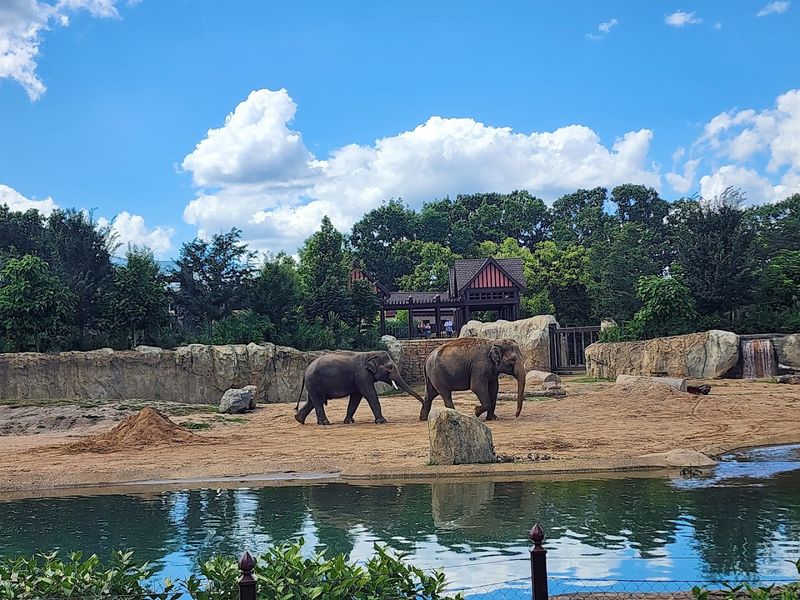
Over at the Cincinnati Zoo — the second-oldest in the United States, founded in 1875 — the annual Spring Blooms event plants millions of tulips and other bulb flowers throughout the grounds, creating one of the largest floral displays in the Midwest. The Victorian-era buildings scattered across the zoo property give it an architectural character that modern zoos simply cannot replicate.
It is worth slowing down and noticing the old structures between exhibits.
The Over-the-Rhine neighborhood, just north of downtown, offers excellent food and coffee in a walkable historic district that pairs well with a spring afternoon. Cincinnati rewards visitors who stay an extra day — the city has more going on than a single visit can cover comfortably.
Wayne National Forest: Ohio’s Only National Forest Turns Green Across Its Trails
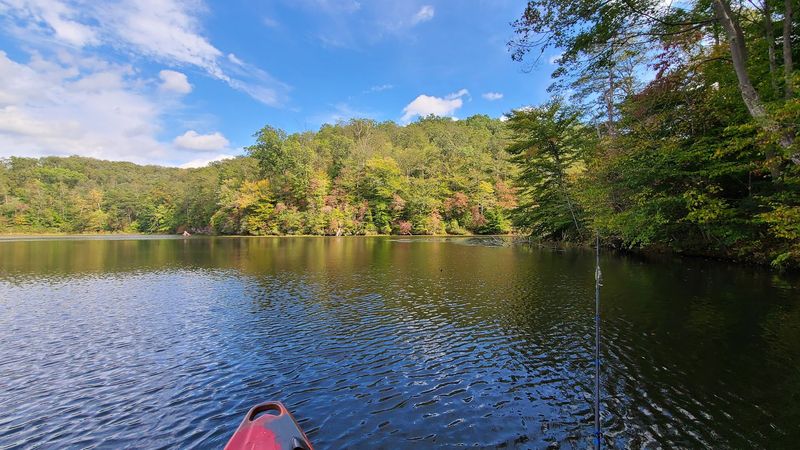
Southeastern Ohio holds a quieter kind of beauty, and Wayne National Forest is its best expression. Spread across three separate units in the region’s rolling hills, the forest offers trails, small streams, and a landscape that has been quietly recovering from decades of strip mining.
Walking through it now, with oak and hickory canopy closing overhead and wildflowers filling the understory, the recovery feels real and worth celebrating.
Spring blooms arrive in waves from late March through May — bloodroot and hepatica first, then trillium, then Virginia bluebells along the wetter sections of trail. The Archers Fork Loop and the Covered Bridge trails are both worth prioritizing, offering varied terrain and the kind of long forest stretches that feel genuinely removed from everyday noise.
Old spoil piles from the mining era have softened into gentle ridges under decades of new growth — a visible reminder that landscapes can come back. Wayne National Forest does not attract the crowds that Hocking Hills does, which means spring weekends here feel spacious and unhurried.
Bring a trail map, as cell service is unreliable in the deeper sections.
Lake Erie Islands: Kelleys Island and Put-in-Bay Before the Summer Rush
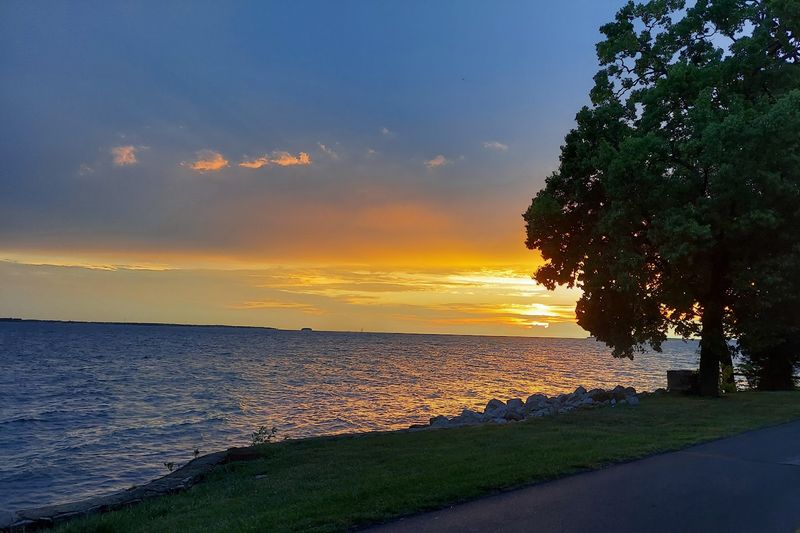
Spring ferry rides to Kelleys Island or South Bass Island come with something the summer season cannot offer — actual quiet. The boats run with smaller crowds, the island roads are calm, and the natural features that tend to get overlooked during the busy season become the clear focus of the visit.
Kelleys Island holds one of the most extraordinary geological features in Ohio: Glacial Grooves State Memorial, a set of 400-foot-long channels carved directly into limestone bedrock by a glacier more than 10,000 years ago. These are considered the largest such grooves accessible to the public anywhere in the world, and standing at the edge of them in the gray light of an early spring day makes the scale of geological time feel surprisingly personal.
The island’s cedar trees and carved limestone read with unusual sharpness against the steel-gray lake water of early spring — a visual contrast that the warmer, greener summer months actually soften. Put-in-Bay on South Bass Island offers a few open restaurants and shops in the off-season for those who want food and exploration in the same trip.
Zaleski State Forest: Backpacking and Backcountry Spring Camping in Southeast Ohio
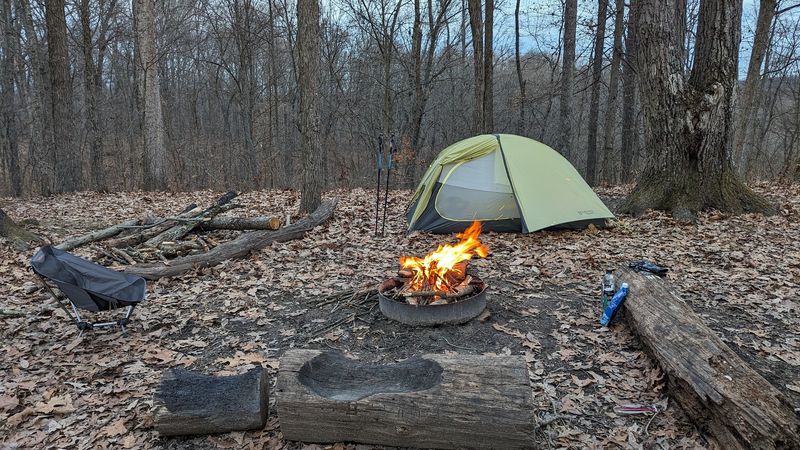
Zaleski State Forest offers something genuinely rare in Ohio — a real backpacking experience. The 23-mile loop trail in Vinton County passes through forest, open meadows, and along the edges of small spring-fed ponds and streams that hum with life after the winter thaw.
Vinton County is one of the least populated counties in the state, which means trail traffic is light and the sense of solitude is authentic.
Wild turkey, white-tailed deer, and various raptors are common sightings along the route, particularly in the early morning hours when the meadow edges are active. Spring rains fill the small streams that cross the trail regularly, and hikers should plan for wet crossings — waterproof boots or trail runners that dry fast are both sensible choices for this route.
Those wet crossings are part of what makes Zaleski feel genuinely backcountry rather than just a long day hike. Dispersed camping is permitted along the trail, and the forest sits within the Raccoon Creek watershed — a landscape that rewards slow travel and careful attention to the details that flash by too quickly on a rushed itinerary.