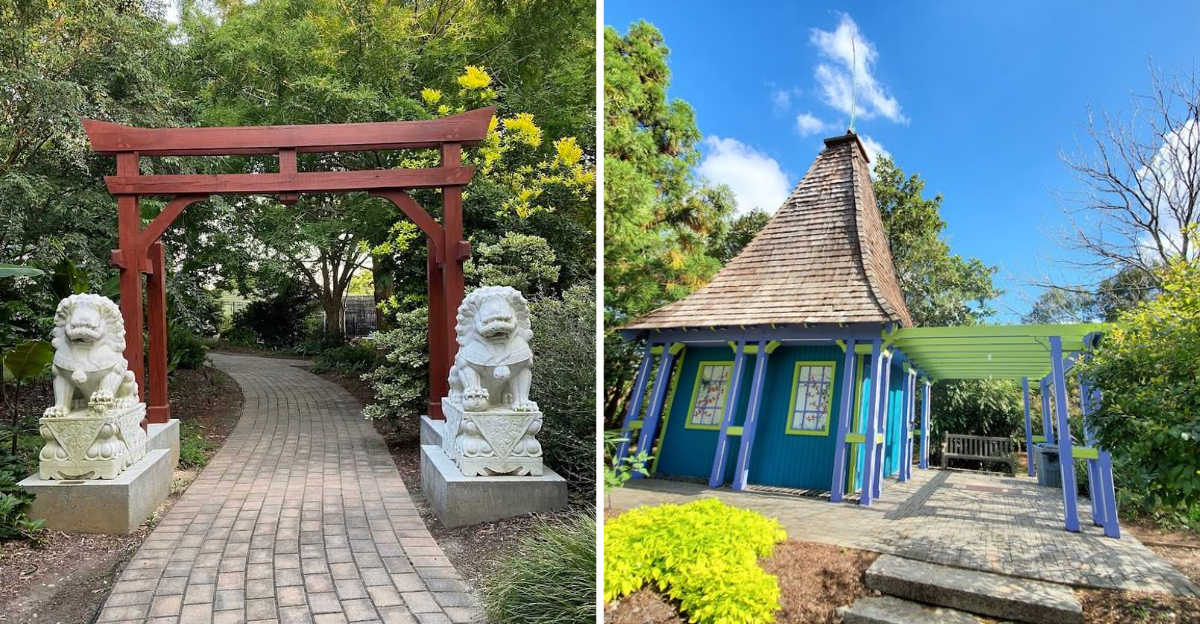
Free to visit and overflowing with plant life, JC Raulston Arboretum in Raleigh packs over 6,000 species into just 10 acres. You can wander from rare conifers to vibrant perennials, then pause by a fountain or under a Japanese maple, all in one calm, research-driven garden.
It is a place that helps you figure out what actually thrives in central North Carolina, season by season. Bring curiosity and comfortable shoes, because every path leads to something worth remembering.
The 6,000 Species Promise
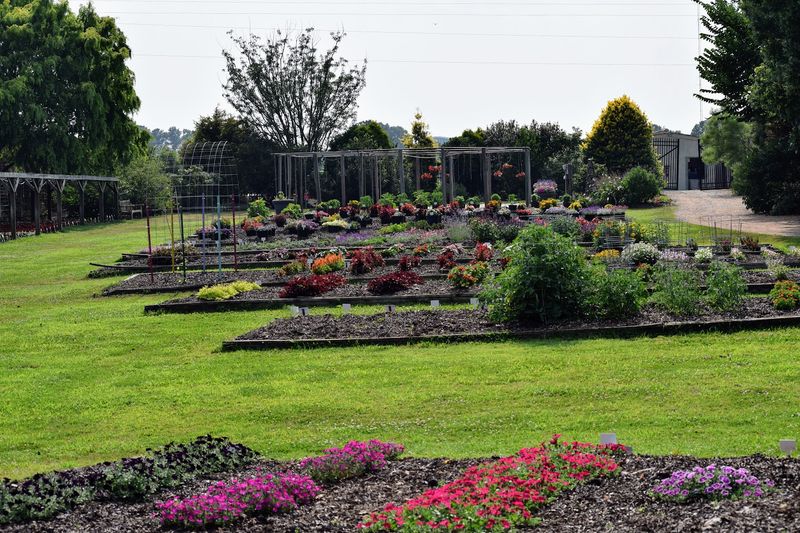
Numbers matter here because they change how you see your own yard. With over 6,000 taxa sourced globally, the arboretum tests what actually performs in Raleigh’s climate.
You are not just admiring beauty, you are gathering proof that a plant can thrive at home.
Labels help you capture the exact cultivar name, mature size, and origin. Snap photos of tags, then compare later at nurseries.
You will discover unexpected winners like hardy palms, heat-tolerant hydrangeas, and drought-savvy grasses.
What makes this collection special is rotation and evaluation. New introductions cycle in, underperformers rotate out, and results inform gardeners, designers, and students.
If you want a practical shortlist, ask staff for recent trial standouts and note which sections look strong during your season.
Year-Round Beauty: Winter Through Summer
Timing your visit changes the story the garden tells. In winter, conifers, hollies, and textured bark carry structure, and you notice design bones you might miss in June.
Spring crowds arrive for magnolias, viburnums, and bulbs that perfume the paths.
By summer, perennials and ornamental grasses build rhythm, and shaded nooks become essential rest stops. Autumn is for maples, seed heads, and low-angled light that flatters every photo.
Repeat visits teach you how to extend interest at home.
Practical tip: bring the same route each season to compare performance, then borrow ideas for layering. You will see which plants bridge awkward gaps between bloom cycles.
The consistency of pathways makes it easy to recreate a test-and-learn ritual that benefits your landscape.
Japanese-Inspired Moments

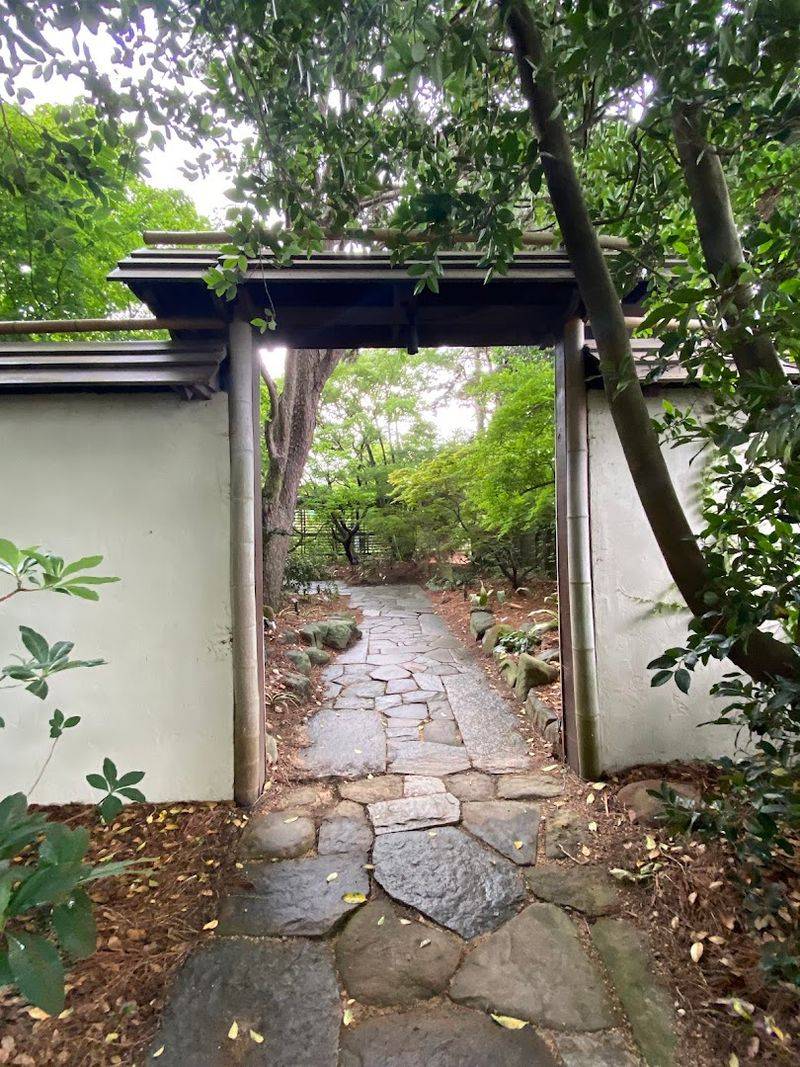
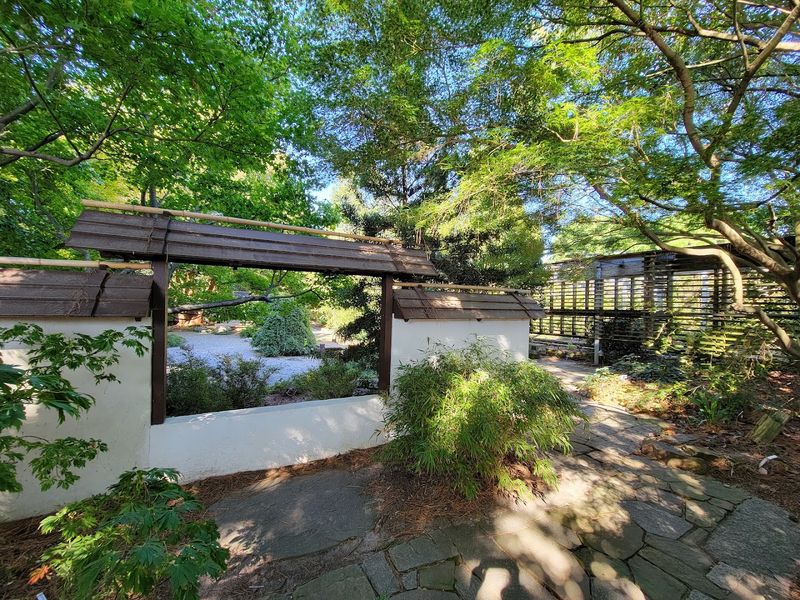
Calm shows up in thoughtful details rather than grand gestures. Carefully pruned maples cast patterned shadows over stone, and a quiet water feature invites you to slow your walk.
Even on busy days, this corner tends to hush conversations.
Look closely at branching structure and underplanting choices. You can copy the contrast at home using fine-textured groundcovers beneath sculptural shrubs.
A small bench or flat stepping stones instantly set a contemplative tone.
Accessibility here is good, with stable paths and gentle grades. Take photos from knee height to exaggerate the maples’ architecture.
If a section is under construction, do not skip it in the future, because updates often add new cultivars worth noting.
Education, Tours, and Classes
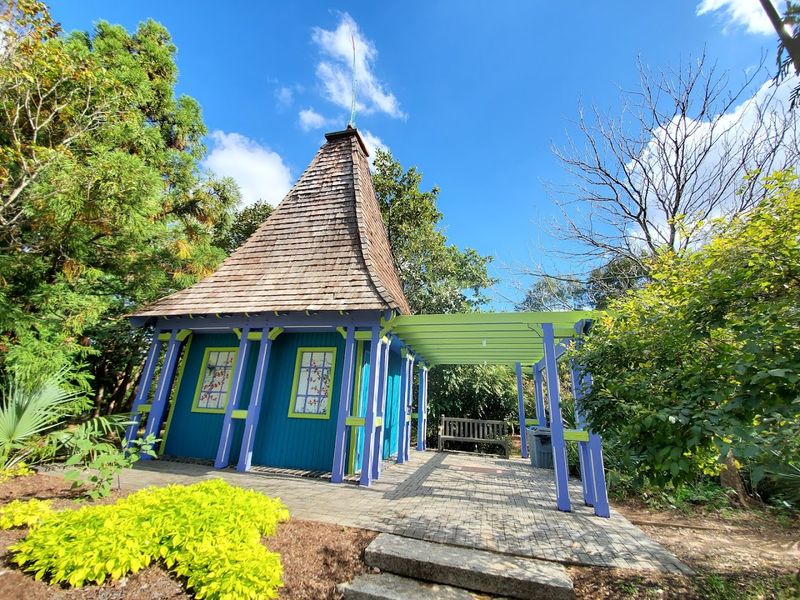
You are not limited to self-guided wandering. The arboretum runs tours, short courses, and plant walks that translate research into practical guidance for Triangle yards.
Schedules live on the website, so check dates before you go.
Workshops often focus on pruning, plant ID, and seasonal maintenance. You leave with techniques you can apply the same afternoon, like thinning cuts or simple fertilizing timelines.
If you prefer independent study, interpretive signs function like mini lessons.
For families, kid-friendly activities add purpose to a stroll. Teachers and scout leaders can request educational materials aligned with standards.
Bring a notebook or the notes app, because specific cultivar names will disappear from memory by dinner if you do not record them.
Moonlight in the Garden Night Event

After dark, the garden trades botany for theater. Moonlight in the Garden layers light, music, and hot cider over familiar paths, turning textures into silhouettes and color washes.
It is festive without feeling crowded if you arrive near opening.
Tickets sell fast, and parking gets tight, so plan ahead. Food trucks line up outside and photography opportunities appear around every turn.
Long exposures at low ISO keep the mood without grainy noise.
Prepare for cool nights with a jacket and gloves for the camera. If you bring kids, set a meeting point and review path etiquette.
You will come away with new appreciation for structure, because lights reveal bones that daytime blooms sometimes hide.
Photography Playbook
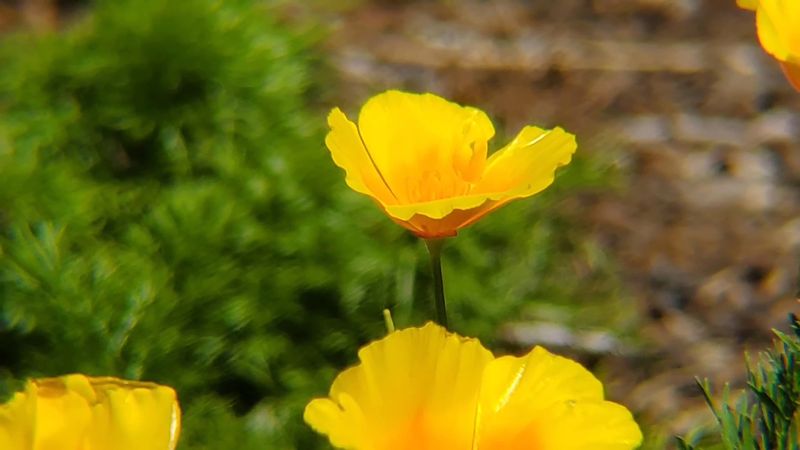
Great shots here come from planning angles, not just pointing at flowers. Use leading lines along the paths and frame with arching branches.
Golden hour brings soft contrast that flatters silver foliage and bark texture.
For close-ups, switch to portrait mode or a macro lens and aim for side light. Kneel to plant height to reduce background clutter.
Labels make useful foreground elements when you want context without a caption.
Polite etiquette keeps everyone happy. Step off paths only where allowed and watch tripods near narrow walkways.
Early mornings offer empty scenes, cooler air, and room to work through multiple compositions before families arrive.
Accessibility, Hours, and Logistics
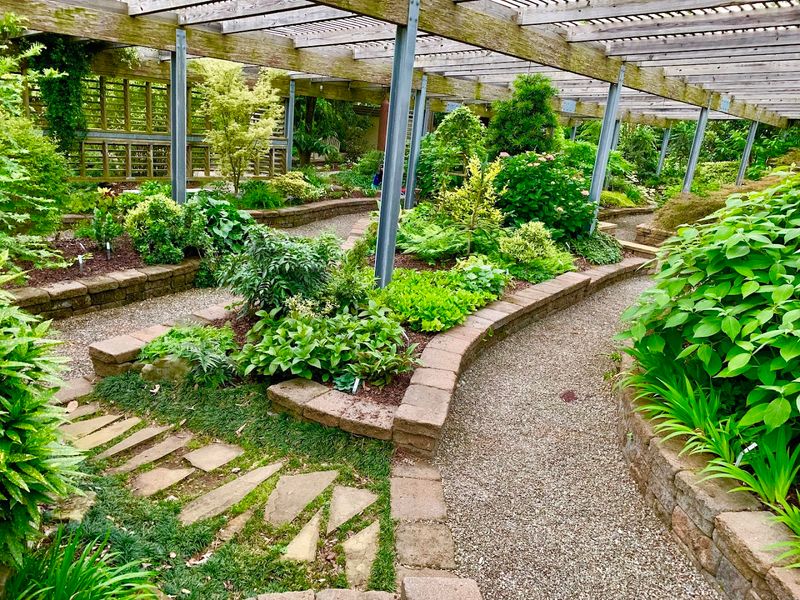
Good planning turns a pleasant visit into a great one. Hours generally run 9 AM to 4:30 PM on weekdays, with extended evening hours Friday and earlier weekend openings.
Check the website before arriving because seasonal variations and special events apply.
Parking can fill, so use GPS to reach 4415 Beryl Rd, Raleigh, NC 27606, then follow signs to overflow if needed. Paths are mostly smooth and wheelchair friendly, with benches sprinkled along long stretches.
Restrooms are inside the education center.
Admission is free, and donations at the welcome desk help keep the gardens thriving. If you need quick help, call +1 919-515-3132.
Bring water and sunscreen, then set a relaxed pace that leaves room for serendipity.
Plant Sale Finds and The Plant Stand
Few souvenirs beat a plant with a story. At the entrance, The Plant Stand and seasonal sales offer cultivars vetted by the garden’s trials, so you take home performers, not guesses.
Volunteers help match your light conditions and goals.
Arrive early for best selection, especially on spring weekends. Bring a box or crate to stabilize pots in the car.
If you love a plant inside the garden, save the label photo and ask staff about availability.
Pro tip for small spaces: choose one statement shrub and two reliable groundcovers, then add bulbs for surprise. Your purchase supports the arboretum’s mission while improving your yard.
It is a tangible way to bring a slice of Raleigh’s research garden home.
Weddings, Events, and Picnics

Special occasions feel grounded when nature sets the stage. Couples choose ceremony spots framed by seasonal color, then move to the education center for a cool, practical reception space.
Photography options are limitless, from architectural backdrops to soft garden rooms.
If you are simply picnicking, the rear area offers quiet tables. Pack snacks, carry out trash, and keep pathways open for other guests.
Street parking helps when the on-site lot is busy during multiple events.
Before planning a rental, confirm availability, rules, and sound guidelines. Be mindful of tripods and decor stakes to protect roots and irrigation.
With thoughtful logistics, you get a day that feels personal without wrestling complicated setup.