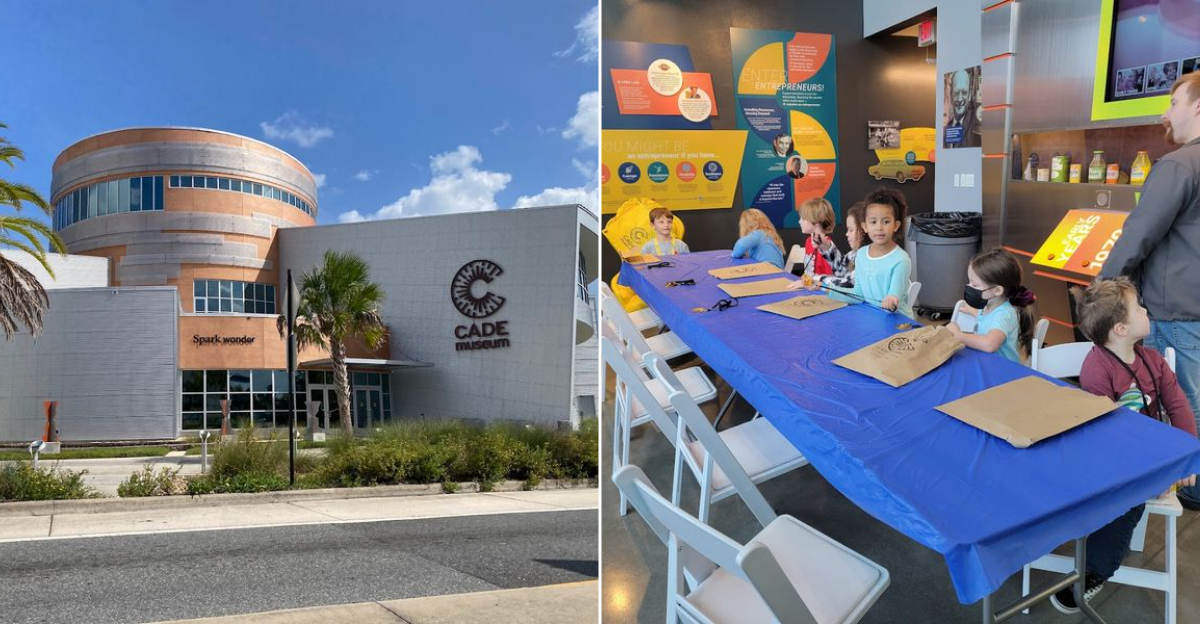
Tucked right in the heart of Gainesville, Florida, the Cade Museum for Creativity and Invention is the kind of place that makes a regular Saturday feel like something truly special. Named after Dr. James Robert Cade, the University of Florida scientist who invented Gatorade, this 21,000-square-foot museum is packed with hands-on activities, interactive exhibits, and creative challenges that get kids thinking, building, and experimenting.
Whether your family is into science, art, engineering, or just loves making a mess with slime, there is something here for everyone. With a 4.6-star rating from hundreds of visitors, it has earned its reputation as one of North Central Florida’s most exciting spots for curious young minds.
The Swamp Solution: Gatorade and the Story of Dr. James Robert Cade
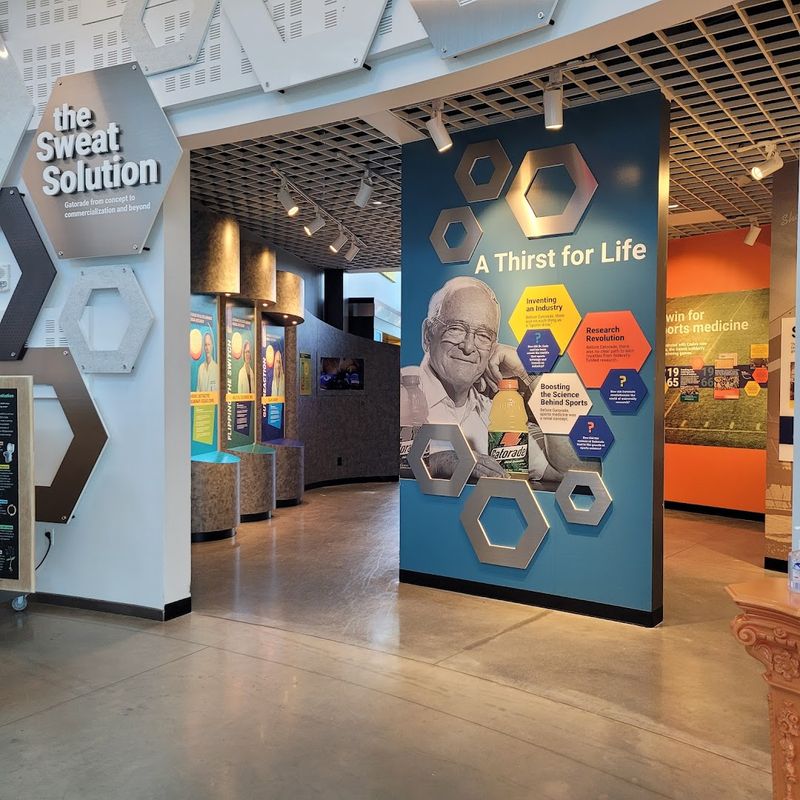
Some of the best inventions in history started with a simple question, and Dr. James Robert Cade asked one that changed sports forever: why do football players stop sweating in the heat? That curiosity led to the creation of Gatorade, and the Cade Museum tells that story in the most engaging way possible.
The Sweat Solution exhibit walks visitors through the real science behind the drink, from the University of Florida football field where it was first tested to the lab where the formula came together. Interactive panels, historical photographs, and hands-on displays make the story feel alive rather than like a textbook lesson.
What makes this exhibit especially powerful is learning about the personal struggles Dr. Cade faced. One of the museum’s most memorable artifacts is a letter from an instructor telling his parents he would never amount to anything.
Knowing what he went on to accomplish makes that letter one of the most inspiring things you can read on a Saturday morning.
Kids who visit this exhibit often leave with a new understanding that great inventors are not always the most celebrated students in school. Sometimes, the rule-breakers and the dreamers are the ones who change the world.
Slime-Making Lab: The Hands-On Science Activity Everyone Talks About
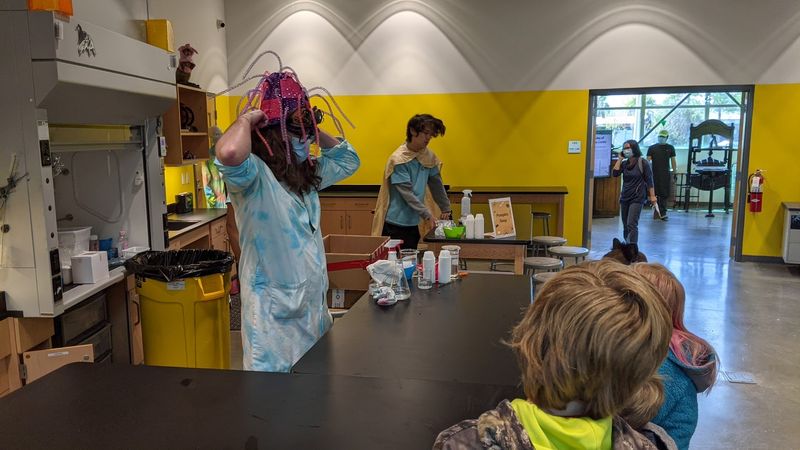
Ask almost any visitor what their favorite part of the Cade Museum was, and there is a good chance they say slime. The slime-making lab is one of those rare museum experiences that gets everyone involved, from toddlers to teenagers to parents who pretend they are only there to supervise.
Museum staff lead the activity with real enthusiasm, walking participants through the chemistry of polymers in a way that feels more like fun than a science class. You mix, you stretch, you squish, and somewhere in the middle of all that mess, you actually learn something about how molecules interact.
What sets this lab apart from similar activities at other museums is the quality of staff engagement. Reviewers consistently praise how friendly and knowledgeable the team members are, turning a simple craft into a genuinely educational moment.
Even a 20-year-old can get hooked on the process once it starts.
The slime lab runs during scheduled times, so it is worth checking the museum website before your visit to make sure you catch it. Wearing clothes you do not mind getting a little colorful is always a smart move when slime is on the agenda.
Building From Junk: Where Trash Becomes Tomorrow’s Invention
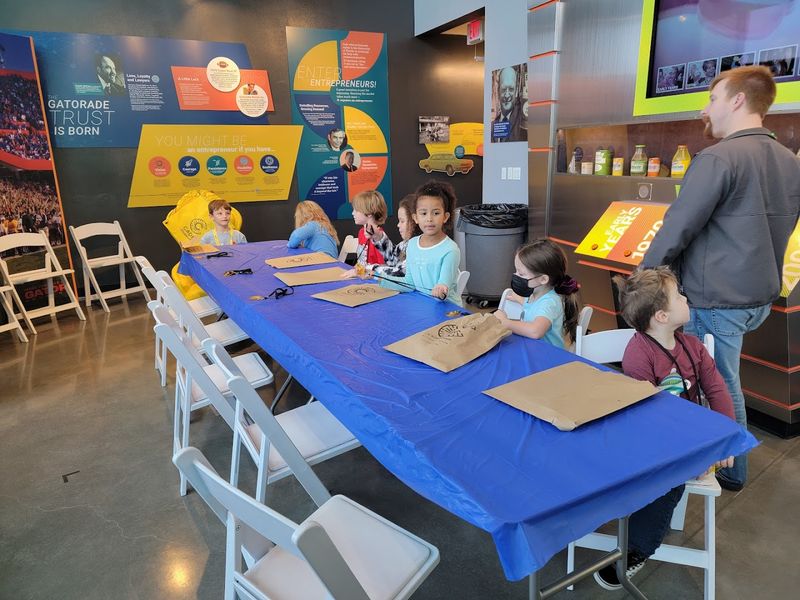
There is something wonderfully freeing about being handed a pile of old bottle caps, cardboard tubes, rubber bands, and wire, and being told to build something. That is exactly what happens in the junk-building station at the Cade Museum, and kids absolutely love it.
The concept is rooted in real engineering practice. Professional designers and inventors often prototype with whatever materials are nearby before moving to polished versions of their ideas.
By giving children the same freedom, the museum teaches resourcefulness, creative problem-solving, and the confidence to try something even when you are not sure it will work.
One reviewer mentioned that her five-year-old granddaughter was completely absorbed in this activity, using her imagination to create something entirely her own. That sense of ownership over a creation is something structured toys rarely provide.
When a kid builds it herself from scratch, it means something different.
Families with younger children will find this station especially welcoming because there are no wrong answers. The goal is not a perfect product but an original idea brought to life.
For a generation growing up with pre-assembled everything, getting to make something from nothing is genuinely exciting and surprisingly empowering.
The Rube Goldberg Room: Chain Reactions and Pure Delight
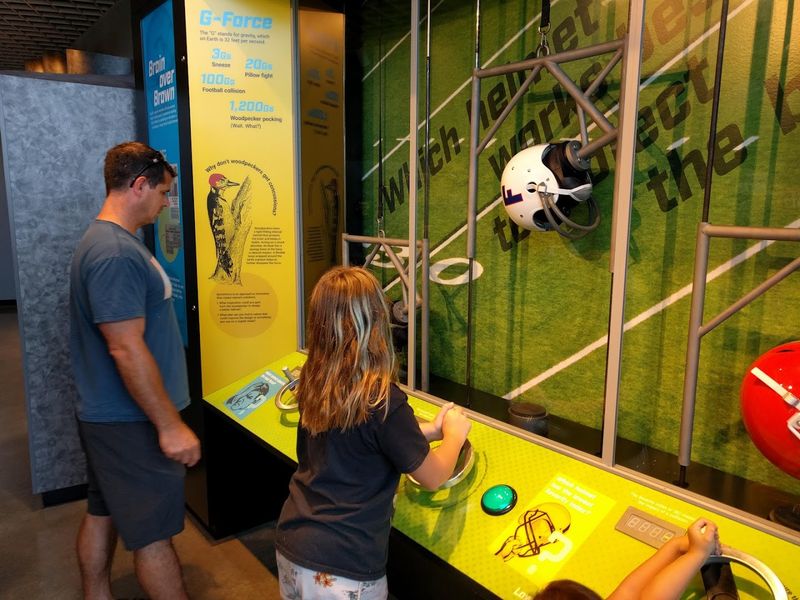
If you have ever watched a domino chain fall in slow motion and felt your heart skip a beat, the Rube Goldberg room at the Cade Museum was made for you. Named after the cartoonist who became famous for drawing absurdly complicated machines that performed simple tasks, this exhibit is a celebration of creative engineering at its most playful.
Visitors can interact with the contraptions, moving pieces around so that a ball rolls continuously through the system, triggering chimes, levers, and other satisfying mechanisms along the way. It is the kind of exhibit that pulls you in for five minutes and keeps you there for thirty.
One reviewer called this her favorite exhibit in the whole museum, noting that the ability to rearrange elements and experiment with different outcomes made it feel like a puzzle with endless solutions. That kind of open-ended play is exactly what developmental experts say builds critical thinking skills in children.
Adults tend to get just as absorbed as the kids here, which is part of what makes the Cade Museum special. The Rube Goldberg room does not talk down to anyone.
It simply invites you to play, tinker, and figure things out one rolling ball at a time.
3D Printing Station: Where Digital Ideas Become Real Objects
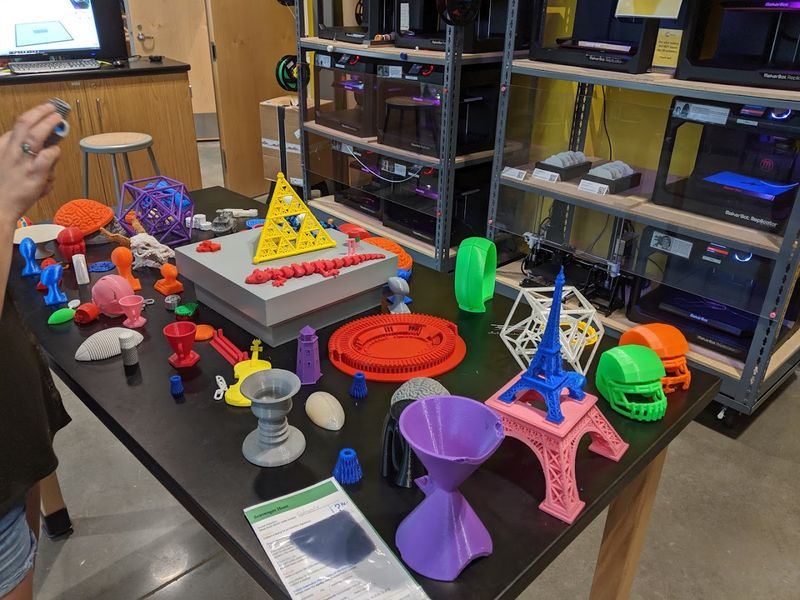
Walking up to a 3D printer and watching a physical object appear layer by layer out of thin air still feels like magic, even if you understand the science behind it. The Cade Museum gives visitors the chance to experience this technology up close, making it one of the more forward-looking attractions in the building.
Staff members at the station explain how 3D printing works, connecting the technology to real-world applications in medicine, architecture, aerospace, and product design. For kids who spend a lot of time in digital spaces, seeing a digital design become a tangible object is a genuinely mind-expanding moment.
The station is part of a broader area that also includes spirograph art and stamping activities, giving families a creative cluster of options to explore together. While the 3D printing process takes time, watching it in action is hypnotic enough that most kids do not mind waiting to see the result.
Teachers and parents often note that this station sparks conversations about careers in technology and design that might not have come up otherwise. Giving kids a hands-on introduction to tools that are reshaping entire industries is one of the most forward-thinking things a museum can offer on a weekend afternoon.
Little Sparks: A Dedicated Play Space for the Museum’s Youngest Inventors
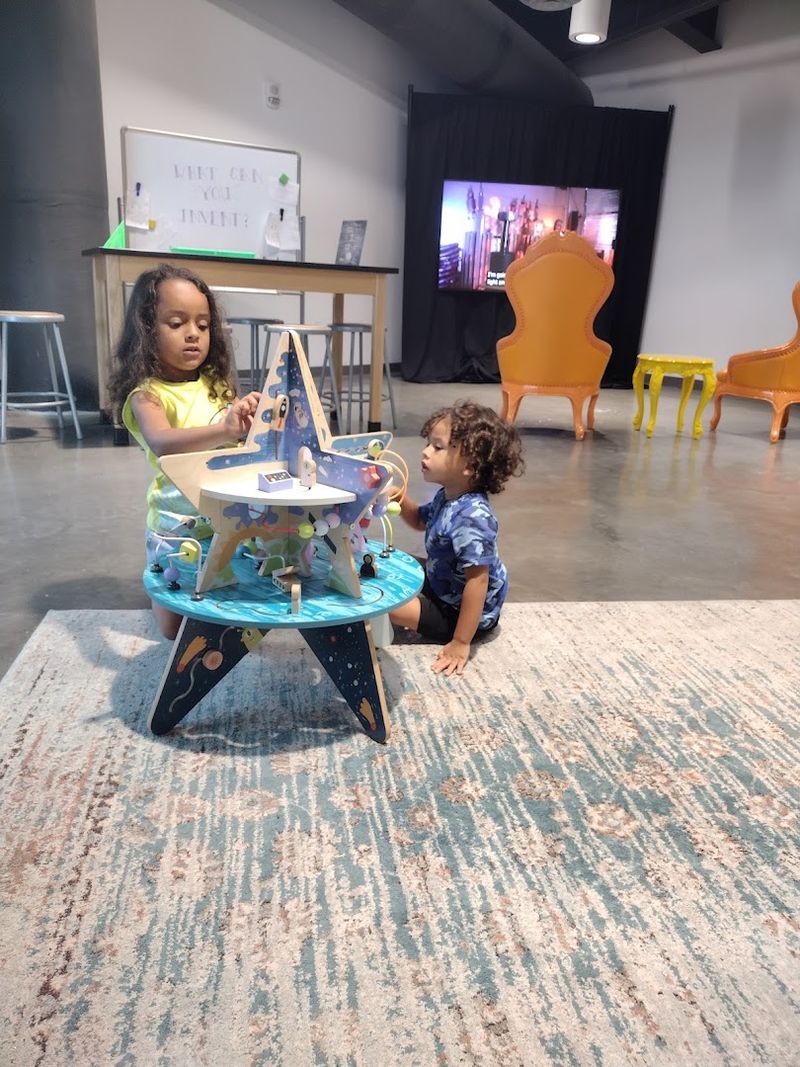
Bringing a toddler to a science museum can sometimes feel like a gamble, but the Cade Museum thought ahead. Little Sparks is a dedicated space designed specifically for the museum’s youngest visitors, offering colorful, sensory-rich activities that match the attention span and energy level of children under five.
One reviewer raved about taking her toddler to Little Sparks and having an absolute blast, describing the space as fun, colorful, and genuinely interactive. That kind of specific praise from a parent who has been there speaks volumes about how thoughtfully the space was designed.
The activities in Little Sparks focus on foundational concepts like cause and effect, color, shape, and texture, all wrapped up in play-based formats that feel natural to small children. There is no pressure to follow instructions or complete a task.
The whole point is exploration, which is exactly how young brains learn best.
Families with children of mixed ages will appreciate that Little Sparks keeps the littlest ones happily engaged while older siblings explore the rest of the museum. It transforms a potential logistical challenge into a smooth family outing where everyone gets something meaningful out of the visit.
The Museum Scavenger Hunt: Learning Through Clues and Friendly Competition
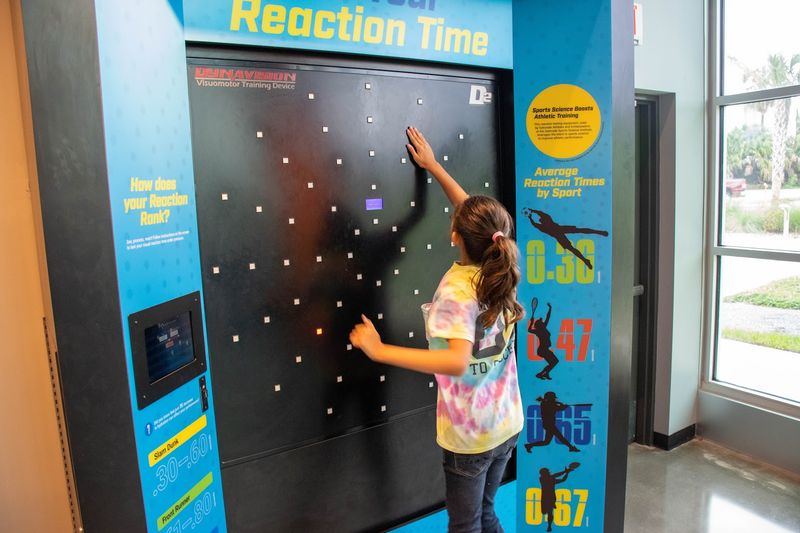
Nothing gets a reluctant museum-goer moving through exhibits faster than the promise of a challenge with a reward at the end. The Cade Museum’s scavenger hunt does exactly that, turning a walk through the galleries into an active, engaging quest that keeps kids focused and curious the whole time.
Participants follow clues through the museum, gathering information from exhibits along the way. Completing the hunt earns a ten percent discount at the museum gift shop, which is a small but genuinely motivating incentive for kids who have their eye on something in the store.
One parent shared that the scavenger hunt was particularly engaging for her nine-year-old, offering just the right mix of challenge and discovery. The activity also works well for different learning styles, combining reading comprehension, observation skills, and a touch of friendly competition between siblings or classmates.
For school groups or homeschool families, the scavenger hunt doubles as an educational tool that reinforces exhibit content in an active way. Rather than passively reading display panels, kids are on a mission, which makes the information stick in a way that a traditional museum tour rarely achieves.
It is one of those small museum design decisions that makes a big difference.
The Rotunda and Museum Architecture: A Building That Inspires Before You Even Start
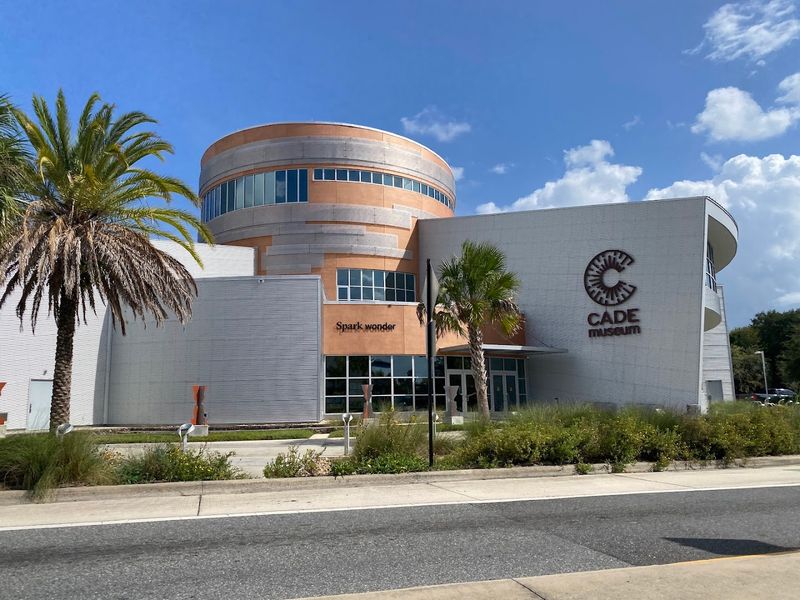
Before you even reach the first exhibit, the building itself makes a statement. The Cade Museum’s rotunda is one of those architectural spaces that stops people mid-step, with its soaring cylindrical shape, circular skylight, and sweeping curved staircase that narrows gracefully as it rises to the second floor.
Large windows wrap around the rotunda, offering a panoramic view of Depot Park across the street. On a sunny Florida morning, natural light pours through the glass and fills the space with warmth that makes the whole museum feel alive and open rather than dim and stuffy.
One reviewer described the interior as breathtaking, noting that the building shifts from unassuming to spectacular the moment you pass the front desk. That element of surprise is a deliberate design choice, and it works beautifully.
The architecture signals to visitors that what they are about to experience is not ordinary.
The 21,000-square-foot building, which opened in 2018, was designed to reflect the spirit of innovation it celebrates inside. Parking is free and easy to access from South Main Street, which is a welcome bonus in any city.
The museum also participates in the Museums For All program, offering reduced admission for qualifying families.
Science Labs and Rotating Experiments: New Things to Discover Every Visit
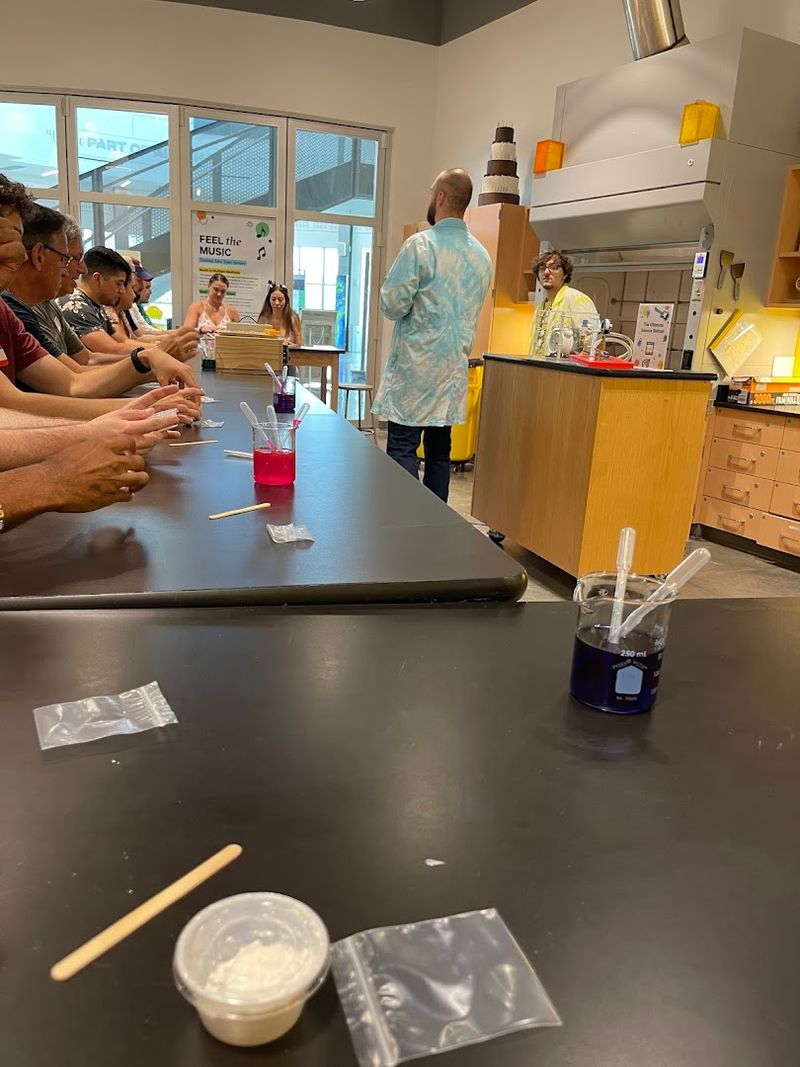
One of the most exciting things about the Cade Museum is that it does not stay the same. The science labs rotate their topics on a regular basis, which means a family that visited last month might come back and find a completely different experiment waiting for them.
That built-in variety is a big reason many families purchase memberships.
Past lab topics have included osmosis, chemistry experiments, and other hands-on science concepts that connect to school curriculum without feeling like homework. Staff members lead each session with genuine enthusiasm, making complex ideas feel approachable and fun for a wide range of ages.
Reviewers frequently highlight the labs as a standout feature, praising the way staff turn learning into something everyone wants to participate in. Even adults who struggled through science class as kids find themselves drawn into the experiments.
There is something about doing science with your hands that bypasses the anxiety that textbooks can create.
The labs are scheduled during museum hours, so checking the Cade Museum website before your visit at cademuseum.org helps you plan around the sessions you most want to attend. Getting there right when the museum opens at 10 AM on Saturday gives you the best chance of catching everything on your list.
The Gift Shop and Outdoor Expansion: Taking the Creative Spirit Home
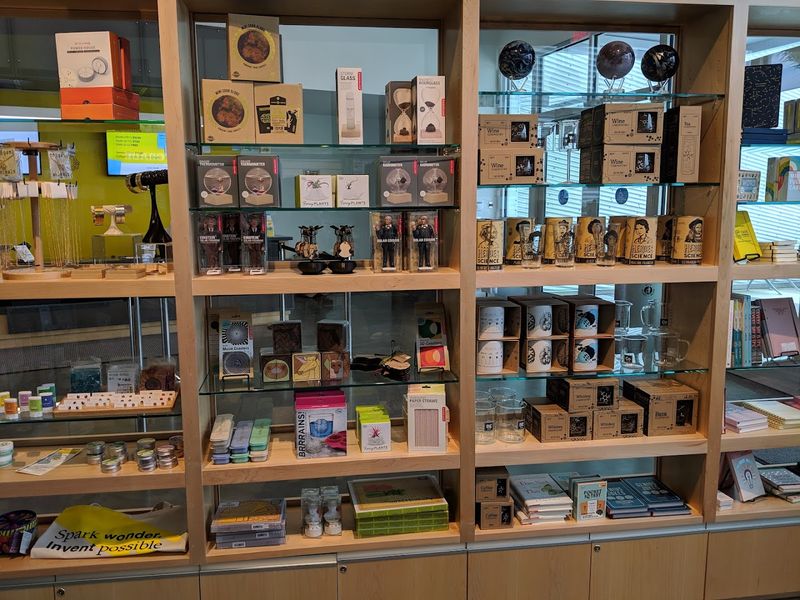
Wrapping up a day at the Cade Museum with a stop at the gift shop feels like the natural ending to a story about creativity. The shop is stocked with science kits, inventor-themed books, notebooks, and hands-on toys that extend the spirit of the museum long after you have driven home to wherever you came from.
One reviewer mentioned picking up a notebook with a space shuttle on the cover, which is exactly the kind of small purchase that keeps a kid thinking about science for weeks. The scavenger hunt discount gives kids an extra reason to browse with intention rather than just grabbing the first thing they see.
Beyond the shop, the museum is also expanding its outdoor spaces. An outdoor musical maze is currently in development, designed as a mini-forest filled with instruments that visitors of all ages can play.
This addition reflects Dr. Cade’s own love of music, adding another dimension to a museum that already covers science, engineering, and creative design.
Dr. Cade’s beloved Studebaker collection is also housed across the street and is displayed during special events throughout the year, including the annual Inventivity Bash in early May. That event alone is worth putting on your family calendar well in advance.