Tucked in Loxahatchee, a quiet Florida road leads to a place where cheetahs purr and jaguars lounge in the shade, all under the care of people who know them by name. Panther Ridge Conservation Center is not a zoo, it is a purpose built sanctuary that runs on expertise, compassion, and community support.
You feel it the moment a keeper explains a cat’s quirky habit or the reason a habitat is designed a certain way. If big cats have ever captured your imagination, this is where admiration turns into real understanding.
The Founder’s Mission at Panther Ridge
Behind the gates at 2143 D Rd, a singular vision took shape and refused to fade. Years of hands on caregiving, fundraising, and hard lessons became a blueprint for a sanctuary that prioritizes welfare over spectacle.
You can feel that intent in the quiet, in the clean habitats, and in the way staff greet each cat like an old friend.
Rescue stories here are not fairy tales. They are complex, sometimes bittersweet journeys that end in safety and specialized care.
The mission is focused on endangered and non releasable cats, offering lifetime homes, professional husbandry, and education that reaches well beyond Palm Beach County.
What began as a response to need matured into a conservation center with a 4.9 star reputation for depth and transparency. Tours are small by design so guests see behavior up close without stress.
If you have ever wondered how one person’s determination could move an entire community, the answer is on the tour path, written in paw prints and careful planning.
Sanctuary Layout and Habitats
Step onto the path and the layout immediately makes sense. Lines of sight are intentional, giving cats privacy pockets while still allowing you to observe natural behaviors.
Shade trees, breezeways, and platforms create microclimates that suit Florida heat and each species’ comfort.
Enclosures are not copy paste boxes. They are species specific spaces with climbing structures for leopards, sprint friendly stretches for cheetahs, and tucked away dens for shy personalities.
Keepers rotate enrichment and vary feeding points so routines stay engaging rather than predictable.
Guest areas feel intimate, yet secure, with railings set back to reduce cat stress. Interpretive signs clarify what you are seeing, from paw size to diet type, and docents fill in the why behind every feature.
You leave appreciating that habitat design is not decoration, it is daily welfare in action.
Guided Tours: What to Expect
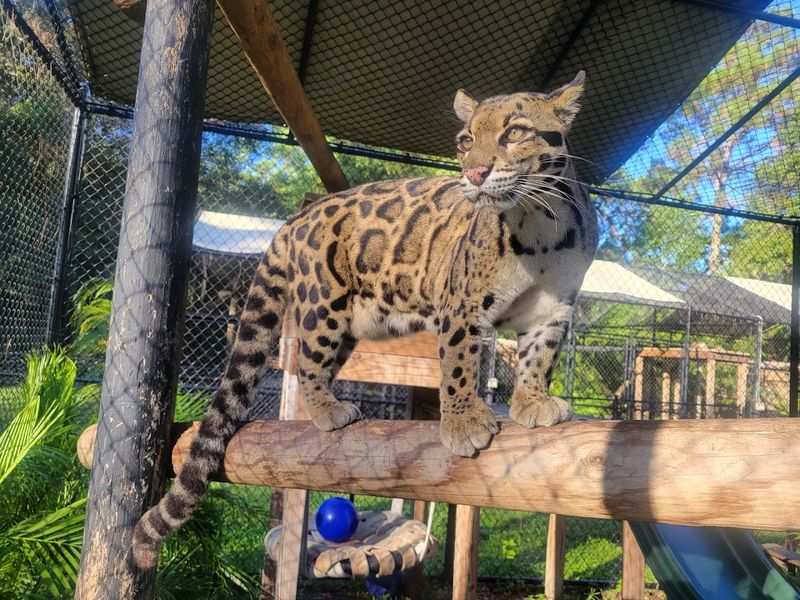
Small groups keep the experience personal and respectful. You book ahead on the website, arrive a few minutes early, and meet under the pavilion where the guide sets expectations and answers first questions.
From there, the route flows species to species, choreographed around the cats’ schedules.
Guides like Sadie, Emma, or Ollie bring decades of collective knowledge to life. They translate ear twitches, tail flicks, and vocalizations into stories you will remember.
Feeding demonstrations, when scheduled, highlight agility and technique without turning mealtime into a performance.
Comfort matters. Bring water, move slowly, and listen for cues about quiet voices and calm gestures.
You will stand close enough to count whisker spots while still giving each cat room to feel safe.
Meet the Cheetahs
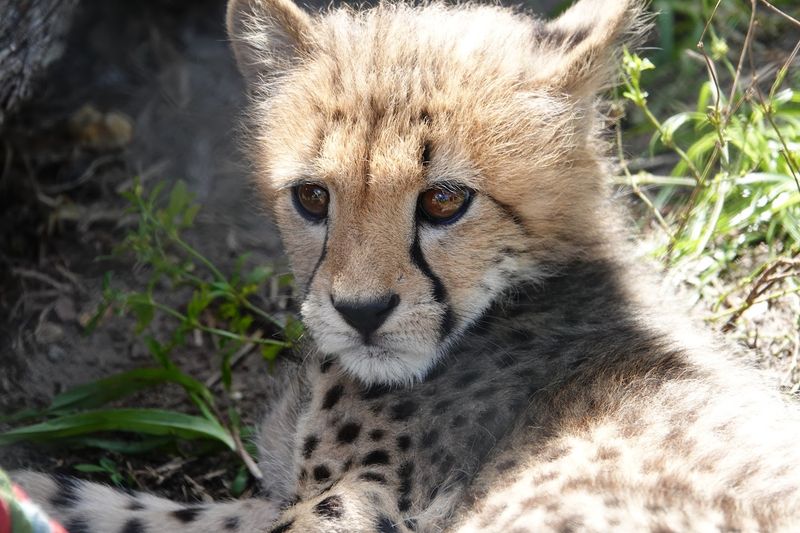
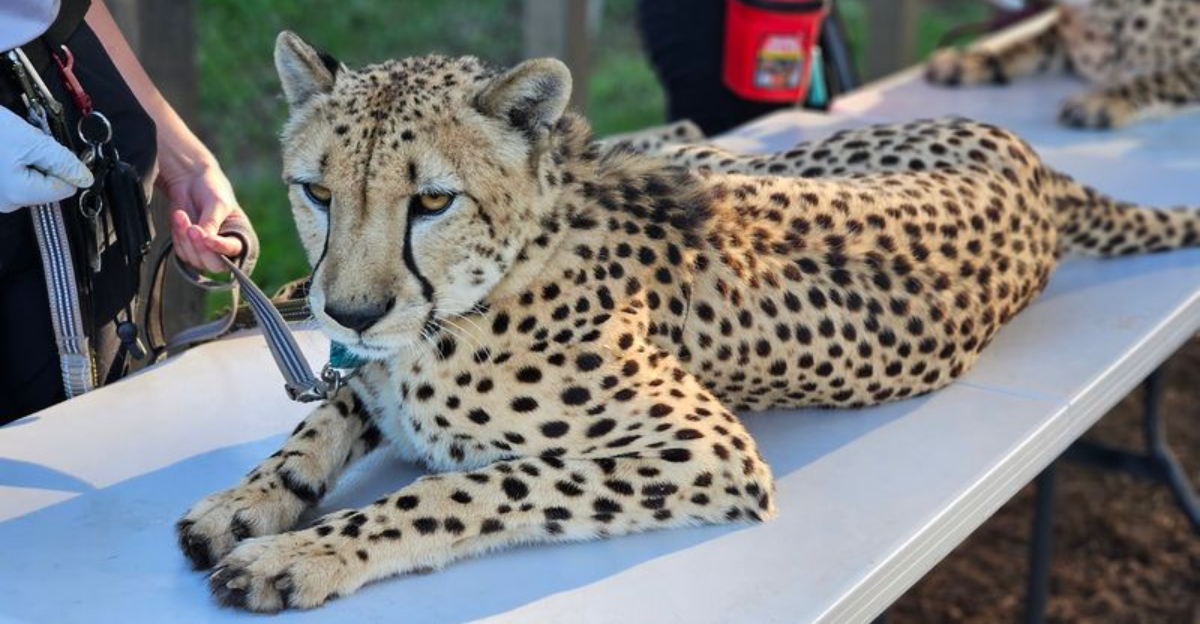
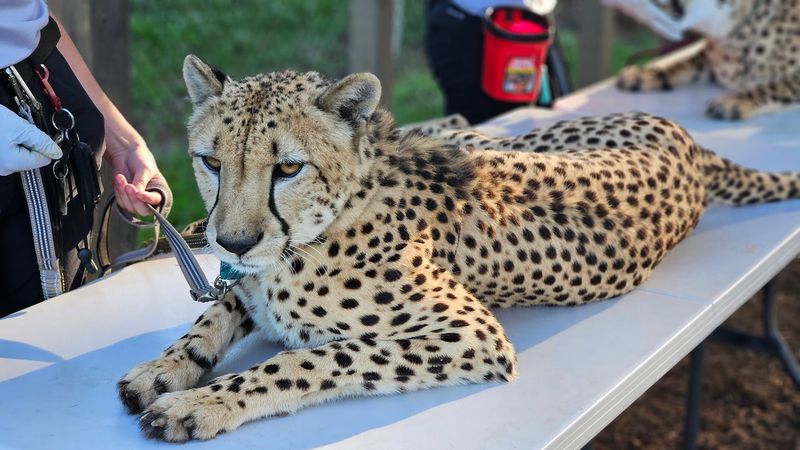
The first purr might surprise you. Cheetahs, classified among the small cats, can rumble with contentment that vibrates through the air like a soft engine.
Watch the long tail act like a rudder during sprints across open habitat, then coil gracefully as the cat settles to observe.
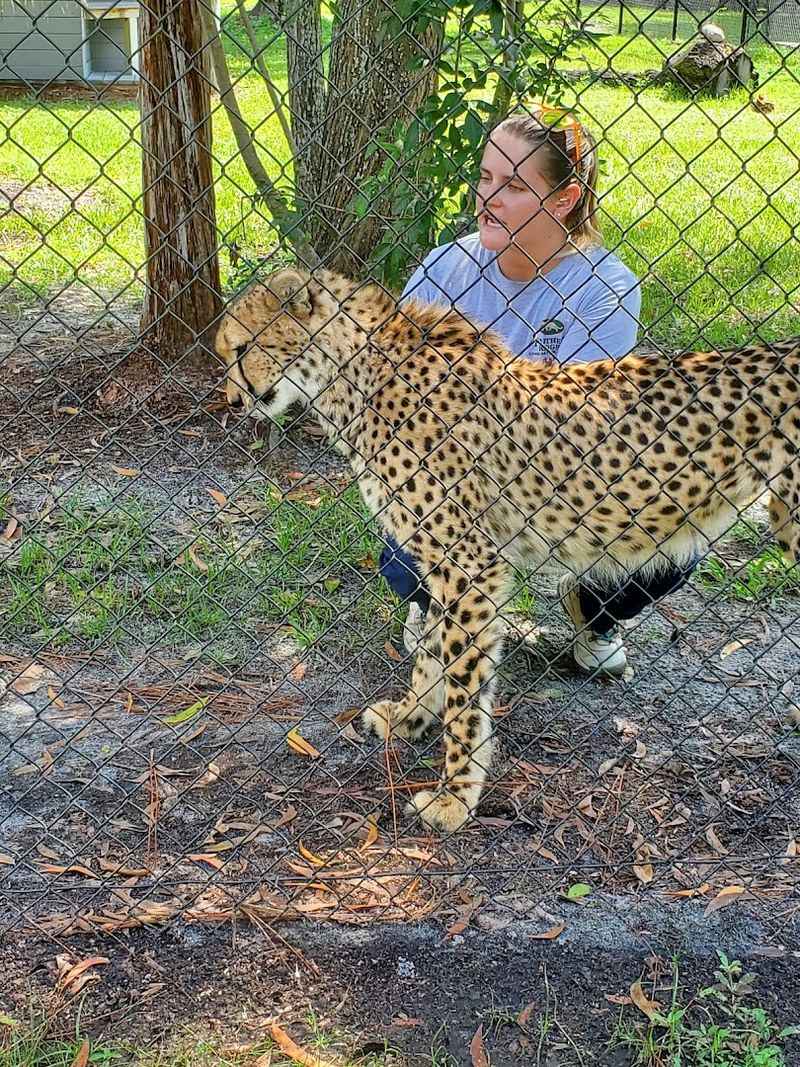
Keepers focus on calm confidence, building trust with consistent routines and positive reinforcement. You will learn why their semi retractable claws matter for traction and how specialized diets support lean muscle.
Enrichment often includes scent trails, puzzle feeders, and lure like chases structured to prevent overexertion.
Photography is welcomed at a respectful distance, and the best shots happen when you wait for stillness. Look for slight ear angles and slow blinks that signal comfort.
By the end, those famous tear marks feel less like an icon and more like a face you could recognize again.
Jaguars and Their Care
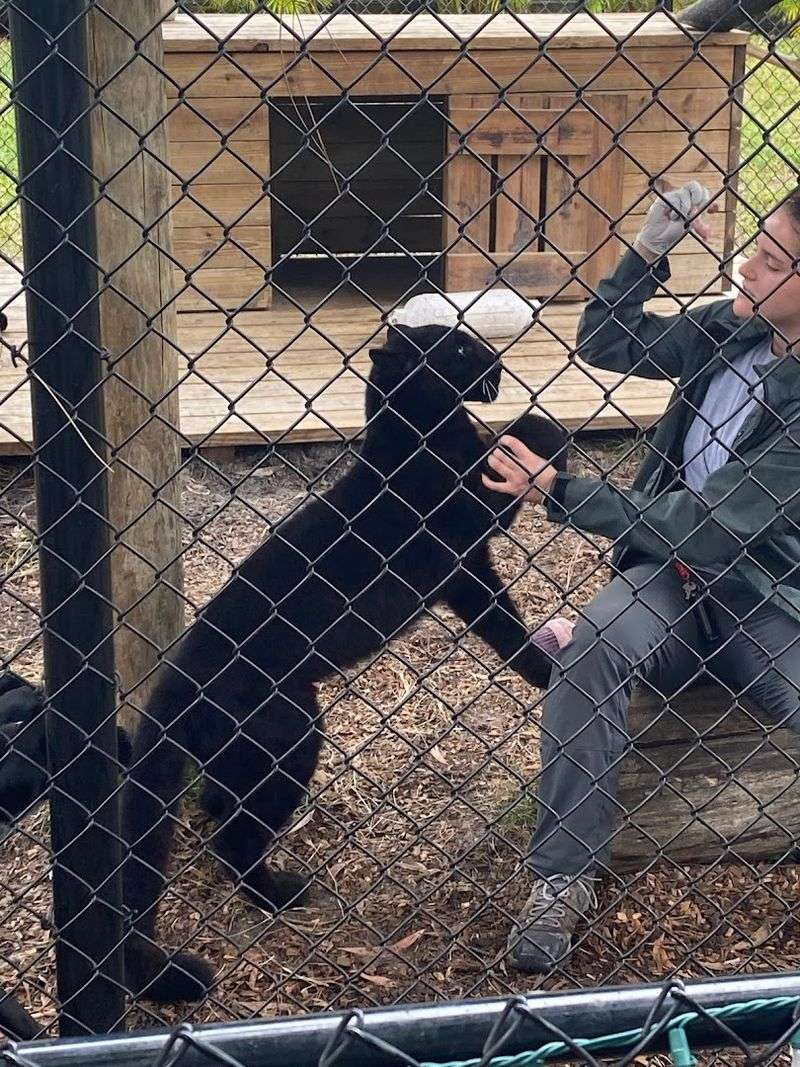
Power shows up quietly with jaguars. A slow step, a measured glance, and that heavy jaw that can crack bone without drama.
You will likely find a favorite resting perch near water, because this species treats pools like personal lounges.
Care protocols emphasize choice. Multiple platforms, shaded hides, and varied feeding placements let each cat decide where to be seen.
Nutrition is tailored to maintain ideal weight while respecting natural chewing needs with bone in items and textured enrichment.
Behavioral training supports medical care without forcing stressful restraint. Targeting and stationing mean keepers can check teeth, paws, and body condition while keeping things safe for everyone.
If you have ever wondered what dignity looks like for a big cat, it is a jaguar choosing the sun patch and owning the moment.
Leopards, Clouded and Spotted
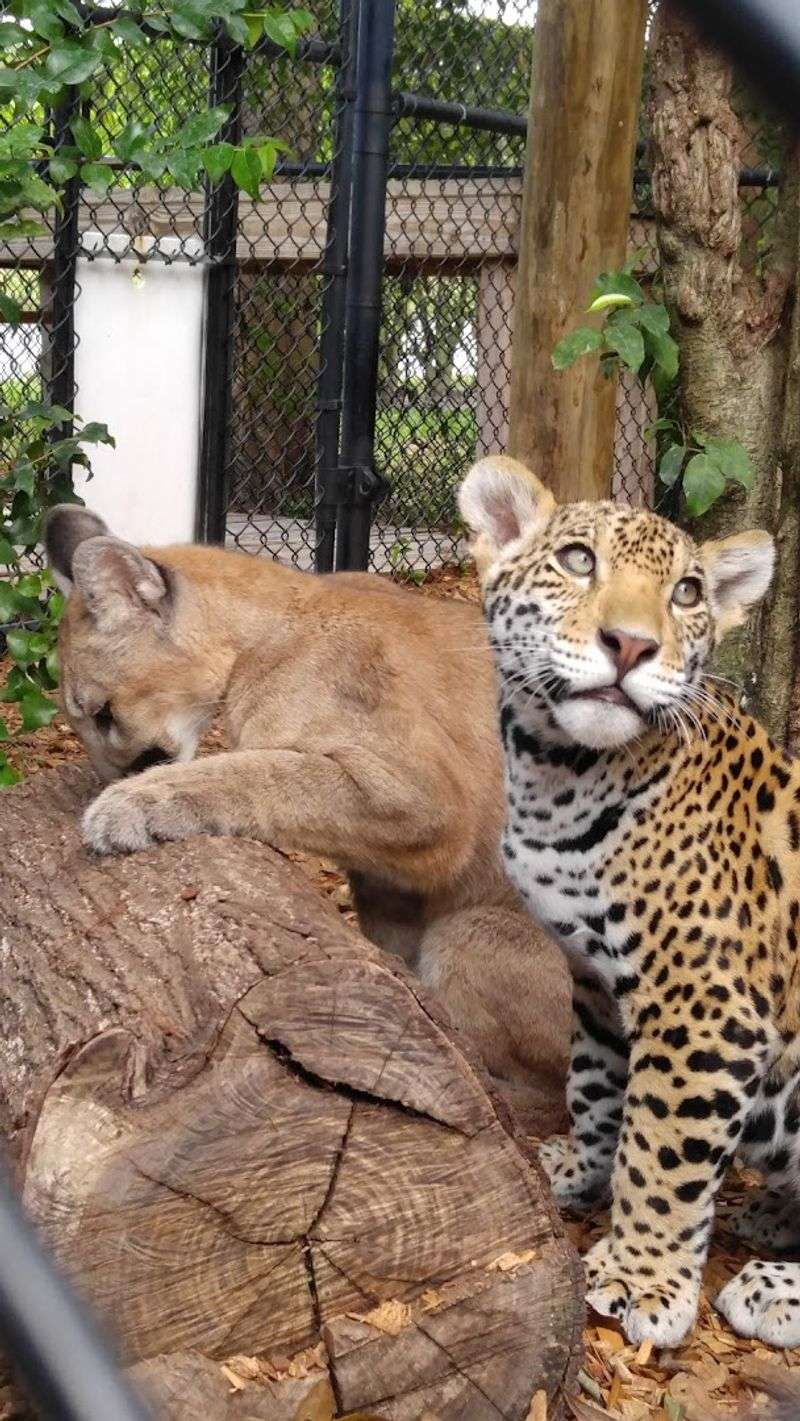
Two stories share a name but not a script. The clouded leopard moves like vapor, built for branches with a tail that balances impossible angles.
The African or Asian leopard reads as pure athleticism, comfortable on high platforms and quiet walkways alike.
Habitat design leans vertical to honor those climbing instincts. Ramps, logs, and suspended pathways give options for privacy and exercise.
Enrichment may be as subtle as new scents brushed onto bark or as visible as a challenging hang feeder that rewards patient problem solving.
Guests often compare coat patterns, but keepers point to posture and gaze as the real tells. You will learn to read the pause before a leap and the soft chuff that registers curiosity.
After ten minutes, the difference between clouded mystery and spotted confidence becomes as clear as a fingerprint.
Animal Welfare and Enrichment
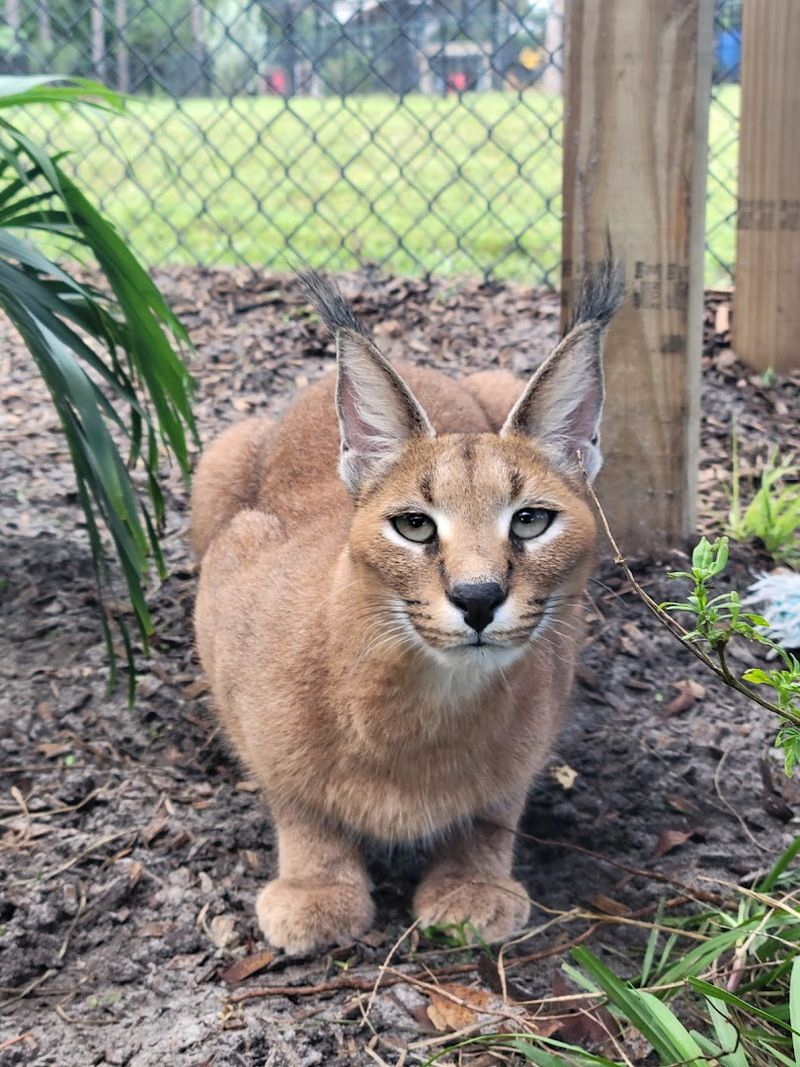
Wellbeing lives in the details you almost miss. Fresh hay in dens for scent novelty, frozen blood pops on a hot afternoon, and pine boughs dragged across pathways to spark investigation.
Every small choice adds up to reduced stress and healthier behavior.
Training here is cooperative, built on trust instead of force. Cats learn to present paws, open mouths, or step onto scales for quick health checks.
That preparation protects both animals and staff when real medical needs arise, minimizing sedation and recovery risk.
Enrichment is scheduled, tracked, and evaluated like any essential program. Keepers document responses, then tweak intensity, duration, or complexity.
As a guest, you see the fun parts, but behind it is a disciplined framework that treats curiosity as a daily requirement, not a bonus activity.
Planning Your Visit: Hours, Tickets, Tips
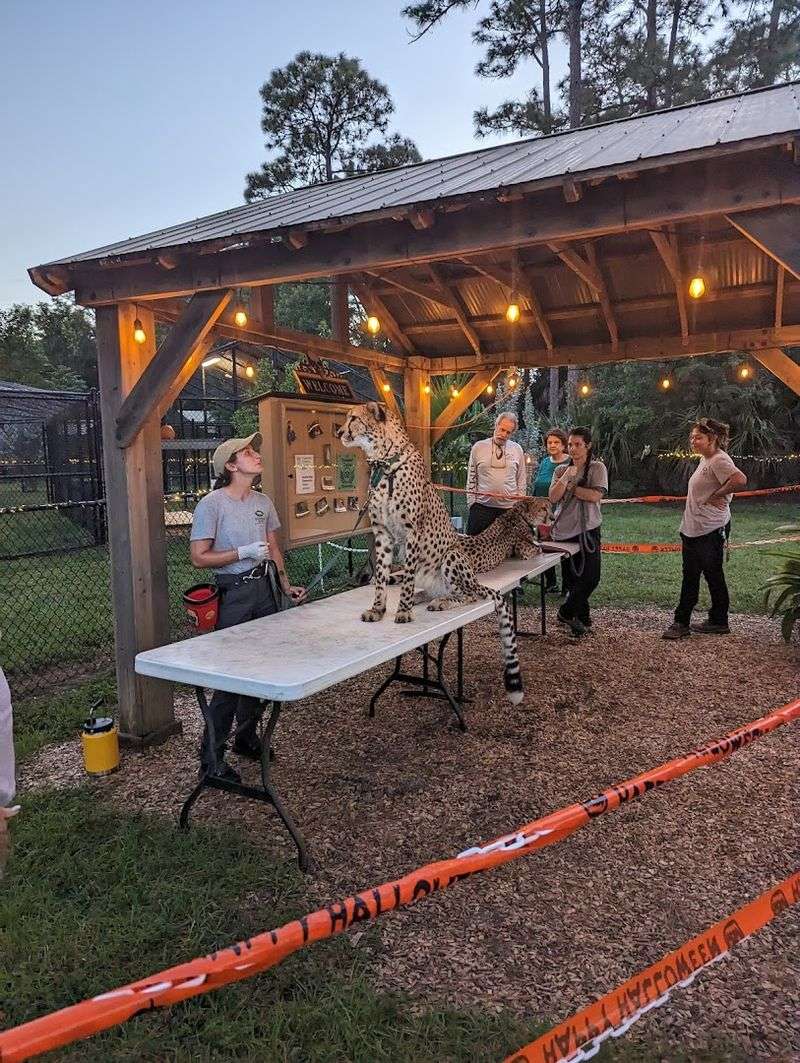
Good planning pays off here. Tours run 11 AM to 5 PM most days, but you book ahead online because walk ins are not available.
Arrive a little early for the pavilion briefing, wear breathable clothing, and bring water for Florida heat.
Comfort tweaks make the hour unforgettable. Move slowly, keep voices soft, and follow your guide’s spacing requests for the cats’ sake.
Light rain happens, so a compact umbrella helps, and closed toe shoes make pathways easier.
Navigation is simple. Set your map to 2143 D Rd, Loxahatchee, and call +1 561 795 8914 if plans change.
Ticket revenue supports a nonprofit mission, so every reservation funds food, veterinary care, and enrichment you will see up close.
Community Impact and How to Help
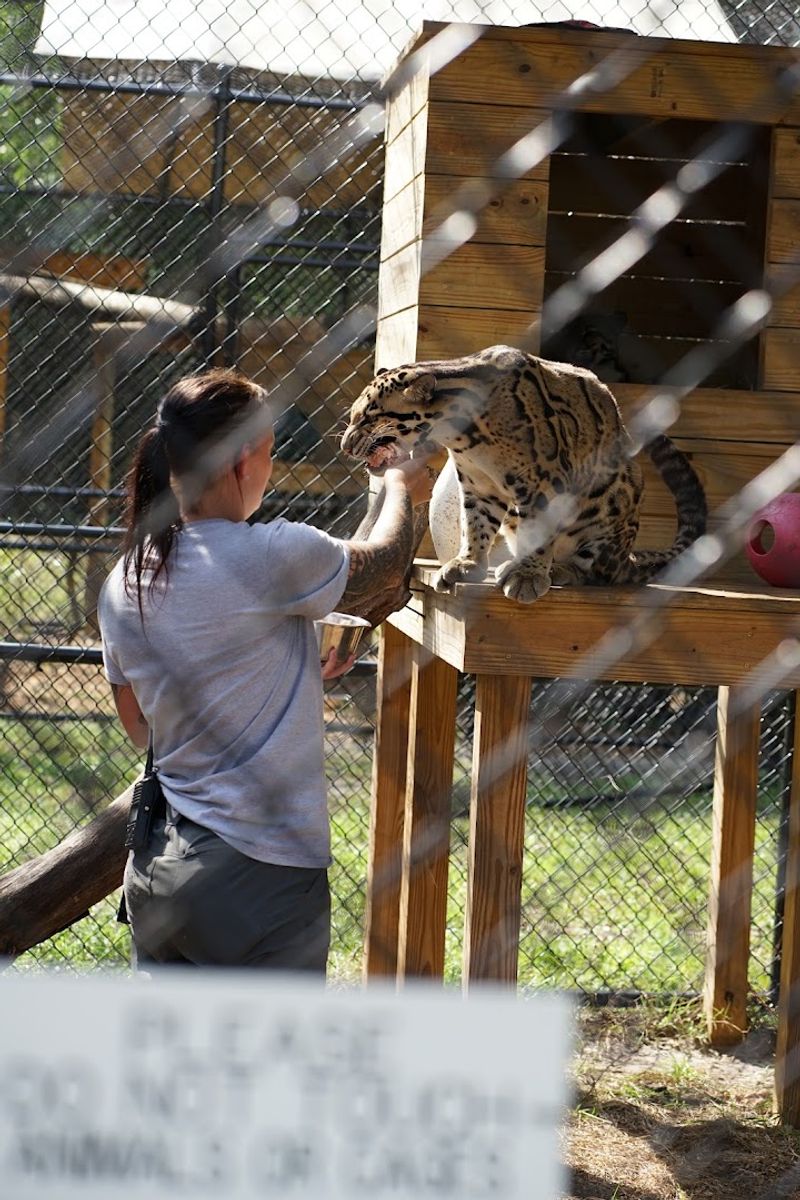
Impact stretches far beyond one visit. School groups leave with conservation vocabulary and a new respect for apex predators.
Locals return with friends because small group access turns casual interest into real advocacy.
Support options are practical and meaningful. Donations fund specialized diets, medical equipment, and habitat upgrades that guests can later recognize on the tour path.
Buying a T shirt from the gift shop is not small either, it is a recurring revenue stream that keeps operations steady.
Volunteering, sharing accurate information online, or gifting a tour to a curious teenager all move the needle. If you want to go deeper, ask staff about sponsorships or corporate giving that tie outreach to measurable outcomes.
The sanctuary thrives when the community treats every big cat story as a shared responsibility.