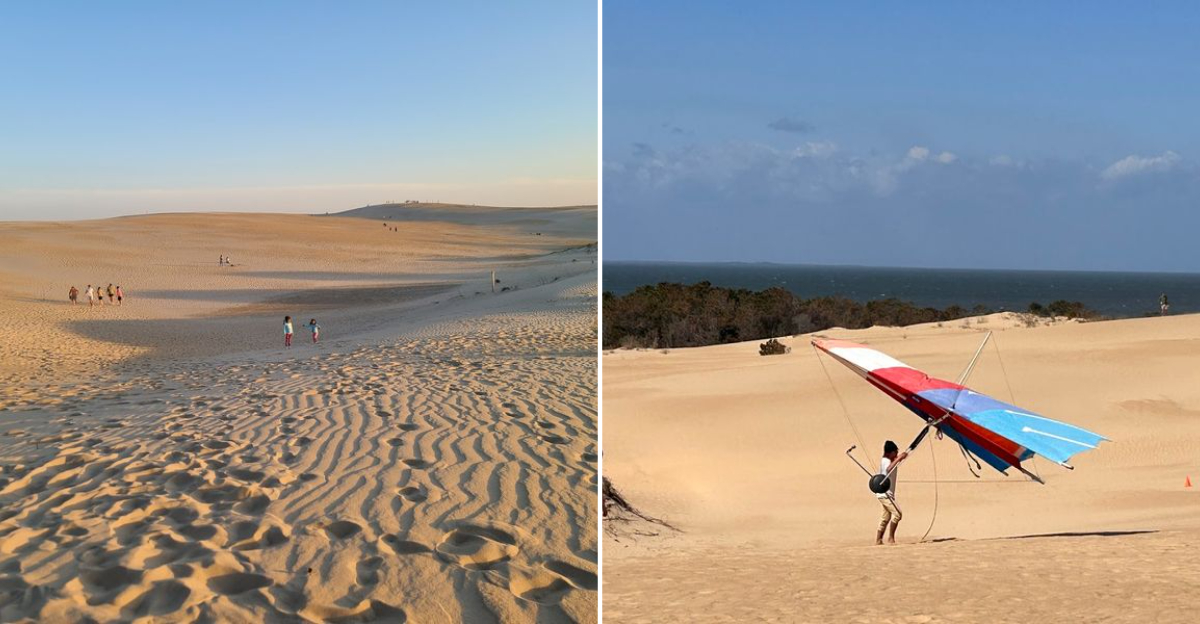
Tucked along the Outer Banks of North Carolina, Jockey’s Ridge State Park is home to the tallest living sand dune on the East Coast, rising up to 100 feet above sea level. What makes this place truly unforgettable is that people actually hang glide right off the top of it, soaring over a sweeping landscape of sand, ocean, and sound.
Whether you’re a thrill-seeker, a nature lover, or just looking for a free and jaw-dropping adventure, this park delivers in a big way. Here are 10 reasons why Jockey’s Ridge deserves a top spot on your Outer Banks bucket list.
The Tallest Sand Dune on the East Coast
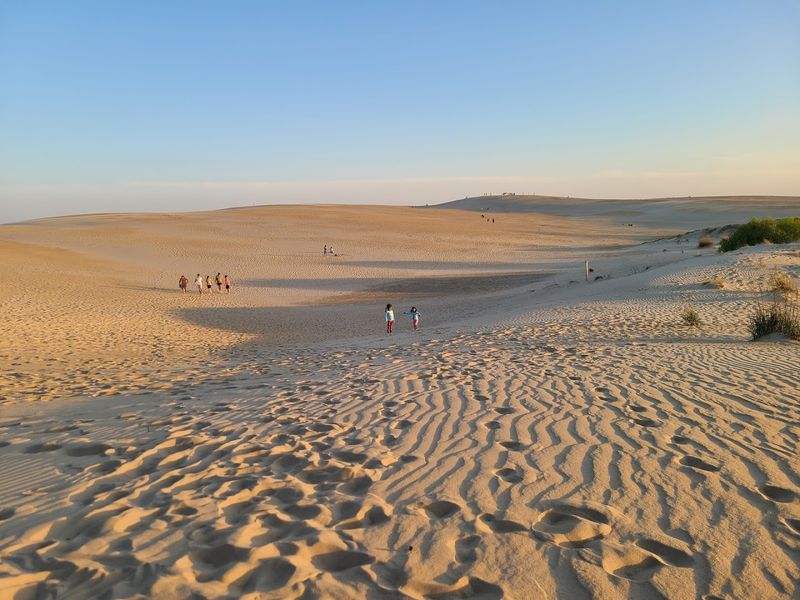
Standing at up to 100 feet tall, Jockey’s Ridge is not just a big pile of sand — it’s a living, breathing geological wonder that has been shifting and moving for thousands of years. Unlike most landmarks that stay put, this dune actually migrates, creeping slowly across the landscape driven by coastal winds.
It’s one of the most dynamic natural features in the entire eastern United States.
The dune sits right in the heart of Nags Head, making it surprisingly accessible for such an extraordinary natural attraction. Visitors often say that photos simply don’t capture how massive it truly is until you’re standing at the base looking up.
The scale is genuinely humbling, especially when you realize the sand beneath your feet has been sculpted entirely by wind and time.
Even geologists find this place fascinating because the dune system is considered “medano” style, meaning it lacks vegetation at its peak and constantly reshapes itself. Park rangers note that the dune’s height fluctuates year to year depending on wind patterns and sand movement.
No two visits ever look quite the same, which makes every trip feel like a brand-new experience worth having.
Hang Gliding Lessons at the Dune
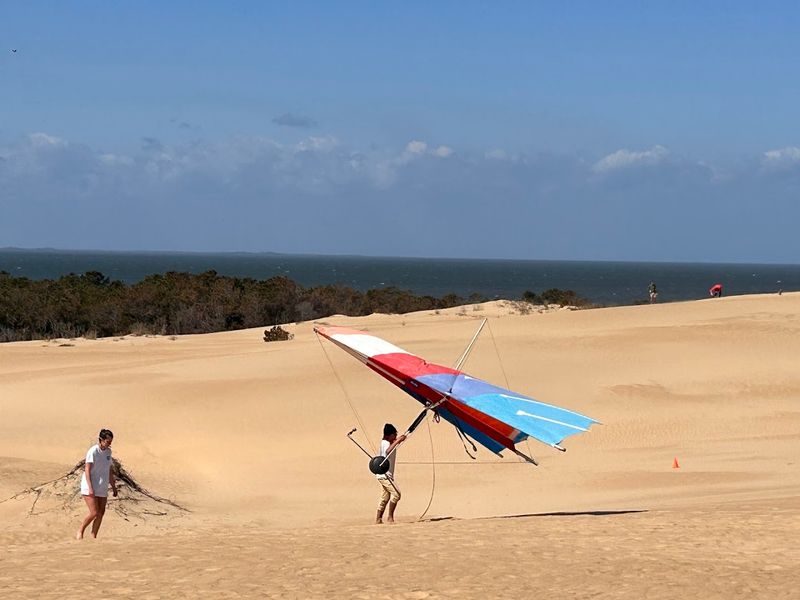
Imagine running down a massive sand dune and actually lifting off the ground — that’s exactly what happens here at Jockey’s Ridge, and it’s as thrilling as it sounds. Kitty Hawk Kites, located right across the street from the park entrance, has been offering hang gliding lessons at this iconic dune since 1974.
They hold the Guinness World Record for teaching the most hang gliding students in the world, which tells you just how popular this activity really is.
Lessons are beginner-friendly and designed for people of all ages and experience levels. Trained instructors walk you through everything from body positioning to launch technique before you ever touch the dune.
Most first-timers are genuinely surprised by how quickly they get airborne, with many achieving actual flights on their very first attempt.
The soft sand landing zone makes it a surprisingly forgiving experience, even when things don’t go perfectly. Falling in sand is a lot more fun than it sounds, and most students end up laughing more than anything.
Whether you’re 10 or 60, this is one of those bucket-list moments that stays with you long after the sand has been shaken out of your shoes.
Free Admission and Easy Parking
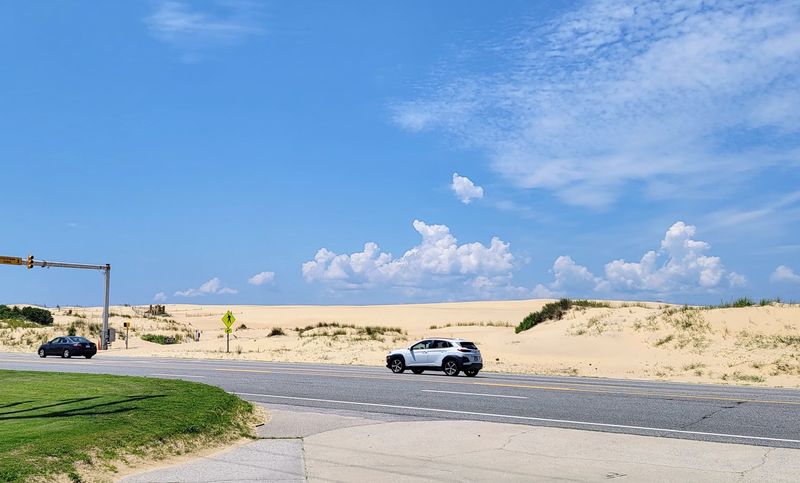
Here’s something that might surprise you: one of the most spectacular natural attractions on the entire East Coast is completely free to visit. There’s no admission fee, no ticket booth, and no reservation required to explore Jockey’s Ridge State Park.
Just pull into the parking lot off West Carolista Drive in Nags Head and you’re ready to go.
Free parking is available on-site, which is a genuinely rare perk along the Outer Banks where summer parking can get competitive and expensive. The lot is reasonably sized and well-maintained, though it can fill up quickly during peak summer weekends.
Arriving early in the morning or later in the afternoon is a smart move if you want to snag a spot without the hassle.
The park is open daily from 8 AM to 8 PM, and rangers ask that visitors be off the dunes by 7:45 PM. That evening window is actually one of the best times to visit, especially if you want to catch a sunset from the top of the dune without the midday heat.
Budget-conscious families especially love that a full afternoon of adventure here costs absolutely nothing at the gate.
360-Degree Views from the Summit
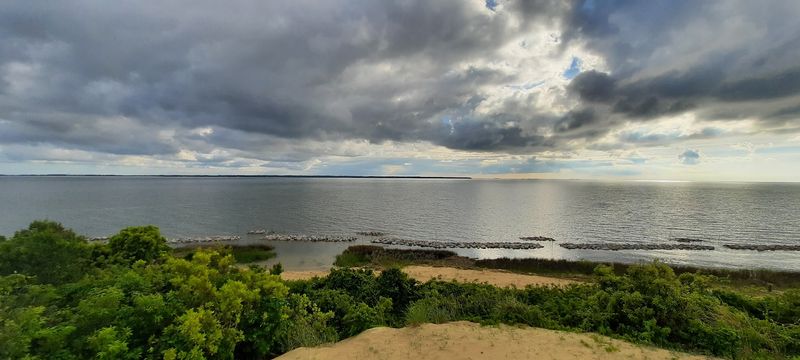
Reaching the top of Jockey’s Ridge feels like stepping into a different world entirely. From the summit, you get a full 360-degree view that includes the Atlantic Ocean on one side and the Roanoke Sound on the other — a perspective that makes the narrowness of the Outer Banks barrier island strikingly clear.
It’s one of those views that makes you stop mid-sentence and just stare.
On a clear day, you can see for miles in every direction, with the rooftops of Nags Head peeking through the dunes below and sailboats dotting the sound in the distance. Sunsets from up here are especially legendary among locals and repeat visitors.
The sky turns shades of orange, pink, and gold while the sand glows warm beneath your feet — it’s genuinely one of the most beautiful free shows in North Carolina.
Even on cloudy or slightly windy days, the views remain spectacular in their own moody, dramatic way. Several reviewers have compared the landscape to walking on the moon, and standing at the top, that description doesn’t feel like much of an exaggeration.
Bring a camera with a wide-angle lens because a regular phone shot simply won’t do this panorama justice.
Kite Flying Capital of the Outer Banks
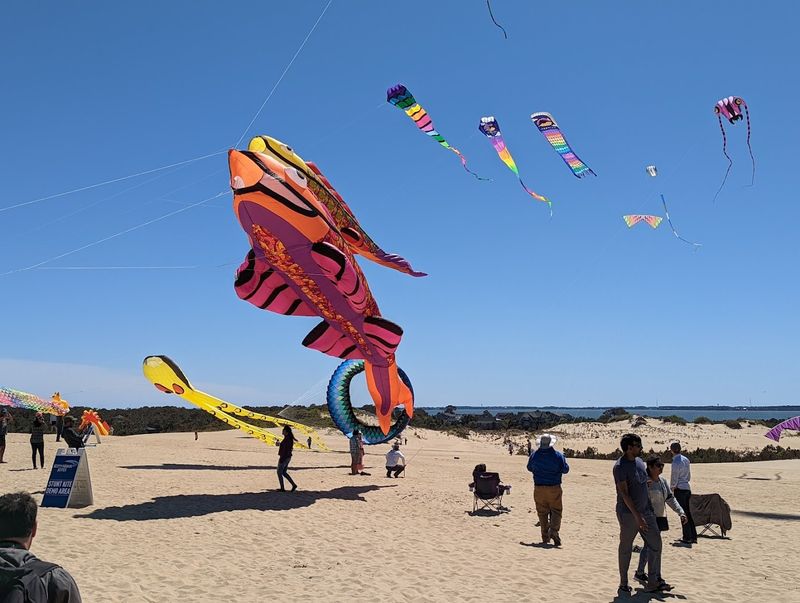
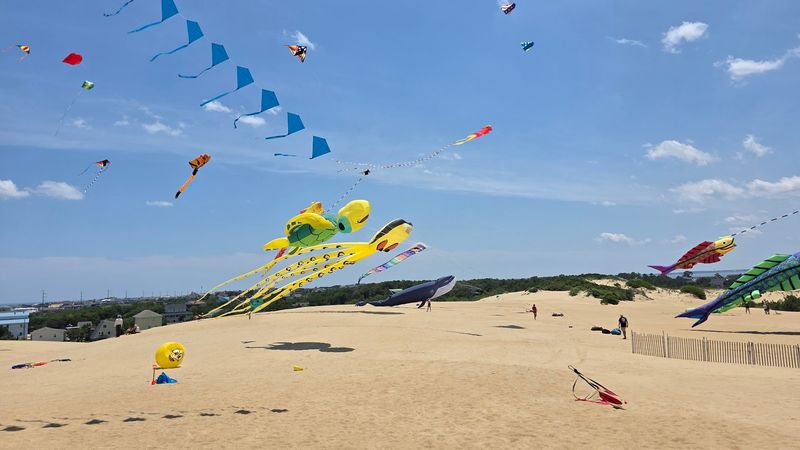
Wind is basically a constant companion at Jockey’s Ridge, and the dune’s open, elevated landscape makes it one of the absolute best kite-flying spots anywhere on the East Coast. The consistent coastal breeze that rolls in off the Atlantic is strong enough to keep even basic kites soaring effortlessly, which is why kite festivals are regularly held here throughout the year.
Kitty Hawk Kites across the street keeps a well-stocked selection of kites for sale if you don’t bring your own.
Kids especially go wild for kite flying at the top of the dune, where the wind whips steadily and there’s nothing but open sky in every direction. One reviewer recalled watching their boys chase a kite across the dune while laughing hysterically, calling it one of the highlights of their entire Outer Banks trip.
It’s the kind of simple, joyful activity that somehow feels more magical when you’re doing it 100 feet above sea level.
Even seasoned kite fliers say there’s something uniquely satisfying about flying here. The combination of altitude, consistent wind, and stunning backdrop creates a sensory experience that’s hard to replicate anywhere else.
Pack a sturdy kite and plenty of string — you’re going to want to let it all the way out.
The Buried Castle Hidden in the Sand
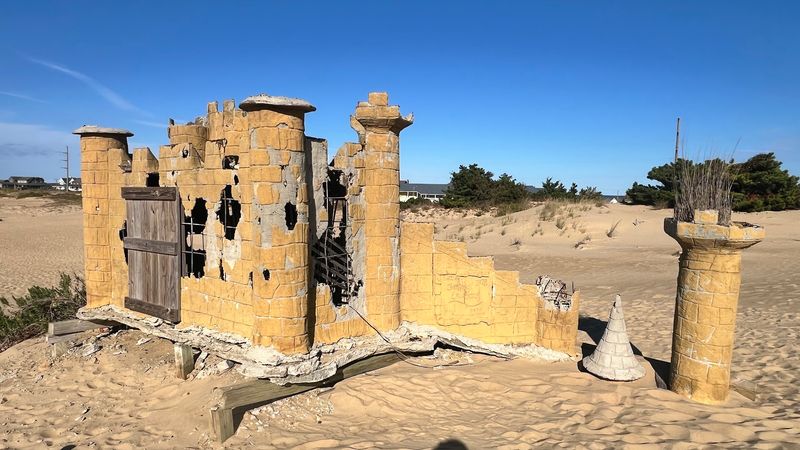
One of the quirkiest surprises waiting near Jockey’s Ridge is a buried castle that has been slowly swallowed and re-exposed by the ever-shifting sand dunes over the decades. The structure is actually a remnant of a miniature golf course that operated in the area back in the 1970s, and the dune’s migration gradually buried it over the years.
Recently, the dune shifted enough to uncover it again, giving visitors a genuinely unexpected piece of local history to discover.
To find it, park at Kitty Hawk Kites and cross the road at the crosswalk — the old castle ruins are just a few yards from the road and easy to spot once you know to look for them. It’s a short detour that takes maybe ten minutes but adds a whole extra layer of storytelling to your visit.
Kids especially love the idea of a castle being buried by a giant sand dune, and honestly, it’s hard to argue that the story isn’t completely fascinating.
Several visitors have mentioned stopping here after their dune hike as a fun bonus activity. It’s a small thing, but it perfectly captures the layered, ever-changing character of Jockey’s Ridge — a place where even the ground beneath your feet has its own wild story to tell.
Wildlife and Animal Tracks in the Sand
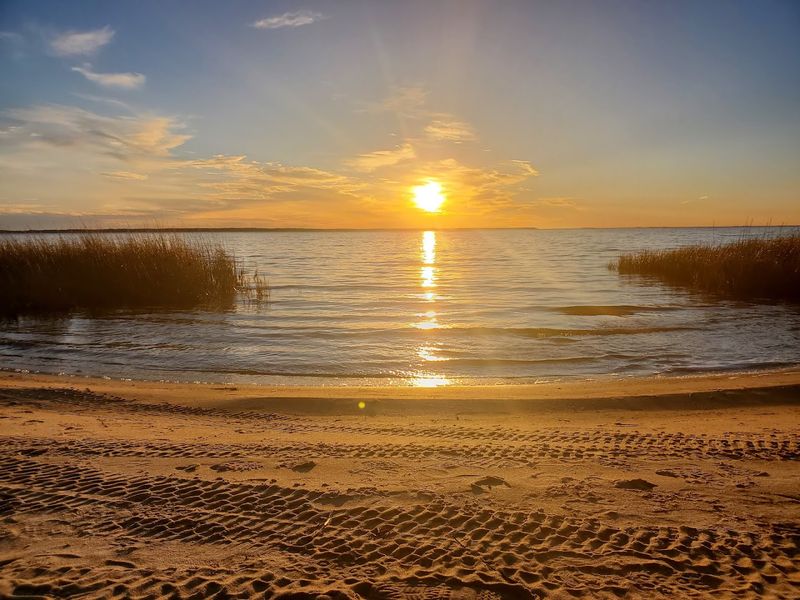
Most people come to Jockey’s Ridge for the dunes, but the park is also quietly home to a surprising range of wildlife that thrives in this unique coastal ecosystem. Early morning visitors have reported spotting foxes, coyotes, and opossums wandering through the quieter sections of the park before the crowds arrive.
Even if you don’t see the animals themselves, the sand acts like a perfect canvas for their tracks, preserving crisp prints overnight that tell the story of who was out exploring after dark.
The park’s ecosystem extends beyond just the open dune. Wooded areas and shrub thickets around the edges of the dune system provide habitat for birds and small mammals that many visitors never even notice.
Birdwatchers have spotted a variety of coastal and migratory species here, especially during the spring and fall migration seasons when the Outer Banks serves as a major flyway corridor.
Visiting at dawn or dusk dramatically increases your chances of encountering wildlife, and the park’s quieter morning hours have a genuinely magical quality. The light is soft, the sand is cool underfoot, and the whole place feels like it belongs entirely to nature.
It’s a side of Jockey’s Ridge that the midday crowd rarely gets to experience.
The Visitor Center and Observation Deck
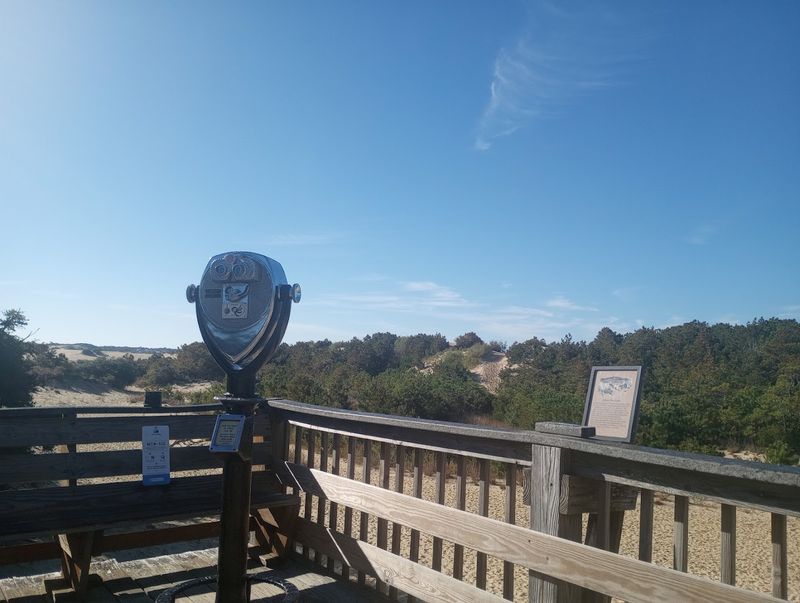
Not everyone can tackle the full hike up the dune, and the park has thoughtfully made sure those visitors still get a rewarding experience. The visitor center at Jockey’s Ridge is genuinely well-done — it’s informative, welcoming, and free to explore.
Staff and volunteers are friendly and knowledgeable, and one reviewer even mentioned scoring free stickers at the front desk, which is always a solid bonus.
The observation deck attached to the visitor center offers a solid elevated view of the dune landscape without requiring a single step in deep sand. For visitors with mobility challenges, young children in strollers, or anyone who just wants a comfortable vantage point, this deck is a genuinely valuable feature.
You can still see the sweeping scale of the dunes and get a real sense of the park’s majesty from this accessible perch.
Inside the center, exhibits explain the geology behind the dune’s formation, the history of hang gliding in the area, and the ecological importance of the barrier island ecosystem. It’s educational without being dry, and the kind of place where curious kids end up reading every single panel.
Plan to spend at least 15 to 20 minutes here before or after your hike — it adds real depth to the whole visit.
Hiking the Tracks in the Sand Trail
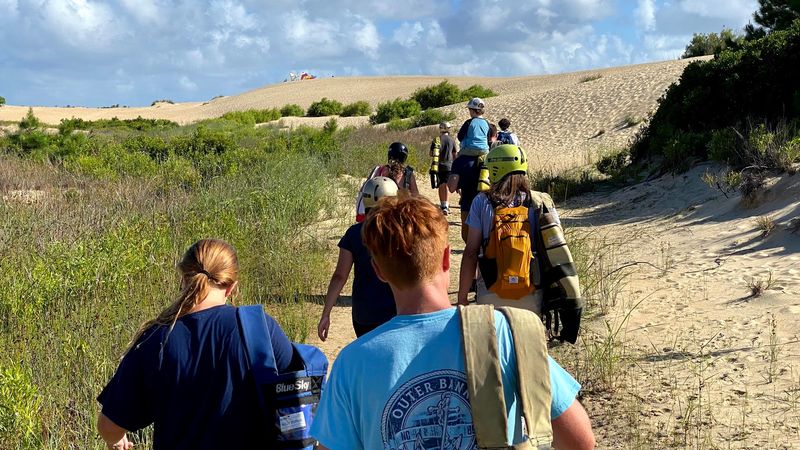
Jockey’s Ridge offers more than just a climb up the main dune — the park features a dedicated hiking trail called Tracks in the Sand that winds through the dune system and surrounding vegetation. The trail is roughly 1.5 miles long and takes most visitors between 30 minutes and an hour to complete, depending on how much exploring and photography happens along the way.
It also connects to the famous Mountains to Sea Trail, which stretches all the way across North Carolina.
Walking the trail barefoot is genuinely recommended by rangers and experienced visitors alike. The sand is soft and surprisingly comfortable underfoot during cooler parts of the day, and the sensation of warm sand between your toes while hiking through a mini-desert landscape is something that’s hard to describe but easy to love.
Just be aware that midday summer sand can get extremely hot, so morning or evening visits are strongly advised.
The trail passes through areas where the dunes transition into scrubby coastal vegetation, giving hikers a chance to see the interesting ecological boundary where bare sand meets plant life. It’s a subtle but fascinating contrast that makes the hike feel more varied than you might expect.
Bring water — the combination of sun, wind, and sand will have you thirsty faster than you’d think.
Tips for First-Time Visitors
First-timers at Jockey’s Ridge often show up without a few key things and end up regretting it. The most important tip is footwear: skip the flip-flops and sandals entirely.
The sand at Jockey’s Ridge is coarser and grittier than typical beach sand, and it gets into open shoes immediately, making every step uncomfortable. Wear closed-toe shoes you don’t mind getting sandy, or plan to go completely barefoot — there’s no awkward in-between here.
Water is non-negotiable, especially in summer. The combination of physical exertion, direct sun, and constant wind dries you out faster than most outdoor activities.
Pack more than you think you’ll need and bring snacks too, since there’s no food sold inside the park itself. A small backpack with supplies makes the whole experience dramatically more enjoyable for everyone in your group.
Arrive either early in the morning or about an hour before sunset for the best experience. Midday in summer means scorching sand, thick crowds, and brutal sun with very little shade anywhere on the dune.
The park opens at 8 AM, and those first couple of hours on a weekday are genuinely peaceful. You might even have entire stretches of dune completely to yourself, which makes for incredible photos and a much more serene adventure overall.