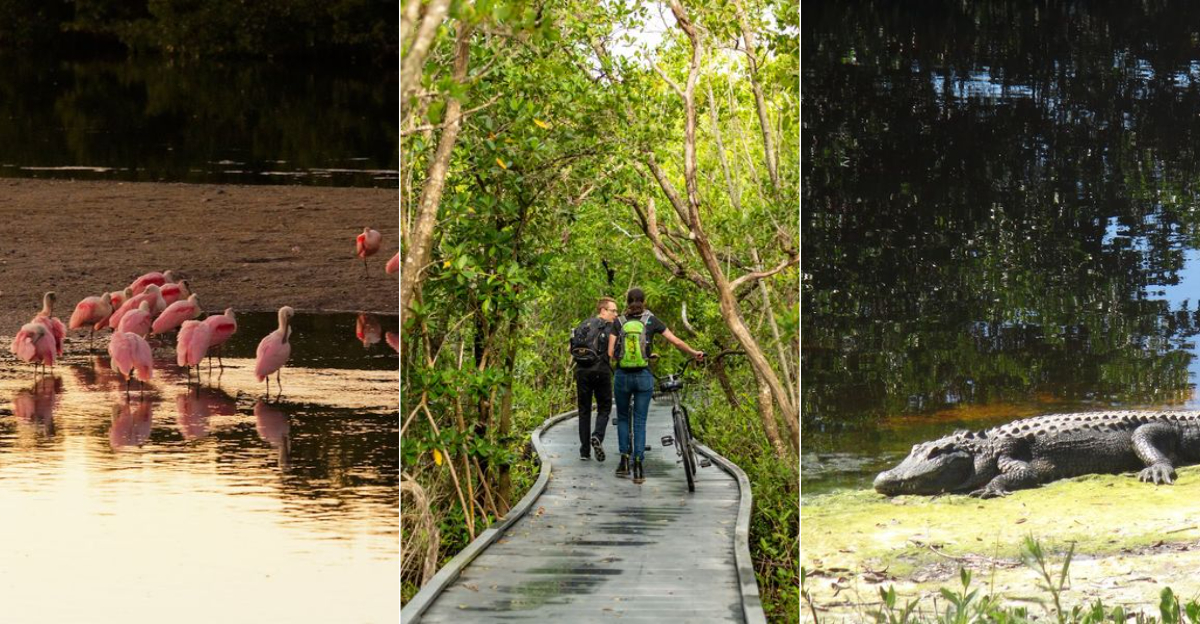
Imagine cruising through a nature paradise where pink birds wade through shallow waters, alligators bask in the sun, and gentle manatees glide beneath the surface. At J.N. ‘Ding’ Darling National Wildlife Refuge on Sanibel Island, this dream becomes reality for just a dollar if you bike or ten dollars if you drive.
This incredible 4-mile journey through mangrove forests and coastal wetlands offers an affordable family adventure that brings you face-to-face with some of Florida’s most spectacular wildlife.
The Spectacular Roseate Spoonbill Sightings
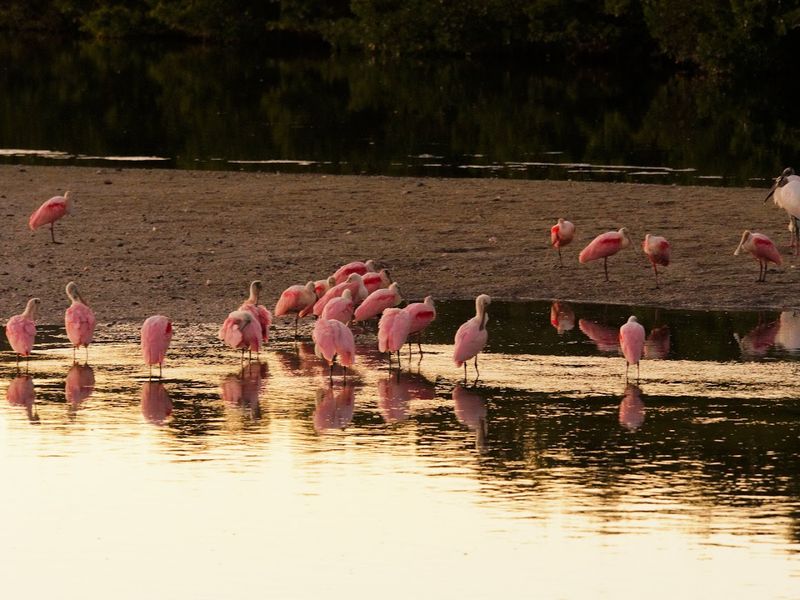
Pink feathers catch the sunlight as one of nature’s most unusual birds sweeps its bizarre spoon-shaped bill through the water. Roseate spoonbills stand out like flamingos among the refuge’s more common birds, making them the prize sighting for most visitors.
These striking creatures actually get their brilliant pink color from eating shrimp and other crustaceans.
Spotting one requires patience and a bit of luck. Docents stationed along the wildlife drive often set up telescopes focused on these rare beauties, offering close-up views you couldn’t get otherwise.
Early morning hours provide the best opportunities since spoonbills actively feed during cooler temperatures.
Bringing binoculars dramatically improves your experience, though volunteers with spotting scopes generously share their equipment. The birds typically gather in small groups near the observation tower or along quieter stretches of the drive.
Their unusual feeding behavior involves swinging their heads side-to-side underwater, filtering food through specialized bill sensors.
Photography enthusiasts should pack telephoto lenses for stunning shots. The contrast between pink plumage and green mangroves creates magazine-worthy images.
Remember that these protected birds need space, so admire them from designated viewing areas without approaching too closely.
Alligator Encounters Along the Drive
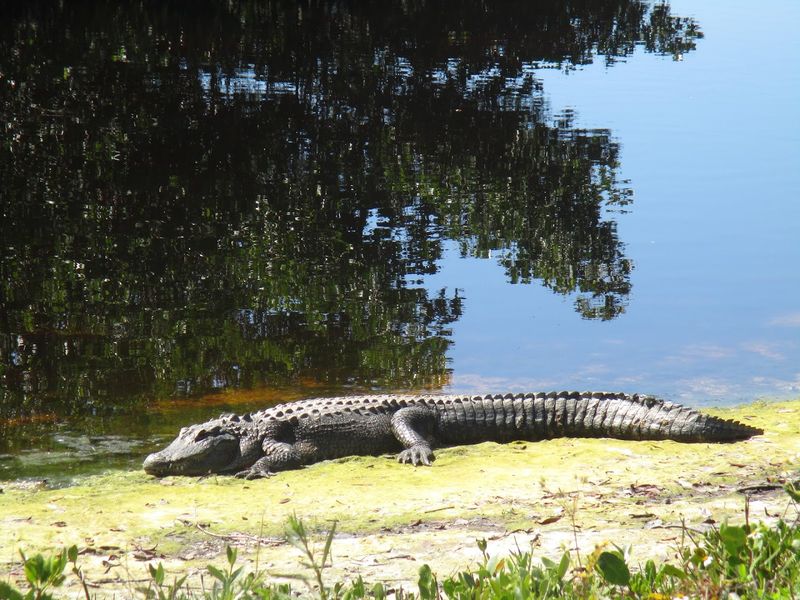
Sunbathing reptiles line the water’s edge like prehistoric statues, their powerful bodies perfectly still except for the occasional blink. Alligators call this refuge home year-round, and visitors regularly spot them lounging on banks or floating motionless in shallow waters.
These ancient predators might look scary, but they generally ignore passing cars and pedestrians.
The refuge provides safe viewing opportunities from your vehicle or designated pullover spots. Most gators measure between six and ten feet long, though larger specimens occasionally appear.
Spring brings increased activity as breeding season arrives, while cooler months find them basking in sunny spots to regulate body temperature.
Kids get especially excited spotting these real-life dinosaurs in their natural environment. Educational signs along the route explain alligator behavior and safety guidelines.
The most important rule? Maintain a respectful distance and never feed wildlife, which creates dangerous situations for both animals and people.
Photographers capture incredible shots through car windows without disturbing the animals. Patience pays off since alligators sometimes remain motionless for extended periods before suddenly moving.
The contrast between their dark scales and bright green vegetation creates dramatic images that showcase Florida’s wild beauty.
Magical Manatee Watching Opportunities
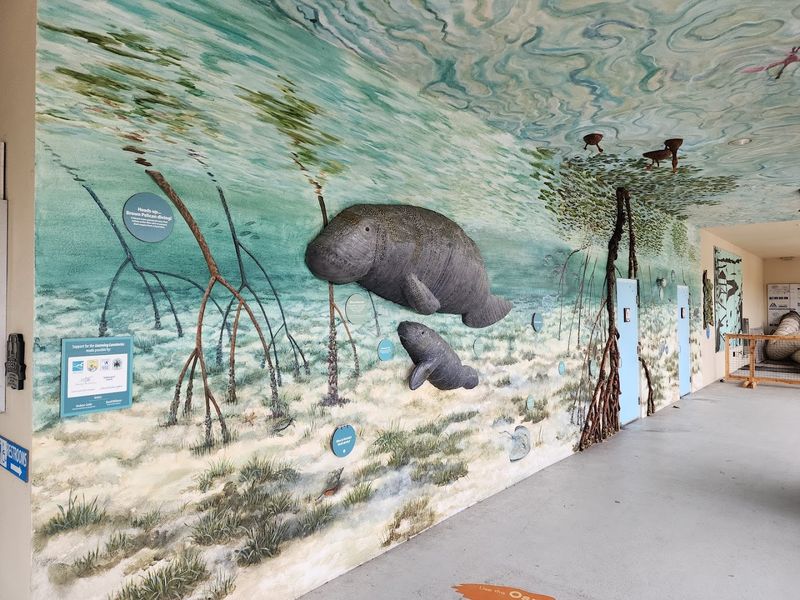
Beneath the water’s surface, massive gray shapes move with surprising grace. Manatees visit the refuge year-round, though winter months bring the highest numbers as these gentle giants seek warmer waters.
Spotting one creates unforgettable memories, especially when they surface to breathe, revealing whiskered snouts and curious eyes.
These endangered marine mammals can weigh over 1,000 pounds yet move silently through shallow channels. Visitors report seeing them throughout the wildlife drive, particularly near bridges and deeper water areas.
Their slow, peaceful movements contrast sharply with the bustling bird activity happening overhead.
April through November offers better manatee viewing despite being warmer months, as some individuals remain in the area feeding on seagrass. Calm water conditions help tremendously since their dark bodies become easier to spot against lighter sandy bottoms.
Watching for telltale ripples or swirls on the water surface often reveals their presence.
Families celebrate these special encounters, with children pressing against car windows hoping for better views. The refuge strictly protects these threatened creatures, prohibiting swimming or kayaking too close.
Binoculars help observe feeding behavior and social interactions between multiple manatees sharing the same space.
The Incredible Dollar Bike Entrance Fee
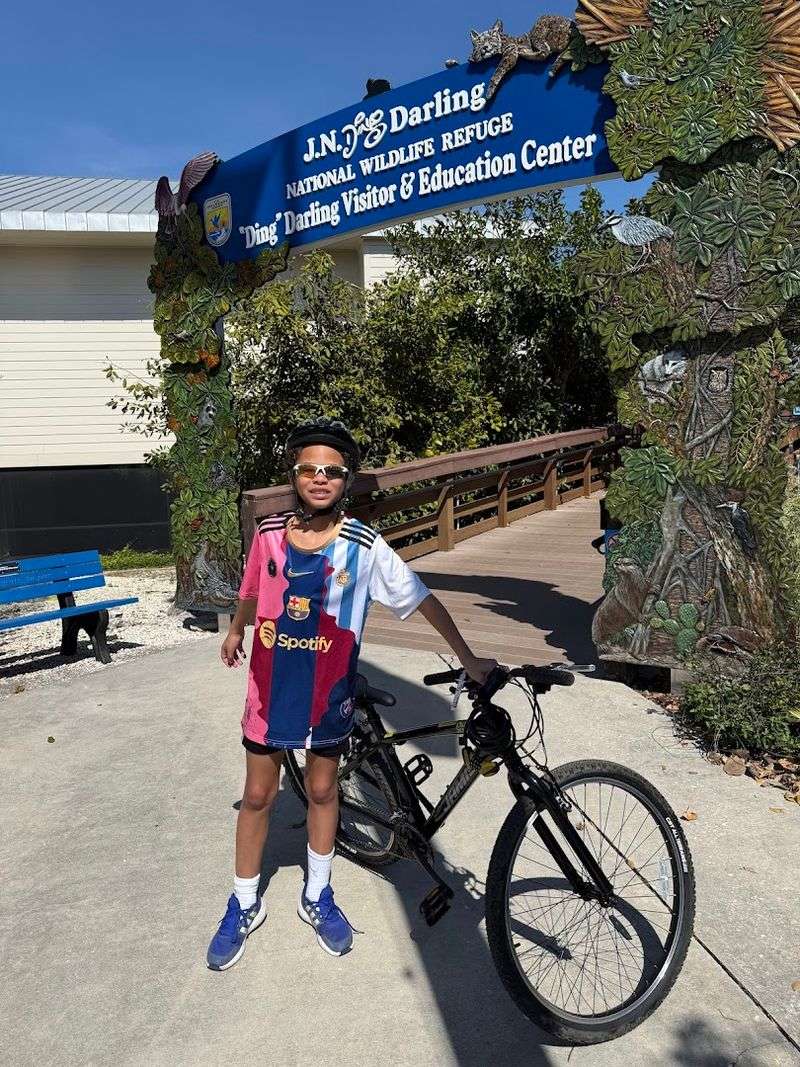
Forget expensive theme parks when nature offers this unbeatable bargain. Cyclists pay just one dollar to pedal through the entire 4-mile wildlife drive, making this possibly Florida’s best entertainment value.
The low fee encourages families to choose eco-friendly transportation while getting exercise and spotting amazing animals.
Biking provides advantages over driving, including quieter travel that doesn’t startle wildlife. Riders can stop anywhere along the route without worrying about blocking traffic, though pulling completely off the pavement remains important.
The flat, paved road suits all skill levels, from young children to seniors seeking gentle outdoor activity.
Early morning rides offer cooler temperatures and more active wildlife before summer heat arrives. Bringing water bottles, sunscreen, and bug spray makes the journey more comfortable.
The 15-mile-per-hour speed limit keeps everyone safe whether traveling by bike or car.
This affordable access democratizes nature experiences, ensuring everyone can enjoy world-class wildlife viewing regardless of budget. Many families return repeatedly throughout their vacation since the minimal cost allows multiple visits.
The refuge demonstrates that protecting nature doesn’t require expensive admission fees, just respect for the environment and its inhabitants.
Diverse Bird Species Paradise
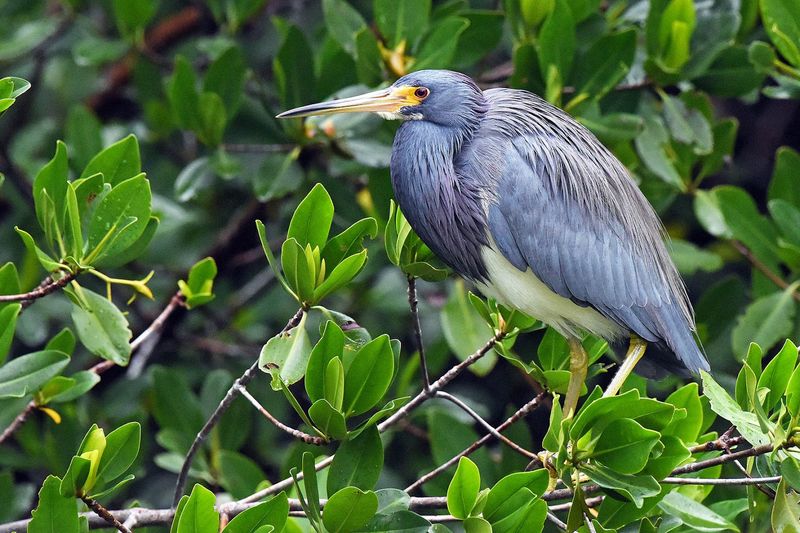
Over 230 bird species call this refuge home or stop during migration, creating a feathered festival throughout the year. Brown pelicans dive-bomb into the water while white ibis probe the mud with curved bills.
Great blue herons stand motionless like statues, and anhingas spread their wings to dry after underwater fishing expeditions.
Birdwatchers travel from across the country specifically to add rare species to their life lists. Yellow-crowned night herons hide in shadows, while little blue herons stalk through shallows hunting small fish.
The variety staggers first-time visitors who expected maybe a dozen species at most.
Winter months bring migratory birds escaping northern cold, swelling the population with seasonal visitors. Reddish egrets perform their distinctive dancing feeding behavior, spinning and leaping through shallow water.
Ospreys circle overhead before plunging talons-first to snatch fish from the surface.
Photography opportunities abound as birds tolerate vehicles approaching within reasonable distances. The visitor center offers field guides helping identify unfamiliar species, while knowledgeable volunteers answer questions.
Serious birders arrive at dawn when activity peaks and lighting conditions create perfect photography opportunities.
Educational Visitor Center and Museum
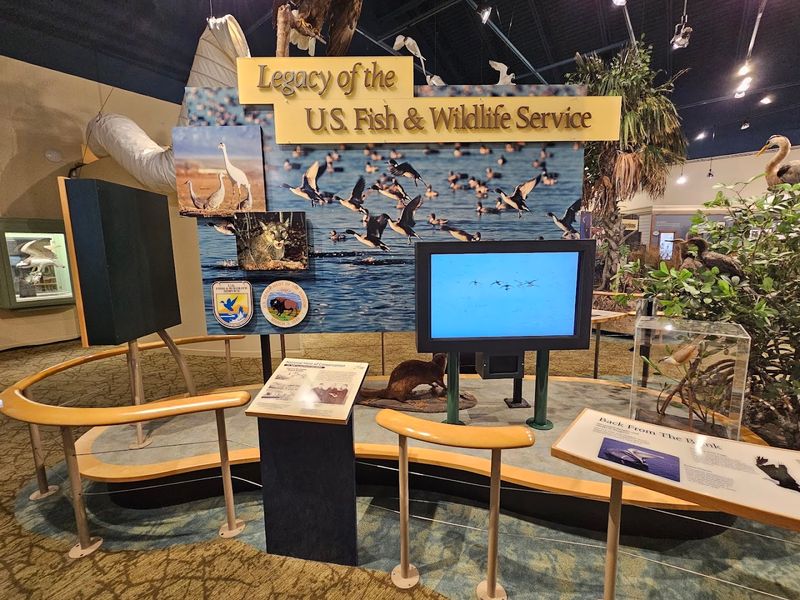
Before starting your wildlife adventure, the visitor center provides essential context about the refuge’s importance. Interactive exhibits teach children about coastal ecosystems, while adults appreciate historical information about the refuge’s namesake, political cartoonist and conservationist Jay Norwood Darling.
Hands-on activities keep young visitors engaged while learning about habitat protection.
The gift shop sells more than typical tourist trinkets. Local honey, educational toys, field guides, and nature-themed clothing support refuge operations.
Proceeds help fund conservation programs protecting the very wildlife you came to see.
Clean restrooms and water fountains make this an essential first stop before driving the wildlife route. Staff members provide current wildlife sighting reports, helping visitors know what animals have been spotted recently.
Trail maps and refuge information ensure you don’t miss important viewing areas.
Air conditioning offers welcome relief from Florida’s humidity while you browse exhibits. Children especially enjoy the touchable displays explaining animal adaptations and food chains.
Educational programs and guided tours sometimes begin here, offering deeper insights than self-guided exploration provides. The center transforms a simple nature drive into a comprehensive learning experience that resonates long after your visit ends.
Observation Tower Panoramic Views
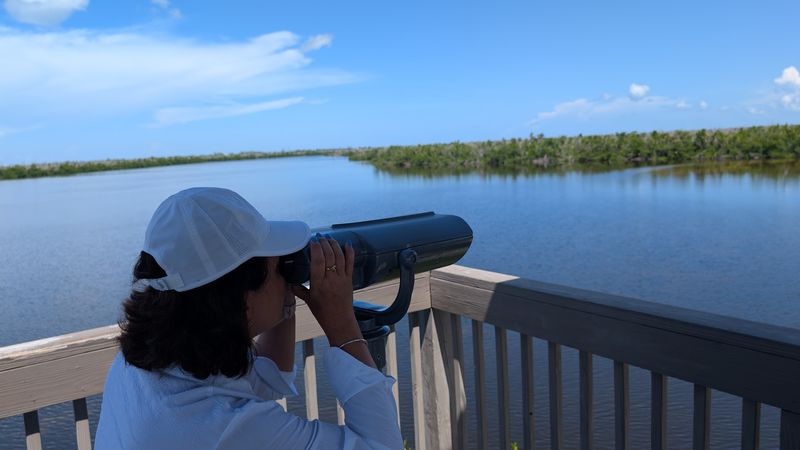
Climbing the observation tower rewards visitors with breathtaking perspectives impossible from ground level. This elevated vantage point reveals the refuge’s true scope, with mangrove forests stretching toward the horizon and water channels weaving through dense vegetation.
Birds that hide in shadows below become easily visible from above.
The tower represents the perfect spot for understanding how this ecosystem functions. You can observe fish moving through shallow waters, attracting wading birds and diving pelicans.
Photographers capture stunning landscape shots showing the intricate relationship between land and water.
Many visitors initially drive past the tower, missing this highlight completely. Volunteers stationed nearby often recommend making the short walk to the platform, and few people regret following that advice.
The structure provides shade and benches where you can rest while scanning for wildlife.
Sunrise and sunset transform the tower into a magical viewing platform as changing light paints the landscape in golden hues. Bringing binoculars enhances the experience since distant birds become identifiable through magnification.
The tower also offers relief from biting insects that sometimes plague ground-level areas, as breezes blow more consistently at elevation.
Fishing Opportunities Throughout the Refuge
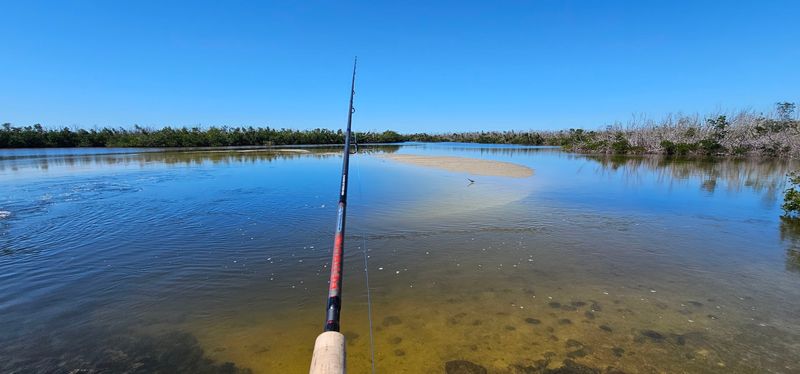
Cast your line into pristine waters where redfish, snook, and tarpon cruise beneath the surface. The refuge welcomes anglers at designated spots along the wildlife drive, combining fishing with wildlife watching.
Saltwater enthusiasts appreciate access to productive waters without needing a boat or expensive guide service.
Florida fishing licenses remain required, and refuge-specific regulations protect sensitive habitats. Most anglers practice catch-and-release, ensuring fish populations remain healthy for future generations.
The calm waters and abundant baitfish attract game species, making this a legitimate fishing destination beyond just a scenic drive.
Watching pelicans and herons compete for your catch creates entertaining moments. These clever birds learned that anglers mean easy meals, so they hover nearby hoping for discarded bait.
Children especially enjoy this interaction between wildlife and human activity.
Early morning and late afternoon provide the best fishing conditions as temperatures moderate and fish feed actively. Bringing appropriate gear matters since snags happen frequently in mangrove-lined waters.
Local tackle shops near the refuge offer advice about current hot spots and which baits work best. Combining fishing with wildlife observation creates a uniquely Florida experience.
Walking Trails and Hiking Paths
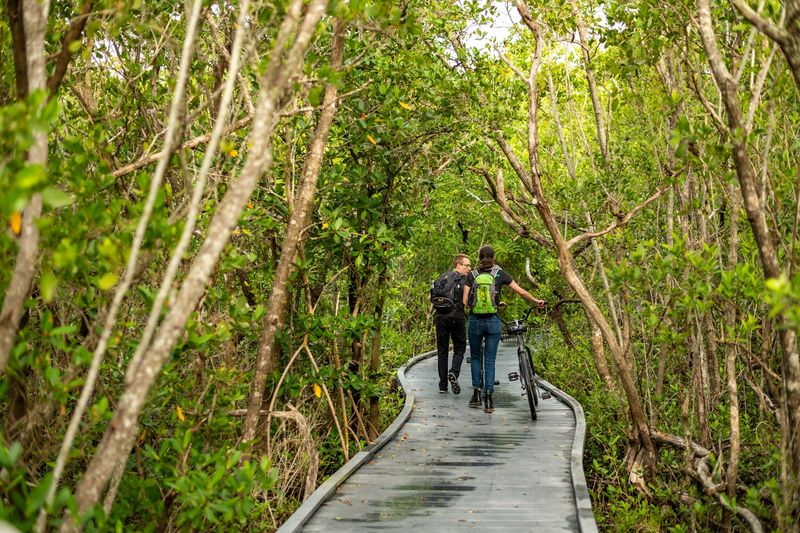
Stretching your legs on maintained trails reveals wildlife details missed from vehicles. Several paths branch off the main drive, offering intimate encounters with the refuge’s diverse habitats.
Boardwalks protect sensitive areas while providing dry passage through sections that flood during high tides.
The Indigo Trail and other routes wind through mangrove forests where smaller birds flit between branches. Walking quietly increases your chances of spotting shy creatures that flee from car noise.
Interpretive signs explain plant adaptations allowing survival in salty, waterlogged soils.
Summer heat makes trail hiking challenging, so winter months attract more foot traffic. Insect repellent becomes essential equipment since mosquitoes thrive in these wetlands.
Closed-toe shoes protect against roots and uneven surfaces, though the paths remain generally accessible for most fitness levels.
Photographers capture different perspectives on foot, getting closer to flowers, butterflies, and smaller wildlife. The trails provide opportunities for mindful nature connection impossible when driving.
Some visitors spend entire mornings exploring these paths, discovering hidden corners the wildlife drive never reveals. Combining driving with walking creates the most complete refuge experience.
Year-Round Access and Seasonal Wildlife Changes
Every season brings different wildlife spectacles, making repeat visits worthwhile throughout the year. Winter attracts migratory birds escaping cold northern climates, swelling populations with seasonal visitors.
Spring features active nesting behavior as resident species raise young, while summer showcases heat-adapted creatures thriving in challenging conditions.
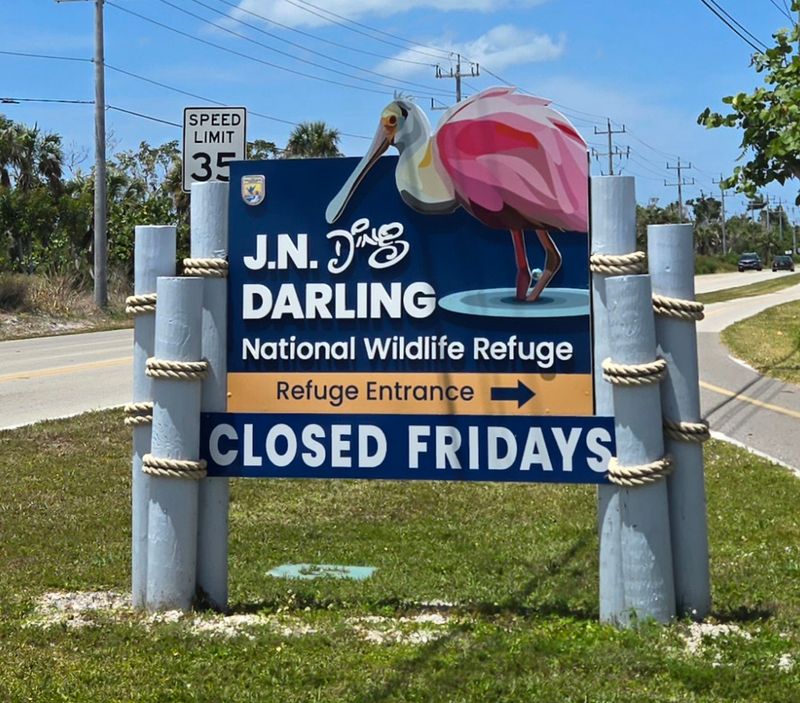
The refuge closes Fridays for wildlife rest and maintenance, so plan accordingly. Operating hours run 7 AM to 5:30 PM most days, with early arrivals catching the most active wildlife periods.
Summer’s longer daylight allows extended visits, though afternoon heat drives many animals into shade.
Hurricane season occasionally disrupts operations, but the refuge reopens quickly after storms pass. Fall migration reverses the spring pattern as birds journey southward toward winter homes.
Each visit offers unique sightings since wildlife populations constantly shift with seasons and weather patterns.
Annual passes make economic sense for locals and extended vacationers planning multiple trips. The refuge’s proximity to Sanibel’s beaches allows combining wildlife watching with traditional beach activities.
Understanding seasonal patterns helps visitors time their trips for specific species, whether seeking nesting shorebirds or migrating raptors.