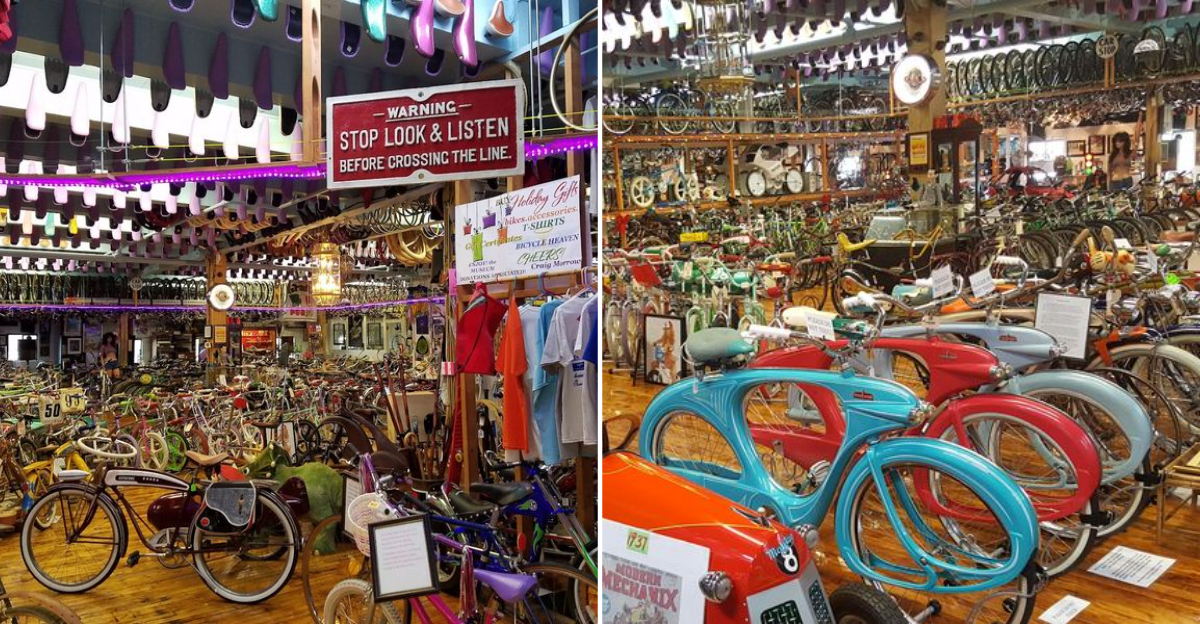
Tucked inside a warehouse at 1800 Preble Ave in Pittsburgh, Pennsylvania, Bicycle Heaven is officially recognized as the world’s largest bicycle museum, housing over 3,000 bikes under one roof. Owner Craig Morrow has spent decades collecting everything from 19th-century velocipedes to rare BMX classics, creating a two-story wonderland that feels more like stepping into a time machine than visiting a shop.
Whether you grew up riding a Schwinn Krate or simply appreciate the history of human-powered transportation, this place has something that will stop you in your tracks. With a near-perfect 4.9-star rating and visitors traveling from across the country, Bicycle Heaven is one of Pittsburgh’s most surprising and memorable attractions.
A Collection of Over 3,000 Bicycles Spanning More Than a Century
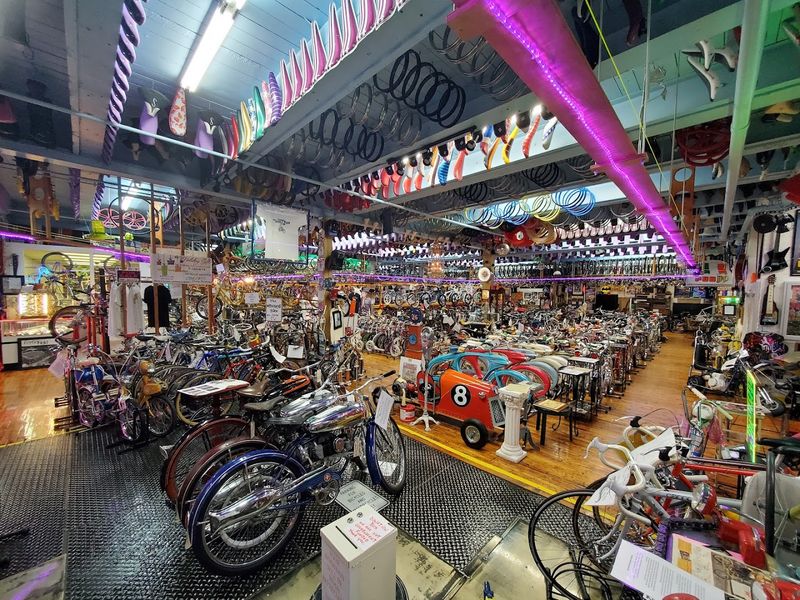
Walking through the front door of Bicycle Heaven feels like being swallowed whole by bicycle history. The sheer number of bikes on display — over 3,000 at any given time — is almost impossible to wrap your head until you start walking the aisles and realize there is always another row, another room, another floor to explore.
The collection spans well over a century of cycling history, from high-wheel penny-farthings of the late 1800s to sleek BMX racers from the 1980s. Owner Craig Morrow has curated bikes from nearly every era, style, and manufacturer imaginable, making it a living encyclopedia of two-wheeled transportation.
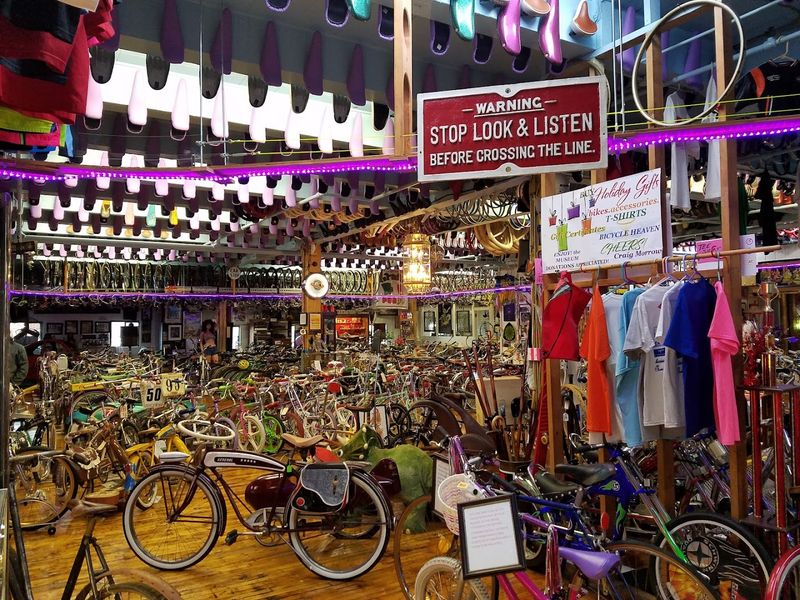
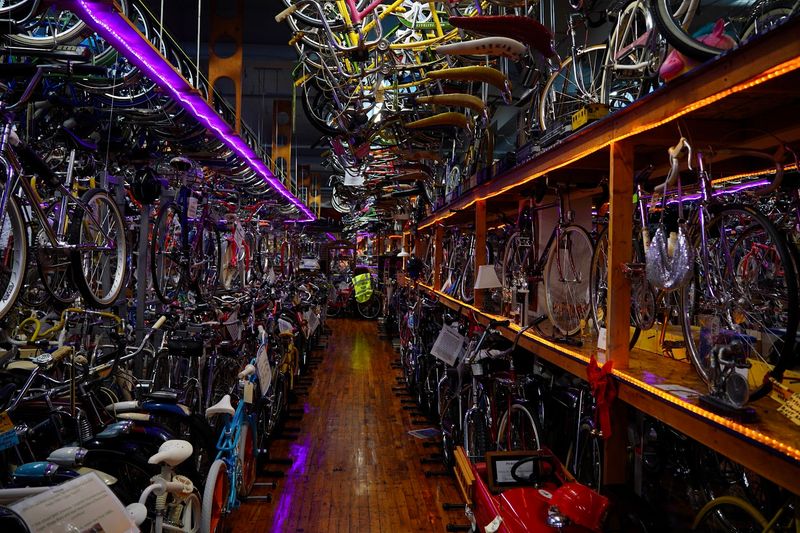
Visitors consistently report spending more than an hour inside and still feeling like they missed things. Bikes hang from the ceiling, line the walls, and fill the floors in a way that is organized chaos at its most beautiful.
The variety is genuinely staggering — road bikes, cruisers, mountain bikes, kids’ bikes, and rare one-of-a-kinds all share space.
For anyone who has ever owned a bike, this place triggers serious nostalgia. Reviewers have called it “straight up bonkers” and “the best experience” among all museums they have visited anywhere.
Schwinn Krate Bikes on Display by the Dozen
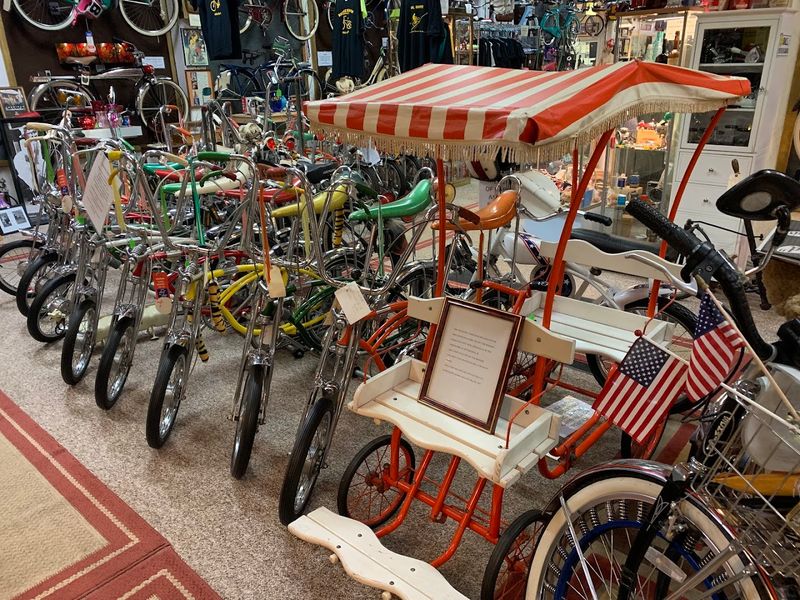
Few bikes trigger childhood memories quite like the Schwinn Krate series, and Bicycle Heaven has them by the dozen. These iconic banana-seat bikes with their high-rise handlebars and springer front forks were the must-have ride of the late 1960s and early 1970s, and seeing so many of them lined up together is a jaw-dropping sight for anyone who grew up in that era.
Craig Morrow’s collection includes multiple examples of models like the Orange Krate, Apple Krate, Pea Picker, and Cotton Picker — some of the most collectible bicycles in American history. Finding even one in good condition is considered a serious score for collectors, so seeing rows of them is extraordinary.
Visitors with any connection to this era of cycling have described the Krate display as an emotional experience. One reviewer specifically mentioned that seeing the old Krate bikes brought back powerful memories, laughing that they are “not that old.” That kind of warm, nostalgic reaction is exactly what this collection is designed to create.
Whether you owned one, dreamed of owning one, or simply appreciate classic American design, the Schwinn Krate display at Bicycle Heaven is a genuine highlight of the entire museum visit.
Rare Bowden Spacelander Bikes — 17 of Them
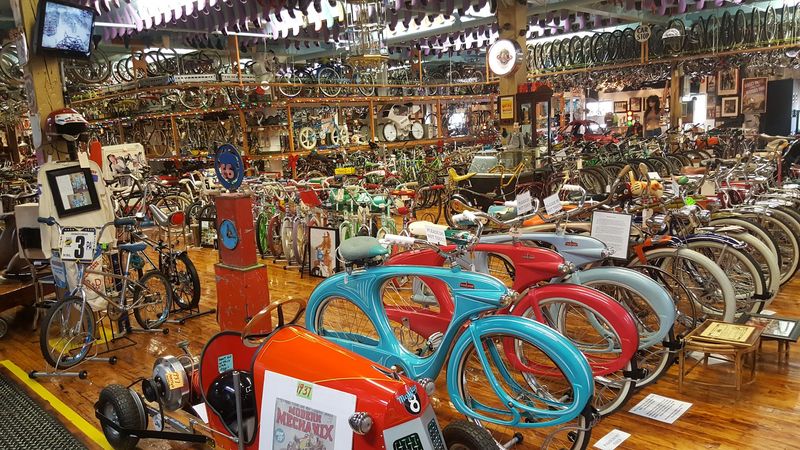
Here is a fact that will make serious collectors do a double-take: Bicycle Heaven has not one, not two, but 17 Bowden Spacelander bicycles on display. The Spacelander is considered one of the rarest and most visually stunning bicycles ever produced, with its futuristic fiberglass body designed by Benjamin Bowden in the early 1960s.
Only around 522 were ever made, so having 17 in one place is almost unbelievable.
The Spacelander looks less like a bicycle and more like something out of a science fiction film, with smooth curved bodywork that covers the frame and gives it an almost spacecraft-like silhouette. It was ahead of its time in both design and concept, and today these bikes command serious prices at auction when they surface at all.
Finding one Spacelander is a collector’s dream. Finding 17 in a single warehouse in Pittsburgh is the kind of thing that makes bicycle historians and enthusiasts make a special trip just to see them.
Reviewers have specifically mentioned these bikes as among the most jaw-dropping finds in the entire collection.
Craig Morrow’s dedication to hunting down multiples of ultra-rare models like this is what separates Bicycle Heaven from every other bicycle museum on the planet. It is a collector’s obsession made real.
A Two-Story Warehouse Full of BMX Classics
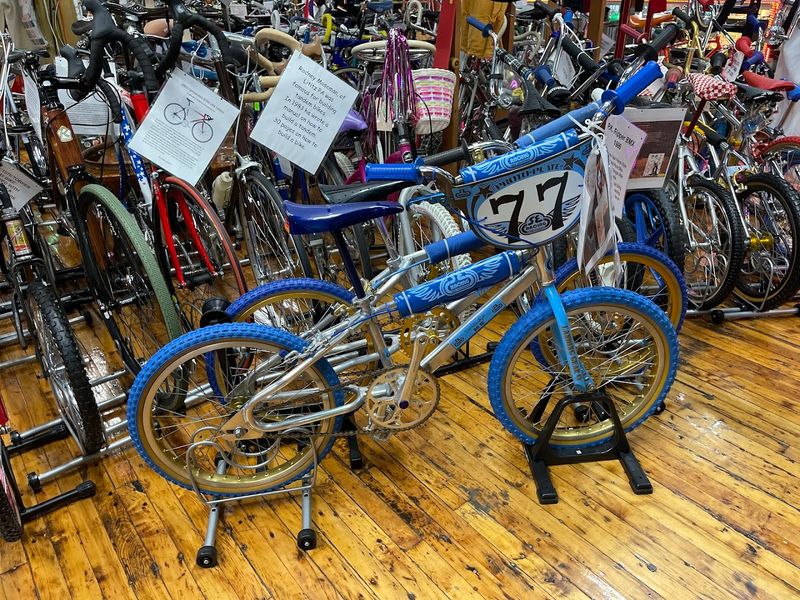
For anyone who grew up riding BMX in the 1980s and 1990s, the BMX section of Bicycle Heaven is less of a museum exhibit and more of a time warp. Brands like Haro, GT, Mongoose, Redline, and PK Ripper are all represented here, often in multiple examples and in conditions that would make any collector envious.
BMX culture exploded during that era, fueled by films like E.T. and the rise of freestyle riding. These bikes were not just toys — they were identity, community, and freedom all wrapped up in chrome and stickers.
Seeing them preserved and displayed with care is genuinely moving for people who lived through that time.
One reviewer described finding the exact blue Schwinn Mag Scrambler, PK Mini Ripper, and Redline RL20 that they had owned growing up — all in the same building. That kind of personal connection is what makes the BMX collection at Bicycle Heaven so powerful and so different from a typical museum experience.
Even visitors who never rode BMX find themselves drawn in by the bright colors, wild designs, and obvious cultural energy these bikes carry. The collection is displayed across both floors of the warehouse, giving each era and style plenty of room to breathe and be appreciated.
Late 1800s Bicycles and Vintage Cycling History
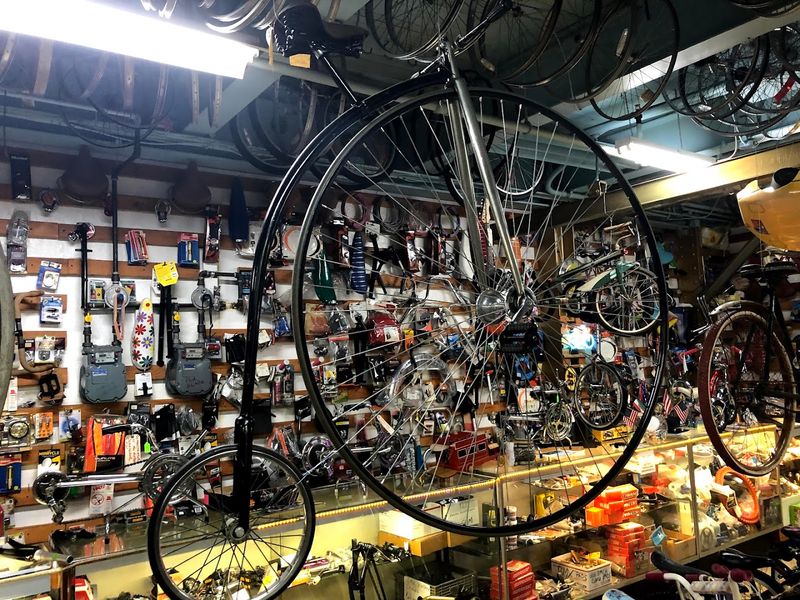
Long before spandex and carbon fiber, people were riding iron-wheeled contraptions that required serious courage just to mount. Bicycle Heaven’s collection of late 1800s bicycles offers a fascinating look at how cycling began, with examples that trace the evolution of the bicycle from its earliest and most awkward forms to the more recognizable designs that followed.
High-wheel penny-farthings, early safety bicycles, and Victorian-era velocipedes are among the oldest pieces in the collection. These bikes were not just transportation — they were symbols of modernity and freedom during an era when personal mobility was limited and precious.
Seeing them up close makes the ingenuity of early inventors feel very real and very human.
Craig Morrow has gone to extraordinary lengths to acquire examples from this period, and having multiple specimens from the same era allows visitors to see the progression of design in real time. You can literally walk from one end of cycling history to the other within the same building.
Cycling historians and casual visitors alike find this section of the museum genuinely enlightening. One reviewer with over 40 years in the bicycle industry said the collection brought back memories they had not thought about in years — and that kind of reaction speaks volumes about the depth and quality of what is on display here.
Thousands of Bicycle Parts, Accessories, and Memorabilia
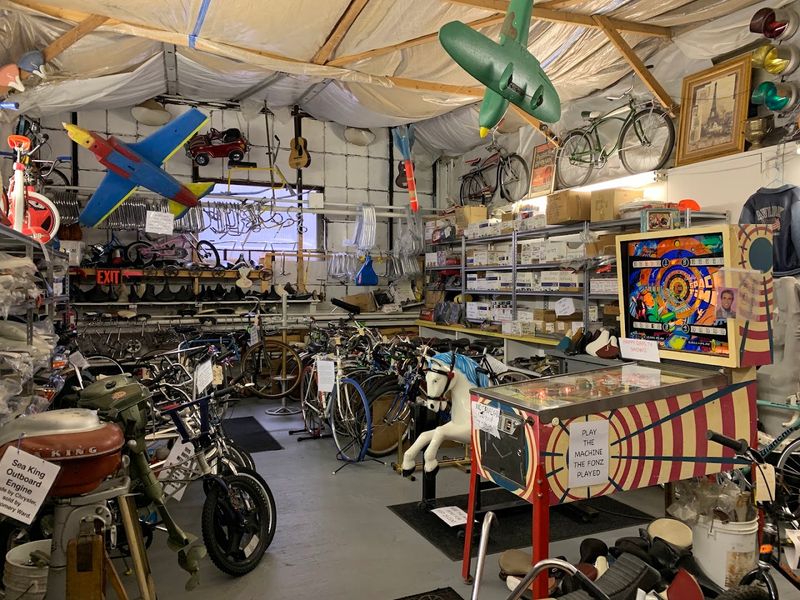
Bicycles are just the beginning. Bicycle Heaven is also home to thousands of individual bicycle parts, accessories, and pieces of cycling memorabilia that fill shelves, cover walls, and spill into every corner of the warehouse.
Bells, lights, saddles, derailleurs, headbadges, and vintage catalogs are just a fraction of what is on display.
For anyone who has ever tinkered with a bike, this part of the museum feels like finding a treasure chest. Many of these parts are no longer manufactured and can only be found in private collections or specialty auctions.
Having them all in one place, organized and accessible, is a resource that cyclists and restorers genuinely value.
The memorabilia side of things is equally impressive — vintage advertisements, original packaging, manufacturer displays, and cycling-related collectibles from across the decades add a rich layer of context to the bikes themselves. You get a sense not just of what bikes looked like, but how they were marketed, sold, and loved by generations of riders.
One long-time industry professional who visited noted that seeing the parts and accessories was just as meaningful as seeing the bikes. That reaction makes total sense — sometimes the small details tell the biggest stories about how a culture or an industry evolved over time.
Admission Pricing and What Your Visit Costs
One of the most common questions about Bicycle Heaven is whether it costs anything to get in. The museum currently charges a small admission fee — around $15 per person — which is a genuinely modest price given the scale and quality of what you are about to experience.
Some older reviews mention the museum was previously free, but a fee was introduced to help cover operating costs.
Running a two-story warehouse in Pittsburgh is not cheap. Heating alone for a large industrial building can cost thousands of dollars per month, and that is before you factor in insurance, staffing, utilities, and the ongoing work of maintaining and acquiring new pieces for the collection.
The admission fee makes the whole operation sustainable.
One visiting business owner put it perfectly in their review, noting that $15 for an hour-long visit is genuinely reasonable when you understand the real costs of keeping a space like this open and accessible. When you compare it to other Pittsburgh-area museums, Bicycle Heaven is actually on the lower end of the pricing scale.
Most visitors say the value is obvious the moment they walk through the door. Spending an hour and a half exploring two floors of cycling history for the price of a fast food meal is, by almost any measure, an excellent deal for the experience you receive.
Location, Hours, and How to Plan Your Visit
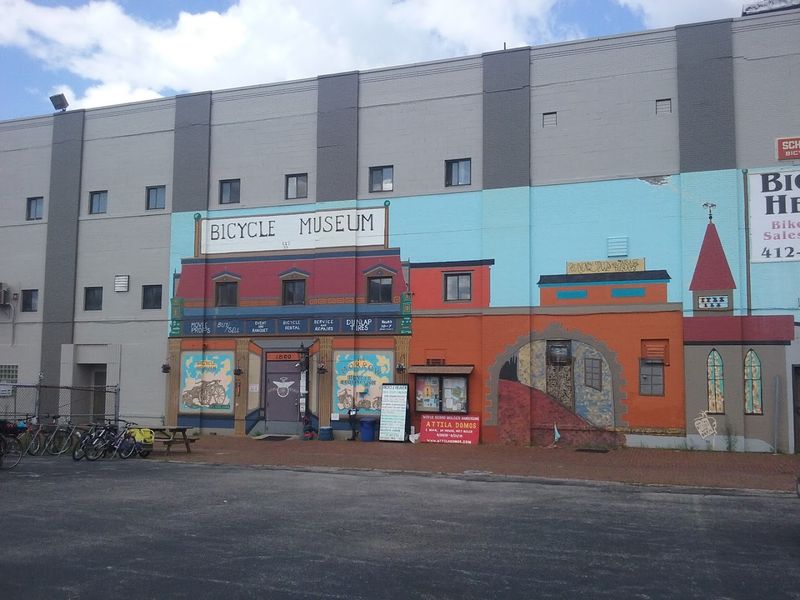
Planning a trip to Bicycle Heaven is refreshingly straightforward. The museum is located at 1800 Preble Ave, Pittsburgh, PA 15233, in a warehouse-style building that is easy to find and comes with its own parking lot — a genuine bonus in a city where parking can be a challenge.
Public transit options are also available for those coming from downtown Pittsburgh.
The museum is open seven days a week, from 10 AM to 7 PM on every day of the week. That kind of consistent schedule makes it easy to fit a visit into almost any travel itinerary, whether you are in Pittsburgh for a weekend or just passing through for a day.
The phone number is +1 412-734-4034 if you need to confirm anything before your visit.
One reviewer walked two miles from their hotel to get there and said it was completely worth every step. Another brought friends visiting from Florida and described the whole group being in awe from the moment they arrived.
The friendly staff and welcoming atmosphere make first-time visitors feel immediately at home.
More information and updates can be found at the official website, bicycleheaven.org. Whether you are a hardcore cyclist or just someone looking for something genuinely unique to do in Pittsburgh, this place delivers an experience you will not find anywhere else on earth.
Why Bicycle Heaven Has a Near-Perfect 4.9-Star Rating
A 4.9-star rating across more than 1,100 reviews is not something that happens by accident. Bicycle Heaven has earned that score through a combination of an extraordinary collection, genuinely warm staff, and an atmosphere that feels personal rather than corporate.
Visitors from all over the country — and the world — consistently describe it as one of the best museum experiences they have ever had.
The staff, including the owner Craig and team member Brian, are frequently mentioned by name in reviews for taking time to chat with visitors, answer questions, and share their passion for cycling history. That human element is rare in any museum setting and makes a huge difference in how people feel when they leave.
Reviewers have used words like “epic,” “bonkers,” “incredible,” and “gem” to describe their visits. People who had been putting off going for months said they were “pleasantly surprised” once they finally made the trip.
That kind of enthusiastic, genuine feedback from such a large number of visitors is a powerful endorsement.
From an environmental angle, one reviewer also pointed out that every bike in that warehouse is a bike that is not sitting in a landfill — a perspective that adds yet another reason to appreciate what Bicycle Heaven represents. It is preservation, passion, and community all rolled into one remarkable place.