Tucked along North Carolina’s Outer Banks, Ocracoke Island is one of the most remote and fascinating places on the East Coast.
You can’t simply drive there — getting to this barrier island requires a ferry ride, which only adds to its mysterious charm.
Once you arrive, you’ll find 16 miles of wild, undeveloped beaches, a tiny walkable village, and a pirate history so vivid you can literally stand in the spots where Blackbeard once roamed.
Whether you’re a history lover, a beach explorer, or just someone craving a true escape, Ocracoke delivers something most destinations simply can’t.
A Remote Island You Can Only Reach by Ferry
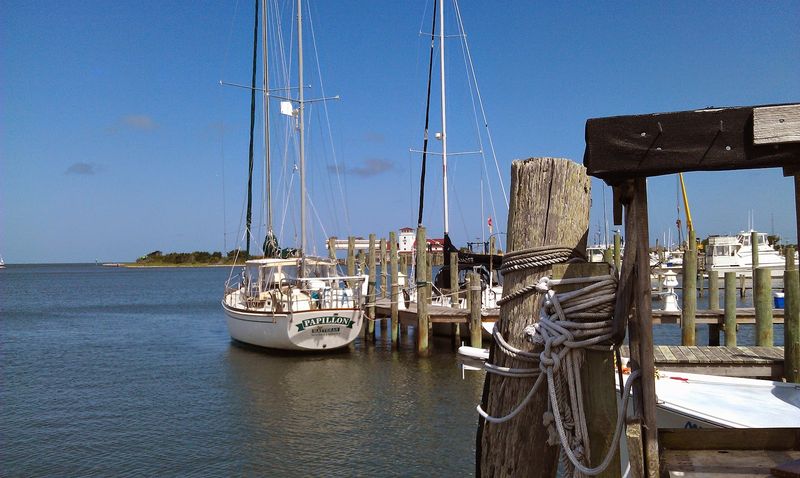
No bridge connects Ocracoke to the rest of the world — and honestly, that’s a big part of its magic. Getting here requires hopping aboard a ferry, chartering a private boat, or landing at the tiny local airstrip.
That built-in barrier keeps the crowds thin and the atmosphere wonderfully unhurried.
The North Carolina Department of Transportation runs free ferry service from Hatteras Island, which takes about 40 minutes and runs frequently during peak season. If you’re coming from the mainland, Cedar Island and Swan Quarter also offer ferry service, though those rides stretch to about 2.5 hours each way.
Planning ahead is key — reservations fill up fast during summer weekends.
What makes this isolation so special is how it shapes the entire experience. There are no big-box stores, no chain restaurants, and no highway noise.
Visitors often describe the moment the ferry pulls away from shore as feeling like the outside world is literally fading behind them. If you’re looking for a destination that genuinely feels off the grid, few places on the East Coast deliver like Ocracoke does.
A 300-Year Pirate Legacy Anchored in History
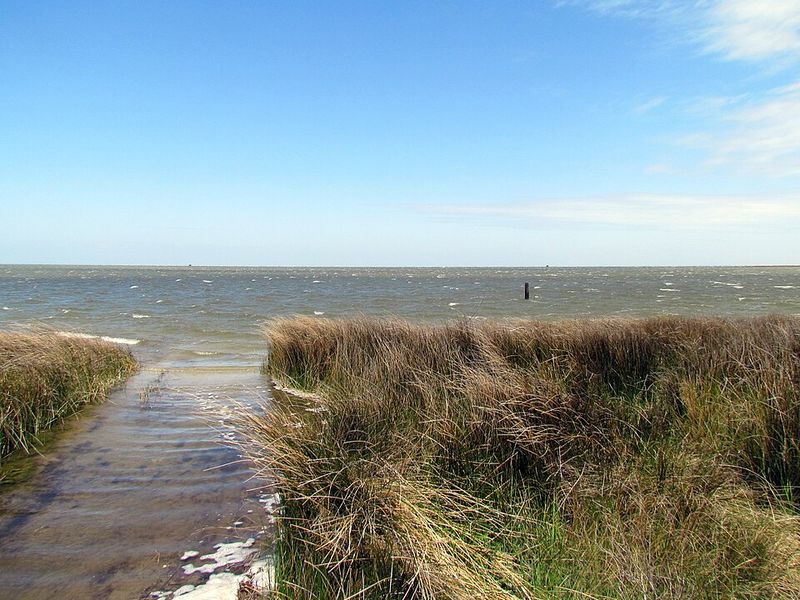
Back in the early 1700s, Ocracoke wasn’t a beach vacation destination — it was a strategic hiding spot for some of history’s most dangerous pirates. The island sits along what were once major Atlantic shipping lanes, making it a prime location for pirates looking to ambush merchant vessels loaded with goods headed to and from the American colonies.
The shallow waters surrounding Ocracoke gave pirates a major tactical advantage. Large naval warships couldn’t navigate the narrow inlets and sandbars, but smaller, nimble pirate vessels could weave through them with ease.
Pirates used this geography almost like a fortress, hiding in the sounds and striking when the moment was right.
Ocracoke’s role in pirate history isn’t just legend — it’s documented. Historical records confirm that pirates regularly anchored in Ocracoke Inlet, trading stolen goods and restocking supplies.
The island became something of an informal pirate community during the golden age of piracy. Walking around the island today, it’s almost impossible not to feel that history pressing in around you, especially when you realize these same marshes and shorelines looked nearly identical 300 years ago.
The Final Battle of Blackbeard Happened Here
On November 22, 1718, the waters just off Ocracoke Island became the site of one of the most famous showdowns in pirate history. Lieutenant Robert Maynard, sailing under orders from Virginia’s colonial governor, tracked down the legendary pirate Edward Teach — better known as Blackbeard — and engaged him in a brutal close-quarters battle in the shallow inlet.
Blackbeard was said to be an almost supernatural figure. He reportedly twisted slow-burning fuses into his long black beard during battle to surround himself in smoke and look like a demon rising from the flames.
Despite his fearsome reputation, he was killed during that November fight after reportedly sustaining five bullet wounds and over 20 sword cuts before finally going down.
After the battle, Maynard reportedly hung Blackbeard’s severed head from the bowsprit of his ship as proof of the kill. It’s a grim piece of history, but it cemented Ocracoke’s permanent place in American folklore.
Today, a small marker and local historical sites commemorate the event, and the inlet where the battle took place is still called Teach’s Hole in his honor. Few places in America carry that kind of dramatic, documented history.
Hidden Pirate Sites You Can Still Walk Today
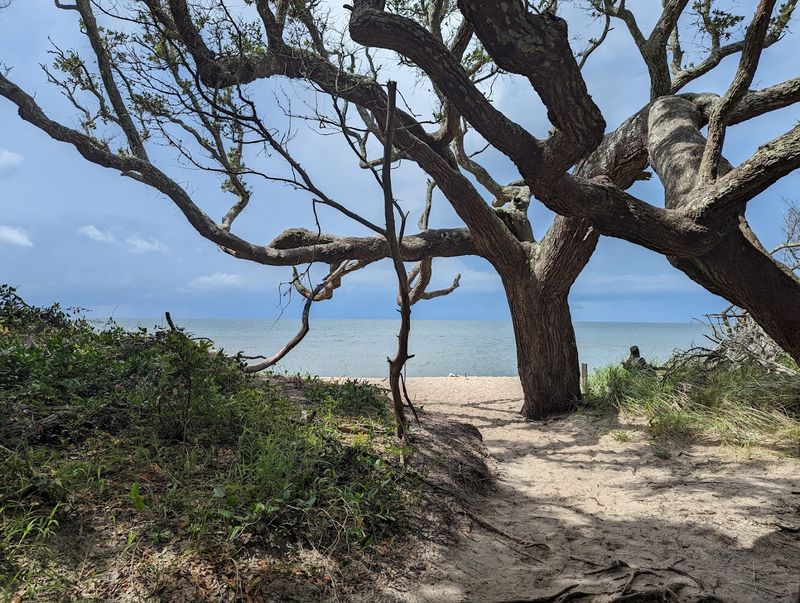
Springer’s Point Nature Preserve is one of those rare places where history and nature overlap in the most unexpected way. Located on the western shore of Ocracoke, this 120-acre maritime forest is believed to be one of the spots where Blackbeard anchored his ships and met with fellow pirates.
You can walk the same ground today on a quiet, well-maintained trail system.
The preserve is managed by the North Carolina Coastal Land Trust and is free to visit. Trails wind through ancient live oak trees draped in Spanish moss, past tidal flats, and out to a small beach overlooking Pamlico Sound.
The atmosphere is genuinely eerie in the best possible way — hushed, dense, and heavy with history.
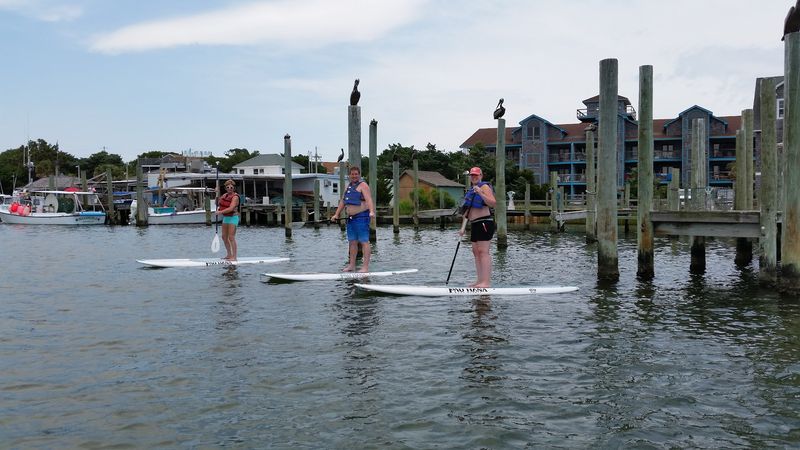
Beyond Springer’s Point, the area known as Teach’s Hole is accessible by kayak or paddleboard and sits just offshore from where Blackbeard met his end. Local outfitters offer guided tours that bring the history to life with storytelling and historical context.
Whether you’re eight years old or eighty, standing in a place this connected to real pirate history hits differently than reading about it in a textbook. Ocracoke makes the past feel genuinely touchable.
From Pirate Haven to Pilot Town
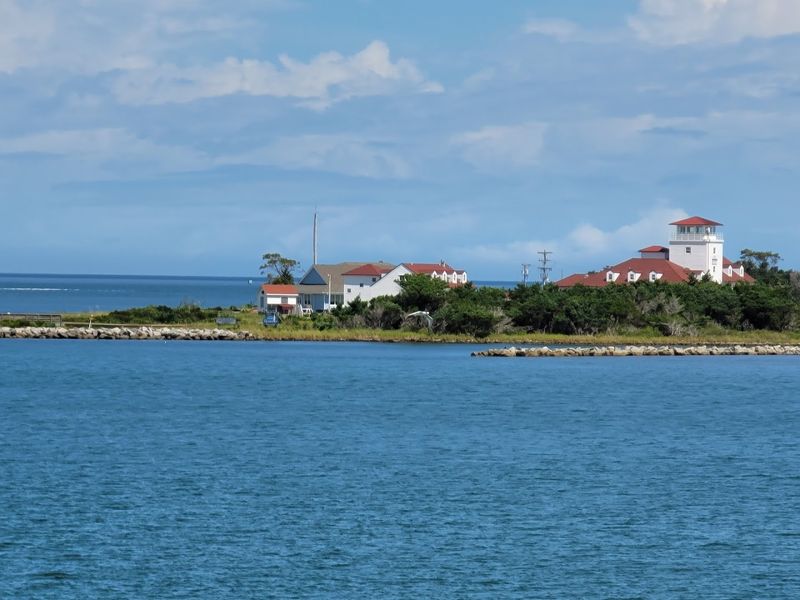
Once the pirate era faded, Ocracoke didn’t stay quiet for long. By the mid-1700s, the island had reinvented itself as one of the most important maritime hubs on the entire Atlantic coast.
Skilled local navigators, known as pilots, made their living guiding merchant ships safely through the treacherous shoals and inlets surrounding the island.
Ocracoke Inlet was one of the busiest ports of entry in colonial North Carolina, and the pilots who lived there were among the most respected — and well-paid — mariners of their era. These men knew every sandbar, every current shift, and every hidden hazard in the sound.
Without them, countless ships would have run aground trying to reach inland ports like Bath and Edenton.
The village that grew up around this pilot trade is still called Ocracoke Village today, and locals sometimes refer to it by its old nickname: Pilot Town. Many of the families who live there today are direct descendants of those original maritime pilots.
That deep, unbroken connection to the sea gives the village a character that feels completely authentic — not curated for tourists, but genuinely lived-in and rooted in centuries of real maritime tradition.
A Culture Shaped by Isolation
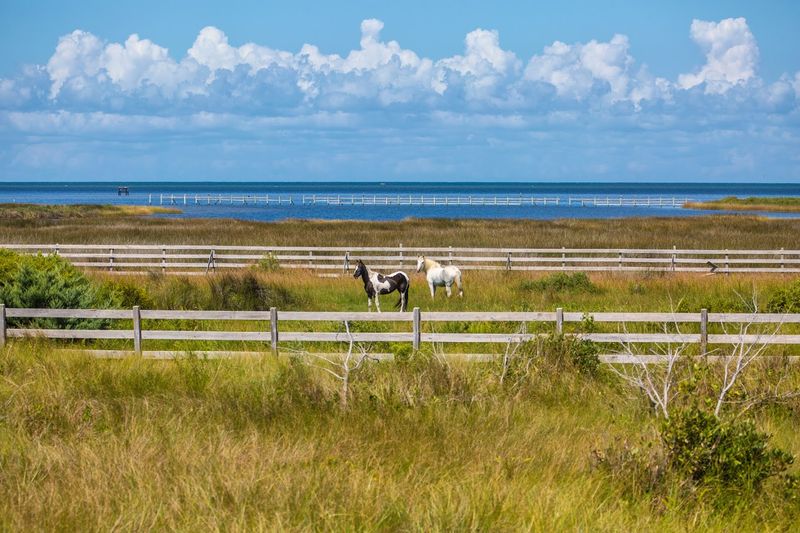
Spend an afternoon talking to a lifelong Ocracoke resident and you might notice something unusual — the way they speak. The island’s famous “Hoi Toider” brogue is a regional accent so distinctive that linguists have studied it for decades.
The name comes from the local pronunciation of “high tide,” and the dialect features vowel sounds that trace back to early English and Irish settlers from the 1600s and 1700s.
Because Ocracoke was so cut off from the mainland for so long, its culture evolved in its own direction. Traditions, recipes, fishing techniques, and even storytelling styles were passed down within tight-knit island families without much outside influence.
Some linguists believe traces of old maritime speech — possibly even influenced by the mixed crews of early pirate ships — survived in the local dialect longer than anywhere else in America.
Younger generations are still carrying these traditions forward, though the accent is gradually softening as more visitors and transplants arrive. Local musicians, storytellers, and craftspeople keep the old ways alive through festivals, community events, and simple daily life.
Visiting Ocracoke isn’t just a beach trip — it’s a genuine encounter with a living culture that developed in near-complete isolation for three centuries.
16 Miles of Untouched, Crowd-Free Beaches
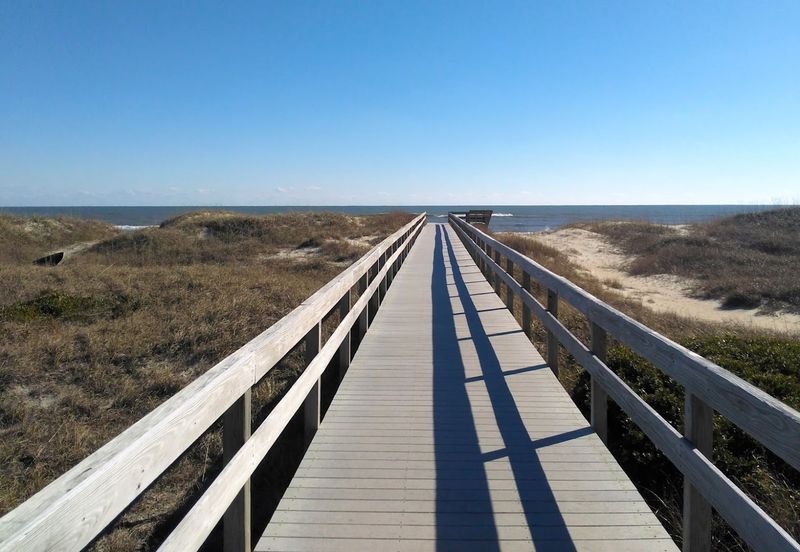
Forget the boardwalks, beach bars, and umbrella rentals. Ocracoke’s 16 miles of shoreline are managed as part of the Cape Hatteras National Seashore, which means development is strictly limited and the beaches remain wide, wild, and remarkably uncrowded even during summer.
Walking along this stretch of coast feels less like a vacation and more like stepping into a nature documentary.
The sand here is fine and pale, the water shifts between turquoise and deep Atlantic blue depending on the season, and the dunes are lined with sea oats and coastal grasses that sway in the steady ocean breeze. During the off-season, you can walk for a mile in either direction and not see another soul.
Even in peak summer, the beach never feels packed the way popular resort towns do.
Four-wheel-drive vehicles with the proper permits can access certain sections of the beach, making it easy to set up a remote camp far from the main access points. Surf fishing is popular year-round, and the relatively calm waters near the sound side of the island are perfect for kayaking and paddleboarding.
For anyone who has grown tired of crowded coastlines, Ocracoke’s beaches feel like a well-kept secret hiding in plain sight.
A Walkable Village Frozen in Time
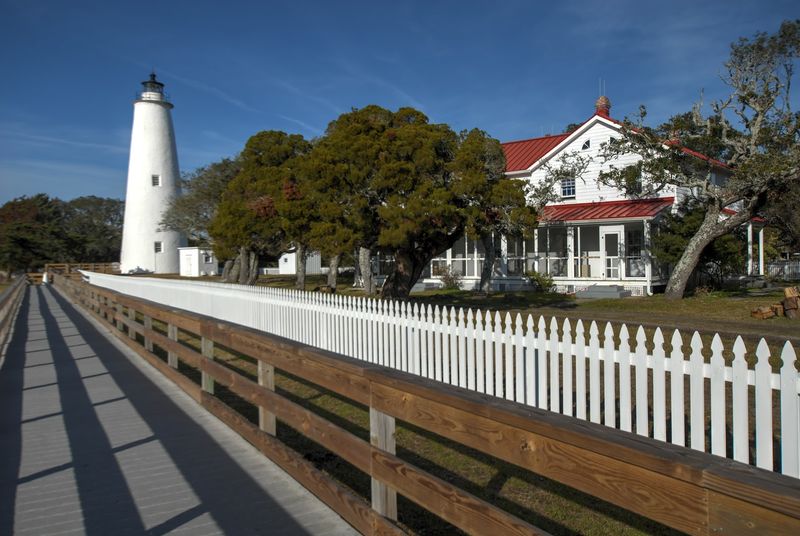
Ocracoke Village occupies just a small section of the island’s southern tip, but it packs in a surprising amount of character for such a compact place. The streets are narrow — many barely wide enough for a single car — and most locals and visitors get around by bicycle or on foot.
That slow pace isn’t a quirk; it’s the entire point.
The village has a handful of independent restaurants serving fresh local seafood, a few art galleries showcasing work by island-based artists, and small shops selling everything from handmade jewelry to locally written books about pirate history. There’s a 1823 lighthouse still standing in the village — one of the oldest operating lighthouses in North Carolina — that you can view up close, though it’s not open for climbing.
What makes Ocracoke Village feel genuinely special is the sense that it hasn’t been staged for visitors. Locals still hang laundry on lines, keep fishing boats tied at private docks, and sit on front porches in the evening.
The community has worked hard to preserve that authenticity while still welcoming travelers warmly. Spending an afternoon wandering these lanes, stopping into a bakery or a dockside cafe, feels less like sightseeing and more like being briefly welcomed into someone’s real life.
Planning Your Visit: Ferry, Access, and Tips
Getting to Ocracoke takes a little more planning than your average beach trip, but that effort pays off the moment you step off the boat. The most popular and affordable option is the free ferry from Hatteras, which runs year-round and takes about 40 minutes.
No reservations are needed for this route — it’s first-come, first-served — but arrive early during summer months because lines can stretch long on busy weekends.
If you’re coming from the mainland, the Cedar Island and Swan Quarter ferries are your best options. These routes take about 2.5 hours each way and do require reservations, especially between May and October.
Tickets are reasonably priced, and you can book them online through the NC Ferry Division website well in advance. Bringing a vehicle gives you more flexibility on the island, though bikes are a perfectly practical way to get around once you arrive.
Accommodations range from small inns and vacation rental cottages to a National Park Service campground right on the beach. The campground books up months ahead for summer, so plan accordingly.
Cell service is limited and Wi-Fi is spotty in many spots, so download your maps offline before you board the ferry. Pack light, bring sunscreen, and leave your schedule flexible — Ocracoke rewards those who slow down and let the island set the pace.