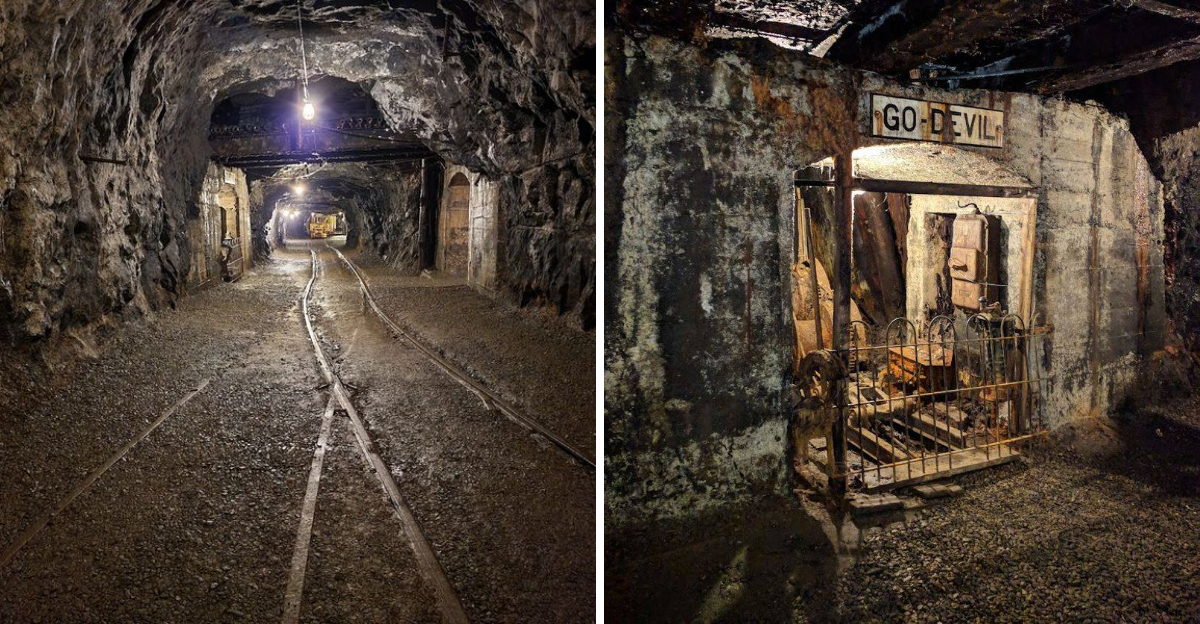
Hidden beneath the mountains of Lansford, Pennsylvania, lies one of the most remarkable historical experiences in the entire country.
The No. 9 Coal Mine and Museum lets you climb aboard a real mine train and travel 1,600 feet straight into the heart of a mountain — just like the miners who worked here over a century ago.
Opened in 1855, this site is considered the oldest deep anthracite coal mine open for public tours in America.
Whether you love history, adventure, or just want to do something totally unforgettable, this underground journey delivers all three.
A Ride Straight Into the Mountain
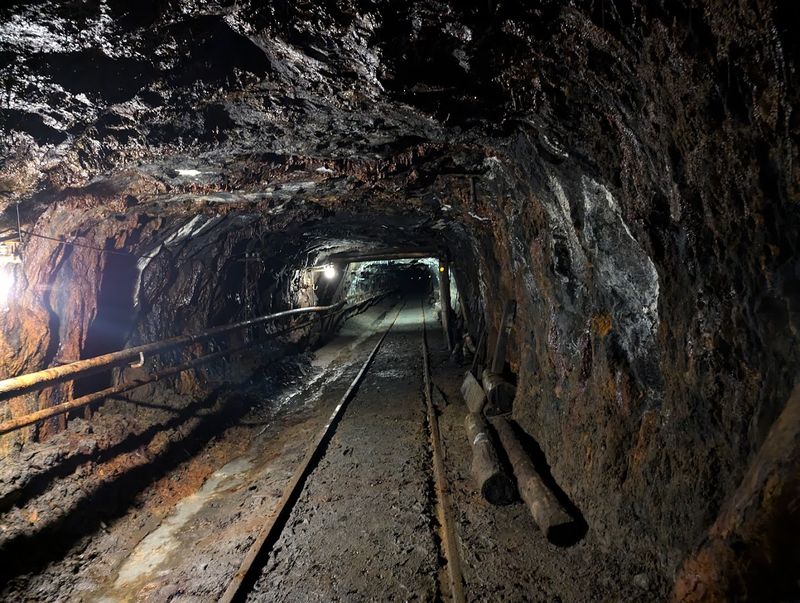
Not many tourist experiences begin with a train ride directly into the belly of a mountain, but that is exactly how your visit to No. 9 Coal Mine starts. Visitors board a compact mine train and travel roughly 1,600 feet underground, following the same route that coal miners took when heading to work each day.
The ride itself sets the mood instantly. As the light from the entrance fades behind you, the air grows cooler and the walls close in — giving you a genuine sense of what it felt like to descend into the earth for a long shift.
It is thrilling, humbling, and surprisingly moving all at once.
This is not a simulated ride with fancy special effects or cartoon characters. Every inch of track, every timber support, and every shadow you pass through is the real deal.
The mine train experience alone is worth the trip, and it is the kind of moment that sticks with you long after you have driven back home. Kids and adults alike tend to go quiet during the ride — and that silence says everything.
One of the Oldest Deep Anthracite Mines in the World
When No. 9 Coal Mine first opened in 1855, Abraham Lincoln had not yet been elected president. That kind of age is hard to wrap your head around, but stepping inside this mine makes history feel incredibly close.
Anthracite coal — the hard, slow-burning variety mined here — powered homes, factories, and railroads across the growing United States for decades.
What makes this site especially rare is that it operated continuously for over a century before finally closing. Most mines from that era have long since collapsed, flooded, or been demolished.
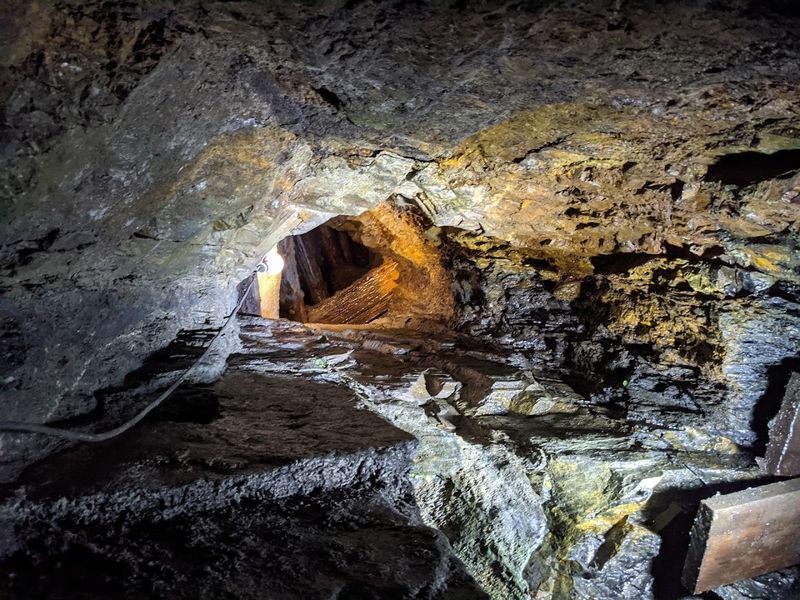
No. 9 survived, and that survival gives visitors access to something genuinely irreplaceable: a working mine that has barely changed since the 1800s.
The authenticity here cannot be overstated. You are not walking through a recreation or a carefully designed exhibit meant to look old.
You are walking through the actual tunnels, past the actual equipment, in the actual mountain where real people spent their lives working under dangerous and difficult conditions. For history lovers, that kind of raw, unfiltered access is extraordinary — and increasingly rare in a world full of polished museum replicas.
A Guided Walk Through Real Mining Tunnels
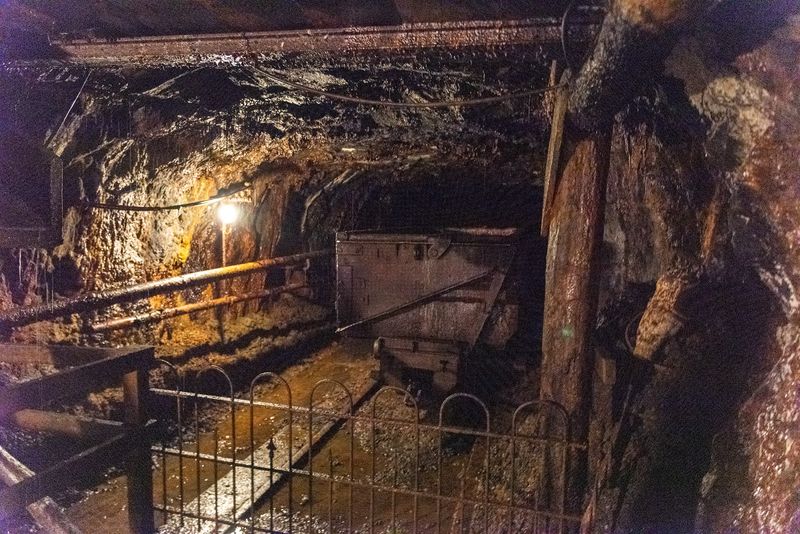
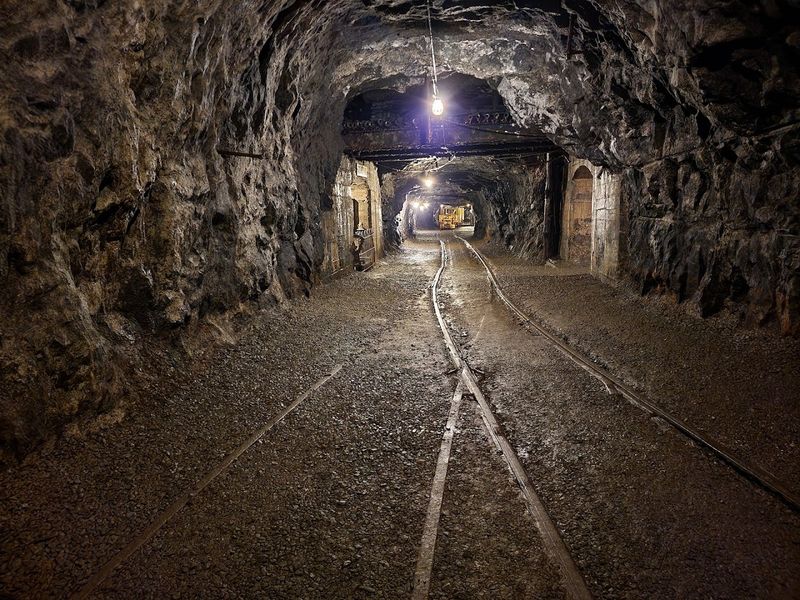
After the train drops you off underground, the real adventure begins on foot. Guests walk approximately 600 feet through actual mine passageways — the same paths that miners navigated every single day carrying heavy tools, breathing coal dust, and working in near-total darkness.
Wearing a hard hat and following a knowledgeable guide, you move through history one step at a time.
The tunnels are not wide or tall by modern standards. Ceilings are low in places, walls are rough-cut stone, and the ground beneath your feet is uneven gravel.
That slight discomfort is intentional — it is part of understanding what miners actually experienced during a typical shift that could last ten hours or more.
Your guide brings the space to life with stories and details that no exhibit panel ever could. They point out tool marks on the walls, explain how miners communicated underground, and describe the constant risks of cave-ins, flooding, and bad air.
By the time you emerge back into daylight, you carry a whole new level of respect for the men — and boys as young as eight — who once called these tunnels their workplace. It is a walk you will not forget.
See the Original Mine Shaft Up Close
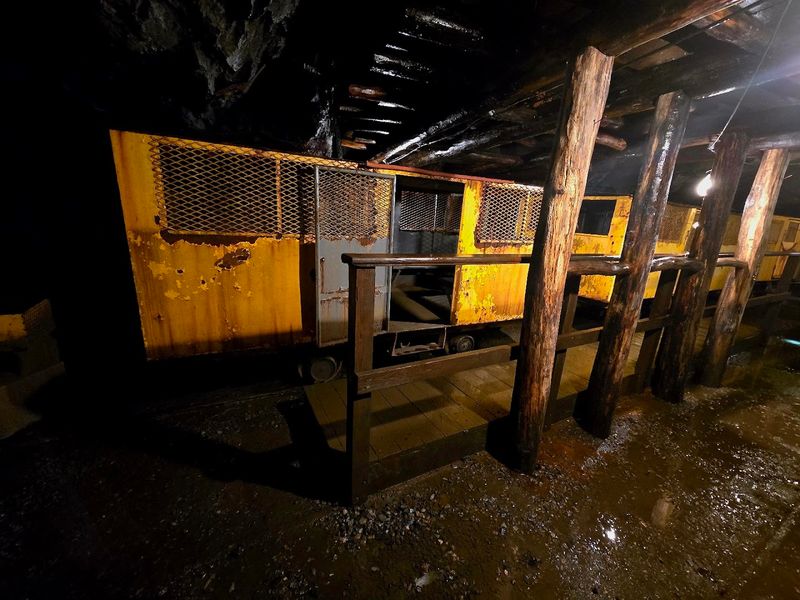
Few things drive home the sheer scale of 19th-century mining operations quite like standing at the edge of a vertical shaft that once plunged roughly 700 feet straight down into the earth. During the tour, visitors get a close-up view of this original shaft — and that view is genuinely jaw-dropping.
Think about it: 700 feet is taller than most skyscrapers. Now imagine being lowered into that darkness in a wooden cage, lit only by a small oil lamp, with nothing but a rope and a prayer standing between you and the bottom.
That was the daily reality for miners who worked here long before modern safety regulations existed.
The original shaft structure remains largely intact, which makes this moment feel less like a museum exhibit and more like a time warp. You can see the hardware, the framing, and the depth — and it forces a moment of genuine reflection.
Mining companies in the 1800s pushed the limits of engineering and human endurance simultaneously, often with devastating consequences. Standing at that shaft, you understand in your bones why the labor movement fought so hard for workers’ rights in the coal regions of Pennsylvania.
History has a way of landing harder when you are standing right inside it.
Explore the Mule-Way and Underground Work Areas
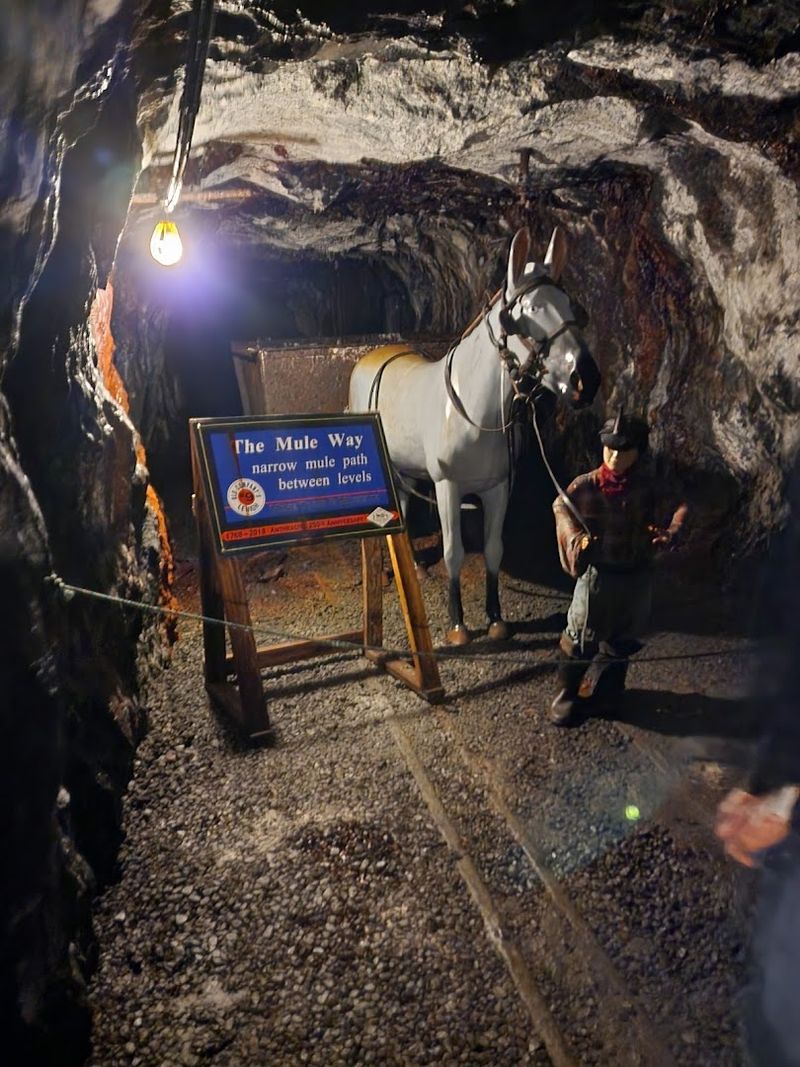
Long before machinery took over underground hauling, mules were the backbone of coal transportation inside the mines. At No. 9, visitors pass through the historic mule-way — a dedicated tunnel where animals pulled loaded coal cars along narrow tracks from the work areas to the main shaft.
Some of these mules spent their entire lives underground, never seeing daylight again after their first descent.
That detail alone tends to stop people in their tracks. The mule-way is not a wide, comfortable corridor.
It is tight, low-ceilinged, and dark — a space that required both animal and handler to move carefully and efficiently through extremely confined conditions. The preserved work zones nearby show where miners drilled, blasted, and shoveled coal for hours on end.
Walking through these sections gives you a layered understanding of how mining actually functioned as a system. Every person, every animal, and every tool had a specific role.
The operation was organized, dangerous, and relentless. Guides often share fascinating details about how mules were trained, how coal cars were loaded, and how the hauling routes were mapped.
For anyone curious about how industrial-era labor actually worked from the inside out, these sections of the tour are genuinely eye-opening and hard to find anywhere else.
A Miner’s Hospital Carved Into Solid Rock
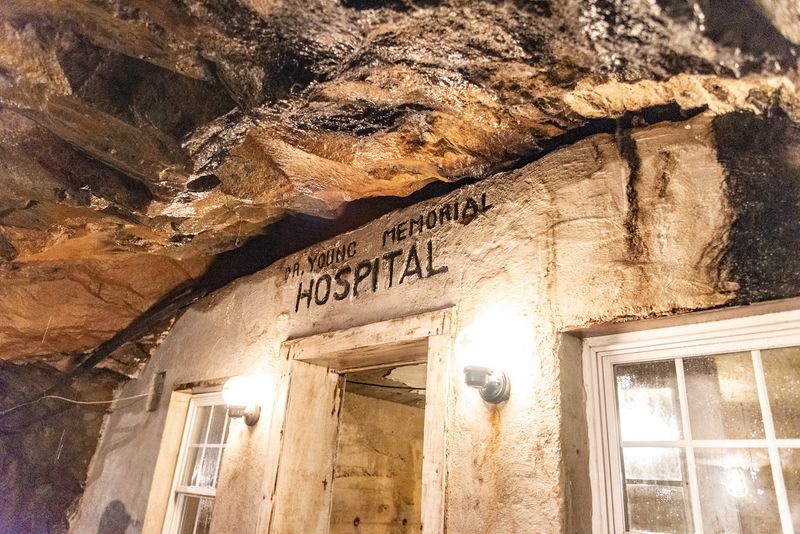
Cut directly into solid rock, the underground hospital chamber at No. 9 Coal Mine is one of the most unexpected and sobering stops on the tour. When a miner was injured hundreds of feet below the surface, getting them to a surface hospital quickly was not always possible.
So the solution was to bring basic medical care underground — literally chiseling a room out of stone to serve as a treatment space.
Standing inside it, you feel the weight of that necessity. The chamber is small and stark, with rough stone walls pressing in on every side.
It is hard to imagine receiving medical treatment in a place like this — no natural light, no fresh air, no comfort of any kind. Yet for injured miners, this cold, dark room was a lifesaver.
The hospital also serves as a reminder of just how dangerous coal mining was during this era. Injuries from explosions, falling rocks, and equipment failures were common.
Black lung disease crept up slowly over years of breathing coal dust. The existence of this underground hospital does not soften those realities — if anything, it makes them feel more immediate and more human.
It is a quiet, powerful moment in the middle of an already remarkable tour.
Learn What Life Was Really Like for Miners
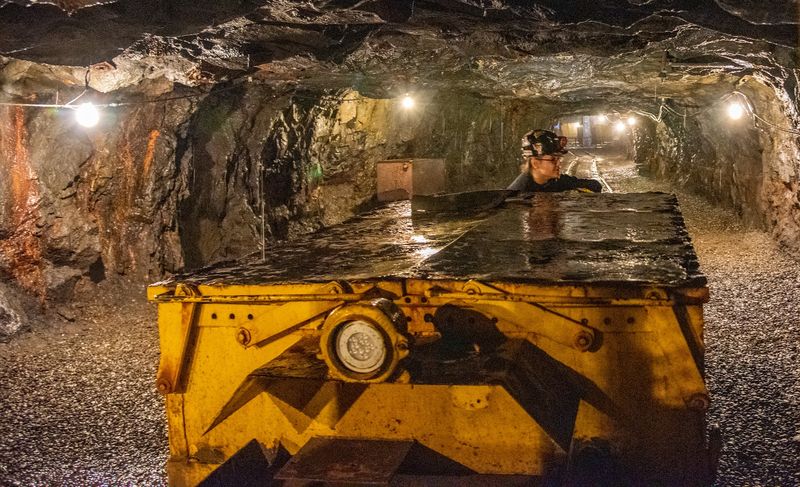
History books can describe coal mining in general terms, but the guides at No. 9 Coal Mine bring it to life in a way that feels personal and immediate. Many of them have deep local roots in the anthracite coal region, and some are descendants of miners themselves.
Their knowledge goes beyond facts and dates — they share stories, family memories, and the kind of lived cultural understanding that you simply cannot get from a textbook.
Expect to hear about the brutal working conditions miners faced: shifts that lasted ten hours or more, wages paid in company scrip that could only be spent at company stores, and a constant threat of injury or death from explosions, cave-ins, and gas pockets. Child labor was common well into the early 1900s, with young boys called breaker boys sorting coal for long hours in dangerous conditions above ground.
What makes these stories land so hard is the setting. You are not sitting in a comfortable auditorium — you are standing inside the actual tunnels where these events unfolded.
The guides understand that, and they use the environment masterfully to connect you to the people who worked here. By the end, miners stop feeling like historical abstractions and start feeling like real human beings whose lives deserve to be remembered.
Museum Exhibits Packed With Authentic Artifacts
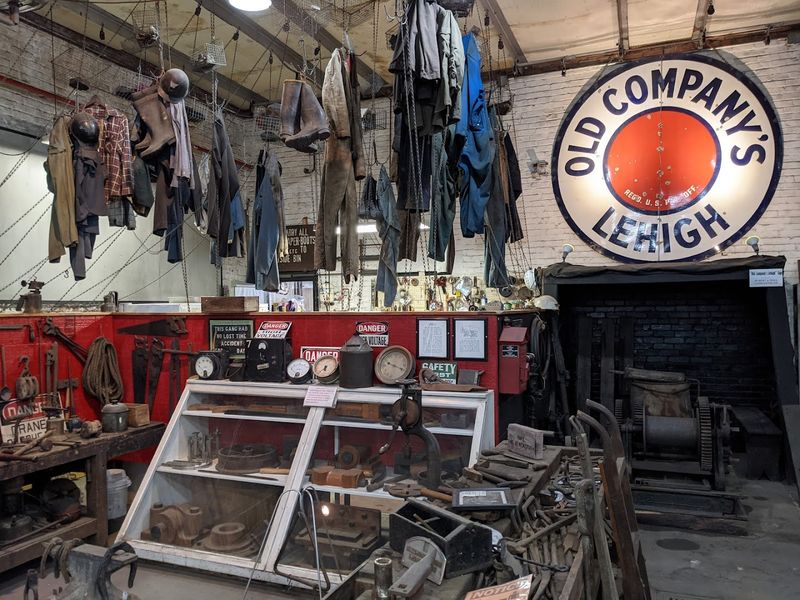
Above ground, the experience continues inside the historic Wash Shanty building, which now houses one of the largest collections of coal mining artifacts in the entire region. The museum is packed with authentic tools, equipment, and personal items that miners used during the height of the anthracite era — and the collection feels both curated and genuinely lived-in.
You will find hand drills, carbide lamps, explosive detonators, and ventilation equipment alongside more personal items like miners’ lunch pails, union cards, and family photographs. Each artifact tells a small story, and together they paint a detailed picture of what everyday life looked like for the thousands of men and boys who worked in these mountains over the course of a century.
The Wash Shanty itself is historically significant — it was where miners cleaned up after their shifts before heading home, scrubbing coal dust from their skin and changing out of work clothes. Repurposing the building as a museum adds an extra layer of meaning to every exhibit inside it.
Spending time here before or after the underground tour helps fill in the social and cultural context that makes the mine experience even richer. Plan on at least 30 to 45 minutes to do the museum justice.
A Fully Immersive, Sensory Experience
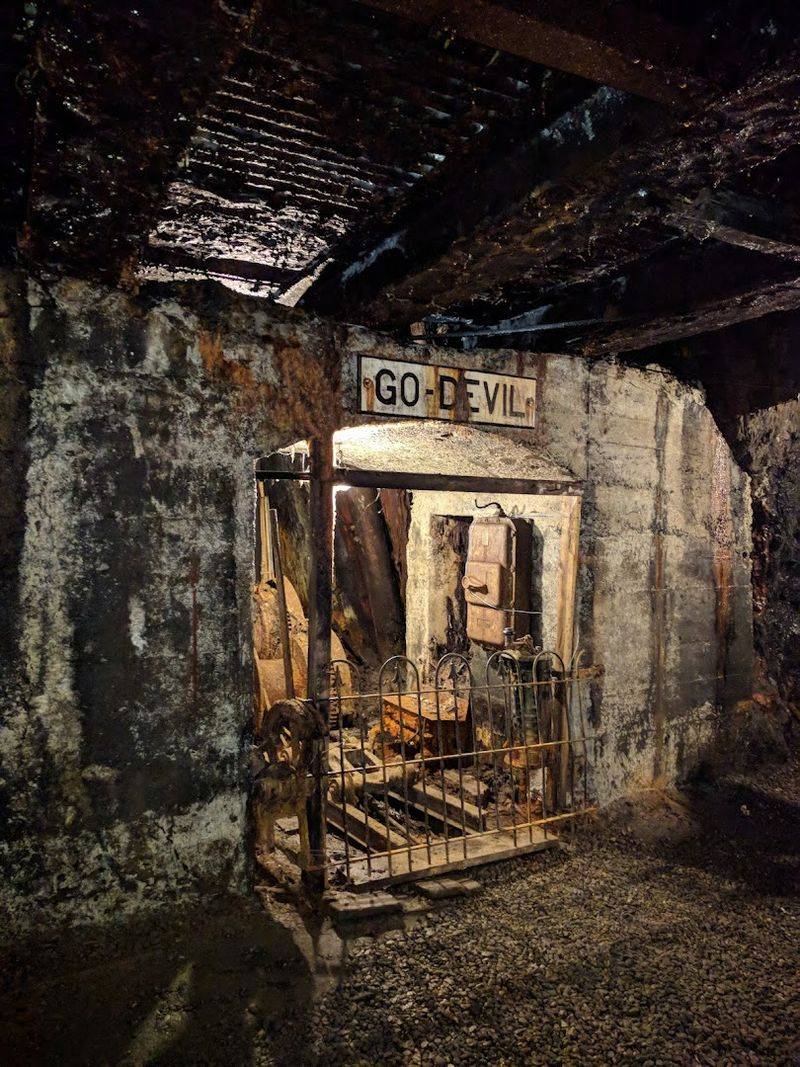
Some museum experiences feel safe and sanitized — clean floors, bright lights, climate control, and carefully worded labels on everything. No. 9 Coal Mine is the opposite of that in the best possible way.
The moment you step off the train underground, your senses tell you this is something different. The temperature hovers around 50 degrees Fahrenheit year-round, and the damp, earthy air carries a chill that no amount of summer heat can reach down here.
The lighting is deliberately dim, casting long shadows across rough stone walls. The ground is uneven gravel, and you have to watch your step throughout the walk.
There is a faint smell of mineral dampness that clings to your clothes long after you leave. None of this is manufactured atmosphere — it is simply how the mine has always been.
That rawness is exactly what makes the experience so powerful. You are not observing history from a comfortable distance.
You are physically inside it, feeling it in your joints and your lungs and the back of your neck. Visitors consistently describe this as the most realistic and affecting historical experience they have ever had — not because it tries hard to impress, but because it does not have to.
The mine speaks entirely for itself.
Visitor Info and Tips: What to Know Before You Go
Planning ahead makes a real difference at No. 9 Coal Mine. The site is located at 9 Dock Street in Lansford, Pennsylvania 18232, and you can reach them by phone at +1 570-645-7074.
Tours run from April through November and operate rain or shine, so there is no need to worry about weather canceling your plans. Mine tours typically depart hourly from 11 AM to 3 PM, so arriving early gives you the best shot at joining your preferred group.
Wear closed-toe shoes or sturdy boots — the underground paths are uneven gravel and flip-flops or sandals are genuinely not safe here. Bring a jacket or hoodie regardless of the season, because the mine stays around 50 degrees year-round and that coolness surprises a lot of visitors who arrive in summer clothes.
A light layer makes the underground walk much more comfortable and enjoyable.
Keep in mind that the tour involves walking and navigating uneven terrain, so it may not be ideal for visitors with significant mobility limitations. Groups can fill up, especially on weekends and during peak summer months, so arriving early is strongly recommended.
Combining your visit with a stop at nearby Jim Thorpe — a charming historic town about 15 minutes away — makes for a fantastic full-day trip through Pennsylvania coal country.