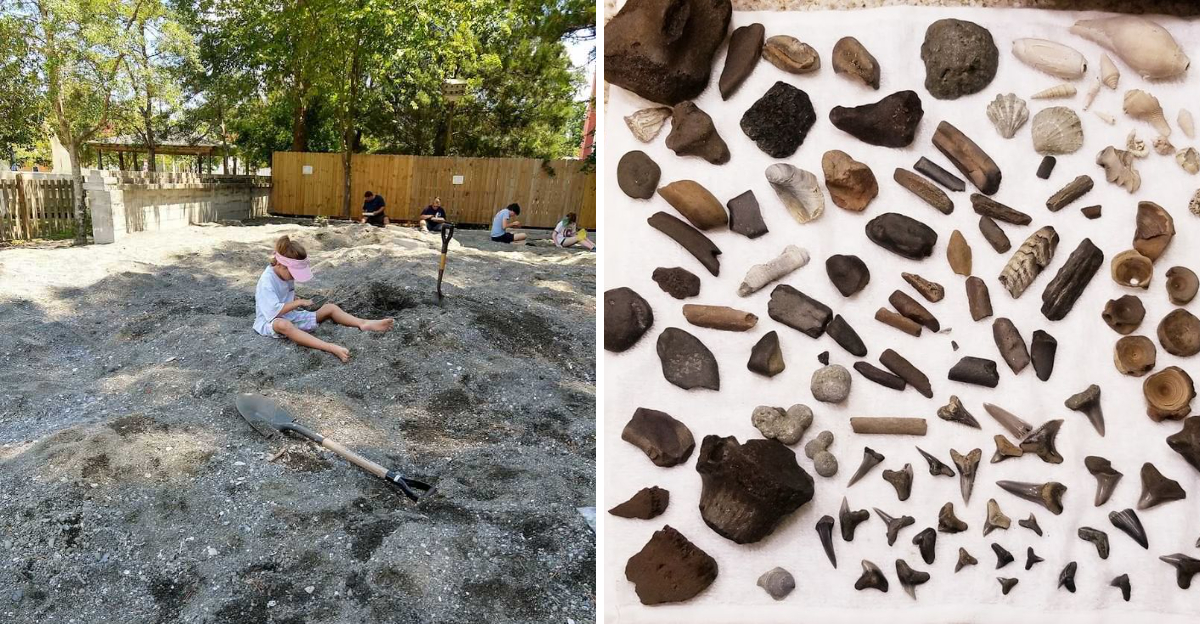
Tucked away in the small town of Aurora, North Carolina, the Aurora Fossil Museum is one of the most unique family destinations in the entire state.
Here, kids and adults alike can get their hands dirty searching through real fossil-rich sediment and walk away with actual prehistoric treasures they discovered themselves.
The museum sits in a region that was once covered by an ancient sea, making it one of the richest fossil-producing areas in North Carolina.
Whether you are a curious kid, a science lover, or just looking for a memorable road trip stop, this place delivers a one-of-a-kind experience that is both free and unforgettable.
A Small-Town Museum with a Big Prehistoric Story
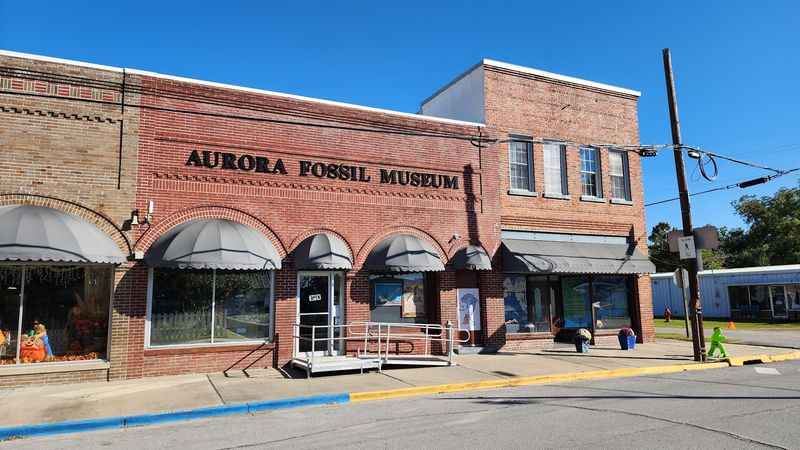
Some of the best surprises come in small packages, and the Aurora Fossil Museum is proof of that. Founded in the 1970s, this nonprofit has quietly become one of eastern North Carolina’s most treasured educational destinations.
It does not look like much from the outside, but step through the doors and you will quickly realize you have found something special.
The museum serves as a gateway to understanding the incredible fossil heritage of the Aurora region. For decades, it has collected, preserved, and displayed fossils unearthed from nearby phosphate mining operations.
Scientists and curious visitors have long recognized Aurora as one of the most important fossil localities in the entire state.
Local volunteers and staff pour real passion into keeping this place alive and educational. Their dedication shows in every exhibit, every label, and every conversation you will have with the people who work there.
For a small-town museum, the depth of knowledge and care on display here is genuinely impressive. Visiting feels less like a tourist stop and more like meeting a community that truly loves its prehistoric past.
Fossils from an Ancient Ocean
Millions of years ago, the land where Aurora now sits was not land at all. A warm, shallow sea stretched across this part of North Carolina, teeming with sharks, whales, rays, and countless marine creatures.
When those animals died, their bones and teeth sank into the seafloor and slowly became fossils over millions of years.
The museum’s collection focuses heavily on fossils from the Miocene and Pliocene epochs, spanning roughly 2.5 to 22 million years ago. That is a staggering amount of time, and the fossils on display make that deep history feel surprisingly real and tangible.
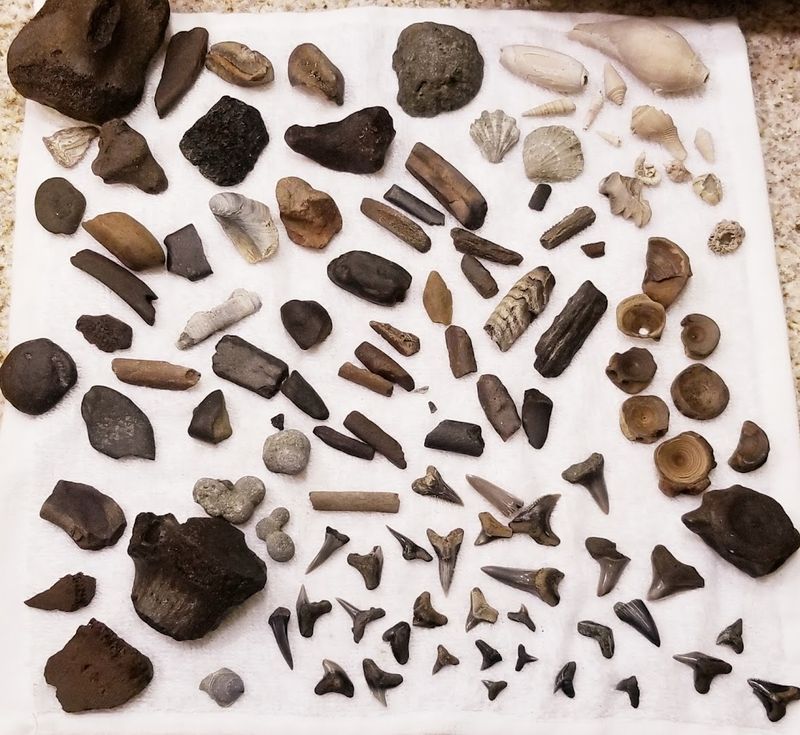
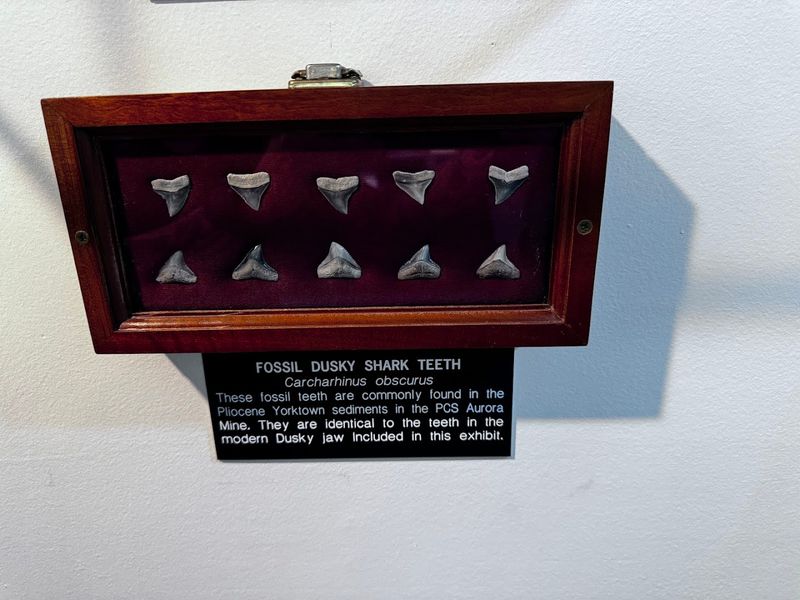
Shark teeth, shells, coral fragments, and whale bones all tell the story of a vanished underwater world.
What makes this collection stand out is how well it connects the fossils to the broader story of Earth’s changing climate and geography. Exhibit labels explain how sea levels rose and fell, reshaping the coastline over time.
Seeing a shark tooth pulled from North Carolina soil and knowing it swam in ancient waters right beneath your feet is the kind of moment that genuinely sticks with you long after the visit ends.
The Famous Pits of the Pungo
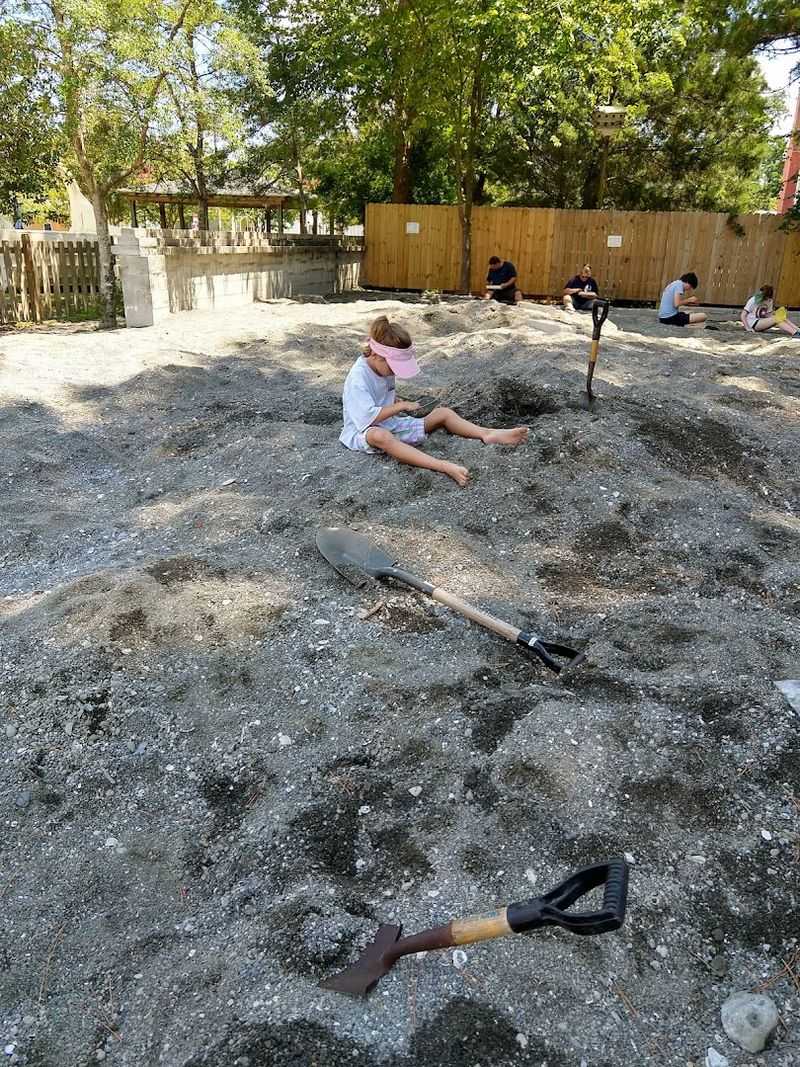
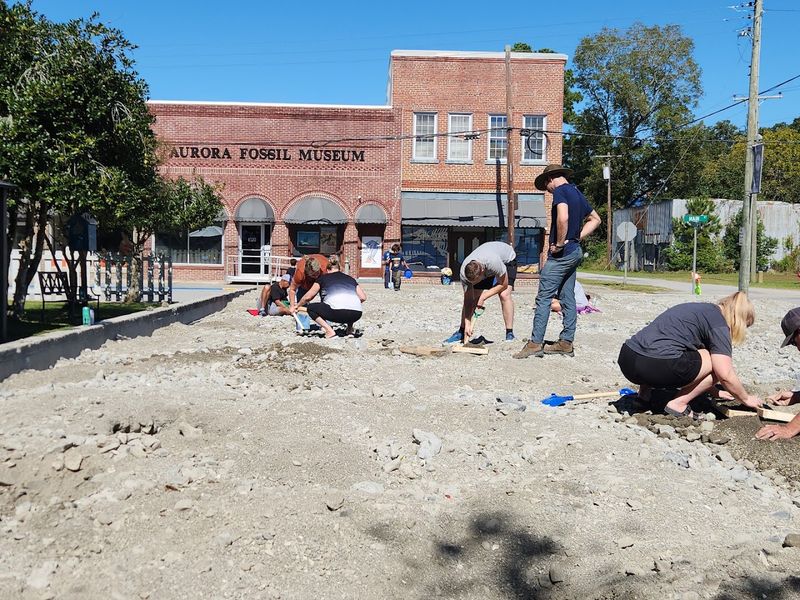
Cross the street from the museum and you will find one of the most exciting outdoor activities in North Carolina. The fossil pits, often nicknamed the Pits of the Pungo after the local Pungo River formation, are filled with material brought directly from a nearby phosphate mine.
Real fossils are scattered throughout, just waiting to be found by anyone patient enough to look.
Visitors sift through the sediment using their hands or small tools, scanning for the telltale gleam of a shark tooth or the shape of an ancient shell. The pits are open to the public during museum hours, and the thrill of actually finding something prehistoric never gets old.
Even adults who think they are just tagging along for the kids end up completely absorbed in the search.
The experience is wonderfully unscripted. You never know exactly what you will turn up, which keeps everyone engaged and excited from start to finish.
Families often spend an hour or more out there, comparing finds and cheering each other on. It is the kind of outdoor activity that feels both productive and playful, which is a rare combination worth celebrating.
Kids Can Dig and Keep What They Find
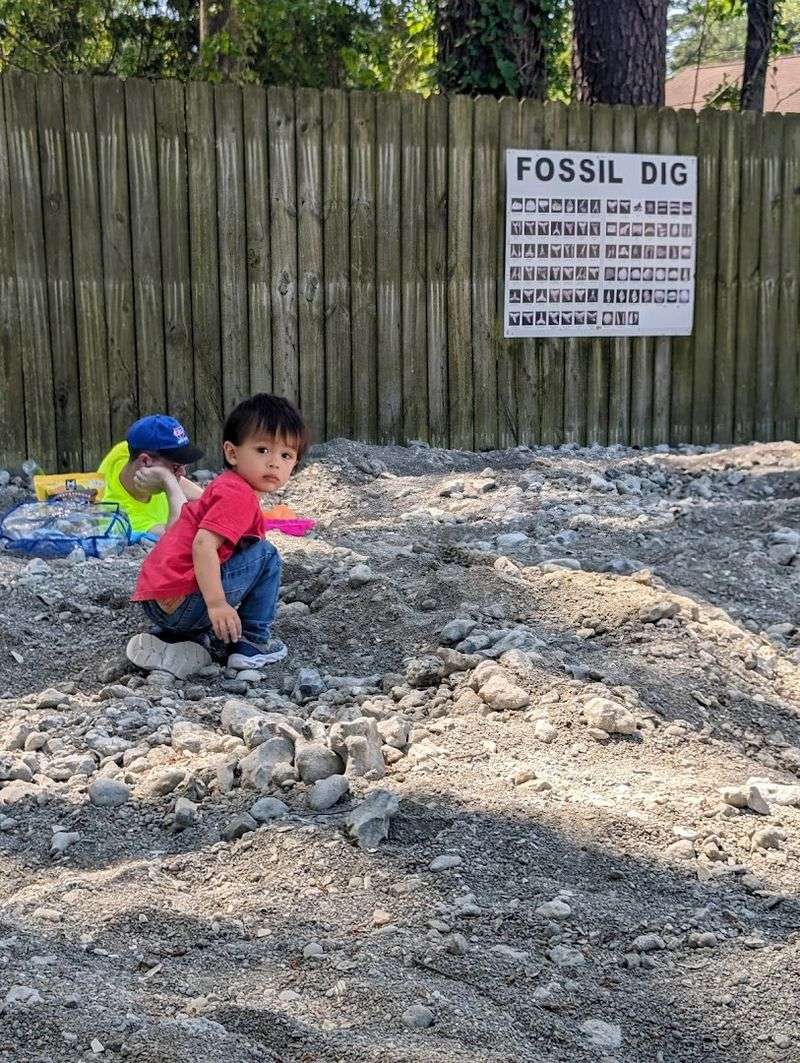
Here is something that sets Aurora apart from most fossil sites across the country: everything you find, you get to keep. No permits, no restrictions, no handing your discoveries over to a ranger at the end of the day.
Kids walk away as real fossil collectors, and that sense of ownership makes the whole experience feel genuinely meaningful.
For children especially, the act of finding something and being told it belongs to them creates a memory that lasts for years. Many kids who visit Aurora go home and start their own fossil collections, inspired by that first shark tooth they pulled from the dirt themselves.
Teachers and parents often report that the trip sparks a lasting curiosity about science, geology, and natural history.
The hands-on nature of the fossil pits also makes learning feel effortless. Kids are not sitting in a classroom being told about ancient oceans.
They are crouching in the dirt, feeling the weight of a real fossil in their palm, and making connections between what they see and what they have read. That kind of active, discovery-based learning sticks in a way that textbooks simply cannot replicate.
A Real-Life Megalodon Connection
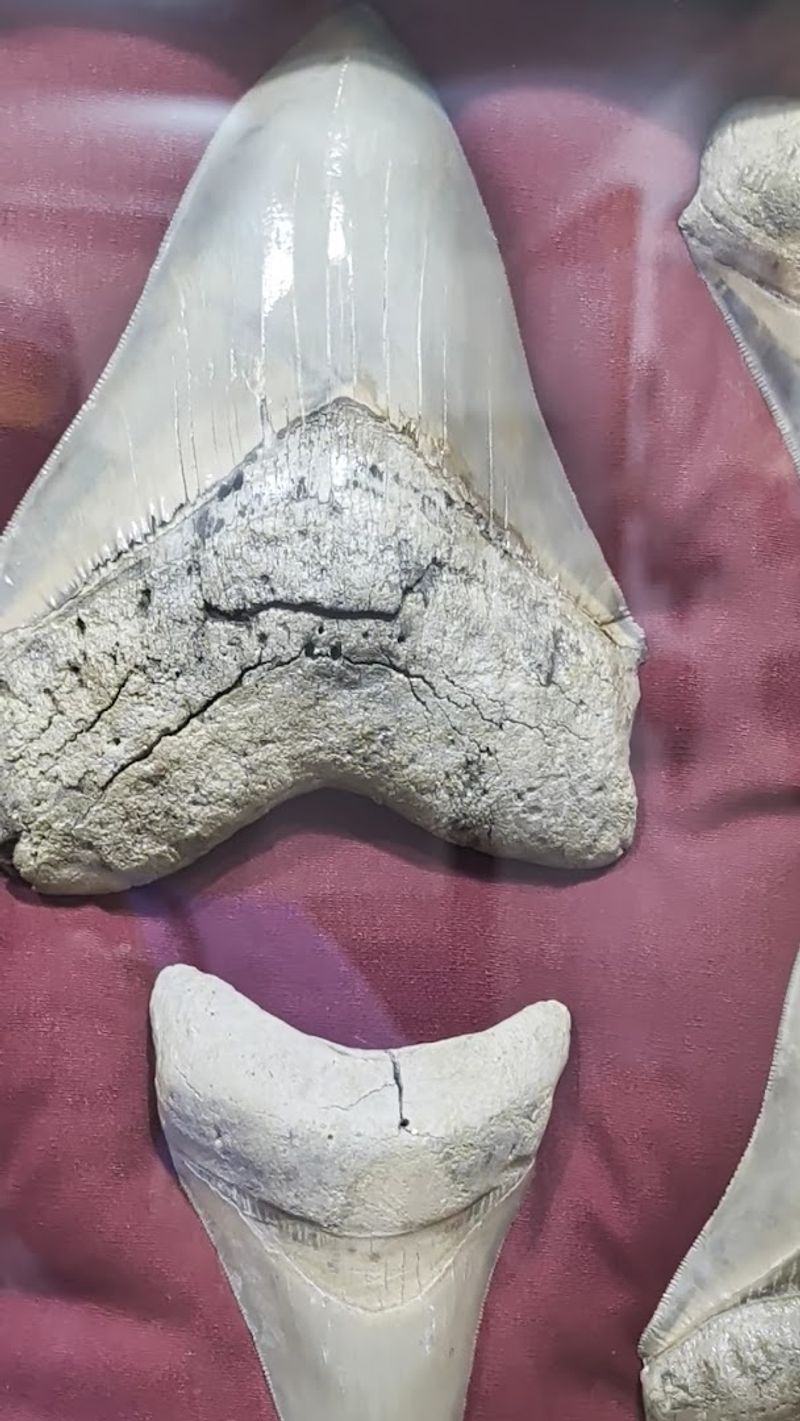
Few prehistoric creatures capture the imagination quite like C. megalodon, the colossal shark that once ruled the world’s oceans. Estimates suggest it grew to lengths of 50 feet or more, with teeth the size of a human hand.
And here is the thrilling part: Aurora is one of the best places in the entire United States to find megalodon teeth.
Visitors to the fossil pits regularly turn up megalodon teeth in various sizes and conditions. Some are small fragments worn smooth by time, while others are large, well-preserved specimens that stop everyone nearby in their tracks.
Museum staff can help you identify what you have found and explain what the tooth tells us about the animal it came from.
The megalodon connection gives Aurora a kind of celebrity status among fossil hunters. Enthusiasts travel from across the country specifically hoping to find one of these iconic teeth.
Even if you leave with just a small fragment, knowing you are holding part of one of history’s most powerful predators is genuinely spine-tingling. For kids who love dinosaurs and prehistoric animals, finding a megalodon tooth might just be the highlight of their entire childhood.
Fossils from a Working Phosphate Mine
The fossils that end up in the museum’s pits do not appear there by magic. They come from a massive, active phosphate mine operated by PCS Phosphate, located just outside of town.
As mining equipment cuts through layers of ancient seabed, it exposes fossils that have been buried for millions of years. Some of that material is donated to the museum, giving visitors access to genuinely excavated prehistoric specimens.
Phosphate mining and paleontology make for an unusual partnership, but in Aurora it works remarkably well. The mining company has supported the museum for decades, providing fossil-rich material that keeps the pits stocked and the collection growing.
It is a relationship that benefits science, education, and the local community all at once.
Understanding where the fossils come from adds a fascinating layer to the whole experience. You are not just digging through random dirt.
You are sifting through sediment that was laid down when ancient marine animals were alive and swimming overhead. The connection between modern industrial operations and deep prehistoric time is something you rarely get to experience so directly, and it makes Aurora’s story genuinely one of a kind.
Indoor Exhibits That Bring Prehistory to Life
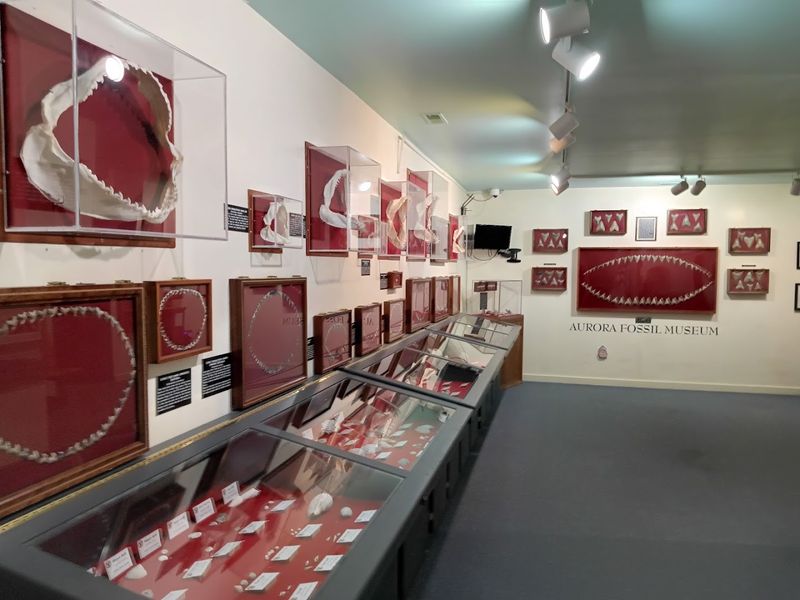
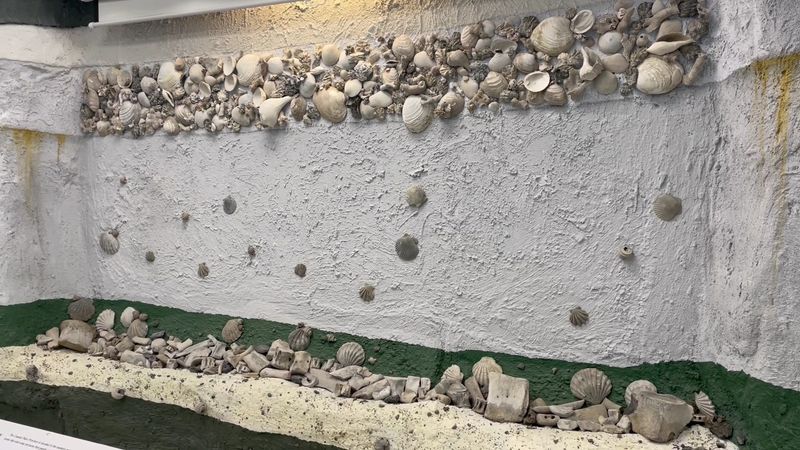
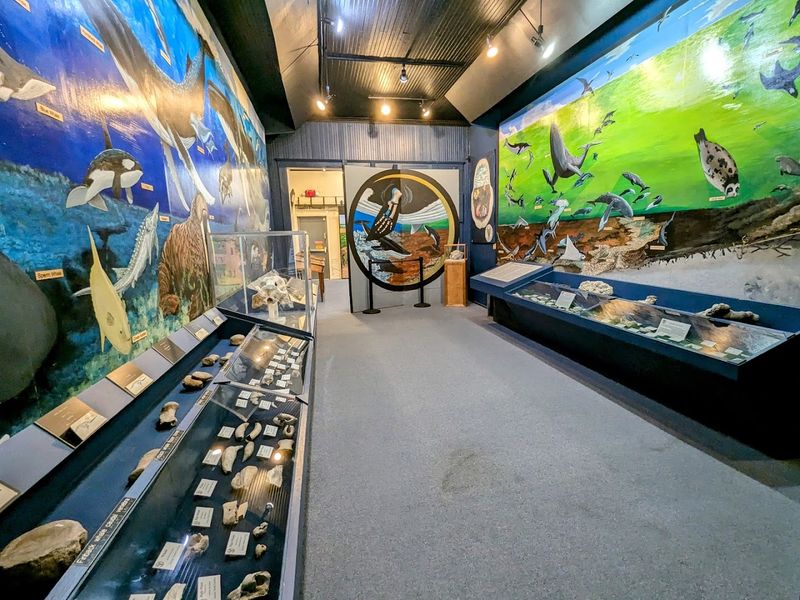
Before or after your time in the fossil pits, the indoor exhibits are absolutely worth a slow, unhurried walk-through. The museum’s collection includes whale bones, fossilized coral, ancient shell beds, and a wide variety of shark teeth ranging from tiny to jaw-dropping.
Each display is paired with clear, readable explanations that make the science accessible to visitors of all ages.
One of the highlights inside is the section dedicated to the region’s geological history. Panels explain how the land changed over millions of years, shifting from seafloor to coastal plain as sea levels dropped.
Seeing that transformation laid out visually helps visitors understand why fossils are so abundant in this otherwise quiet corner of North Carolina.
There is also attention given to the mining history of the area, which connects the prehistoric past to the economic present in an interesting way. The museum does a thoughtful job of weaving together science, local history, and community identity into a cohesive story.
Staff members are usually on hand and happy to answer questions, point out favorite specimens, or share stories about unusual finds that have come through the doors over the years.
A Fossil Festival That Draws Crowds
Once a year, Aurora transforms into a fossil lover’s paradise during its annual Fossil Festival. The event draws visitors from across the region and beyond, all gathered to celebrate the town’s remarkable prehistoric identity.
It is the kind of festival that feels genuinely rooted in local pride rather than manufactured tourism.
The festival typically features fossil auctions where rare and impressive specimens go to the highest bidder. Educational events, guided talks, and hands-on activities round out the schedule, making it a rich experience for both casual visitors and serious collectors.
Kids can participate in activities designed specifically for them, keeping younger attendees engaged throughout the day.
Local vendors, food stalls, and community organizations also show up in force, giving the event a warm, small-town energy that is hard to replicate anywhere else. For many families, the Fossil Festival has become an annual tradition, a reason to return to Aurora year after year.
If you are planning a trip and can time it around the festival, the added energy and programming make the visit even more worthwhile. Check the museum’s website or social media for dates and updated schedules before making travel plans.
A Rare Free Educational Experience
Admission to both the museum and the fossil pits is completely free. In a world where family outings can quickly add up to serious money, that simple fact makes Aurora an extraordinary destination.
You can spend hours learning, digging, and discovering without spending a single dollar on entry fees.
Free admission does not mean a lesser experience. The quality of the collection, the knowledgeable staff, and the genuine thrill of the fossil pits rival paid attractions many times over.
It is the kind of place that reminds you that the best educational experiences do not always come with a price tag attached.
For families on a budget, homeschoolers looking for real-world science lessons, or teachers planning field trips, Aurora checks every box. The combination of hands-on outdoor activity, indoor exhibits, and the freedom to keep what you find creates an educational value that is nearly impossible to match elsewhere.
Supporting the museum through donations or a visit to the gift shop helps keep this remarkable resource free and available for future generations of curious young fossil hunters who deserve the same unforgettable experience.
Visitor Info and Tips: What to Know Before You Go
Planning ahead will help you get the most out of your Aurora adventure. The museum is located at 400 Main St, Aurora, NC 27806, and can be reached by phone at +1 252-322-4238.
Hours vary by season, and the museum is typically closed on Mondays outside of summer months, so checking the schedule before you arrive is strongly recommended.
The fossil pits follow the same operating hours as the museum, so plan to check in at the front desk before heading outside. Bring small digging tools like a garden trowel or a mesh sifter to make your search more productive.
Size restrictions on tools do apply, so keep things modest and hand-friendly rather than hauling out heavy equipment.
Sunscreen is a must for the pits, as many digging areas are fully exposed with little shade. Comfortable, clothes-you-do-not-mind-getting-dirty are highly recommended.
Picnic tables are available on-site, making it easy to turn the visit into a relaxed full-day outing. The gift shop carries fossil-related souvenirs and books, and both donations and purchases go directly toward keeping this remarkable free attraction running for years to come.