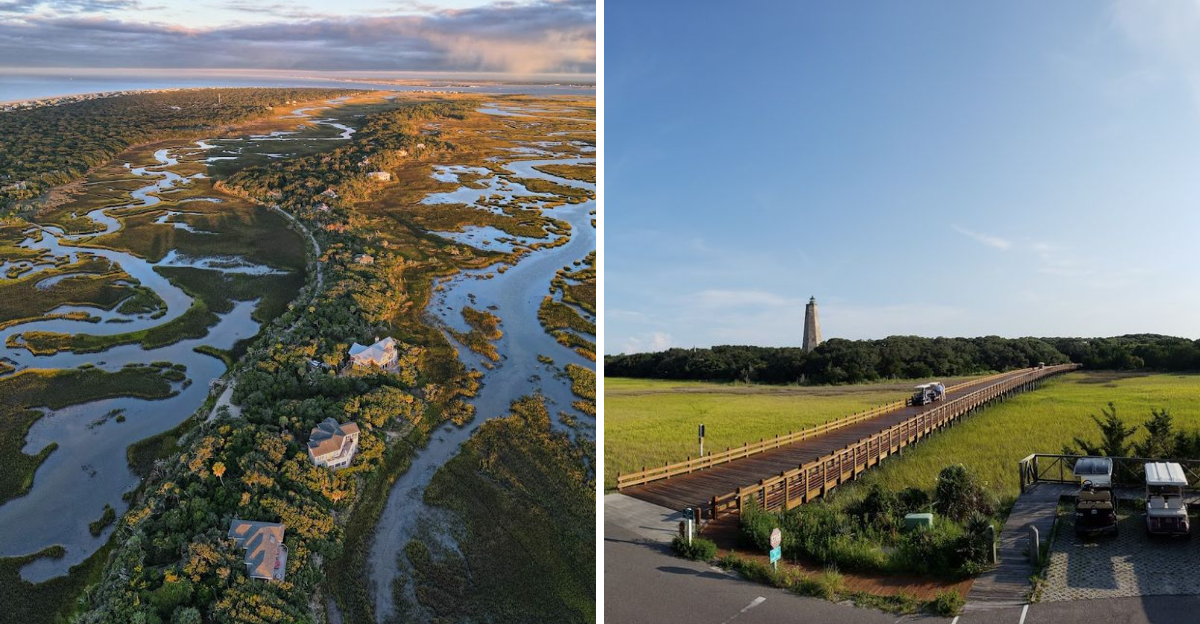
Tucked off the coast of North Carolina, Bald Head Island is unlike almost any other destination in the United States.
There are no cars, no traffic lights, and no rush — just bikes, golf carts, and miles of unspoiled shoreline.
Accessible only by ferry, this small island community offers a rare kind of escape that slows everything down and makes the mainland feel like a distant memory.
Whether you are planning a family vacation or a quiet solo retreat, Bald Head Island has a way of getting under your skin.
Where Bald Head Island Sits Off the Coast
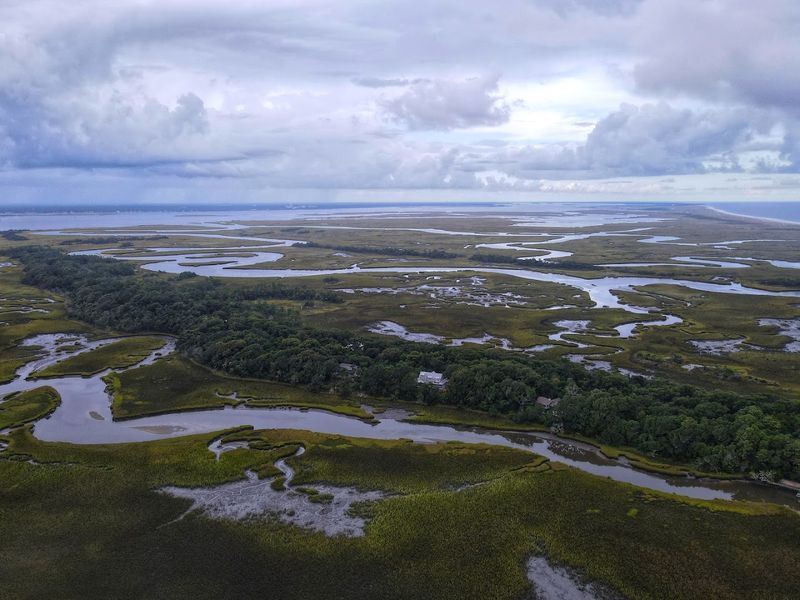
Perched at the southern tip of Smith Island, Bald Head Island sits at the mouth of the Cape Fear River in southeastern North Carolina. It is technically part of Brunswick County, yet it feels like it belongs to a completely different world.
The geography alone sets it apart from almost every other coastal town in the region.
The island stretches roughly 12,000 acres in total, though only a small portion is developed for residential and visitor use. The rest remains wild, shaped by ocean currents, tidal marshes, and centuries of coastal wind.
Looking out from the shoreline, you can see cargo ships navigating the Cape Fear River channel — a surprisingly dramatic backdrop for such a peaceful place.
Despite feeling remote, Bald Head Island is only about a mile offshore from Southport, a charming waterfront town with its own history and character. That short distance by water translates into a surprisingly complete separation from mainland life.
The ferry crossing may take just 20 minutes, but the moment the dock disappears behind you, the shift in atmosphere is immediate and unmistakable.
A Car-Free Island by Design
Bald Head Island made a bold choice early in its development: keep cars off the roads entirely. That decision has shaped everything about daily life here, from the pace of a morning errand to the sound of a summer afternoon.
Without engine noise and exhaust, the island feels genuinely clean and calm in a way that is hard to fully describe until you experience it yourself.
The car ban is not just a quirky rule — it is a deliberate philosophy. Developers and residents agreed that protecting the island’s natural character was worth more than the convenience of driving.
As a result, the roads are narrow, shaded, and almost always quiet. Kids ride bikes without a second thought.
Neighbors wave from golf carts. Nobody honks.
Visitors sometimes worry they will feel limited without a car, but most quickly discover the opposite. Moving slowly through the island’s maritime forest on a bicycle or electric cart actually helps you notice things — a heron standing in a marsh, a deer nibbling at the edge of a path, the smell of salt air drifting through the trees.
The car-free lifestyle here is not a restriction; it is genuinely one of the best parts.
Getting There Is Part of the Experience
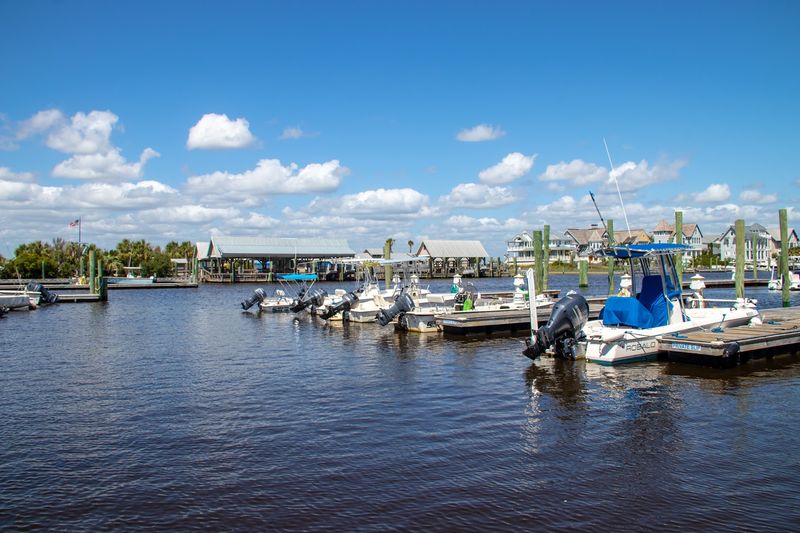
Before you ever set foot on Bald Head Island, the journey itself sends a clear message: slow down, you are entering a different kind of place. The only way to reach the island is aboard the Bald Head Island Ferry, which departs from the Indigo Plantation Marina in Southport.
There are no bridges, no causeways, and absolutely no driving across.
The ferry ride takes roughly 20 to 30 minutes depending on conditions, and it is genuinely enjoyable. Pelicans glide alongside the boat, the Southport waterfront fades into the distance, and the island’s forested profile gradually comes into focus.
Most passengers agree that by the time they step off the boat, they already feel noticeably more relaxed.
Planning ahead is important, since ferry schedules are fixed and you cannot simply hop on whenever you feel like it. Parking is available in Southport near the marina, and you will leave your car there for the entire trip.
That moment of surrendering your keys and boarding the boat is strangely liberating. It signals a full commitment to the island’s rhythm — and that commitment is exactly what makes the experience so memorable from start to finish.
Life on Bikes and Golf Carts
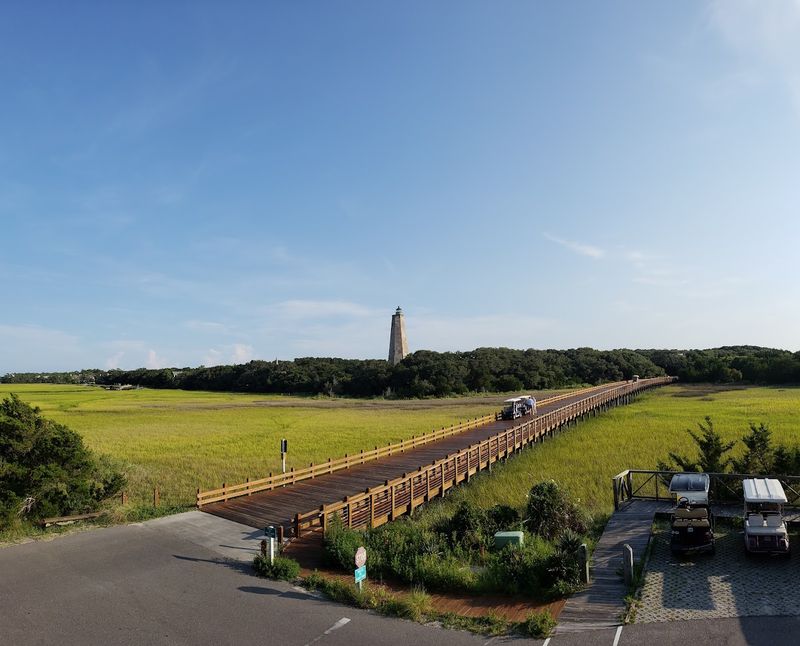
Ask any longtime visitor what they love most about Bald Head Island, and the golf cart usually comes up within the first few sentences. These quiet, electric vehicles are the island’s unofficial mascot, humming along tree-lined paths and sandy lanes at a pace that feels perfectly suited to island life.
Rentals are available near the ferry dock, and most vacation homes come equipped with one already.
Bicycles are equally popular, especially for shorter trips to the beach or a quick ride to the village shops. The island has a well-maintained network of paths that wind through maritime forests, past salt marshes, and along the edge of the shoreline.
Cycling here feels nothing like pedaling through a busy city — it is relaxed, scenic, and genuinely fun for all ages.
For those who prefer to walk, the island is surprisingly manageable on foot, especially if you are staying near the village center. Trails connect most parts of the island, and the flat terrain makes walking easy even for younger kids or older visitors.
Whether you are zipping across the island on a golf cart or cruising slowly on a cruiser bike, getting around Bald Head Island is an experience worth savoring on its own terms.
A Landscape That Feels Untouched
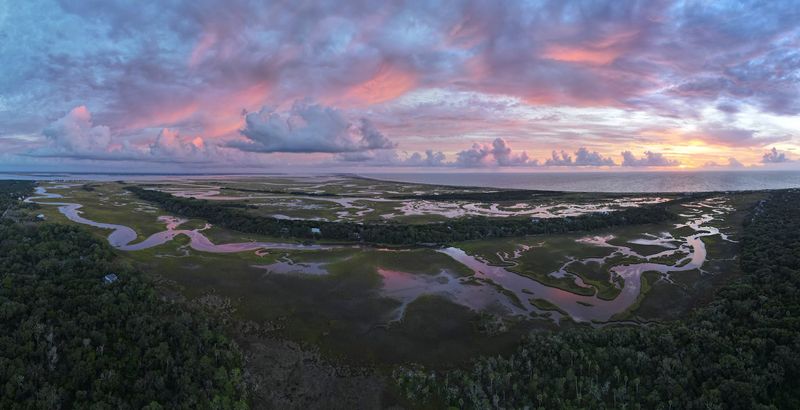
More than 10,000 acres of Bald Head Island are protected as conservation land, and that number tells you a lot about what kind of place this really is. The Bald Head Island Conservancy works to preserve the island’s dunes, salt marshes, maritime forests, and coastal wetlands — ecosystems that are increasingly rare along the developed East Coast.
Walking through these protected zones feels like stepping into a landscape that time forgot.
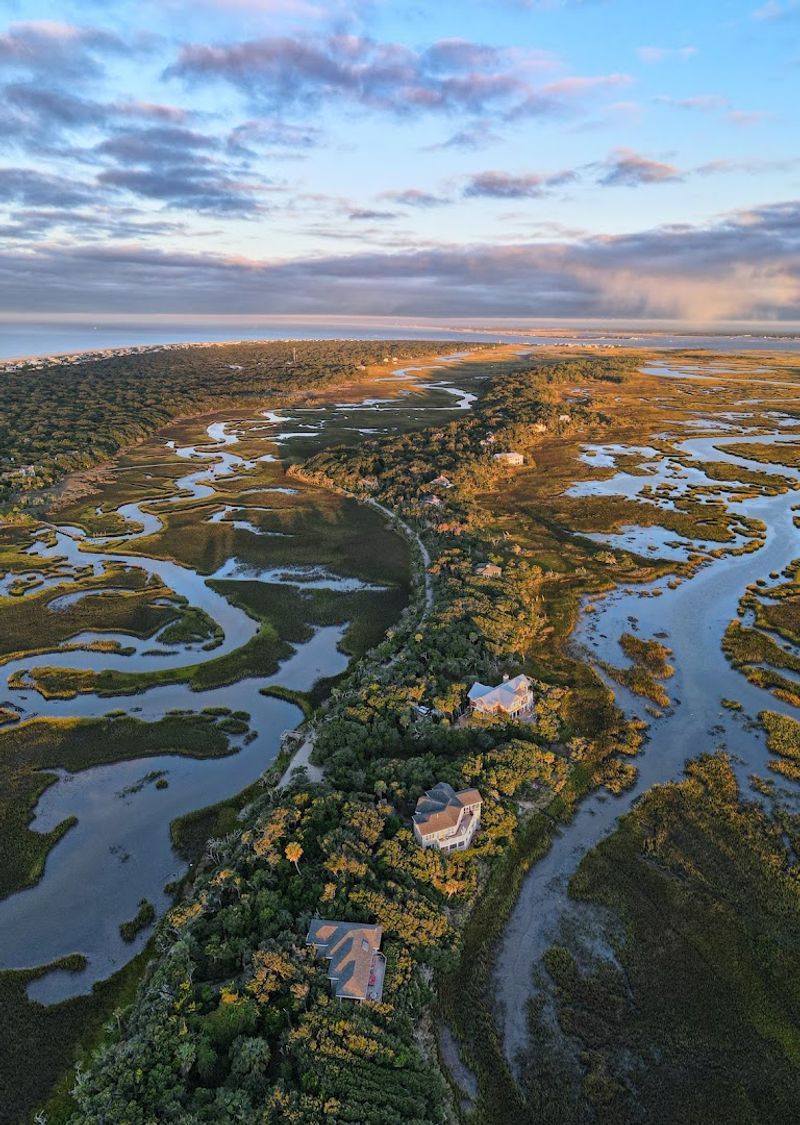
The maritime forest is especially striking. Ancient live oaks, draped in Spanish moss, arch over sandy trails and create a cathedral-like atmosphere that is both shady and serene.
Salt marshes shimmer with birdlife and tidal movement, and the dunes along the oceanfront shift subtly with every storm, reshaping the coastline in ways that remind you how alive and dynamic this environment truly is.
What makes Bald Head Island stand out from other beach destinations is not just what is there — it is what is not there. No strip malls.
No fast-food chains. No sprawling parking lots.
The absence of overdevelopment allows the natural landscape to dominate, giving the island a wild, breathing quality that feels increasingly rare and precious. Spending time here makes you realize how much we have lost elsewhere along the coast.
Beaches That Stretch for Miles
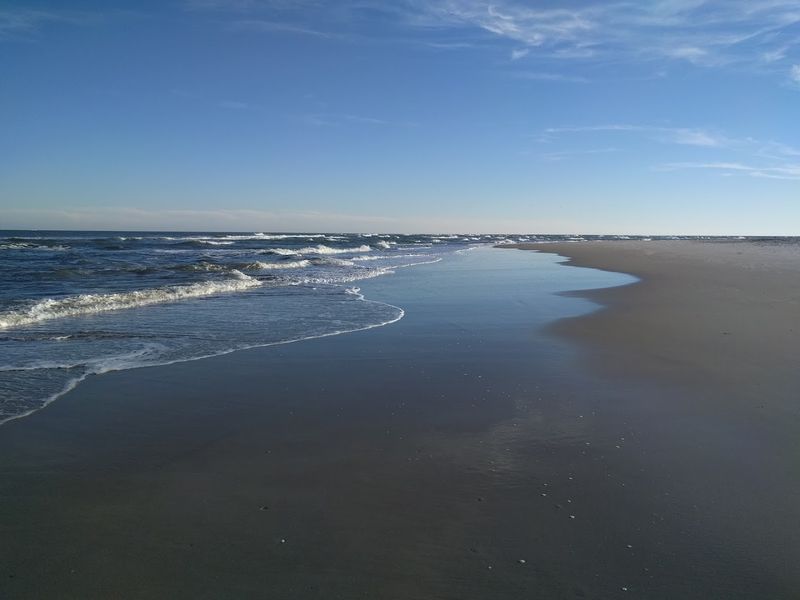
Roughly 14 miles of shoreline wrap around Bald Head Island, and the variety packed into those miles is genuinely impressive. The south-facing beaches tend to have calmer, more sheltered waters that are ideal for families with young children.
The east-facing stretches catch more swell and attract visitors who enjoy bodysurfing or just watching the waves roll in with some real energy behind them.
Shell collecting is practically a sport here. The beaches are known for an abundance of whelks, sand dollars, and other shells that wash ashore regularly, especially after a storm.
Early morning walks along the waterline often turn into extended treasure hunts, with kids and adults alike filling their pockets before breakfast. The low crowds compared to busier North Carolina beaches make the experience feel almost private at times.
Sunrise on the east-facing beach is a genuinely moving experience. The sky shifts through shades of pink, orange, and gold over the open Atlantic, and on most mornings you will share that view with only a handful of other early risers.
Sunset on the Cape Fear side offers an equally beautiful show, with warm light reflecting off the river and the distant lights of Southport beginning to flicker on across the water.
Wildlife Is Part of Everyday Life
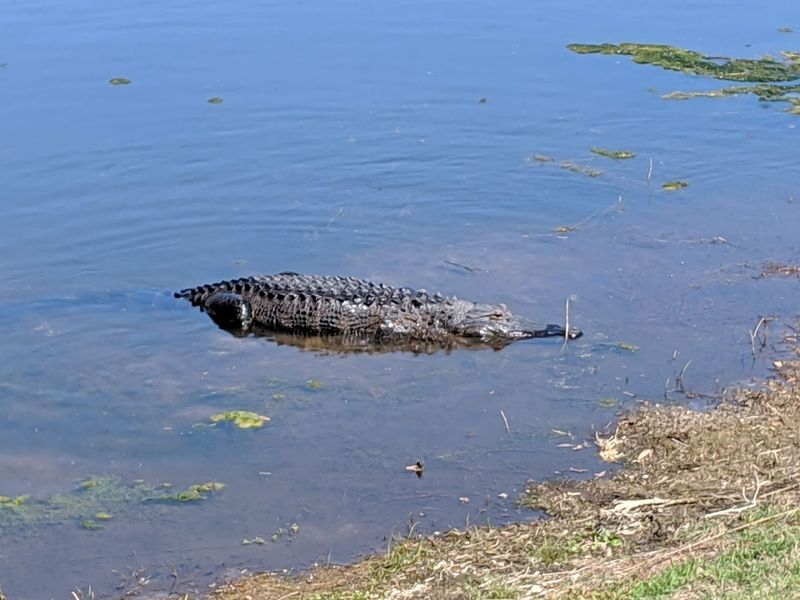
Bald Head Island has one of the most active loggerhead sea turtle nesting programs on the entire East Coast. Each summer, female loggerheads drag themselves up the beach at night to lay their eggs in the warm sand, and the Bald Head Island Conservancy works tirelessly to monitor and protect every nest.
Witnessing a turtle emergence — even from a respectful distance — is an experience that stays with visitors for years.
The island’s deer population is famously unbothered by humans. White-tailed deer wander through neighborhoods, graze near the maritime forest edges, and occasionally peek out from behind palmetto shrubs as golf carts roll past.
They have lived alongside island residents long enough to lose most of their wariness, which makes for surprisingly intimate wildlife encounters on an ordinary afternoon.
Birdwatchers find Bald Head Island particularly rewarding, thanks to its position along the Atlantic Flyway migration route. Ospreys, painted buntings, great blue herons, and brown pelicans are among the species spotted regularly throughout the year.
The island’s mix of beach, marsh, and forest habitats supports a remarkable diversity of bird species for such a small piece of land. Bringing binoculars is strongly encouraged — you will use them constantly.
Historic Landmarks Like Old Baldy
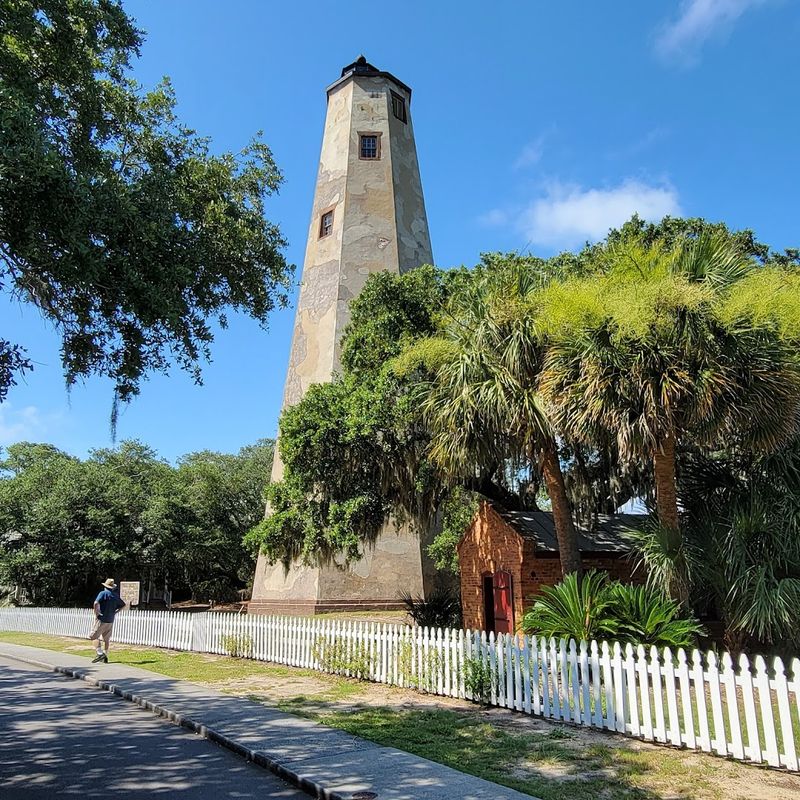
Standing since 1817, Old Baldy is the oldest lighthouse still standing in North Carolina — and one of the most historically significant structures on the entire Outer Banks coast. Built from locally fired brick and mortar, the octagonal tower rises about 90 feet above the island’s tree line.
It was constructed to guide ships navigating the treacherous shoals at the mouth of the Cape Fear River, a stretch of water that claimed countless vessels in the colonial era.
Climbing Old Baldy is an absolute must for first-time visitors. The interior staircase winds upward in a tight spiral, and the view from the top is genuinely breathtaking — sweeping panoramas of the Atlantic Ocean, the Cape Fear River, the island’s forested interior, and the distant Southport waterfront all visible at once.
On a clear day, the view stretches remarkably far in every direction.
The adjacent Smith Island Museum offers a rich look at the island’s maritime history, from shipwrecks and lighthouse keepers to the ecology and geology that shaped the land. Admission is affordable, and the staff are passionate about sharing the stories behind this remarkable place.
History enthusiasts will find themselves lingering far longer than they originally planned, which is honestly a very easy thing to do here.
A Slower, More Intentional Pace
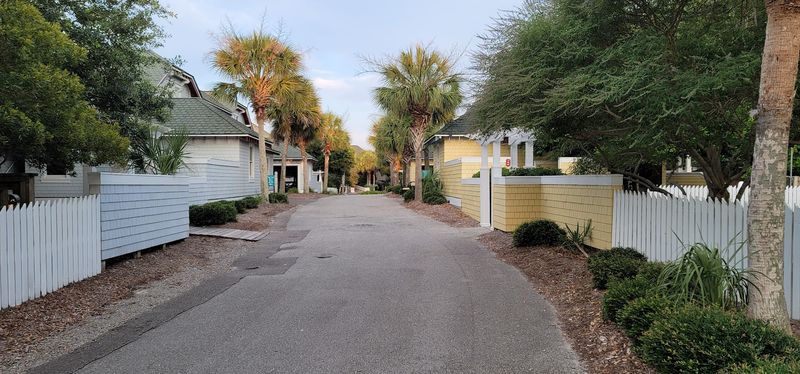
One of the first things people notice after a day or two on Bald Head Island is how differently time seems to move. Without the usual noise of traffic, shopping centers, or crowded tourist strips, the rhythm of the day naturally aligns with something simpler — tides coming in and going out, light shifting across the marsh, the sound of wind through the live oaks.
It is not a schedule you plan; it is one you fall into.
Outdoor activities here are unhurried by design. Kayakers paddle through the estuary at their own pace, stopping to watch herons or drift silently through a narrow tidal creek.
Beachcombers lose track of time entirely. Cyclists take the long route back just to stay in the shade a little longer.
Nobody is rushing anywhere, and that collective slowness becomes contagious in the best possible way.
Families who visit often comment that Bald Head Island reconnects them in ways that busier vacations rarely manage. Without screens competing for attention and without the noise of a typical resort, kids play outside longer, conversations stretch past dinner, and evenings end with stargazing rather than scrolling.
That intentional simplicity is not accidental — it is baked into the island’s very design and has been from the beginning.
Why It Feels a World Away
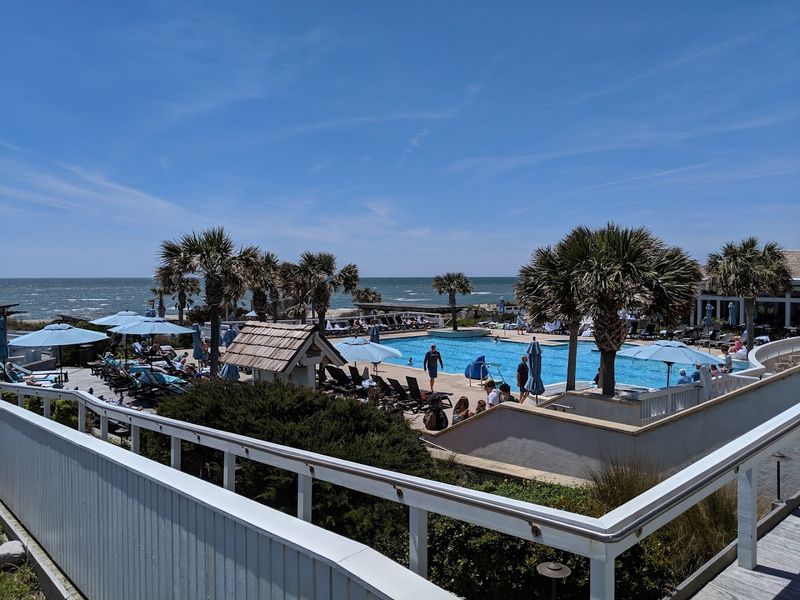
Some places feel different the moment you arrive, and Bald Head Island is one of them. The combination of ferry-only access, a strict no-car policy, protected natural land, and a year-round population of fewer than 200 people creates an atmosphere that is genuinely unlike anything else on the East Coast.
It is not just peaceful — it is structurally designed to stay that way.
The island’s tiny permanent community means that development pressure is minimal and the character of the place remains consistent year after year. Vacation rental homes are tucked into the forest rather than lined up along a commercial strip.
The village center has a handful of shops and restaurants, but nothing that overwhelms the natural setting. Even during the busiest summer weekends, the island never feels crowded in the way that most popular beach destinations do.
What visitors take home from Bald Head Island is often less about specific activities and more about a feeling — the particular quiet of a place where nature still runs the show. That feeling is increasingly rare in a world of constant connectivity and overdeveloped coastlines.
Bald Head Island protects something genuinely worth protecting, and spending even a few days there is enough to remind you what a beach town can be when it decides to do things differently.