Imagine a quiet stretch of Pennsylvania farmland suddenly exploding into a bustling city of 15,000 people — all within just a few months.
That is exactly what happened at Pithole City in 1865, when oil was discovered and the world came rushing in.
Just as fast as it grew, the town collapsed and nearly disappeared from the map entirely.
Pithole City is one of the most dramatic boom-and-bust stories in American history, and its ghost town remains tell a fascinating tale worth exploring.
The Quiet Farmland Before the Boom
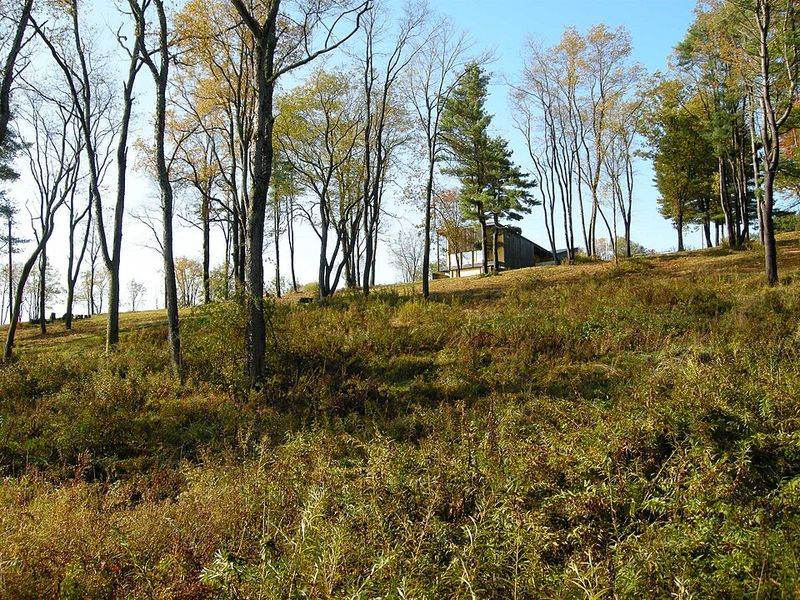
Long before the chaos of the oil rush, the land around Pithole Creek was about as ordinary as it gets. Farmers worked modest plots of land, forests stretched for miles, and the population was sparse enough that neighbors rarely crossed paths.
Nobody could have guessed that this sleepy corner of Venango County, Pennsylvania, would soon become one of the most talked-about places in the country.
The region had been settled gradually throughout the early 1800s, with agriculture driving most of the local economy. Crops, timber, and small-scale trade kept communities alive, but nobody was getting rich fast.
Life moved slowly, shaped by seasons and hard work rather than speculation and fortune-seeking.
What made this farmland so unremarkable is part of what makes its transformation so jaw-dropping. The soil beneath those quiet fields held a secret that would upend everything.
Within just a few years, the same land that grew crops would be covered in oil derricks, hotels, and thousands of strangers chasing dreams of wealth. The contrast between before and after Pithole is almost impossible to believe without seeing the historical record firsthand.
The Oil Strike That Changed Everything
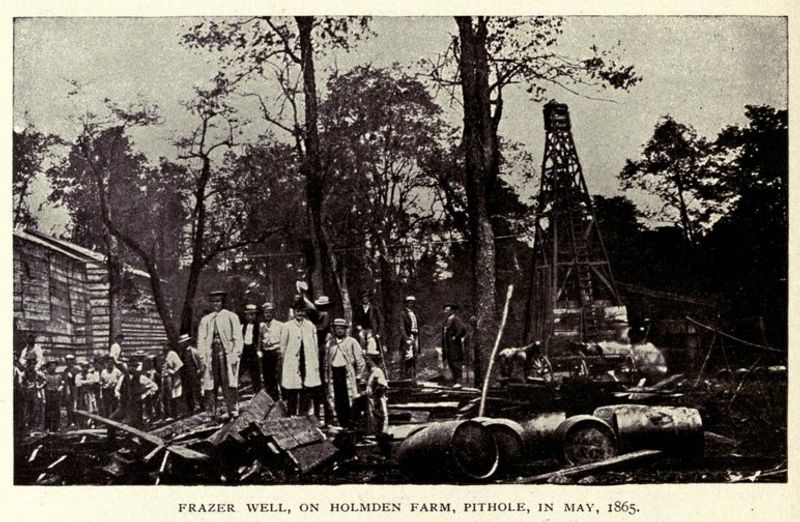
January 1865 started like any other winter month in rural Pennsylvania — cold, quiet, and unremarkable. Then oil gushers started flowing near Pithole Creek, and everything changed almost overnight.
Some wells were producing hundreds of barrels per day, numbers that stunned even experienced oil men who had already seen the early days of the Pennsylvania oil boom in Titusville just a few years prior.
Word spread with remarkable speed for the era. Newspapers carried the stories, speculators packed their bags, and workers from across the country began making their way to Venango County.
The promise of fast money was irresistible, drawing in everyone from seasoned drillers to total beginners with no experience and big ambitions.
The oil strike at Pithole was not just big — it was historic. At its peak, the wells around Pithole were producing roughly one-third of all the oil in the entire world.
That staggering statistic explains why so many people dropped everything and headed there. Few moments in American industrial history match the raw energy and excitement of those early weeks when the gushers first came roaring to life beneath that quiet Pennsylvania soil.
A City Built Almost Overnight
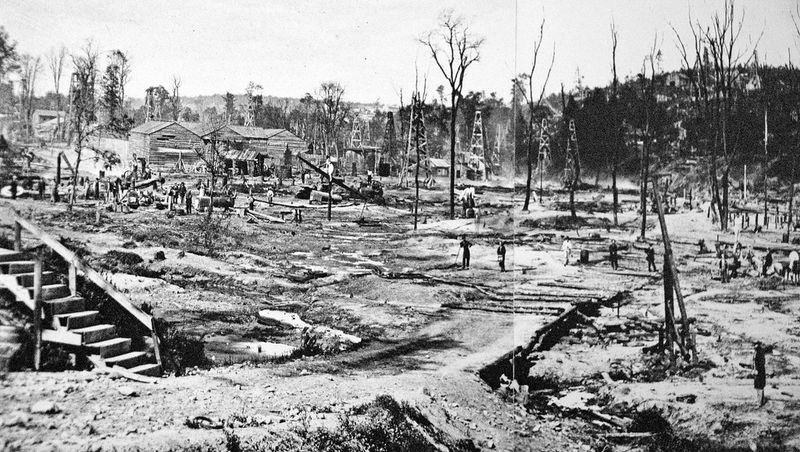
Picture a muddy field on Monday and a street lined with wooden storefronts by Friday. That is barely an exaggeration when describing how fast Pithole City was constructed.
Landowners wasted no time subdividing their property into lots and auctioning them off to the highest bidders. Buyers immediately hired crews to build, and the hammering never seemed to stop.
Streets were laid out with surprising speed, given that no formal city planning existed. Buildings went up so fast that quality was often sacrificed for speed.
Structures were thrown together with green lumber that warped and cracked almost immediately, but nobody cared much — everyone assumed they would make their fortune and move on before the boards rotted anyway.
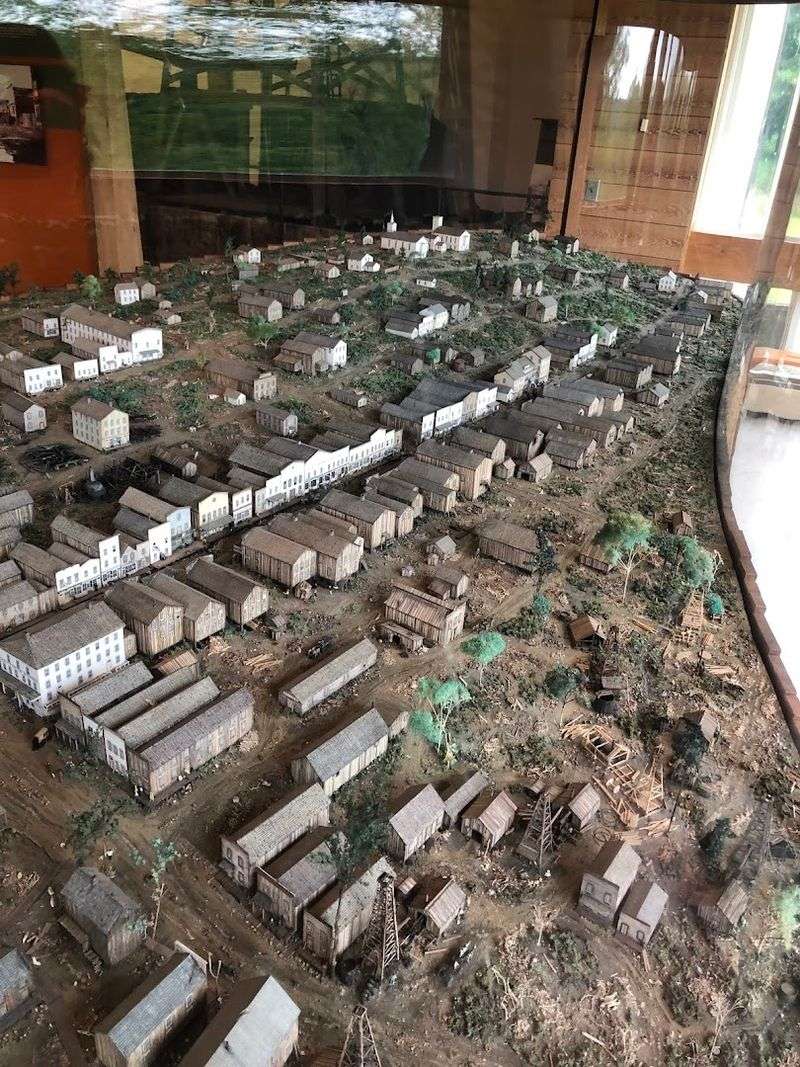
By the summer of 1865, Pithole had a proper street grid, named roads, and the kind of urban density you would expect in a city that had existed for decades. Hotels, saloons, supply stores, and boarding houses competed for every available lot.
The speed of construction was so remarkable that journalists from major newspapers made the trip just to document it. Pithole became living proof that American ambition, when fueled by profit, could build an entire city faster than almost anyone thought possible.
Population Explosion to 15,000+ Residents
By the fall of 1865, estimates placed Pithole’s population somewhere between 15,000 and 20,000 people — an almost unbelievable number for a town that had not existed just months before. For context, many established American cities at the time had smaller populations.
Pithole had leapfrogged decades of normal urban growth in a single season.
The people who arrived were a wildly mixed crowd. Experienced oil drillers from Titusville and Oil City came looking for new opportunities.
Entrepreneurs saw a captive market and rushed in to sell food, tools, clothing, and entertainment. Gamblers, con artists, and opportunists of every kind mixed freely with honest workers and hopeful families trying to build a new life.
Housing could not keep up with demand, which meant prices soared and conditions were often rough. Men slept in shifts in overcrowded boarding houses, and tents filled the gaps between wooden structures.
Despite the chaos, the sheer energy of the place was electric. Visitors described walking through Pithole as being surrounded by constant noise, motion, and ambition.
Few American towns have ever grown so fast, and that record pace of population growth remains one of the most striking facts in the entire Pithole story.
A Fully Functioning (and Wild) Boomtown
At its absolute peak, Pithole was not just a collection of shacks and oil derricks — it was a real city with real amenities. The town boasted dozens of hotels, several churches, a legitimate theater, and a post office that was reportedly one of the busiest in the entire state of Pennsylvania.
That last detail alone speaks volumes about just how many people called Pithole home, even briefly.
Of course, not everything was wholesome. Saloons operated around the clock, gambling dens attracted men looking to double their earnings overnight, and a well-known red-light district thrived on the edges of town.
Law enforcement struggled to keep up, and violence was not uncommon. Pithole had the classic boomtown personality — exciting, dangerous, and impossible to ignore.
What is remarkable is how quickly civic institutions formed alongside the chaos. Churches organized almost immediately, community leaders tried to establish order, and businesses that catered to families competed with those that catered to vices.
Pithole managed to be both a proper town and a wild frontier settlement at the same time. That contradiction is part of what makes its story so compelling and so uniquely American.
Few places have ever embodied both extremes quite so vividly or so briefly.
Innovation Born from Chaos
Necessity truly is the mother of invention, and nowhere was that more obvious than in Pithole during its brief, chaotic heyday. The sheer volume of oil being pulled from the ground created an immediate logistics nightmare.
Moving crude oil by horse-drawn wagon over muddy roads was slow, expensive, and often disastrous — wagons tipped, barrels leaked, and teamsters charged outrageous prices because they knew producers had no other choice.
The solution came in the form of one of America’s earliest successful oil pipelines. Samuel Van Syckel completed a functional pipeline from Pithole to a nearby railroad junction in 1865, and the impact was immediate and dramatic.
Oil could now move faster, cheaper, and more reliably than any wagon could manage. The teamsters who had profited from hauling oil were furious — some reportedly tried to sabotage the pipeline — but the future had already arrived.
This innovation did not stay local for long. The pipeline concept spread rapidly through the entire oil industry and became the backbone of petroleum infrastructure worldwide.
Pithole, despite its short life, helped shape how oil is transported to this very day. That legacy is easy to overlook when focusing on the ghost town angle, but it deserves serious recognition as a genuine turning point in industrial history.
The Fragile Economy Behind the Boom
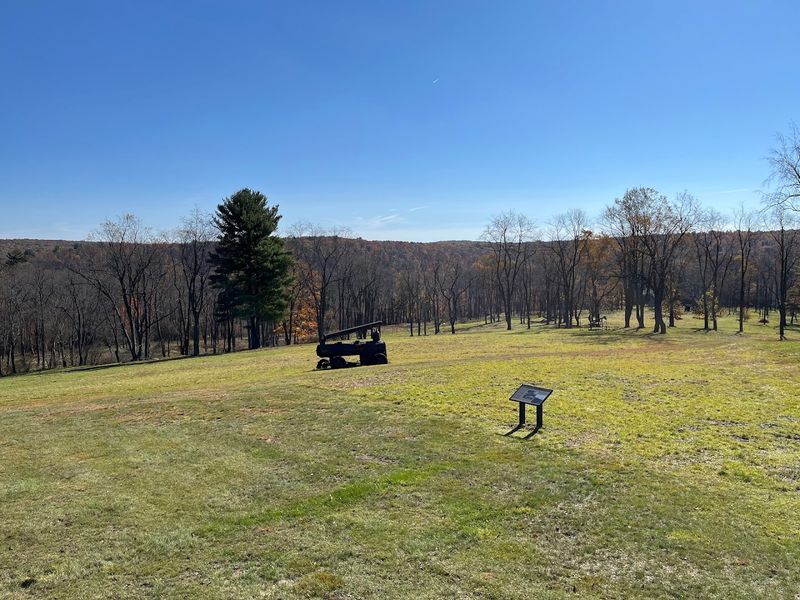
Scratch the surface of Pithole’s explosive growth and you find an economy built on extremely shaky ground. Everything — every hotel, every store, every boarding house and saloon — depended entirely on oil production staying strong and oil prices staying high.
There was no backup plan, no diversified economy, and no safety net of any kind. When oil flowed, money flowed.
When it stopped, everything stopped.
Overproduction was a serious problem almost from the start. So many wells were drilled so quickly that the market became flooded with crude oil, causing prices to crash.
What had once sold for several dollars per barrel dropped to just cents in a matter of months. Speculators who had borrowed heavily to buy land and equipment suddenly found themselves unable to cover their debts.
The boom-and-bust pattern that Pithole experienced was not unique to this one town — it played out across the early oil regions of Pennsylvania and foreshadowed similar collapses in oil towns across American history. But Pithole felt it faster and harder than almost anywhere else, because the rise had been so steep and the economy so one-dimensional.
Understanding this fragility helps explain why the collapse, when it came, was so swift and so total. The foundation was never as solid as the busy streets suggested.
Fires, Financial Panic, and Decline
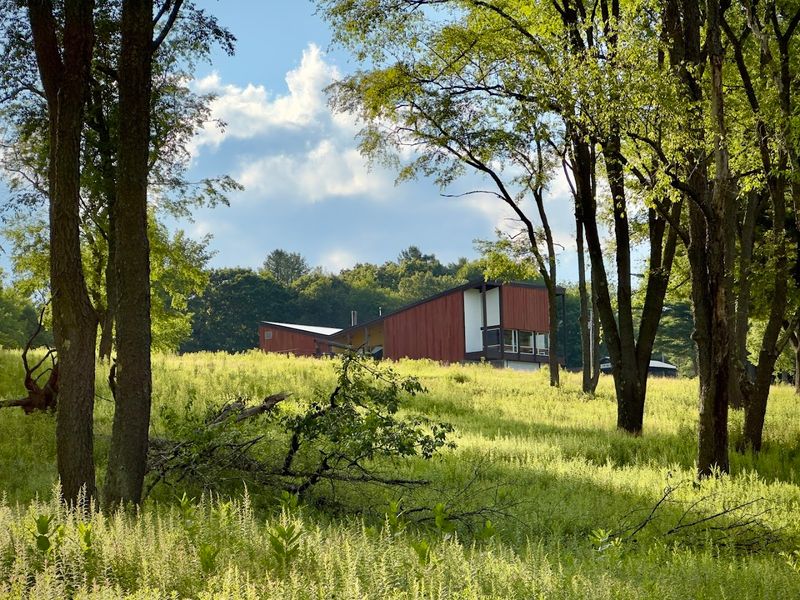
If the collapsing oil prices were not enough to doom Pithole, a series of catastrophic fires finished the job. Because buildings had been thrown up so quickly and with such flammable materials, fires spread with terrifying speed.
Oil-soaked ground and overcrowded wooden structures made every blaze a potential catastrophe, and Pithole suffered multiple devastating fires that destroyed large portions of the town.
Each fire took more than just buildings — it took confidence. Investors who might have considered rebuilding looked at the combination of falling oil prices, overproduction, and constant fire risk and decided their money was better spent elsewhere.
The financial panic of 1866 rippled through the entire region, making credit scarce and killing off whatever optimism had survived the earlier setbacks.
Residents began leaving in waves. First the speculators and investors fled, then the merchants who depended on their business, and finally the workers who had no customers left to serve.
The population that had surged to 15,000 or more shrank back toward a few thousand and then kept dropping. The decline was not a slow fade — it was a near-freefall.
Within roughly a year of its peak, Pithole had transformed from one of Pennsylvania’s most talked-about cities into a cautionary tale about the dangers of building everything on a single, unstable resource.
Abandonment and Complete Disappearance
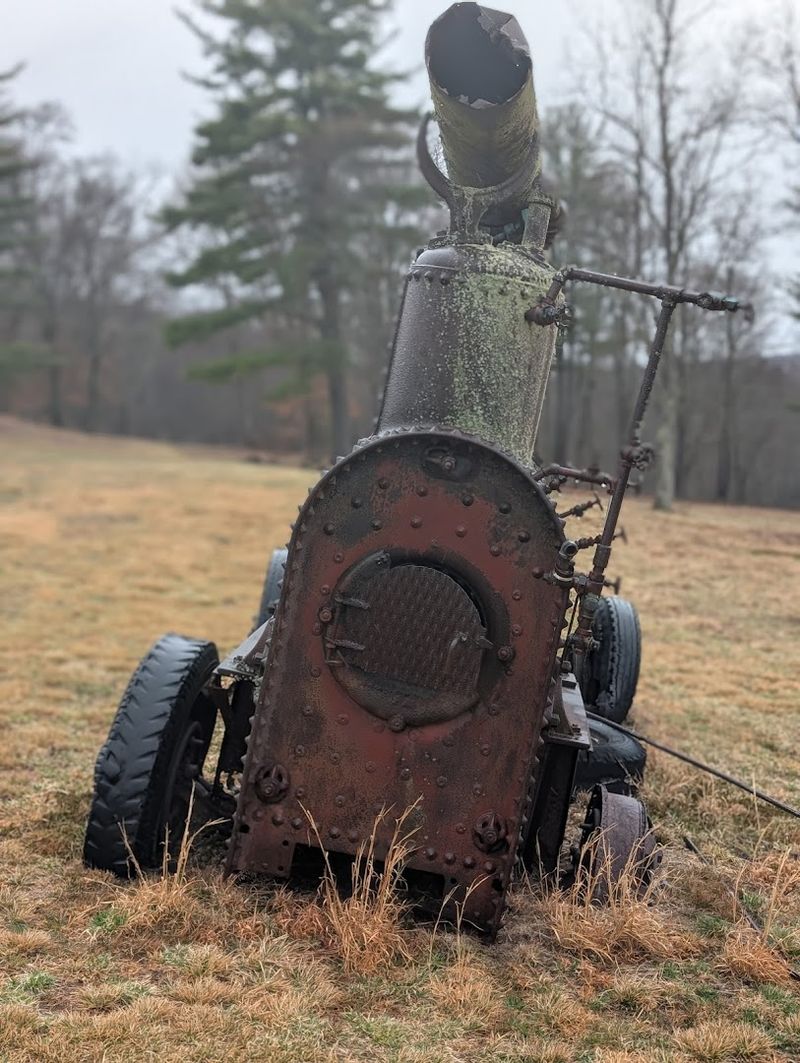
By the late 1860s, Pithole was not just struggling — it was essentially finished. The oil wells that had once produced a staggering share of the world’s crude had mostly dried up or been abandoned.
Without oil, there was simply no reason for anyone to stay. Buildings that had cost fortunes to construct just a few years earlier were sold for pennies, dismantled, and carted off to be used elsewhere.
Some structures were moved whole to neighboring towns that were still active. Others were simply left to rot, their green lumber warping and collapsing under the weight of Pennsylvania winters.
Streets that had once been packed with thousands of people grew quiet, then overgrown. The post office closed.
The hotels emptied. The theater went dark.
Pithole was officially unincorporated, erased from the official record as a functioning municipality. The land reverted to something resembling its pre-boom state, though the scars of drilling and construction lingered for years.
Visiting the site in the 1870s reportedly felt eerie — outlines of streets, scattered debris, and the occasional crumbling wall were all that remained of a city that had once buzzed with tens of thousands of lives. Few American settlements have ever vanished so completely or so quickly from the physical landscape.
What Remains Today at the Historic Site
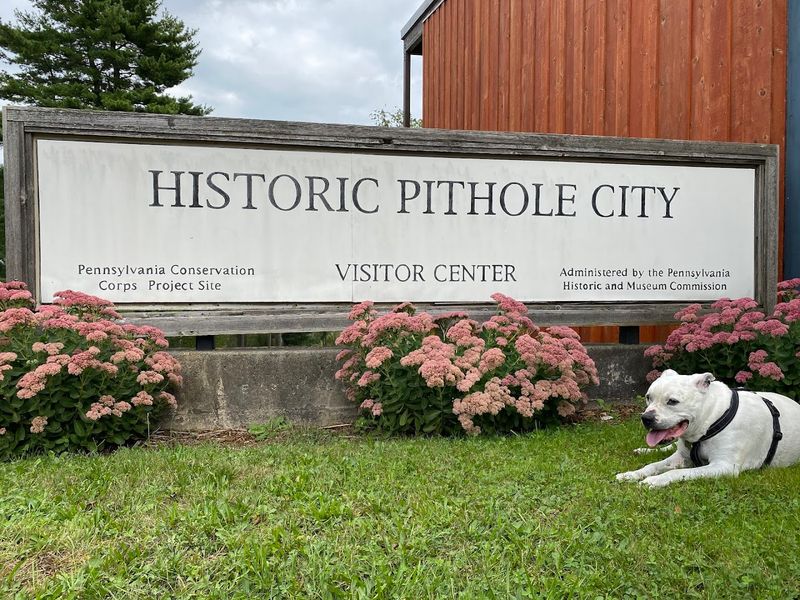
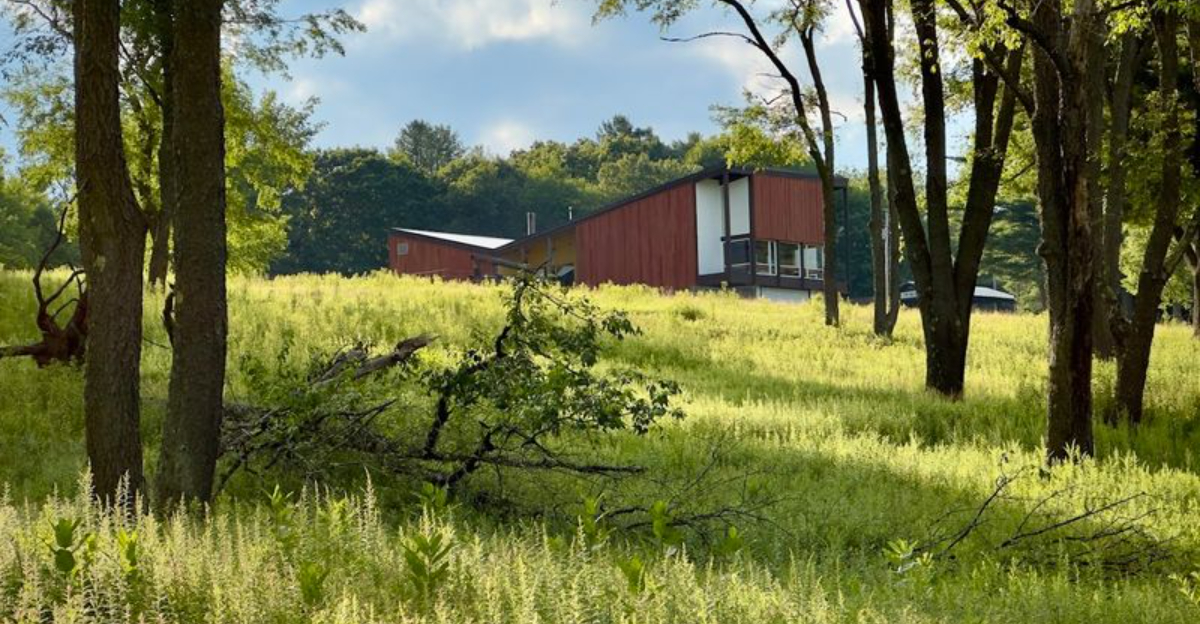
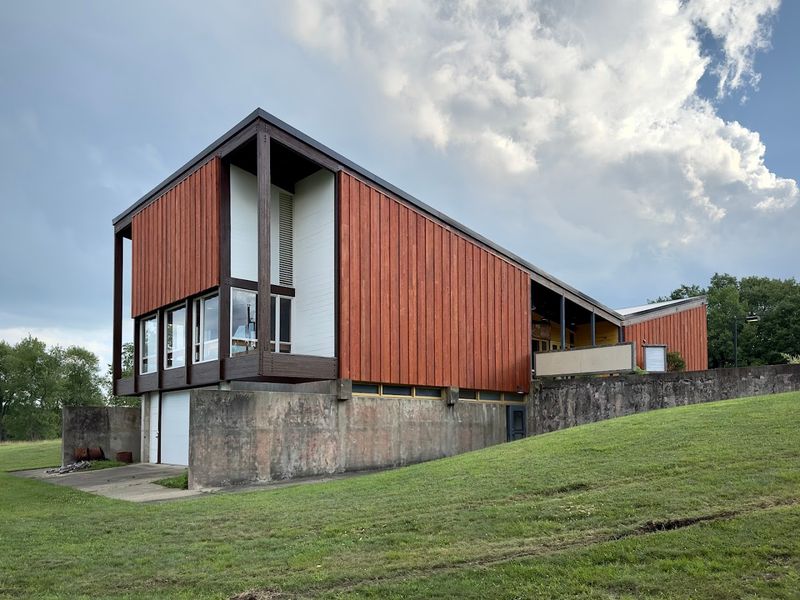
Standing at the Pithole City Historic Site today, it takes real imagination to picture what once stood here. The Pennsylvania Historical and Museum Commission manages the property, and they have done thoughtful work making the site accessible and educational.
Mowed outlines trace where the streets and buildings once stood, giving visitors a surprisingly vivid sense of the town’s original layout without any structures remaining.
Interpretive signs are placed throughout the grounds, sharing stories about specific buildings and the people who lived and worked in them. The visitor center offers exhibits, historical photographs, and artifacts that help bring the boom-and-bust story to life for guests of all ages.
It is the kind of place where kids and adults alike find themselves genuinely surprised by what they are learning.
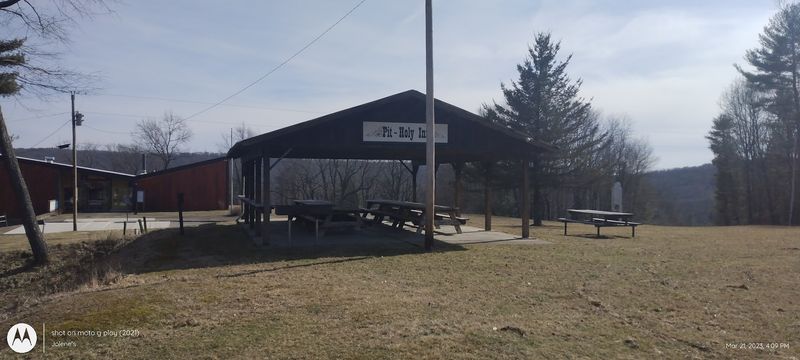
The site is open seasonally and draws history enthusiasts, school groups, and curious travelers who stumble upon one of Pennsylvania’s most underrated historic destinations. Admission is affordable, the grounds are peaceful, and the experience of walking those ghostly street outlines leaves a lasting impression.
Pithole City is proof that even total disappearance cannot erase a story worth telling. If anything, the emptiness of the site makes the story hit harder — all that ambition, energy, and chaos reduced to quiet fields and interpretive signs.