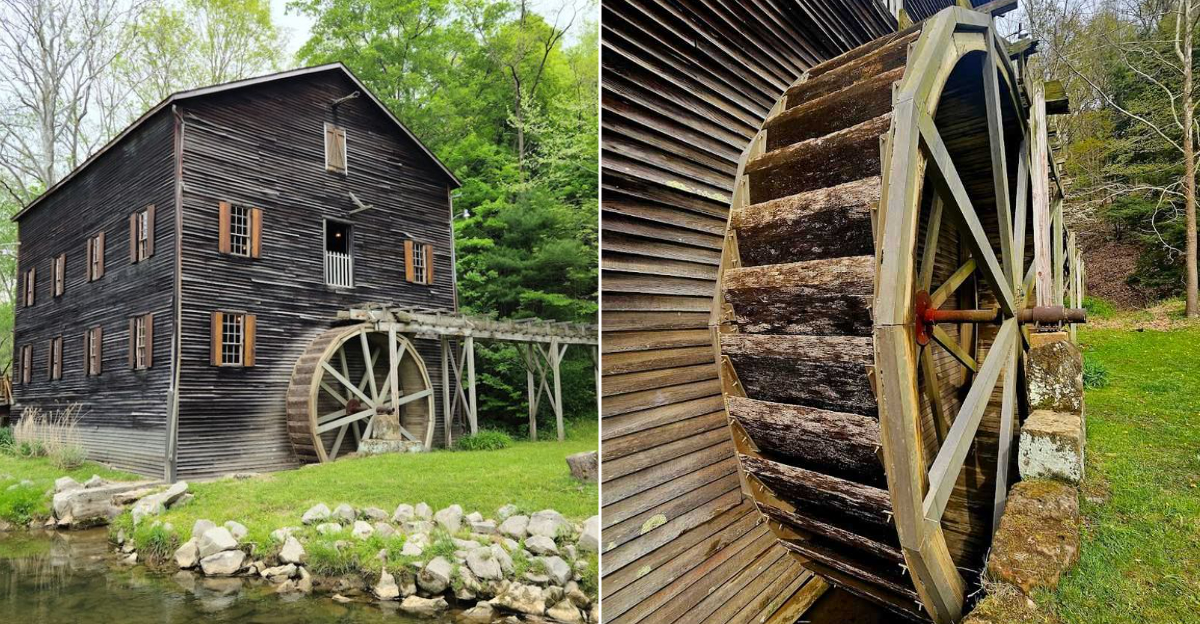
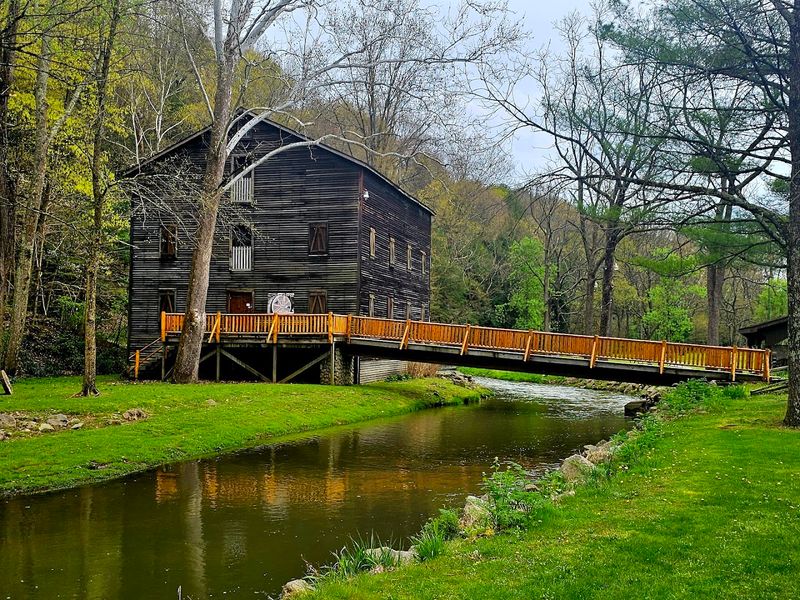
Tucked along the banks of a quiet stream in Loudonville, Ohio, Wolf Creek Grist Mill is one of those rare places where history truly comes alive. Visitors can watch grain being ground using the same methods and machinery that Ohio settlers relied on nearly 200 years ago.
Whether you are a history buff, a curious family, or just someone passing through the Mohican region, this hidden gem is absolutely worth your time. Get ready to step back in time and discover what makes this mill so special.
The Historic Water-Powered Grist Mill
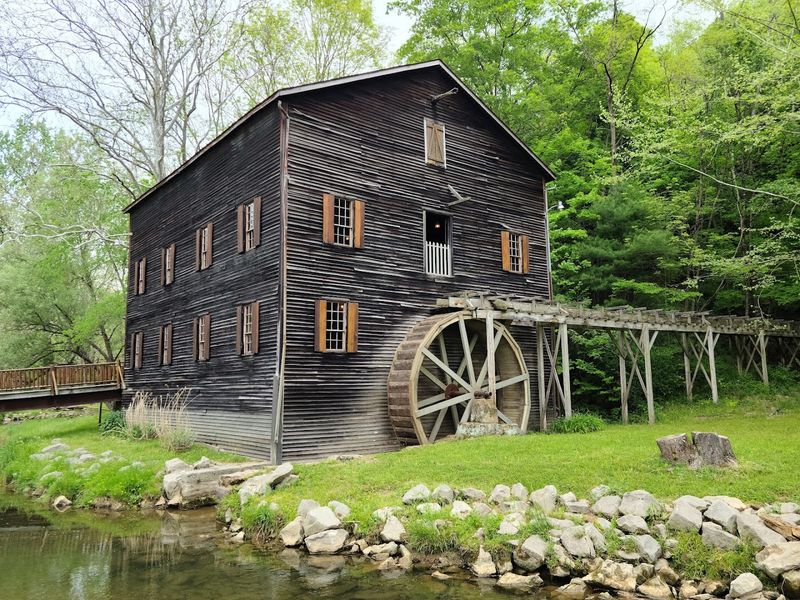
Long before grocery stores stocked shelves with flour, mills like this one were the heartbeat of every frontier community. Wolf Creek Grist Mill stands as a living example of that era, using water power to grind grain just as it was done two centuries ago.
Watching the massive millstones turn is something you simply cannot forget.
The mill itself is driven by a water wheel fed by a small, peaceful stream running right in front of the building. When the wheel spins, gears and wooden shafts transfer energy to the grinding stones inside.
It is a mechanical ballet that runs entirely without electricity, and it still works beautifully today.
Volunteers who lead tours are passionate and knowledgeable, explaining every step of the milling process in plain, easy-to-understand language. Kids and adults alike find themselves leaning in, genuinely fascinated.
You might even get to touch the freshly ground cornmeal or flour.
The mill operates for public tours on weekends from Memorial Day through late September. Admission runs on a donation basis, making it one of the most affordable history experiences in the entire region.
Plan to spend at least 30 to 45 minutes exploring inside.
The Wooden Water Wheel Up Close
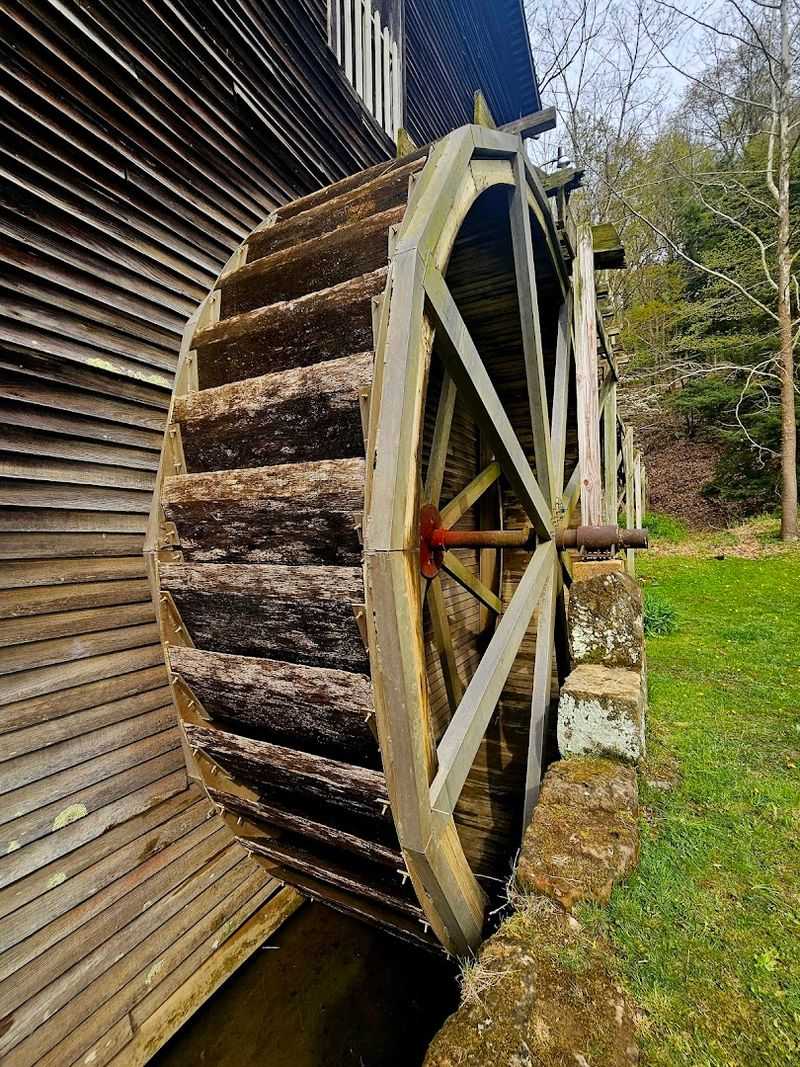
There is something almost magical about standing next to a working wooden water wheel. At Wolf Creek Grist Mill, the wheel is not a decoration or a replica — it is a functioning piece of engineering that has been carefully preserved and maintained by dedicated volunteers.
Water from the creek channels into a sluiceway and strikes the paddles of the wheel with steady, rhythmic force. That motion travels through the mill’s internal gearing system and eventually reaches the millstones on the upper floor.
The whole process is elegantly simple, yet surprisingly powerful when you see it in action.
Photographers especially love this spot. The combination of weathered wood, rushing water, and dappled sunlight creates a stunning visual that looks like it belongs on a postcard.
Early morning or late afternoon light tends to produce the most dramatic shots.
Even visitors who arrive when the mill is closed find the exterior water wheel worth the stop. One reviewer noted that just seeing the outside was absolutely worth pulling over for.
Bring your camera, take your time, and appreciate the craftsmanship that keeps this remarkable piece of Ohio history spinning strong year after year.
The Pioneer Village Collection of Log Cabins
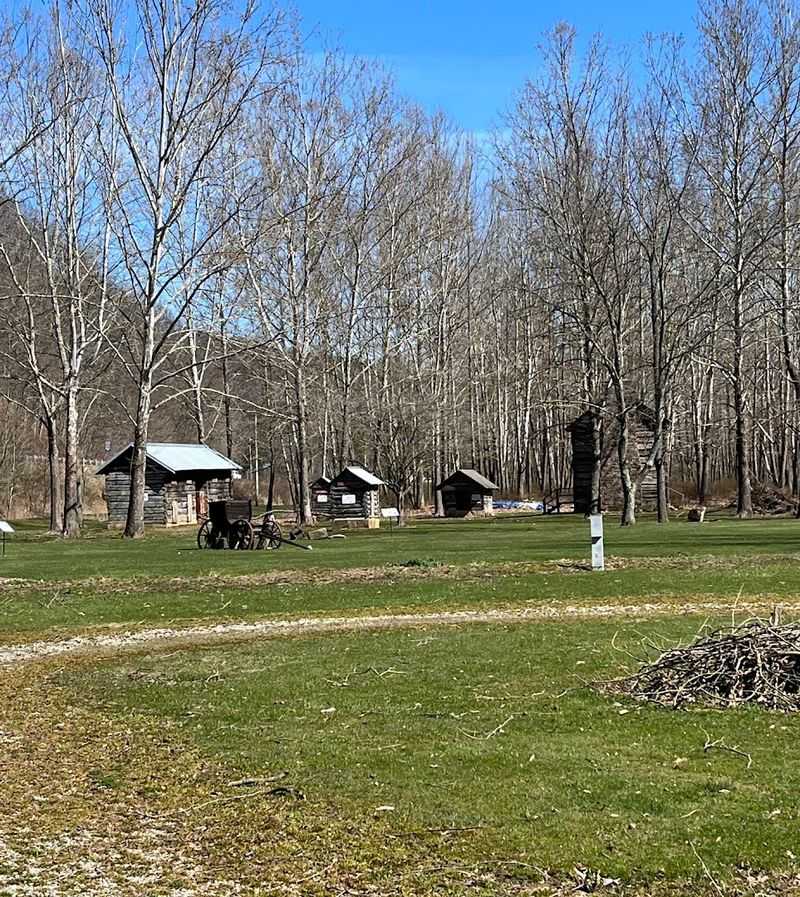
Surrounding the mill is a small but impressive pioneer village made up of several original log cabins and historic outbuildings. These structures were carefully relocated to the Wolf Creek site and restored to reflect life in early 19th-century Ohio.
Walking among them feels like flipping through a living history book.
Among the buildings on the property, you will find a main house, a corn crib, a barn, and even an outhouse — all authentic to the colonial period. Informative signs posted near each structure explain what it was used for and how it fit into daily pioneer life.
It is educational without feeling like a classroom lecture.
Volunteers sometimes stationed inside the cabins bring the experience to life with stories and demonstrations. One visitor recalled chatting with a volunteer in the log cabin across from the mill who shared fascinating details about life and education in those early times.
Those personal interactions make the visit feel genuinely special.
Families with children will find this village especially engaging. Kids can explore the grounds freely, peek inside the buildings, and ask questions without feeling rushed.
The layout is open and welcoming, making it easy to spend a relaxed afternoon soaking in the atmosphere of early American frontier life.
Free Guided Tours by Dedicated Volunteers
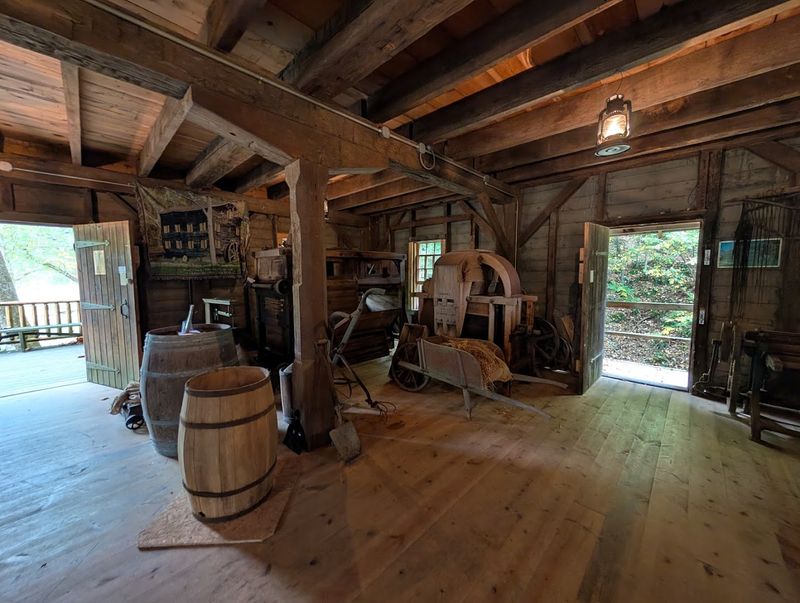
One of the most charming things about Wolf Creek Grist Mill is that it runs almost entirely on the enthusiasm of its volunteers. These are real people who care deeply about preserving local history, and that passion shows every single time they lead a tour group through the mill.
Tours are free to join, though the site warmly accepts donations to help cover maintenance costs. Guides walk visitors through the full milling process, from how grain arrives to how it is fed between the stones and emerges as flour or cornmeal.
The explanations are clear enough for kids but detailed enough to keep adults thoroughly engaged.
One reviewer specifically mentioned running into a volunteer named Jim who provided a wonderfully detailed history of the mill on the spot. That kind of spontaneous, personal storytelling is something no scripted audio tour can replicate.
It is genuine, warm, and memorable.
If you are planning a visit, bring some cash for the donation box — it goes directly toward keeping the mill operational and the grounds maintained. The volunteers truly appreciate the support.
Several reviews mention how friendly and approachable the staff are, which makes the whole experience feel more like a conversation with a neighbor than a formal museum visit.
The Millstones That Grind Grain Like It’s 1820
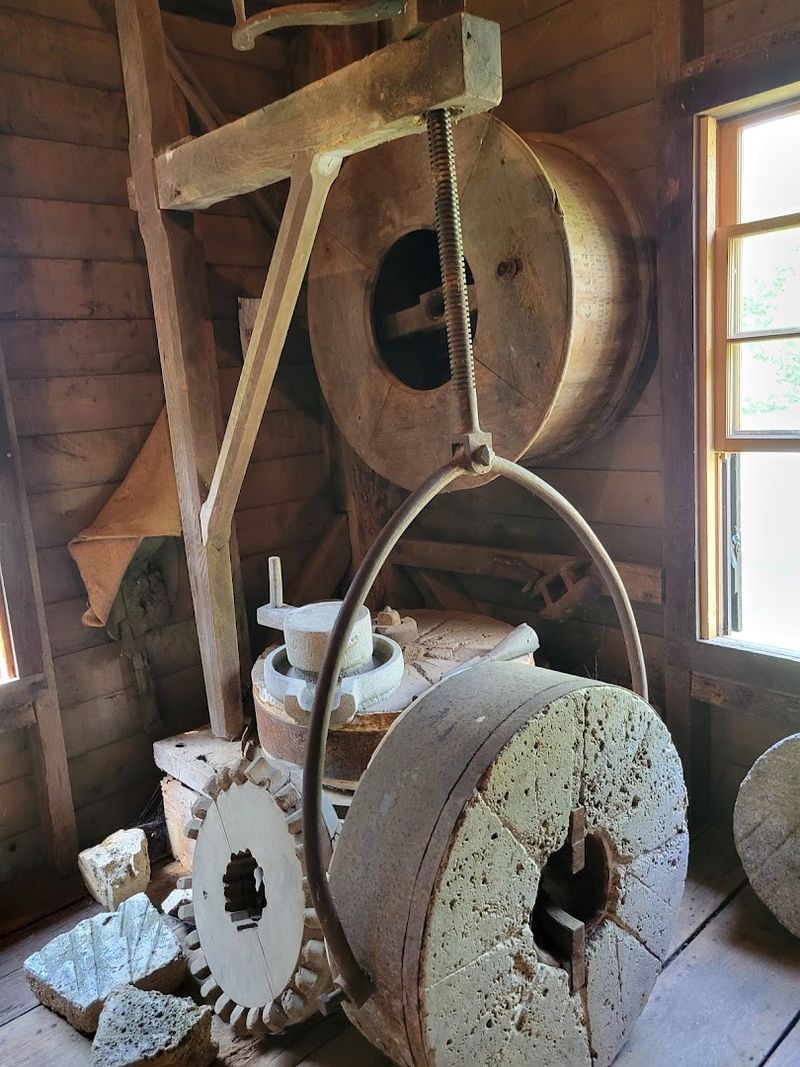
Ask any miller what the heart of a grist mill is, and they will point straight to the millstones. At Wolf Creek Grist Mill, the original grinding stones are still in working order, capable of turning whole grain into fine flour using nothing but rotational force and gravity.
Seeing them spin is genuinely awe-inspiring.
The stones are made from a hard, abrasive rock and are carefully dressed — meaning the grooves cut into their faces are maintained to keep grinding efficient. When the upper stone rotates over the lower fixed stone, grain fed through the center gets crushed and pushed outward as flour.
It is a process unchanged for thousands of years.
During open tour hours, visitors can watch the stones in motion and even touch the warm, freshly ground meal that comes out. There is something deeply satisfying about connecting with a process that fed entire generations of Ohioans.
You gain a new appreciation for every loaf of bread you have ever eaten.
Children are particularly fascinated by the millstones because they can see and feel the results of the grinding instantly. It turns an abstract history lesson into a hands-on sensory experience.
This single element alone makes the mill tour worth every minute of your time.
The Scenic Creek and Peaceful Outdoor Setting
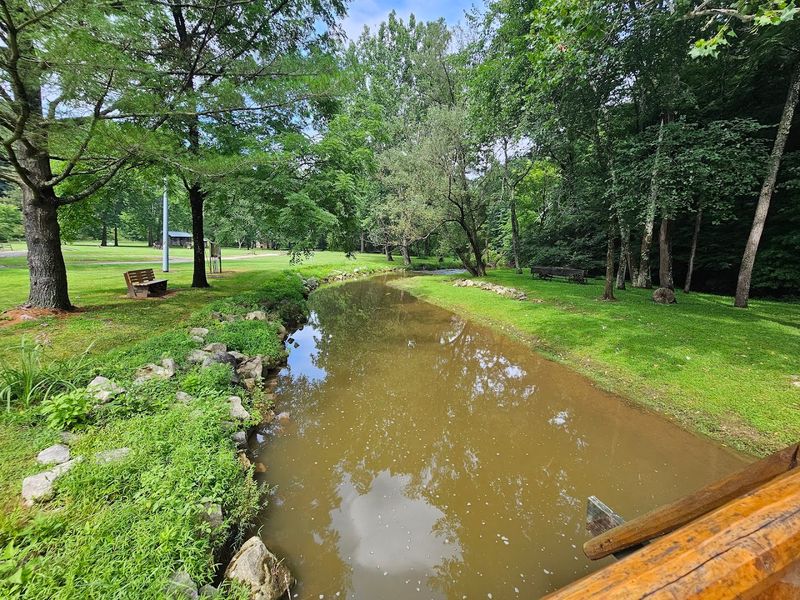
Not every historic site comes packaged with a postcard-perfect natural setting, but Wolf Creek Grist Mill absolutely does. A gentle stream winds right in front of the mill building, creating a backdrop so serene that visitors often linger long after their tour has ended.
Multiple reviewers used words like peaceful, beautiful, and stunning to describe the scene.
Picnic tables are scattered around the grounds, making this an ideal spot to pack a lunch and enjoy the outdoors alongside a dose of history. The sound of running water, the rustle of leaves, and the absence of city noise combine to create an atmosphere of genuine calm.
It is the kind of place that resets your mood just by being there.
The creek also plays a practical role — it feeds the water wheel that powers the entire mill. Watching the water flow from the stream into the wheel and knowing that simple motion is grinding grain inside the building adds a satisfying layer of understanding to the visit.
Whether you arrive in the height of summer or during the cool days of early fall, the setting around the mill is consistently beautiful. Photographers, nature lovers, and families looking for a low-key outing will all find exactly what they are looking for right here beside this little Ohio creek.
The Sack of Fresh-Ground Cornmeal You Can Take Home
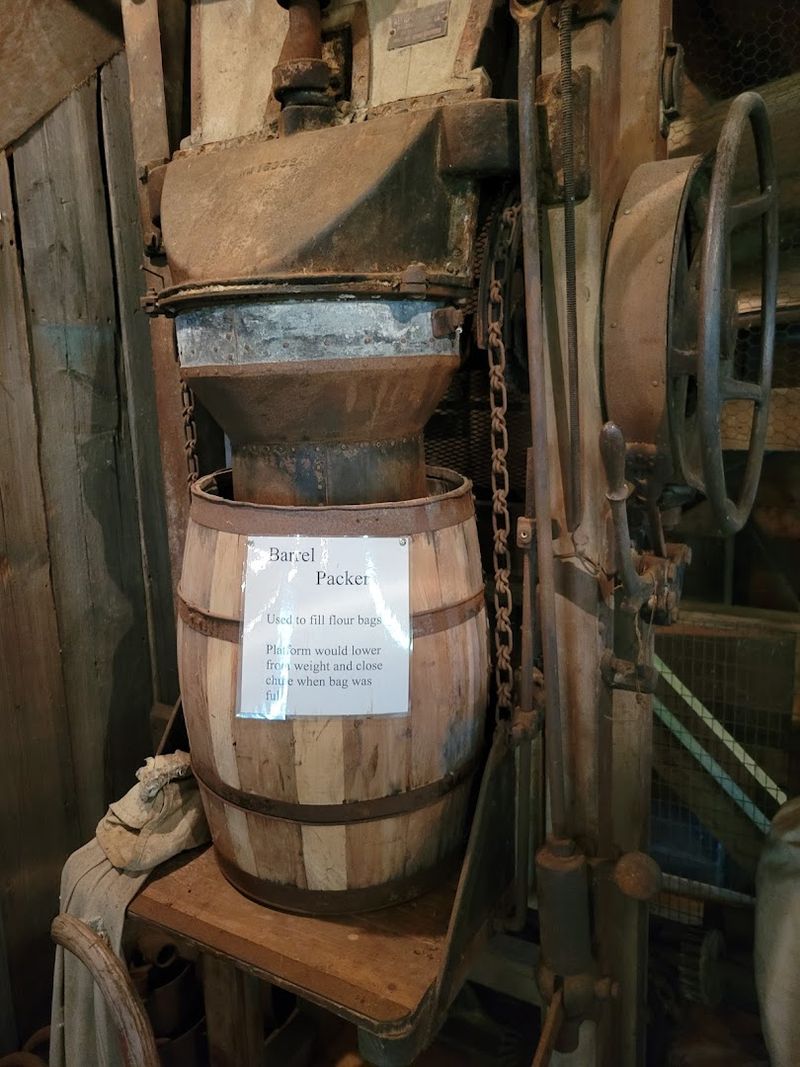
Not many souvenirs are as satisfying as one you can actually eat. At Wolf Creek Grist Mill, visitors can purchase small bags of freshly ground cornmeal and flour, milled right on-site using the same stone-ground process settlers used in the 1800s.
It feels like bringing a little piece of history straight into your kitchen.
Stone-ground cornmeal has a coarser, richer texture than the kind you find at most grocery stores. Many cooks say it makes noticeably better cornbread, with a heartier flavor and more natural sweetness.
Picking up a bag is an easy way to connect the mill experience to something tangible at home.
The Family-Friendly Atmosphere Perfect for All Ages
Some historical sites can feel a little stiff or hard to enjoy with younger kids in tow, but Wolf Creek Grist Mill has a genuinely relaxed, welcoming vibe. Children love watching the water wheel spin and listening to the deep rumble of the millstones.
There is plenty to see, touch, and ask questions about, which keeps curious minds engaged from start to finish.
Parents appreciate that admission is very affordable, and the outdoor grounds give kids room to roam safely. School groups visit regularly because the mill brings Ohio history textbooks to life in the most hands-on way possible.
It is the kind of outing the whole family will talk about long after the drive home.
The Hand-Lettered Signage and Interpretive Displays
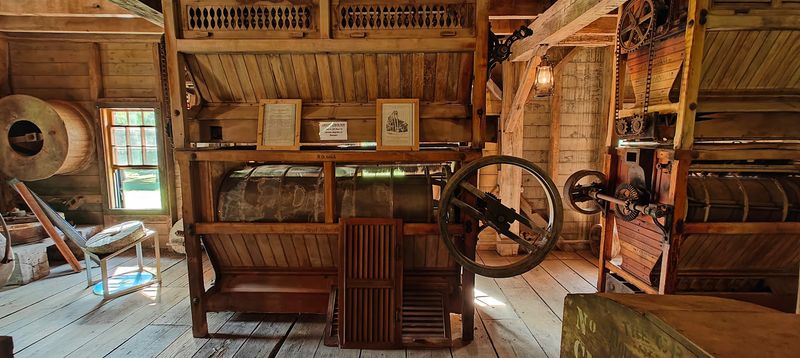
Sometimes the smallest details tell the biggest stories. Throughout the Wolf Creek Grist Mill, hand-lettered signs and interpretive boards quietly explain what each piece of equipment does and why it mattered so much to early Ohio settlers.
Reading them feels less like a history lesson and more like a conversation with someone who truly cares about the past.
Each display is written in plain, approachable language, making it easy for younger visitors to follow along without getting lost in complicated terms. The signage doesn’t talk down to you — it invites you to look closer and ask questions.
That respectful tone makes a real difference.
Families often slow down near these boards without even realizing it. Before long, kids are reading aloud and parents are learning something new too.
It’s a quiet reminder that good storytelling doesn’t always need a screen.
The Connection to Mohican Country and Regional Heritage
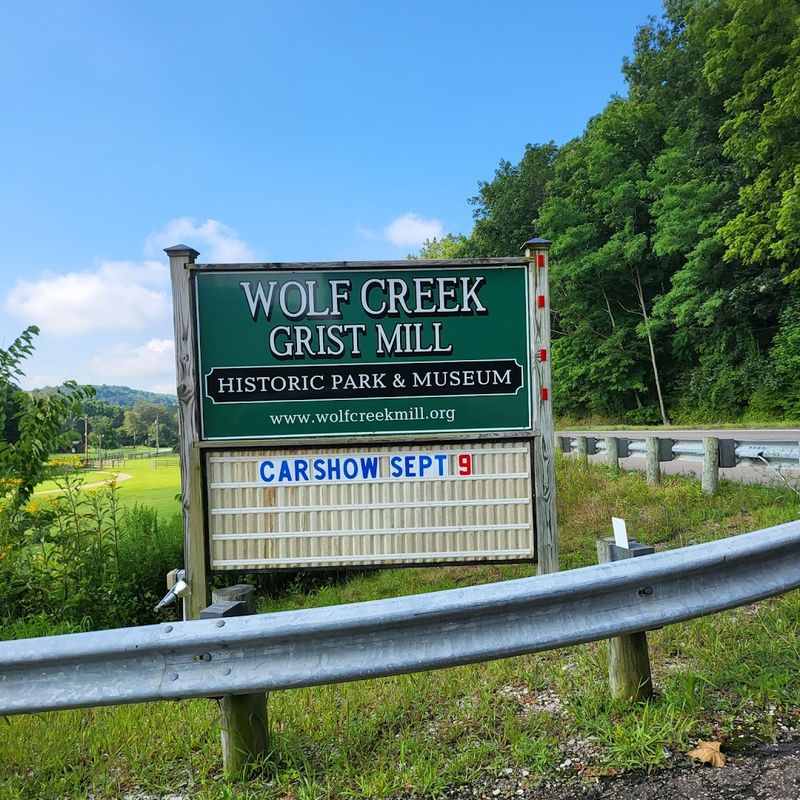
Wolf Creek Grist Mill doesn’t exist in isolation — it sits right in the heart of Ohio’s famous Mohican Country, a region known for its deep Native American history, dense forests, and rich pioneer heritage. Understanding that larger context makes a visit to the mill feel even more meaningful.
This land has witnessed centuries of change, and the mill is one of its most honest surviving landmarks.
Loudonville itself is a charming small town with deep roots, and the mill fits naturally into the story of how this region developed. Pairing a mill visit with a drive through the surrounding countryside gives you a fuller picture of what life here once looked like.
Regional pride runs strong in Mohican Country, and the volunteers who operate the mill reflect that deeply. Their passion for preserving this piece of Ohio’s story is obvious the moment you arrive, and it’s genuinely contagious.