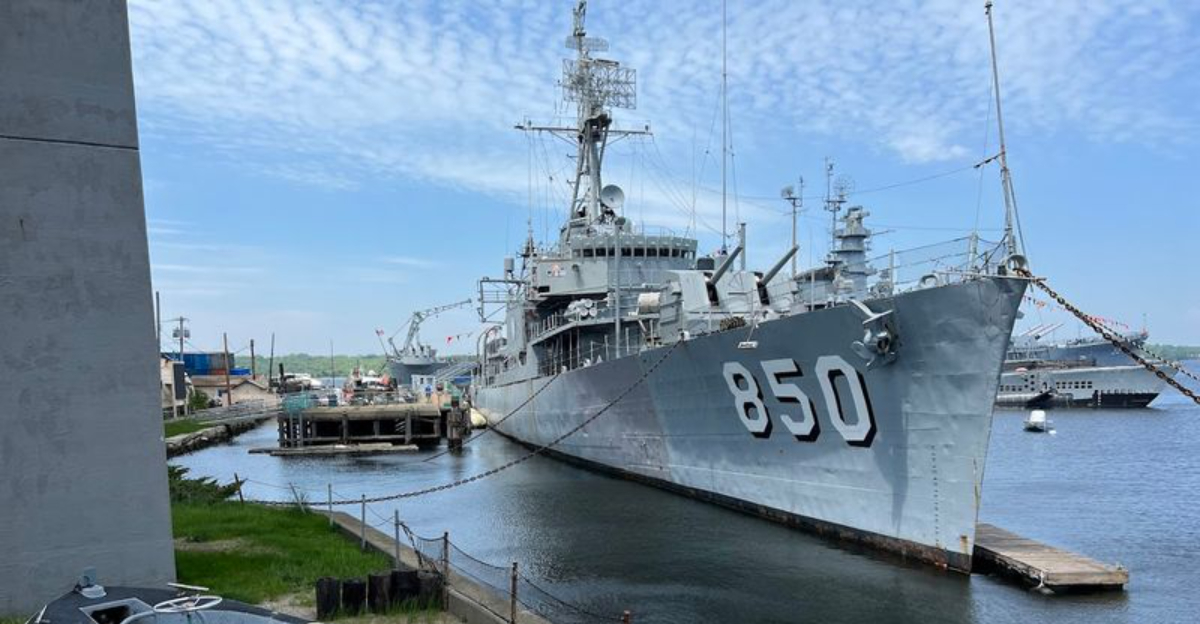
Tucked along the waterfront of Fall River, Massachusetts, Battleship Cove is home to the largest collection of preserved historic naval ships anywhere on Earth.
Real warships from World War II and the Cold War era sit side by side, waiting for curious visitors to climb aboard and explore every corner.
From massive battleships to tight submarine corridors, this place turns history into something you can actually touch, walk through, and feel.
Whether you are a history buff, a family looking for an adventure, or just someone who loves the ocean, Battleship Cove delivers an experience unlike anything else.
The World’s Largest Historic Naval Ship Collection
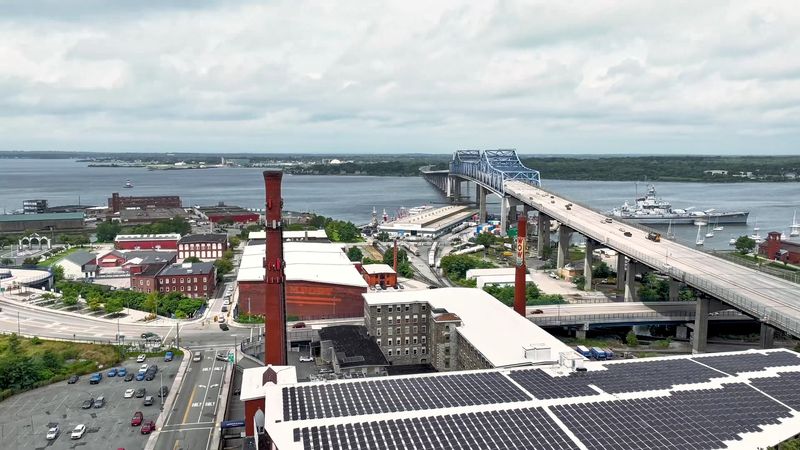
Few places in the world can claim what Battleship Cove quietly holds along the banks of the Taunton River. This remarkable site in Fall River, Massachusetts, is officially recognized as the largest collection of preserved World War II-era naval vessels on the planet.
That is not a small boast — it is a record backed by history, steel, and decades of dedicated preservation.
The collection includes battleships, destroyers, submarines, and patrol torpedo boats, all clustered together in one accessible waterfront location. Several of these ships carry National Historic Landmark status, meaning the federal government recognizes their extraordinary importance to American heritage.
Walking among them feels less like visiting a museum and more like stepping onto a living timeline of naval power.
What makes Battleship Cove truly special is how open and accessible everything is. Visitors are not kept behind ropes or glass.
Instead, they are invited to climb aboard, explore passageways, and stand exactly where sailors once stood during some of the most intense moments of modern warfare. For anyone interested in American military history, this waterfront is an absolute must-see destination that rewards every visit with something new to discover.
USS Massachusetts: The Mighty Big Mamie
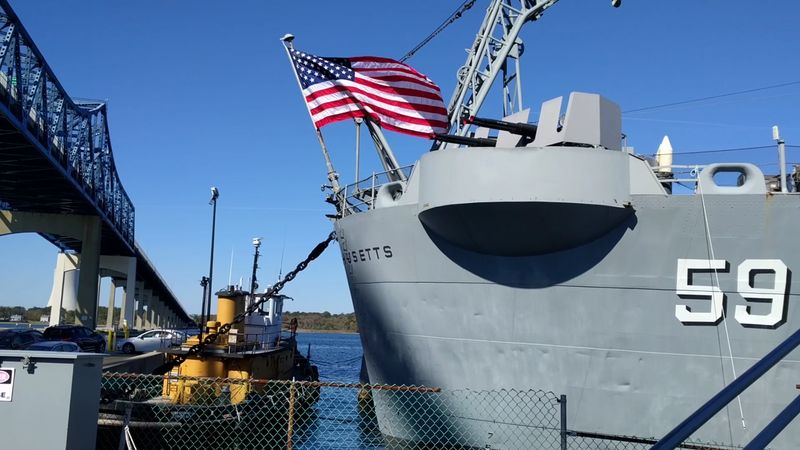
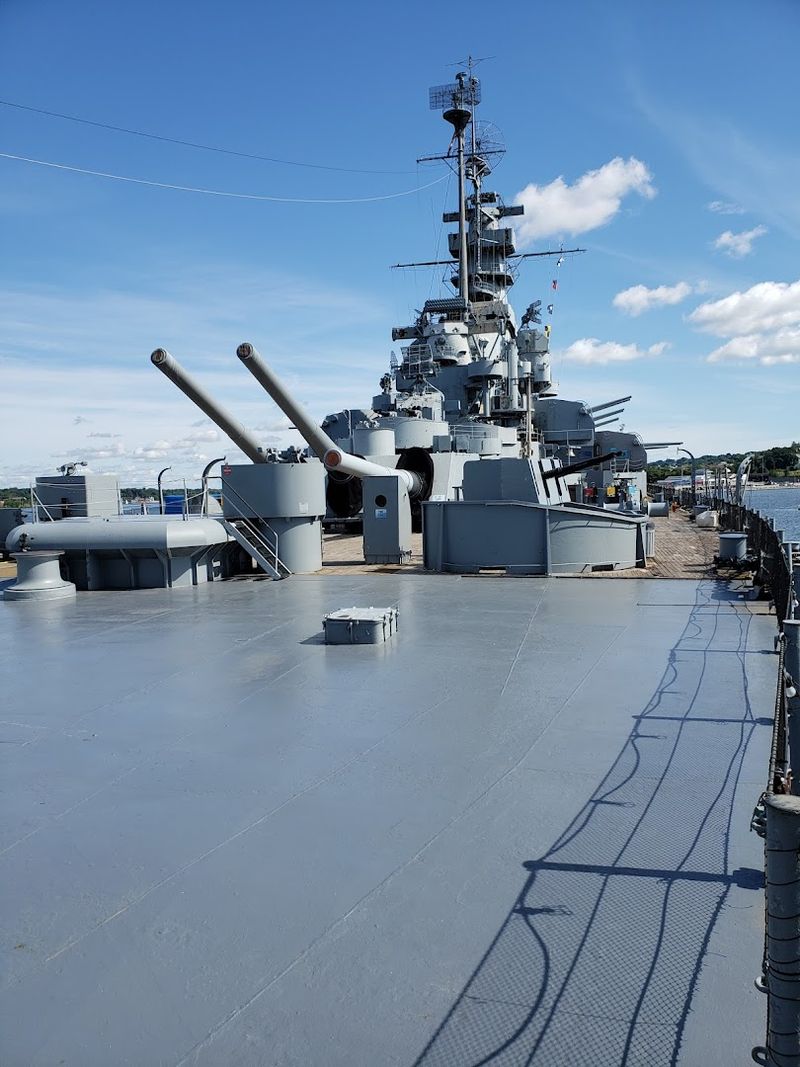
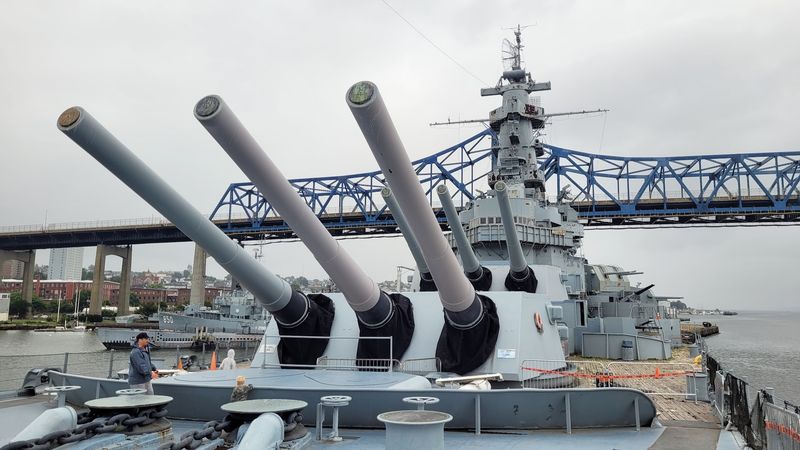
She earned her nickname the hard way. “Big Mamie” — the USS Massachusetts (BB-59) — fired the first and last American 16-inch shells of World War II, making her one of the most battle-tested ships in U.S. naval history. Today, she rests as the proud centerpiece of Battleship Cove, and standing on her deck is genuinely awe-inspiring.
As a South Dakota-class battleship, the USS Massachusetts took part in the Battle of Casablanca in 1942, slugging it out with French naval forces loyal to the Vichy government. She went on to serve across both the Atlantic and Pacific theaters, earning eleven battle stars before the war ended.
Her combat record is as impressive as her sheer physical size.
Visitors can explore her massive gun turrets, walk through the engine room, visit the combat information center, and even peek inside the tight crew sleeping quarters. Every space tells a different story about life at sea during wartime.
She was saved from scrapping in 1965 thanks to the efforts of Massachusetts schoolchildren who donated their pennies to preserve her — a heartwarming fact that makes every visit feel even more meaningful.
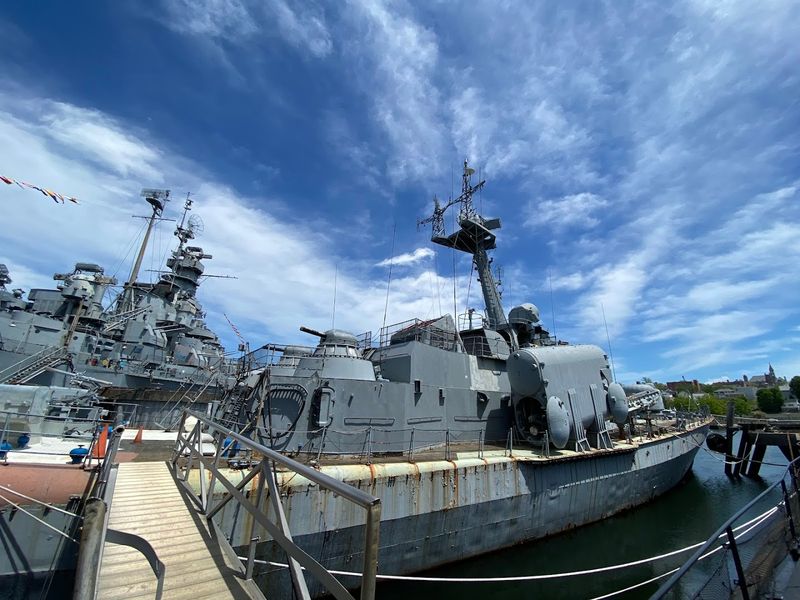
USS Joseph P. Kennedy Jr.: Destroyer Experience
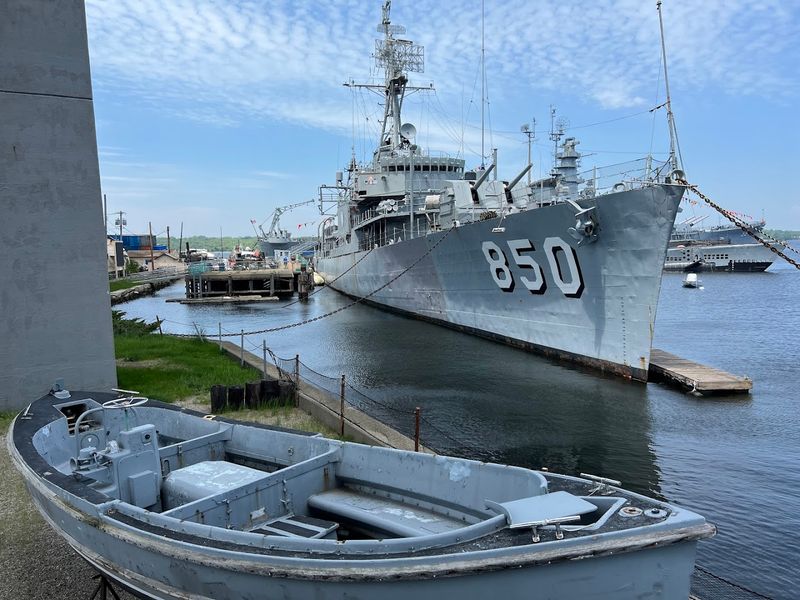
Named after President John F. Kennedy’s older brother, who was killed in action during World War II, the USS Joseph P.
Kennedy Jr. carries both a famous name and a fascinating story. This Gearing-class destroyer served through the late 1940s and into the Cold War era, making her a bridge between two very different chapters of American naval history.
One of the most gripping connections this ship has is to the Cuban Missile Crisis of 1962. During that tense standoff between the United States and the Soviet Union, destroyers just like the Kennedy played a critical role in enforcing the naval blockade around Cuba.
Walking her decks, you can almost feel the weight of those high-stakes days.
Guests who board the Kennedy get to explore radar rooms packed with vintage equipment, crew berthing areas that show just how cramped life at sea could be, and weapon systems including depth charge launchers designed for anti-submarine warfare. The ship also appeared in the 1974 film “The Last Detail,” adding a quirky pop culture footnote to her impressive resume.
For Cold War history fans, she is an absolute highlight of the Battleship Cove experience and well worth extra time.
USS Lionfish Submarine Exploration
Squeezing through the hatch of the USS Lionfish is not for the faint of heart — and that is exactly what makes it so unforgettable. This Balao-class submarine served during World War II, completing two war patrols in the Pacific before the conflict ended.
Today, she offers visitors one of the most intimate and physically immersive experiences at Battleship Cove.
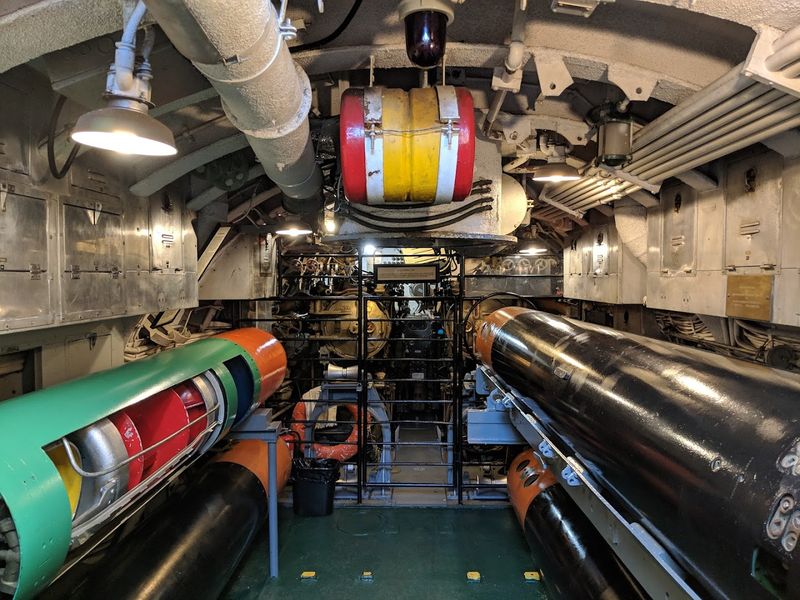
The interior of the Lionfish is strikingly compact. Torpedo tubes sit at both the bow and stern, bunks are stacked three high in spaces barely wide enough to turn around, and the control room is a maze of gauges, valves, and periscopes.
It takes only a few minutes inside before you develop a deep respect for the submariners who lived and worked in these conditions for weeks at a time.
What sets the Lionfish apart from many preserved submarines is how complete and authentic her interior remains. Many of her original systems are still intact, giving visitors a genuine sense of what a working WWII submarine actually looked like.
Guided tours are available and highly recommended, since knowledgeable staff can explain the function of each compartment in ways that bring the experience to life. Kids especially tend to love every claustrophobic, exciting inch of her.
PT Boats and Fast Attack Craft
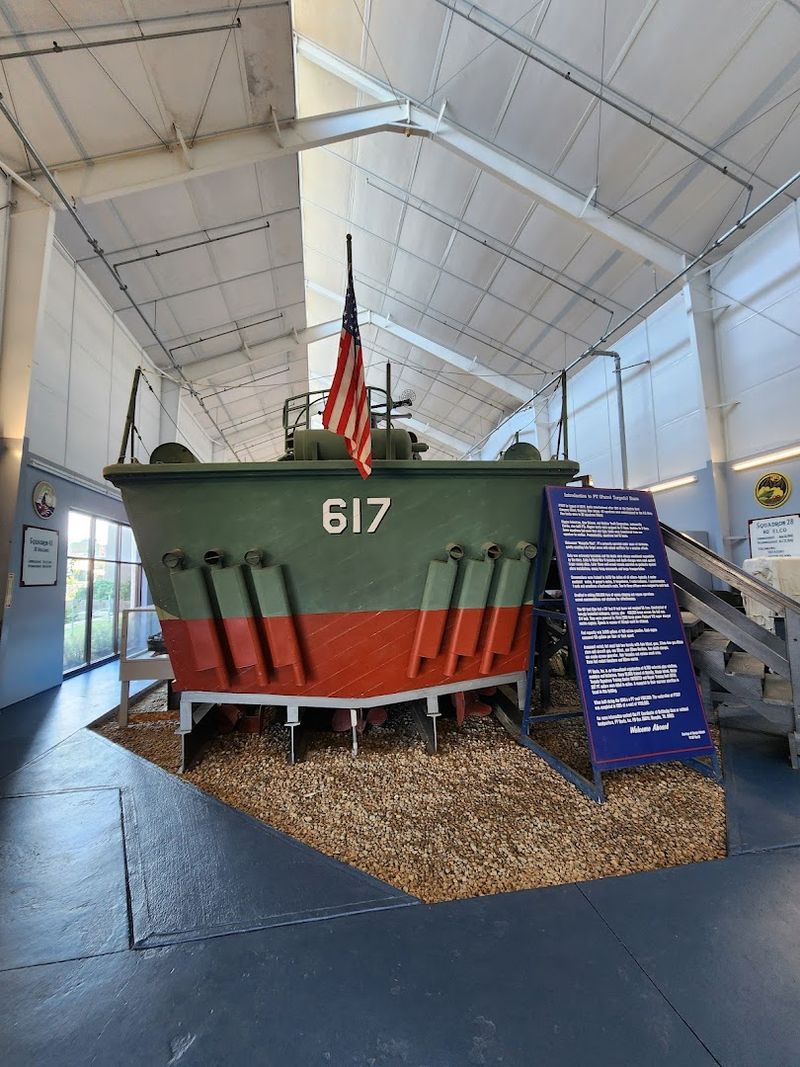
Speed was their weapon. The patrol torpedo boats preserved at Battleship Cove — PT-617 and PT-796 — represent one of the most exciting and scrappy chapters of World War II naval combat.
These small, fast vessels were designed to dart into enemy waters, launch torpedoes, and get out before larger ships could respond. Think of them as the sports cars of the wartime navy.
PT boats became legendary during the Pacific campaign, where they harassed Japanese supply lines and disrupted enemy movements in shallow coastal waters where bigger ships could not go. President John F.
Kennedy famously commanded PT-109, making these boats part of American presidential lore as well as military history. The two boats at Battleship Cove are among the very few surviving examples in the world.
PT-617 is an Elco 80-foot boat, while PT-796 is a Higgins design — two different manufacturers that competed fiercely during the war to produce the best torpedo boat possible. Seeing them side by side is a rare opportunity to compare the two styles directly.
Both boats are well-preserved, and their compact size makes them surprisingly easy to appreciate up close. For visitors who love fast, daring naval action, these PT boats are a genuine highlight of the entire collection.
Walkable Decks and Full Ship Access Experience
Most museums ask you to look but not touch. Battleship Cove throws that rule out entirely.
Here, guests are encouraged to climb ladders, duck through watertight doors, and wander through operational spaces that have barely changed since the ships were in active service. It is the kind of hands-on access that turns a history lesson into a full-body adventure.
Self-guided exploration is available throughout most of the ships, which means you can move at your own pace and spend as long as you want in the spaces that fascinate you most. Want to sit in a gun turret for twenty minutes imagining a naval battle?
Go right ahead. Curious about what the captain’s quarters looked like?
Walk in and find out. The freedom to roam makes every visit feel personal and unique.
Families with kids tend to find this format especially rewarding, since children can physically engage with the environment rather than simply reading plaques on a wall. That said, visitors should come prepared.
The ships involve steep ladder-style stairs, low overhead clearances, and narrow corridors that require some agility. Wearing comfortable, closed-toe shoes is genuinely important.
The access Battleship Cove provides is rare anywhere in the world, and taking full advantage of it is the best way to experience this incredible place.
Maritime Museum Exhibits and Naval Artifacts
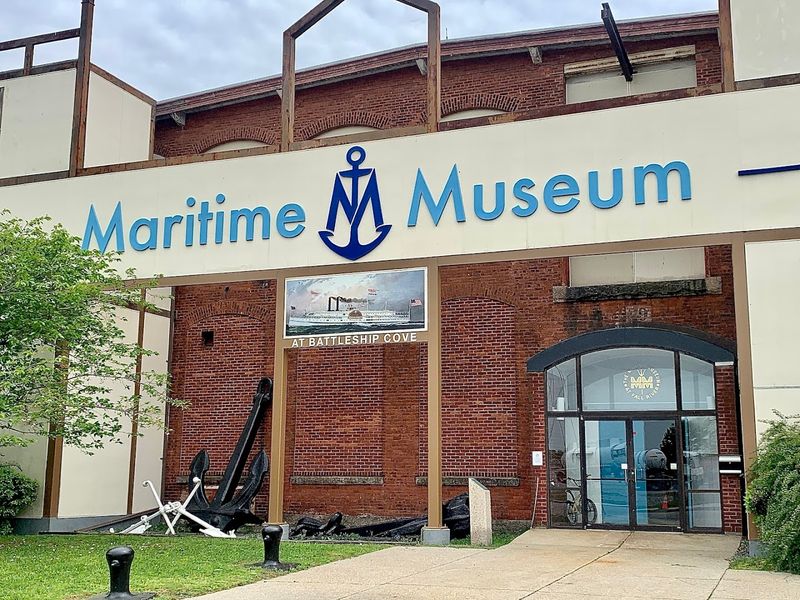
Beyond the ships themselves, Battleship Cove houses an on-site Maritime Museum that adds rich context to everything you have just walked through. The museum covers naval innovation across multiple eras, highlighting how American shipbuilding technology evolved from wooden sailing vessels to the steel giants anchored just outside its doors.
It is the kind of place where you wander in planning to spend ten minutes and end up staying for an hour.
One of the more touching sections of the museum focuses on immigrant contributions to American shipbuilding. Fall River and the surrounding region had a long industrial history tied to the sea, and the exhibits honor the workers — many of them newly arrived Americans — whose labor made the wartime fleet possible.
This human angle gives the museum a warmth that pure military history sometimes lacks.
Ship models, navigational instruments, uniforms, photographs, and personal letters from sailors are among the artifacts on display. Educational panels are written clearly enough for younger visitors to follow, while offering enough depth to satisfy adults with serious historical interests.
The Maritime Museum is included with general admission, so there is no reason to skip it. Spending time here before or after boarding the ships helps everything click together into a more complete and satisfying picture of American naval history.
Scenic Waterfront Location at Fall River
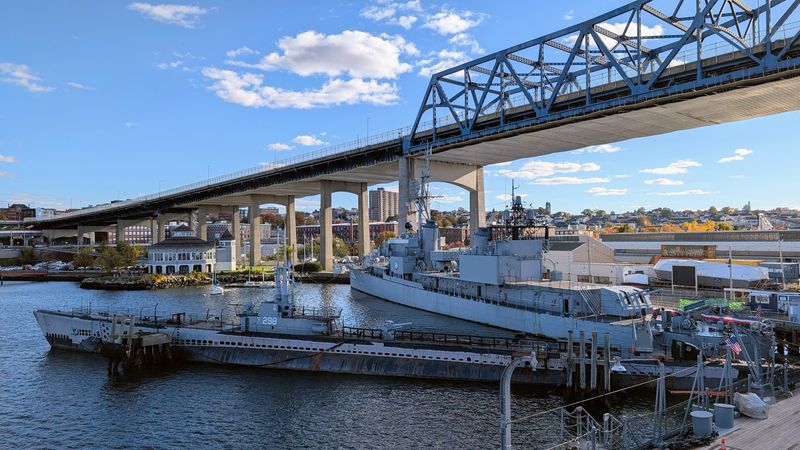
There is something undeniably powerful about seeing a battleship framed by open water. Battleship Cove sits at the point where the Taunton River meets Mount Hope Bay, creating a waterfront setting that is both scenic and historically loaded.
Fall River itself has deep ties to American industrial and maritime heritage, which makes the location feel entirely appropriate for a collection of this magnitude.
The views from the upper decks of the USS Massachusetts are especially striking. On a clear day, you can see across the bay toward Rhode Island, with the water stretching out in the same direction these ships once sailed toward combat.
That geographic context transforms the experience from a simple museum visit into something that feels genuinely connected to the wider world of naval history.
The surrounding area also adds to the experience. The Fall River Heritage State Park is located nearby, offering additional green space and historical context about the region’s industrial past.
Waterfront restaurants and local shops are within easy reach for visitors who want to extend their day trip. Arriving in the morning when the light hits the ships at a low angle makes for some truly spectacular photography opportunities.
The setting alone is worth the trip, even before you step foot on a single deck.
Educational Programs and Hands-On Learning
Battleship Cove is not just a place to visit — it is a place to learn in a way that textbooks simply cannot replicate. The museum runs a robust lineup of educational programs aimed at students, scout troops, veterans groups, and general visitors who want more than a self-guided walk.
These programs are thoughtfully designed to connect real history to real people in memorable ways.
School groups can book guided tours led by knowledgeable staff who tailor the experience to different grade levels. Scouts can work toward merit badges through hands-on activities connected to naval history and maritime skills.
Veterans and active military members often receive special programming and discounts that acknowledge their service and deepen their connection to the ships on display.
One of the most popular offerings is the overnight program, where groups can actually sleep aboard the USS Massachusetts or the USS Joseph P. Kennedy Jr. Participants bunk down in authentic crew quarters, eat in the ship’s mess, and experience a small taste of what life at sea was actually like.
It is an experience that tends to stick with kids for years afterward. Reservations for overnight stays and group tours should be made well in advance, especially during the spring and fall school trip seasons when availability fills up quickly.
What to Know Before You Go
Planning ahead makes a real difference at Battleship Cove, because this is a big place that rewards preparation. The museum is located at 5 Water Street in Fall River, Massachusetts, and is generally open daily with hours that shift slightly by season — typically from mid-morning through late afternoon, with the last admission about 90 minutes before closing.
Checking the official website before your visit is always a smart move.
Budget at least two to four hours for a thorough visit, and more if you plan to linger on multiple ships or spend time in the Maritime Museum. Comfortable, closed-toe shoes are an absolute must — you will be climbing steep ladder-style stairs, navigating narrow corridors, and crossing uneven deck surfaces throughout the day.
Sandals and flip-flops will make the experience frustrating and potentially unsafe.
General admission tickets cover access to all ships and the Maritime Museum, which makes the price genuinely excellent value for everything included. Parking is available at the nearby Fall River Heritage State Park lot, which is convenient and reasonably priced.
During summer weekends and school vacation weeks, the site can get busy, so booking tickets online in advance is strongly recommended to guarantee your entry. Bringing water and snacks is also a practical idea, since exploring all those decks works up a real appetite.