Tucked along Florida’s sparkling Gulf Coast, the Seaside Seabird Sanctuary in Indian Shores is one of the most unique free attractions in the state.
This small but mighty nonprofit rescues hundreds of injured wild birds every year and gives visitors a rare chance to walk right alongside them.
Whether you’re a nature lover, a curious kid, or just looking for something special to do near the beach, this sanctuary delivers a meaningful experience you won’t forget.
Best of all, admission is completely free.
A Coastal Wildlife Rescue Hidden Along Gulf Boulevard
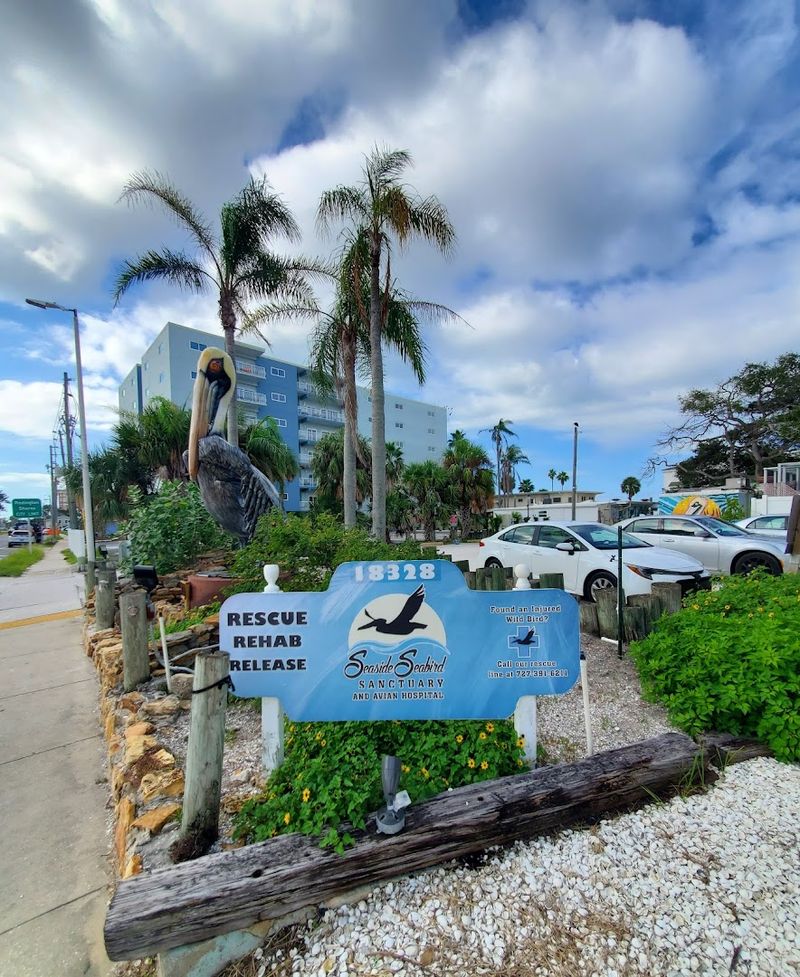
Most people driving along Gulf Boulevard in Indian Shores are headed to the beach, completely unaware that one of Florida’s most remarkable wildlife destinations is right beside them. The Seaside Seabird Sanctuary blends quietly into its coastal surroundings, easy to miss but impossible to forget once you’ve visited.
Sitting on just 1.5 acres near the Gulf of Mexico, this sanctuary serves a dual purpose: it’s both a public attraction and an active rescue center for injured wild seabirds. Every day, staff and volunteers work behind the scenes to care for birds that have been hurt, sick, or displaced along Florida’s coastline.
What makes this place so special is how it balances conservation work with community access. You don’t need a ticket or a reservation to walk through and observe the birds up close.
The sanctuary operates on a foundation of openness, trusting visitors to treat the animals and the space with respect. For anyone passing through the Indian Shores area, this hidden gem along Gulf Boulevard is absolutely worth a stop.
A Nonprofit Dedicated to Saving Florida’s Wild Birds
Running a wildlife rescue center costs money, and the Seaside Seabird Sanctuary doesn’t charge admission to cover those costs. Instead, it operates as a registered 501(c)(3) nonprofit, which means it relies entirely on the generosity of donors, volunteers, and the surrounding community to keep its doors open and its mission alive.
That mission is beautifully straightforward: rescue injured wild birds, give them the medical care they need, and release them back into the wild whenever possible. Every dollar donated goes directly toward feeding, treating, and housing the birds in the sanctuary’s care.
It’s a lean operation built on genuine passion for Florida’s native wildlife.
What’s impressive is how much this organization accomplishes without a price tag on the front gate. Staff members and trained volunteers pour their energy into every bird that arrives, treating each one as a patient worth saving.
If you visit and feel moved by what you see, dropping a donation in one of the collection boxes on-site is one of the most direct ways you can help Florida’s wild seabirds survive and thrive.
A Full-Service Avian Hospital Behind the Scenes
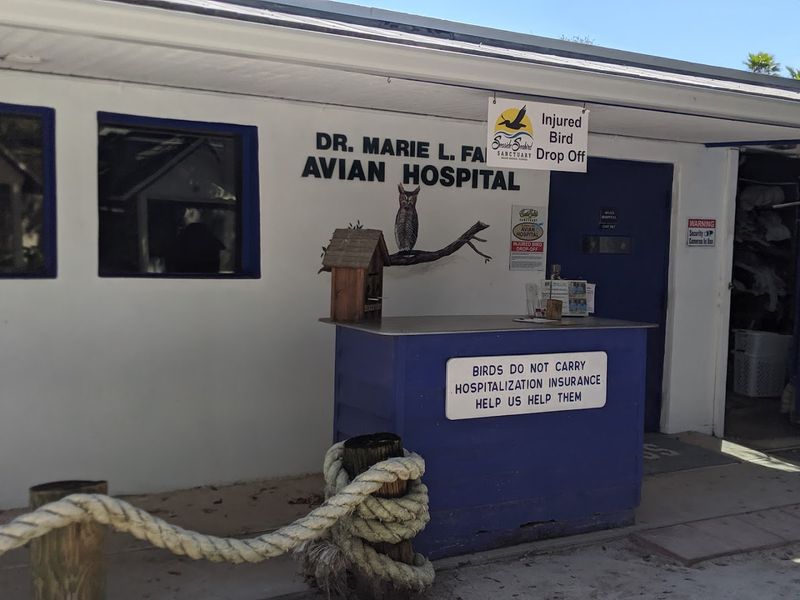
Behind the walking paths and open-air enclosures lies something most visitors never fully see: a working bird hospital. The Seaside Seabird Sanctuary operates a full medical facility where injured and sick birds receive emergency treatment, surgical care, and extended rehabilitation before they’re cleared for release back into the wild.
Think of it like a hospital emergency room, but for pelicans, raptors, owls, and shorebirds. When a bird arrives at the sanctuary, trained staff assess its condition and begin treatment right away.
Injuries can range from broken wings and lacerations to internal damage caused by swallowing fishing hooks or ingesting toxic substances along the shoreline.
Long-term recovery often requires weeks or even months of daily care, which is why the sanctuary maintains a steady population of bird patients at any given time. The medical work happening here represents the true heart of the operation.
Visitors may only see a small fraction of the sanctuary’s activity, but knowing that a functioning avian hospital exists just steps away adds a remarkable layer of meaning to every walk through the grounds.
Hundreds of Bird Patients Arrive Each Year
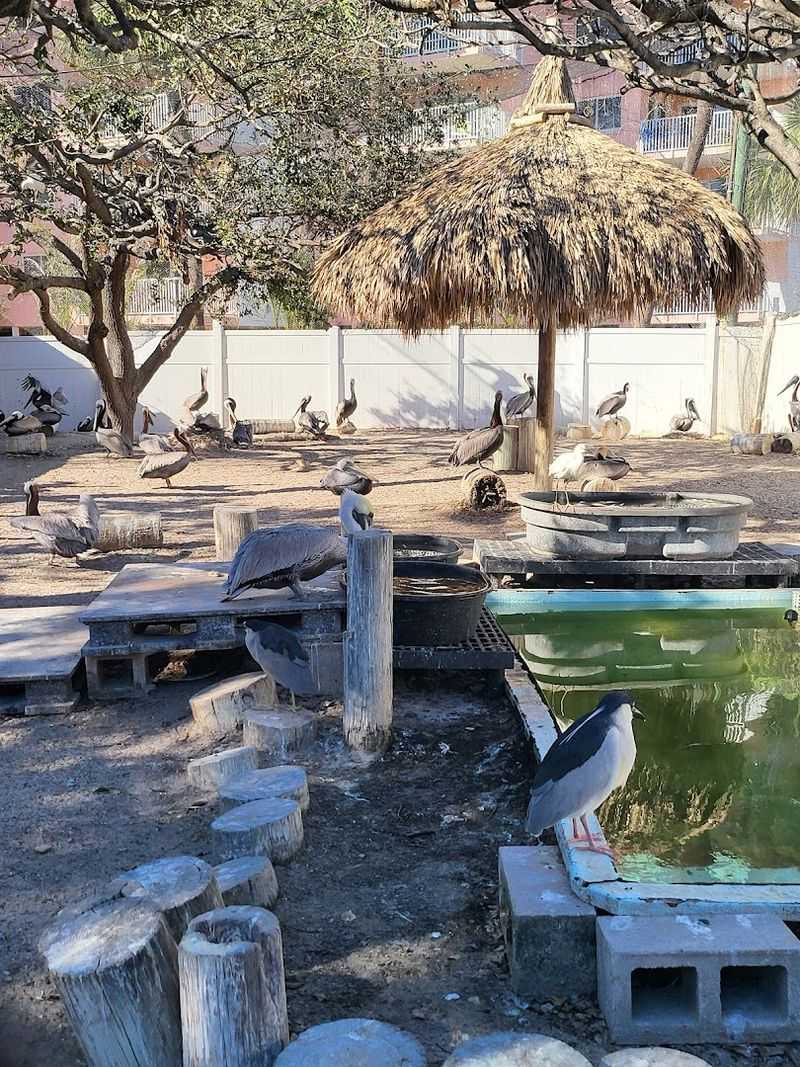
The number of birds that pass through the Seaside Seabird Sanctuary each year is genuinely staggering. Thousands of wild birds arrive annually, each one with its own story of injury or hardship.
The sheer volume of patients speaks to just how many dangers Florida’s coastal birds face on a daily basis.
Pelicans tangled in monofilament fishing line are among the most common cases. Birds struck by vehicles along busy coastal roads arrive regularly, as do shorebirds weakened after intense storms sweep through the Gulf region.
Raptors and owls sometimes show up after collisions with buildings or power lines, and some birds arrive simply too malnourished to survive without intervention.
Each bird that comes through the door represents a small but meaningful victory for wildlife conservation. Staff document every case, track recovery progress, and work toward the ultimate goal of a successful release.
Many birds that would have otherwise died alone on a beach or roadside get a second chance because someone noticed they were struggling and brought them here. That kind of community-driven rescue network is what keeps this sanctuary running year after year.
Permanent Residents Who Cannot Return to the Wild
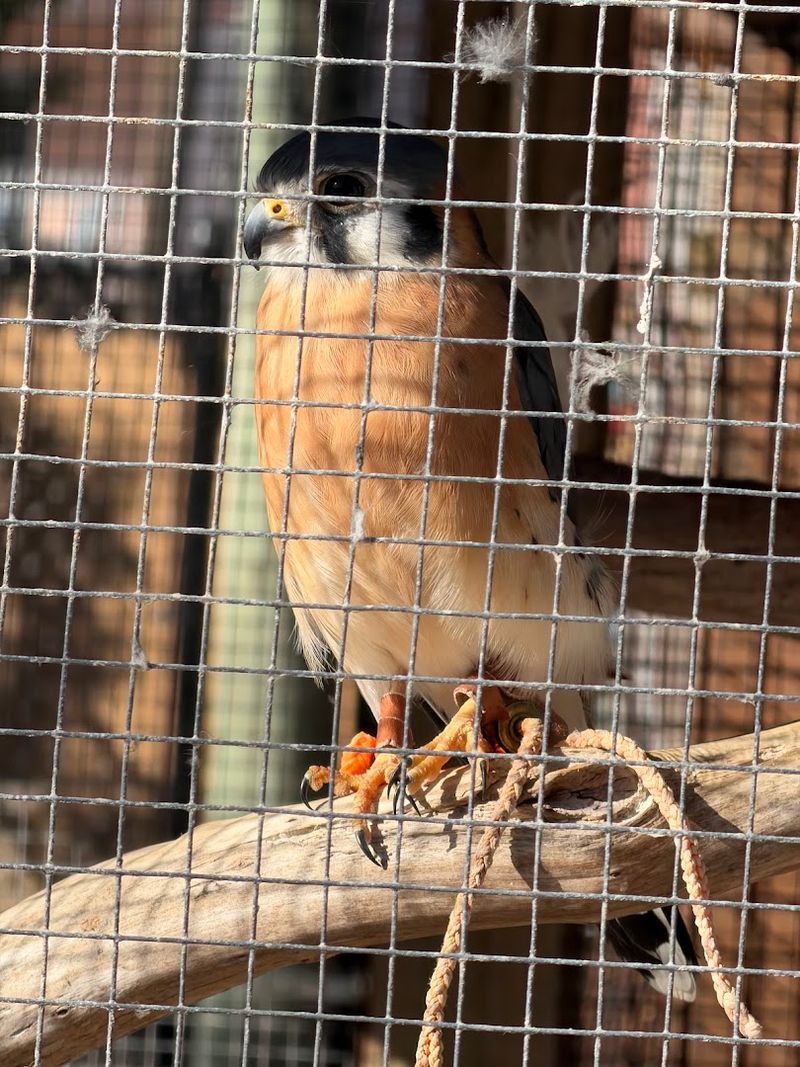
Not every bird that arrives at the sanctuary is able to return to the wild. Some injuries are simply too severe, leaving birds permanently unable to fly, hunt, or survive independently in their natural habitat.
Rather than euthanizing these animals, the Seaside Seabird Sanctuary gives them a permanent home on-site.
These resident birds become what the sanctuary calls educational ambassadors. They live in spacious enclosures designed to keep them comfortable and as close to a natural environment as possible.
Their presence serves a powerful purpose: they help visitors connect emotionally with wildlife in a way that photos or videos simply can’t replicate.
Standing a few feet from a pelican that lost the ability to fly due to a fishing line injury makes the issue of marine debris feel very real and very urgent. Many of these permanent residents have names, recognized by the staff and volunteers who care for them every single day.
Getting to observe them up close, learning their stories through posted signs and staff conversations, turns a casual visit into something that sticks with you long after you’ve left the sanctuary grounds.
Walkable Pathways Through Natural Bird Habitats
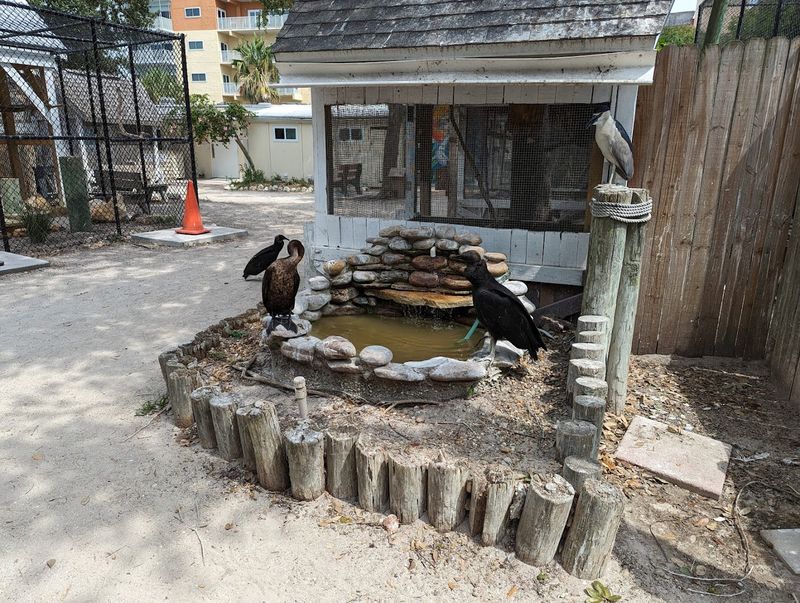
One of the most enjoyable parts of visiting the Seaside Seabird Sanctuary is simply walking the grounds. The property covers about 1.5 acres, which sounds small, but the layout is thoughtfully designed to maximize the experience.
Winding pathways lead visitors past a series of enclosures and open-air viewing areas, each housing different species of birds in various stages of recovery.
The enclosures are built to reflect natural coastal ecosystems as closely as possible. You’ll find sandy floors, perching structures, shallow water areas, and native plantings throughout the property.
Walking through feels more like exploring a miniature coastal nature reserve than visiting a traditional zoo or wildlife exhibit.
The pace here is entirely your own. There are no tour groups herding you along or timed entry slots to worry about.
You can linger as long as you like near any enclosure, watching a pelican preen its feathers or a raptor survey its surroundings from a high perch. For families, the walkable layout makes this a relaxed and genuinely engaging outing that works well for all ages, including young children who may have shorter attention spans.
Up-Close Encounters with Pelicans, Raptors, and Shorebirds
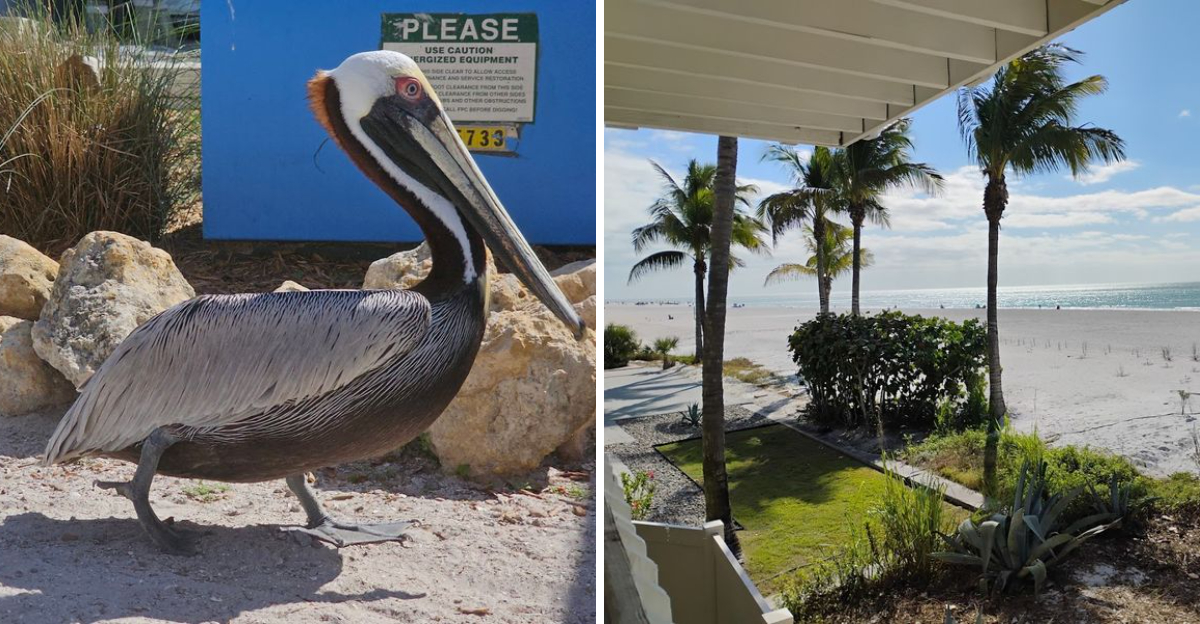
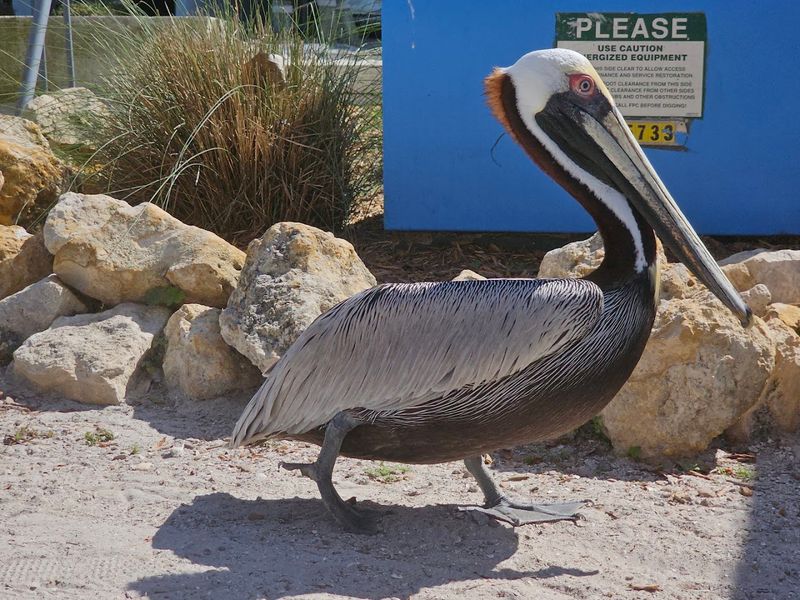
Seeing a brown pelican glide over the ocean from a distance is one thing. Standing just a few feet away from one, close enough to notice the texture of its pouch and the intensity of its gaze, is something else entirely.
That kind of encounter is completely ordinary at the Seaside Seabird Sanctuary, and it never seems to lose its magic no matter how many times you visit.
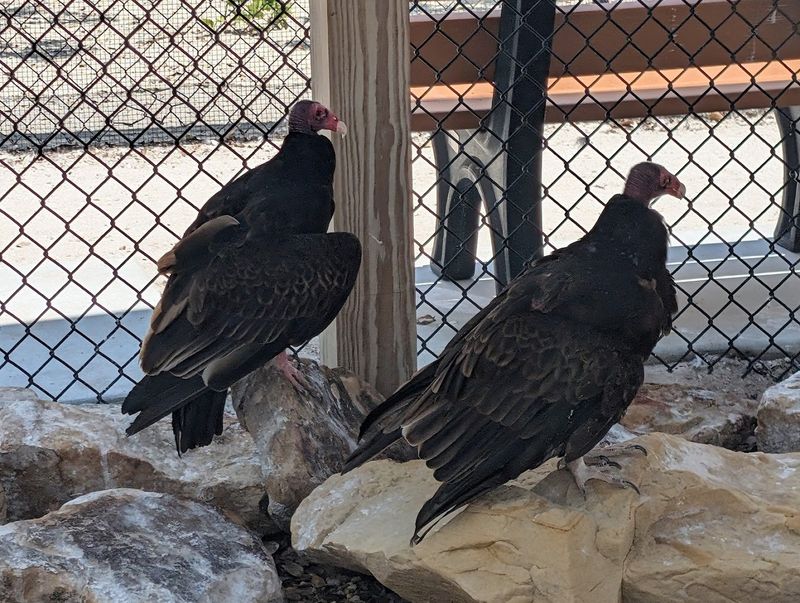
The sanctuary is home to a wide variety of species, including different types of raptors, herons, owls, shorebirds, and of course the iconic pelicans that Florida’s coast is famous for. Because many of these birds are permanent residents or long-term patients, they’ve grown accustomed to human presence and tend to behave naturally even when visitors are nearby.
Watching a great horned owl rotate its head, or observing a pelican toss a fish in the air and catch it in its bill, are moments that feel almost cinematic in real life. Wildlife photographers especially love this sanctuary because the lighting, proximity, and natural behaviors make for extraordinary shots.
Bring your camera, wear comfortable shoes, and prepare to be genuinely amazed by what you see.
Educational Experiences and Daily Bird Presentations
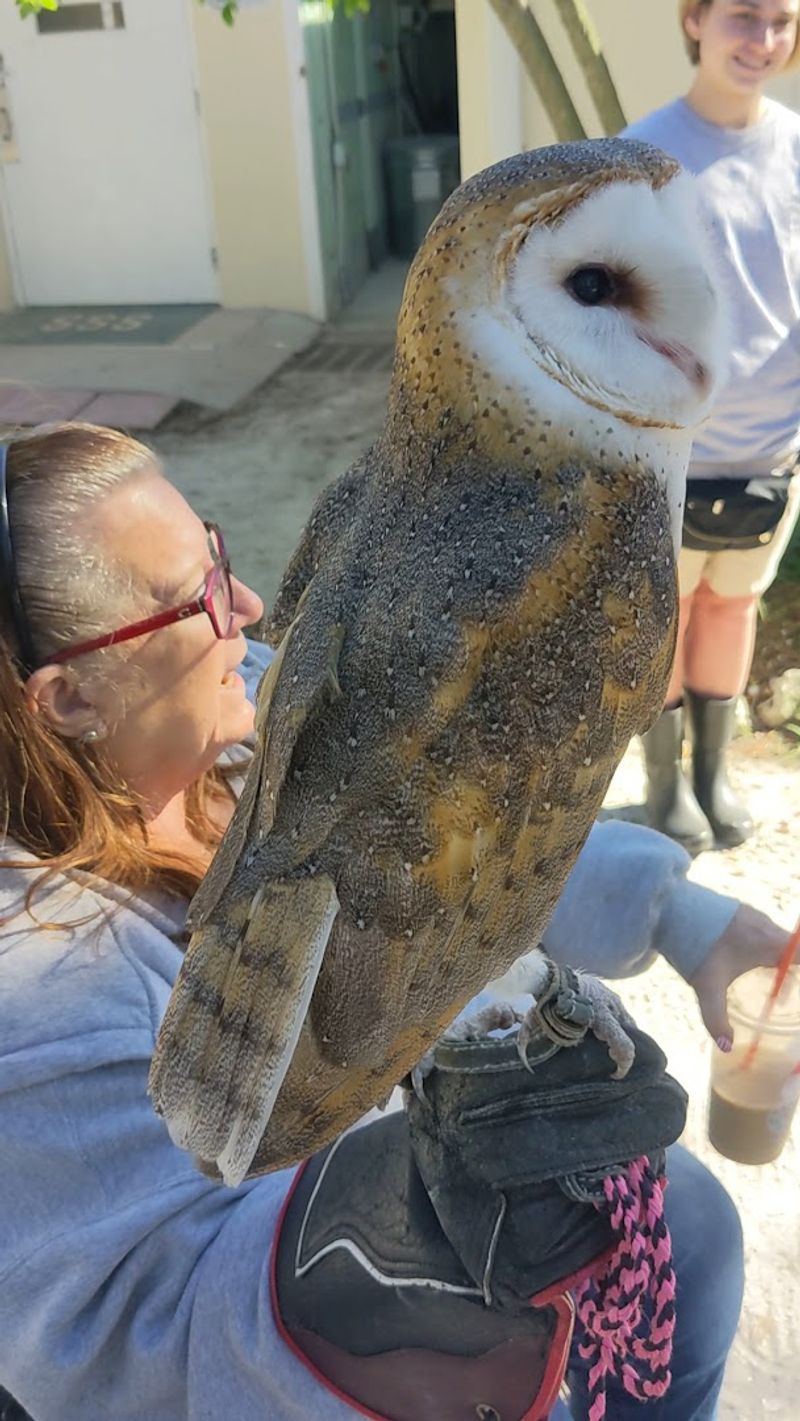
At Seaside Seabird Sanctuary, education is a central part of the visitor experience, woven directly into its mission of rescue and rehabilitation. The sanctuary regularly offers informal, on-site learning opportunities alongside more structured presentations that help guests better understand the challenges facing Florida’s coastal bird populations.
These programs focus on real-world issues such as habitat loss, fishing line entanglement, and human-related injuries—key reasons many birds arrive at the facility in the first place.
Visitors may encounter staff or volunteers sharing insights during feeding times or while caring for resident birds, turning everyday moments into educational experiences. In addition, the sanctuary hosts scheduled presentations and outreach programs—often about an hour long—covering bird biology, conservation practices, and rehabilitation efforts, frequently followed by Q&A sessions.
Some presentations feature non-releasable birds, including raptors, allowing for close-up observation while emphasizing why these animals cannot return to the wild.
Altogether, these educational offerings transform a simple walk-through into a deeper, more meaningful visit—one where guests leave not just entertained, but informed about how their everyday actions can help protect native seabirds and coastal ecosystems.
Scenic Gulf Views and a Quiet Beachside Atmosphere
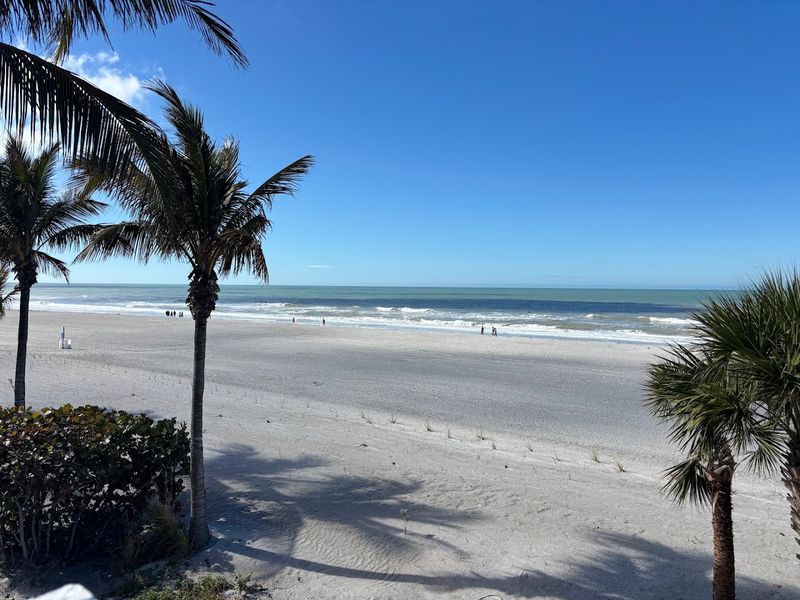
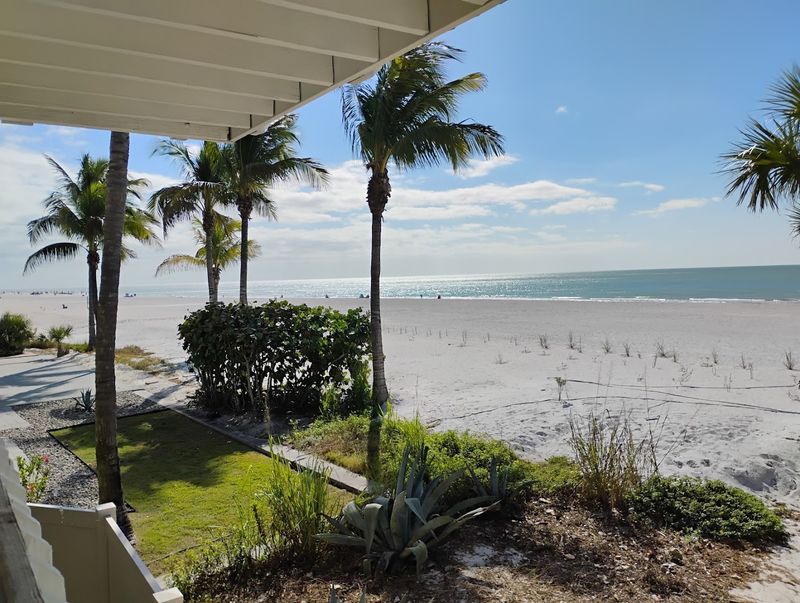
One of the most unexpected highlights of visiting Seaside Seabird Sanctuary is its peaceful coastal setting just steps from the Gulf of Mexico. Unlike larger, more crowded attractions along Florida’s Gulf Coast, the sanctuary offers a quiet, almost tucked-away atmosphere where the sounds of waves and seabirds replace the usual beach traffic and noise.
A small observation area at the edge of the property provides unobstructed views of the shoreline, where visitors can watch wild pelicans gliding over the water, gulls gathering along the surf, and occasional dolphins passing offshore. Because the sanctuary sits directly on the beach, it creates a seamless connection between the birds in rehabilitation and those thriving in the wild just beyond the fence.
The natural setting also enhances the experience of walking through the sanctuary itself. Native vegetation, sandy paths, and open-air enclosures blend into the surrounding coastal environment, making it feel less like a traditional facility and more like a protected slice of Florida shoreline.
For many visitors, this tranquil setting becomes a key part of the visit—offering a chance to slow down, take in the scenery, and reflect on the importance of preserving these fragile coastal ecosystems.
Visitor Info: Free Admission, Hours, and What to Know Before You Go
Planning a visit to Seaside Seabird Sanctuary is refreshingly simple, making it one of the most accessible wildlife experiences along Florida’s Gulf Coast. The sanctuary is open daily from 8:00 AM to 4:00 PM, year-round, and notably, admission and on-site parking are completely free, with donations encouraged to support ongoing rescue and rehabilitation efforts.
Because it operates as a working rescue facility, the experience is self-guided rather than structured like a traditional zoo. Visitors can walk the grounds at their own pace, typically spending anywhere from 30 minutes to 1–2 hours exploring bird enclosures, reading educational signage, and observing care in action.
There are a few practical tips to keep in mind before you go. Parking is limited, so arriving earlier in the day is often the best way to avoid crowds.
Comfortable walking shoes are recommended, as the pathways are outdoors and partially sandy. Since many birds are in recovery, guests are asked to respect barriers, avoid loud noises, and never feed the animals.
Address: 18328 Gulf Blvd, Indian Shores, FL 33785.