Tucked among the quiet pine trees of Warm Springs, Georgia, the Little White House Historic Site is a place where American history feels deeply personal. Franklin D.
Roosevelt first visited here in 1924, drawn by the warm mineral springs that helped ease his polio symptoms, and he eventually built a modest cottage that became his beloved retreat from the pressures of the presidency. Today, visitors can walk through the very rooms where FDR lived, worked, and ultimately passed away on April 12, 1945.
With a 4.8-star rating from over 2,000 visitors, this remarkable site continues to move and inspire everyone who steps through its doors.
The Little White House Cottage Itself
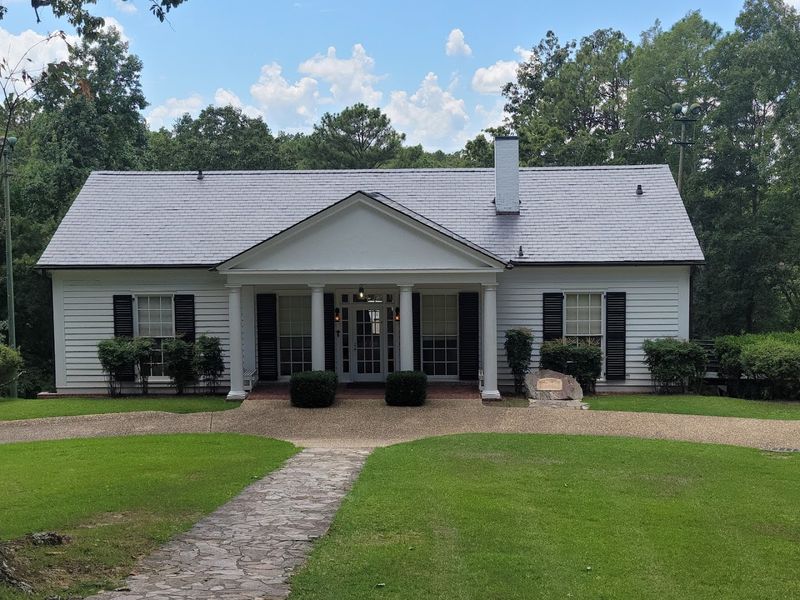
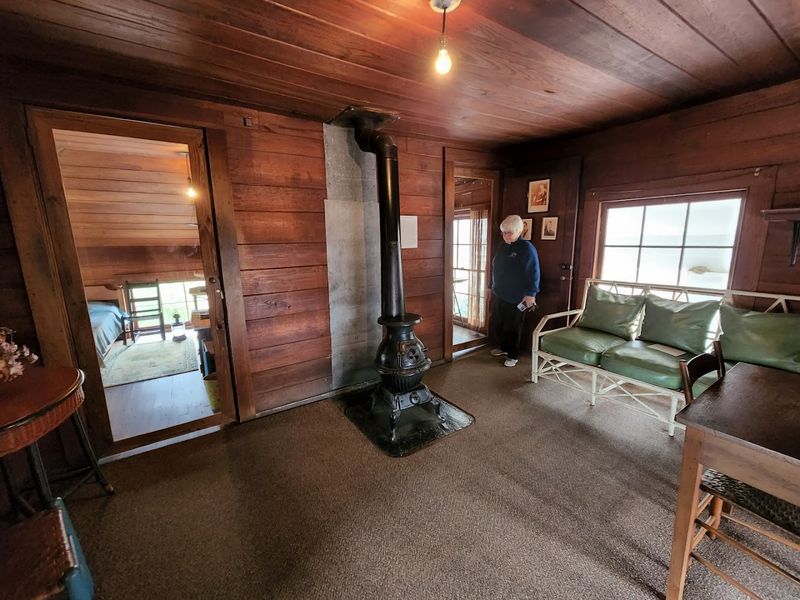
Some buildings carry a quiet weight that words struggle to describe, and the Little White House cottage is exactly that kind of place. Built in 1932 at FDR’s personal direction, this simple six-room structure sits modestly among Georgia pines, looking almost too ordinary for a sitting U.S. president to call home.
That contrast is precisely what makes it so powerful.
Roosevelt designed the cottage to be small and manageable, partly because his polio made navigating large spaces difficult. Wide doorways, minimal steps, and a practical layout reflect his determination to live as independently as possible.
The home measures just 1,747 square feet — a striking contrast to the grandeur of the White House in Washington, D.C.
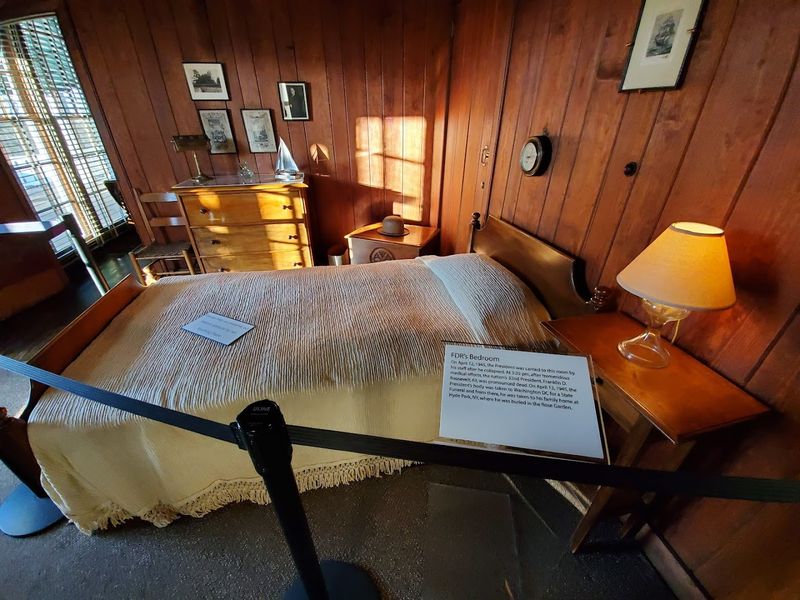
Visitors today can peer inside and see original furniture, personal belongings, and everyday objects arranged exactly as they were on the day Roosevelt died. Staff members are passionate and knowledgeable, often pointing out small details that bring the space to life.
Walking around the cottage feels like stepping into a preserved moment in time, one that connects you directly to one of America’s most consequential leaders on a profoundly human level.
The Unfinished Portrait and the Day FDR Died
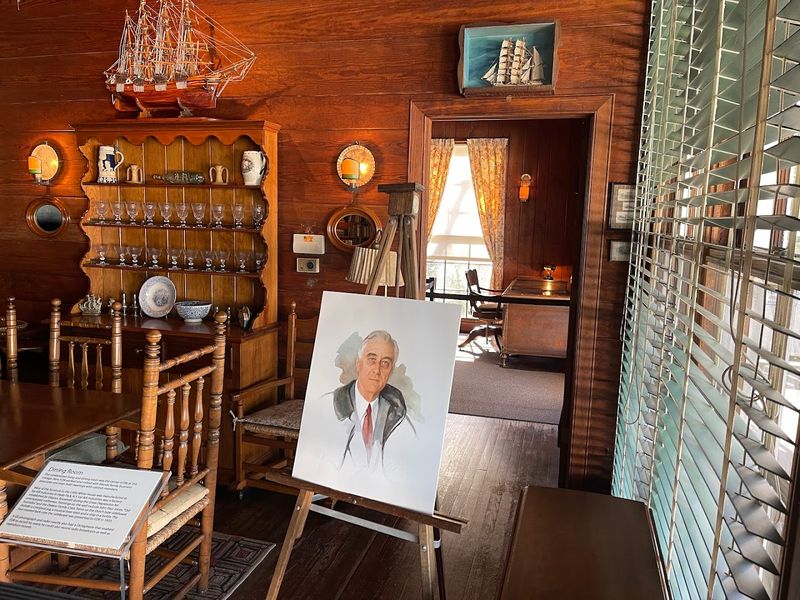
On April 12, 1945, artist Elizabeth Shoumatoff was putting the finishing touches on a watercolor portrait of President Roosevelt when he suddenly complained of a severe headache and lost consciousness. He never regained awareness, and the painting was left exactly as it was — forever unfinished.
That haunting portrait has become one of the most iconic symbols at the Little White House Historic Site.
A reproduction of the unfinished portrait is displayed in a dedicated gallery space, giving visitors a chance to stand face-to-face with the last image ever captured of FDR alive. The original is now held at the Little White House as a deeply moving artifact of that final afternoon.
Seeing it in person creates a quiet, almost solemn feeling that lingers long after you leave.
The story behind the painting is told with care by the site’s staff, who explain the timeline of events with both historical accuracy and genuine emotion. Many visitors say this moment in the tour is the most memorable.
It serves as a reminder that even the most powerful figures in history are, at the end of the day, deeply human and vulnerable.
The On-Site Museum and Its Remarkable Exhibits
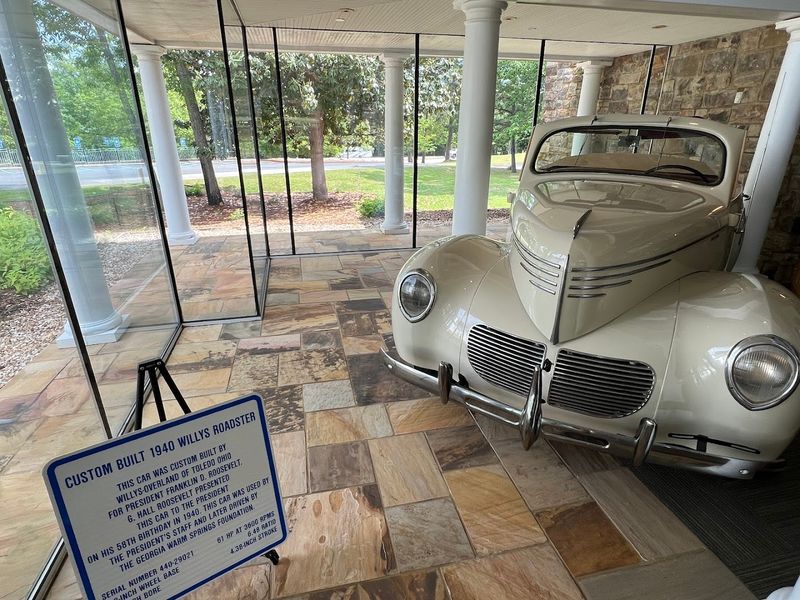
Before you ever reach the cottage itself, the museum at the entrance sets the stage in spectacular fashion. Arranged with thoughtful care, the exhibits walk visitors through FDR’s entire life story — from his privileged upbringing in Hyde Park, New York, through his battle with polio, his years as New York governor, and his four terms as president during some of America’s darkest hours.
Photographs, personal artifacts, letters, and interactive displays blend seamlessly to create a rich narrative that feels both educational and emotionally engaging. One particularly striking section covers the New Deal programs Roosevelt launched to pull the country out of the Great Depression, showing just how far-reaching his leadership truly was.
Even visitors who consider themselves casual history fans often leave feeling genuinely moved.
Younger visitors are not left out either. Staff members have a talent for explaining complex historical events in ways that even a seven-year-old can follow and enjoy.
The museum layout encourages you to take your time, and most visitors spend at least an hour here before moving on to the cottage and grounds. Plan for at least two to three hours total to absorb everything this remarkable site has to offer.
FDR’s Battle With Polio and the Warm Springs Connection
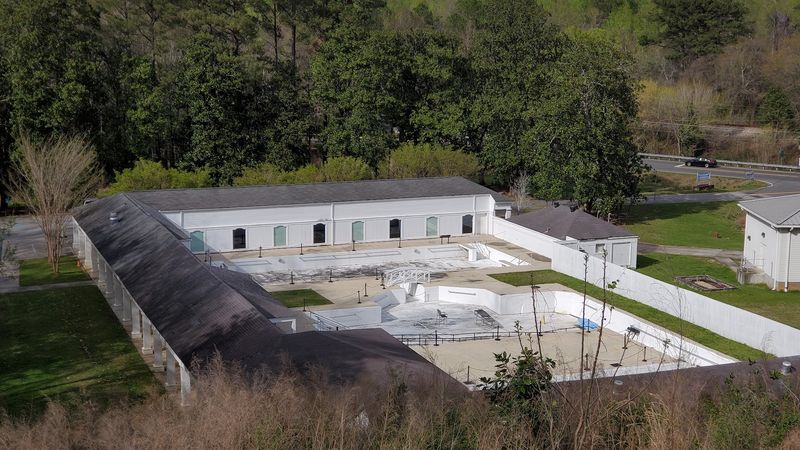
Few stories of personal perseverance in American history rival that of Franklin Roosevelt’s battle with polio. Diagnosed in 1921 at age 39, Roosevelt lost the use of his legs and faced a future that many assumed would end his political career entirely.
Instead, he found renewed hope in the warm mineral waters of Warm Springs, Georgia, where the buoyancy of the 88-degree pools allowed him to move his legs with a freedom he could not experience on land.
Roosevelt first visited Warm Springs in 1924, and the results were encouraging enough that he returned again and again. He eventually purchased the property and established the Georgia Warm Springs Foundation in 1927, creating a treatment center for fellow polio patients.
His commitment to this community went far beyond personal therapy — he genuinely cared about the people he met here.
The Little White House site explains this history beautifully, helping visitors understand why Warm Springs held such a special place in Roosevelt’s heart. The connection between the man, his illness, and this small Georgia town is central to understanding why he chose to build his retreat here rather than anywhere else.
It is a story of resilience that resonates across generations.
The Servants’ Quarters and Guest Cottage
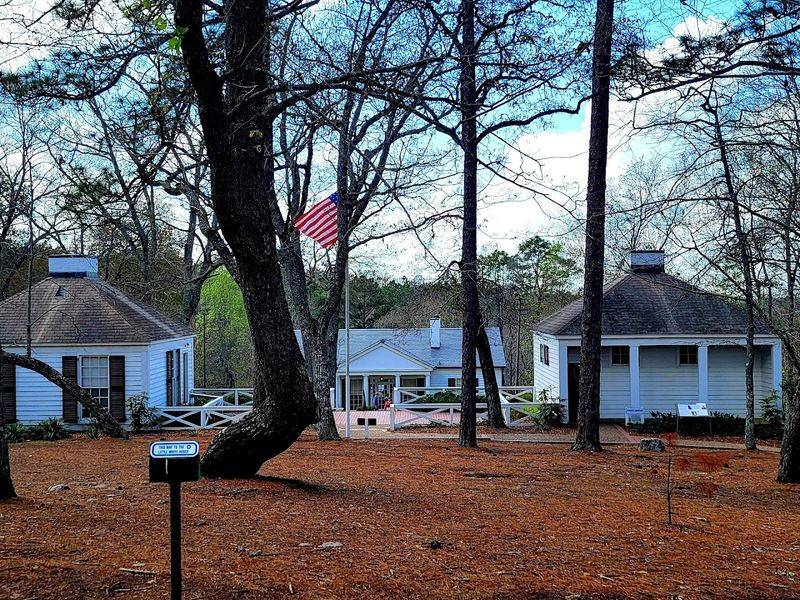
Beyond the main cottage, the Little White House complex includes several smaller buildings that round out the picture of daily life during Roosevelt’s visits. The servants’ quarters and guest cottage give visitors a fuller sense of how the property actually functioned as a working presidential retreat during the 1930s and 1940s.
These structures are modest and unpretentious, much like the main cottage itself. Seeing them helps you appreciate the scale of FDR’s retreat — this was never meant to be an impressive estate.
It was a place where Roosevelt could rest, think, and simply be himself away from the relentless demands of Washington. The simplicity feels intentional and even a little radical for a four-term president.
Walking between the buildings on the well-maintained grounds adds a pleasant outdoor element to the visit. The site is surrounded by tall Georgia pines that create a peaceful, almost meditative atmosphere.
Visitors frequently mention how clean and immaculately preserved everything feels, which reflects the dedication of the Georgia State Parks staff who care for the property. Picnic tables are available on-site, making it easy to turn your historical exploration into a relaxed full-day outing with family or friends.
FDR’s Custom-Designed Wheelchair and Adaptive Innovations
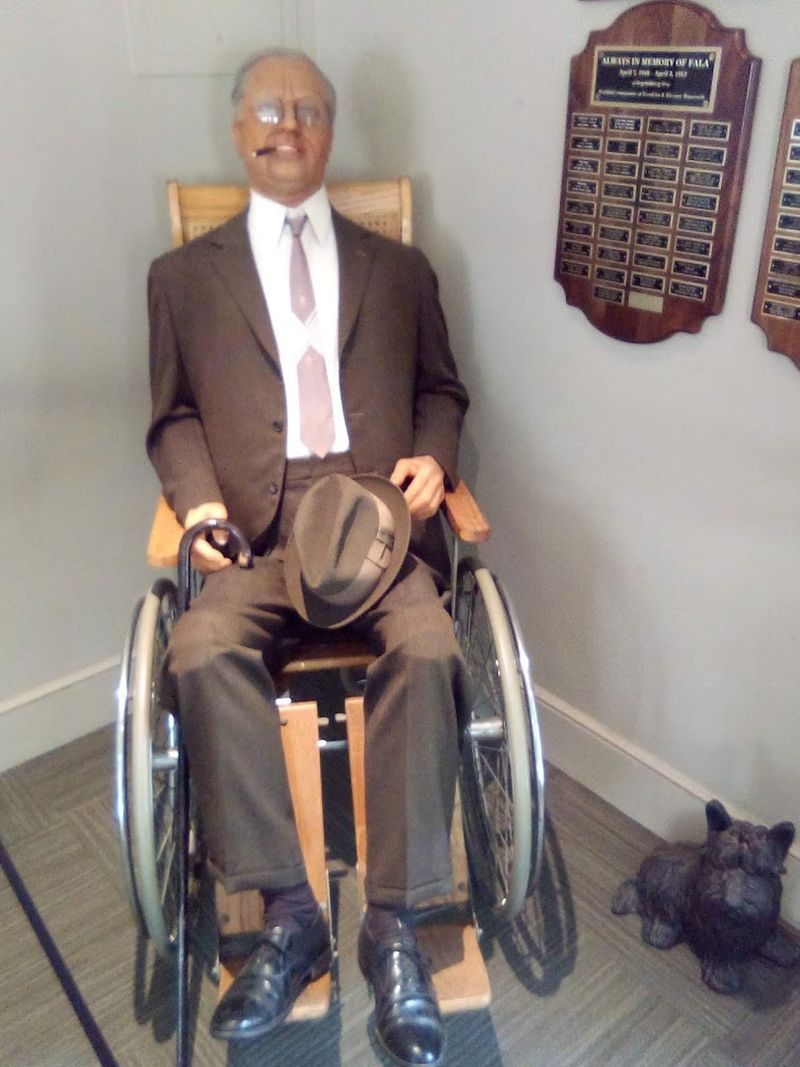
One of the most quietly remarkable things you will learn at the Little White House is just how inventive Roosevelt was when it came to adapting his environment and equipment to suit his needs. FDR designed his own lightweight wheelchair using a simple kitchen chair fitted with wheels — a far cry from the bulky standard wheelchairs of the era.
His goal was always to appear as capable and mobile as possible in public.
The museum displays this custom chair alongside other adaptive tools Roosevelt used throughout his presidency. Seeing these objects up close shifts your perspective on the man considerably.
His determination to minimize the visible signs of his disability was not vanity — it was a carefully considered strategy to maintain public confidence during the most turbulent years in modern American history.
For many visitors, this section of the museum is unexpectedly moving. It reveals a side of Roosevelt that official portraits and history textbooks rarely capture: a man who faced enormous physical challenges every single day and refused to let them define his leadership.
Several reviews specifically mention leaving the museum with a far deeper personal respect for FDR than they arrived with, and this exhibit is a big reason why.
The Flag Memorial Walk and State Stones
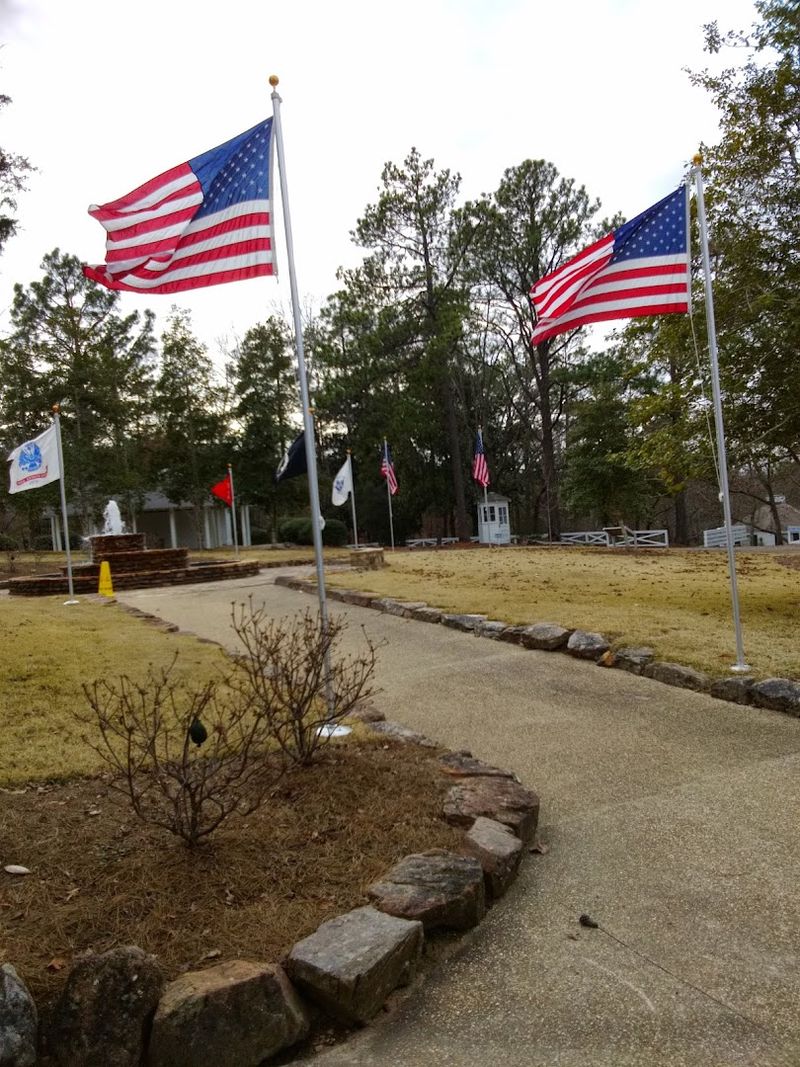
Step outside the main buildings and you will find one of the most visually striking features of the entire property — a memorial walk lined with flags representing all 50 U.S. states and adorned with stones donated in Roosevelt’s memory. Multiple visitors have called this area one of the most beautiful and unexpected highlights of their trip.
Each stone along the memorial walk was contributed by a different state as a tribute to the president who led the nation through the Great Depression and World War II. The effect is both patriotic and deeply personal, a physical reminder of the nationwide grief that followed Roosevelt’s death in April 1945.
Standing among the flags on a quiet Georgia afternoon, it is easy to feel the weight of that history.
The grounds surrounding the memorial are beautifully landscaped and offer a peaceful place to reflect after touring the museum and cottage. Many families take photos here, and children seem especially captivated by the colorful rows of state flags.
The combination of natural beauty and historical significance makes this outdoor area a genuine highlight that should not be rushed through. Budget extra time to walk slowly and read the inscriptions on the memorial stones.
The Knowledgeable and Passionate Staff
Ask almost any visitor what made their trip to the Little White House truly special, and the answer is nearly always the same: the staff. Rangers and museum employees here are consistently described as friendly, deeply knowledgeable, and genuinely passionate about sharing FDR’s story.
That enthusiasm is contagious in the best possible way.
Staff members go well beyond simply reciting facts. They engage visitors in real conversations, answer questions with thoughtful detail, and often share lesser-known stories that you would never find in a standard history textbook.
Several reviewers noted that staff members were equally wonderful with young children, making the experience accessible and exciting for visitors of all ages.
The guided tour option is particularly recommended by frequent visitors and history buffs alike. Having a knowledgeable guide lead you through the cottage and grounds adds layers of context that self-guided exploration simply cannot replicate.
One reviewer specifically called the guided tour a phenomenal experience. The staff’s evident love for this place and its history transforms what could be a straightforward museum visit into something genuinely memorable — the kind of experience that stays with you long after you have driven back down the Georgia highway.
Visiting Tips, Admission, and What to Expect
Planning your visit to the Little White House Historic Site is straightforward, and a little preparation goes a long way toward making the most of your time. The site is located at 401 Little White House Road in Warm Springs, Georgia, and is open every day of the week from 9 AM to 4:45 PM.
Admission is $13 per adult plus tax, which most visitors agree is an outstanding value for everything included.
Expect to spend at least two to three hours on-site to fully enjoy the film, museum, cottage tour, memorial walk, and grounds. Comfortable walking shoes are recommended, though the site is relatively compact and does not require extensive hiking.
Picnic tables are available on-site, making it easy to pack a lunch and turn your visit into a leisurely half-day outing.
After your visit, the historic downtown area of Warm Springs is just minutes away, offering charming shops and local restaurants. Several reviewers specifically recommend the Bulloch House for a lunch buffet.
A well-stocked gift shop at the site sells books, souvenirs, and Roosevelt-related items. Parking is free and plentiful.
Whether you are a dedicated history lover or simply curious about one of America’s most remarkable presidents, this site delivers an experience that genuinely exceeds expectations.