Tucked into the rolling countryside of Lancaster County, Pennsylvania, Renninger’s Antique Market in Adamstown is one of those rare places that feels like stepping into a living museum.
Sprawling across five acres, this legendary market has been drawing collectors, treasure hunters, and curious browsers for decades.
What makes it truly special is its deep roots — many vendors have occupied the same booth spots since the 1960s, creating a sense of history and community you simply can’t manufacture.
Whether you’re hunting for a rare first-edition book or just love the thrill of not knowing what you’ll find next, Renninger’s delivers every single Sunday.
A Five-Acre Treasure Hunt in Pennsylvania Dutch Country
Somewhere between a history lesson and a scavenger hunt, Renninger’s Antique Market stretches across five full acres in the heart of Pennsylvania Dutch Country. The sheer size of this place is part of the charm — you genuinely cannot see it all in one pass.
Lancaster County has long been known for its rich agricultural heritage and slow-paced beauty, and this market fits right into that landscape.
Rows of vendors wind through both open fields and covered spaces, creating a labyrinth of discovery that rewards patient explorers. Families push strollers past oil paintings.
Seasoned collectors crouch low to inspect vintage hardware. Everyone moves at their own pace, and no one seems to be in a rush.
The market draws visitors from across the mid-Atlantic region and beyond, with many making it an annual or even monthly tradition. First-timers often describe feeling overwhelmed in the best possible way.
Bring a bag, wear your walking shoes, and accept the fact that you will probably leave with something you had absolutely no intention of buying — and you will love every second of it.
A Market Rooted in the 1960s
Not many marketplaces can honestly say their vendors have been showing up for six decades — but Renninger’s can. The Adamstown antiques corridor began attracting dealers and collectors in earnest during the 1960s, and some of those original vendor families are still here today.
That kind of continuity is almost unheard of in modern retail.
When a vendor has worked the same spot for forty or fifty years, something remarkable happens. They accumulate not just inventory, but deep expertise, loyal customers, and a reputation that travels by word of mouth across generations.
You’re not just buying a ceramic pitcher — you’re buying it from someone who has spent a lifetime understanding what it’s worth and where it came from.
This generational thread runs through the whole market like a quiet undercurrent. Children of original vendors now run their parents’ booths.
Grandchildren tag along on Sunday mornings, learning the trade the same way their grandparents once did. It gives Renninger’s a living, breathing sense of history that no amount of clever branding could ever replicate.
Visiting here feels less like shopping and more like connecting with something genuinely lasting.
Over 500 Vendors and Ever-Changing Inventory
Walking through Renninger’s on any given Sunday, it’s easy to lose count of the booths. With over 500 vendors filling both indoor and outdoor spaces, the sheer variety of merchandise is staggering.
One booth might be stacked floor-to-ceiling with vintage magazines. The next could feature hand-painted folk art, Depression-era glassware, or military memorabilia from three different wars.
What keeps regulars coming back week after week is the fact that inventory is always changing. Dealers rotate their stock, new vendors cycle in, and fresh finds appear constantly.
Something that wasn’t here last month might show up today — and it might be exactly what you’ve been searching for.
For collectors with a specific focus, this kind of unpredictability is thrilling. You develop a rhythm: arrive, scan, move fast when something catches your eye.
Casual shoppers love it too, because the variety means there’s always something interesting to look at even if you’re not hunting for anything particular. Whether your taste runs toward mid-century modern furniture or hand-stitched quilts from the 1880s, the odds are strong that Renninger’s has something waiting just for you somewhere in those five acres.
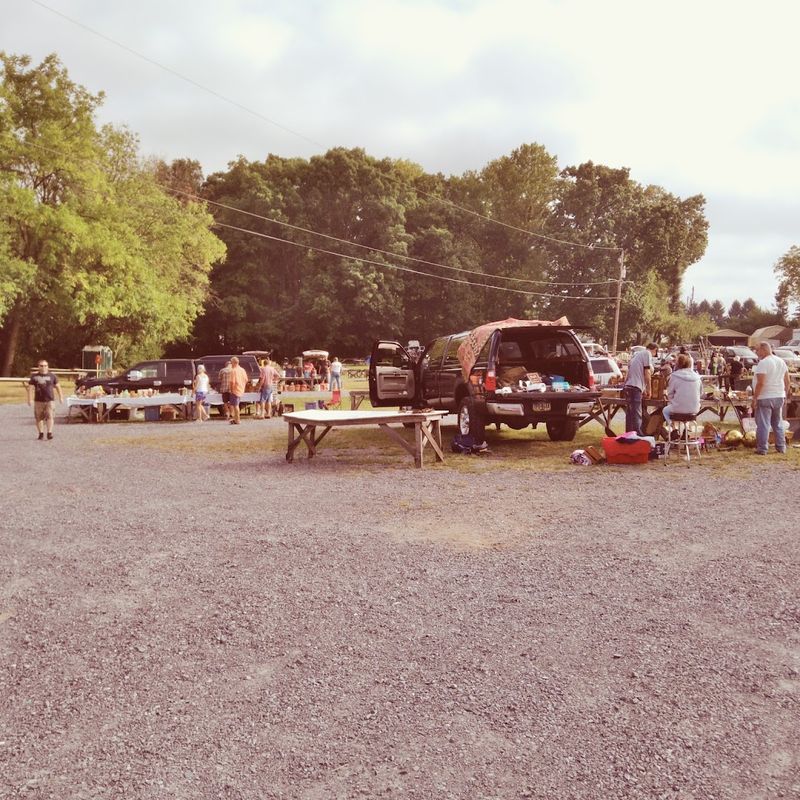
The Early-Bird Outdoor Flea Market Experience
There is a special kind of person who sets an alarm for 4 a.m. on a Sunday to go shopping — and at Renninger’s, those people are rewarded handsomely. The outdoor flea market portion opens around 5 a.m., and serious collectors know that the best items vanish before the sun fully rises.
Arriving early is not a suggestion here; it is a strategy.
Picture this: it’s still dark, the air is cool, and vendors are still unpacking their trucks. Shoppers move between tables with small flashlights, picking up items and turning them over in the dim light.
There is an electric energy to it — part treasure hunt, part competition, and entirely unforgettable. You might find a box of old postcards sitting next to a hand-carved wooden duck, both priced to sell.
Regulars build relationships with vendors they see every week, sometimes getting a heads-up about incoming stock before it even hits the table. For newcomers, the early-morning chaos can feel disorienting at first, but that feeling fades quickly once you find your first great deal.
Pack a thermos of coffee, dress in layers, and be ready to move with purpose. The early bird really does get the best antique here.
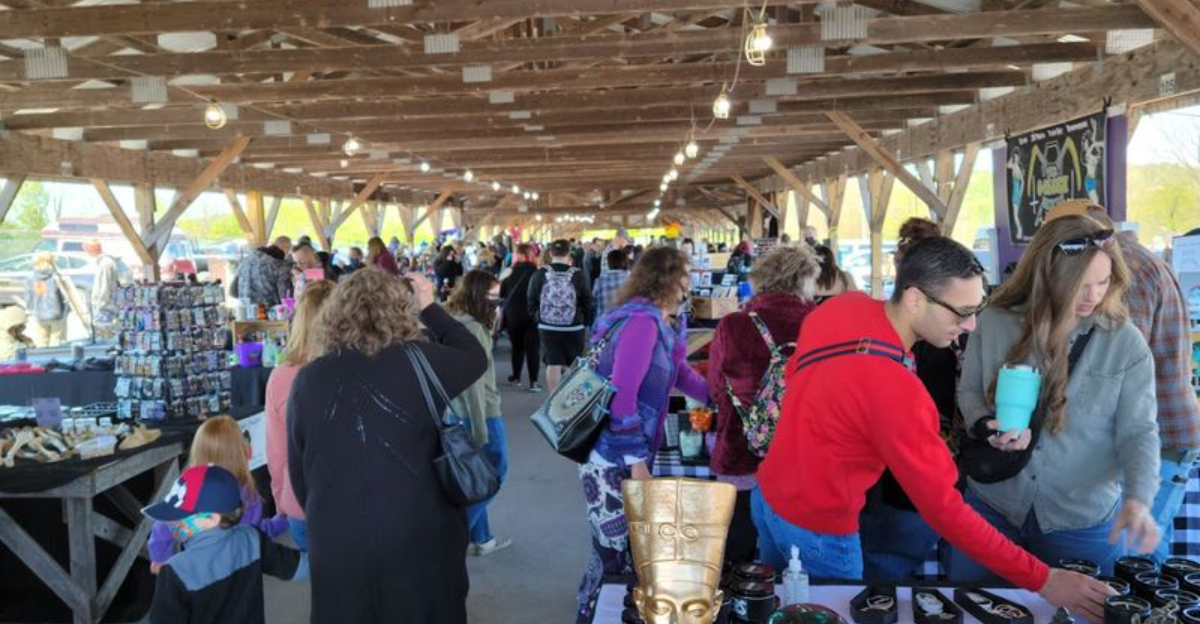
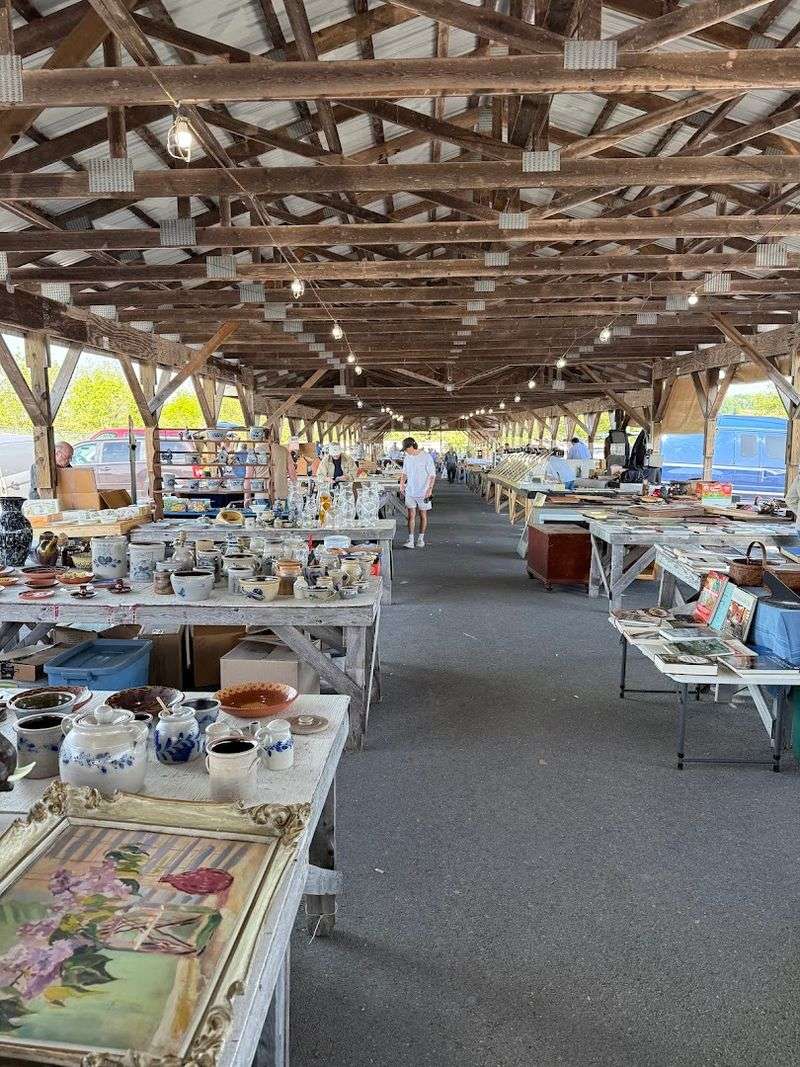
Covered Pavilions Packed With Hidden Gems
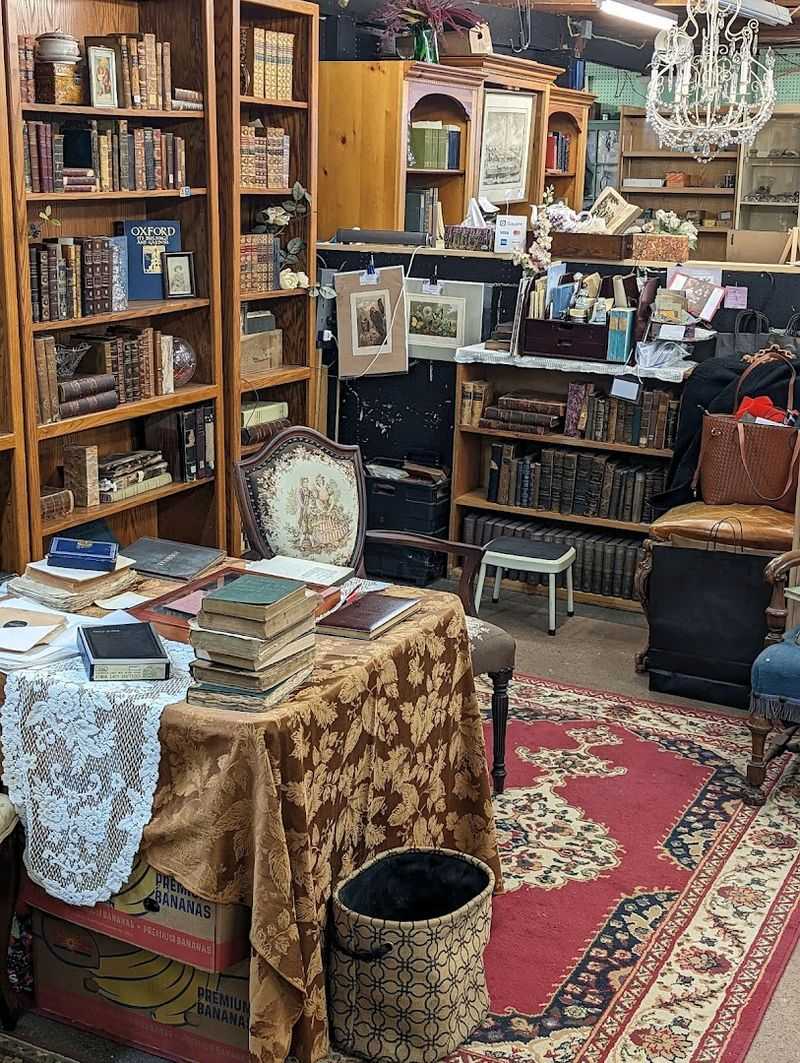
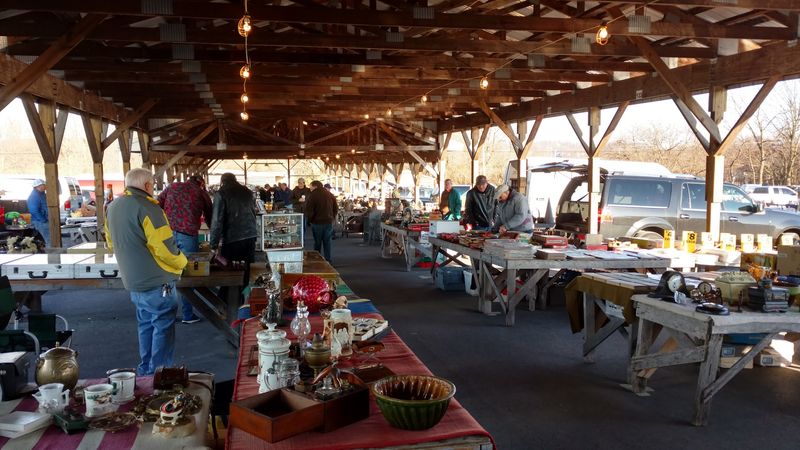
Once the outdoor rush settles down a bit, the covered pavilion areas offer a more relaxed but equally rewarding browsing experience. These shaded structures sit between the open-field vendors and the main indoor building, creating a middle zone that many shoppers overlook — which is exactly why savvy visitors love them.
Less foot traffic means more time to actually look at things without getting bumped.
The pavilions tend to attract vendors with bulkier, quirkier items. Think old barn tools, rusted cast-iron cookware, vintage advertising signs, and stacks of mismatched china.
It’s the kind of stuff that doesn’t photograph well but feels incredible to hold and examine in person. There is a tactile joy to picking up a 1940s hand plane or flipping through a crate of old 45-rpm records.
On hot summer Sundays, the shaded pavilions also offer welcome relief from the sun, making them a natural resting point during a long browse. Vendors here tend to be chatty and enthusiastic about their inventory — ask about an item and you’ll often get a mini history lesson along with the price.
These spaces have a relaxed, unhurried energy that feels like the soul of what a good flea market should be.
A Massive Indoor Antique Mall
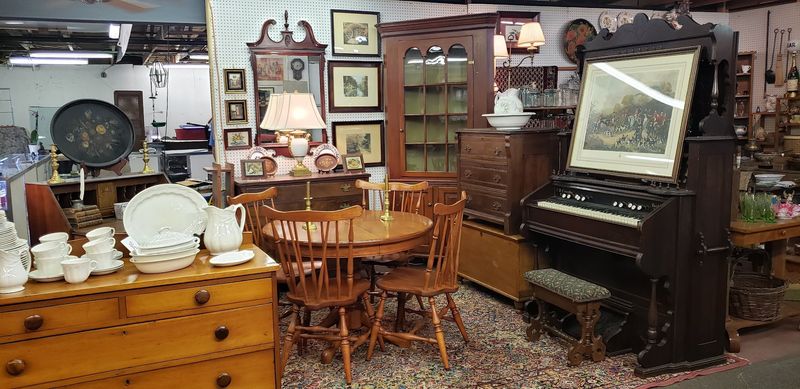
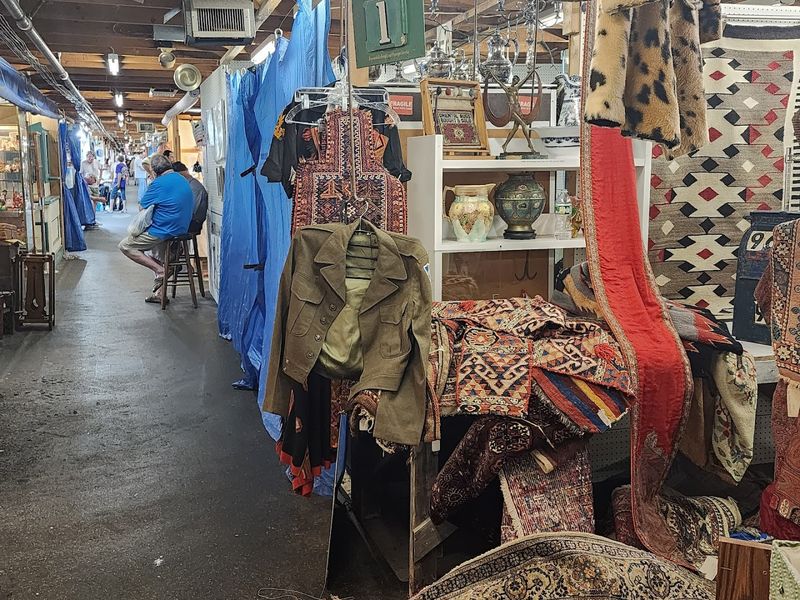
Around 7:30 a.m., the indoor portion of Renninger’s opens its doors, and the atmosphere shifts noticeably. Where the outdoor market is raw and fast-paced, the indoor mall is organized, calm, and thoughtfully curated.
Rows of well-lit booths showcase everything from Victorian furniture to signed sports memorabilia, each space reflecting its dealer’s unique specialty and aesthetic.
The indoor environment is particularly appealing for those interested in higher-end antiques. Glass cases display fine jewelry, pocket watches, and sterling silver flatware.
Tall wardrobes and secretary desks line the wider aisles. Art collectors will find oil paintings, watercolors, and vintage prints tucked between furniture groupings, sometimes with handwritten provenance notes attached.
Shopping indoors also means protection from unpredictable weather, which matters when you’re spending several hours on your feet. The climate-controlled setting keeps fragile items in better condition, and the organized layout makes it easier to revisit a booth you passed earlier.
Many vendors inside maintain detailed records of their inventory and can answer very specific questions about age, origin, and authenticity. For shoppers who prefer a more structured, less frantic pace, the indoor mall is the ideal counterpart to the wild energy of the outdoor flea.
It is, in a word, civilized — but still full of surprises.
A Journey Through History With Every Booth
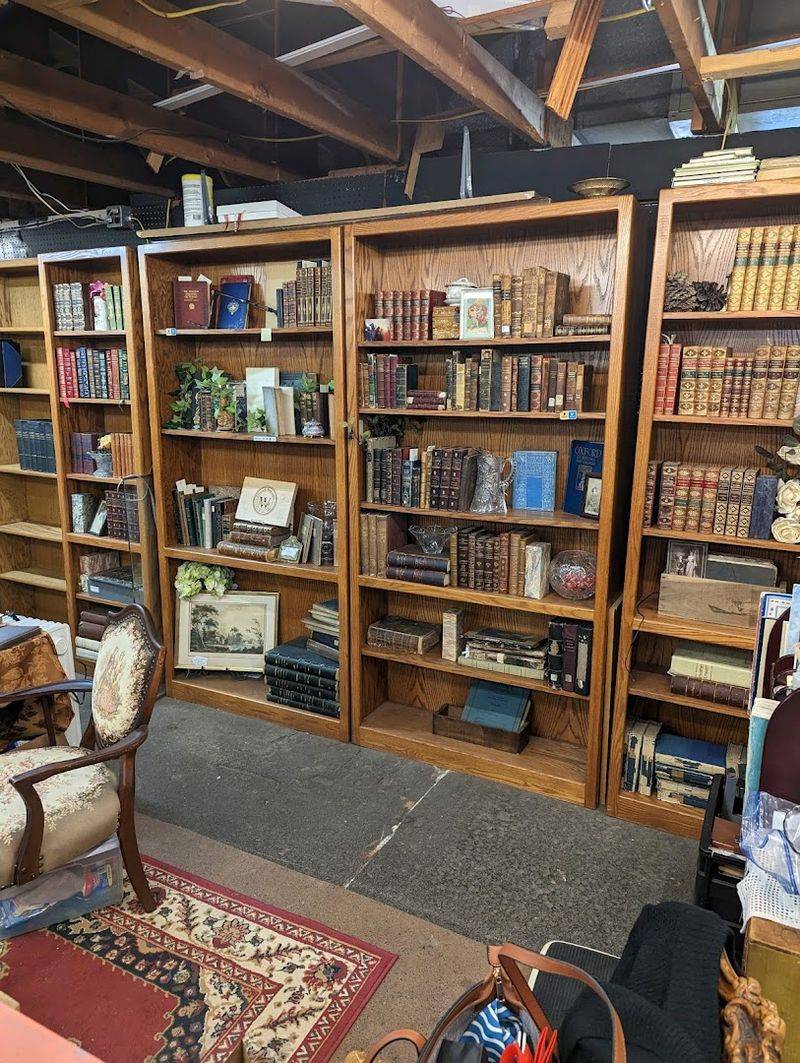
Every vendor at Renninger’s has a story to tell — and so does every item they sell. One booth might be entirely dedicated to vintage tin toys from the 1950s, the kind that wind up and clatter across the floor with mechanical charm.
Three booths down, someone has assembled a remarkable collection of early American folk art, each piece carrying the rough-hewn character of a different craftsman’s hand.
Vinyl record hunters tend to lose serious amounts of time flipping through crates of albums, rediscovering artists they forgot they loved. Furniture enthusiasts pause in front of oak sideboards and marble-topped washstands, mentally measuring their living rooms.
There is no single dominant category here — the market reflects the full sweep of American material culture across two centuries.
What makes this browsing experience genuinely immersive is the human element. Vendors often know the backstory of specific pieces — where they came from, who owned them, and why they matter.
That context transforms a simple purchase into something meaningful. You stop buying objects and start acquiring little pieces of history.
Even items you don’t buy leave an impression. By the time you’ve walked the full market, you’ve taken a winding, wonderful journey through decades of American life.
A Community of Lifelong Dealers and Collectors
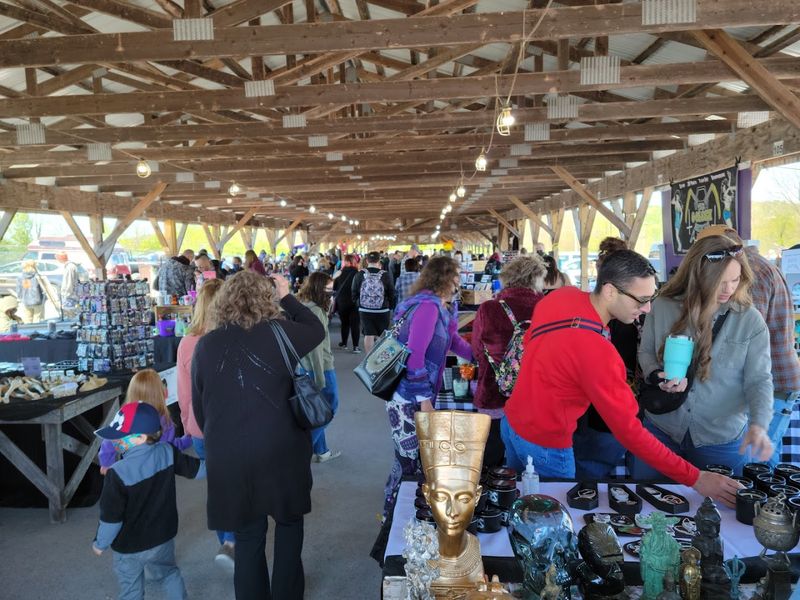
Ask any regular visitor what keeps them coming back to Renninger’s, and the answer usually isn’t just about the merchandise. It’s about the people.
The vendors here are not anonymous faces behind a register — they are personalities, historians, and passionate advocates for the things they sell. Many have spent decades building expertise in very specific niches, and they genuinely enjoy sharing what they know.
A vendor who specializes in antique firearms might spend twenty minutes explaining the difference between two similar-looking Civil War-era pistols. A textile dealer might walk you through the regional quilting traditions of Lancaster County without you even asking.
This depth of knowledge is rare and irreplaceable — it simply cannot be found on any e-commerce platform.
The collector community that orbits the market is equally engaged. Regular shoppers recognize each other, trade tips about what they’ve spotted, and develop genuine friendships over years of shared Sunday mornings.
There is a social warmth to the whole operation that makes Renninger’s feel more like a gathering than a transaction. New visitors sometimes feel the camaraderie immediately and find themselves returning the following week, then the week after that.
It becomes a habit — a very good one.
Visitor Info and Tips: What to Know Before You Go
Planning your first trip to Renninger’s? A little preparation goes a long way.
The market operates on Sundays, with outdoor vendors setting up as early as 5 a.m. and the indoor market opening around 7:30 a.m. Arriving before 8 a.m. gives you the best shot at the freshest inventory before the crowds thicken.
Weekday visits are not an option here — Sunday is the day.
Cash is strongly recommended, especially for outdoor and pavilion vendors who may not have card readers. Bring small bills when possible, as many sellers prefer them for smaller purchases.
An ATM is available on-site, but lines can form later in the morning. A reusable tote bag or two will come in handy — you will buy something, and probably more than one thing.
Wear the most comfortable shoes you own. Five acres of walking on uneven ground adds up quickly, and blisters are a real risk for the unprepared.
The market is located at 2500 North Reading Road in Denver, Pennsylvania, easily accessible from major highways. Expect to spend at least three to four hours to do it justice.
Dogs on leashes are generally welcome in outdoor areas. Go hungry — the food vendors on-site are a welcome bonus to an already excellent Sunday outing.