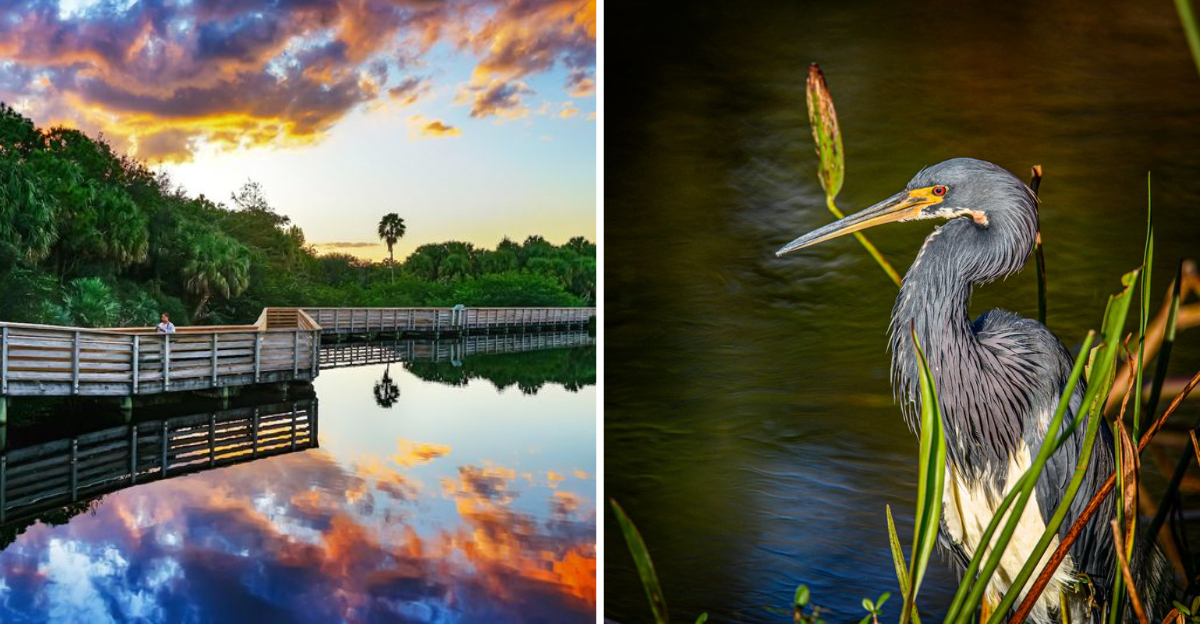
If birdwatching is on your Florida wish list, this free boardwalk is the kind of place you remember long after your photos are filed. Green Cay’s 100 acres of wetlands put you eye level with anhingas, ibis, and purple gallinules while you stroll at an easy pace.
The 1.5 mile path is flat, stroller friendly, and packed with wildlife action from sunrise to sunset. Come for the birds, stay for the calm, and leave with a camera roll full of keepers.
How the Boardwalk Flows and What You Will See First
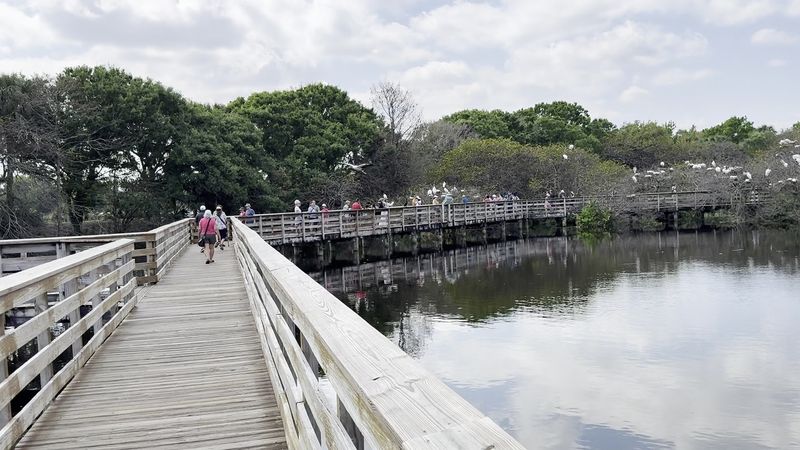
Start at the nature center and the boardwalk quickly slips you over shallow marsh, open water, and stands of cypress. The first minutes usually deliver moorhens chattering, glossy ibis probing mud, and turtles surfacing near duckweed.
Scan railings for anhingas drying wings, and watch for marsh rabbits tucked in shoreline shade.
Pacing makes a difference here. Slow steps quiet the boards and pull birds closer, especially along bends where vegetation narrows.
I like to rest at the first shelter, sip water, and glass the emergent plants for purple gallinules. Their candy colored shields practically glow when sunlight angles through the pickerelweed.
Stay flexible with time. If a section is quiet, leapfrog to the next gazebo and wait ten patient minutes.
Raptors often cruise the open water cells, so keep a midrange zoom ready. Egrets stalk surprisingly close if you lean the rail and stay still.
Green Cay rewards patience with proximity again and again.
Sound cues help your eyes. Listen for pig frog grunts, squeaky gallinule calls, and the soft splash of a heron strike.
Follow those clues instead of chasing movement. You will miss fewer moments and spook fewer birds.
That simple habit turns a good loop into a spectacular hour.
Best Times of Day and Season for Peak Bird Activity
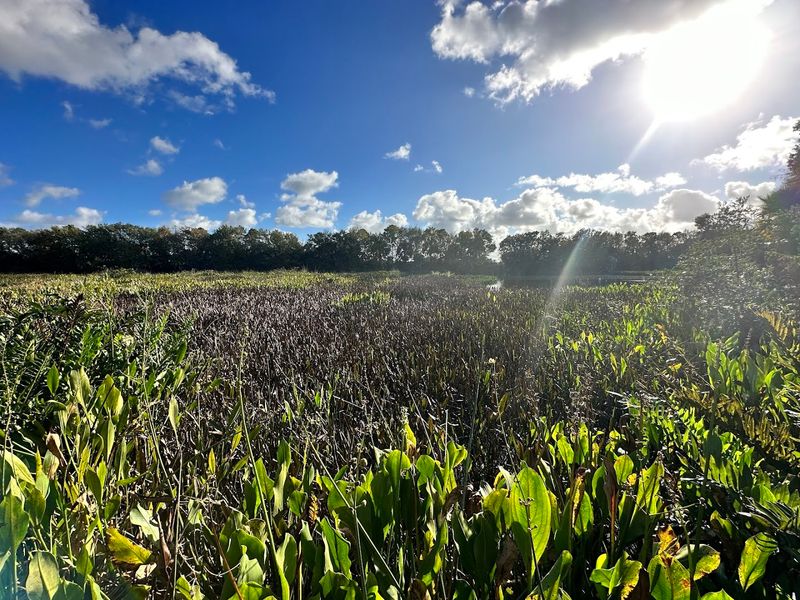
Sunrise changes everything. Cool air concentrates birds near the surface, insects hover low, and the light kisses every feather.
Arrive fifteen minutes before opening glow to claim a quiet rail. Late afternoon delivers a different rhythm as flocks trade roosts, and silhouettes stack against orange skies over open water cells.
Winter migration amplifies variety. Blue winged teal raft in pockets, warblers tinkle through edges, and kestrels hunt perches.
Spring puts color on parade with breeding plumage and active courtship. Summer heat slows midday activity, yet chicks learn to feed along shaded banks.
Fall’s northbound motion refreshes the checklist with surprises.
Cloud cover can be your friend. Diffused light controls glare on water and gives rich detail without harsh shadows.
On breezy days, stake out leeward corners where insects collect and birds concentrate. Calm evenings often bring spoonbills sweeping shallows in synchronized arcs, turning the water pink with reflections.
Plan flexible windows. If sunrise is tough, try that final golden hour and linger through civil twilight.
Keep a hat, electrolyte drink, and bug spray in your bag. Quick showers pass fast, and post rain feeding can be electric.
Your best day likely pairs soft light with patient waiting.
Photography Tips That Deliver Sharp, Vivid Shots
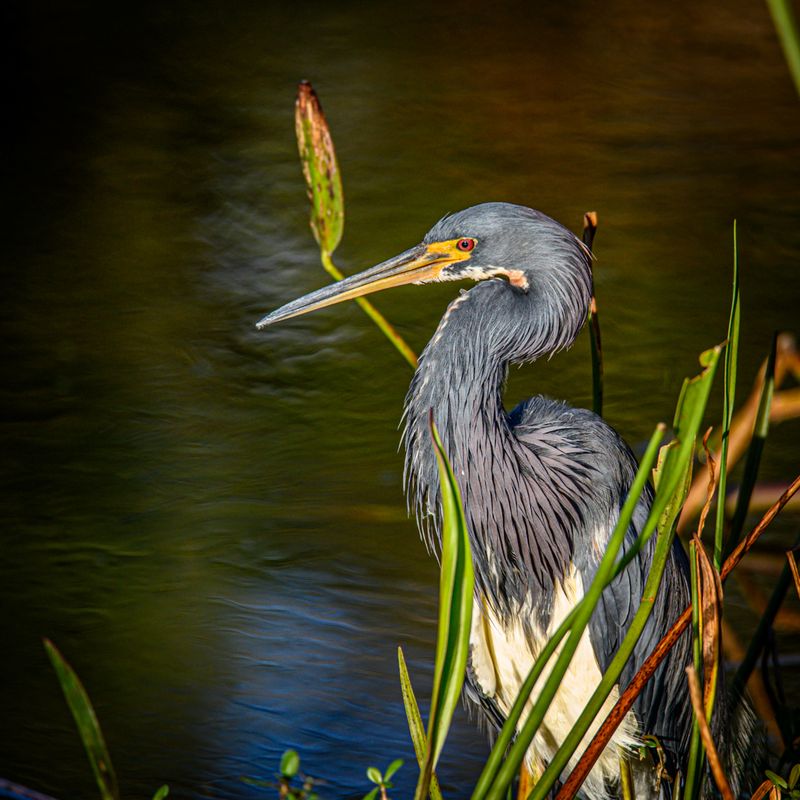
Stability beats reach here. Brace elbows on the rail, plant feet, and shoot in short controlled bursts.
A 200 to 400mm lens is plenty because birds work close to the boardwalk. Keep shutter near 1/1600 for action, drop to 1/800 for perched birds, and watch your histogram to protect highlights.
Polarized sunglasses help you scout through glare before lifting the camera. When water’s mirror is stubborn, shift your stance a step or two and recompose.
For gallinules and herons, prefocus on a feeding lane and wait. Action reliably repeats in predictable paths, especially around patches of pickerelweed and spadderdock.
Light changes fast across the loops. Shoot subjects on your shadowed side to avoid washed feathers.
If contrast spikes, try exposure compensation at minus two thirds. Move during lulls and settle early at shelters for peak bursts.
Keeping the sun quartering behind your shoulder adds punch without harsh specular flares.
Mind the etiquette that keeps wildlife calmer. Stay off the railings, mute camera sounds, and skip playback near nests.
Share space with families and wheelchairs, and announce passes softly. Great frames keep coming when the boardwalk stays peaceful.
You will leave with crisp files and plenty of room to crop.
Nature Center Highlights and Quick Learning Stops
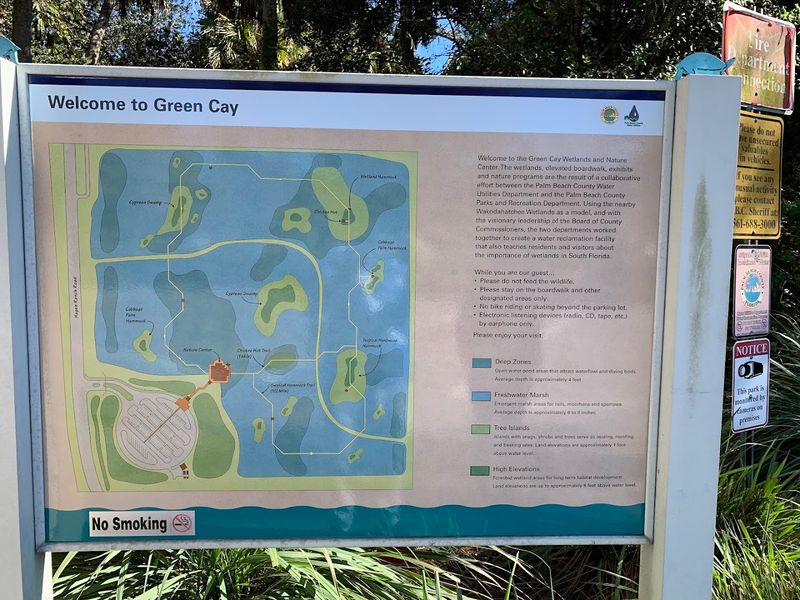
Before you step onto the boards, the nature center sets the scene with habitats mapped, birds labeled, and sounds identified. It is a fast primer that sharpens your eyes outside.
Kids love the live exhibits, and adults appreciate the curated displays. Staff often share where anhinga nest activity is hottest.
Check programming times. Short talks introduce resident ambassadors like Oliver the rehabilitated screech owl.
Hearing his story makes spotting wild owls at dusk feel even more special. The gift shop carries field guides, sun hats, and junior birder kits that earn their keep on the boardwalk within minutes.
Restrooms, chilled water, and shade live here too. Top off bottles before the loop, especially on summer afternoons.
There are often scavenger hunt sheets for younger visitors that turn bird IDs into a friendly game. Completed pages make great souvenirs alongside your memory cards and phone galleries.
When the center is closed, the walk still delivers. Interpretive signs along the rail fill knowledge gaps, pointing out plant roles and keystone species.
Snap a photo of the habitat map at the entrance. It helps you predict which corners hold rails, which ponds pull ducks, and where roost trees glow.
Family Friendly, Accessible, and Relaxed for All Ages
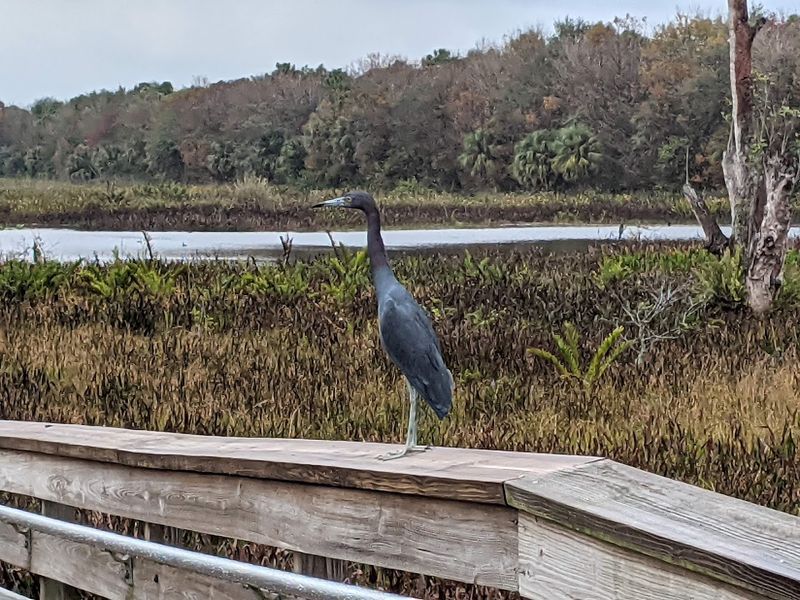
Everything about Green Cay lowers barriers. Parking is generous, entry is free, and the boardwalk is smooth for strollers, wheelchairs, and rollators.
Rail heights feel safe without blocking sightlines for kids. Wayfinding is obvious, with a shorter half mile option for quick visits and the full mile loop for lingering.
Pack simply. Sunscreen, hats, and cold water keep everyone comfortable, and snacks turn a slow afternoon into a fun mission.
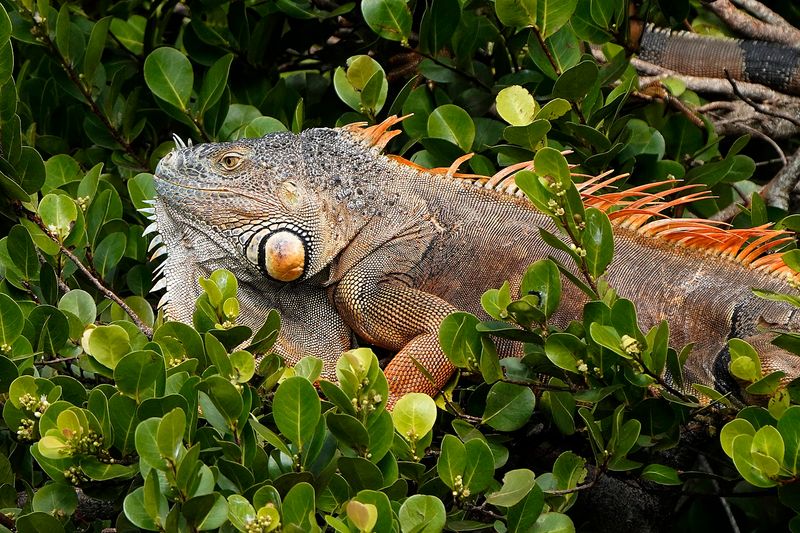
Build small goals for younger walkers, like reaching the next shelter to scan for turtles. Spotting an iguana becomes an instant crowd pleaser and a perfect photo moment.
Plan breaks before meltdowns. Use gazebos as mini basecamps for shade and bird counts.
Rotate binoculars down the line so each person gets a turn on the same subject. When the sun bites, step into the nature center to reset attention with live exhibits and air conditioned curiosity.
Wildlife distance is natural here, so you rarely need to police boundaries. Remind kids to keep fingers inside rails and voices in library mode near nesting spots.
Most birds tolerate close presence when people move slowly. That shared calm makes the day enjoyable for photographers, grandparents, and first timers alike.
Signature Species to Watch and Where to Find Them
Start with the showstopper. Purple gallinules tiptoe across floating leaves near sunlit pickerelweed, especially on still mornings.
Their candy colors pop even through phone cameras. Along open water, anhingas surface like snakes, climb posts, and hold that classic crucifix pose to dry.
Nearby, glossy ibis probe shallows in gleaming bronze.
Scan for herons along edges. Green herons crouch low and strike fast from snag perches, while great blues ghost across the horizon.
In winter, teal groups zip between ponds, whistling past. Marsh rabbits graze close to rails near thick cover.
Iguanas often sun on logs after chilly nights, adding tropical flair.
Alligators come and go. Warmer days bring lazy floats along weed lines, and cooler mornings push them toward sun patches.
Give them space and enjoy the quiet thrill. Overhead, red shouldered hawks patrol with piercing calls.
I keep one ear tuned for their alarm notes that suddenly empty shorelines.
Rookery action depends on season. When nests are active, pause at overlooks and use binoculars for a respectful view.
Chicks beg loudly after feeding flights, offering easy audio cues. With a patient loop, you can rack up a hefty species list in under an hour without leaving the boards.
Two Loops, Smart Routing, and Crowd Avoidance
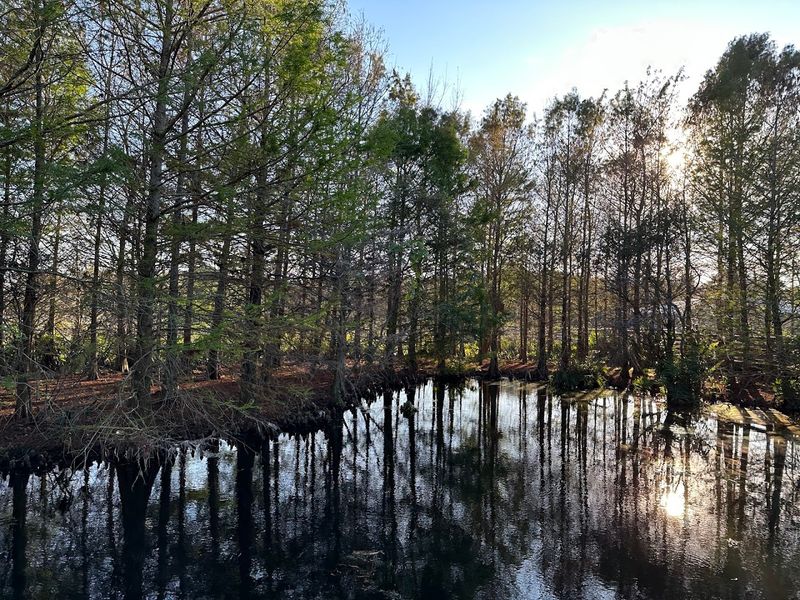
Route choices keep your day flexible. The shorter half mile loop is perfect during hot midday stretches, quick photo tests, or stroller naps.
The longer one mile option adds varied habitats and wider views that catch raptors and big flocks. Linking both delivers the classic 1.5 mile experience without backtracking.
To dodge crowds, start counterclockwise and pause at the first quiet shelter while larger groups pass. Midweek mornings are consistently open.
On weekends, arrive early or time a late afternoon lap when families head home for dinner. Even on busy days, courteous spacing returns fast once you settle.
Wind direction influences picks. Birds concentrate on leeward edges where insects gather, so angle your route to those corners first.
If thunderheads stack inland, keep an exit plan and watch for lightning. The nature center is close to the trailhead, and parking is a short, simple walk.
Carry a small checklist and pencil. Mark target species for each segment so you stay focused without rushing.
That tiny ritual helps you notice seasonal shifts and microhabitats you might otherwise breeze past. By the time you finish, the map in your head will feel almost like a friend’s directions.
Safety, Etiquette, and Wildlife Respect
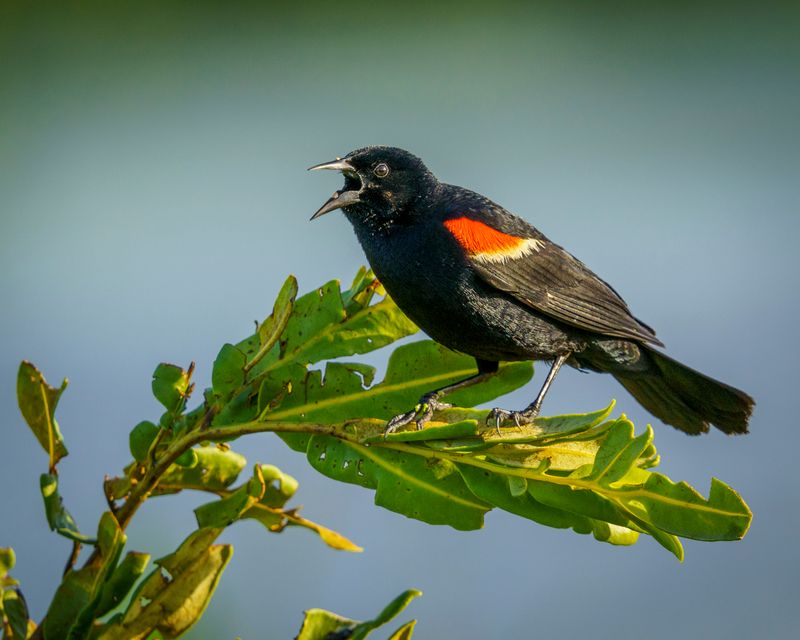
Good fieldcraft protects animals and photos. Stay on the boardwalk, keep hands inside the rails, and give alligators a wide berth.
Do not feed wildlife, and avoid playback apps near nesting spots. Soft voices preserve the close range behavior that makes Green Cay special, especially around rookery overlooks and tight bends.
Tripods are fine if you stay aware of traffic flow. Shorter legs near benches help maintain space for strollers and mobility devices.
Offer the rail to kids for a minute when they are enthralled. That small kindness keeps energy calm and spreads the joy that attracts people to birding.
Florida sun and storms require respect. Pack water, sunscreen, and a small poncho.
If thunder rumbles, turn back and wait it out under solid roofing at the center. Surfaces can get slick after rain, so shorten strides and use the rail.
Wildlife often perks up when showers pass.
Lastly, let quieter moments breathe. Resist crowding a hot subject and share observations instead.
Calling out a distant kestrel or a camouflaged green heron helps everyone see more without pushing limits. The boardwalk works best as a community, and your calm presence becomes part of the habitat’s rhythm.
Gear Checklist That Stays Light and Useful
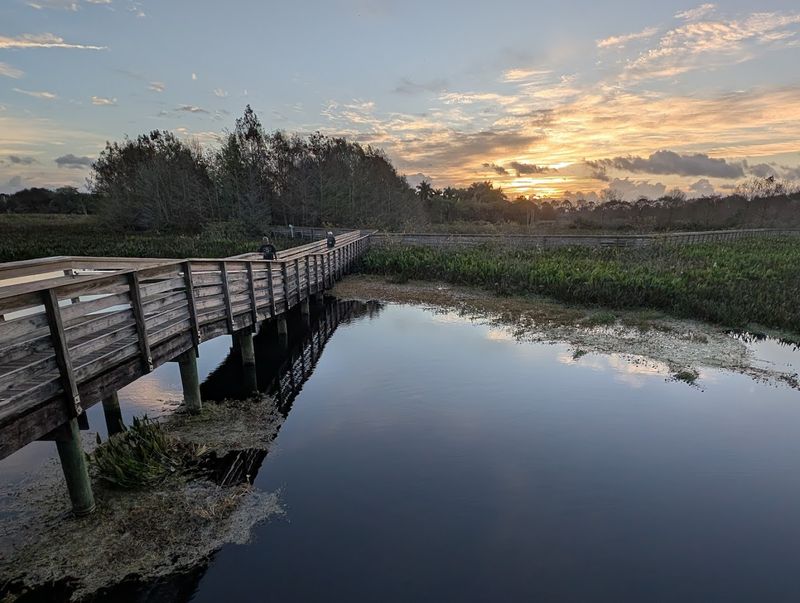
Travel light and move quietly. A compact 8x or 10x binocular pairs beautifully with a mirrorless body and a 200 to 400mm lens.
Add a hat, sunscreen, and bug wipes, plus a one liter bottle. Slip a microfiber cloth in your pocket for humidity fog, and keep spare batteries warm.
Phones work great here too. A small clamp adapter for digiscoping through binoculars stretches reach without heft.
Polarizing filters for phone lenses cut glare surprisingly well. I like a slim field guide or saved checklist in Notes for quick ID confidence.
Zip bags protect gear during brief sun showers.
Shoes matter more than packs. Choose breathable, grippy soles that handle damp boards.
Neutral colors are helpful but not mandatory. Bring a light layer for breezy winter mornings and shed it by mid loop.
If you are carrying for kids, prioritize snacks over extra glass every single time.
Finally, do not overlook comfort tools. A thin seat pad turns benches into excellent blinds.
A tiny flashlight helps with pre dawn starts and post sunset exits. Keep everything in a small daypack so your hands are free for rails, pointing, and quick shots when moments unfold fast.
Trip Planning, Hours, and Simple Logistics
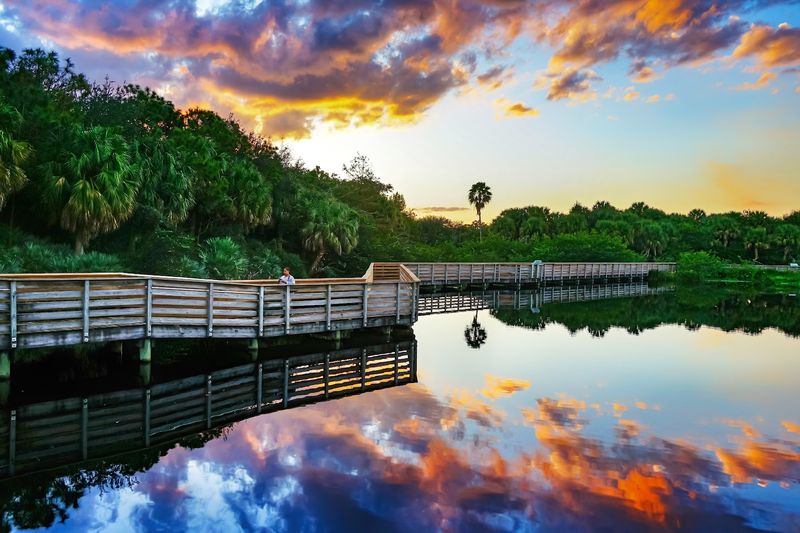
Set your pin to 12800 Hagen Ranch Rd, Boynton Beach, and check the county website for hours and program updates. Entry is free, parking is plentiful, and restrooms sit by the nature center.
Phone reception is solid across the loops, handy for eBird checklists and last minute weather checks.
Arrive a touch early. That buffer secures easy parking and gives you time to adjust straps, set exposure defaults, and hydrate.
If the center is open, pop in for the day’s sightings board. Staff and volunteers often know where chicks are active or which overlook is buzzing with swallows.
Build a simple loop plan with bailout points for heat or storms. Shelters dot the route, and the two loop options keep timing flexible for families.
Bring small bills for the gift shop if you want a sticker or field guide. Keep noise low near education programs and owl talks.
Finally, pace your exit. Golden light at day’s end is hard to beat, and parking clears quickly after sunset color finishes.
A few last frames by the entrance trees can surprise you with roosting ibis. That satisfying walk back to the car is its own quiet reward.