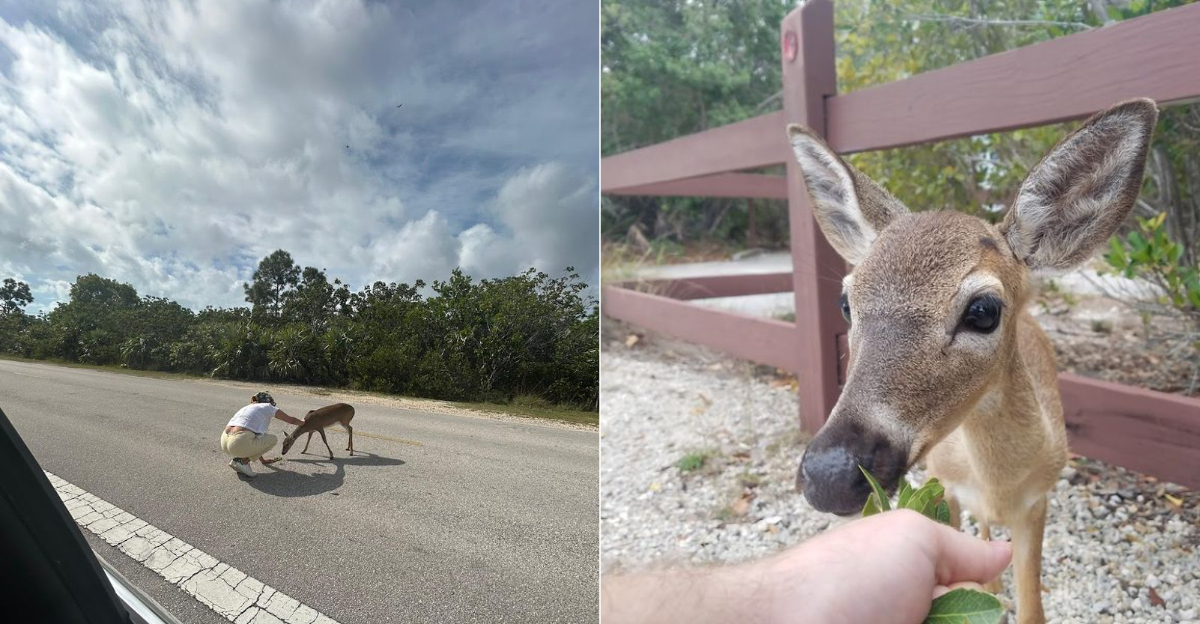
Tucked away on Big Pine Key in the Florida Keys, the National Key Deer Refuge is one of the most magical wildlife spots in the entire country. Home to the tiny and endangered Key deer, this 9,200-acre preserve offers visitors a rare chance to see wild animals up close in their natural habitat.
Whether you are a nature lover, a family on vacation, or simply someone looking for a peaceful morning adventure, this refuge has something truly special waiting for you. Pack your sunscreen, bring your curiosity, and get ready to discover why locals and travelers alike keep coming back to this one-of-a-kind place.
The Legendary Key Deer: Nature’s Smallest White-Tailed Deer
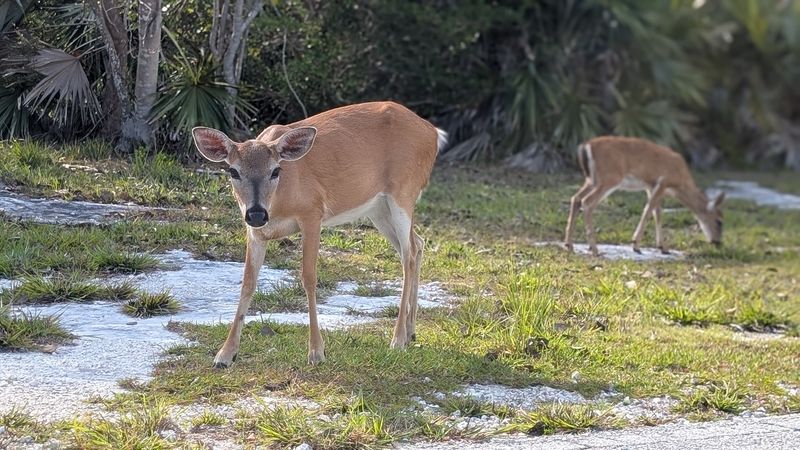
Standing barely two feet tall at the shoulder, the Key deer looks like something straight out of a fairy tale. These miniature white-tailed deer are found nowhere else on Earth, making them one of the most unique animals you will ever encounter in the wild.
Visitors often describe seeing them as watching a dog-sized deer casually stroll through the neighborhood.
Key deer were once on the brink of extinction, with fewer than 50 animals remaining in the 1950s. Thanks to decades of conservation work through the National Key Deer Refuge, their population has recovered to several hundred individuals.
That comeback story is genuinely inspiring and shows what dedicated wildlife protection can accomplish.
Early morning is hands-down the best time to spot them. Rangers at the visitor center consistently recommend heading out around sunrise, when the air is cool and the deer are most active.
They tend to gather near water sources and shaded areas before the Florida heat kicks in.
If you drive slowly along Key Deer Boulevard toward No Name Key, you stand an excellent chance of seeing multiple deer in a single outing. Residents sometimes leave buckets of water out, which attract the deer right to the roadside for easy viewing.
Blue Hole: An Alligator Hangout Hidden in Plain Sight
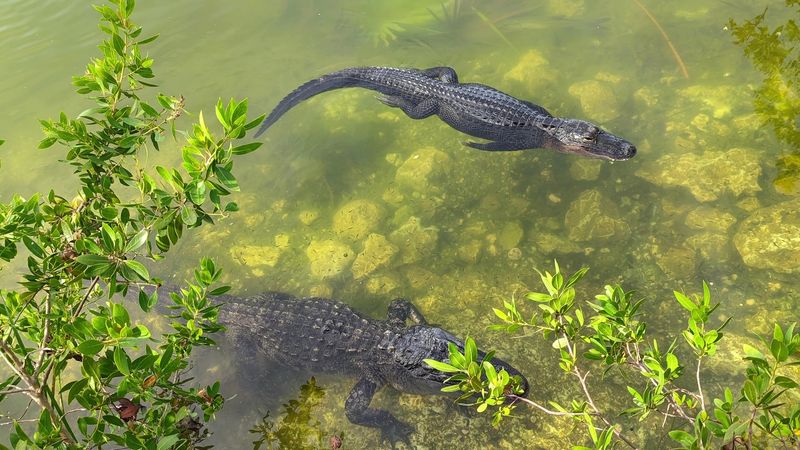
Most people come to the refuge expecting to see tiny deer. What surprises them is the eight-foot alligator casually sunbathing at the water’s edge.
Blue Hole is an old limestone quarry that has transformed into a beautiful freshwater pond, and it has become one of the most popular stops in the entire refuge.
The pond sits just off Key Deer Boulevard, about a mile from the visitor center, and the short walk around it takes less than 30 minutes. Along the way, you might spot turtles, wading birds, and of course, the resident alligators that call this spot home year-round.
The water has a striking blue-green color that makes for stunning photographs.
One visitor shared that they spotted a deer, an alligator, and several birds all on the same loop around Blue Hole. That kind of wildlife density is rare and makes this stop feel genuinely rewarding.
Benches along the path give you a comfortable place to sit and observe without disturbing the animals.
Arriving early helps you avoid both the heat and the crowds. Bring binoculars if you have them, because the alligators sometimes rest far from the shoreline and a closer look makes the experience even more memorable.
The Visitor Center: Your First Stop for Expert Ranger Advice
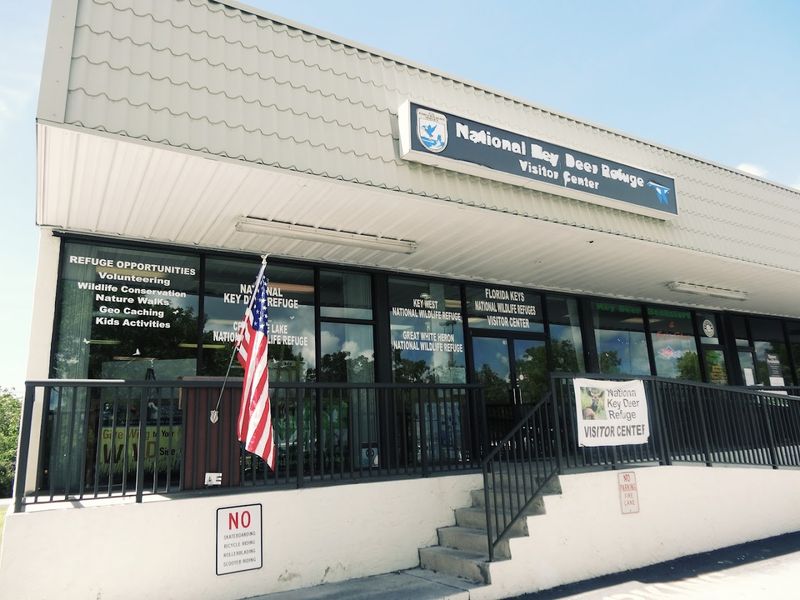
Walking into the National Key Deer Refuge Nature Center feels like stepping into a friendly classroom where every staff member genuinely wants you to have an amazing experience. Located at 30587 Overseas Highway in Big Pine Key, the center is open Wednesday through Saturday from 10 AM to 3 PM, making it a perfect midday stop before heading out to explore.
The rangers here are the real treasure. Multiple visitors rave about how knowledgeable and welcoming the staff are, with several reviews specifically calling out rangers by name.
They will tell you exactly where the deer have been spotted recently, which trails are worth hiking, and what time of day gives you the best wildlife viewing odds.
Inside, you will find well-designed natural history exhibits that explain the ecology of the Florida Keys and the conservation efforts protecting endangered species. Kids especially enjoy the hands-on section where they can touch natural objects and learn about local wildlife in an interactive way.
The center also serves as an information hub for three other nearby wildlife refuges: Key West, Crocodile Lake, and Great White Heron. If you are planning a broader Keys adventure, the rangers here can map out your entire wildlife itinerary with ease.
Key Deer Boulevard and No Name Key: The Ultimate Deer-Spotting Drive
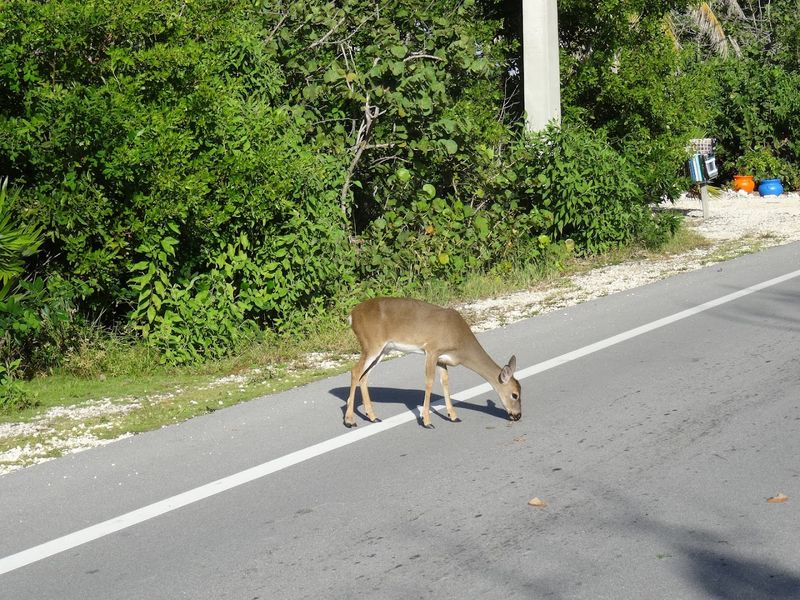
Forget expensive safari tours. One of the best wildlife drives in Florida costs absolutely nothing and runs right through a residential neighborhood on Big Pine Key.
Key Deer Boulevard stretching toward No Name Key is where most visitors rack up their deer sightings, sometimes spotting eight or more animals in a single slow cruise.
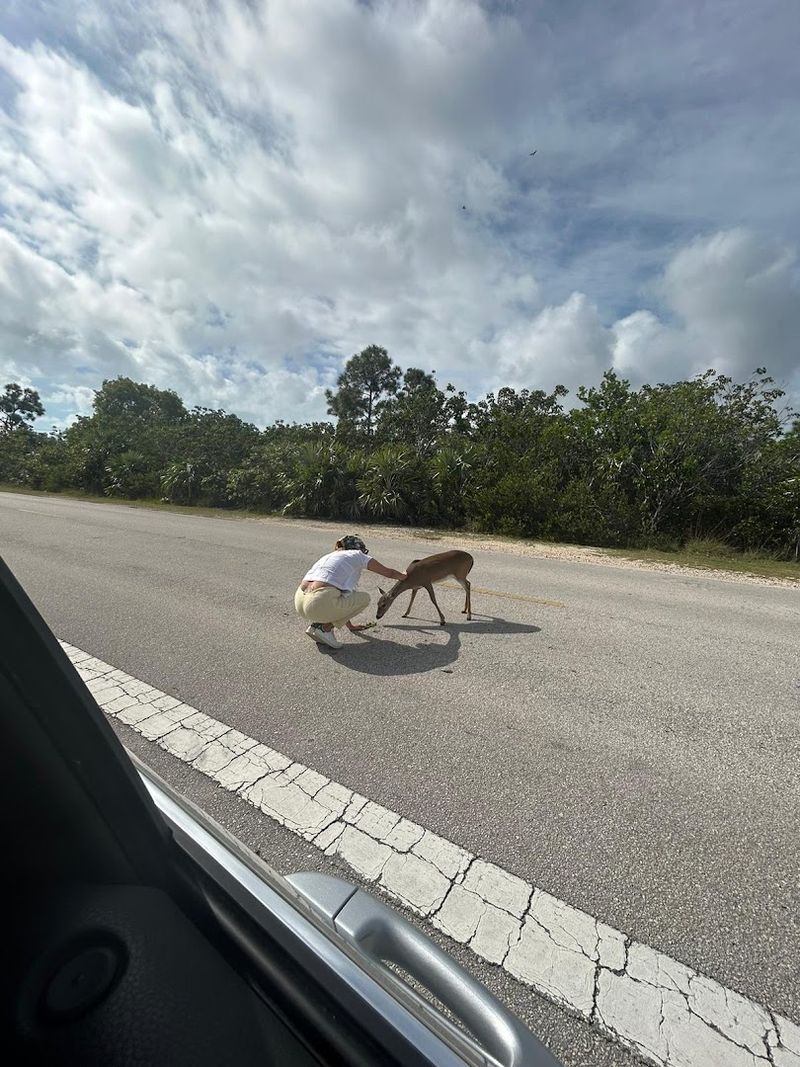
The key, pun intended, is to drive slowly. These deer are wild animals that move unpredictably, and they frequently cross the road without warning.
Posted speed limits in the area are low for good reason, and rangers emphasize that following them protects both you and the deer. Fines for speeding in the refuge are steep.
Look for houses with buckets of water set out near the road. Locals who care about the deer often provide water sources, which attract the animals close to the street and give you a relaxed, unhurried viewing opportunity.
Fawns occasionally pop out of the bushes right alongside their mothers, which is an absolutely heartwarming sight.
Sunset drives along this route are equally magical. The golden light filtering through the palm trees while a tiny deer grazes peacefully nearby creates a scene that feels almost unreal.
Many visitors say this quiet drive ends up being the highlight of their entire Florida Keys trip.
Wildlife Trails: Easy Hikes Through Rare Florida Keys Habitat
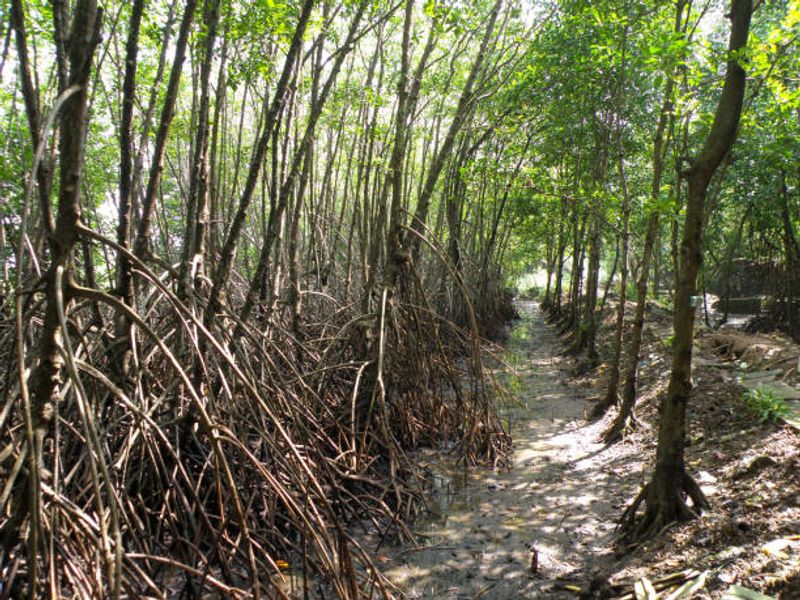
Not every great adventure requires a strenuous hike. The trails at the National Key Deer Refuge are short, flat, and accessible to almost everyone, yet they pass through some of the rarest and most ecologically significant habitat in North America.
Pine rockland, buttonwood wetlands, and mangrove edges all come together in this compact but incredibly diverse refuge.
Two main trail areas are available near Blue Hole, and both can be completed in under an hour combined. The trails are well-maintained and clearly marked, so you do not need any special navigation skills to enjoy them.
Rangers keep the paths in good condition, which several visitors have specifically praised in their reviews.
A second trail option runs off Long Beach Road and follows the water’s edge, offering a completely different atmosphere with coastal views and excellent bird-watching opportunities. Wading birds, shorebirds, and marsh species are commonly spotted along this route, especially during the early morning hours when wildlife activity peaks.
Bring bug spray. This advice comes straight from experienced visitors and cannot be stressed enough.
The Keys have mosquitoes, especially near marshy areas, and a good insect repellent will make your trail experience dramatically more enjoyable. Comfortable walking shoes are all you need to tackle these easy, rewarding paths.
Best Times to Visit: Why Early Mornings and Sunset Hours Win Every Time
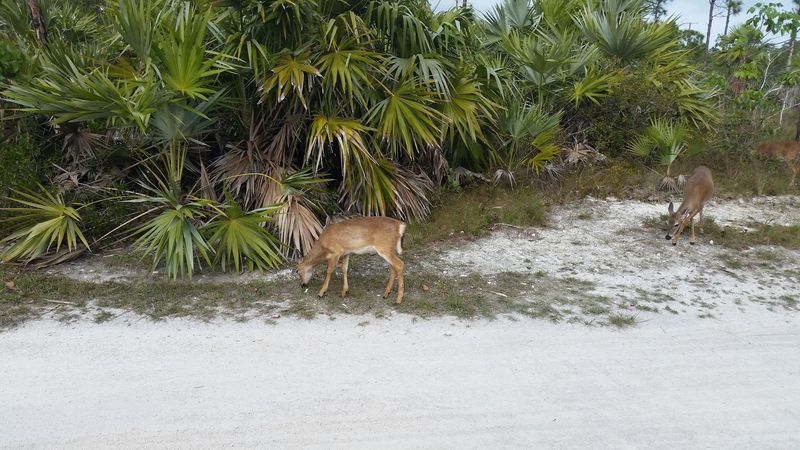
Timing your visit to the National Key Deer Refuge can make the difference between a good trip and an unforgettable one. Key deer are most active during the cooler parts of the day, specifically around dawn and dusk.
Once the Florida sun climbs high and temperatures rise, the deer retreat deep into shaded areas and become much harder to spot.
Multiple visitors and refuge rangers consistently point to early morning as the sweet spot. Arriving at Blue Hole or Key Deer Boulevard around sunrise gives you the best chance of seeing deer actively feeding and moving around.
The light is also beautiful at that hour, making for incredible photos if you have a camera handy.
Sunset visits offer a similar advantage. As the heat fades in the late afternoon, deer begin emerging again from their shaded hiding spots.
The combination of cooler temperatures and soft evening light creates a peaceful, almost meditative atmosphere that many visitors find just as rewarding as the morning hours.
Midday visits are still worthwhile, especially if you plan to stop at the visitor center, which operates from 10 AM to 3 PM Wednesday through Saturday. Just temper your deer-spotting expectations during the hottest part of the day and focus on the trails and exhibits instead.
Long Beach Road Trail: A Hidden Coastal Gem Worth Seeking Out
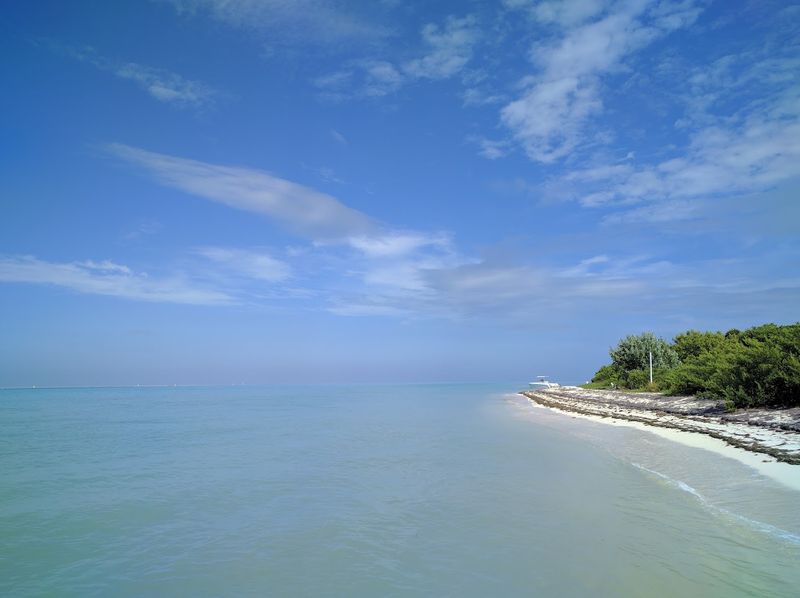
Most visitors head straight to Blue Hole and the main trails, which means the Long Beach Road trail stays refreshingly uncrowded. Running along the water’s edge on the southern side of Big Pine Key, this trail offers a completely different side of the refuge that combines coastal scenery with excellent wildlife observation opportunities.
The path winds through buttonwood and mangrove edges, giving you glimpses of the surrounding water and occasional views of the open ocean. Shorebirds and wading birds are especially abundant here, and patient observers have reported seeing species like great blue herons, egrets, and roseate spoonbills working the shallow water just steps from the trail.
The atmosphere along this route is notably quieter and more serene than the main refuge areas. Without the steady trickle of cars on Key Deer Boulevard, you get a genuine sense of solitude that feels rare and precious in a place as popular as the Florida Keys.
Early mornings here feel almost meditative.
The trail itself is easy to walk and does not require special footwear beyond comfortable sneakers. One reviewer described it as a hidden gem that most tourists miss entirely.
If you have extra time after visiting Blue Hole, making the short drive to Long Beach Road rewards you with a completely fresh perspective on the refuge.
Conservation Story: How the Key Deer Came Back From the Brink
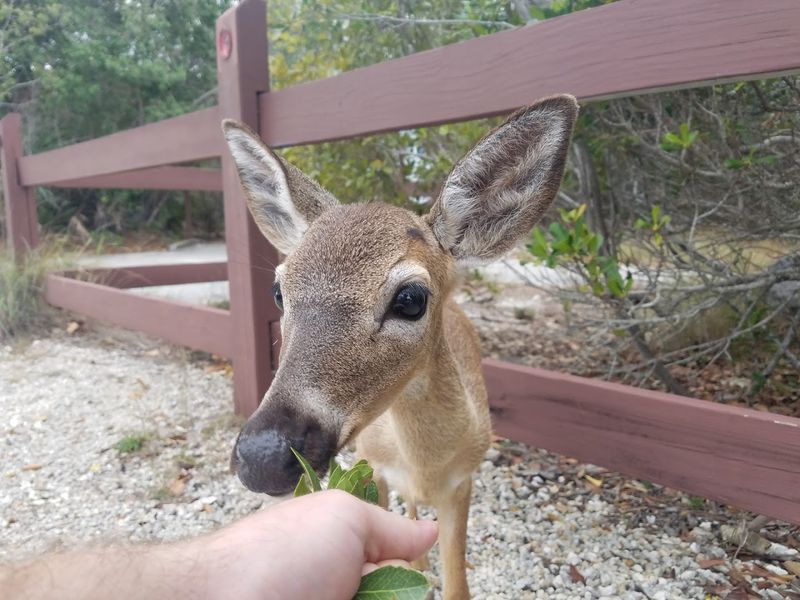
Few wildlife comeback stories in American history are as dramatic or as hopeful as the recovery of the Key deer. By the 1950s, hunting and habitat loss had pushed the population to fewer than 50 individuals.
Scientists feared the species was heading toward extinction, and without urgent intervention, that prediction would have come true.
The establishment of the National Key Deer Refuge in 1957 marked a turning point. Federal protection stopped the hunting, preserved critical habitat, and gave the tiny deer room to recover.
Decades of careful management followed, including population monitoring, habitat restoration, and public education campaigns that helped locals understand the importance of protecting these animals.
Today, the population sits in the several hundreds, a remarkable achievement that wildlife biologists point to as a model conservation success. Visitors to the refuge center can learn about this entire journey through the exhibits inside, which trace the history of the deer and the ongoing work needed to keep the population stable.
Threats still exist. Vehicle strikes remain a leading cause of Key deer mortality, which is why speed limits throughout the area are strictly enforced.
Visiting the refuge and learning about these challenges helps travelers become advocates for the deer long after they return home from vacation.
Practical Tips for Planning Your National Key Deer Refuge Visit
A little preparation goes a long way when visiting the National Key Deer Refuge, and a few simple tips can dramatically improve your experience. The visitor center is located at 30587 Overseas Highway and is open Wednesday through Saturday from 10 AM to 3 PM.
It is closed Sunday through Tuesday, so plan your schedule accordingly to make the most of the ranger guidance available inside.
Transportation matters here. The refuge spans a large area across several keys, and most of the best wildlife viewing spots require driving between locations.
Visitors who arrive without a car face a significant amount of walking to reach Blue Hole and the trail areas. If you are renting a vehicle for your Keys trip, make sure your rental covers your visit day.
Bug spray is non-negotiable, especially near marshy areas and during morning visits when insects are most active. Sunscreen, a hat, and a water bottle round out the essential packing list for a comfortable outing.
The Florida sun is intense year-round, and the refuge offers very little shade along the driving routes.
Lastly, keep your phone camera ready and your windows rolled down during your drive. Key deer have a habit of appearing suddenly and disappearing just as quickly.
Slow down, stay patient, and let the refuge unfold at its own pace for the most rewarding experience possible.