Tucked along the banks of the Susquehanna River in Northumberland, Pennsylvania, a beautifully preserved train station has been quietly making history for well over a century.
Built in 1892 as part of the mighty Pennsylvania Railroad network, this depot once buzzed with the energy of travelers, conductors, and steam engines passing through daily.
Today, it has been reborn as Front Street Station-A Railroad Eatery, a one-of-a-kind restaurant where guests can enjoy a meal inside a genuine piece of American railroad history.
Whether you are a history buff, a food lover, or just someone looking for a truly unforgettable dining experience, this place delivers something you simply cannot find anywhere else.
Origins as a Pennsylvania Railroad Hub
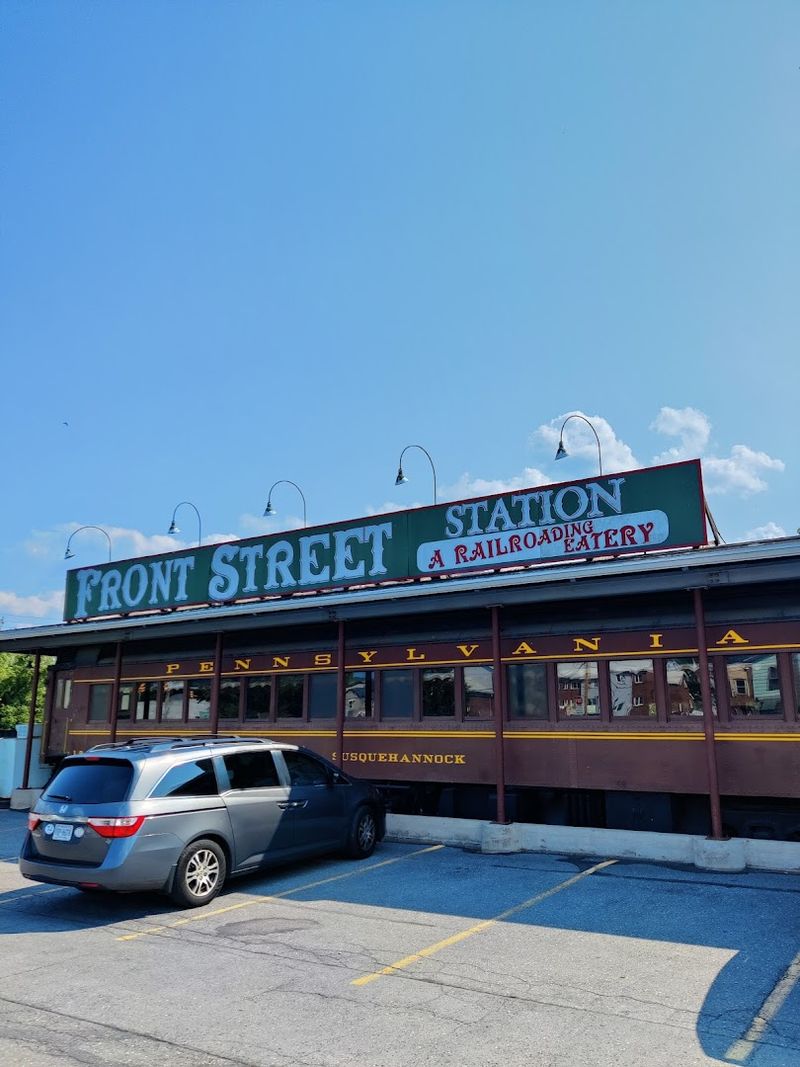
Long before GPS and interstate highways, railroads were the arteries of America, and Northumberland, Pennsylvania, sat right at the heart of one of the most powerful rail networks ever built. The Pennsylvania Railroad, often called the “Pennsy,” was once the largest railroad in the United States by nearly every measure, and this modest but dignified depot was one of its valued stops.
Constructed in 1892, the station served as a crucial link between small-town central Pennsylvania and the bustling cities of Philadelphia, Pittsburgh, and beyond. Families said their goodbyes here.
Soldiers shipped out from this very platform. Goods and mail flowed through its doors with clockwork regularity.
What makes this station remarkable is not just its age but the fact that it survived when so many others did not. Thousands of small-town depots across America were demolished as passenger rail declined in the mid-20th century.
Northumberland held on to theirs. That decision to preserve rather than destroy turned a forgotten building into an enduring symbol of the town’s railroad soul and set the stage for everything that came after.
A Station That Helped Define a Town
Picture a small Pennsylvania town where, on any given day, 18 trains roll through before sunset. That was Northumberland at its railroad peak, and the energy that came with that kind of traffic shaped the entire community around it.
Businesses sprouted near the depot. Hotels filled with travelers.
The local economy breathed in rhythm with the train schedule.
At its busiest, the station was more than a transit point. It was the social center of the town, the place where news arrived, where returning veterans were welcomed home, and where young people caught their first glimpse of a world beyond the river valley.
The depot gave Northumberland a sense of connection to something much larger than itself.
That identity never fully faded, even after the trains stopped coming as frequently. Locals grew up with stories about the station, and generations of families carried memories tied to its platforms and waiting rooms.
When the time came to decide the building’s fate, the community’s deep attachment to its railroad heritage made preservation feel less like a choice and more like a responsibility. The station was not just a building.
It was the town’s biography written in brick and steel.
Architectural Character Rooted in Rail History
Railroad architecture from the late 19th century had a very specific personality. It needed to be tough enough to handle daily crowds, dignified enough to represent the railroad company’s prestige, and practical enough to keep operations running smoothly.
The Northumberland depot hits all three marks with quiet confidence.
The building reflects the functional elegance that was standard for Pennsylvania Railroad stations of its era. Durable materials were chosen not for flash but for longevity.
The layout was carefully designed to separate passenger flow from operational needs, with waiting areas, ticketing windows, and platform access arranged in a logical sequence that made the chaos of train travel feel manageable.
What is especially striking today is how much of that original character remains visible. You can still read the building’s purpose in its bones.
The proportions of the windows, the weight of the walls, and the rhythm of the roofline all tell you this was a place built to last and built to serve. Architects and history enthusiasts who visit often comment on how the structure communicates its railroad DNA without needing a single explanatory sign.
The building speaks for itself, and it speaks with authority earned over more than 130 years of standing firm.
Preservation Before Reinvention
Saving an old building sounds straightforward, but it rarely is. Preservation projects require money, community will, and a shared belief that the past is worth protecting even when it is inconvenient or expensive.
The Northumberland depot’s survival story is a quiet triumph of exactly that kind of commitment.
As passenger rail service dwindled across America through the 1950s, 60s, and 70s, countless depots fell to the wrecking ball. They were seen as liabilities rather than assets.
Northumberland’s station avoided that fate, and its preservation eventually earned it recognition as a structure tied to America’s defining railroad era. That recognition matters because it unlocks resources, raises awareness, and helps future generations understand what the railroad age actually looked and felt like.
Historic landmark status is not handed out casually. Buildings must demonstrate significant historical, architectural, or cultural value.
The fact that this depot earned such recognition speaks volumes about how well it was maintained and how faithfully it reflects its original character. For the people of Northumberland, the designation was validation of a decision made years earlier to protect something irreplaceable.
Preservation is never just about the past. It is an investment in the stories a community wants to keep telling for generations to come.
Transformation Into a Restaurant Destination
Repurposing a historic building is a delicate art. Go too far with the renovations and you erase the very character that made the place worth saving.
Stay too faithful to the original and you end up with a museum instead of a functioning business. Front Street Station found a balance that feels genuinely inspired.
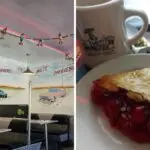
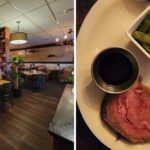
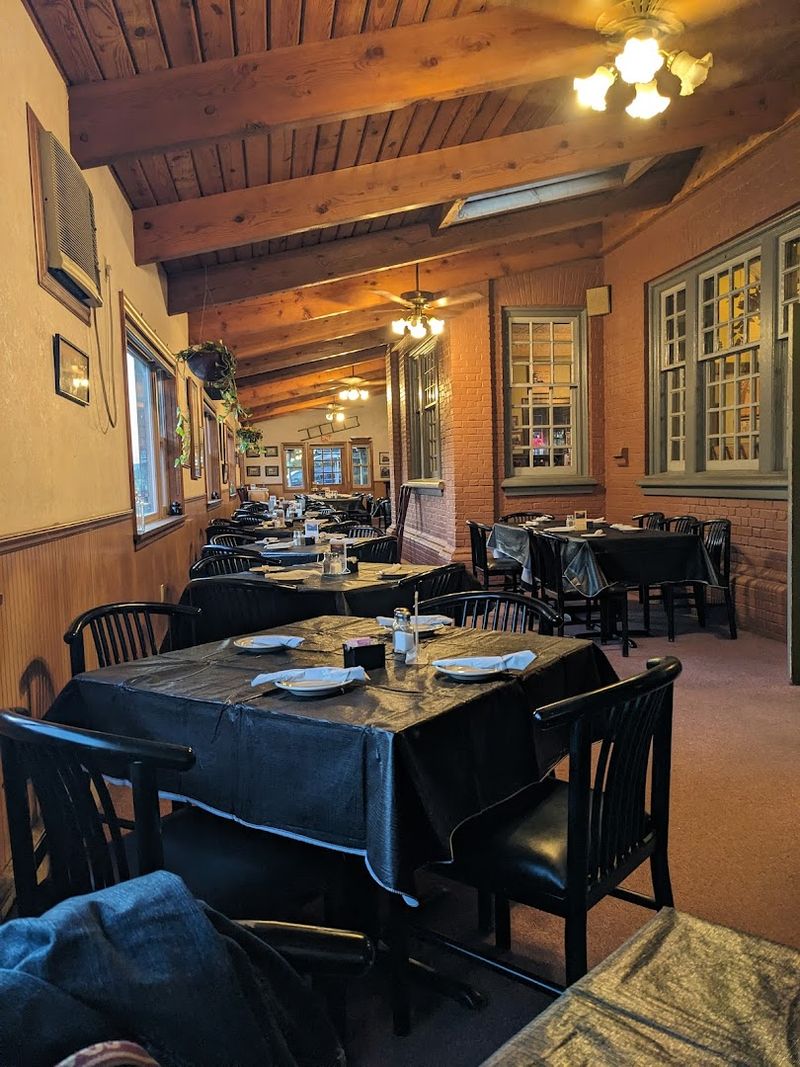
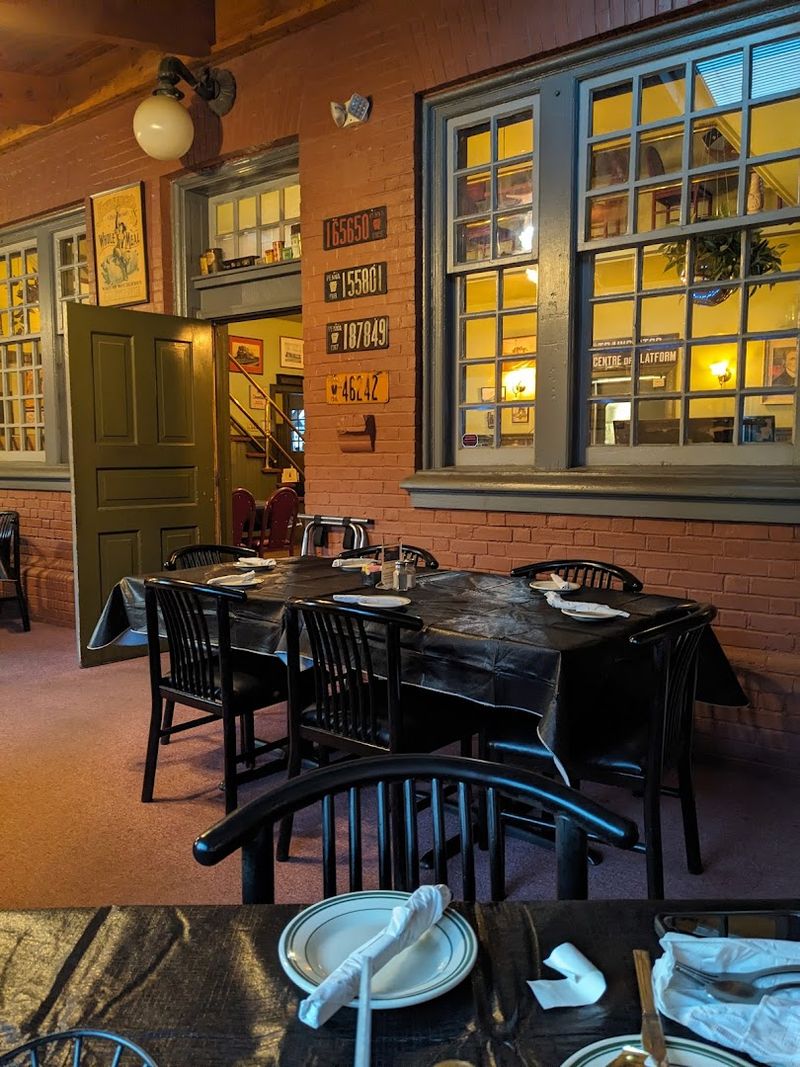
The former depot was transformed into a full-service restaurant without gutting the soul out of the space. Dining tables now occupy areas where passengers once waited anxiously for their trains.
The kitchen hums where freight was once sorted. The transformation is thorough enough to be practical but restrained enough to honor what came before.
Walking inside feels like stepping into a timeline that runs from 1892 straight to the present moment.
Choosing to open a restaurant in a space like this takes vision and courage. The building’s quirks and dimensions do not always cooperate with modern hospitality needs.
But the team behind Front Street Station clearly understood that those quirks are not obstacles. They are the attraction.
People do not drive to Northumberland just for a plate of food. They come because eating inside a 130-year-old railroad station is an experience that no ordinary restaurant can replicate, no matter how good the menu might be.
Dining Inside a Piece of Living History
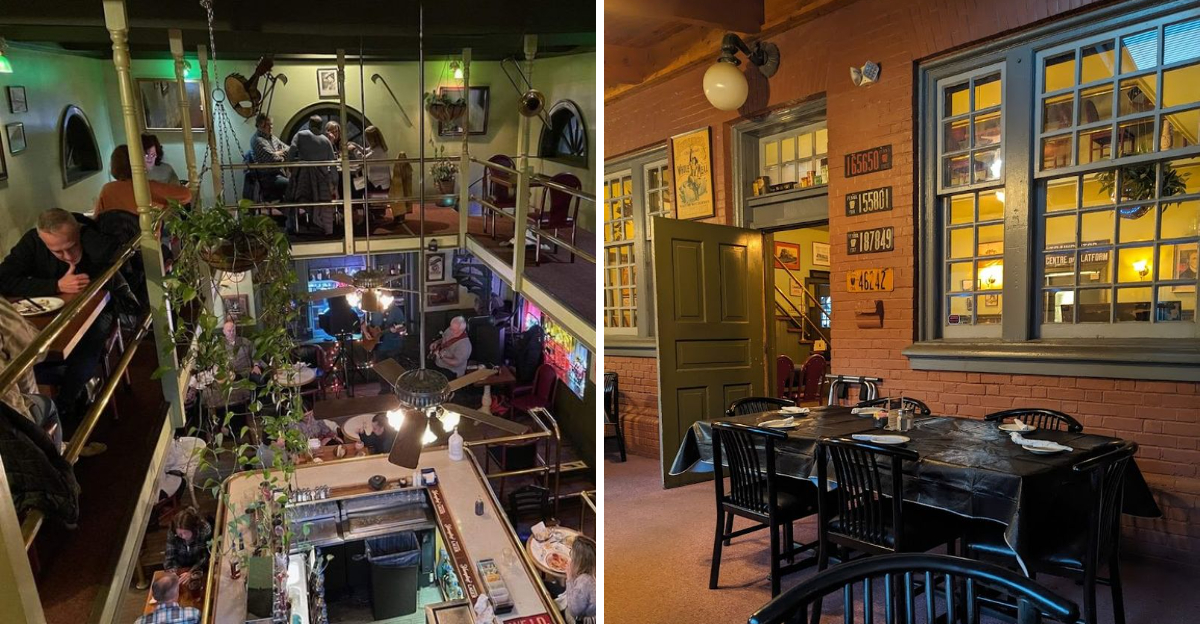
There is something deeply satisfying about eating a meal in a place that has witnessed over a century of human stories. Every wall at Front Street Station has absorbed the sounds of departures and reunions, of whistle blasts and tearful goodbyes.
Sitting down to dinner here means sharing space with all of that accumulated history, even if only in spirit.
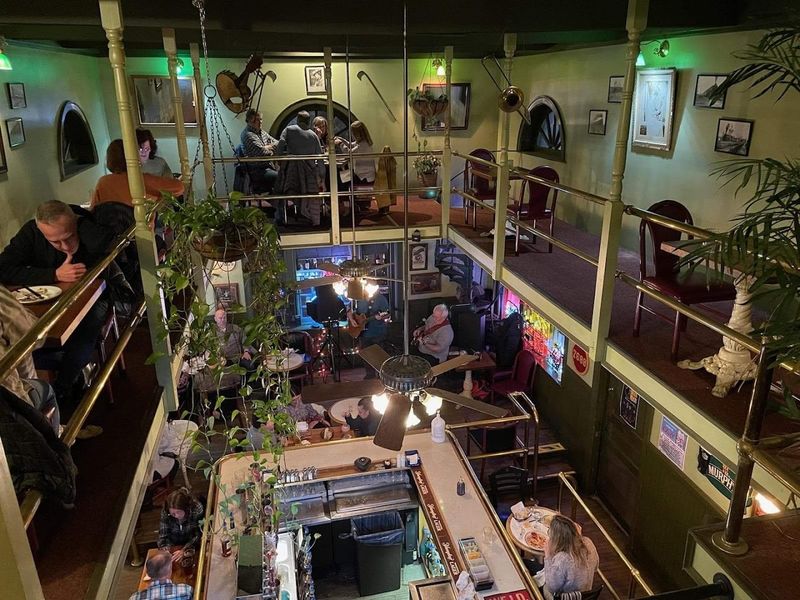
Original structural elements remain visible throughout the dining area. The bones of the old station peek through in ways that feel intentional rather than accidental.
Ceiling details, load-bearing features, and spatial proportions all reflect the building’s original design intent, giving guests a genuine sense of what it was like to stand in this space when trains still ruled the landscape outside.
Restaurants that occupy historic buildings often struggle to feel authentic. Too much themed decoration can make a place feel like a theme park rather than a real establishment with real roots.
Front Street Station avoids that trap because the history is not painted on. It is baked into the structure itself.
The authenticity here is architectural, not cosmetic, and that makes all the difference. Guests consistently describe the experience as immersive in a way that feels earned rather than manufactured, and that kind of feeling is genuinely rare in the modern dining world.
A Menu That Blends Comfort and Variety
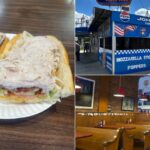
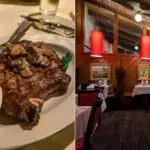
A restaurant with a great setting still needs great food, and Front Street Station does not lean on its historic charm as an excuse to phone in the menu. The kitchen puts out a wide-ranging American spread that gives every type of diner something genuinely worth ordering.
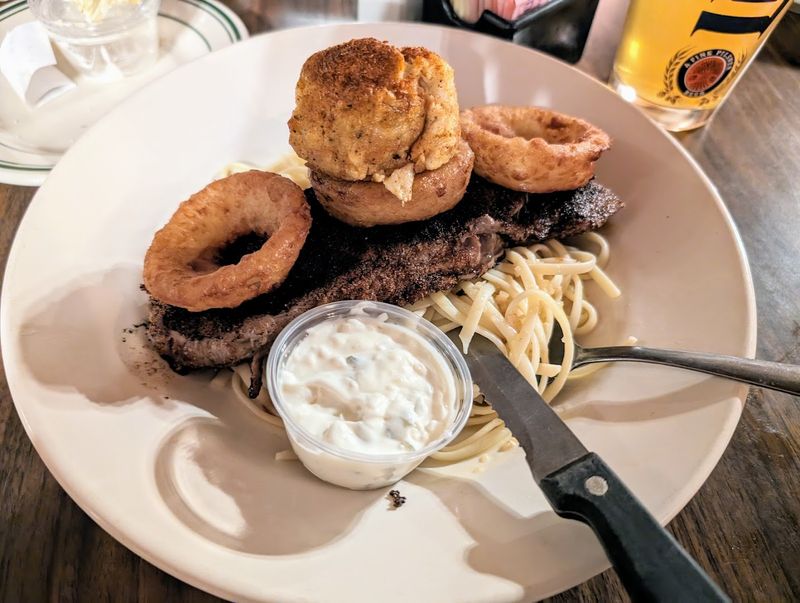
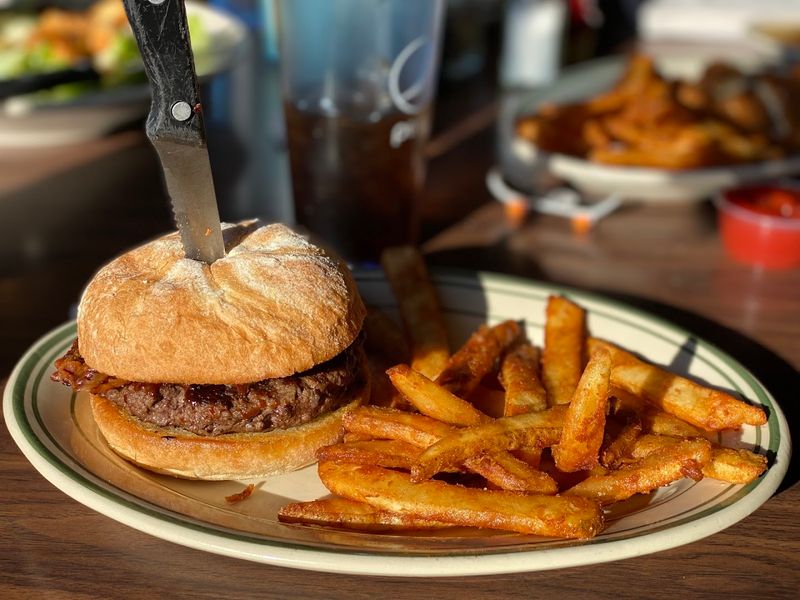
Seafood lovers will find solid options alongside classic steakhouse fare. Sandwiches and lighter plates make the menu accessible for lunch crowds or anyone who just wants something satisfying without a big commitment.
Homestyle dishes round out the selection with the kind of comfort food that feels exactly right in a building with this much warmth and character baked into its walls.
The menu’s range is a smart strategy for a restaurant in a small Pennsylvania town that draws both loyal regulars and curious out-of-town visitors. Locals want familiar favorites done well.
Travelers want something memorable and regionally appropriate. Hitting both targets consistently is harder than it sounds, but the variety on offer here gives the kitchen enough flexibility to satisfy both crowds.
Portion sizes tend to be generous, which fits the spirit of the place. A railroad depot was never a place for small gestures, and the kitchen seems to understand that feeding people well is its own form of honoring the hardworking spirit that built this building in the first place.
A Local Landmark With Regional Appeal
Small towns sometimes struggle to give visitors a reason to stop. Northumberland does not have that problem.
Front Street Station functions as both a beloved neighborhood gathering spot and a genuine regional destination that draws curious travelers from well beyond the immediate area.
For locals, the restaurant represents continuity. It is the kind of place where families celebrate milestones, where friends meet after work, and where the rhythms of community life play out over plates of food in a setting that everyone in town feels some ownership over.
That sense of shared belonging is something that no chain restaurant can manufacture, no matter how big its marketing budget.
For visitors exploring central Pennsylvania, Front Street Station offers something increasingly rare in the modern travel landscape: a dining experience with genuine backstory. Heritage tourism is a growing trend, and travelers are actively seeking out places where history and hospitality overlap in meaningful ways.
This restaurant sits at exactly that intersection. The combination of a legitimately historic building, a thoughtful railroad theme, a varied menu, and a welcoming small-town atmosphere gives it an appeal that extends far beyond the Northumberland zip code.
It is the kind of place that earns a spot on road trip itineraries and keeps showing up in regional travel recommendations year after year.
Visitor Info and Planning Your Trip
Planning a visit to Front Street Station is straightforward, and a little advance preparation goes a long way toward making the experience as enjoyable as possible. The restaurant is located at 2 Front St, Northumberland, PA 17857, right in the heart of town and easy to find whether you are coming from the north or south along the river corridor.
You can reach them by phone at +1 570-473-3626 to check hours or ask about daily specials. The menu is available online through places.singleplatform.com, which is worth browsing before you arrive so you can get a feel for what the kitchen is offering.
Reservations can be made through opentable.com, and booking ahead is a smart move on weekends or during local events when the dining room fills up quickly.
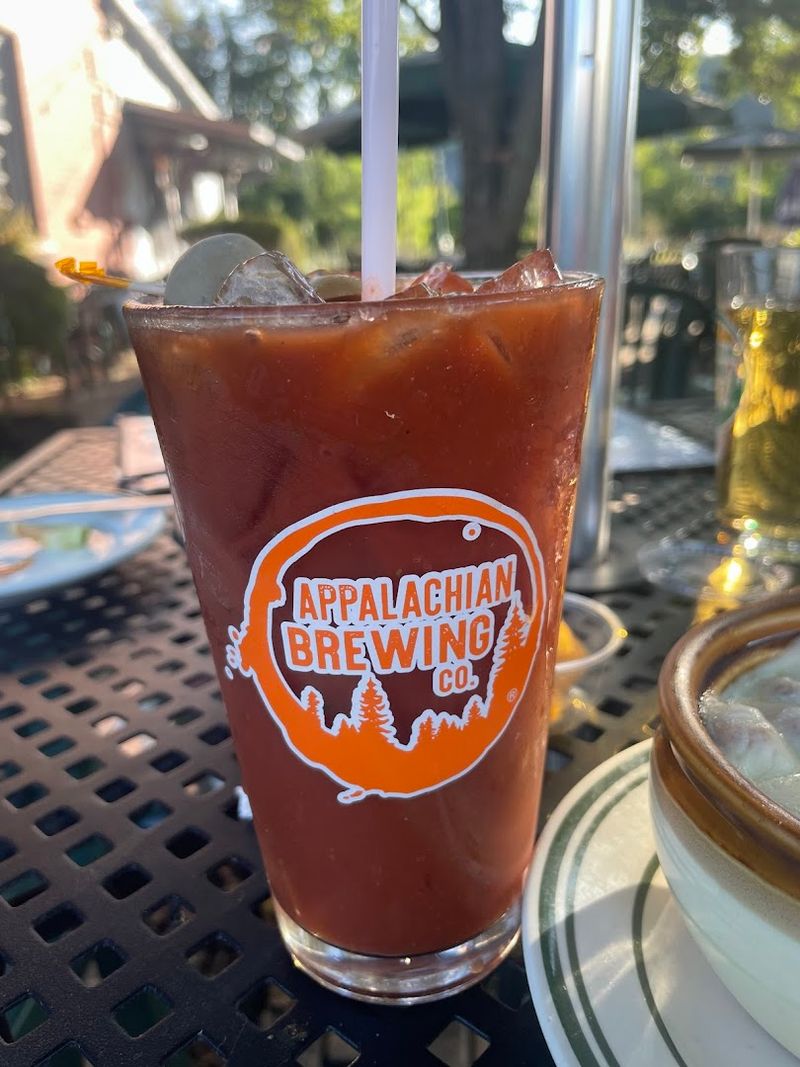
The restaurant offers both lunch and dinner service, with a full drinks menu to complement your meal. Indoor and outdoor seating options give guests flexibility depending on the season and their personal preference.
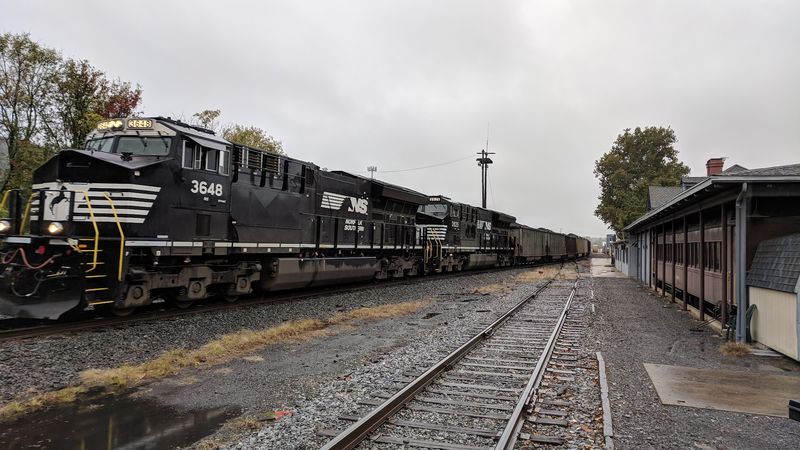
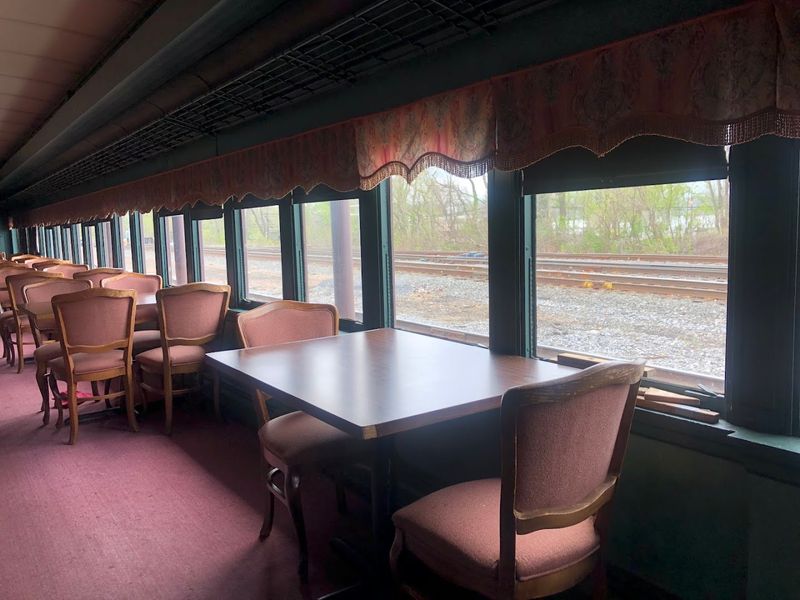
For the full railroad experience, request a table near the windows or trackside seating areas where you can watch real trains pass by during your meal. That combination of history, food, and live rail action is what makes Front Street Station genuinely worth the drive, no matter where you are coming from in Pennsylvania.