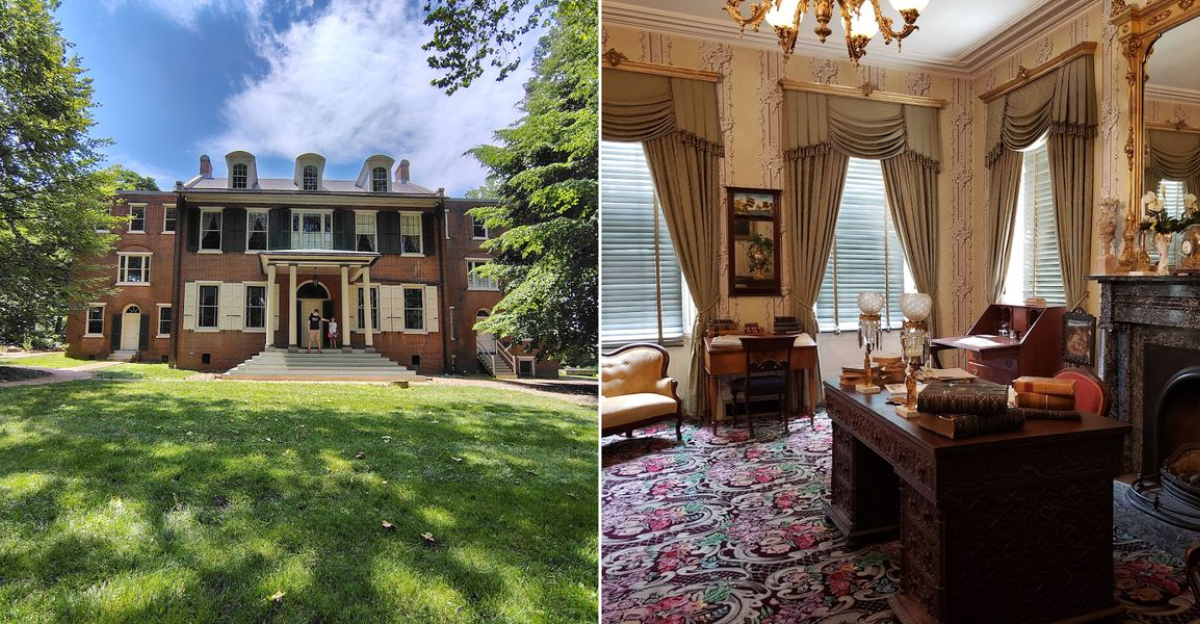
Tucked away on Marietta Avenue in Lancaster, Pennsylvania, stands a Federal-style mansion that feels frozen in time — and that is exactly the point. Wheatland was the beloved home of James Buchanan, the 15th President of the United States and the only president ever born in Pennsylvania.
With most of its original furniture, artwork, and personal belongings still in place, stepping inside feels less like visiting a museum and more like walking into someone’s living room. Whether you are a history lover, a curious traveler, or just looking for something truly unique to do in Lancaster County, Wheatland delivers an experience you will not forget.
The 17-Room Federal-Style Mansion
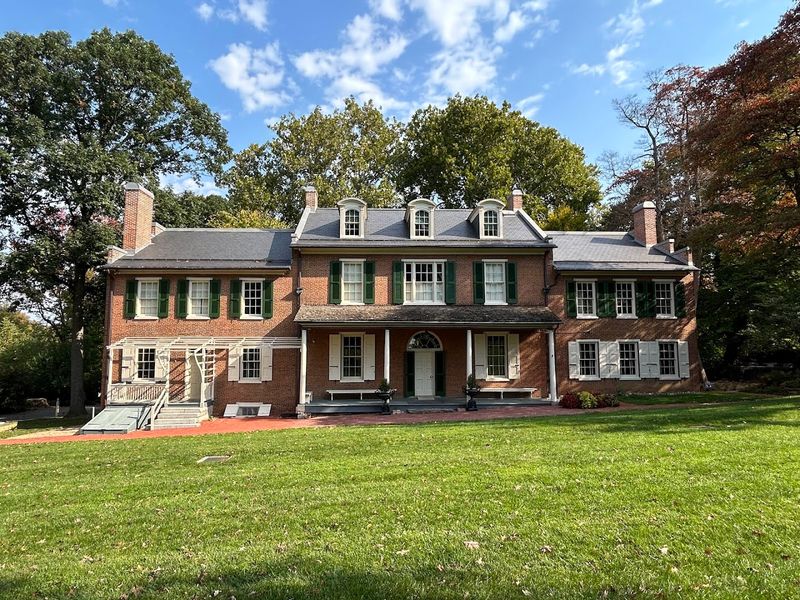
Few historic homes in America can claim what Wheatland can: nearly every room looks exactly the way it did when a sitting U.S. president called it home. Built in 1828 by William Jenkins, the Federal-style brick mansion sits on a beautifully maintained estate at 1120 Marietta Ave in Lancaster, PA.
Buchanan purchased the property in 1848 for $6,750 — a serious sum at the time — and lived there until his death in 1868.
Walking through all 17 rooms feels genuinely different from a typical historic house tour. There are no velvet ropes blocking every doorway, and visitors can step directly into spaces where Buchanan entertained diplomats, drafted policy letters, and spent quiet evenings with family.
The architecture itself tells a story, with high ceilings, wide-plank hardwood floors, and symmetrical windows that flood each room with natural light.
Guides often point out subtle architectural details that reveal how tastes and technology evolved during Buchanan’s lifetime. The mansion has been carefully preserved by LancasterHistory, the organization that manages the site today.
With a 4.7-star rating from hundreds of visitors, the house clearly makes a lasting impression on nearly everyone who walks through its front door.
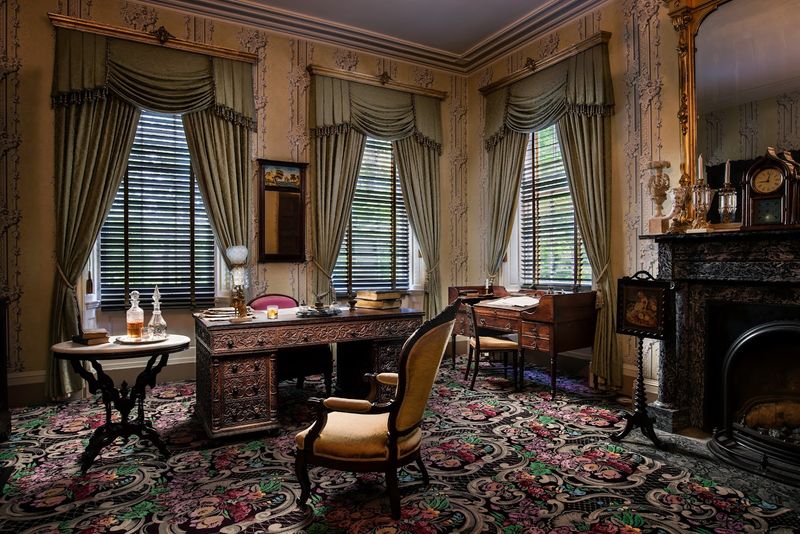
Original Furniture and Personal Belongings Still In Place
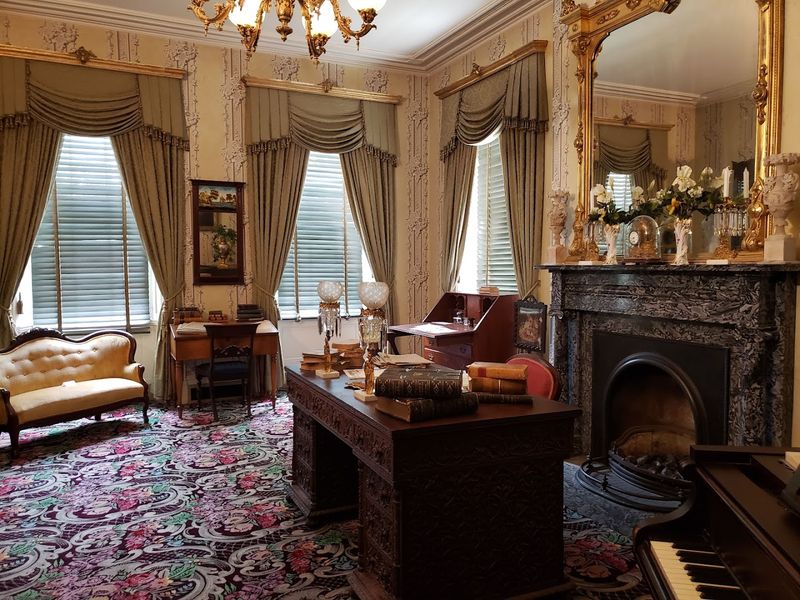
Most historic house museums rely heavily on period reproductions — furniture that looks right but never actually belonged to the family. Wheatland is a striking exception.
A remarkable number of the pieces on display were genuinely owned by Buchanan himself, or by his niece and nephew who shared the household with him. Visitors frequently describe the experience as eerie in the best possible way, like the family simply stepped out for the afternoon.
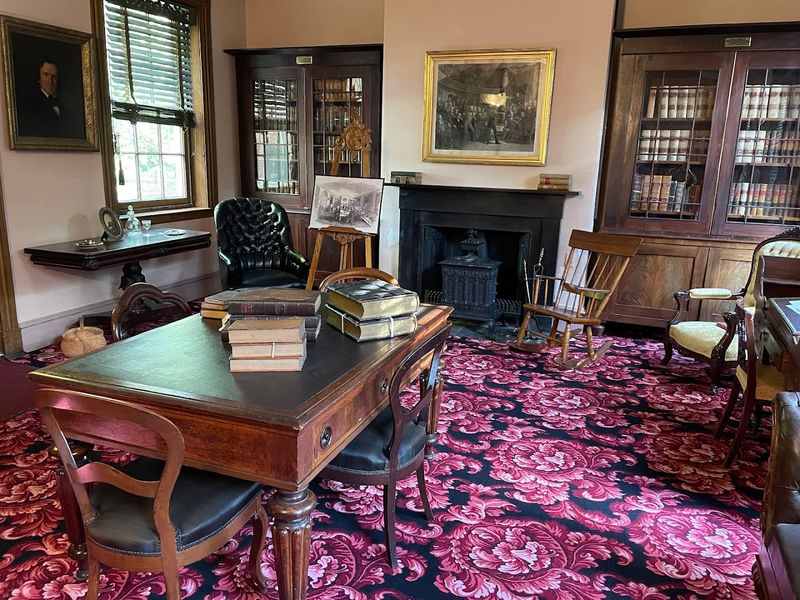
Chairs where Buchanan sat, writing desks where he penned correspondence, and paintings he personally selected still hang on the walls in their original positions. The collection includes decorative objects acquired during his time as Secretary of State and U.S.
Minister to Russia and Great Britain, giving the rooms an international character that surprises many first-time visitors.
One reviewer summed it up perfectly: “The house has many original pieces of furniture and paintings throughout.” That authenticity is what separates Wheatland from so many other presidential sites. For anyone who appreciates tangible connections to history — the kind where you can stand three feet from an actual artifact and imagine the hands that touched it — this collection is genuinely extraordinary and well worth the trip to Lancaster.
James Buchanan: Pennsylvania’s Only U.S. President
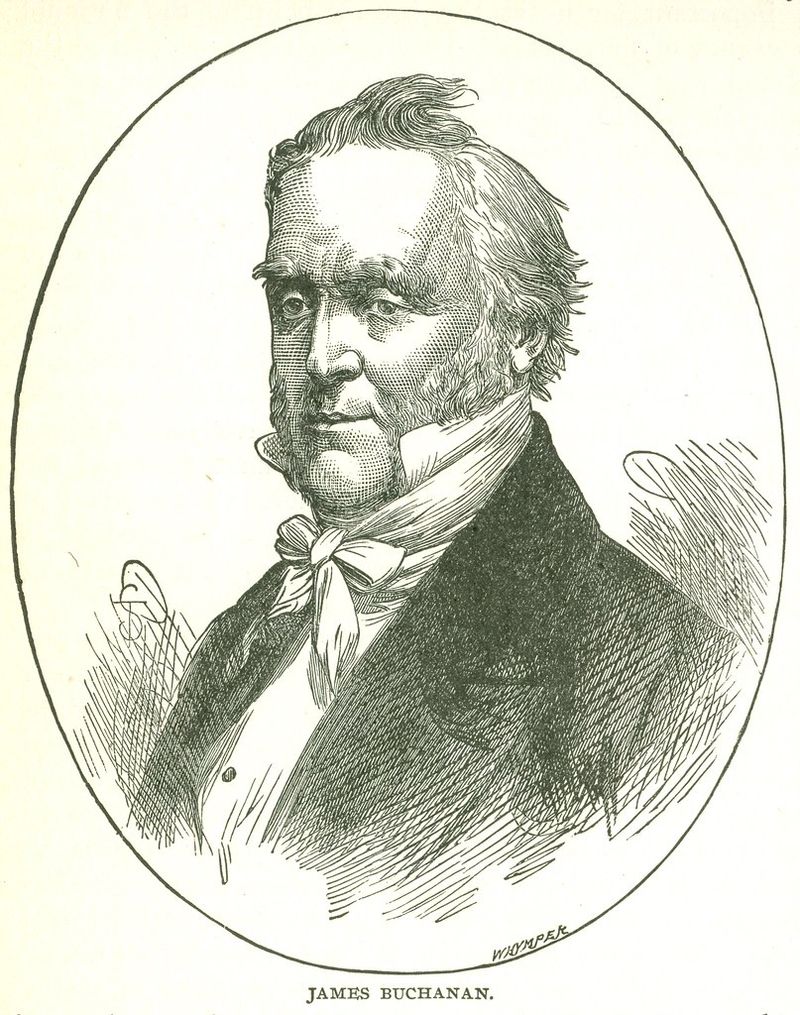
Pennsylvania has produced senators, generals, inventors, and industrialists by the dozen — but only one president. James Buchanan, born on April 23, 1791, in Cove Gap, Pennsylvania, served as the 15th President of the United States from 1857 to 1861.
He remains a deeply complicated figure in American history, widely criticized by historians for his passive response to the growing sectional crisis that led to the Civil War.
Before reaching the White House, Buchanan built one of the most impressive political resumes of his era. He served in the Pennsylvania state legislature, the U.S.
House of Representatives, as U.S. Minister to Russia, as a U.S.
Senator, as Secretary of State under President Polk, and as U.S. Minister to Great Britain under President Pierce.
By the time he was elected president, he had more foreign policy experience than almost anyone in American politics.
Wheatland’s introductory film does an admirable job presenting both his achievements and his failures honestly, without turning the experience into a lecture. Visitors leave with a fuller, more nuanced picture of the man than the simple “worst president” label often applied to him.
His story is complicated, and that is precisely what makes it so fascinating to explore.
The Guided Tour Experience
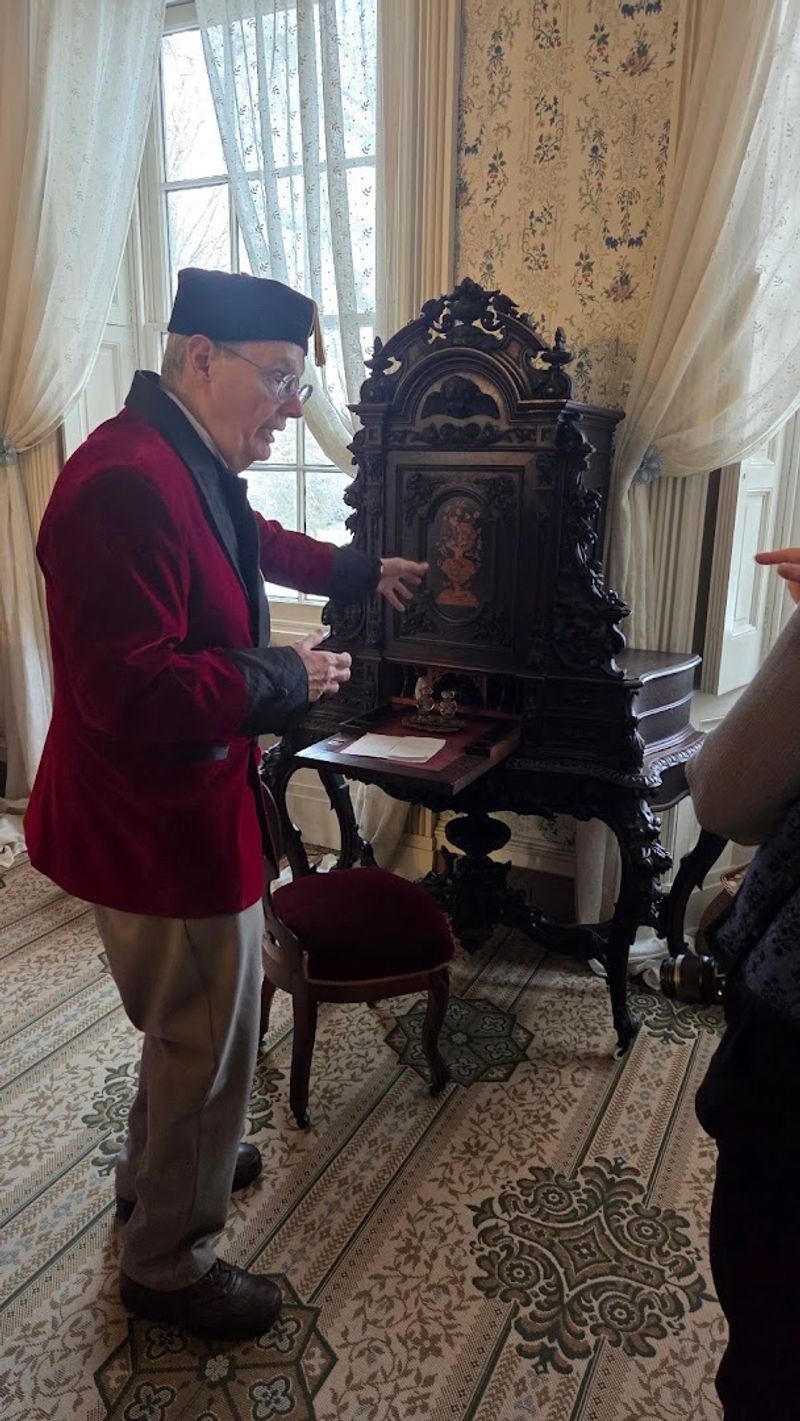
Arriving at Wheatland without knowing what to expect, many visitors are genuinely surprised by how engaging the guided tour turns out to be. Multiple reviewers specifically called out their guides by name — particularly a guide named Jerry — and described them as outstanding storytellers with deep historical knowledge.
Several guides actually dress in period-accurate 19th-century clothing, which adds a theatrical layer that younger visitors especially appreciate.
Tours begin with a well-produced introductory film shown at the Visitor Center. The film covers Buchanan’s life, his political career, and the turbulent national atmosphere of the 1850s.
It sets the stage beautifully so that once visitors enter the mansion, the context is already established and the guide can focus on bringing individual rooms and stories to life rather than reciting basic biography.
One reviewer noted that the tour allows guests to walk directly into rooms without barriers — a rarity at presidential homes. Another appreciated that the guide “had a way of engaging guests” without getting lost in academic detail.
The balance between accessible storytelling and genuine historical depth is hard to achieve, and the staff at Wheatland pulls it off consistently. Plan for roughly 60 to 90 minutes to enjoy the full experience at a relaxed pace.
Harriet Lane: America’s First Lady of the White House
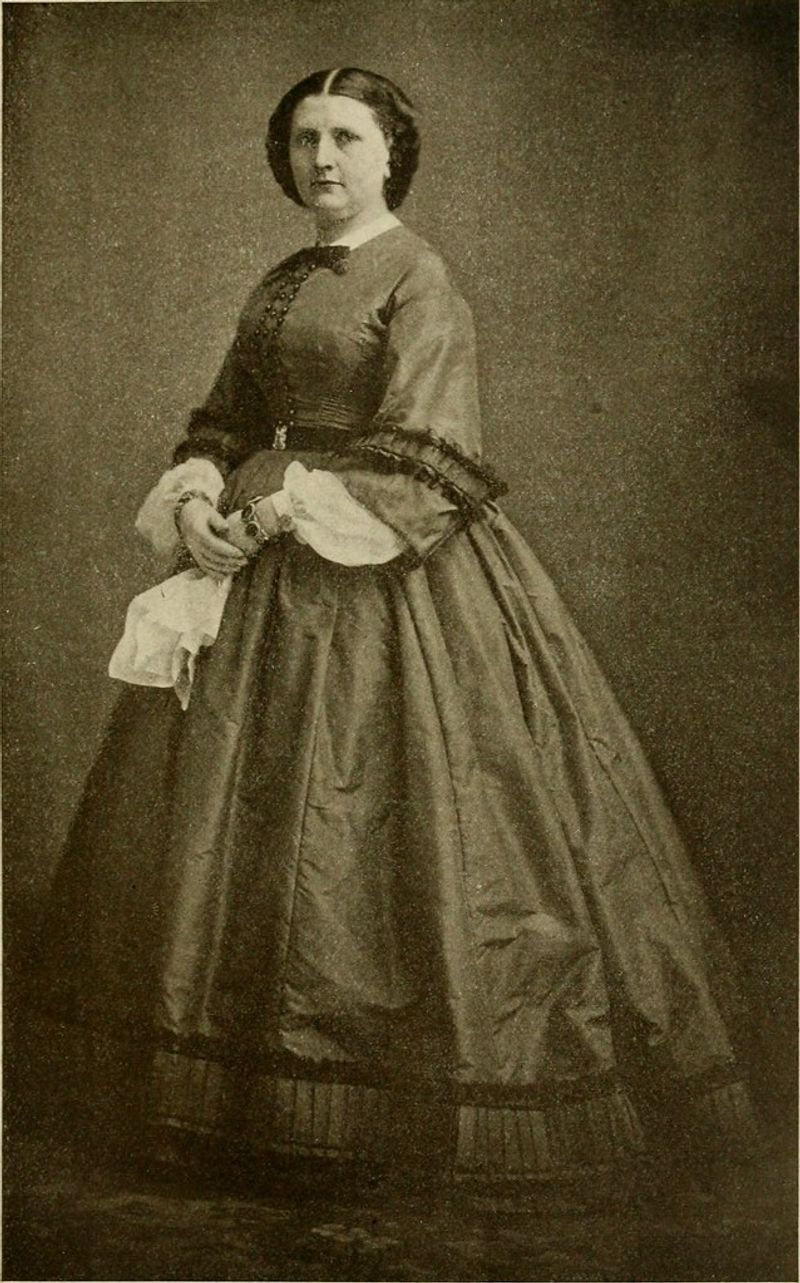
Buchanan never married, making him the only bachelor president in American history. That meant the role of White House hostess fell to his niece, Harriet Lane, and she absolutely rose to the occasion.
Often called the first person to be formally referred to as “First Lady,” Harriet became one of the most celebrated social figures in Washington during Buchanan’s presidency from 1857 to 1861.
She was not merely decorative. Harriet was educated, politically perceptive, and used her platform to advocate for causes she believed in, including the welfare of Native Americans.
She was admired across political lines at a time when Washington social circles were deeply fractured by sectional tensions. European dignitaries praised her sophistication, and American newspapers followed her fashion choices closely.
At Wheatland, Harriet’s presence is felt throughout the house. Many of the personal items on display belonged to her, and her story is woven throughout the guided tour.
One reviewer noted that the guide spent considerable time discussing Harriet, calling her “very famous.” For visitors curious about the role of women in 19th-century political life, her story alone makes Wheatland worth visiting. She lived at the mansion both before and after Buchanan’s presidency, leaving a strong personal imprint on the home.
The Grounds and Estate Setting
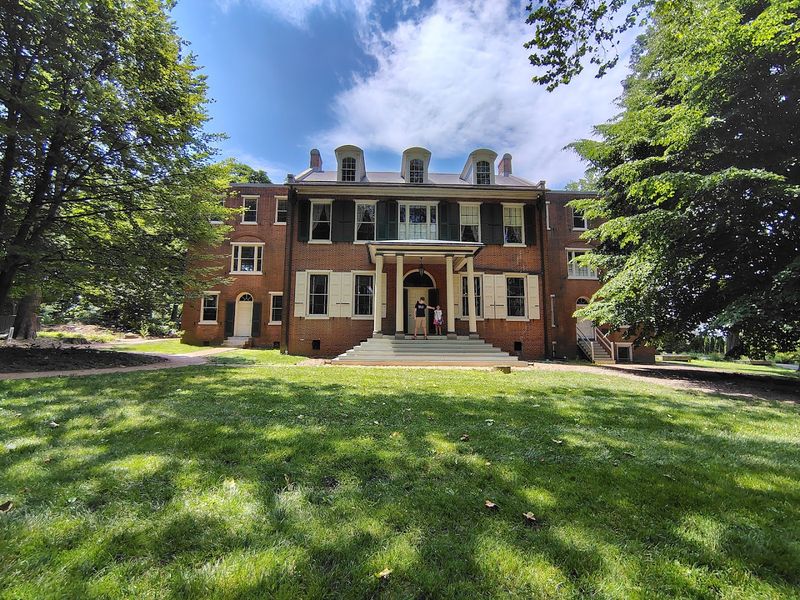
The mansion itself draws most of the attention, but the grounds at Wheatland deserve their own moment of appreciation. The estate sits on a generous parcel of land shaded by mature trees, with well-kept lawns that give the property a sense of quiet dignity.
Walking the grounds before or after a tour provides a calming contrast to the information-rich experience inside the house.
Buchanan genuinely loved the property and referred to it as his refuge from Washington politics. He hosted visitors on the grounds regularly, particularly during the 1856 presidential campaign when he ran what was essentially a “front porch campaign” — receiving delegations of supporters at Wheatland rather than traveling to campaign events.
That tradition made the estate itself a political stage, not just a private retreat.
The building is well-maintained, and the surrounding neighborhood still features some of the beautiful older homes that visitors have mentioned in reviews. The setting feels appropriately historic without being overdone or artificially staged.
Whether you linger on the grounds for five minutes or twenty, the atmosphere is genuinely pleasant. Arriving a little early before your tour to walk around the property and soak in the surroundings before heading inside is a good strategy for making the most of your visit.
The Introductory Film at the Visitor Center
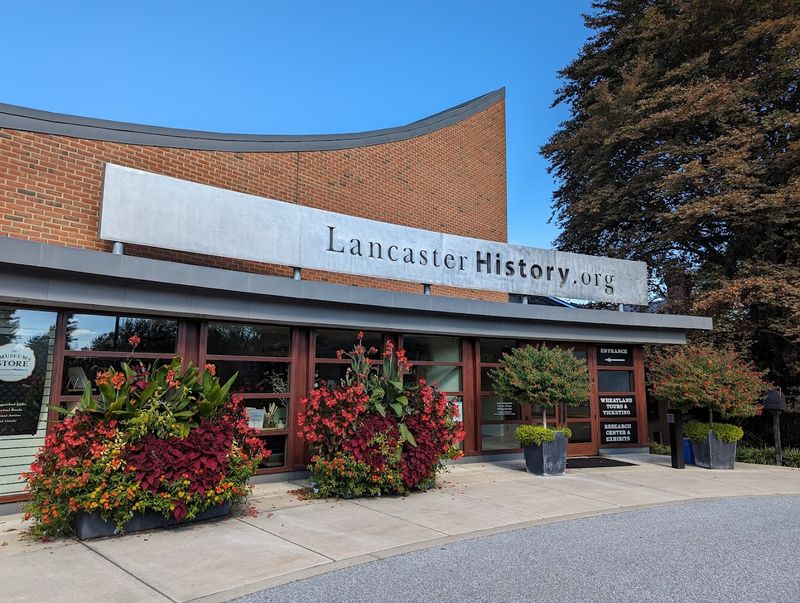
Before the guided tour of the mansion begins, every visitor is invited to watch an introductory film at the Visitor Center. Multiple reviewers praised this film as genuinely well-done, describing it as a clear and engaging summary of Buchanan’s life, his era, and the national tensions that defined his presidency.
One visitor noted that the star of the film was actually one of the costumed guides — a charming detail that blurs the line between documentary and living history.
The film does something difficult: it presents Buchanan’s failures honestly without turning the experience into a takedown. Phrases like “demonstrates how inept this president was, without casting judgment” appeared in more than one review, suggesting the filmmakers found a thoughtful balance.
For younger visitors or anyone who does not arrive with a strong background in antebellum American history, the film provides exactly the context needed to make the house tour meaningful rather than confusing.
Running time is short enough that it does not feel like homework, but substantive enough to genuinely prepare you for what you will see inside. Skipping the film to save time would be a mistake.
Think of it as the opening chapter of a story whose next chapters unfold room by room inside the mansion itself, guided by knowledgeable staff who clearly love what they do.
Special Seasonal Tours: Christmas at Wheatland
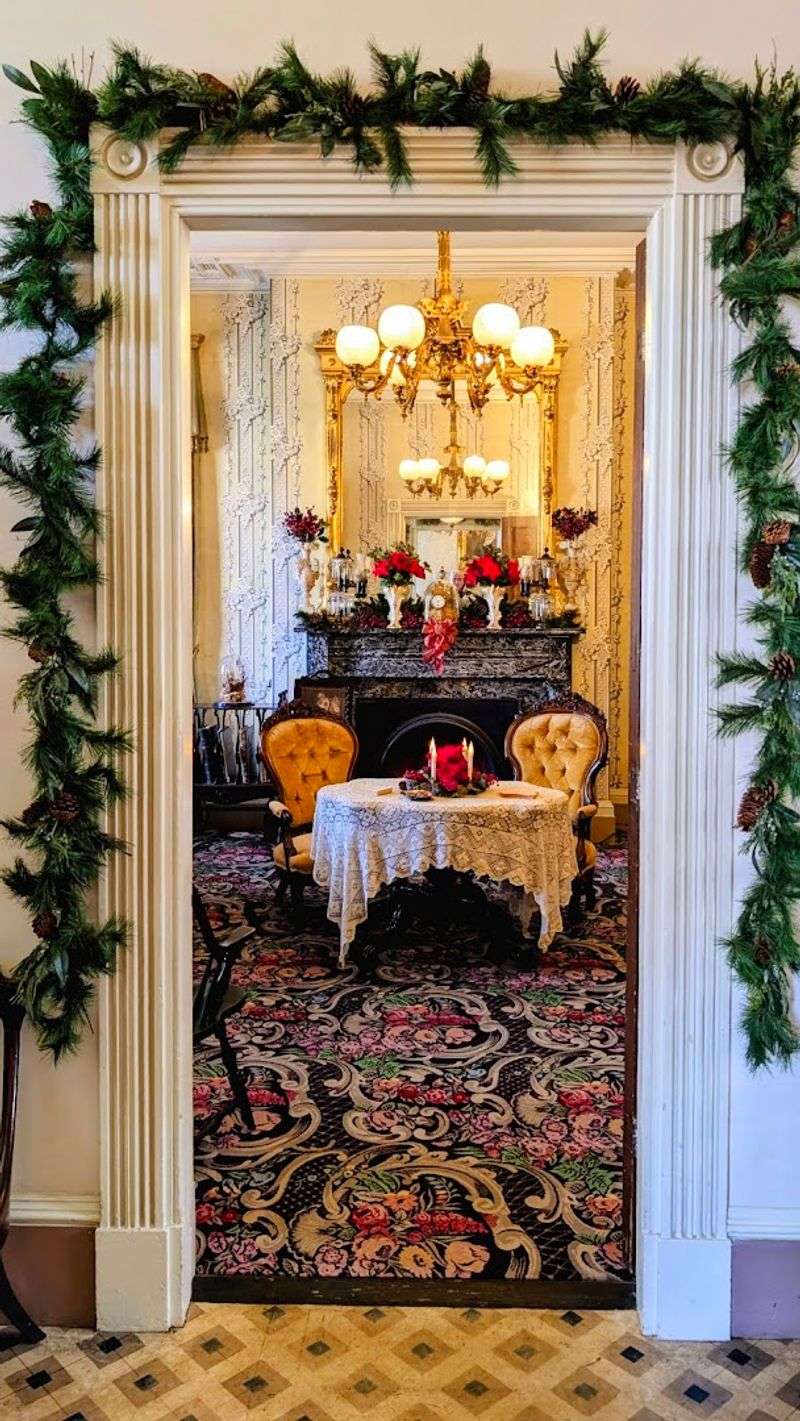
If you happen to be in Lancaster during the holiday season, the Christmas tour at Wheatland is something genuinely special. The mansion is decorated with historically accurate Victorian-era holiday trimmings, and the experience shifts from a standard house tour into something warmer and more festive.
Visitors who attended the holiday tour described it as a “wonderful treasure” and said they planned to return for the regular tour in warmer months.
The Christmas tour focuses specifically on what the holiday season looked like at Wheatland during Buchanan’s time. Guides explain 19th-century traditions, decorating customs, and how a household of Buchanan’s social standing would have celebrated.
The contrast between Victorian holiday practices and modern ones is fascinating, and the decorated rooms look genuinely beautiful under the warm lighting of the season.
One reviewer mentioned picking up unique gifts at the small gift shop during the holiday tour — a practical bonus for anyone doing holiday shopping while exploring Lancaster County. The shop carries books, prints, and historically themed items that make for thoughtful, conversation-starting gifts.
Whether you visit in December or during the regular season, planning your tour in advance is strongly recommended since hours run Tuesday through Saturday from 10 AM to 3 PM, with the property closed on Sundays.
Buchanan’s Political Legacy and Historical Controversy
Historians consistently rank James Buchanan among the least effective American presidents, and Wheatland does not shy away from that conversation. The guided tour and introductory film both address his controversial handling of the secession crisis directly, presenting the evidence and letting visitors draw their own conclusions.
What emerges is a portrait of a man who was deeply experienced and genuinely well-intentioned, but paralyzed by a constitutional philosophy that prevented decisive action when the nation needed it most.
Buchanan himself was so stung by criticism that he spent much of his post-presidential retirement at Wheatland writing a multi-volume memoir defending his decisions in office — a fact that guides mention with a mix of sympathy and dry humor. The memoir, titled “Mr. Buchanan’s Administration on the Eve of the Rebellion,” was published in 1866 and remains a primary historical source today.
Engaging with his legacy at the actual site where he processed that criticism, wrote those defenses, and lived out his final years adds a layer of emotional texture that no textbook can replicate. Even visitors who arrive already convinced he was a failure tend to leave with a more complicated appreciation of the pressures he faced.
History, as Wheatland demonstrates beautifully, is rarely as simple as a ranking.
Visiting Tips, Hours, and What to Expect
Getting the most out of a Wheatland visit starts with a little planning. The site is open Tuesday through Saturday from 10 AM to 3 PM and is closed on Sundays.
The address is 1120 Marietta Ave, Lancaster, PA 17603, and the phone number is +1 717-392-4633. Arriving at least 15 minutes before your tour time gives you a chance to explore the Visitor Center, browse the gift shop, and watch the introductory film without feeling rushed.
The mansion is air-conditioned, which multiple reviewers specifically appreciated — especially during summer visits. Tours run at a comfortable pace and are described as accessible and enjoyable for visitors of a wide range of ages.
One reviewer suggested that children aged 10 and up would find the experience genuinely engaging, particularly when a costumed guide is leading the group. Parking is available on-site, and the surrounding neighborhood makes for a pleasant walk if you want to extend your time in the area.
For more information or to book a tour, visit the official website at lancasterhistory.org/about-wheatland. The site holds a 4.7-star rating across hundreds of reviews, which speaks for itself.
Whether you are a dedicated presidential history enthusiast or simply curious about Lancaster County’s past, Wheatland rewards every visitor who walks through its doors with something memorable to take home.