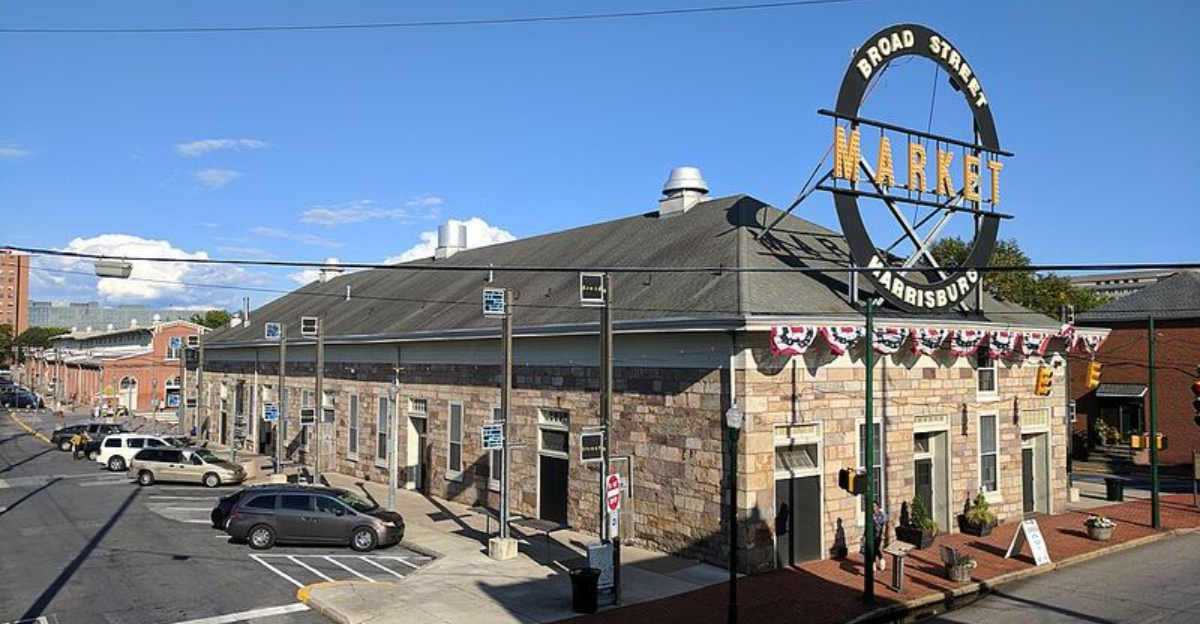
Broad Street Market in Harrisburg, Pennsylvania, is a living testament to the enduring spirit and rich history of American public markets.
Established in 1860, it has not only survived the test of time but thrived as a hub of commerce and culture.
This market holds the unique distinction of being one of the oldest continuously operating market houses in the United States, with its stone structure dating back to the Civil War era.
As you wander through its aisles, you are transported back in time, walking the same paths where local vendors have been selling their wares for over a century.
Today, the market continues to serve the community, offering a diverse range of goods and reflecting the culinary evolution of Harrisburg. From its roots in Pennsylvania Dutch traditions to its modern-day multicultural offerings, the market is a vibrant tapestry of flavors and stories.
Join us as we explore the ten fascinating aspects of this historic market that make it a cherished landmark and a must-visit destination for history buffs and food lovers alike.
A Market Born in 1860 at the Edge of a Growing Capital
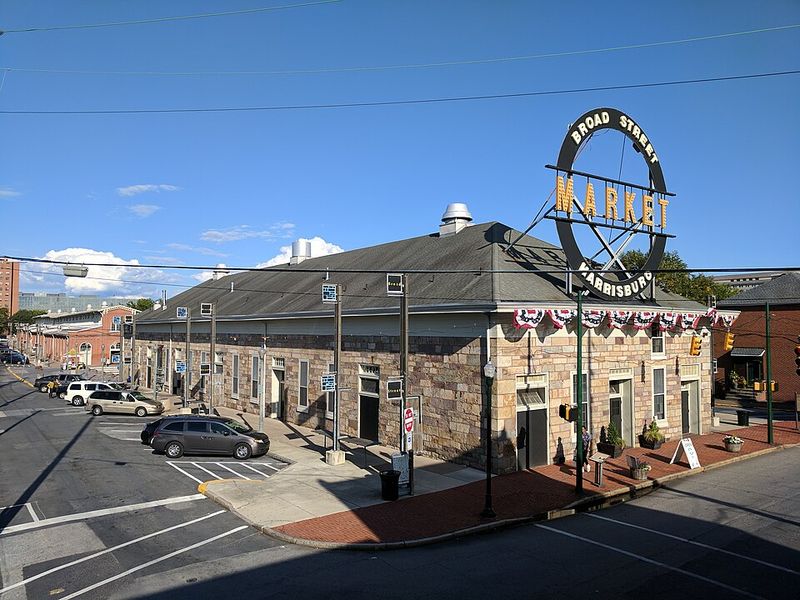
In the midst of the 19th century, Harrisburg was a city on the rise, expanding rapidly as it became a central hub of commerce and activity in Pennsylvania. Amidst this growth, the Broad Street Market was established in 1860, strategically placed to cater to the increasing needs of the city’s burgeoning population.
The market’s location was not accidental; it was carefully chosen to serve not only the local residents but also the nearby military encampments, including Camp Curtin.
The bustling atmosphere of Harrisburg in those days was characterized by the clatter of horse-drawn carriages and the chatter of eager vendors and customers. The market quickly became a focal point for the community, offering a wide array of fresh produce, meats, and dairy, which were essential to the daily lives of the city’s inhabitants.
It was more than just a place to shop; it was a gathering spot where news was exchanged and social bonds were strengthened.
The connection to the Civil War added another layer of significance to the market’s early years. Soldiers stationed nearby would frequent the market, relying on its goods to sustain them during their service.
This vital role in supporting the war effort cemented the market’s place in history, making it an integral part of the community’s social and economic fabric.
Today, the remnants of those early years can still be felt as you walk through the market’s storied halls, where the legacy of its founding days continues to resonate.
The Stone Building That Still Defines the Market
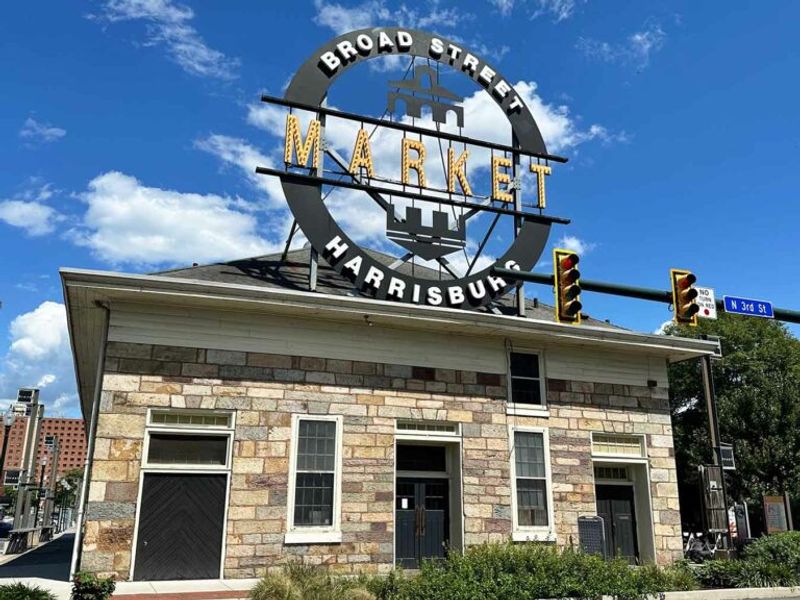
The heart of Broad Street Market is undeniably its original stone building, completed in 1863. This architectural marvel is more than just a structure; it is a silent witness to the passage of time and the resilience of a community.
With its sturdy stone walls and timeless design, the building has become an icon of Harrisburg’s architectural heritage.
Constructed using local materials, the stone building embodies the craftsmanship and attention to detail characteristic of 19th-century engineering. Its presence is both imposing and inviting, standing proudly as a testament to the market’s enduring legacy.
The building’s historical significance is further enhanced by its continuous use for over a century and a half, making it a rare survivor of its era.Inside, the market’s original charm is preserved amidst the hustle and bustle of modern commerce. The stone structure provides a unique ambiance, seamlessly blending the old with the new.
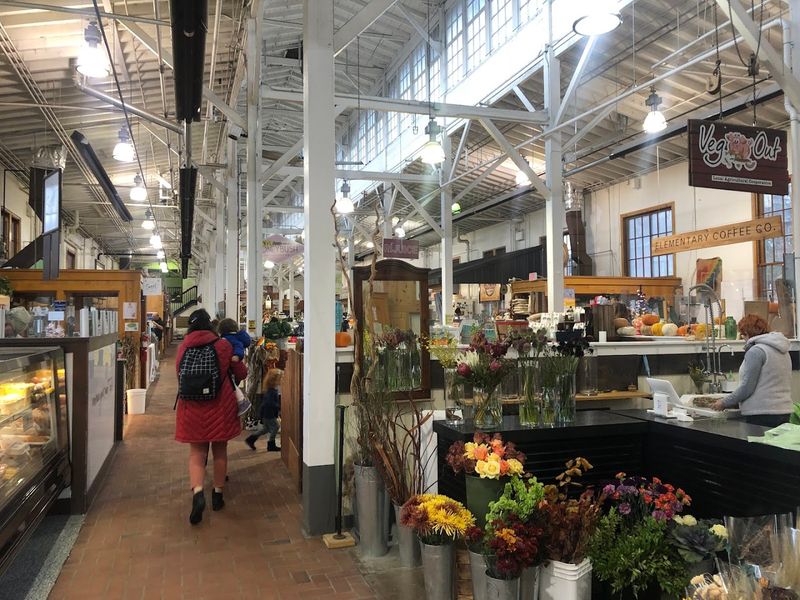
Vendors set up their stalls beneath its arches, offering a wide range of products that continue the tradition of quality and freshness that has defined the market since its inception.
Visitors are often struck by the sense of history that permeates the air, creating an experience that is both nostalgic and vibrant.
One of America’s Oldest Continuously Operating Market Houses
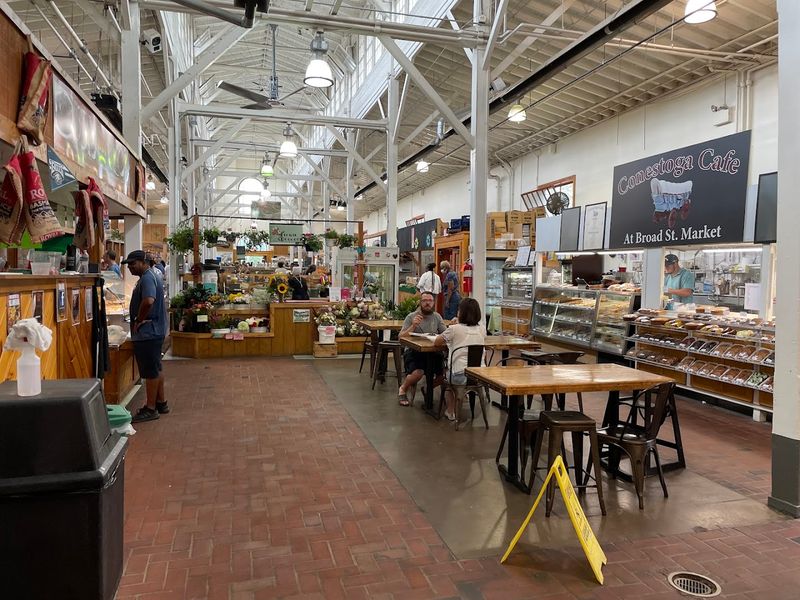
Broad Street Market holds the distinguished title of being one of the oldest continuously operating market houses in the United States. This accolade is not merely about longevity; it speaks to the market’s ability to adapt and thrive through changing times and societal shifts.
Since its doors first opened in 1860, the market has been an unwavering fixture in Harrisburg, providing a constant source of fresh, local produce and goods.
The market’s continuous operation is a testament to its resilience and the unwavering support of the community it serves. Through wars, economic downturns, and cultural shifts, Broad Street Market has managed to evolve while retaining the core values that have always defined it.
Its history is interwoven with that of the city, making it a cornerstone of local identity and pride.Today, visitors to the market can experience the same lively atmosphere that has characterized it for over 160 years.
The blend of historical charm and modern vibrancy is palpable, offering a unique shopping experience that connects the past with the present.
This enduring legacy highlights the market’s importance not just as a place of commerce, but as a living history that continues to nourish the community in more ways than one.
Feeding Soldiers During the Civil War
During the tumultuous years of the Civil War, Broad Street Market played a crucial role in supporting the Union effort.
Situated near Camp Curtin, the largest Federal military camp during the war, the market was ideally positioned to provide essential supplies to the thousands of soldiers who passed through the area.
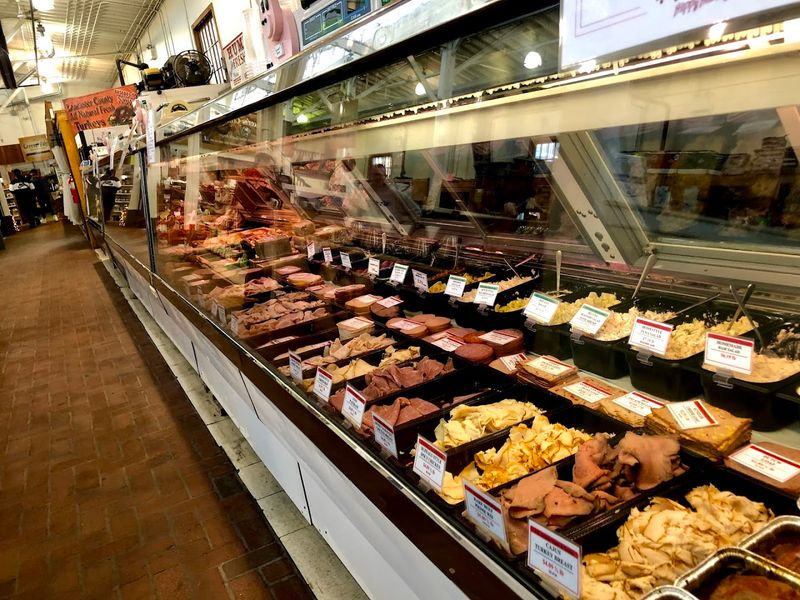
The market’s vendors were instrumental in offering fresh produce, meats, and other goods to the troops, ensuring that soldiers had access to nutritious food during their training and deployment.
This contribution to the war effort highlighted the market’s strategic importance and cemented its place in history as a vital resource for both the military and the local community.
The market’s involvement in the Civil War era is a fascinating chapter in its long history. It reflects the steadfast dedication of its vendors and the community’s commitment to supporting the nation’s troops.
Today, this historical connection is celebrated and remembered, adding depth and context to the market’s rich legacy.
Visitors can still sense the echoes of that era as they explore the market, surrounded by the same stone walls that once stood witness to a nation at war.
Expansion Into a Multi-Building Market Complex
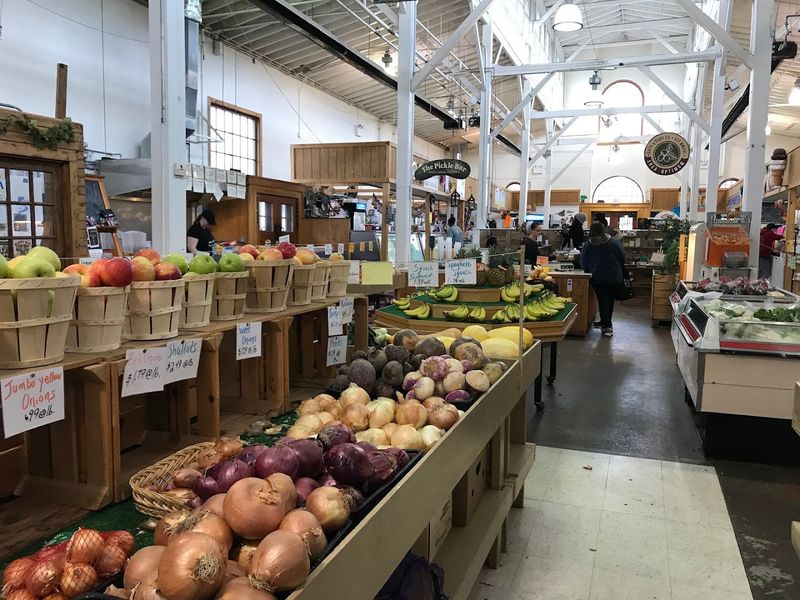
As the demand for fresh goods continued to grow, Broad Street Market underwent significant expansion between 1874 and 1878. This period marked the addition of a larger brick building, transforming the market from a single stone structure into a sprawling complex that spanned several city blocks.
This expansion was driven by the need to accommodate an increasing number of vendors and customers, reflecting the market’s rising prominence in Harrisburg.
The new brick building provided additional space for vendors, enabling them to offer a wider variety of products to the bustling crowds. This growth transformed the market into a dynamic hub of commerce, attracting visitors from across the region.
The architectural synergy between the old stone building and the newer brick structure created a distinctive market environment that remains a hallmark of Broad Street Market today.
The expansion into a multi-building complex allowed the market to cater to an ever-diversifying clientele, setting the stage for its evolution into the vibrant marketplace it is now.
The seamless integration of historical and modern elements within the market complex offers a unique experience for visitors, where the past and present coexist in harmony.
A Peak Era With Hundreds of Vendors
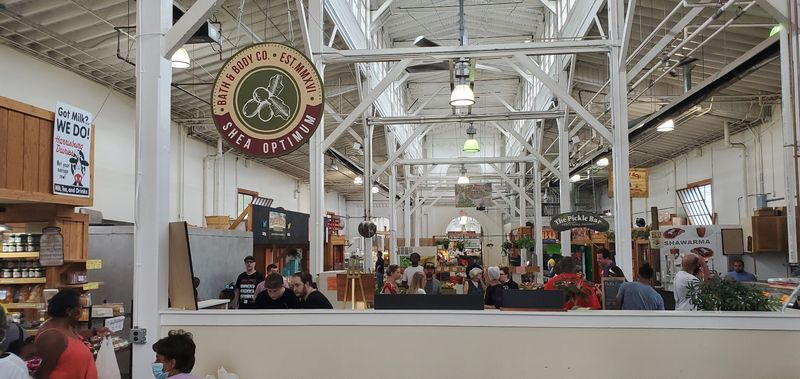
In the early 20th century, Broad Street Market reached a peak era, becoming known as the “Dutch Fair.” During this time, the market boasted an astounding number of vendors—more than 700—making it one of the largest and most bustling markets in the region.
The lively atmosphere was characterized by the sights and sounds of vendors hawking their wares to eager customers who flocked to the market from near and far.The nickname “Dutch Fair” was derived from the strong presence of Pennsylvania Dutch vendors who brought their rich culinary traditions to the market.
The market became a melting pot of flavors and cultures, where traditional Pennsylvania Dutch goods mingled with offerings from other local and regional producers.
This era of prosperity was marked by a vibrant exchange of goods and ideas, fostering a community spirit that transcended economic transactions.
The market’s reputation as a dynamic and diverse center of commerce solidified its place as a cherished institution in Harrisburg, a legacy that continues to influence its character today.
Pennsylvania Dutch and Local Farm Traditions
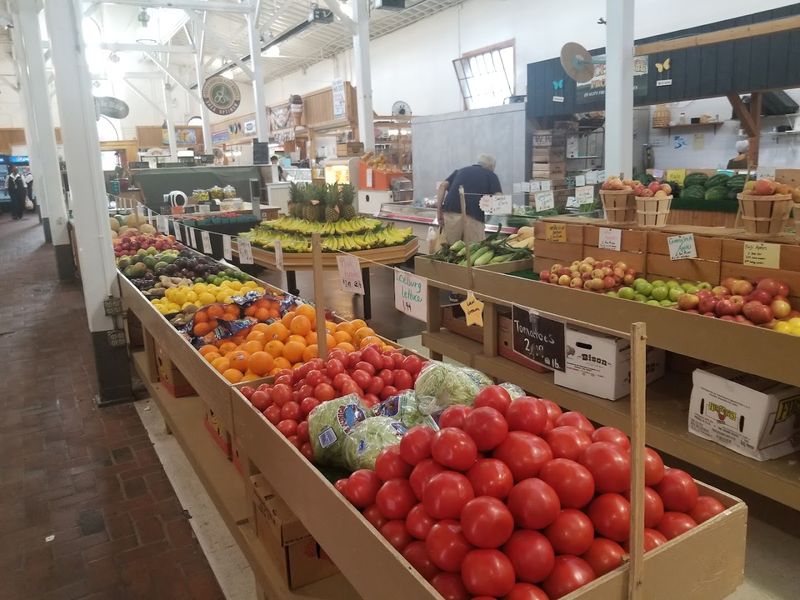
The Pennsylvania Dutch presence at Broad Street Market has been a defining feature of its identity for generations.
Amish and Mennonite vendors from local farms have long been a cornerstone of the market, offering an array of fresh produce, meats, and baked goods that reflect their agricultural heritage and commitment to quality.
These vendors bring with them time-honored farming practices and recipes that have been passed down through generations.
Shoppers at the market can find a diverse selection of goods, from homemade pies and pastries to freshly picked fruits and vegetables.
The authenticity and craftsmanship of these offerings are a testament to the dedication and skill of the vendors, who take pride in sharing their traditions with the community.
The Pennsylvania Dutch influence adds a rich layer to the market’s cultural tapestry, providing visitors with a taste of local history and a connection to the region’s agricultural roots.
This enduring presence has helped the market maintain its reputation as a destination for high-quality, locally sourced products, ensuring that the legacy of the Pennsylvania Dutch continues to thrive in the heart of Harrisburg.
A Cultural Food Hub With Diverse Vendors Today
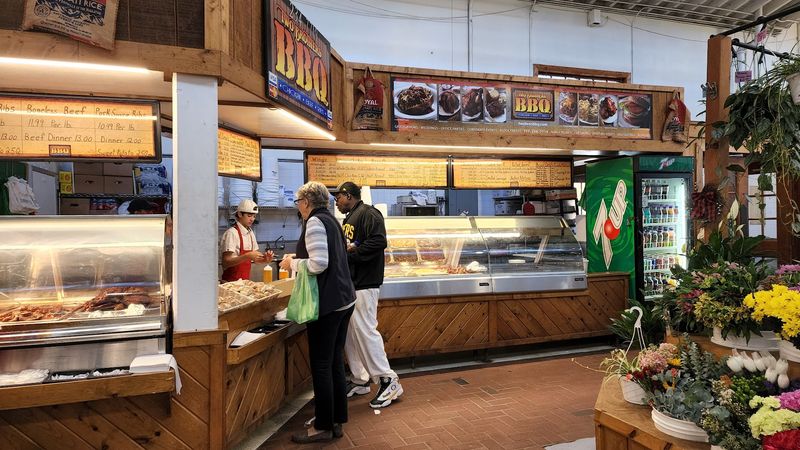
Today, Broad Street Market stands as a vibrant cultural food hub, showcasing a diverse range of vendors that reflect Harrisburg’s evolving culinary landscape.
The market is a melting pot of flavors and cuisines, offering everything from traditional Pennsylvania Dutch fare to international dishes that cater to a wide array of tastes and dietary preferences.
This diversity is a testament to the market’s ability to adapt and embrace change while maintaining its roots in local traditions.
Visitors can explore a multitude of stalls, each offering unique and tantalizing options, from fresh produce and artisanal cheeses to exotic spices and gourmet meals prepared on-site.
The market atmosphere is lively and welcoming, a true reflection of the community it serves.This eclectic mix of vendors ensures that Broad Street Market remains a dynamic and relevant part of Harrisburg’s cultural fabric.
It is not just a place to shop but a destination where people come together to celebrate food, culture, and community, creating connections that transcend the transactional nature of commerce.
Resilience Through Fire and Restoration
In 2023, Broad Street Market faced a significant challenge when a major fire damaged the brick building, threatening its historic legacy and the livelihood of its vendors.
However, the market’s story is one of resilience and determination, as the community rallied together to support the restoration efforts and ensure the market’s future.
The immediate aftermath of the fire saw the implementation of temporary structures to allow vendors to continue operating while restoration efforts commenced.
The market’s ability to adapt in the face of adversity is a testament to its importance to the community and the commitment to preserving its historical and cultural significance.
Restoration efforts have focused on both repairing the damage and preserving the market’s historical integrity.
This challenge has brought the community together, reinforcing the market’s role as a central gathering place and symbol of Harrisburg’s tenacity and spirit.
The ongoing restoration serves as a reminder of the market’s enduring legacy and the community’s dedication to ensuring it remains a vital part of the city’s fabric for generations to come.
Visitor Info and What to Expect Today
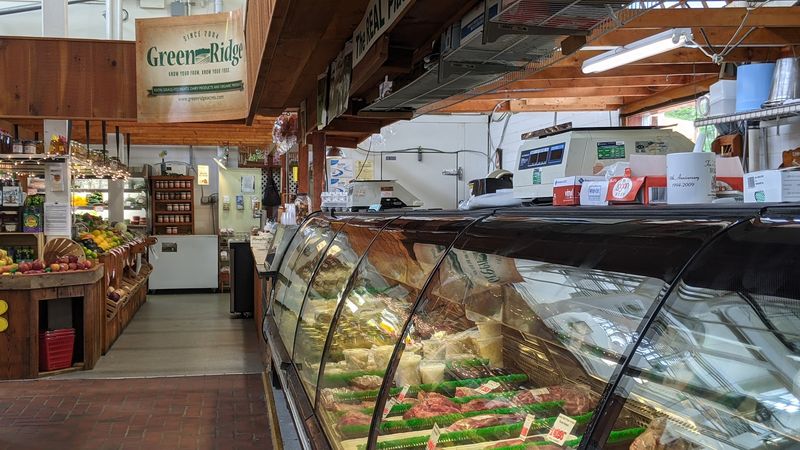
Located at 1233 N 3rd St, Harrisburg, PA 17102, Broad Street Market is a must-visit destination for anyone interested in exploring the rich history and vibrant culture of Harrisburg.
Visitors can expect a lively atmosphere where the past and present merge seamlessly, offering a unique shopping experience that caters to all senses.The market is open several days a week, providing ample opportunity to explore its diverse offerings.
From fresh produce and artisanal goods to prepared meals and unique crafts, there is something for everyone to enjoy.
The historic stone building adds an additional layer of charm, inviting visitors to step back in time while relishing the modern conveniences of today.
The market’s location in Midtown Harrisburg makes it easily accessible and a perfect starting point for exploring the surrounding area.
With its strong neighborhood atmosphere and commitment to quality and diversity, Broad Street Market continues to be a beloved landmark that welcomes locals and tourists alike to experience its timeless appeal.