Tucked away in Naples, Florida, the Bird Gardens of Naples is one of the most unique wildlife experiences in the entire state.
This nonprofit sanctuary rescues and rehabilitates hundreds of exotic birds, giving them a safe forever home while opening its doors to curious visitors.
Whether you have always loved parrots or have never been up close to a macaw, this place will completely blow your mind.
From hand-feeding colorful birds to learning about conservation, a visit here is something you will not forget anytime soon.
A Rescue Sanctuary Hidden in Southwest Florida
Most people driving through Naples, Florida have no idea that just off a quiet residential road sits one of the most remarkable bird sanctuaries in the entire Southeast. The Bird Gardens of Naples operates as a registered nonprofit, pouring every dollar it earns back into the care and rehabilitation of its feathered residents.
Founded on a deep love for exotic birds, the sanctuary has grown into a full-scale conservation center that also welcomes the public.
Unlike a traditional zoo, this facility focuses entirely on avian welfare. Birds here have often come from difficult situations — abandoned pets, confiscated smuggled animals, or birds surrendered by overwhelmed owners who could no longer manage their complex needs.
The sanctuary steps in when no one else can or will.
Many of the birds cannot safely return to the wild, either because they were hand-raised, have health issues, or simply lack the survival skills needed outside captivity. So the sanctuary becomes their permanent, loving home.
Visiting supports that mission directly — every tour fee, donation, and volunteer hour helps keep hundreds of birds fed, healthy, and happy in a setting designed just for them.
Home to Hundreds of Rescued Exotic Birds
Walking through the gates of Bird Gardens of Naples feels a little like stepping into a living, breathing rainbow. At any given time, the sanctuary houses between 250 and 300 birds — sometimes even more — representing dozens of species from around the world.
Macaws, cockatoos, amazon parrots, conures, and many others share the space in a surprisingly harmonious way.
The aviaries are designed to feel as natural as possible, with perches at different heights, enrichment toys, and plenty of room to move around. Birds are grouped thoughtfully, with social species placed together so they can interact, play, and communicate the way they would in the wild.
It creates a lively, noisy, wonderfully chaotic atmosphere that visitors absolutely love.
Seeing so many rescued birds thriving in one place is genuinely moving. Each bird has its own story — some arrived malnourished, others were lonely and emotionally withdrawn.
With time, patience, and expert care from dedicated staff and volunteers, most of them blossom into confident, social animals. The sheer variety of species on display also makes every visit a learning experience, even for people who already know a lot about birds.
A Rare Opportunity to Interact With Ambassador Birds
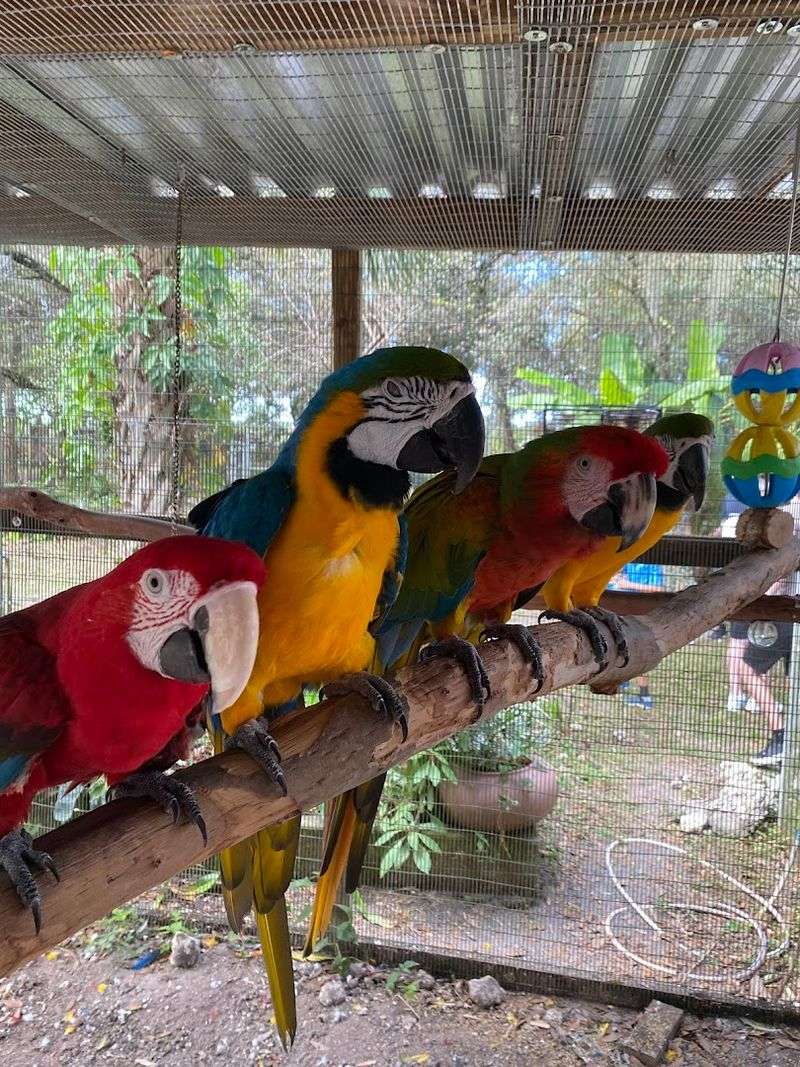
Not every bird at the sanctuary wants to meet strangers, and that is completely fine — the birds always get to choose. But a special group of residents known as ambassador birds are a different story entirely.
Calm, curious, and thoroughly comfortable around people, these parrots actively enjoy human interaction and serve as the friendly face of the sanctuary for incoming visitors.
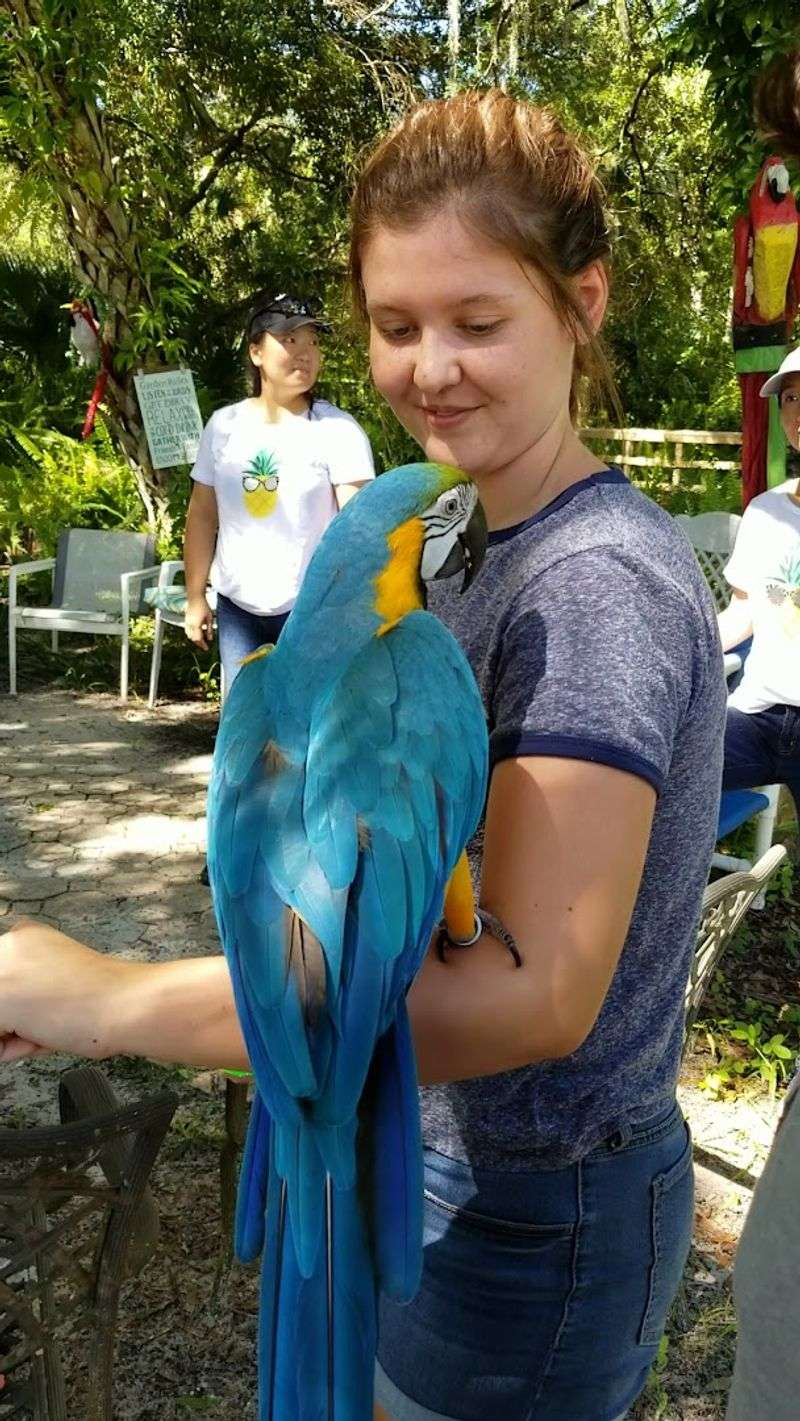
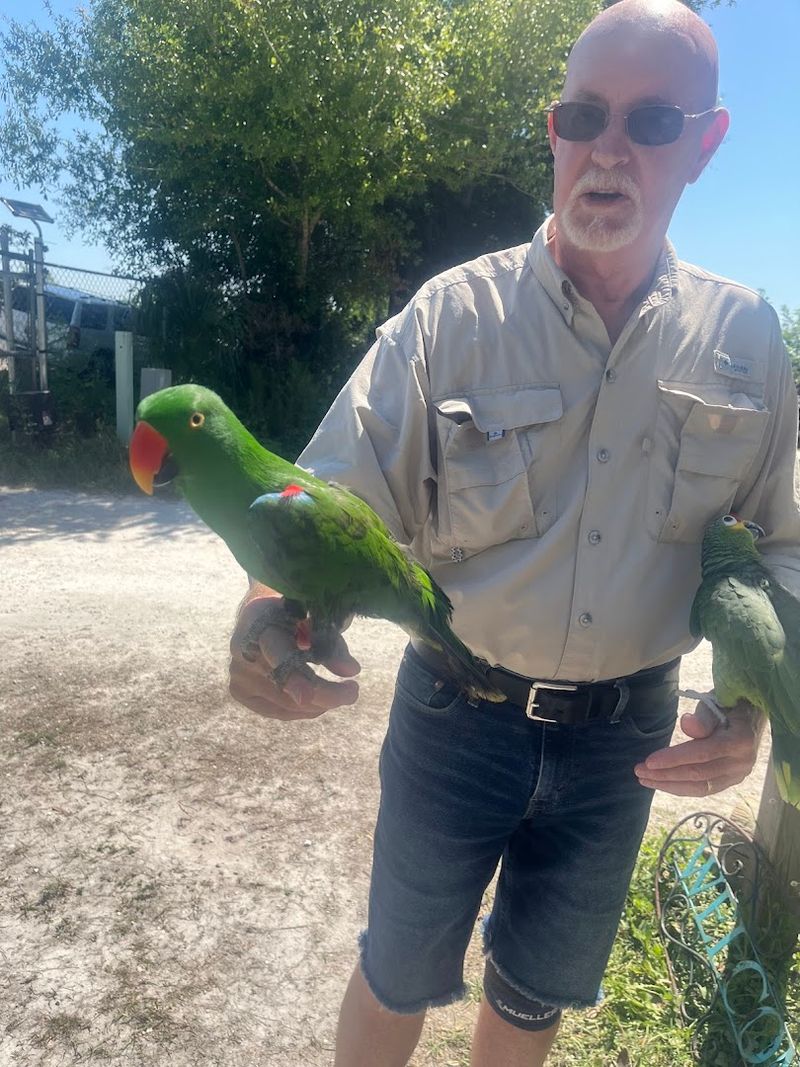
Right at the entrance and in designated interaction zones, ambassador birds may hop onto your arm, perch on your shoulder, or lean in for a closer look at your face. It is an electrifying moment, especially for first-time visitors who have never felt the grip of a macaw talon or heard a parrot chirp just inches from their ear.
Kids especially tend to light up during these encounters.
The experience is not rushed or scripted. Guides gently introduce visitors to each bird, sharing their name, species, and backstory.
You quickly realize these are not just pretty animals — they have personalities, preferences, and moods just like people do. Spending even five minutes with an ambassador bird can shift your entire perspective on what it means to care for and respect exotic wildlife.
Hand-Feeding Parrots in a Controlled Aviary Setting
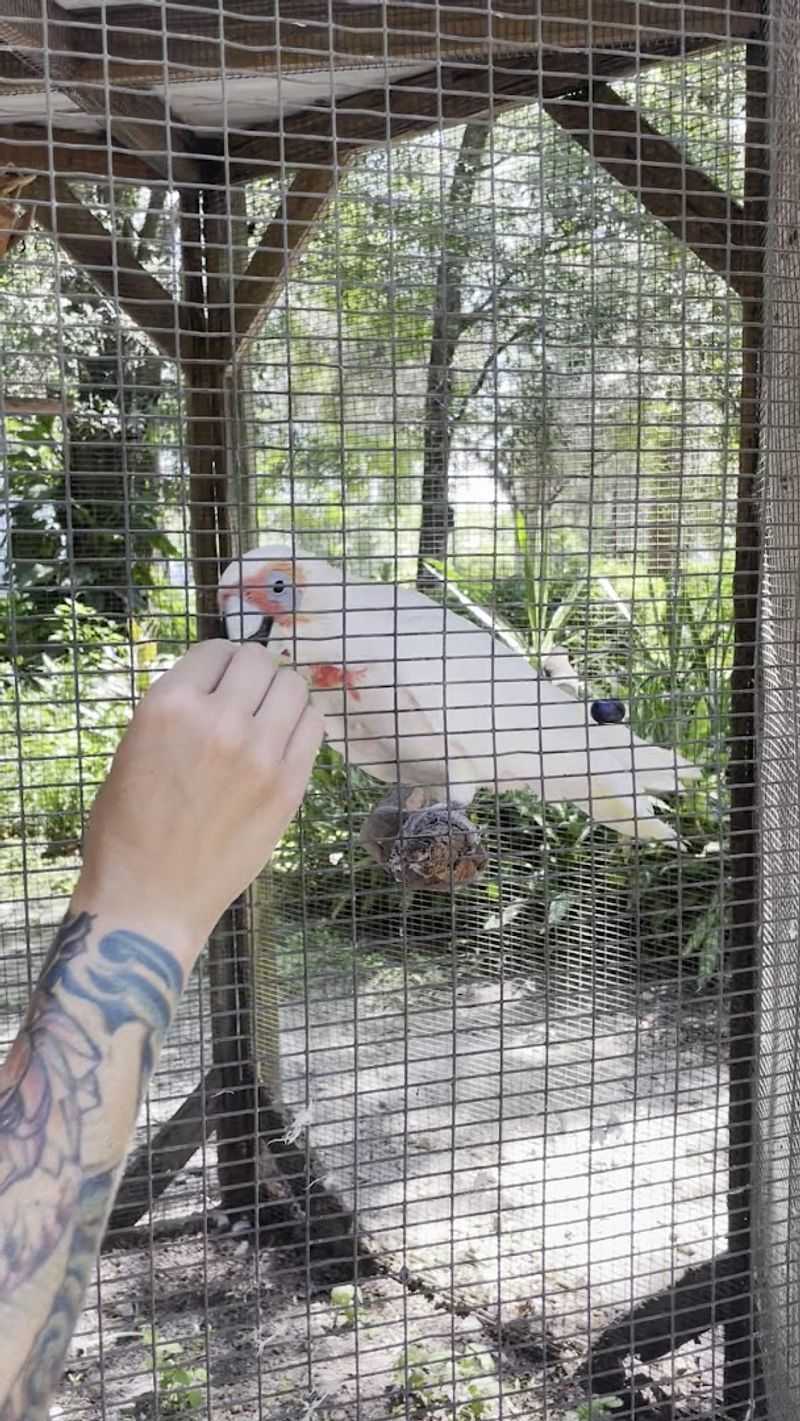
Honestly, nothing quite prepares you for the moment a macaw gently takes a nut from your open palm. Hand-feeding birds inside a walk-in aviary is one of the signature experiences at Bird Gardens of Naples, and it consistently ranks as the highlight of any visit.
The birds approach freely, on their own terms, which makes the whole thing feel even more special.
Visitors are typically given bird-safe treats like unsalted nuts to offer to the residents. Guides walk you through the correct technique — keeping your palm flat, moving slowly, and staying calm so the birds feel at ease.
The macaws and parrots here have been around people long enough to be comfortable, but they are still wild-natured animals, so respectful behavior is always encouraged.
Bringing your own bird-safe snacks can enhance the experience, but check with the sanctuary beforehand about what is permitted. The feeding sessions happen inside enclosed aviaries, so the birds are never stressed by outside noise or activity.
For families with children, this is one of those rare travel moments that sticks in memory for years. There is something deeply connective about earning the trust of a bird and having it choose to come to you.
Macaw Aviaries With Vibrant, Free-Roaming Birds
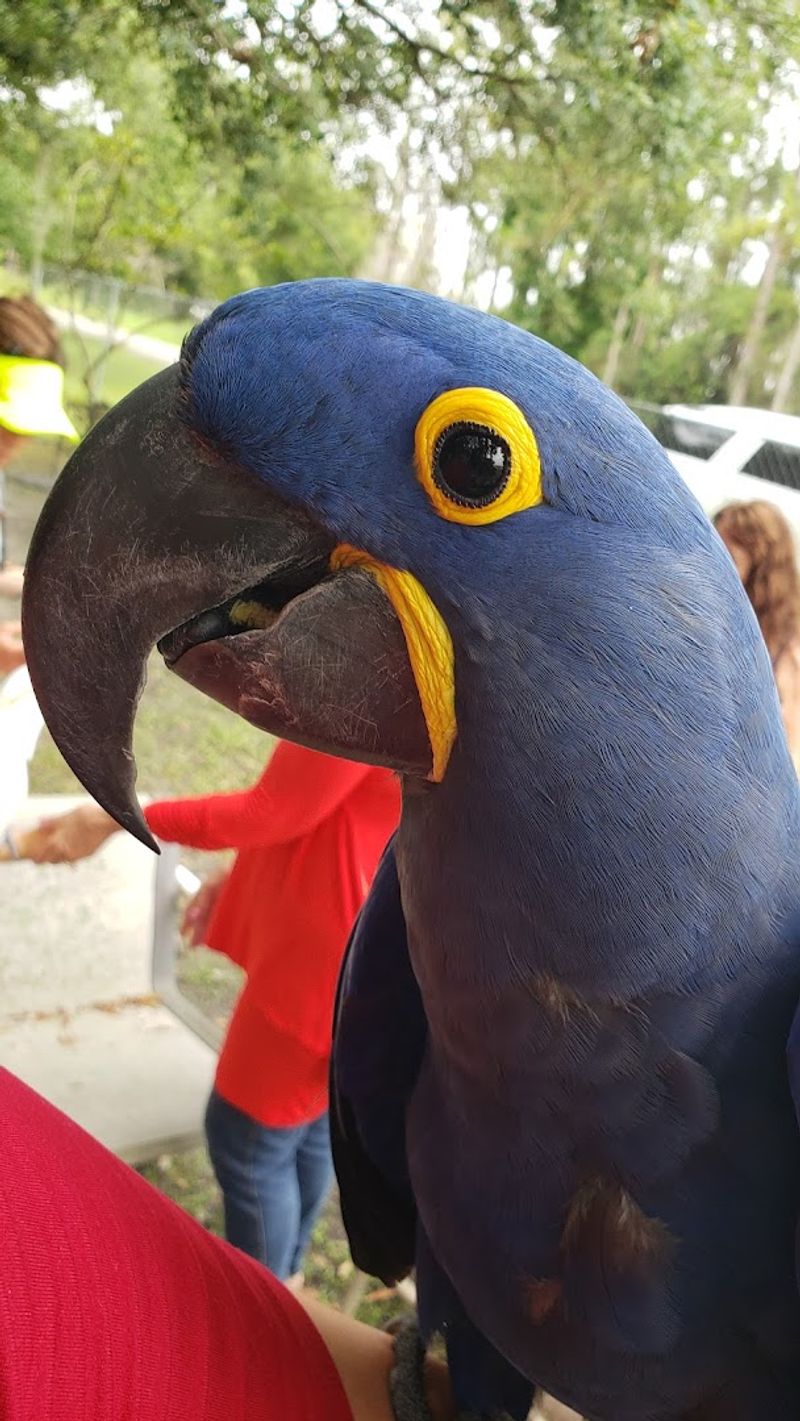
Few birds on the planet command attention the way macaws do. Their bold colors, powerful wingspans, and thunderous calls create an atmosphere that feels more like a tropical rainforest than a Florida backyard.
At Bird Gardens of Naples, the macaw aviaries are built to match the birds’ need for space, stimulation, and social connection — and the result is genuinely spectacular.
Scarlet macaws, blue-and-gold macaws, and green-winged macaws are among the most eye-catching residents. Watching them soar from perch to perch, crack open seeds with their powerful beaks, and squawk at each other in what sounds like a full conversation is endlessly entertaining.
The enclosures are large enough that the birds can actually fly meaningful distances, which is rare in captivity and crucial for their physical health.
Fun fact: macaws can live up to 80 years in captivity, meaning some of the birds you meet may actually outlive their human visitors. That longevity is part of why so many end up in rescue care — people simply do not realize what a lifetime commitment a macaw truly is.
Seeing them thrive in a well-designed sanctuary setting makes a powerful case for why responsible wildlife care matters so much.
Close Encounters With Cockatoos and Their Unique Personalities
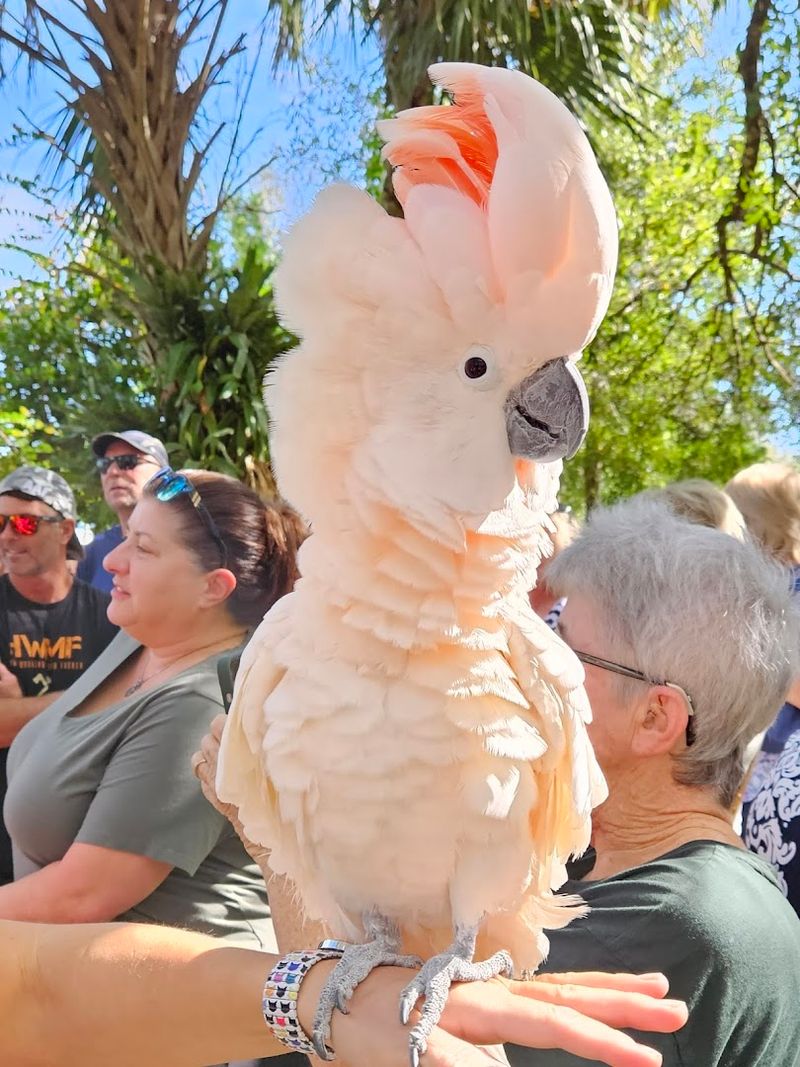
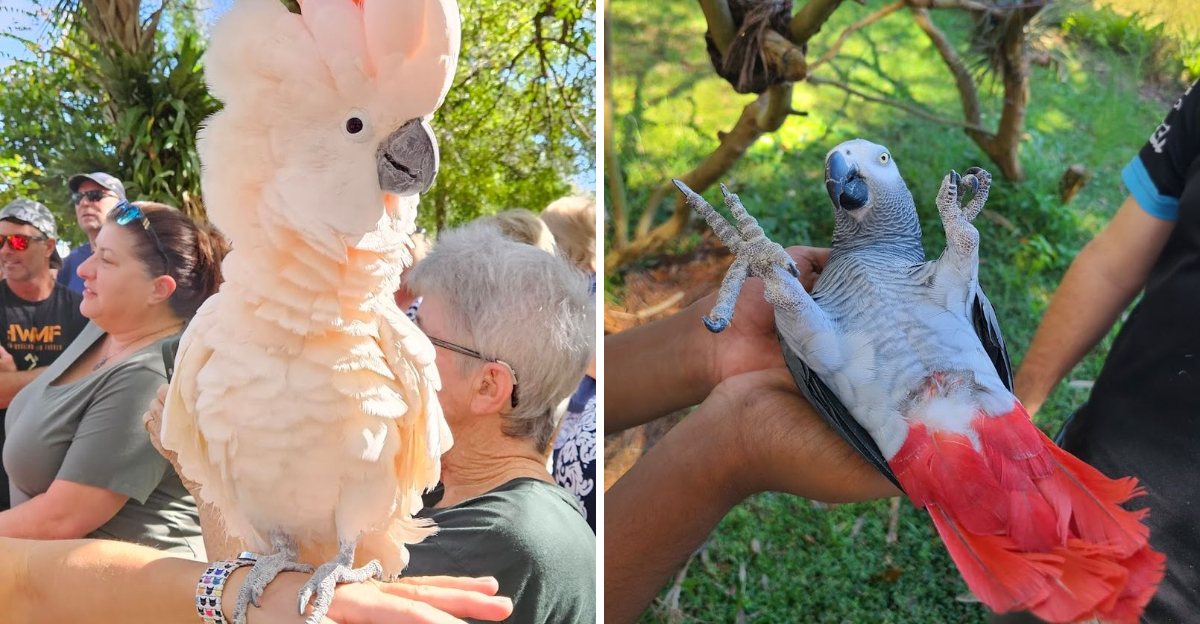
If macaws are the showstoppers, cockatoos are the comedians. These brilliant white birds have a flair for drama and social theater that makes them impossible to ignore.
One moment a cockatoo might be bobbing its head enthusiastically to get your attention, and the next it is raising its dramatic crest feathers and letting out a piercing shriek just because it feels like it.
Cockatoos at the sanctuary run the full personality spectrum. Some are outgoing attention-seekers who will practically demand you stop and interact with them.
Others are more reserved, watching visitors from their perches with sharp, intelligent eyes before deciding whether you are worth their time. Respecting those individual preferences is a big part of what makes the sanctuary experience feel so authentic.
These birds form incredibly deep emotional bonds, which is actually one of the reasons they end up in rescue situations so often. When a beloved owner passes away or can no longer care for them, cockatoos can develop severe emotional distress.
Staff at Bird Gardens of Naples work hard to rebuild trust with these birds over time, using patience and consistency. Watching a formerly withdrawn cockatoo warm up to visitors is a quiet but powerful reminder of how resilient animals can be.
Educational Tours Focused on Bird Welfare and Conservation
A visit to Bird Gardens of Naples is not just a fun outing — it is a genuinely eye-opening education. Guided tours cover the real-world reasons so many exotic parrots end up in rescue care, and the information can be surprising even for people who consider themselves animal lovers.
The stories behind individual birds make the lessons feel personal rather than like a lecture.
Parrots are among the most cognitively complex animals on Earth, with some species matching the intelligence of a five-year-old child. That means they need constant mental stimulation, social interaction, and emotional engagement to stay healthy.
When those needs are not met — which happens often in home settings — birds can develop serious behavioral problems that make them difficult to keep.
Tour guides also address the broader conservation picture, explaining how habitat destruction, illegal trapping, and the exotic pet trade continue to threaten wild parrot populations across Central and South America, Africa, and Asia. Understanding those pressures gives visitors a much deeper appreciation for what sanctuaries like this one actually do.
You leave not just having had a great time, but with real knowledge about how your choices as a consumer and supporter can make a difference for birds around the world.
A Natural Sanctuary Environment With Walking Trails
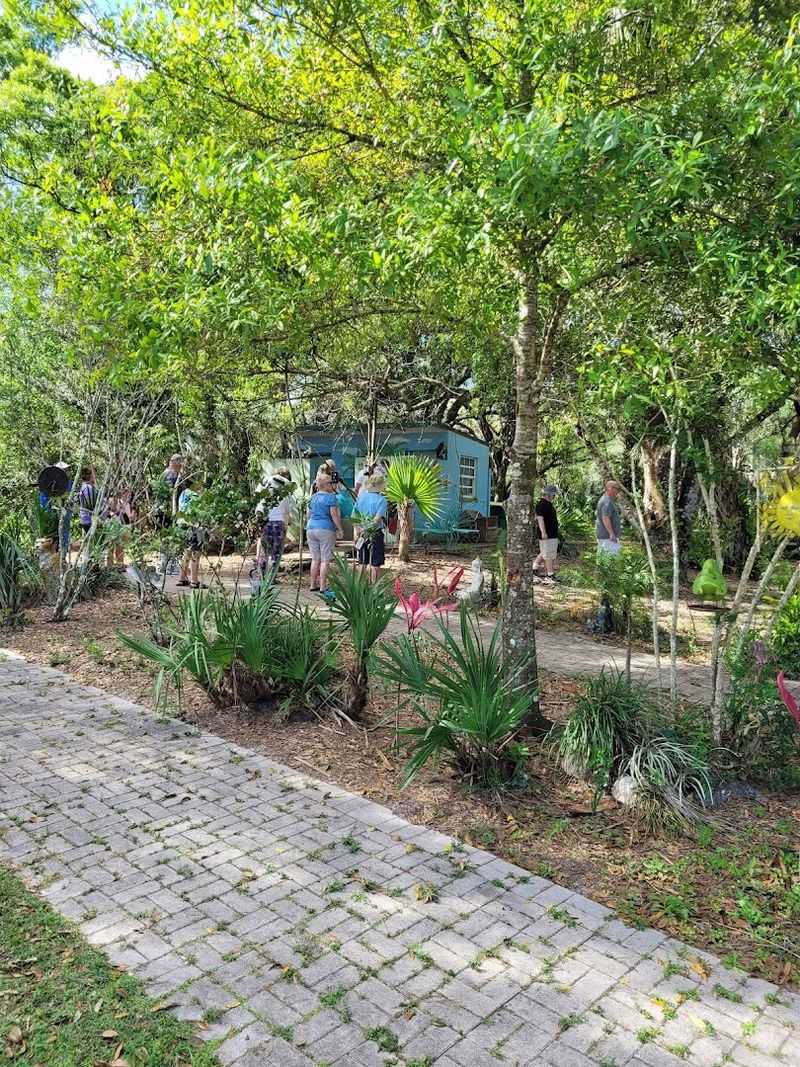
There is something deeply peaceful about wandering through Bird Gardens of Naples at your own pace, moving from one aviary to the next along shaded paths lined with tropical plants. The sanctuary was intentionally designed to feel like a natural environment rather than a commercial attraction, and that philosophy shows in every detail of the layout.
Native Florida vegetation provides shade, reduces noise, and helps create microclimates within the facility that keep birds comfortable even during hot summer months. The walking trails connect different sections of the sanctuary smoothly, so visitors never feel rushed or herded.
You can pause at any aviary as long as you like, watching birds interact, play, and go about their day without any pressure to move on.
The natural setting also reduces stress for the birds themselves, which is a core priority for the sanctuary team. Loud, crowded, or overstimulating environments can cause serious anxiety in parrots and other exotic birds.
By keeping the atmosphere calm and the vegetation dense, Bird Gardens of Naples creates a space where both animals and visitors can genuinely relax. Wear comfortable shoes, bring water, and plan to move slowly — this is the kind of place that rewards a leisurely pace over a rushed walkthrough.
Volunteer-Run Operation With Strong Community Support
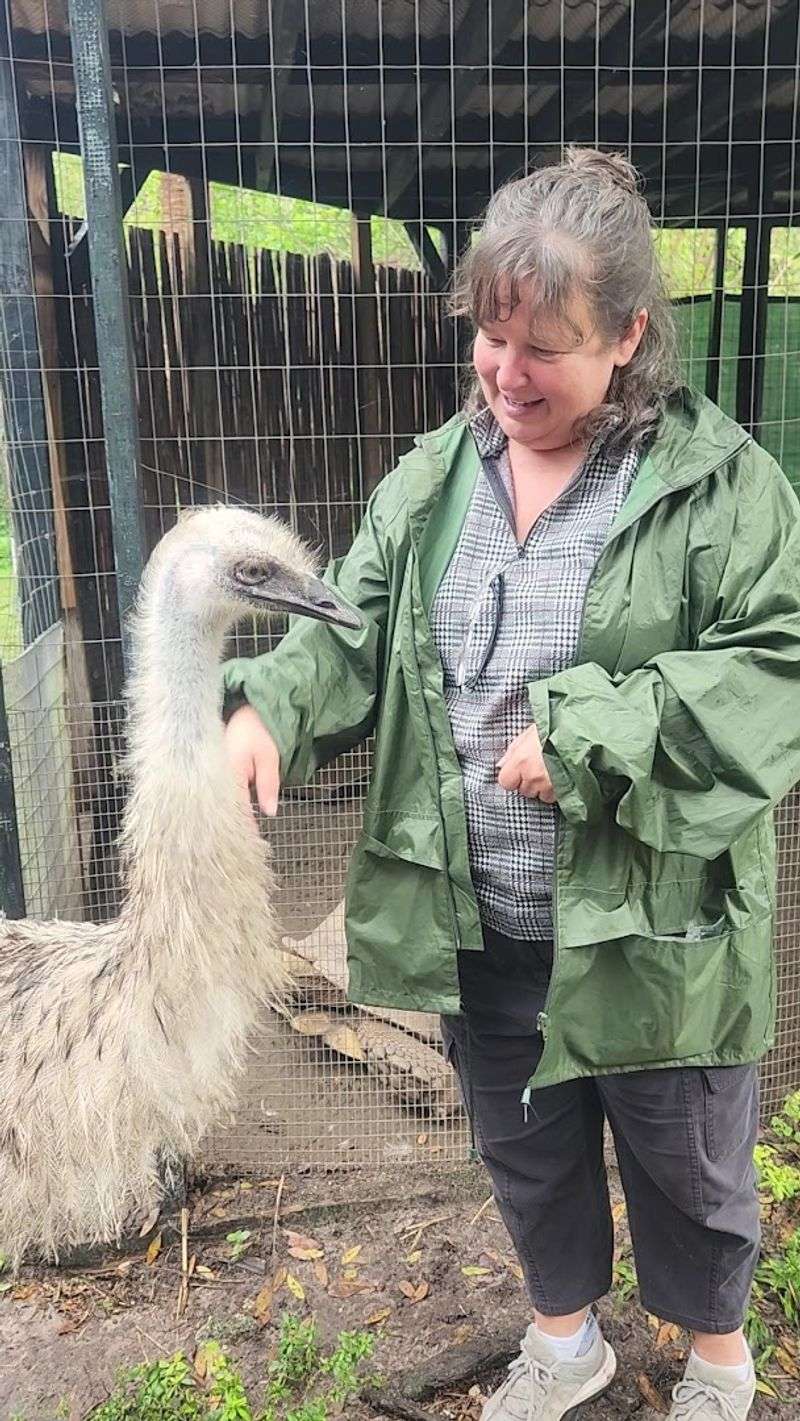
Behind every healthy, happy bird at Bird Gardens of Naples is a volunteer who showed up early, stayed late, and probably got squawked at a few times along the way. The sanctuary runs largely on volunteer power, with community members donating their time to help with everything from daily feeding and cleaning to landscaping and special enrichment projects for the birds.
That grassroots foundation gives the place a warmth and authenticity that is hard to manufacture. Visitors often notice that the people working there genuinely care about what they are doing — not because it is their job, but because they chose to be there.
That energy is contagious, and it tends to inspire visitors to think about how they might contribute as well.
If you are interested in getting involved, the sanctuary welcomes new volunteers and is always in need of helping hands. Even a few hours a month can make a meaningful difference in the lives of hundreds of birds.
Donations are also deeply appreciated, since the cost of feeding, housing, and providing veterinary care for 250 to 300 exotic birds adds up quickly. Supporting Bird Gardens of Naples is one of the most direct ways to invest in the long-term welfare of rescued exotic birds in Florida.
Visitor Info and What to Know Before You Go
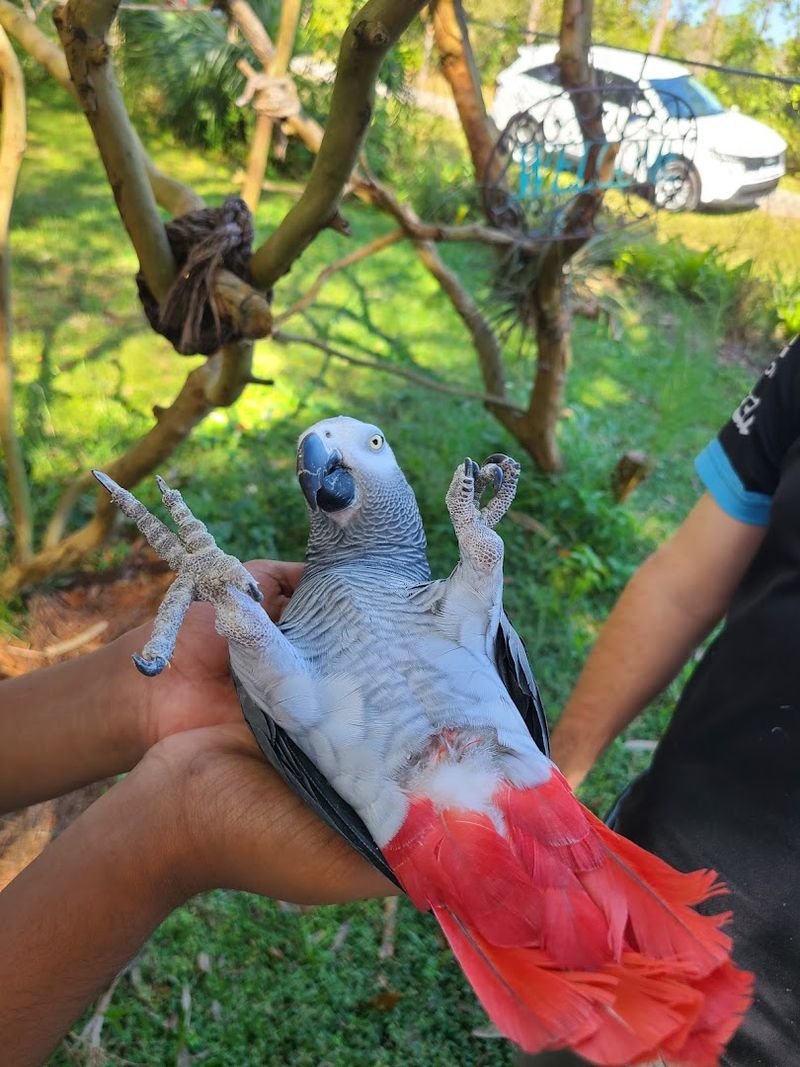
Planning your visit to Bird Gardens of Naples is easy, but a little preparation goes a long way toward making the experience as smooth and enjoyable as possible. The sanctuary is located at 1060 Purple Martin Dr, Naples, FL 34120, and can be reached by phone at +1 813-841-1911.
Tours are typically offered by scheduled appointment only, so advance booking is strongly recommended.
Arrive on time — guided sessions often begin around late morning, and the tour structure is designed around the birds’ daily routines. Closed-toe shoes are a must, both for your own comfort and to protect your feet in case a large bird steps down unexpectedly.
Bringing unsalted nuts or other bird-safe snacks is a great idea, but always confirm with the sanctuary beforehand about what is currently permitted for hand-feeding.
Expect your visit to last between one and two hours, depending on the tour group and how engaged everyone gets with the birds. Group sizes are intentionally kept small to minimize stress on the animals and maximize your personal interaction time.
Children are welcome and tend to have an incredible time, but calm behavior around the birds is expected from everyone. Book ahead, dress comfortably, and bring your sense of wonder — this is one Florida experience that absolutely lives up to the hype.