Just outside Raleigh’s busy streets lies one of the Southeast’s most impressive paved trails — the Neuse River Greenway Trail.
Stretching roughly 33 miles along the banks of the Neuse River, this path offers cyclists, walkers, and nature lovers a peaceful escape without ever leaving the metro area.
Whether you’re a casual rider looking for a relaxing afternoon or a seasoned cyclist chasing serious mileage, this trail delivers something special.
Pack your water bottle, pump up your tires, and get ready for a riverfront adventure that might just become your new favorite day trip.
One of the Longest Paved Greenways in the Southeast
Not many cities can claim a paved trail that stretches over 33 uninterrupted miles right from their backyard. The Neuse River Greenway runs from Falls Lake all the way south to Clayton, making it one of the longest continuous paved greenways in the entire Southeast.
That kind of distance puts it in rare company — most urban trails top out at 10 or 15 miles before hitting a road or a gap.
For cyclists, that uninterrupted length is a big deal. You can ride for hours without stopping at a red light or dodging car traffic.
It transforms an ordinary weekend bike ride into a genuine long-distance adventure with a real sense of accomplishment at the end.
Even if you don’t ride the full distance, knowing the trail goes on and on gives the experience a certain freedom. You can turn around whenever you feel like it, or push yourself a little farther each time you visit.
Locals who ride it regularly say the trail never quite feels the same twice, thanks to shifting light, seasonal changes, and new wildlife sightings along the way. It’s a trail that genuinely rewards repeat visits.
A Scenic Ride That Follows the Neuse River
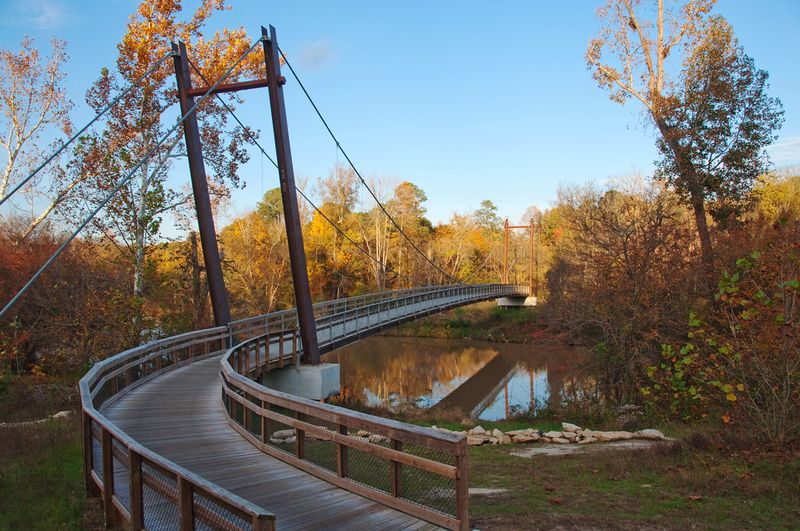
There’s something quietly magical about riding alongside a river for miles at a time. The Neuse River Greenway hugs the banks of the Neuse River for much of its length, giving riders a near-constant companion of flowing water just off the trail’s edge.
On calm mornings, the river surface looks like polished glass, reflecting the trees above in a way that almost makes you forget you’re inside a major metro area.
The trail weaves in and out of wooded corridors, occasionally opening up to wider river views before ducking back under a canopy of hardwoods. That rhythm — open water, then shaded forest, then open water again — keeps the ride visually engaging mile after mile.
It’s the kind of scenery that makes you slow down and actually look around instead of just grinding through the distance.
Wildlife shows up regularly along the riverbanks too. Great blue herons, kingfishers, turtles sunning on logs, and the occasional deer near the water’s edge are all common sightings.
Paddlers sometimes float by on the river below while cyclists cruise the trail above, creating this layered outdoor scene that feels genuinely alive. Few urban trails in the region match this level of natural immersion.
Smooth, Beginner-Friendly Terrain
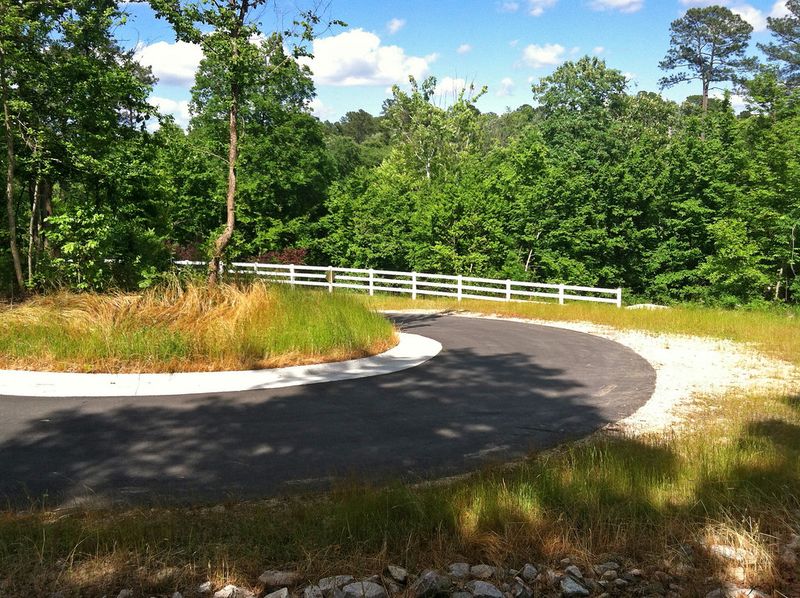
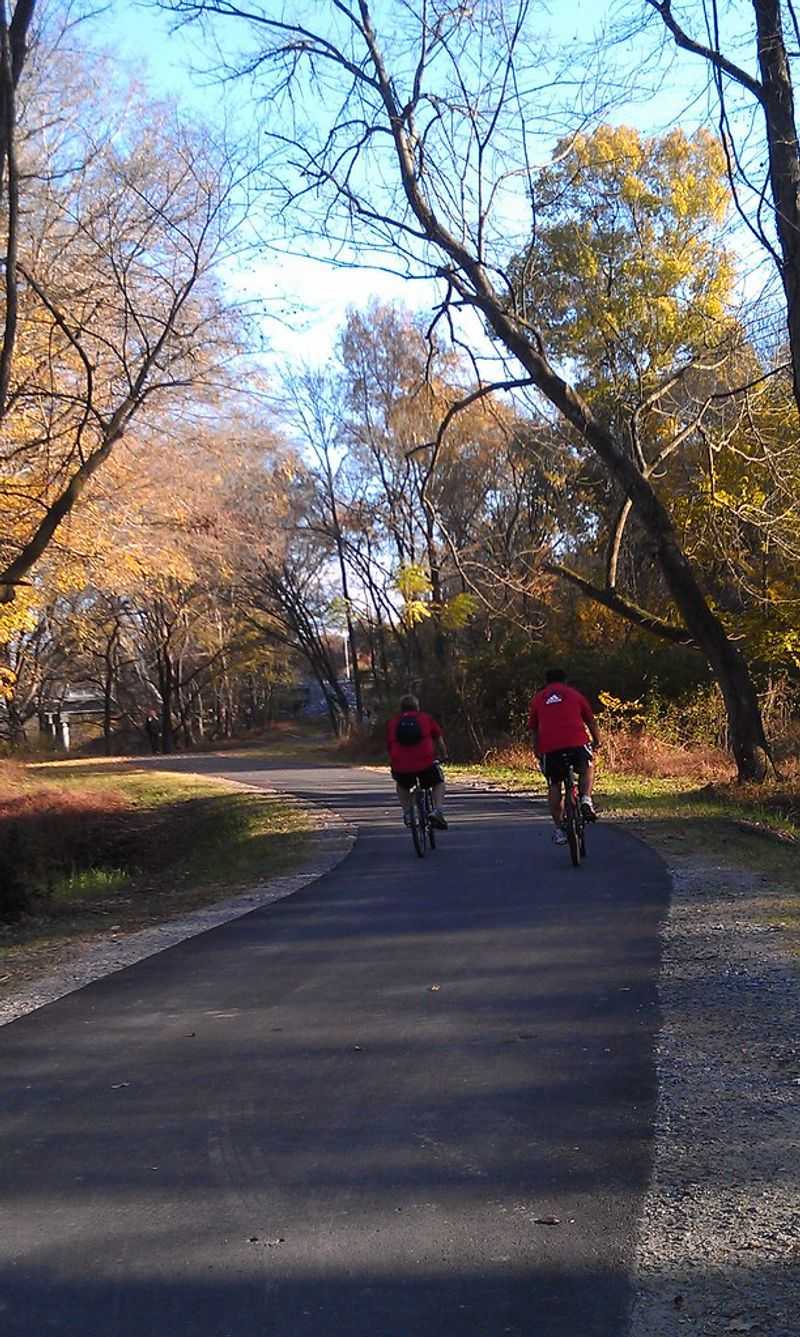
Not every trail is built for everyone, but the Neuse River Greenway comes pretty close. The surface is wide, smooth asphalt — the kind that makes even a basic bike feel fast and easy.
Grades stay mostly flat throughout, with only gentle rises and dips that even young kids or riders returning after a long break can handle without much trouble.
Families show up here in serious numbers on weekends, and it’s easy to see why. Parents can ride alongside younger kids without worrying about narrow paths or sudden steep drops.
The wide surface also means faster cyclists can pass slower riders without anyone feeling crowded or unsafe. That kind of trail design doesn’t happen by accident — it’s built to welcome everyone.
First-time cyclists often use this trail as their introduction to longer rides. Starting with a 5 or 10-mile out-and-back gives beginners a taste of real distance without overwhelming them.
Many riders who started here years ago now log 20 or 30-mile rides regularly, crediting this trail as the place where cycling clicked for them. If you’ve been looking for a low-pressure way to build your biking confidence, this greenway is genuinely one of the best starting points in the state.
Boardwalks, Bridges, and Wetland Crossings
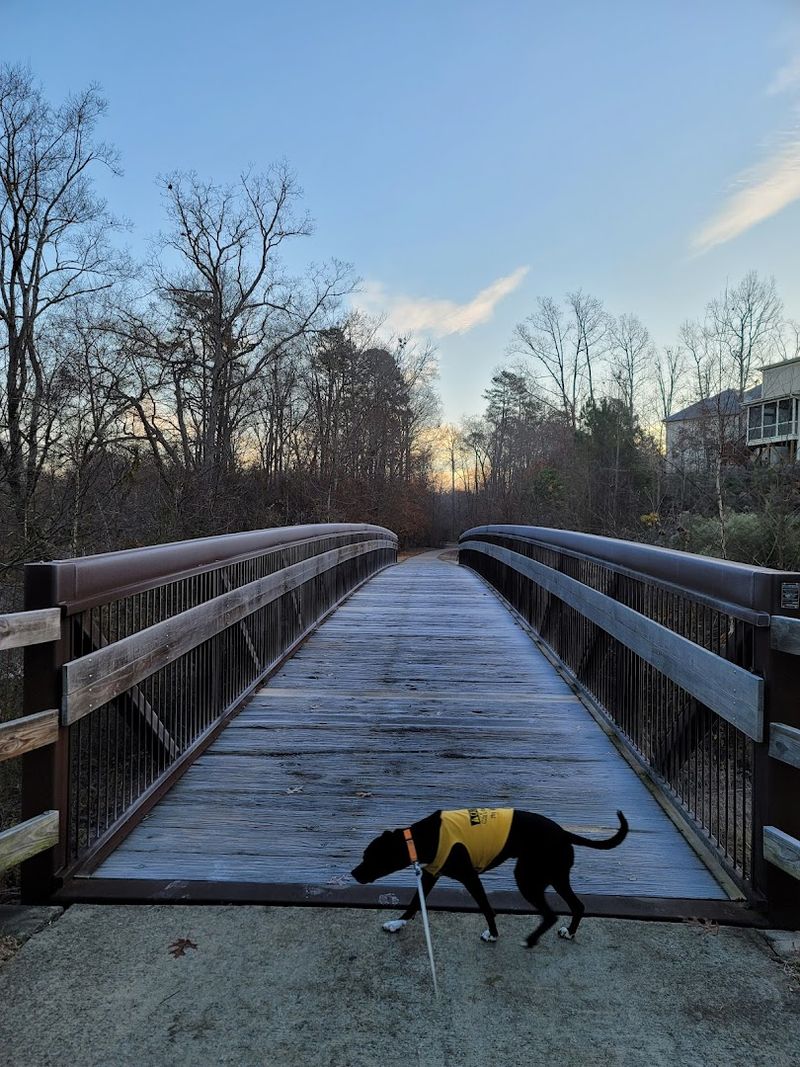
Flat pavement is great, but what really sets this trail apart are the moments when the surface changes beneath your wheels. Wooden boardwalks carry you over low-lying wetland areas, the planks drumming softly as you roll across.
It’s a small sensory shift that somehow makes the whole ride feel more like an adventure and less like a workout.
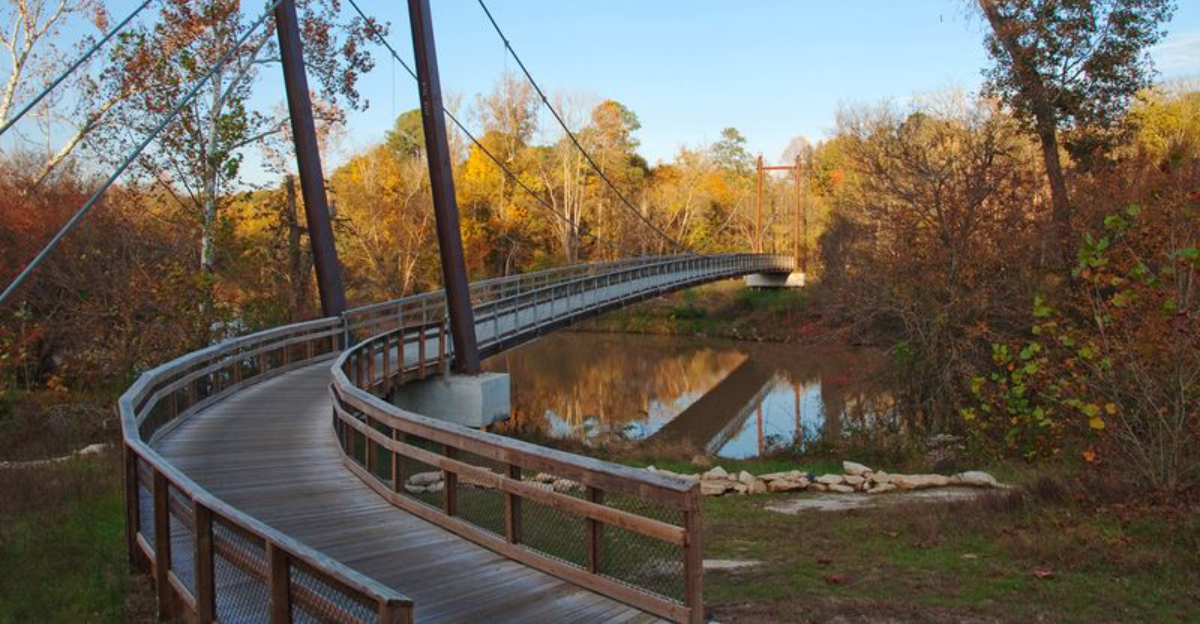
Suspension bridges add another layer of drama to the experience. Crossing one of these bridges over the Neuse River — with water flowing below and trees stretching out in every direction — is one of those moments that stops you mid-pedal to just take it in.
Riders who have done the trail dozens of times still mention the bridges as highlights of the journey.
The wetland sections are also prime spots for wildlife watching. Frogs, turtles, herons, and red-winged blackbirds tend to cluster in these areas, making a slow roll across a boardwalk feel like a mini nature tour.
Some sections include wooden overlook platforms where you can pause and scan the marsh without disturbing the habitat. These design details turn a simple bike path into something that feels much more thoughtfully built, giving every mile a slightly different personality.
Multiple Access Points for Flexible Rides
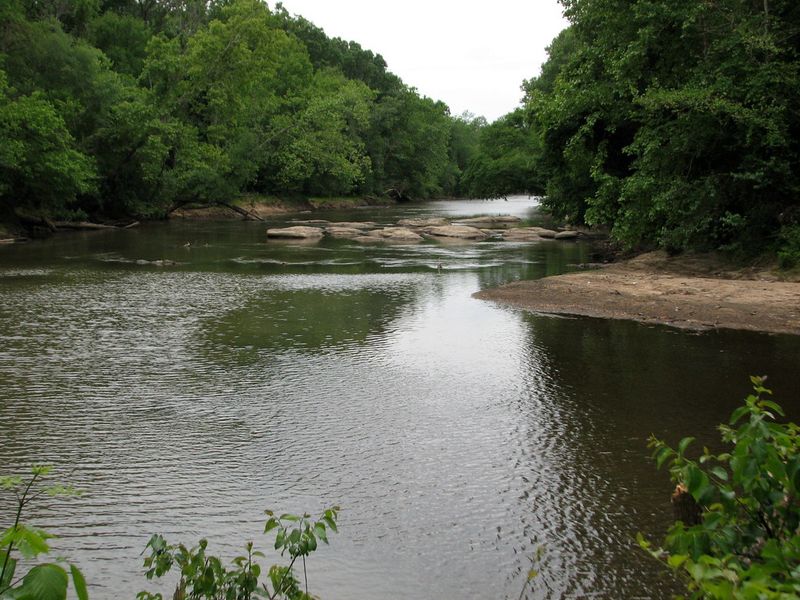
One of the most practical things about the Neuse River Greenway is that you don’t have to start at one end and commit to the whole thing. Multiple well-marked trailheads are spread along the route, letting you choose exactly how much trail you want to take on that day.
Falls Lake to the north, Horseshoe Farm Nature Preserve in the middle, and Anderson Point Park closer to downtown Raleigh are among the most popular entry points.
This flexibility makes the trail work for almost any schedule. Got two hours on a Tuesday evening?
Pick a central trailhead and do a quick 10-mile loop. Planning a big Saturday adventure?
Start at Falls Lake and see how far south you can get before turning back. The trail accommodates both approaches without asking you to compromise.
Parking at most trailheads is free and reasonably spacious, though popular spots like Anderson Point can fill up on weekend mornings. Arriving early — before 9 a.m. — almost always guarantees a spot.
Some riders also combine access points by dropping a second car at their planned endpoint, turning the ride into a one-way point-to-point trip that eliminates the return journey entirely. That kind of logistical flexibility is rare and worth planning around.
A True No-Cars Outdoor Escape
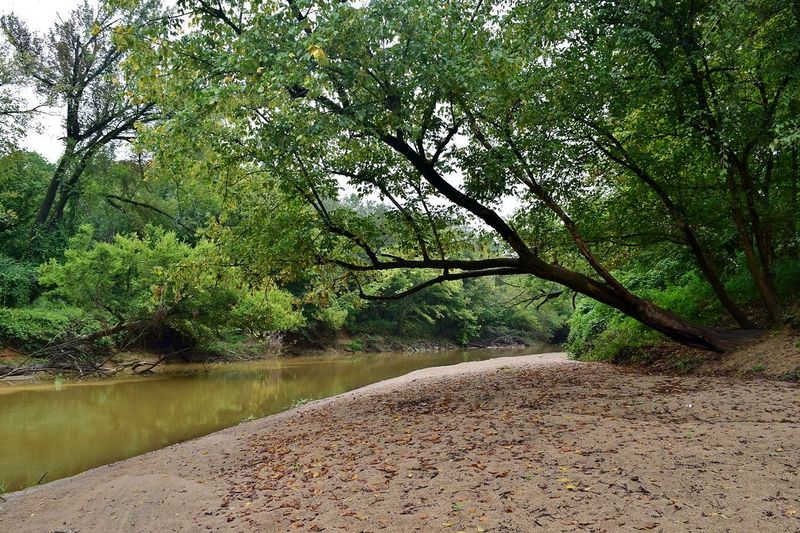
Anyone who has ever tried to bike on a road shoulder knows how stressful it can be — cars rushing past, gravel edges, the constant low-level anxiety of sharing space with traffic. The Neuse River Greenway eliminates all of that.
For the overwhelming majority of its length, the trail runs completely separated from vehicle traffic, giving riders a genuine sense of freedom that’s hard to find this close to a major city.
That separation isn’t just about safety, though safety is obviously a huge part of it. It also changes the entire feel of a ride.
Without cars in the picture, the sounds shift to birdsong, wind through trees, and the soft hum of tires on pavement. Conversations with riding partners actually become possible.
Kids can ride without parents tensing up every few seconds.
Road cyclists sometimes overlook greenways in favor of rural routes, but many have switched their regular rides to this trail after one stress-free trip. The mental difference between riding in traffic and riding on a dedicated path is significant — you finish the ride feeling refreshed instead of frazzled.
For commuters, families, or anyone who just wants to enjoy the outdoors without white-knuckling it through intersections, this trail is an obvious answer.
Part of a Much Bigger Trail Network
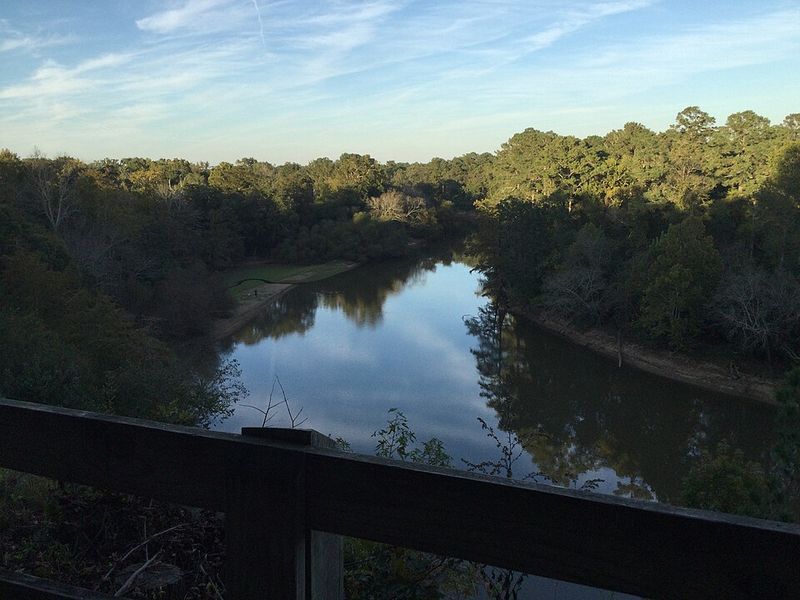
Here’s a fact that puts the Neuse River Greenway in a whole new light: the trail you’re riding in Raleigh is actually a piece of two massive long-distance routes. It serves as a key segment of both the East Coast Greenway — a 3,000-mile trail connecting Maine to Florida — and North Carolina’s own Mountains-to-Sea Trail, which crosses the entire state from the Appalachian Mountains to the Outer Banks.
That connection to bigger networks adds a layer of meaning to even a casual ride. Every mile you cover on this trail is technically a mile you could string together into an epic multi-state journey someday.
Long-distance cyclists and thru-hikers use this section regularly as part of bigger expeditions, and passing one of them on the trail has a way of making your afternoon ride feel a little more epic by association.
For local riders, the connection to the Mountains-to-Sea Trail in particular opens up interesting day-trip possibilities. You can follow the trail into greenways, forest roads, and singletrack sections beyond the paved corridor, building a more varied route if you’re up for mixing surfaces.
The Neuse River Greenway functions as a gateway trail — one that points toward much larger adventures waiting just beyond the city limits.
Wildlife, Forests, and Changing Scenery
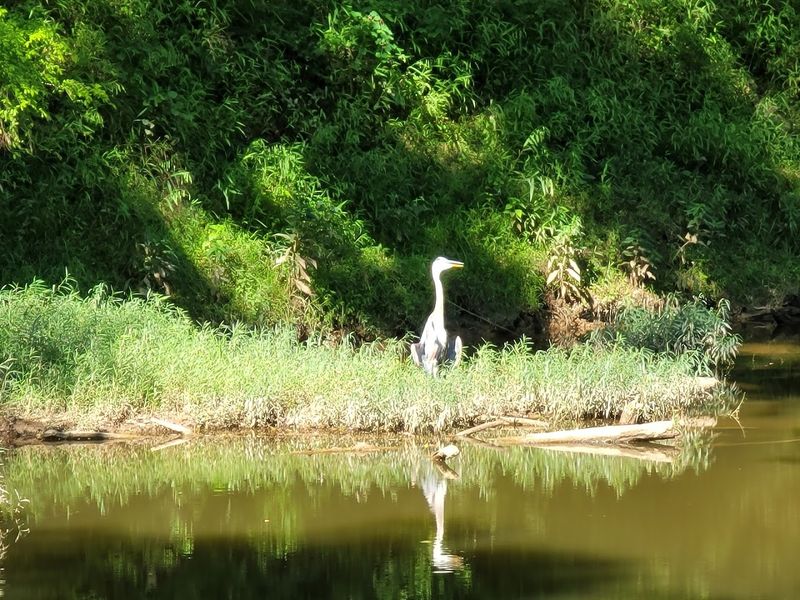
Somewhere around mile 8 or 9 heading south from Falls Lake, the trail shifts from open parkland into a dense tunnel of hardwood trees, and the whole atmosphere changes. Light filters down in long golden shafts, the temperature drops a few degrees, and the sounds of the city disappear entirely.
This is where the Neuse River Greenway starts to feel less like an urban trail and more like a wilderness route.
The scenery doesn’t stay in one mode for long, which is part of what makes the ride feel immersive. Shaded forest gives way to open meadows, then to marshy wetlands edged with cattails, then to farmland views that stretch out toward the horizon.
Each transition feels like flipping to a new chapter of the same story. Riders rarely describe the trail as boring, even on repeat visits.
Wildlife sightings are genuinely common here, not just occasional lucky encounters. Deer, foxes, otters, osprey, and a wide variety of songbirds all live in and around the trail corridor.
Turtles pile up on logs in wetland sections like they’re auditioning for a nature documentary. Bringing a small pair of binoculars isn’t a bad idea — birders regularly use this trail as a serious birding route, and it’s easy to understand why once you’re out there.
What to Know Before You Go
A little preparation goes a long way on a trail this long. Water is the most important thing to plan for — public water fountains exist at some parks along the route, but they’re not frequent enough to rely on exclusively.
Bringing at least two full bottles and refilling whenever you pass a fountain is the standard approach among regular trail users.
The trail is open year-round, but the experience shifts dramatically with the seasons. Fall and spring offer the most comfortable temperatures and the best scenery, with changing leaves in autumn and wildflowers in spring making the ride feel especially rewarding.
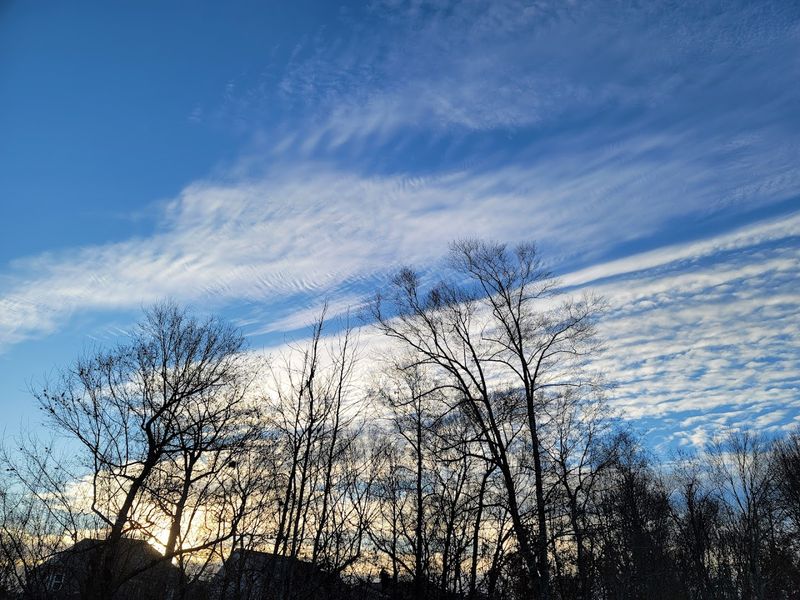
Summer rides are absolutely doable but work best early in the morning before heat and humidity peak. Winter rides are quiet and surprisingly beautiful, with bare trees opening up river views that foliage hides the rest of the year.
Occasional trail closures happen after heavy rain, particularly in low-lying sections near wetlands. Checking the City of Raleigh’s parks website or the trail’s social media pages before heading out saves frustrating surprises.
A basic repair kit — tire levers, a spare tube, and a small pump — is worth carrying since the trail is long enough that a flat tire far from the trailhead becomes a real inconvenience without one.