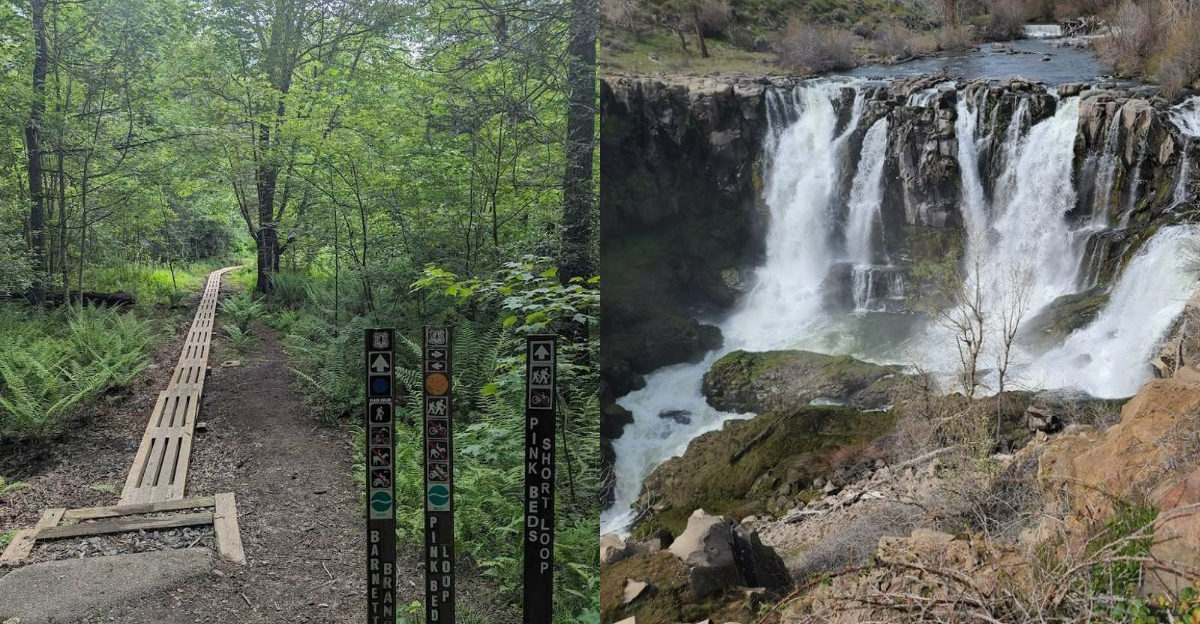
North Carolina is home to some of the most breathtaking wildflower displays in the entire eastern United States, and spring is the golden window to see them all. From mountain meadows bursting with trillium to coastal plain trails lined with delicate blooms, the variety is truly stunning.
Whether you are a seasoned hiker or someone who just loves a colorful walk in the woods, these trails have something special waiting for you. Lace up your boots and get out there before the petals are gone.
Little River Trail (Elkmont, GSMNP)
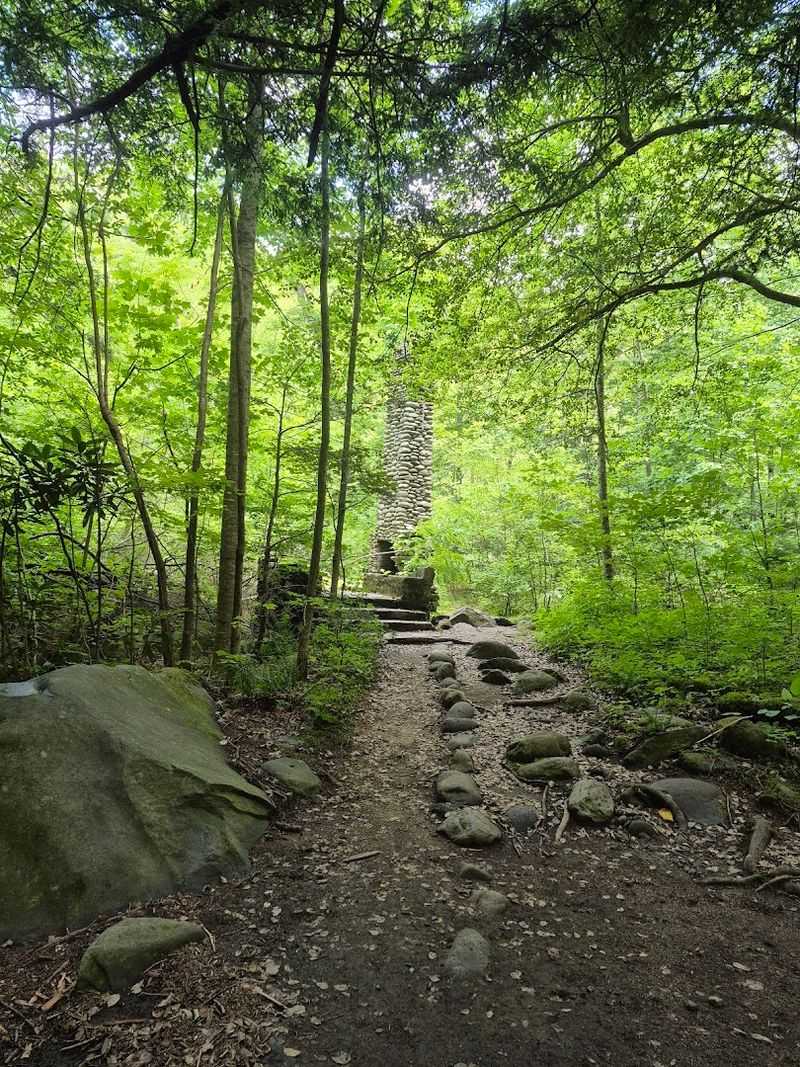
Few trails in the Smokies match the sheer magic of walking beside the Little River as wildflowers carpet both sides of the path in early spring. Trillium, hepatica, and bloodroot pop up in clusters so thick they almost look painted on.
The gentle rush of the river beside you makes every step feel like a scene from a nature documentary.
Located in the Elkmont area of Great Smoky Mountains National Park, this trail is accessible and family-friendly, making it a solid choice for hikers of all skill levels. The flat, well-maintained path hugs the riverbank for miles, giving you plenty of time to slow down and really look around.
Peak bloom usually hits between late March and mid-April.
Parking fills up fast on weekends, so arriving early is a smart move. Bring a camera, wear layers, and keep your eyes low — some of the best blooms hug the ground.
Schoolhouse Gap Trail (GSMNP)
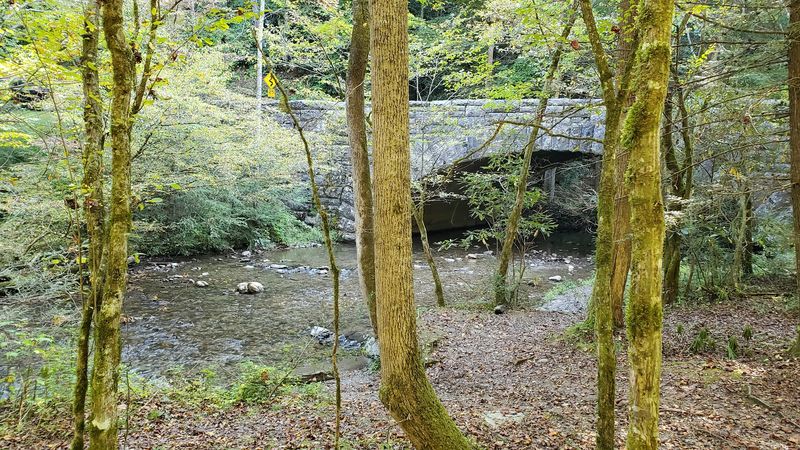
Schoolhouse Gap Trail has a reputation among wildflower hunters as one of the Smokies’ best-kept secrets. Wide enough for a relaxed stroll, the trail winds through rich hardwood forest where spring ephemerals practically explode from the forest floor each April.
You might spot yellow trout lilies, wild geraniums, and large-flowered trillium all within a single mile.
The trail stretches about 4.4 miles round trip with minimal elevation gain, making it approachable even for casual hikers. Because it sits off the main tourist routes, crowds tend to be lighter here than at more famous Smokies trails.
That means more peace, more quiet, and more chances to crouch down and admire the tiny blooms without someone bumping into you.
Starting from Laurel Creek Road, the trailhead is easy to find. Mid-April is typically the sweet spot for peak color, though a warm March can push blooms earlier than expected.
White Oak Flats (GSMNP)
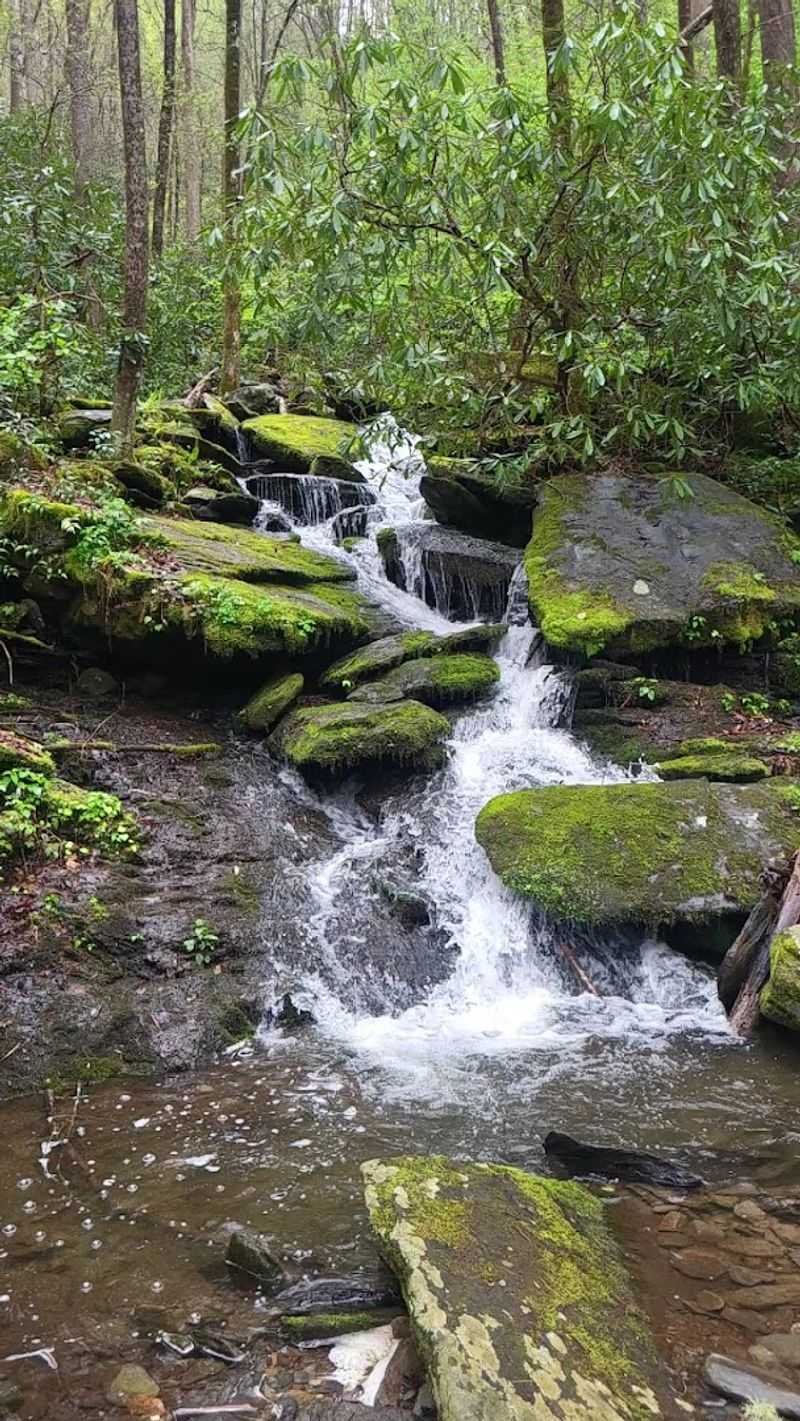
Before the forest canopy fills in and shades everything out, White Oak Flats transforms into one of the most spectacular wildflower shows in the entire park. The open, flat terrain allows sunlight to pour down and fuel massive patches of trillium, spring beauty, and Dutchman’s breeches all at once.
Locals who know this spot tend to guard the timing like a treasured secret.
White Oak Flats sits near the Sugarlands area of GSMNP, making it relatively easy to reach from the main park entrance. The terrain is gentle enough that even young children can walk through without much difficulty.
That accessibility is part of what makes it such a beloved early-season destination for families and photographers alike.
Timing is everything here. The window when blooms peak and before leaves block the light is often just a couple of weeks long.
Check the park’s wildflower reports online before making the drive to catch it at its absolute best.
Roaring Fork Motor Nature Trail (Near Gatlinburg)
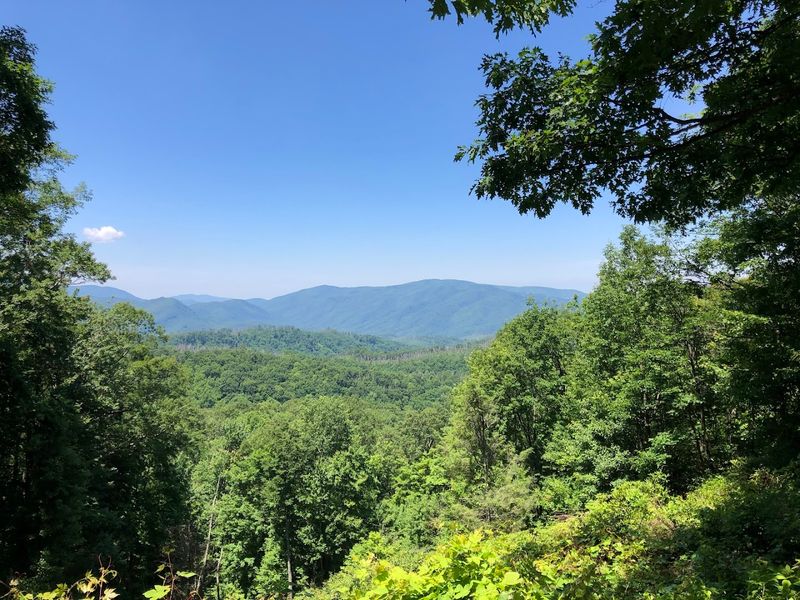
Roaring Fork Motor Nature Trail is one of those rare places where you can enjoy wildflowers without even putting on hiking boots — though a short walk makes the experience ten times better. The narrow, one-way loop road winds through old-growth forest past historic cabins, and in spring the roadsides erupt with trillium, violets, and wild ginger.
Stopping the car and stepping out feels like stepping back in time.
For hikers, several short trails branch off the main road and lead deeper into the blooms. The Trillium Gap Trail and the Rainbow Falls Trail both start along this route and offer dense wildflower coverage in April and early May.
Even a half-mile walk rewards you with incredible color.
The road is closed in winter and reopens each spring, so checking the National Park Service website before visiting is a good idea. Weekday mornings offer the calmest, most unhurried experience on this popular route.
Ramsey Cascades (GSMNP)
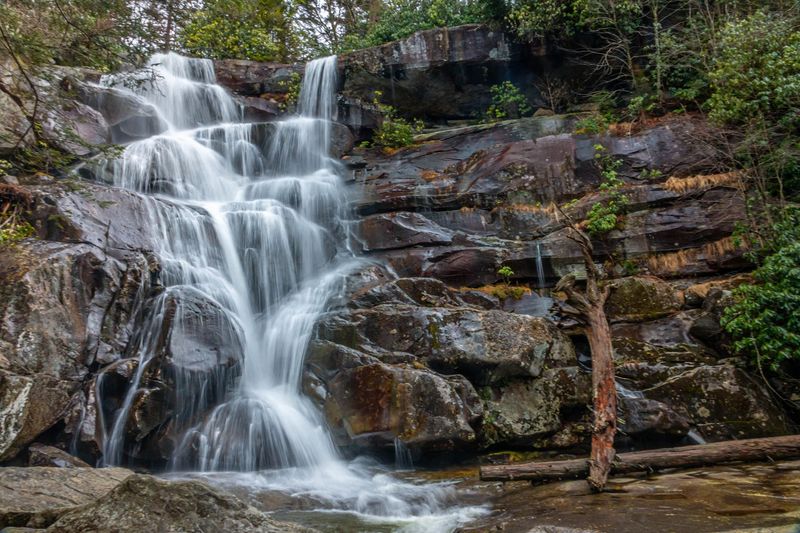
Ramsey Cascades is the tallest waterfall in Great Smoky Mountains National Park, and the trail leading there happens to pass through some of the finest old-growth forest in the eastern United States. In spring, the forest floor beneath those ancient tulip poplars and hemlocks comes alive with wildflowers that have been blooming in this same spot for centuries.
There is something deeply moving about that.
The hike is about 8 miles round trip with a significant elevation gain, so this one is best suited for hikers who are comfortable with longer, more demanding trails. The payoff, however, is extraordinary — both the waterfall and the wildflower display along the way are genuinely world-class.
Wild geranium, trillium, and jack-in-the-pulpit line the trail as it climbs.
Start early and bring plenty of water and snacks. The trail can be muddy in early spring, so waterproof boots are a wise investment.
Peak bloom usually falls in late April near the upper sections.
Max Patch (Pisgah National Forest)
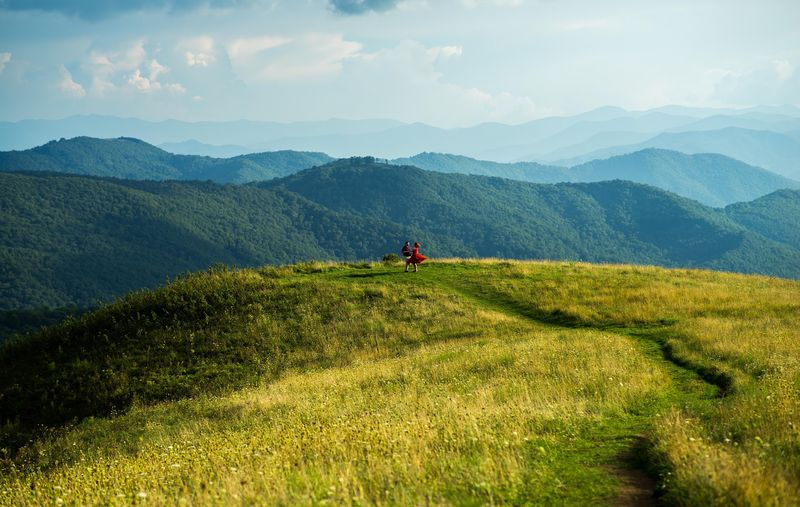
Standing on top of Max Patch feels like the whole world opens up at once. This iconic grassy bald sits along the Appalachian Trail and offers 360-degree views that stretch across multiple states on a clear day.
In spring, the open meadow fills with purple coneflower, black-eyed Susans, and various native grasses coming back to life after winter. It is genuinely one of North Carolina’s most photogenic destinations.
The main loop trail is only about 1.4 miles, making it one of the most accessible high-elevation wildflower hikes in the region. Families with kids, older hikers, and beginners all find this trail manageable and deeply rewarding.
The views alone are worth the drive up the winding forest road.
Max Patch has become extremely popular in recent years, leading to a parking reservation system on weekends. Plan ahead and book your spot early.
Sunrise visits on weekdays offer a quieter, more intimate experience with the blooms and the views.
Raven Rock Loop Trail (Raven Rock State Park)
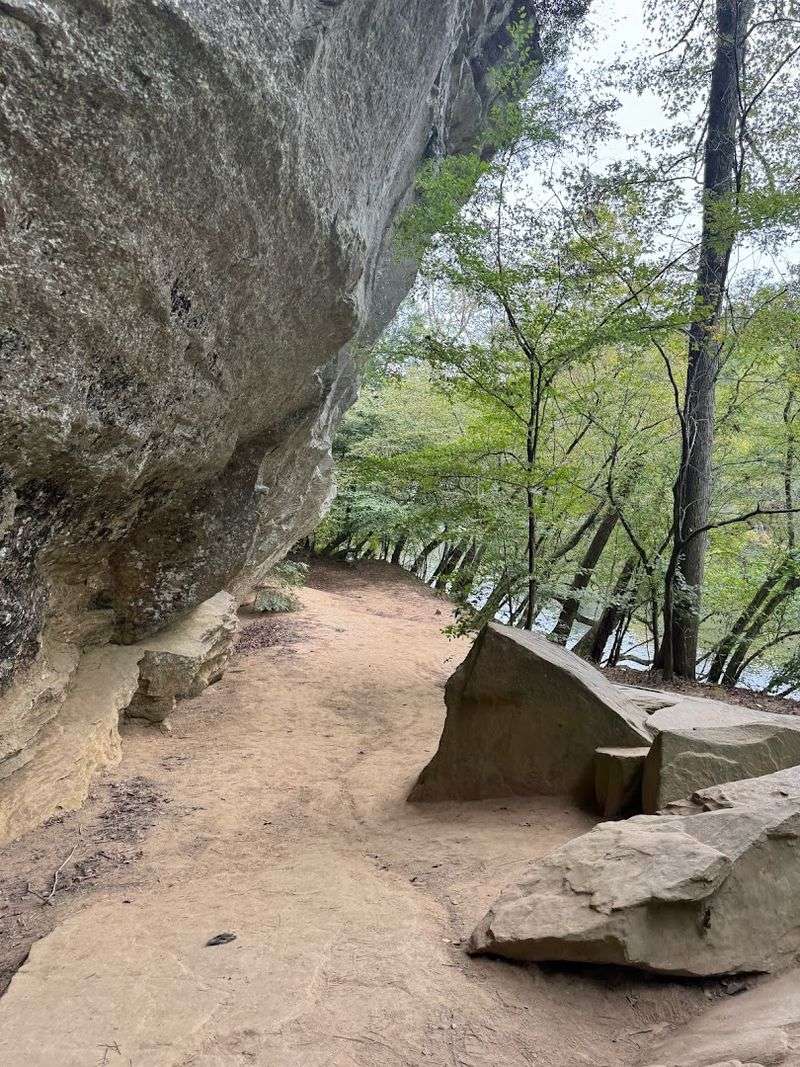
Raven Rock State Park sits in the Piedmont region of North Carolina, and its loop trail offers a wildflower experience that feels completely different from the mountain hikes further west. The star attraction is a massive 152-foot crystalline rock face that towers above the forest, but the spring wildflowers along the trail give it serious competition for your attention.
Wild columbine, bloodroot, and trout lily bloom in the rich, moist soil near the base of the rock.
The full loop runs about 5.5 miles and winds through several distinct plant communities, from dry upland forest to cool, shaded ravines. Each habitat supports its own set of wildflowers, which means the variety you encounter on a single hike is surprisingly impressive.
Mid-April tends to bring the widest range of species into bloom simultaneously.
The park is located near Lillington and is easy to reach from the Raleigh area. Admission is free, restrooms are available at the trailhead, and the trail is well marked throughout.
Medoc Mountain State Park Trails (Coastal Plain)
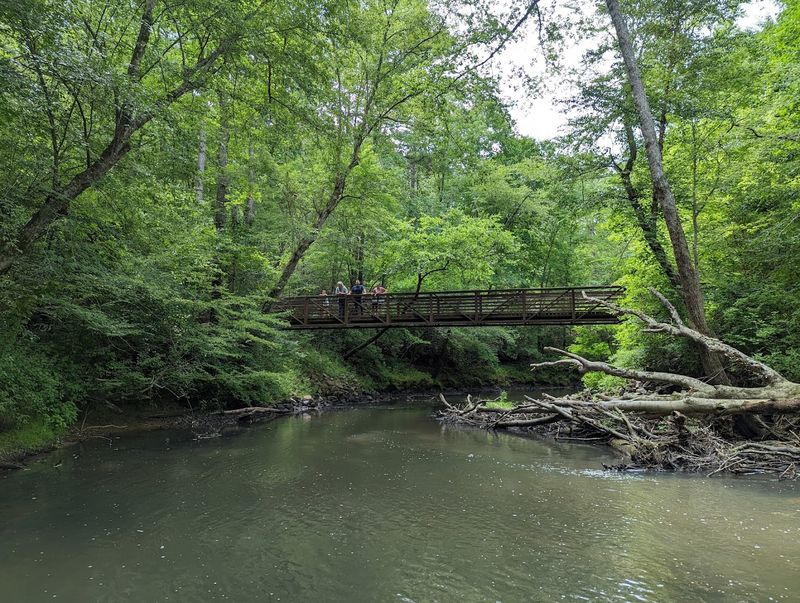
Medoc Mountain State Park might have the word mountain in its name, but do not let that fool you — this is a coastal plain park, and it offers one of the most unique wildflower experiences in the entire state. The trails here wind through longleaf pine savannas and hardwood bottomlands where atamasco lilies, wild azalea, and spider lilies bloom in spectacular fashion each spring.
Seeing those white lily cups rising from the forest floor feels genuinely otherworldly.
Located near Hollister in Halifax County, Medoc is far enough off the tourist trail that it rarely feels crowded, even during peak bloom. The trail network covers about 12 miles in total, but shorter loops make it easy to customize your visit based on time and energy.
The streams and beaver ponds add extra charm to the landscape.
Spring blooms here tend to peak slightly later than in the mountains, often in late April through early May. Insect repellent is highly recommended for coastal plain hiking in warmer months.
Hanging Rock State Park Trails (Danbury)
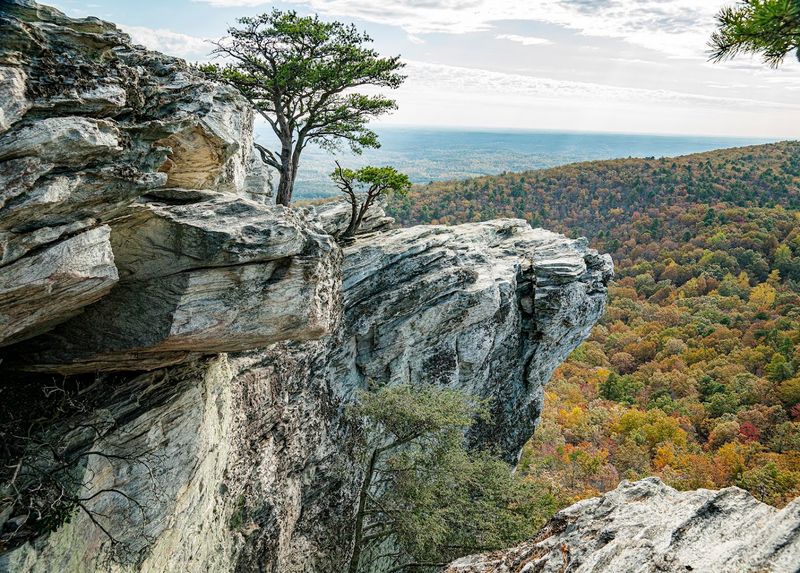
Hanging Rock State Park punches well above its weight when it comes to spring wildflower diversity. Perched in the Sauratown Mountains near Danbury, the park’s trails climb through quartzite ridges and stream-fed hollows where mountain laurel, wild azalea, and flowering dogwood put on a show that rivals anything in the Blue Ridge.
The rugged, ancient rock formations add drama to every view.
The main Hanging Rock Trail is just 1.3 miles round trip but gains about 400 feet in elevation, offering a satisfying challenge without being overwhelming. For those wanting more mileage, the Upper Cascades and Hidden Falls trails extend the adventure and pass through particularly lush wildflower zones.
Trout lilies and hepatica are common finds along the lower, shadier sections.
Peak bloom generally arrives in mid-April, when the mountain laurel begins opening alongside the spring ephemerals. Parking can fill by mid-morning on spring weekends, so an early start is strongly encouraged.
The park entrance fee is modest and well worth it.
Pink Beds Loop (Pisgah National Forest)
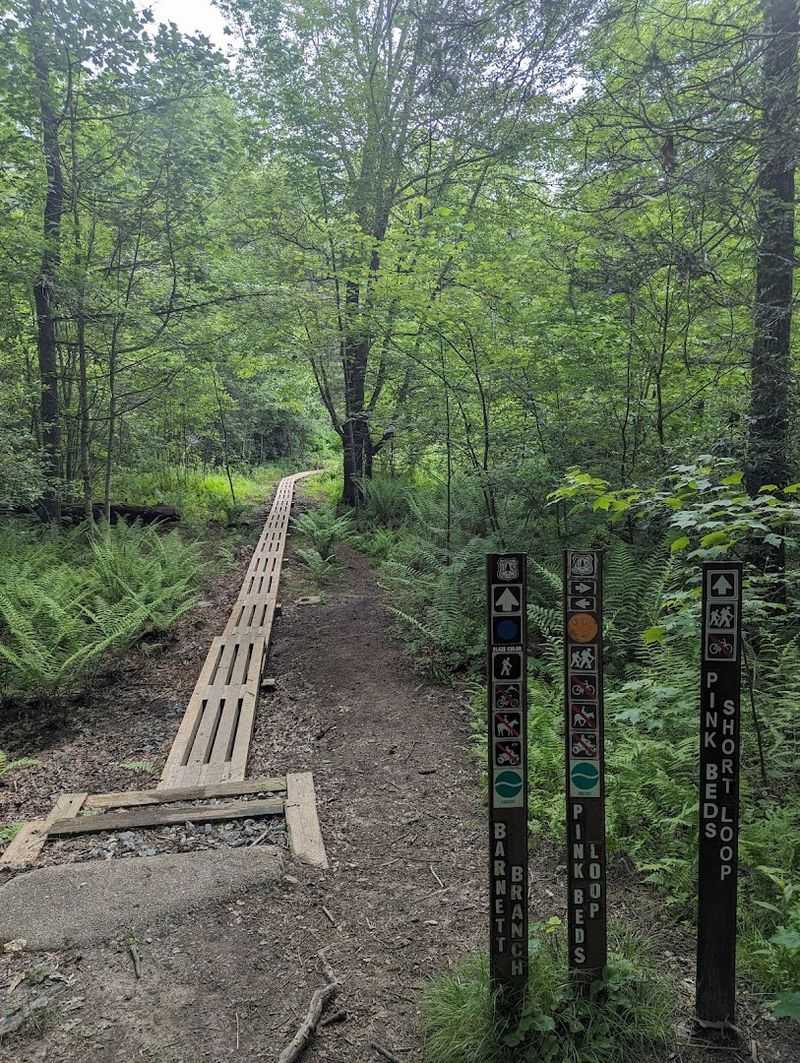
The name says it all — and yet somehow the Pink Beds still manages to exceed expectations. This extraordinary boggy valley in Pisgah National Forest earns its name every spring when rhododendron and mountain laurel transform the landscape into a sea of pink and white blossoms.
Early settlers reportedly named it after the sea of blooms they found upon arrival, and centuries later the spectacle remains just as jaw-dropping.
The loop trail is approximately 5 miles long and stays mostly flat, winding through open meadows and along clear mountain streams. The gentle terrain makes it accessible to a wide range of hikers, and the sheer density of blooming shrubs along the path creates a tunnel effect that feels almost magical.
Wildflowers like wild iris and trout lily add smaller bursts of color throughout.
Peak bloom for the Pink Beds typically falls between mid-May and early June, slightly later than lower-elevation sites. The trailhead is located near the Cradle of Forestry historic site, making it easy to combine both attractions in a single day trip.
Glen Falls Trail (Highlands)
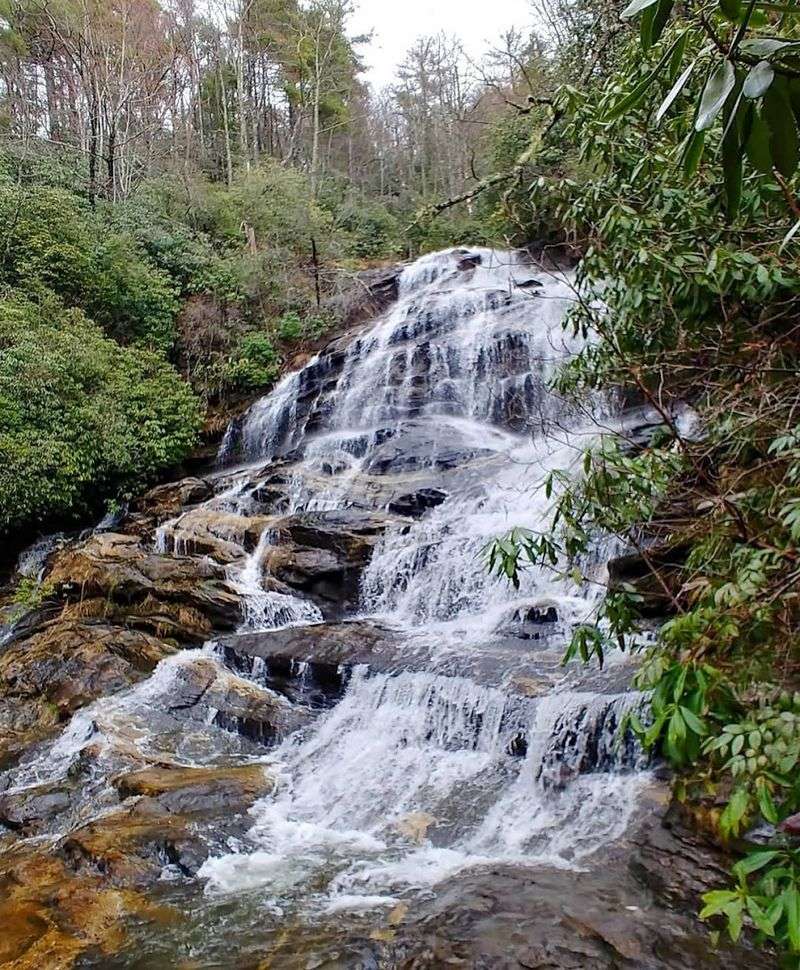
Glen Falls near Highlands is one of those trails where the wildflowers and the waterfalls compete for your attention every single step of the way. The path descends steeply through a narrow gorge, passing three separate tiers of waterfalls while flame azalea, trillium, and wild columbine bloom in vivid bursts along the rocky slopes.
It is dramatic, beautiful, and honestly a little bit breathtaking in the best way possible.
The trail is about 2 miles round trip, but the steep descent and rocky terrain make it more challenging than the distance suggests. Good footwear with solid grip is important here, especially in early spring when the rocks can be slippery from moisture and moss.
Taking your time on the way down is well worth it for both safety and scenery.
Highlands sits at nearly 4,000 feet elevation, which pushes peak wildflower bloom to late April and early May. The Nantahala National Forest surrounds this area, and the combination of high elevation and high rainfall creates exceptionally lush, diverse plant life throughout the gorge.
Thunderhole Falls Trail (Near Cashiers)
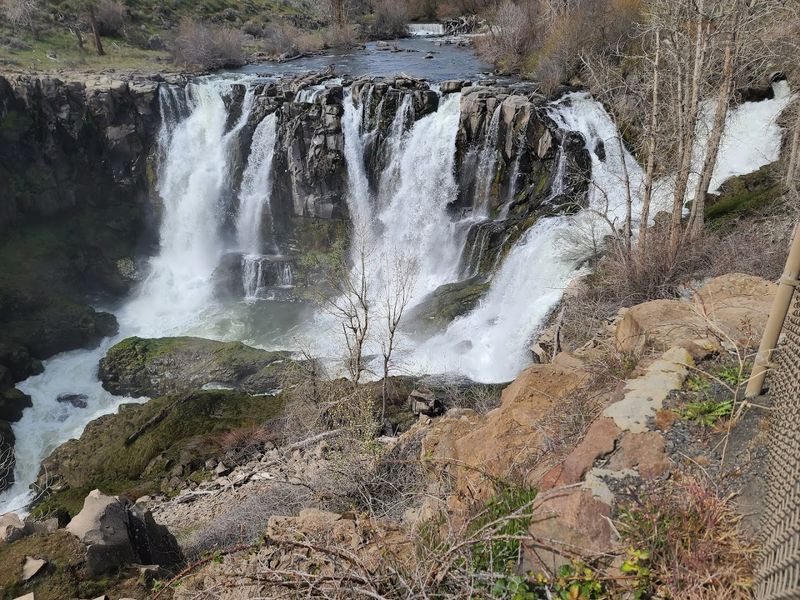
Thunderhole Falls is one of Western North Carolina’s lesser-known gems, and the trail leading to it rewards hikers with a wildflower corridor that feels almost untouched. Tucked away near Cashiers in the Nantahala National Forest, this secluded path winds through dense forest where jack-in-the-pulpit, foamflower, and large-flowered trillium line the banks of a cold, clear stream.
The falls themselves drop dramatically into a rocky plunge pool that echoes with sound — hence the name.
The trail is roughly 2 to 3 miles round trip depending on which access point you use, with moderate elevation changes that keep things interesting without being punishing. Because it flies under the radar compared to nearby destinations, the trail tends to stay quiet even during peak spring weekends.
That solitude makes the whole experience feel more personal and special.
Late April through early May is the sweet spot for catching both the wildflowers and strong waterfall flow from spring rains. Waterproof footwear and trekking poles will make navigating the wetter sections much more comfortable and enjoyable.