Tucked along Bellflower Road in Cleveland’s University Circle neighborhood, L’Albatros Brasserie is the kind of place that stops you in your tracks before you even read the menu. The building itself is a 19th-century carriage house the same heavy brick walls, timber beams, and soaring ceilings that once sheltered horses and coaches now frame one of Ohio’s most beloved French dining rooms.
With a 4.7-star rating from over 2,100 reviews and dishes that range from duck confit to almond-crusted trout, this restaurant has earned its reputation one plate at a time. Whether you’re a Cleveland local or just passing through, L’Albatros is the kind of meal you’ll talk about on the drive home.
When a Horse Stable Becomes a Dining Room
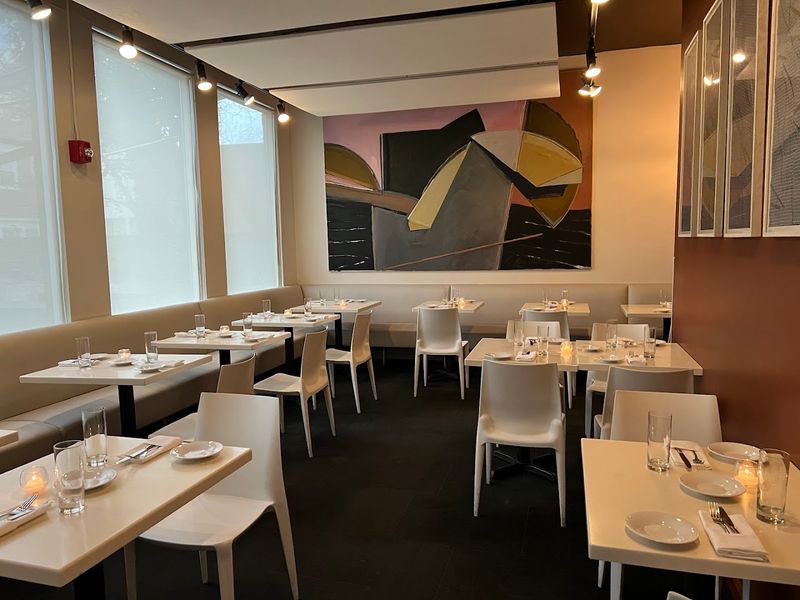
Before a single dish arrives at your table, the building at 11401 Bellflower Road has already made its impression. L’Albatros Brasserie operates inside a genuine 19th-century carriage house, and unlike so many historic spaces that get stripped down and rebuilt beyond recognition, this one kept everything that mattered.
The high ceilings, the thick timber beams, the heavy masonry walls these are the same structural bones that once housed horses, coaches, and the staff who cared for them. Nothing here was faked or imported for atmosphere.
The atmosphere was already here, waiting for someone smart enough to leave it alone.
One reviewer described walking in as feeling like stumbling into “a very wealthy, very French friend’s country home,” which captures it better than any design brief could. The building doesn’t support the restaurant’s identity it is the identity.
Every other detail, from the candlelight to the menu, simply fills in around a structure that was built to last and, against the odds, did exactly that.
University Circle — Cleveland’s Most Culturally Dense Neighborhood
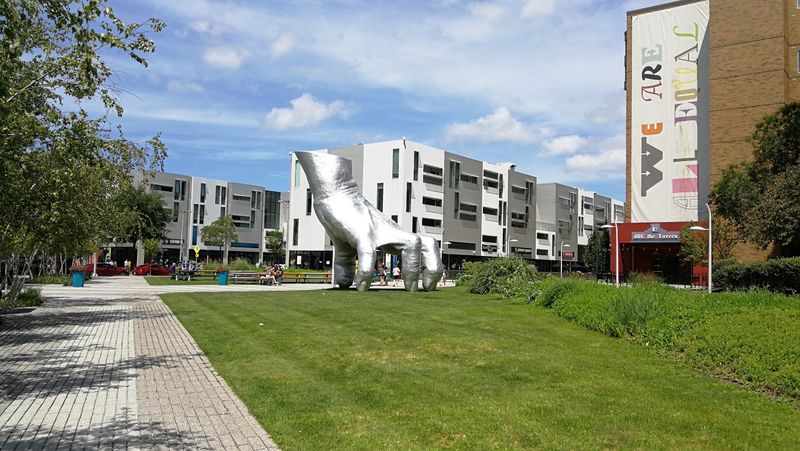
Spend an afternoon in University Circle and you start to wonder how so much ended up in one square mile. The Cleveland Museum of Art, Severance Music Center, the Cleveland Botanical Garden, Case Western Reserve University, and University Hospitals all share this compact east-side district making it one of the most culturally loaded neighborhoods in the entire country.
That density shapes everything around it, including the restaurants. The audience University Circle attracts tends to arrive with standards already set high by the institutions they’ve just visited.
A mediocre meal after a world-class orchestra performance isn’t going to cut it.
L’Albatros fits this neighborhood the way a well-chosen wine fits a meal naturally, without forcing anything. Multiple reviewers mention pairing dinner here with a visit to the Cleveland Museum of Art, which offers free general admission to its permanent collection.
The museum’s 6,000-year span of human history makes for a genuinely interesting pre-dinner conversation starter, and the short walk between the two makes the pairing almost too easy to pull off.
The Building’s History — From Carriage House to Brasserie
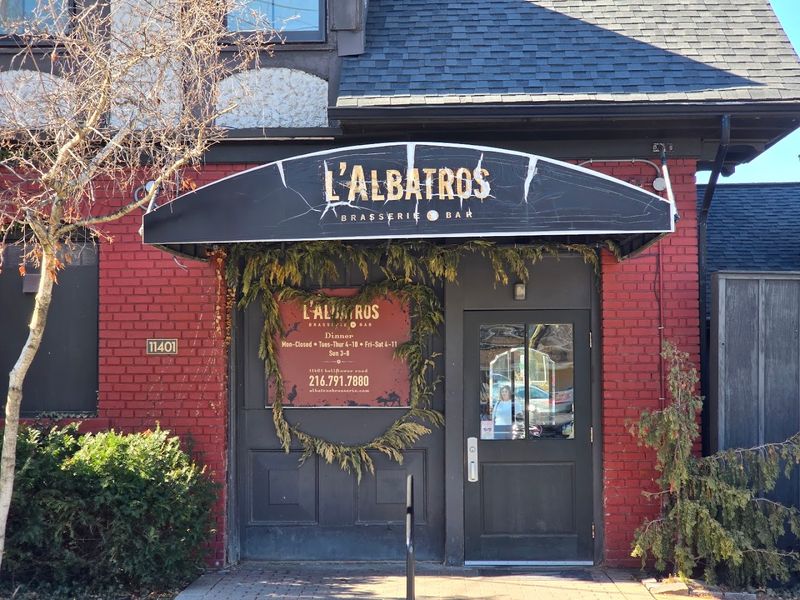
Carriage houses from the 1800s were not built casually. The families wealthy enough to need a dedicated structure for horses, coaches, and maintenance staff wanted something that would hold up and they got it.
Deep foundations, thick masonry, and heavy timbers were the standard, which is exactly why the building on Bellflower Road survived long enough to become a restaurant while many of the grand homes it once served have since been torn down.
University Circle in the 19th century was home to some of Cleveland’s most prominent families. The carriage house wasn’t a secondary structure it was a functional, well-built part of a household that ran on horses and required a serious facility to support them.
That history is layered into every wall. When you run your hand along the brick or glance up at the ceiling, you’re looking at materials selected and placed by craftsmen who expected them to last generations.
They were right. The building outlasted its original purpose by over a century and found a second life that suits it just as well as the first.
What a French Brasserie Actually Is
The word “brasserie” gets borrowed loosely in American dining, often slapped on any restaurant that serves French onion soup and keeps a decent Bordeaux on the list. The actual format, rooted in French dining culture, means something more specific and more relaxed than most people expect.
A true brasserie is designed for comfort and unhurried time. You arrive, you order without rushing, you eat well, and you stay as long as you like.
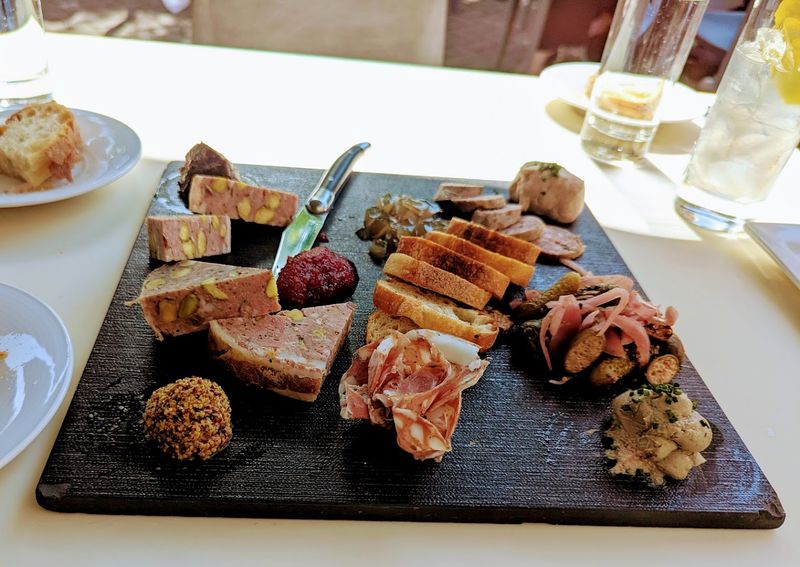
There’s no pressure to turn the table, no prix-fixe obligation, no dress code enforced by a raised eyebrow at the door. The food is polished but approachable steak frites, moules, charcuterie, good soup made with real skill but served without theater.
That philosophy pairs almost absurdly well with a 19th-century carriage house. A building that has been standing for over a century doesn’t rush anyone either.
One regular reviewer mentioned returning every Christmas for a decade, which says something real about a restaurant that has figured out how to make people feel genuinely at home rather than just well-fed.
The Menu — French Technique, Midwestern Ingredients
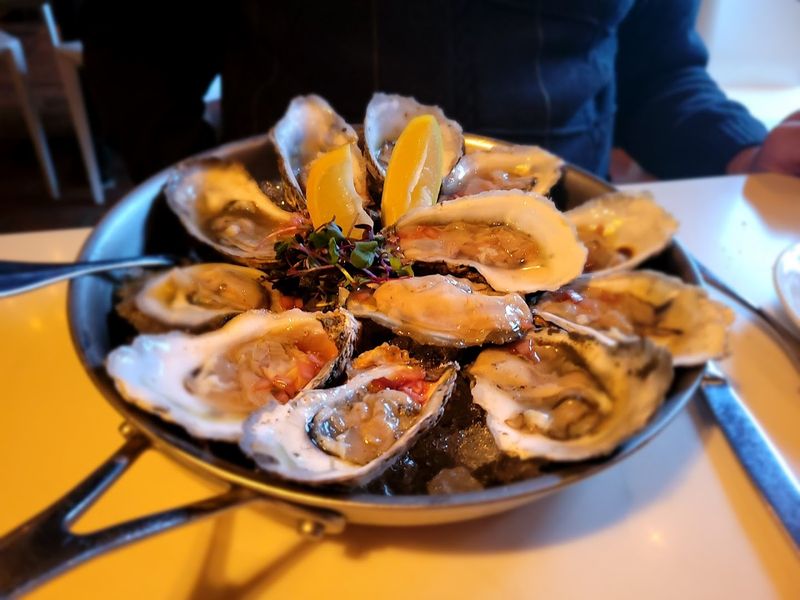
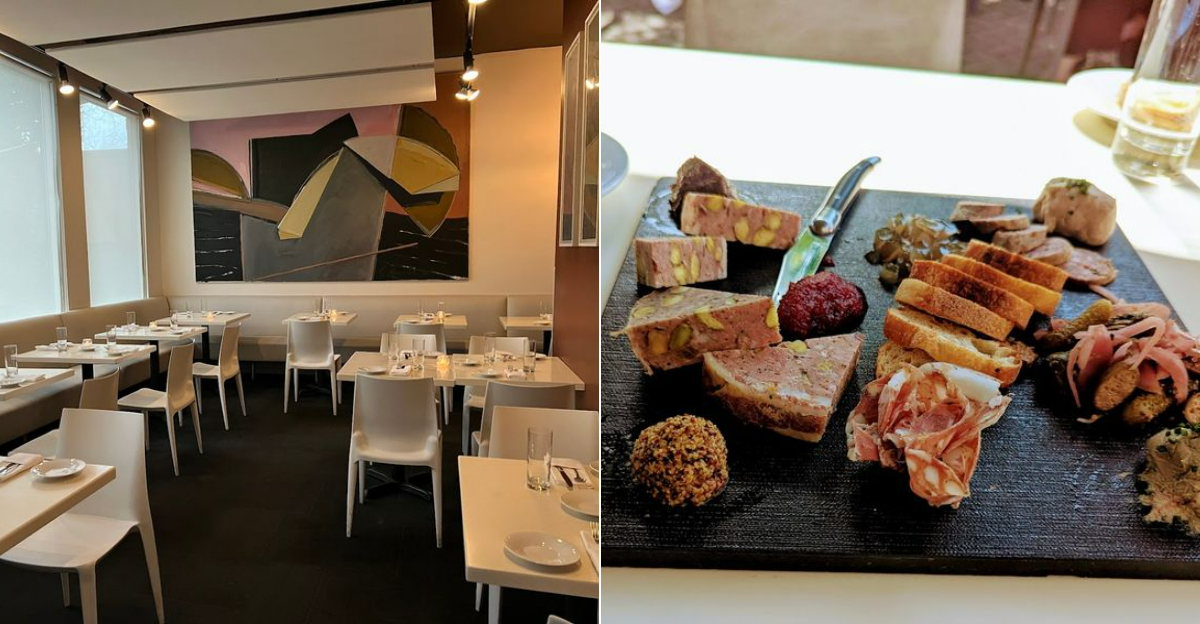
Duck confit appears in nearly every glowing review of L’Albatros, and for good reason it’s the kind of dish that separates restaurants that understand French cooking from those that are merely inspired by it. Crisp-skinned, tender inside, rich without being heavy, it’s a benchmark preparation, and the kitchen here clears that benchmark consistently.
Beyond the duck, reviewers have raved about the almond-crusted trout, the chicken liver and foie gras appetizer, the mushroom soup, a vegetarian cassoulet that holds its own against the meat version, and a coffee Kahlua creme brulee that apparently ends meals on exactly the right note. The menu reads like a confident greatest-hits collection of French brasserie cooking rather than a list of experiments.
What makes it feel grounded is the sourcing Ohio and Midwest producers where possible, French culinary structure throughout. The result isn’t a generic Paris-in-Ohio impression.
It tastes specific, intentional, and rooted. One reviewer summed it up well: “You truly can’t go wrong with anything on the menu.” That kind of consistency is genuinely hard to maintain.
The Wine and Drinks Program
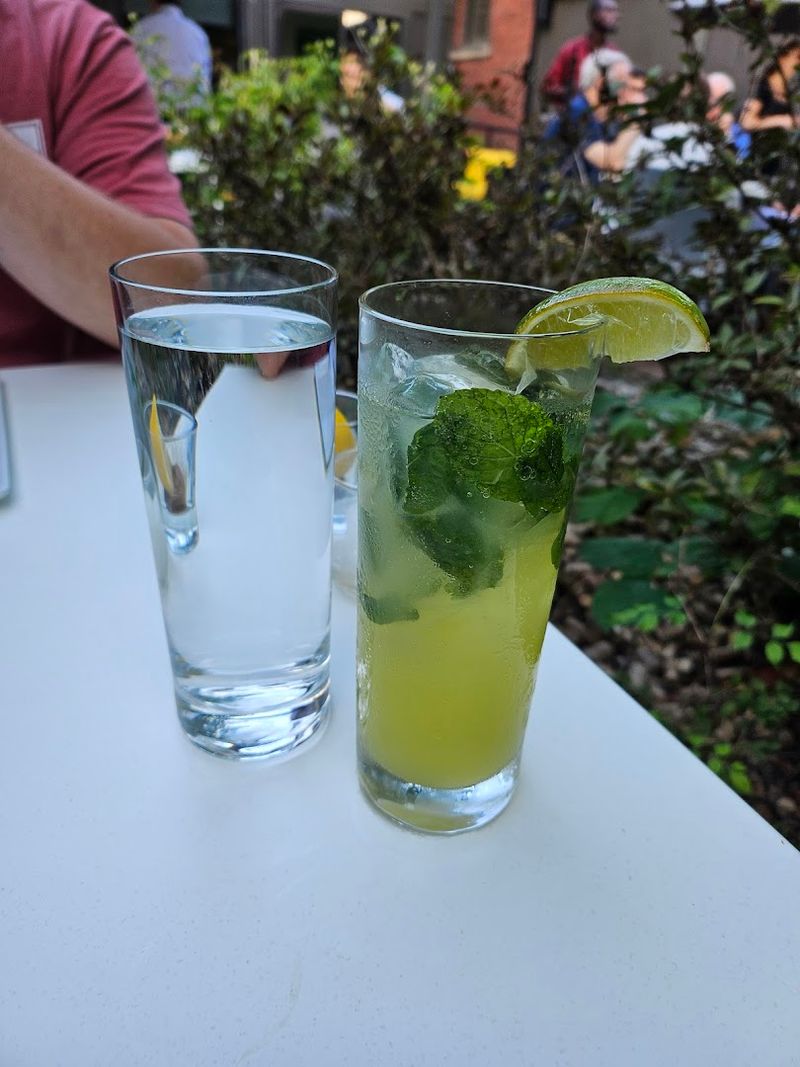
A French brasserie without a serious wine program is missing its own point, and L’Albatros doesn’t make that mistake. The list leans heavily French Burgundy, Bordeaux, Loire, Alsace while including enough non-French options to keep things interesting for guests who want to explore.
Multiple reviewers mention the staff’s wine recommendations specifically, which suggests the knowledge behind the list is as solid as the list itself.
Cocktails are taken seriously too. The spiked coffee received a specific shoutout in one review, and the bar area functions as a genuine destination rather than just a waiting room for people expecting tables.
Sitting at the bar inside a converted 1800s carriage house with a well-chosen glass of Burgundy is one of those experiences that sounds better in description than most places can actually deliver.
L’Albatros delivers it. The combination of the right glass, the right room, and staff who treat a Tuesday night with the same care as a Saturday reservation creates a bar experience that’s easy to return to.
Several reviewers mention the wine list in the same breath as the food which is exactly how it should work in a brasserie.
Dining Alone, On a Date, or With a Group — How the Space Adapts
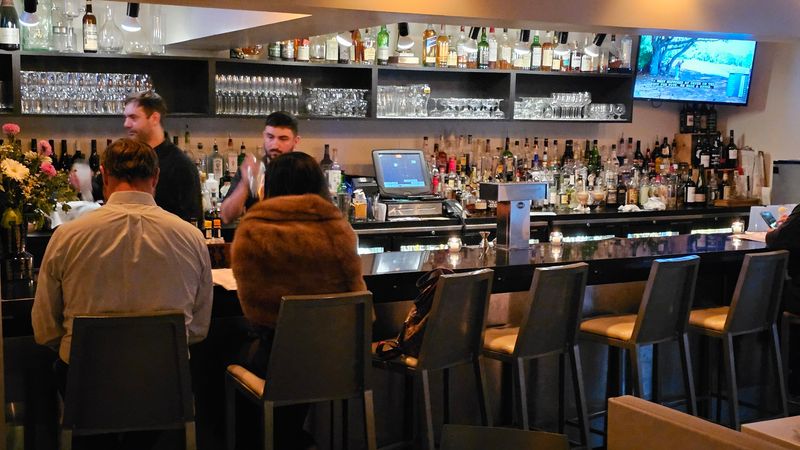
Not every restaurant works at every scale, and that’s an honest thing to admit. Some places are built for romance and feel awkward with a party of eight.
Others handle groups fine but make a solo diner feel invisible. L’Albatros sidesteps this problem through a combination of physical layout and staff consistency that’s harder to achieve than it looks.
The multi-room structure gives the space natural flexibility. A couple celebrating an anniversary can find a corner that feels entirely private.
A group splitting bottles of wine can fill a larger table without dominating the room. A solo guest at the bar gets attentive service and a genuinely interesting place to sit rather than a folding chair near the kitchen.
One reviewer called it “one of the best hospitality experiences” of their life, while another noted it works just as well for a regular Tuesday dinner as for a special occasion. That consistency is the real achievement.
Restaurants that perform for big nights but slide on ordinary ones are common. A restaurant that holds its standard regardless of who’s watching that’s the rarer thing, and L’Albatros has figured it out.
University Circle as a Full Evening or Afternoon
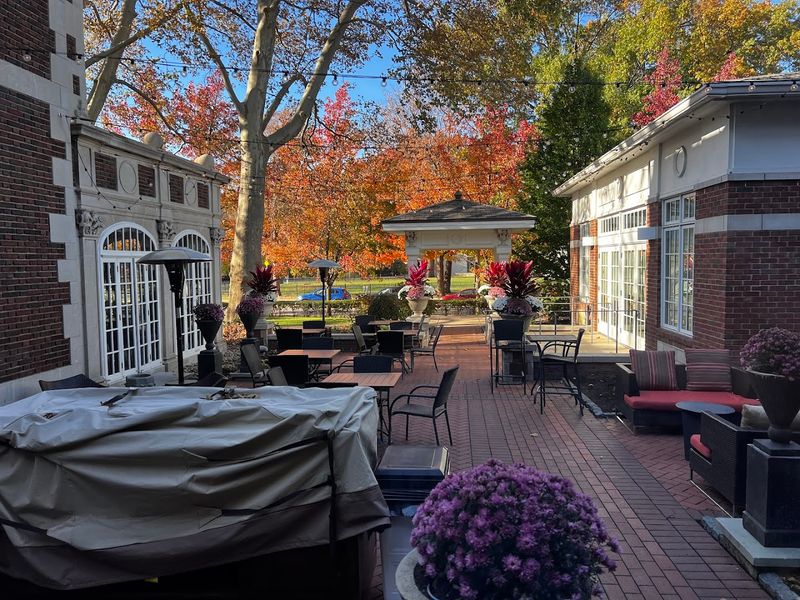
University Circle rewards slow visitors. The Cleveland Museum of Art alone — free general admission, permanent collection spanning 6,000 years — can absorb several hours without trying.
Add a Cleveland Orchestra performance at Severance Music Center and a meal at L’Albatros, and you have one of the most complete culture-plus-food evenings available anywhere in Ohio, all within comfortable walking distance of each other.
The museum and the restaurant make natural partners. Post-gallery, the transition from centuries of human creativity to a candlelit room with a glass of Burgundy and duck confit feels less like a change of activity and more like a continuation of the same sensibility.
Several reviewers mention pairing the two specifically, and the logic holds up every time.
For visitors driving in, parking is straightforward — there’s a paid public lot directly in front of the building, which multiple reviewers flagged as a genuine convenience in a neighborhood that can otherwise feel tricky to navigate. L’Albatros opens at 4 PM Tuesday through Saturday and at 3 PM on Sundays, which leaves plenty of afternoon time to work in a museum visit before dinner without rushing either experience.
What Cleveland Gets Right About Restaurants in Old Buildings
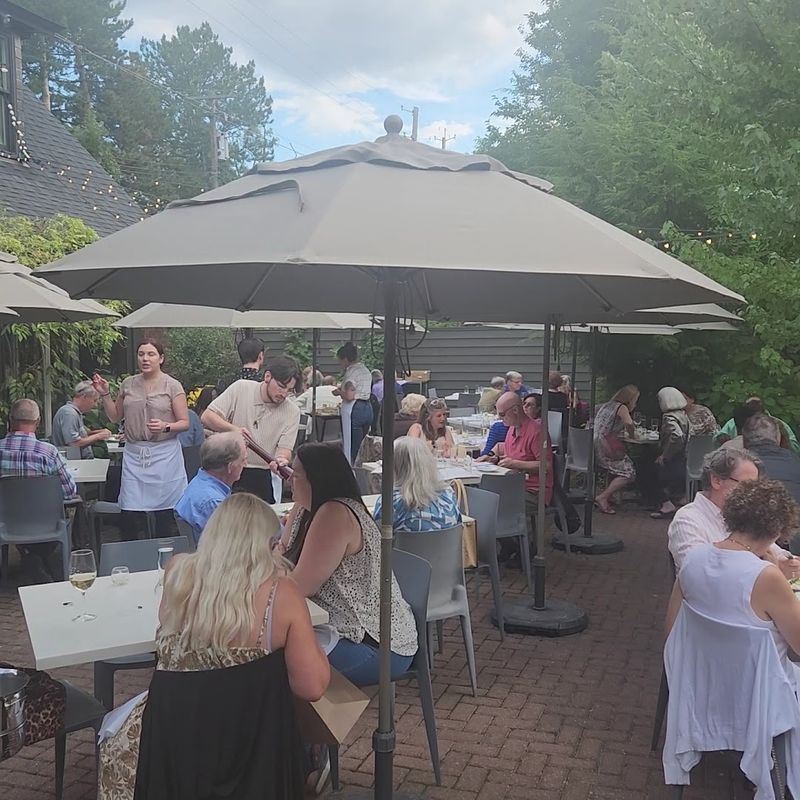
Cleveland has a habit of finding value in what it already has. Across the city, restaurants have taken root inside old bank lobbies, repurposed industrial spaces, and historic storefronts not because new construction isn’t available, but because the existing buildings often have something a new build simply cannot manufacture: genuine character accumulated over decades or centuries.
L’Albatros is among the finest examples of this instinct done right. The carriage house didn’t become a great restaurant because someone gutted it and installed a trendy interior.
It became one because the people who opened it understood that the building was already doing most of the work. Their job was to respect that, fill it with excellent food and wine, and hire staff who treat every guest as if the evening matters which, judging by the reviews, they consistently do.
With a 4.7-star average across more than 2,100 reviews and guests who return annually for over a decade, L’Albatros has demonstrated something simple and hard to fake: a great old building, treated honestly, filled with skilled cooking and warm hospitality, is one of the most durable things a city can have. Cleveland, fortunately, kept this one.