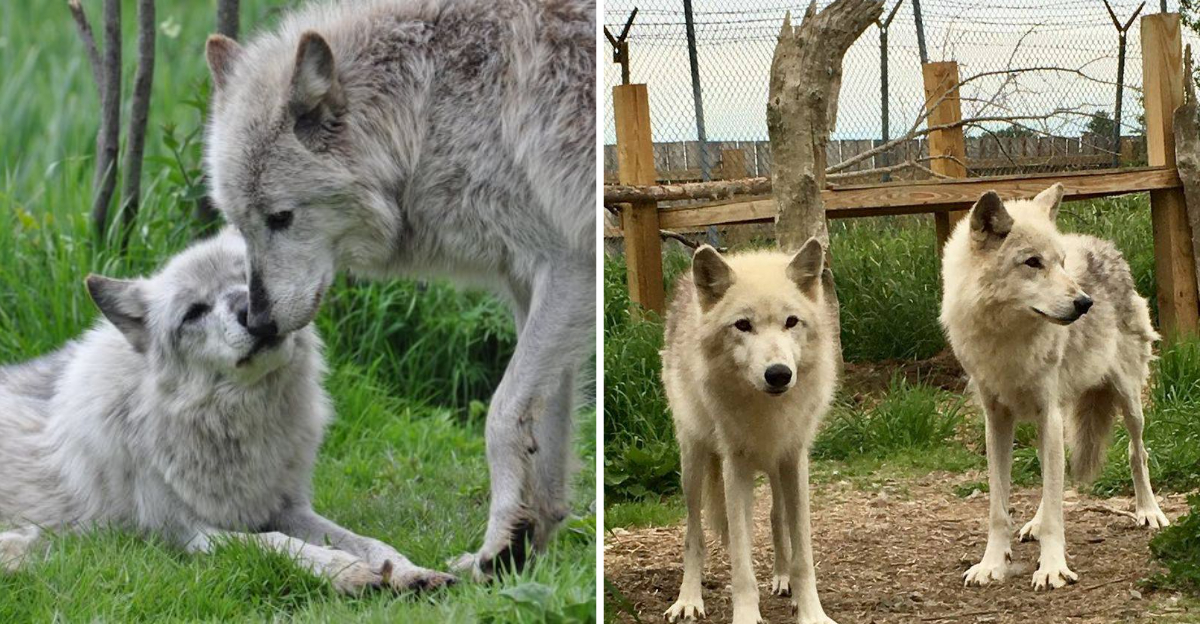
Craving a real encounter with wolves without boarding a plane west? Wolf Hollow in Ipswich, Massachusetts brings you within a few yards of a living, breathing pack while keeping the animals respected and undisturbed.
The team’s passion and expertise shine through in a presentation that is equal parts science, story, and unforgettable sound. Plan ahead, because weekend sessions fill fast and the wolves are worth every minute.
Getting Oriented At Wolf Hollow
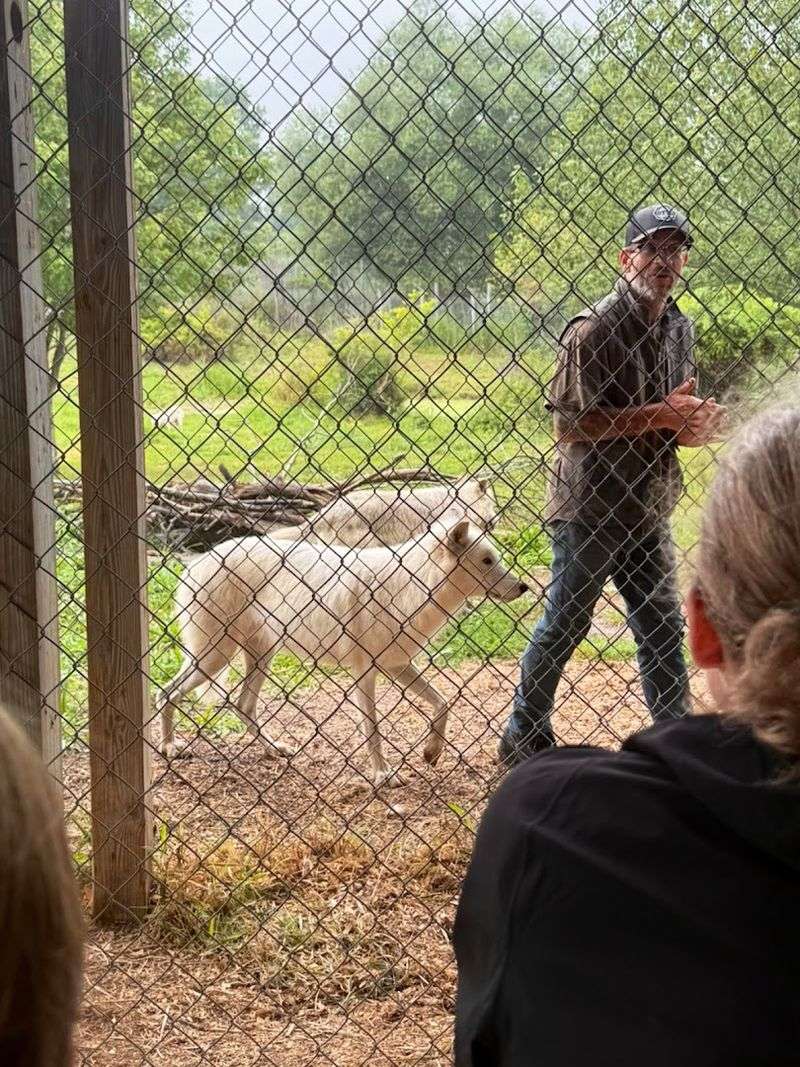
Tucked along Essex Road in Ipswich, Wolf Hollow gives you a front row view of North American wolves while keeping respectful distance. Presentations happen outdoors beside spacious habitats, so you are close enough to feel the rumble of a howl without crossing barriers.
Staff set the tone from the start with clear guidance that keeps you safe and the wolves comfortable.
You will not enter the habitats or touch the animals, and that boundary is part of what makes the experience powerful. Watching a pack interact from a few yards away feels genuine because the wolves call the shots.
Their caretakers translate behavior in real time, pointing out ear position, pacing, and the kind of eye contact that signals curiosity rather than threat.
Plan ahead, because public hours are limited to weekend late mornings and early afternoons, and tickets often sell out. Arrive a bit early to browse the educational storyboard, chat with volunteers, and settle under the covered pavilion if rain rolls in.
You will leave with facts that stick, from diet and pack hierarchy to why conservation depends on public perception.
Parking is straightforward, and staff check you in quickly. Bring layers, since weather shifts and wolves are livelier in cold.
The Unforgettable Howl Experience
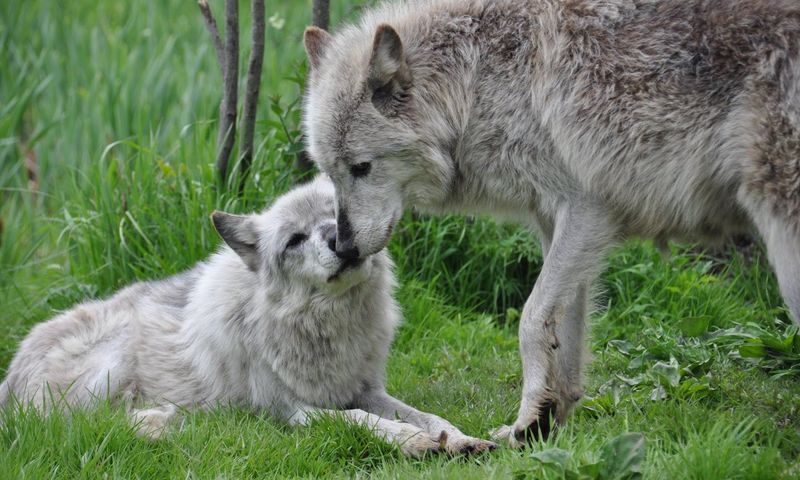
You hear it first in your chest before your ears catch up. One wolf tips its muzzle, another answers, and suddenly the group threads a harmony that rolls across the trees.
The guides pause and let the sound wash over everyone, because moments like this sell the science better than any slide.
There is no prompting with gimmicks. Instead, caretakers read the energy, share short cues about pack mood, and sometimes invite the crowd to try a respectful chorus.
You may feel silly for a second, then you realize a howl can be acknowledgment, location, or just excitement at seeing family regroup.
That closeness is real, yet the boundary remains firm to protect stress levels. You are reminded to avoid banging, shouting, or sudden movements, and it keeps the experience authentic.
The wolves choose to vocalize, or not, and that agency is why the memory sticks.
If you want the best odds of a soundtrack, cooler days help. Arrive for the first session when energy is higher and human noise is lighter.
It feels like New England’s wild spirit reached out and answered back.
What You Will Learn During The Presentation
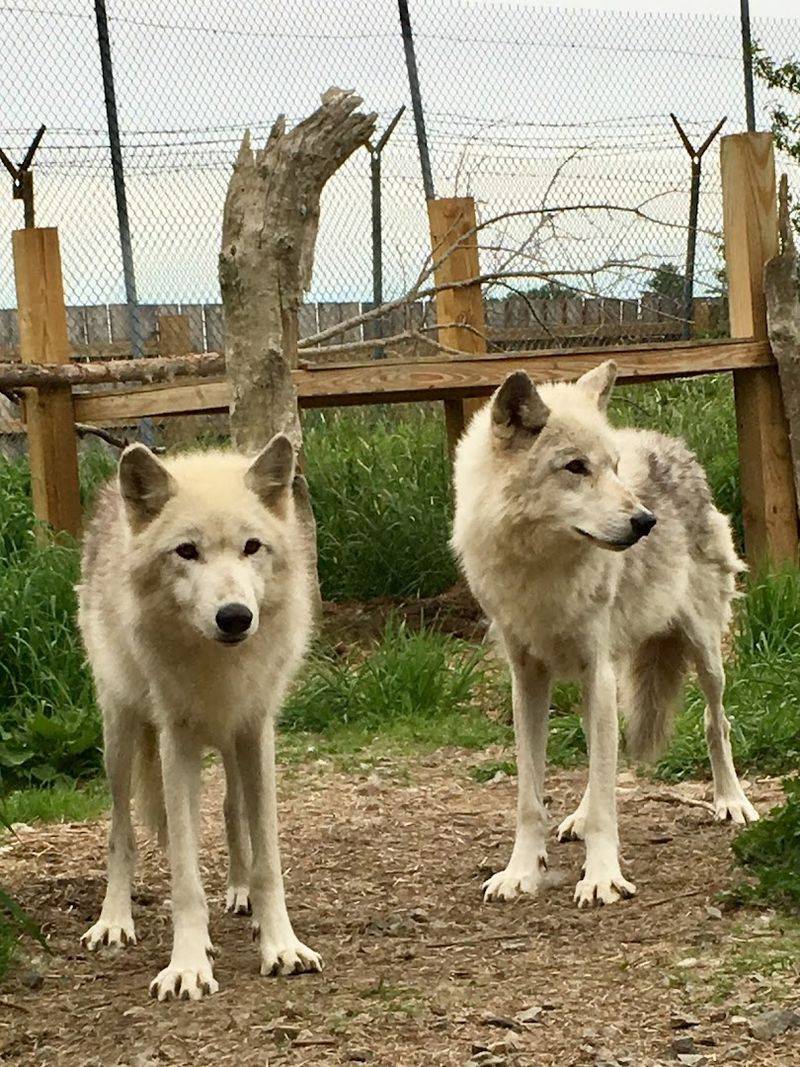
The program runs like a field course without the jargon. A seasoned educator connects behavior to biology, then to policy, so you understand why a flattened ear might mean appeasement and how mislabeling wolves as villains shaped laws for decades.
Real examples anchor the talk, including diet, territory, and the differences between wolves, coyotes, and hybrids.
Questions are not an afterthought here. The Q and A weaves into the flow, so your curiosities guide the depth, whether you care about reintroduction history or vocalization physics.
Kids get time too, and simple illustrations plus bones and skull replicas help concepts land without watering down the science.
Expect myth busting delivered with care. No, a healthy wild wolf does not want your picnic, and yes, family bonds are tighter than most people expect.
The team also touches on husbandry practices that reduce stress, from feeding schedules to minimizing unnecessary stimuli.
You walk away able to explain pack hierarchy without sounding like a
Planning Your Visit And Tickets
Booking ahead matters because weekend presentations fill quickly, especially during peak foliage and school vacations. Reserve online, screenshot your confirmation, and arrive at least fifteen minutes early to settle in too.
Parking is straightforward, yet carpooling helps on busy days and keeps the lane clear for emergency and staff access.
Admission supports the wolves directly, so you feel good about every ticket you purchase. Staff scan you in, share quick ground rules, and guide small groups through the gate safely.
Pack light because seating is on simple benches near the habitat, and strollers park just outside by the educator table.
Best Time Of Day To See The Pack
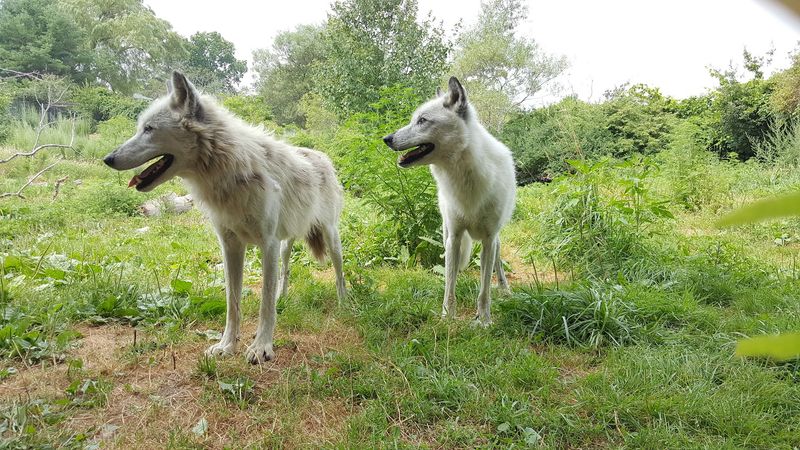
Morning and late afternoon offer the most natural activity, especially during peak foliage and school vacations, with fewer crowds around. You might catch stretching, playful chasing, or a focused patrol along the fence line right beside.
Midday sun can make wolves lounge in shady spots, which is fascinating in a quieter way.
Cloud cover, light drizzle, or light snow can spark movement without stressing the animals. In summer, aim for later sessions, bring water, and choose shaded seating when available.
Winter visits feel magical, since warm coats, bright breath, and gentle crunching snow amplify every sound from the surrounding forest.
Photography Tips That Respect The Wolves
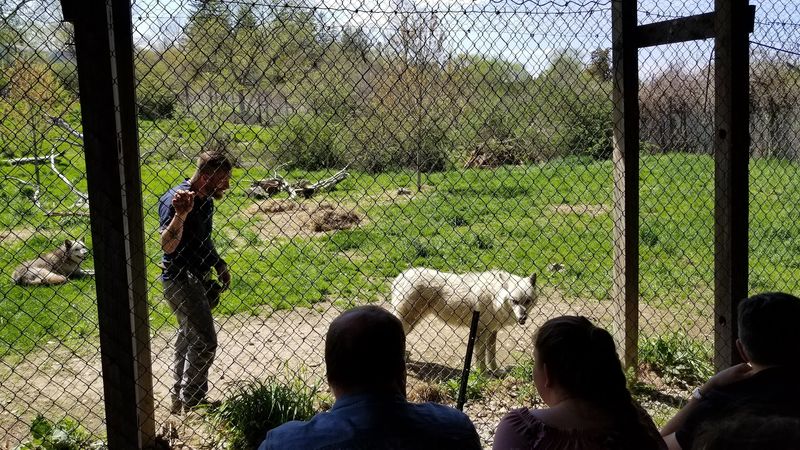
Bring a zoom lens or a good phone zoom, then let the moments come to you rather than chasing shots aggressively. Avoid glass reflections by angling slightly, and keep your elbows braced on the bench.
Silence shutters and turn off artificial sounds to keep the pack relaxed and fully present.
Skip flash entirely, and wait for educators to prompt photo moments during calmer behaviors for best etiquette. Frame habitat elements like rocks, logs, or paw prints to tell a richer story of respect and distance.
If a wolf moves off, lower your camera, breathe, and enjoy the privilege of watching.
Family Logistics And Accessibility Notes
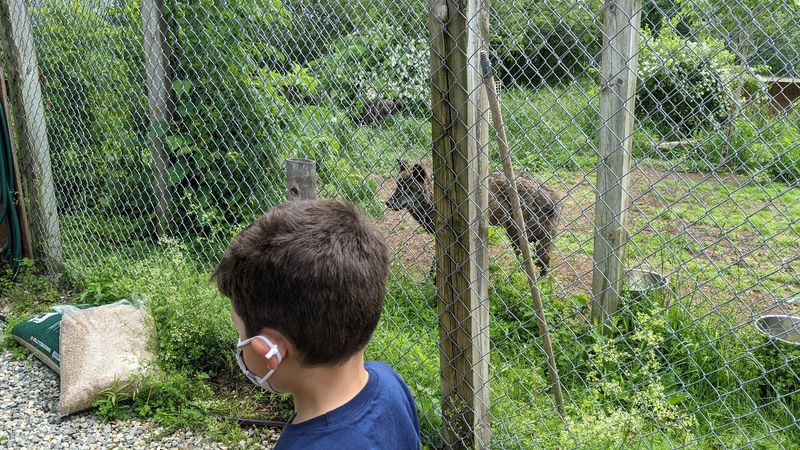
Wolf Hollow is family friendly, but it is not a petting zoo, and that clarity helps. Kids can sit up front with guardians, hear questions answered, and feel close without pressure or overstimulation concerns.
Restrooms are portable units near the lot, so plan quick breaks before presentations begin promptly.
Terrain is compact gravel and grass, manageable for sturdy strollers and wheelchairs with attentive pushing. Seating is backless benches, so bring a small cushion if comfort matters for your crew.
Staff are happy to suggest quieter spots, and they prioritize clear sightlines for everyone, including shorter visitors and elders.
Meeting The Educators And Volunteers
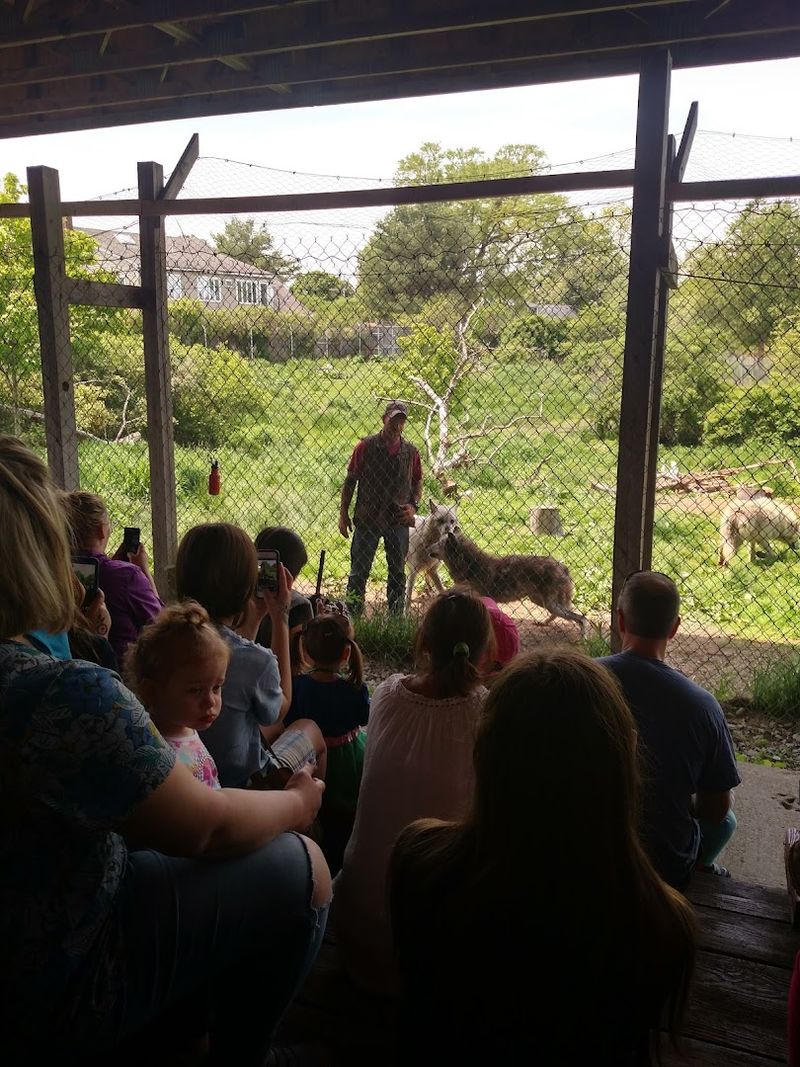
The talk feels personal because educators know each wolf by name, history, and personality in ways field guides miss. You hear stories about rescues, veterinary care, and pack dynamics that deepen understanding instantly.
Volunteers float through the crowd answering questions, keeping paths clear, and modeling calm behavior for anxious kids.
When an educator howls, it is a teaching moment, not a trick, and that matters for the wolves. You learn to read ear angles, tail sets, and pacing like respectful observers, not intruders.
Thank them after, support their mission, and share your favorite detail with the next family you meet.
How To Support Wolf Hollow After You Go
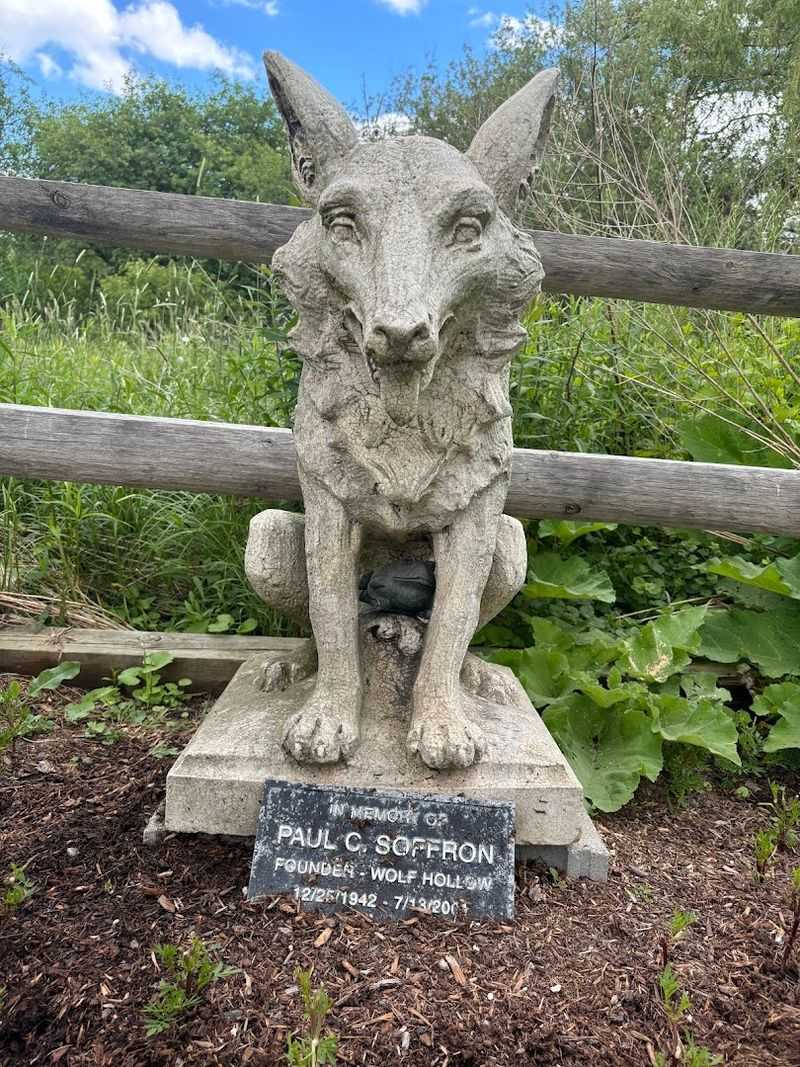
If the visit moved you, consider donating or adopting a wolf to fund daily care and enrichment supplies too. Memberships add perks like early notices, special programs, and steady support the pack can count on.
Even small gifts compound impact when shared across the community and repeated through the seasons.
Write a quick review, tag your photos responsibly, and spread accurate facts learned on site. Gift shop purchases help, especially books for kids, locally made crafts, and logo gear that spark deeper conversations.
Most importantly, return with a friend, because real conservation grows person by person and story by story.