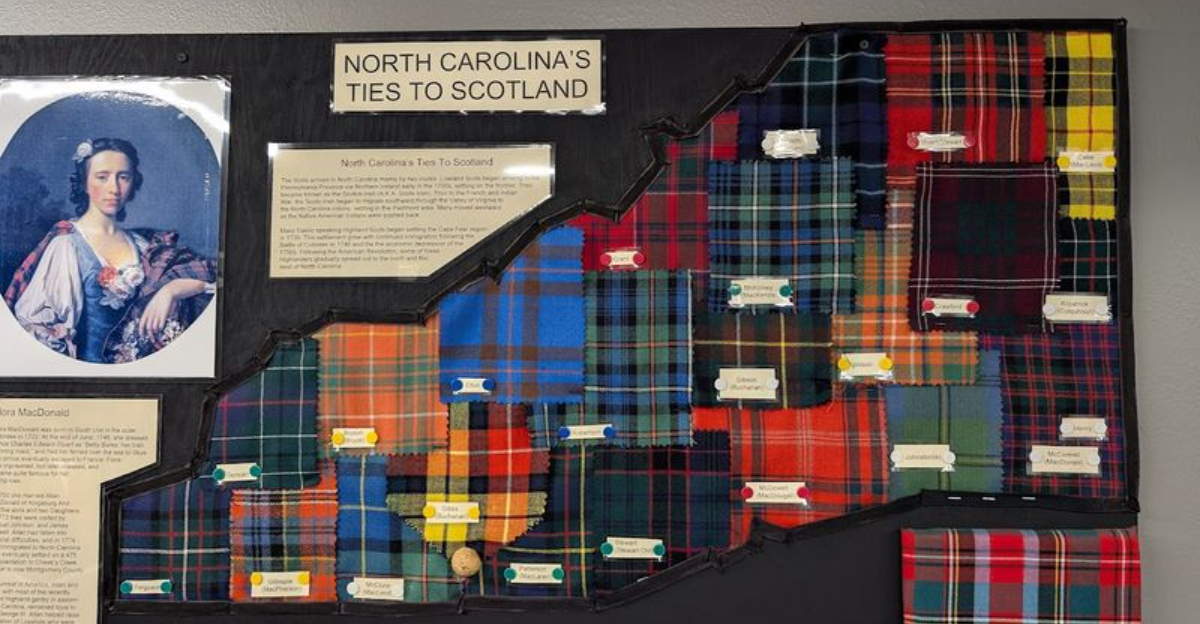
Tucked on Main Street in Franklin, this museum packs centuries of Highland heritage into a friendly, $5 experience that feels personal and welcoming. You get color, craft, and storytelling, plus hands-on ways to connect your name to a tangible pattern.
Staff make complex history simple, and the galleries flow in a way that invites questions and discovery. If Scotland has been on your mind, this is the easy-access starting line you will be glad you found.
Finding Your Clan Tartan
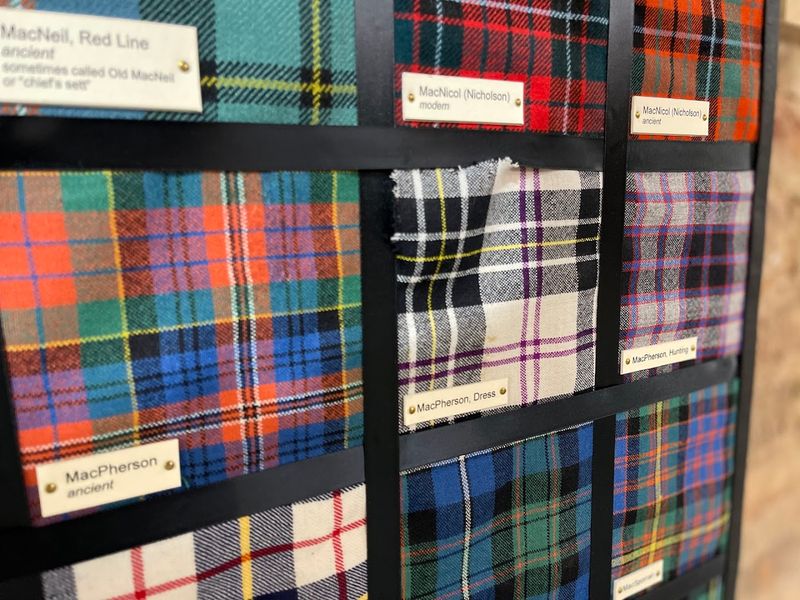
Those walls of color are more than fabric swatches; they are roadmaps to identity. Ask at the desk, and a docent will help navigate surname spellings, septs, and variants using books and digital resources.
You learn why one name might link to several clans, and how history, marriage, or migration shaped those ties.
Once you have candidates, swatch boards make the research feel real. Compare ancient, modern, and weathered palettes side by side to see how dyes and time alter a pattern’s voice.
Staff will point out mill codes, thread counts, and weaving notes so you can track the exact version later.
Take photos of favorites and jot details before the names blur together. If you hit a wall, ask for regional hints, like Lowland origins or Highland connections that narrow choices quickly.
You will leave with next steps, from library sources to credible online databases that fit your surname story.
It is both practical and emotional, especially when a pattern suddenly looks familiar from family keepsakes. Many visitors arrive curious and depart confident, ready to share findings at the next reunion.
Give yourself time; the best discoveries happen when you slow down and compare carefully.
The Basement Gallery Experience
After the bright shop area, a staircase leads to a quieter world where exhibits breathe. Panels explain tartan origins, regimental use, and how romanticism reshaped Scottish identity in the 18th and 19th centuries.
Mannequins in full Highland dress show how all the pieces fit together in real life.
Interpretive labels are clear and focused, turning complex moments into manageable stories. You will see how weaving technology progressed, why patterns standardized, and where myths persist.
The displays respect nuance without overwhelming first-time visitors or seasoned heritage buffs.
Set aside at least 45 minutes, because details reward patience. Look for the timeline that links diaspora waves to Appalachian settlements, giving local context to what you are seeing.
That bridge from Scotland to Western North Carolina feels surprisingly close in this compact space.
Questions are welcomed, and staff will happily connect objects to living traditions. If you enjoy structure, follow the exhibits left-to-right and end near the resource guides for next steps.
If you prefer serendipity, wander and circle back; the room’s scale makes both approaches satisfying.
Kilt History And Craftsmanship
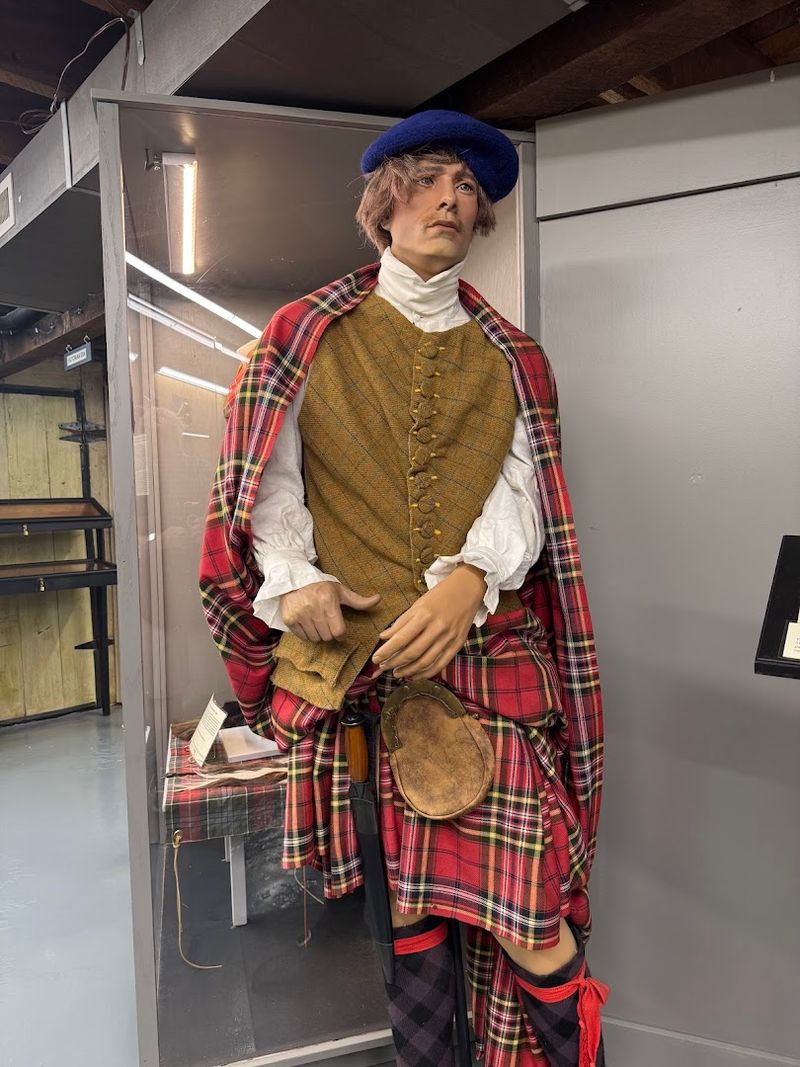
Seeing a kilt up close changes how you think about clothing. Pleats, sporrans, and hose are not just decorative; they solve practical needs for movement, storage, and weather.
Exhibit notes break down measurements, pleat types, and why certain regiments favored specific arrangements.
You will learn how a great kilt differs from tailored modern styles, and why fabric weight matters for drape and durability. The museum highlights tool marks and hand-finishing techniques that define quality.
Look for guidance on measuring correctly, since accurate hips, waist, and fell depth shape comfort.
Curators do a great job clarifying myths, like how tartans relate to battles or royal permission. Context becomes a helpful filter when shopping later.
With that foundation, you can balance sentiment with build quality and avoid costly mistakes.
If you are considering a custom order, bring measurements or ask staff for a fitting overview. They will discuss lead times, reputable makers, and maintenance basics like brushing, airing, and careful storage.
A little know-how here saves money, preserves fabric, and keeps the silhouette crisp for years.
Navigating Hours, Tickets, And Timing
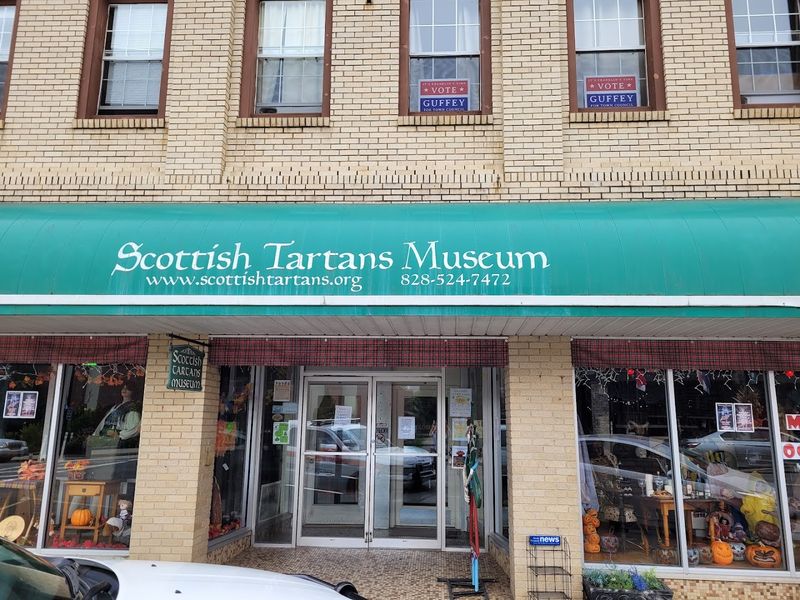
Planning is simple and budget friendly. General admission is typically $5, with the museum open Monday through Saturday from 12 to 5 PM, and closed Sunday.
That narrow window makes timing important, especially on busy days or before dinner plans.
Arrive earlier in the afternoon to avoid a last-minute rush down the staircase. Most people find 60 to 90 minutes comfortable, leaving a cushion for gift shop browsing or clan lookups.
If you are researching ancestry, add an extra 30 minutes for staff questions.
Parking is straightforward along Main Street or nearby public lots. The location is walkable, and downtown Franklin offers coffee and snacks for a quick pre-visit boost.
If you run tight on time, prioritize the downstairs exhibits first, then circle back to the shop.
Before you go, check the website or call to confirm hours around holidays or events. Small-town schedules can shift, and a quick peek saves disappointment.
Bring a small notebook or use your phone notes to track tartan names, mills, and ideas you want to revisit.
Docents Who Bring Stories Alive
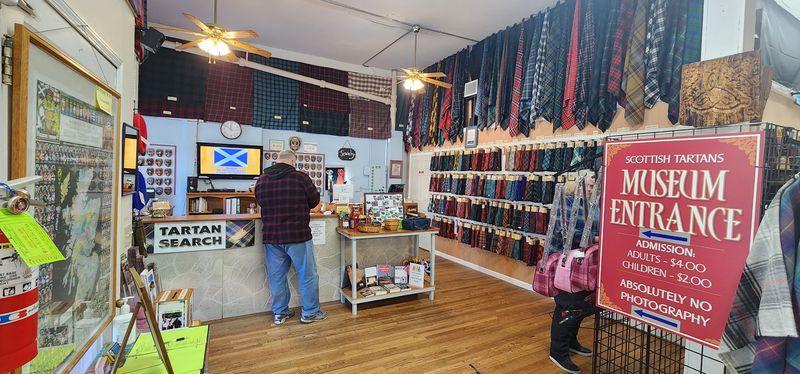
The volunteers and staff are the museum’s secret superpower. You will meet people who treat heritage as a living practice, not a display.
They listen first, then tailor information to your questions, which keeps the experience focused and warm.
Ask about surname origins, Highland dress etiquette, or reliable places to order apparel. Expect clear answers and honest boundaries when speculation creeps in.
That candor builds trust and saves you from chasing myths across confusing websites later.
Stories flow naturally, from regiments to immigration and the region’s Celtic festivals. Because the building is compact, conversations feel personal without pressure to buy anything.
A quick chat can unlock links between your family lore and the gallery timeline downstairs.
If the room is busy, step aside with a book, flag a question, and rejoin when they are free. Notes help, since names and spellings multiply quickly.
You will likely walk out with practical next steps, plus a deeper appreciation for the people who keep these traditions vibrant.
The Gift Shop Worth A Stop
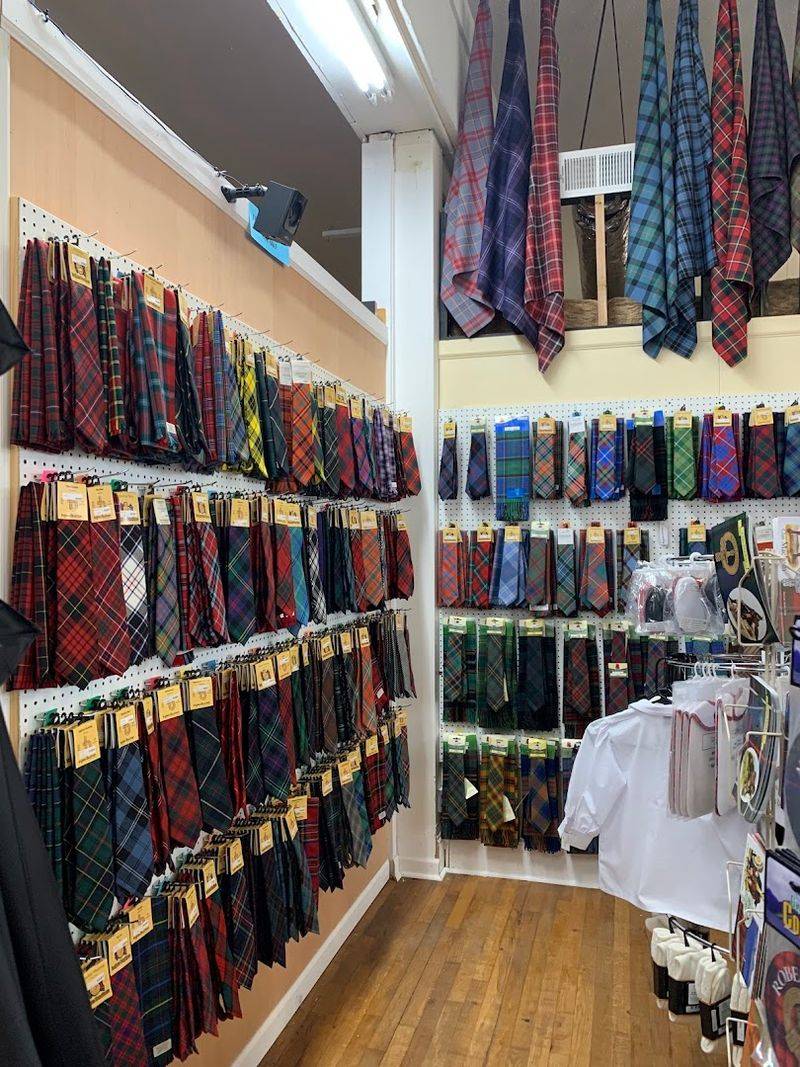
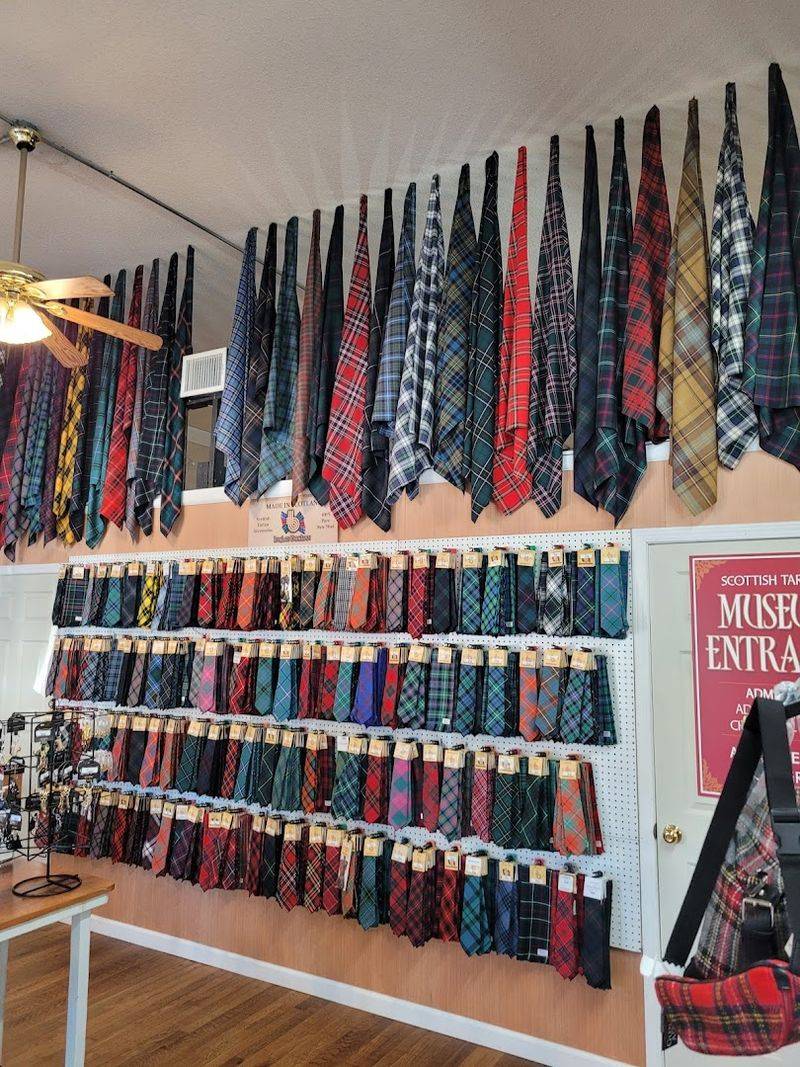
Think of the shop as an extension of the exhibits, with texture you can touch. Scarves, ties, mugs, and clan crests sit beside reference books, so you can pair learning with a keepsake.
Prices feel reasonable, and you are never pressured to buy.
Many visitors browse first, then return after the basement gallery clarifies preferences. If you spot your tartan, check labeling for ancient or modern colorways.
Staff can explain differences and suggest pieces that match your climate, wardrobe, and budget.
Custom options are a highlight, including made-to-order items that require accurate mill information. Snap photos of tags and ask for notes to avoid mix-ups.
Small accessories also make excellent gifts for relatives who share your surname but prefer subtle nods.
While you are there, peek at locally relevant items that connect Scotland to the mountains of North Carolina. Those bridges make souvenirs feel meaningful, not random.
Even if you only leave with knowledge, the displays sharpen your eye for quality when you shop later.
Hands-On Learning For Families
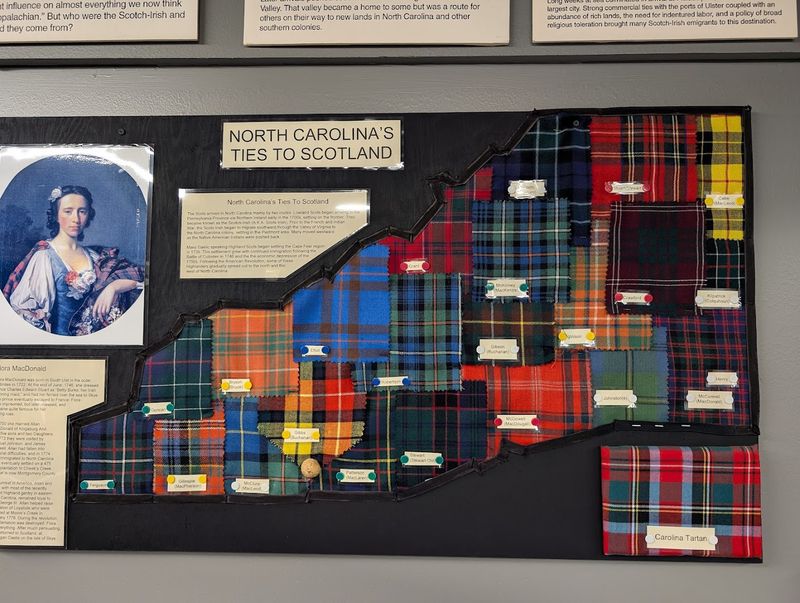
Short attention spans are expected here, and the layout helps parents move naturally between lookups, stories, and visuals. Bright swatches catch kids’ eyes, and mannequins spark questions faster than long labels.
You can build a quick game by spotting colors, counting stripes, or guessing clan connections.
Because ticket prices stay low, the pressure to squeeze everything in disappears. Take breaks upstairs, then resume downstairs when curiosity returns.
A loose timeline keeps the visit fun instead of exhausting.
Staff welcome questions from young visitors and will simplify explanations without dumbing them down. You can frame tartans as wearable family flags, which makes the idea click.
Tie that back to geography by tracing a route from Scotland to Appalachia on your phone.
Before leaving, invite kids to choose a favorite pattern and explain why. Those comments become great memory anchors and help relatives feel included later.
Snap a photo beside the chosen swatch and note the name so you can print a caption at home.
Photography And Etiquette Tips
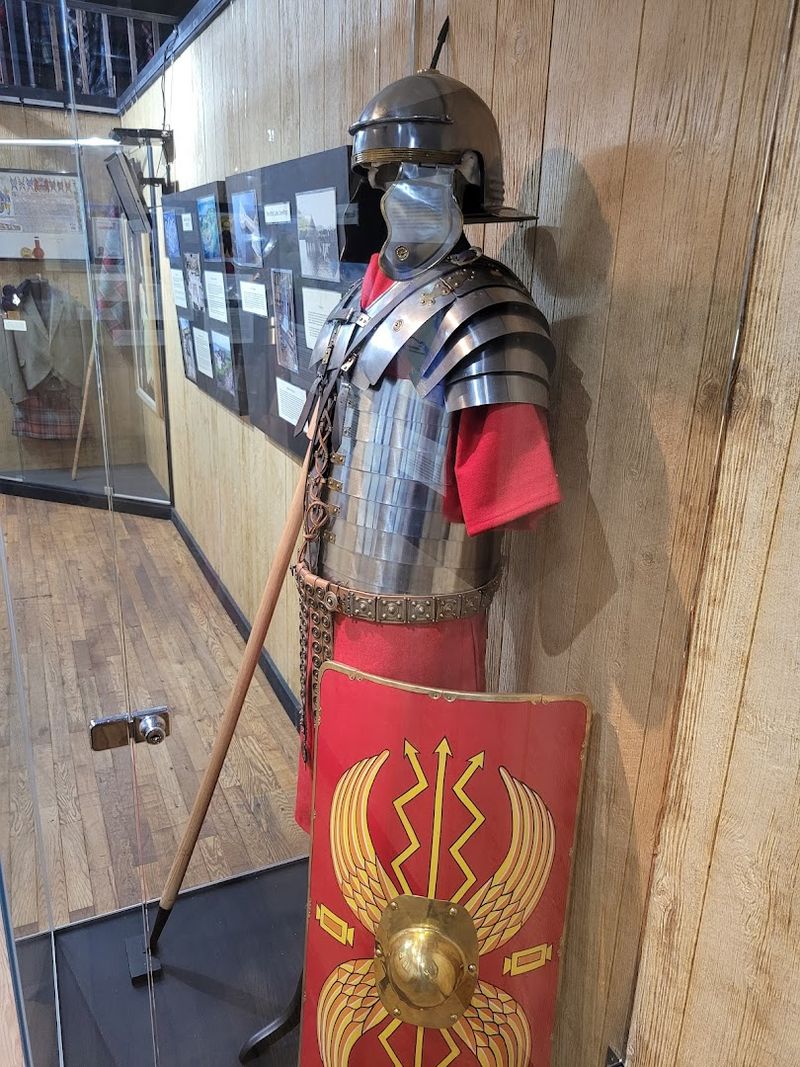
Photos are welcome in many areas, yet courtesy keeps the experience pleasant for everyone. Skip flash to protect textiles and avoid glare on glass.
Step back for context shots, then move in close for texture, labels, and mill codes.
Ask before photographing staff or other visitors, especially during surname consultations. A quiet tone goes a long way in the downstairs gallery, where people are reading.
If a space feels crowded, loop around and return for a clear line of sight.
Consider a simple naming system in your phone so images match tartan titles. For example, record name, type, and colorway in the first line of the note.
Later, those notes help when you order accessories or share findings with relatives.
Before leaving, double-check you captured favorite swatches and any kilt construction details you want to remember. A few extra seconds now prevents confusion later.
Most importantly, enjoy the process; thoughtful images become a portable scrapbook of your visit.
Accessibility, Flow, And Comfort
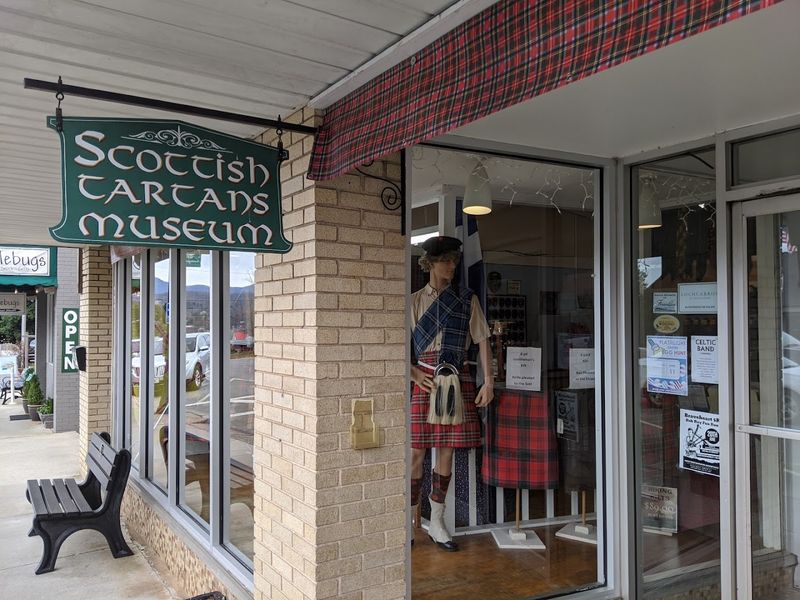
The building’s small footprint works in your favor because navigation is straightforward. Start upstairs to orient, then head down when ready for deeper context.
Signage is clear, and you can always pop back to the shop for a breather.
If stairs present a challenge, call ahead to discuss options and current arrangements. Staff are eager to help and will suggest pacing strategies to conserve energy.
Seating nooks appear periodically, useful for note-taking or regrouping with family.
Climate indoors is generally comfortable, but fabric displays can make humidity control more noticeable. A light layer helps if you run cool.
Keep a water bottle for after your visit since drinks stay best outside galleries.
Because space is intimate, softer voices make the experience calmer for everyone. Aim for weekday afternoons if you prefer a quieter room.
With a simple plan and a bit of patience, you can enjoy every corner without feeling rushed.
Volunteering And Community Connections
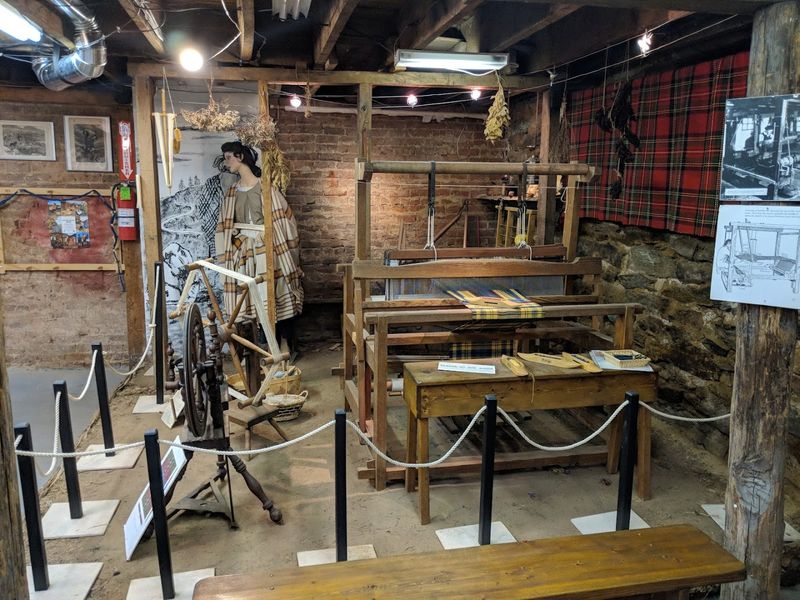
Locals and travelers alike keep this place vibrant by giving time, knowledge, and enthusiasm. Volunteers greet guests, guide research, and support education programs that link heritage to everyday life.
It is community service with visible impact because questions become connections in real time.
If the experience resonates, ask about ways to help, from weekend shifts to behind-the-scenes tasks. Training covers etiquette, research basics, and how to direct visitors kindly when halls are busy.
You will join a team that values accuracy as much as hospitality.
Seasonal events and partnerships extend the museum’s reach into Western North Carolina. That might look like talks, festival booths, or school resources that make surnames and patterns less abstract.
When people see themselves in the story, participation follows naturally.
Even small gestures matter, like sharing a thoughtful review or buying gifts locally. Those choices keep the lights on and the knowledge flowing.
If heritage is your thing, this is an easy place to invest and watch the ripple effects multiply.