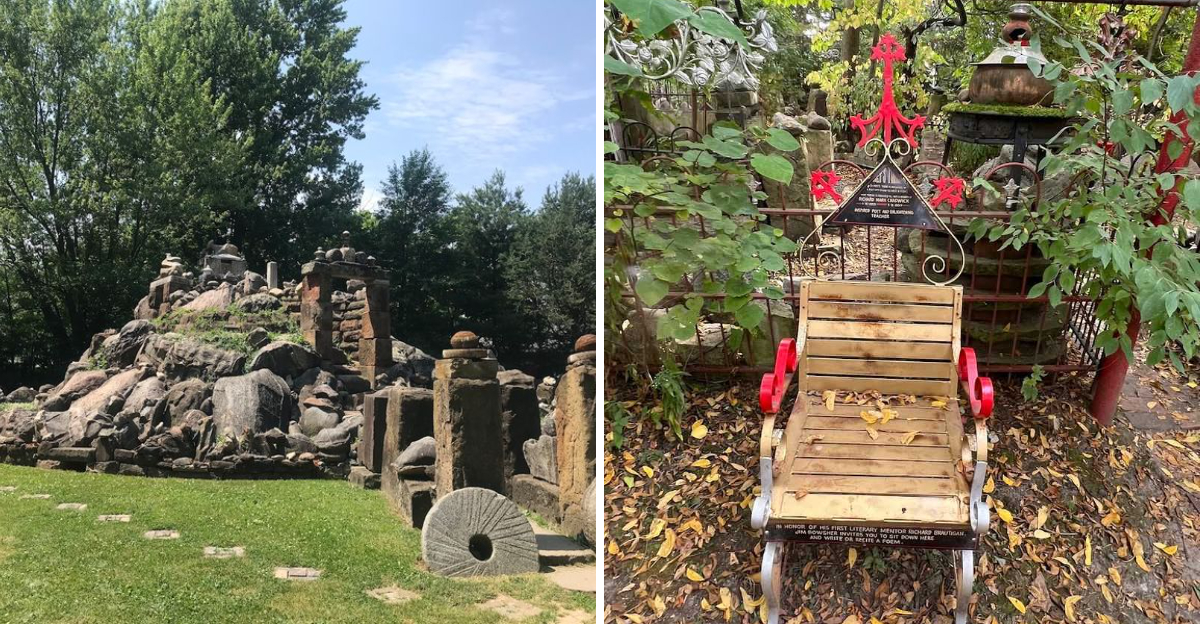
Tucked away in a quiet neighborhood in Wapakoneta, Ohio, the Temple of Tolerance is one of those rare places that stops you in your tracks and makes you think.
Built by one man over decades, this extraordinary folk-art environment is packed with meaning, creativity, and heart.
Most road trippers speed right past Wapakoneta without a second thought, but those who take the detour discover something truly unforgettable.
If you love finding places that feel genuine and surprising, this one belongs on your list.
A Hidden Gem in Wapakoneta
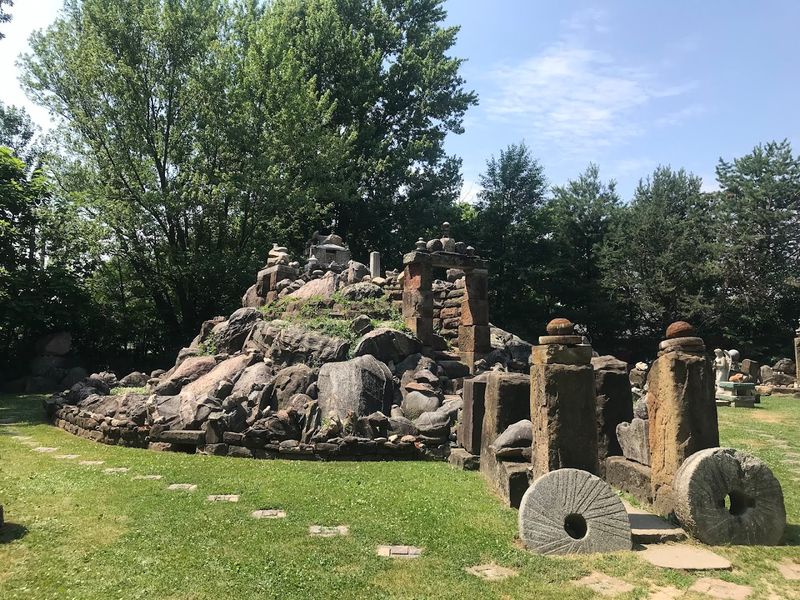
Some of the best road trip discoveries aren’t listed in any guidebook. The Temple of Tolerance, located at 203 S Wood St in Wapakoneta, Ohio, sits in a calm residential neighborhood where you might not expect anything extraordinary at all.
Pull up, and suddenly the world feels a little different.
This isn’t a theme park or a polished museum. It’s a genuine, one-of-a-kind place built by one person with a powerful message.
The surrounding streets are quiet and ordinary, which makes stumbling upon this site feel even more magical. Neighbors have watched it grow for years, and many consider it a source of local pride.
For curious road trippers who love discovering places off the beaten path, this address is worth saving. The atmosphere is welcoming and unhurried.
You won’t feel rushed, and you won’t have to fight a crowd for a parking spot. That kind of relaxed, authentic experience is exactly what makes a road trip memorable and worth every mile of the journey.
The Vision of Jim Bowsher
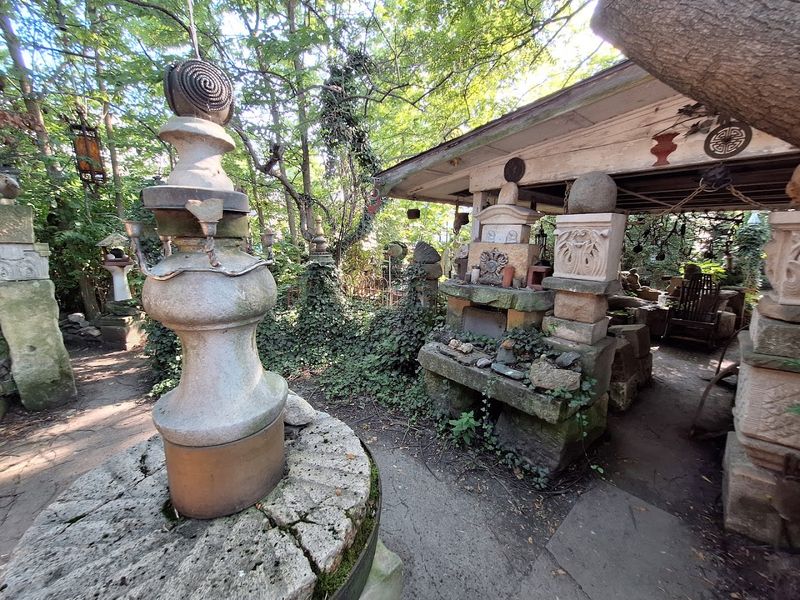
Behind every remarkable place, there’s usually a remarkable person. Jim Bowsher was an artist, a teacher, and a deeply compassionate thinker who began transforming his backyard in 1981 with a simple but powerful goal: to build something that encouraged people to treat each other with kindness and respect.
Bowsher spent decades collecting stones, shaping the land, and adding meaningful symbols and inscriptions throughout the property. He didn’t have a massive budget or a construction crew.
What he had was vision, patience, and an unshakeable belief that art could change minds. That combination turned a modest backyard into something that outlasted every trend.
Teachers and artists like Bowsher remind us that ordinary people can create extraordinary things when they commit fully to a purpose. His work at the Temple of Tolerance wasn’t just a hobby—it was a calling.
Visitors who learn about his story before arriving often say the experience hits differently once they understand the heart and intention behind every stone and structure on the property.
Not a Traditional Temple
Forget everything the word “temple” might bring to mind. There are no grand columns, no formal entrance hall, and no religious ceremonies happening here.
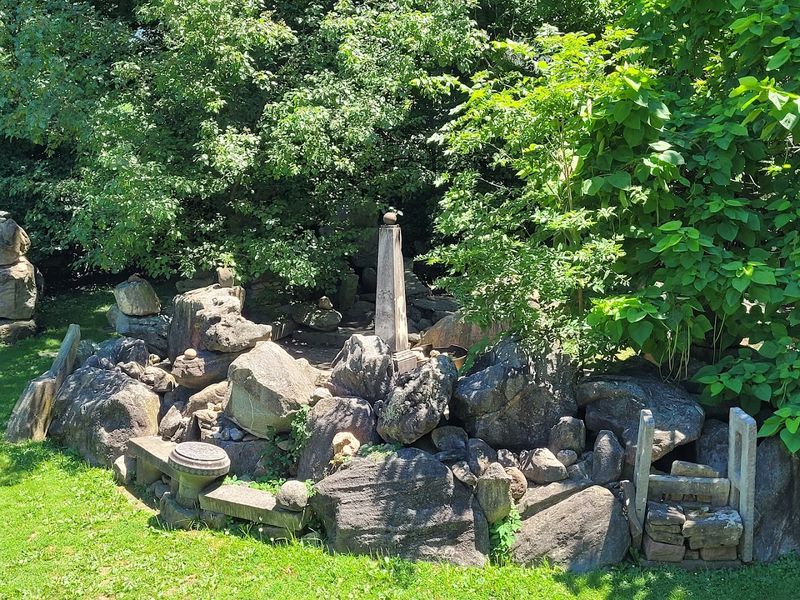
The Temple of Tolerance is something far more personal and unexpected—a sprawling outdoor folk-art environment that unfolds across a backyard like a living, breathing story.
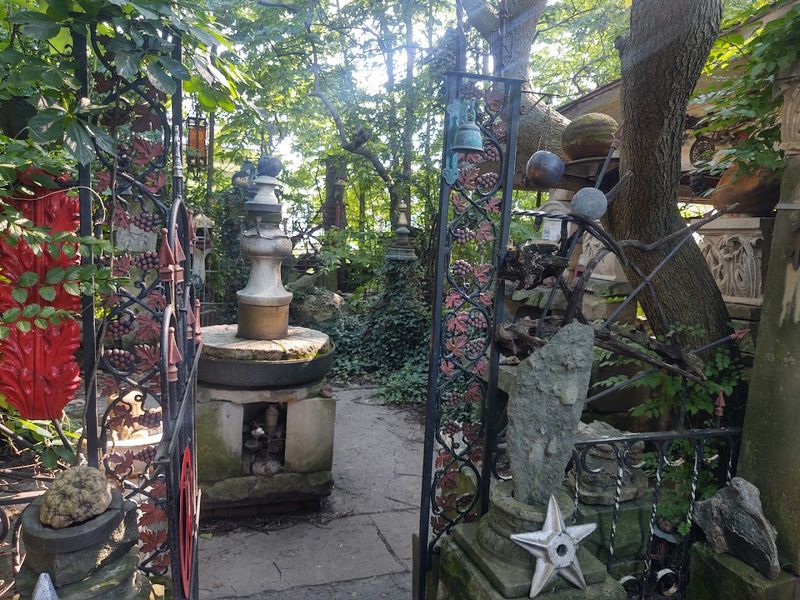
Winding paths lead you past stone structures, symbolic carvings, and handmade installations that each carry their own meaning. Some pieces reference world cultures, others honor historical figures, and many simply invite you to pause and reflect.
The whole space feels organic, like it grew naturally from the ground rather than being planned on a blueprint.
Folk-art environments like this one are sometimes called “outsider art” because they exist outside the traditional gallery or museum world. That label actually fits perfectly here.
The Temple of Tolerance doesn’t ask for your art history knowledge or your cultural background. It just asks you to keep an open mind and look around with genuine curiosity.
That’s a pretty refreshing invitation compared to most places you’ll visit on a road trip through Ohio.
Built Stone by Stone
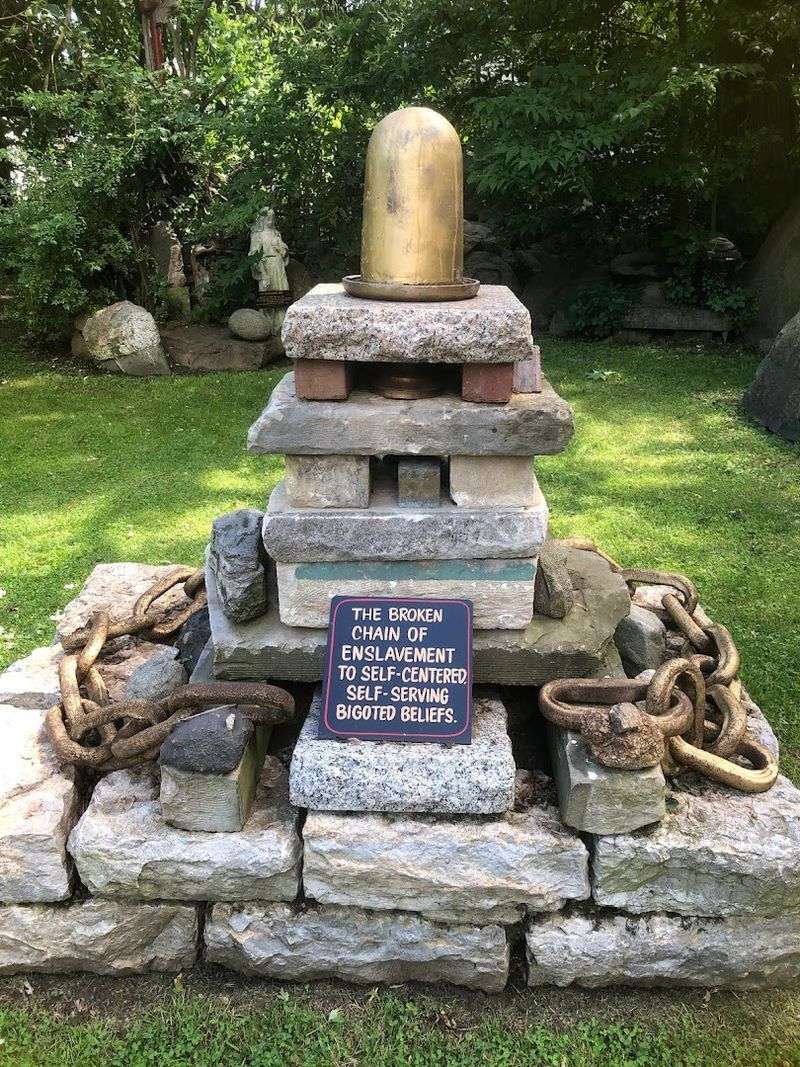
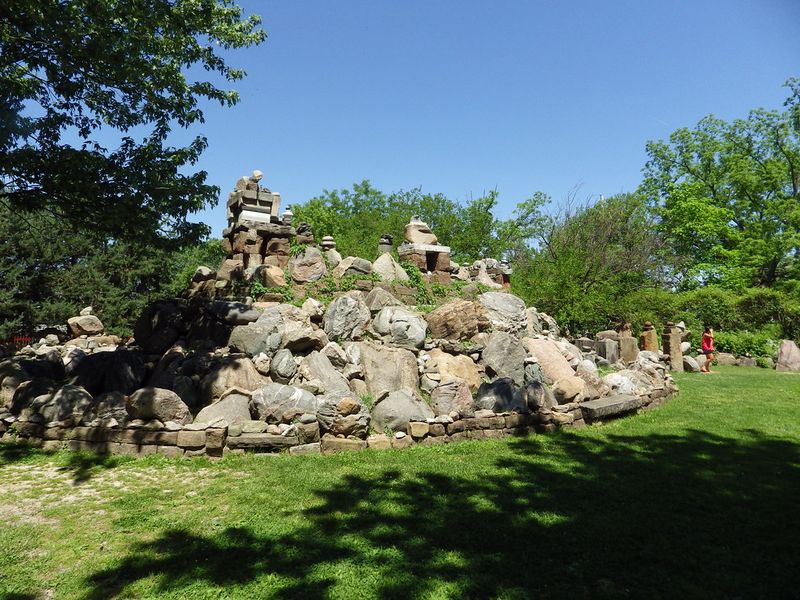
There’s something almost meditative about the idea of building an entire landmark one stone at a time. Jim Bowsher collected thousands of rocks over the years—some from local areas, others gathered during travels—and used them as the primary building material for his ever-growing creation.
Each stone carried its own small history before becoming part of something much larger.
Alongside the rocks, Bowsher incorporated repurposed materials: old signs, tiles, broken ceramics, and found objects that most people would toss in a dumpster. In his hands, these castoffs became art.
The result is a textured, layered environment where every surface rewards a closer look. Run your eyes across a wall and you’ll spot something new each time.
This kind of labor-intensive, deeply personal construction is rare in today’s world of fast builds and prefab everything. Knowing that a human being physically placed each stone makes the Temple feel alive in a way that polished attractions simply can’t replicate.
If you appreciate craftsmanship and dedication, walking through this space will genuinely move you—even if you can’t quite explain why when you try to describe it later.
A Backyard That Became a Landmark
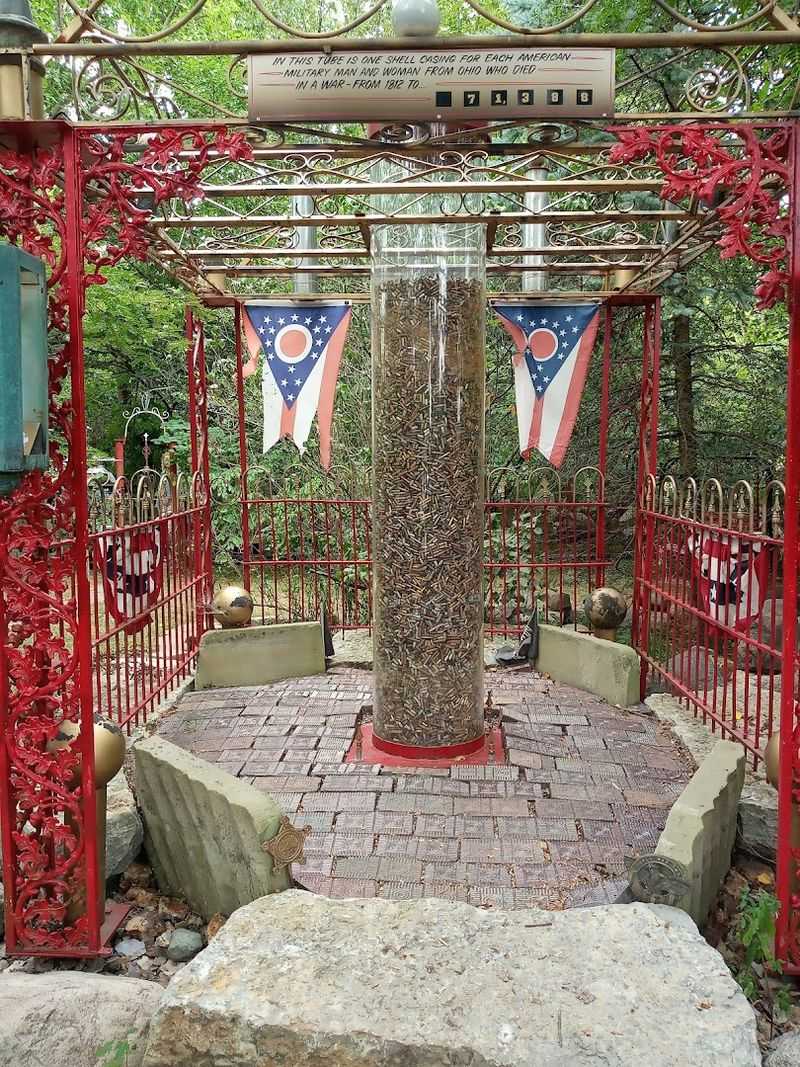
It started as one man’s personal project in a single backyard. Over time, Jim Bowsher’s vision outgrew its original boundaries and expanded across multiple lots in the neighborhood.
What once might have seemed like an eccentric hobby gradually became recognized as something genuinely significant—a true Ohio landmark hiding in plain sight.
The expansion wasn’t just physical. As the site grew, so did its reputation.
Word spread through road-trip communities, folk-art enthusiasts, and travelers looking for something real. People began making deliberate detours to Wapakoneta specifically to see this place, not just to pass through on the way somewhere else.
That’s a powerful shift for any small-town attraction.
Landmarks don’t always start as landmarks. Sometimes they begin with one stubborn, passionate person who refuses to stop building.
The Temple of Tolerance is proof that a neighborhood space can carry enormous cultural weight when it’s built with genuine intention. Today, locals and visitors alike regard it as a defining piece of Wapakoneta’s identity—one that no amount of city planning or tourism marketing could have manufactured from scratch.
A Message of Tolerance and Humanity
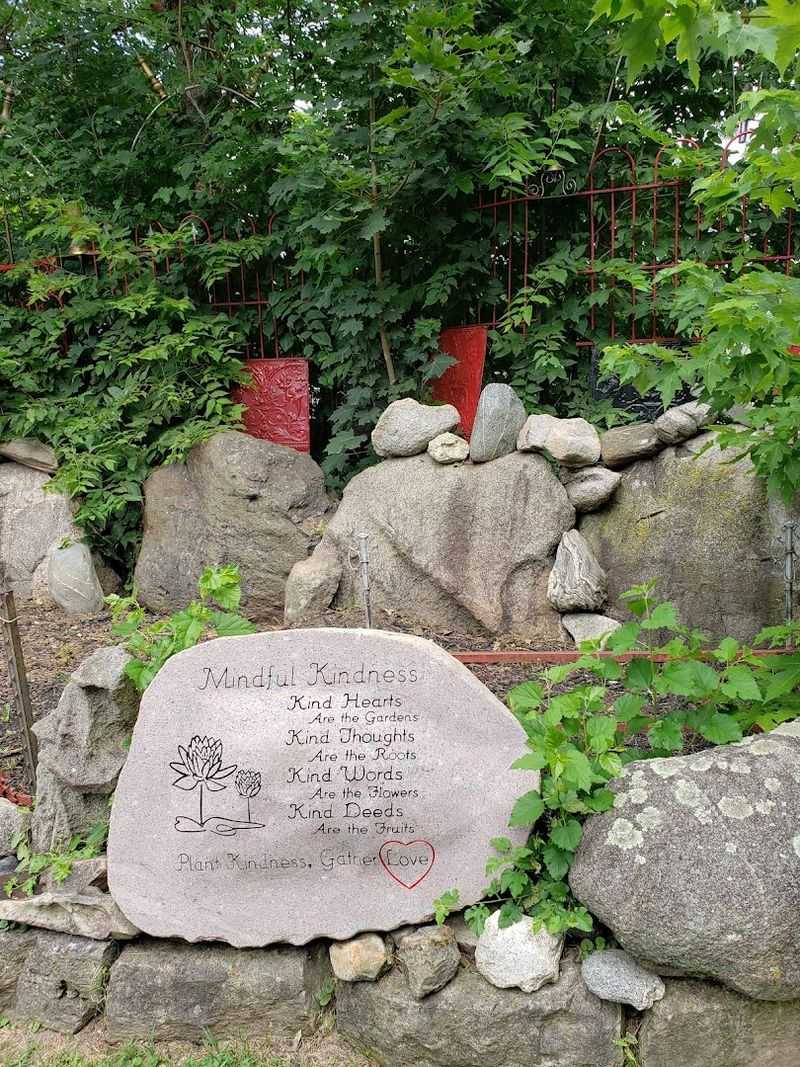
Every single piece in this environment is saying something. The name says it all, really—tolerance is the thread that runs through every stone, every carving, and every carefully placed symbol across the property.
Jim Bowsher wanted visitors to leave thinking more openly about the world around them, and he designed the entire space with that goal in mind.
References to different cultures, belief systems, and historical moments appear throughout the site. Rather than favoring one tradition over another, the Temple invites all of them to coexist in the same space.
That’s a quietly radical idea, especially when you see it expressed through handmade art rather than a policy statement or a protest sign.
In a world that often feels divided, spending time in a place built entirely around the idea of human connection is genuinely refreshing. You don’t need to agree with every message or understand every symbol to feel the warmth behind the intention.
Most visitors walk away feeling a little lighter and a little more hopeful—which, when you think about it, is exactly what good art is supposed to do to a person.
A Living Artwork Now Preserved
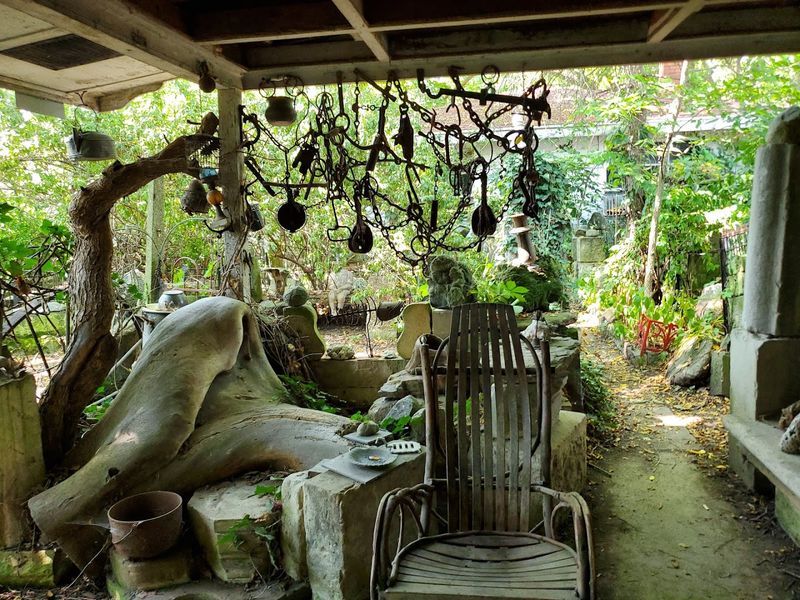
For more than four decades, the Temple of Tolerance kept evolving. Jim Bowsher was always adding, adjusting, and refining—the site was never truly finished because his thinking never stopped growing.
That constant evolution gave the place an energy that felt almost alive, like it was breathing alongside its creator.
When Bowsher passed away in 2024, the future of the site became an important question for the community. Fortunately, efforts to preserve the Temple moved quickly.
The space remains open to visitors while caretakers work to maintain the structures and honor Bowsher’s original intentions. It’s a delicate balance between keeping things exactly as he left them and ensuring the site stays safe and accessible for years to come.
Preservation stories like this one matter because folk-art environments are fragile. Unlike traditional buildings, they’re often built with unconventional materials that require specialized care.
The fact that people rallied around the Temple of Tolerance after Bowsher’s passing says a lot about how deeply the community values what he created. Visiting now feels like both a celebration of his legacy and a small act of support for the people keeping it alive.
A Peaceful, Reflective Stop
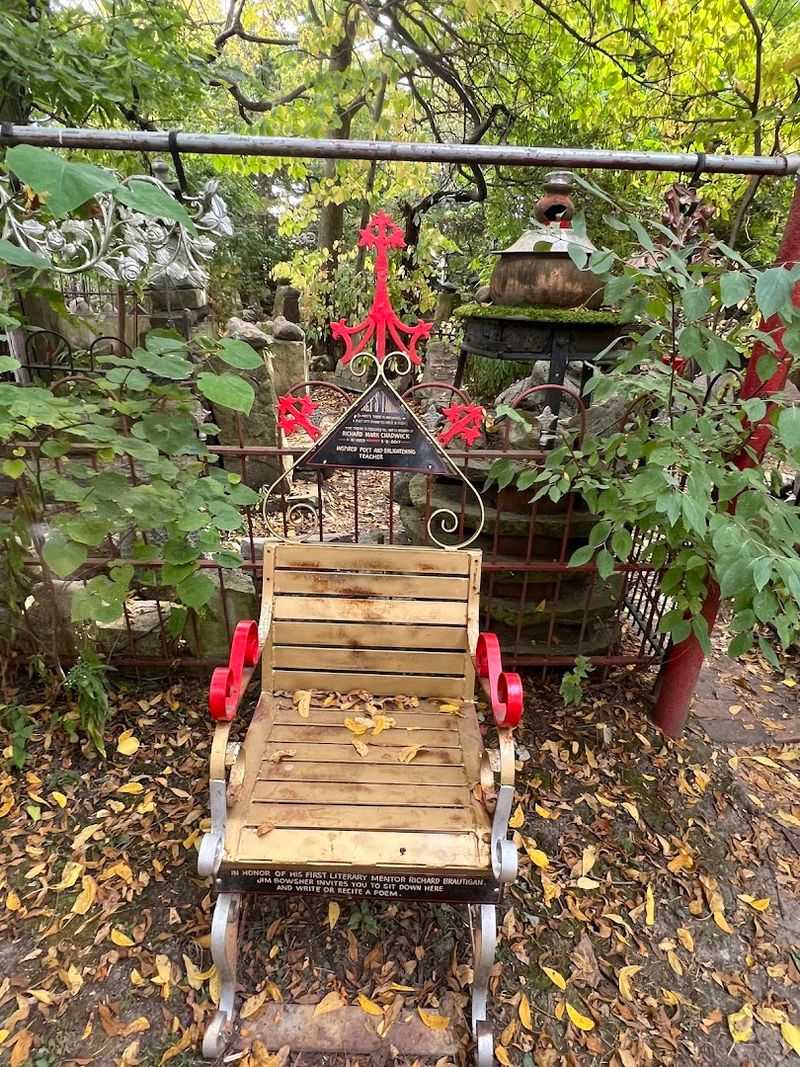
Road trips can get exhausting. Gas stations, fast food, crowded rest stops—after a few hours on the highway, you start craving something that actually slows you down.
The Temple of Tolerance is exactly that kind of stop. There are no lines, no admission booths buzzing with activity, and no loudspeakers competing for your attention.
The atmosphere here is genuinely quiet. Visitors tend to speak softly, move slowly, and spend real time looking at things rather than rushing to the next photo opportunity.
The winding paths naturally encourage a slower pace, and the weight of the messages embedded throughout the site invites reflection rather than distraction. It’s the kind of place where you might find yourself standing still for a few minutes just taking it all in.
If you travel with kids, this can actually be a wonderful teaching moment wrapped inside a peaceful afternoon. Young visitors often have surprisingly deep reactions to the symbols and inscriptions once an adult explains the meaning behind them.
And for solo travelers or couples, the Temple offers the rare gift of genuine quiet—something that’s harder and harder to find at most popular roadside destinations across the country.
Pair It With Nearby History
Wapakoneta has more going for it than just one extraordinary stop. The town is also the birthplace of Neil Armstrong—the first human being to walk on the moon—and it celebrates that legacy with the Neil Armstrong Air and Space Museum, located just a short drive from the Temple of Tolerance.
Combining both visits makes for a genuinely unforgettable afternoon.
The museum features artifacts, interactive exhibits, and personal items from Armstrong’s life and career. It’s well-designed for all ages, and the experience of standing near actual space equipment while thinking about what Armstrong accomplished is hard to put into words.
Kids especially tend to walk out inspired in a way that’s different from anything a classroom lesson can produce.
Pairing folk art with space history might sound like an unusual combination, but it actually works beautifully. Both the Temple of Tolerance and the Armstrong Museum are about human ambition—one reaching inward toward understanding, the other reaching outward toward the stars.
Together, they turn Wapakoneta into a road trip destination that punches well above its weight and leaves visitors with stories worth telling long after they get back home.
Why It’s Worth the Detour
Most road trips follow the same well-worn routes—interstate highways, chain restaurants, and the same ten landmarks everyone’s already seen a hundred times on social media. The Temple of Tolerance offers a completely different kind of stop, one that you genuinely can’t replicate anywhere else.
That alone makes the detour worth it.
What you get here isn’t just a photo opportunity or a box to check on a list. It’s a conversation starter, a quiet moment, and a reminder that creativity and compassion can transform even the most ordinary space into something extraordinary.
Visitors consistently describe the experience as moving, surprising, and oddly hard to explain to people who haven’t been there themselves.
The drive to Wapakoneta is easy from Columbus, Dayton, or Toledo, making it a natural addition to almost any Ohio road trip route. Plan for at least an hour at the Temple itself, grab lunch in town, and swing by the Armstrong Museum before you head out.
By the time you’re back on the highway, you’ll already be thinking about who else you can bring along on the next visit. That’s the sign of a truly great road trip stop.