Some coffee shops do more than pour a good cup – they become part of the neighborhood’s daily rhythm. Across Pennsylvania, a handful of cafés have earned that status through consistency, character, and the kind of loyalty money cannot manufacture.
These are the places people recommend without being asked, the rooms where regulars feel seen, and the counters that quietly shape local culture. If you want a guide to Pennsylvania coffee with real staying power, start here.
Elixr Coffee Roasters
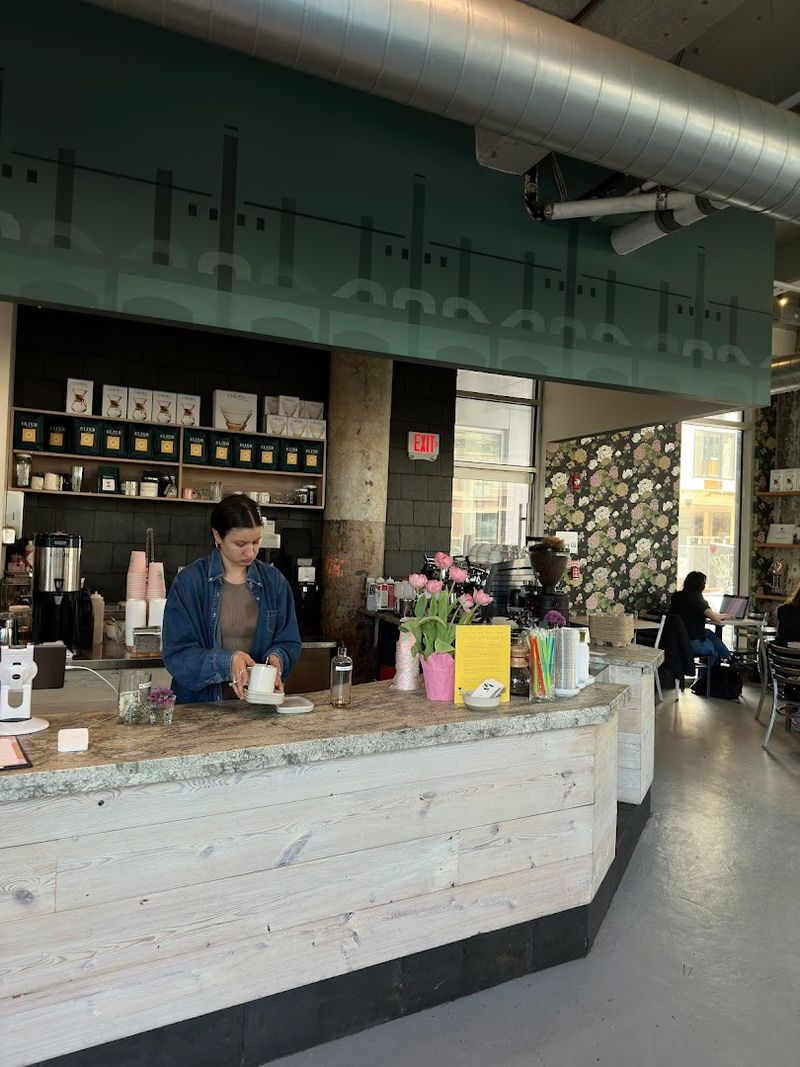
Elixr Coffee Roasters has become one of those Philadelphia names you hear again and again when locals talk about where quality and routine meet. In Center City, it feels less like a trend-driven café and more like a reliable part of the neighborhood’s daily rhythm.
You can taste the precision in the espresso, but what really sticks is how comfortably the shop fits into busy city life.
Its role in Philly’s third-wave scene matters, yet the experience never feels overly precious. Regulars stop in for expertly pulled shots, carefully brewed coffee, and a room that balances energy with calm.
That consistency is exactly how institutions are made.
There is also a sense of trust here. When a coffee shop keeps delivering at a high level for years, people begin building their schedules around it.
Elixr has reached that point quietly, and that is what makes it feel essential.
Menagerie Coffee
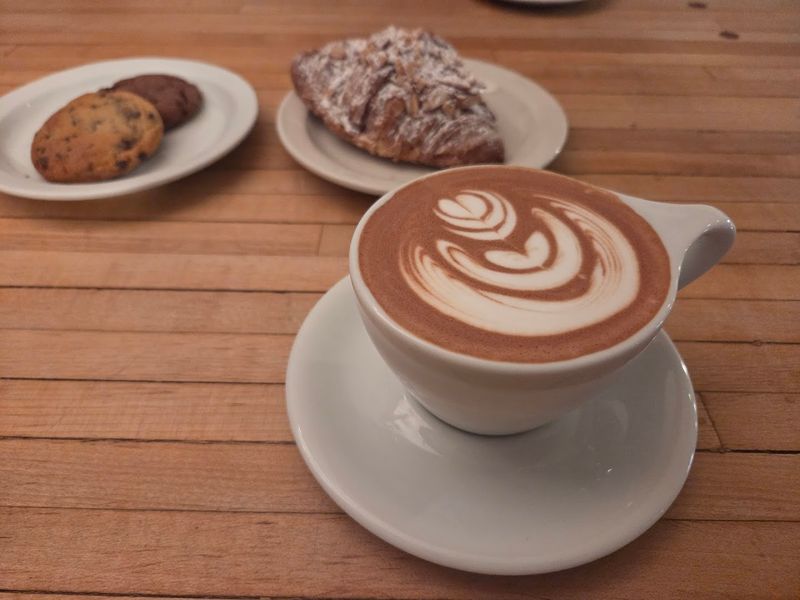
Menagerie Coffee feels like the kind of place a neighborhood keeps close because it reflects the people around it so well. Tucked into Old City, it pairs strong coffee with an atmosphere that feels thoughtful, artistic, and deeply local.
You are not just walking into a café here – you are stepping into a social space with personality.
Part of its appeal comes from how naturally community life happens inside it. Art displays, events, and everyday conversation give the room a lived-in warmth that many newer cafés try to imitate.
Menagerie does not have to force that identity because it has grown organically.
The drinks matter, of course, and locals clearly trust the menu. But what gives the shop staying power is how it supports a sense of belonging without making a show of it.
That quiet authenticity is exactly why it has become an Old City favorite.
Ultimo Coffee
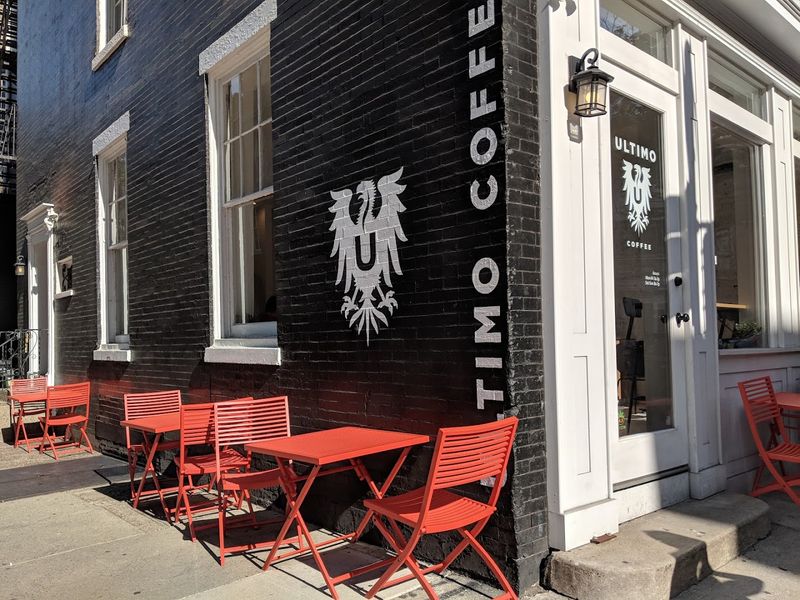
Ultimo Coffee has the kind of neighborhood reputation that is built slowly, through habit, trust, and a real commitment to doing things well. In South Philadelphia, it has become far more than a stop for espresso.
For many locals, it is part of the area’s everyday fabric.
One reason Ultimo stands out is its serious approach to coffee education without ever making customers feel shut out. You can walk in as a casual drinker or a dedicated coffee person and still feel equally welcome.
That balance gives the shop broad, lasting appeal.
There is also something meaningful about its long-term presence. In a city where restaurant and café trends can shift quickly, Ultimo has maintained quality while staying connected to the community around it.
That combination of expertise, warmth, and consistency is why so many people treat it like a local constant rather than just another coffee bar.
Rival Bros Coffee
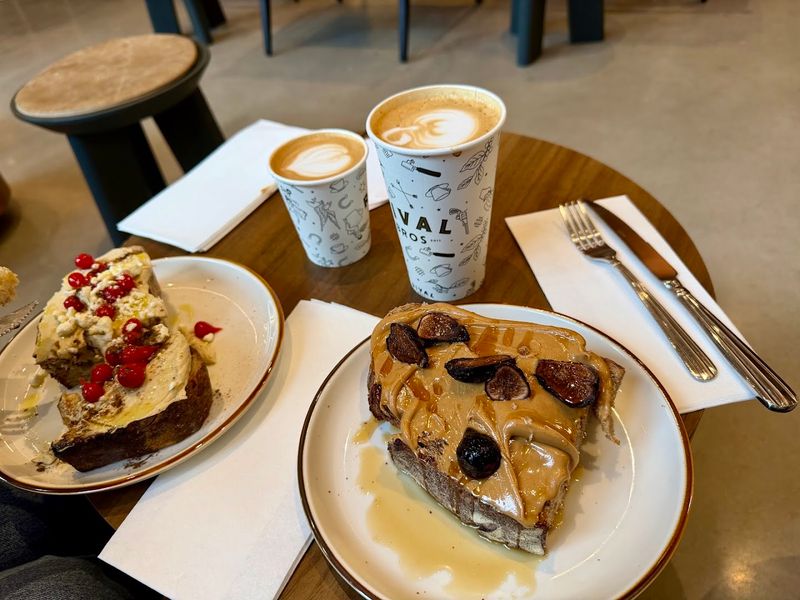
Rival Bros Coffee has earned its place in Philadelphia by doing something deceptively hard: staying consistently good while feeling genuinely neighborhood-driven. With multiple locations, it reaches different parts of the city without losing the sense that each shop belongs to its block.
That kind of consistency helps turn a coffee company into a local institution.
People return because they know what they are getting. The coffee is dependable, the atmosphere is comfortable, and the shops work well as everyday gathering spots rather than occasional treats.
When a place becomes part of your normal route, loyalty grows naturally.
There is also a straightforward confidence to Rival Bros that locals seem to appreciate. It does not need gimmicks to create attachment because quality and familiarity already do the job.
That is why these cafés feel woven into Philadelphia routines, from quick weekday pickups to slower conversations that stretch across a second cup.
Old City Coffee
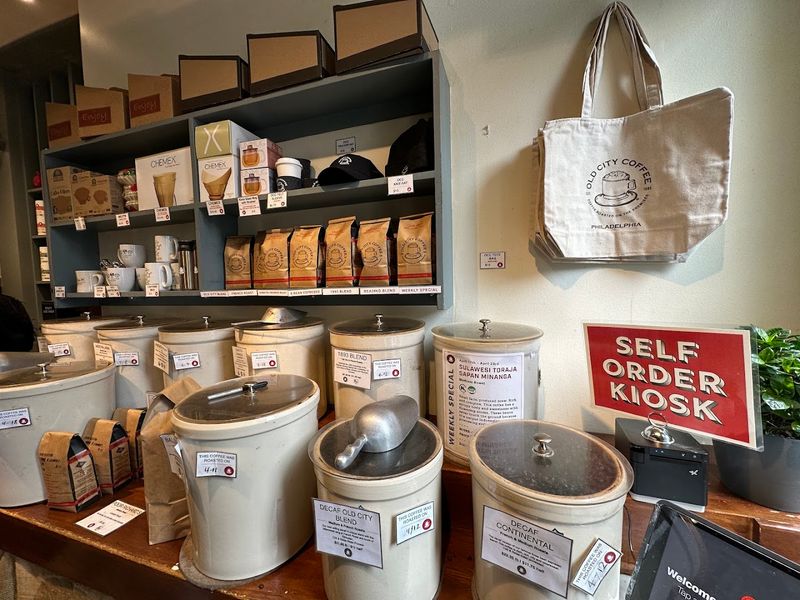
Old City Coffee carries the kind of legacy that newer specialty shops cannot manufacture, no matter how polished they look. As one of Philadelphia’s oldest recognized coffee names, it has had time to become part of the city’s memory as well as its daily routine.
That long presence gives it unusual weight.
Its connection to Reading Terminal Market is especially important. In a place defined by regular shoppers, workers, and returning visitors, a coffee counter can become part of the city’s shared habits.
Old City Coffee has done exactly that through familiarity, accessibility, and years of dependable service.
The appeal is not built on novelty. Instead, it comes from being a known quantity in a city that values places with history and character.
When people talk about neighborhood institutions, this is the kind of shop they mean – longstanding, recognizable, and still relevant because it continues to serve real everyday needs exceptionally well.
De Fer Coffee & Tea
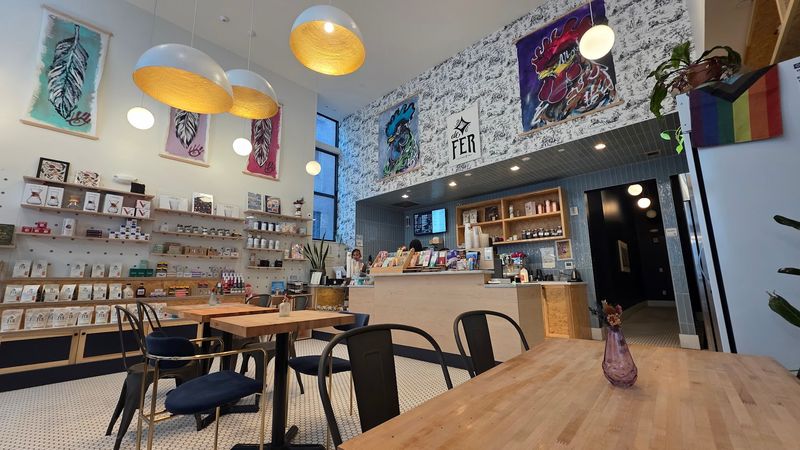
De Fer Coffee & Tea has become a true anchor in Pittsburgh’s Strip District, and you can feel that status the moment you walk in. It is polished without feeling detached, lively without becoming chaotic, and deeply tied to the neighborhood around it.
That balance makes it more than just a popular café.
The Strip District rewards places that can serve both daily regulars and the steady stream of people moving through the area. De Fer handles that mix well by offering quality drinks, a comfortable setting, and a strong sense of local presence.
It feels like a meeting point rather than simply a business.
Events and community activity help reinforce that identity. When a coffee shop becomes a place where people gather for reasons beyond caffeine, its role in the neighborhood expands.
That is exactly what has happened here, making De Fer one of Pittsburgh’s clearest examples of a modern coffee institution.
La Prima Espresso Company
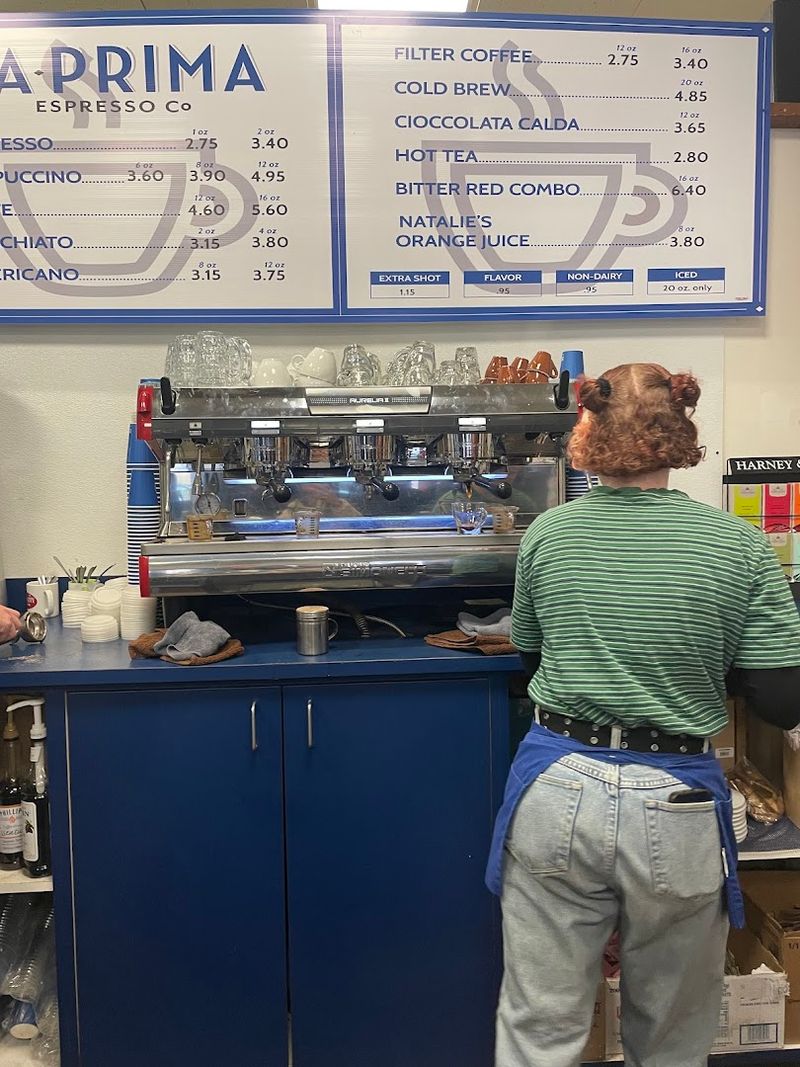
La Prima Espresso Company represents a different kind of coffee institution, one built less on trends and more on tradition. In Pittsburgh, it has served espresso with an old-school confidence that continues to attract loyal customers decade after decade.
That staying power says a lot.
There is something reassuring about a shop that knows exactly what it is. La Prima has long offered Italian-style coffee in a way that feels rooted, unfussy, and consistent, which makes it especially easy for locals to claim as their own.
People trust places like that.
Its longevity gives it an almost landmark quality in the Strip District. Regulars do not just visit for caffeine – they return for familiarity, rhythm, and the comfort of a place that has held its ground.
In a coffee landscape that constantly reinvents itself, La Prima remains important because it proves that timeless neighborhood loyalty can outlast passing fashions.
Redhawk Coffee Roasters
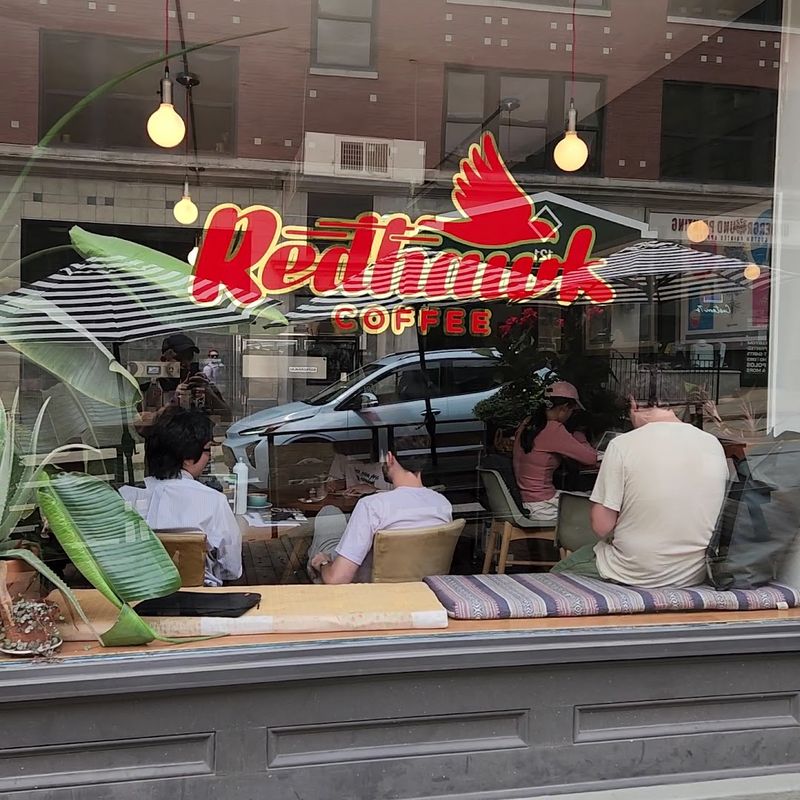
Redhawk Coffee Roasters has become especially meaningful in Pittsburgh because it serves communities that rely on good coffee and dependable spaces every single day. In the Oakland area, that includes students, faculty, and medical workers who often need a café they can count on.
Redhawk has clearly become that place.
The shop’s local strength comes from repeat use, not hype. When people heading to class or hospital shifts keep choosing the same coffee spot, it usually means the service is solid, the drinks are consistently good, and the room works for real life.
That practical loyalty is powerful.
Redhawk also benefits from feeling current without being exclusive. It welcomes serious coffee drinkers while still functioning as an easy neighborhood staple for busy people who just need a reliable start.
That everyday usefulness, paired with quality, is exactly why it has earned such strong affection in one of Pittsburgh’s busiest districts.
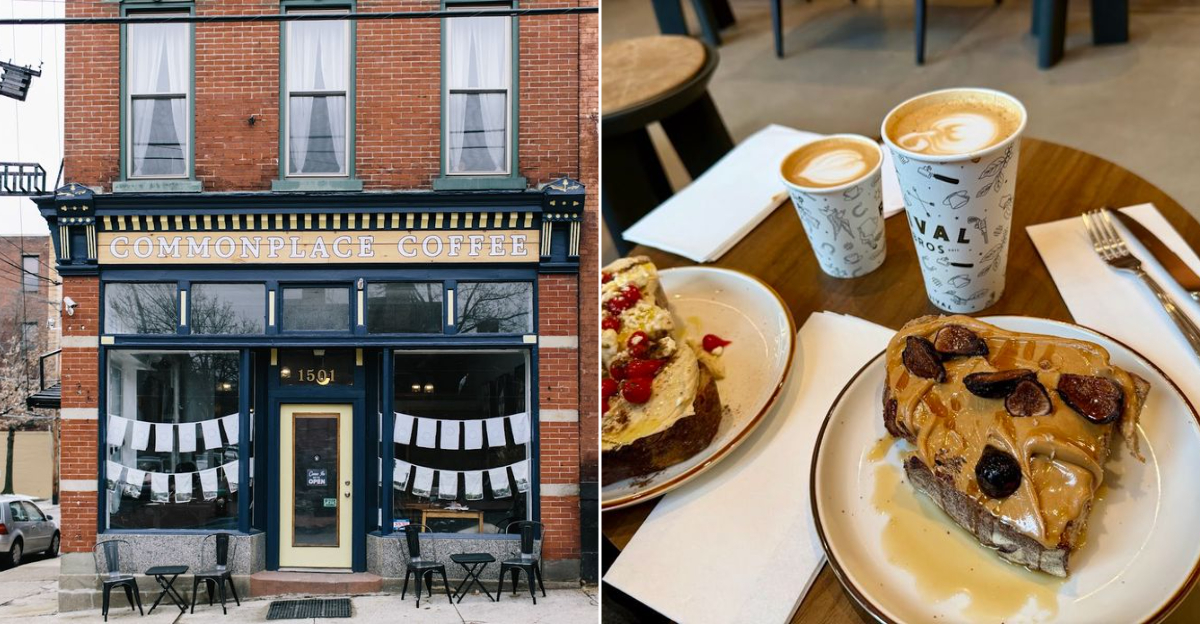
Commonplace Coffee
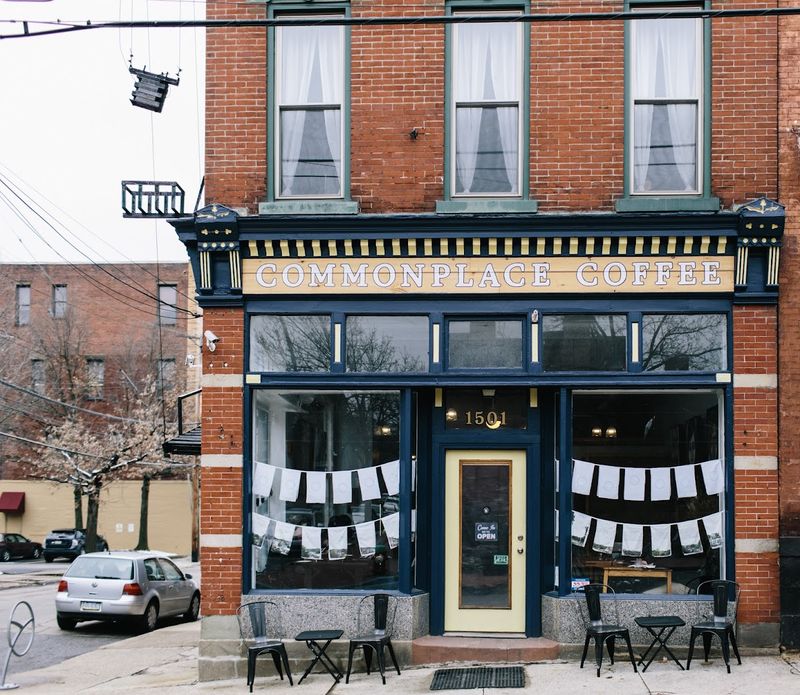
Commonplace Coffee has built its reputation across Pittsburgh by making specialty coffee feel deeply personal and local. Even with multiple locations, the brand still carries a neighborhood-first identity that people respond to.
That is not easy to maintain as a business grows.
Part of Commonplace’s appeal is emotional as much as culinary. The cafés are known for friendly service, comfortable design, and a sense that regulars are genuinely part of the experience rather than background traffic.
Those qualities help create long-term attachment.
Because the company reaches several neighborhoods, it has become woven into many different routines around the city. One person might know it as a quiet morning stop, while another sees it as a standing meetup spot or weekend ritual.
That broad but intimate presence is what makes Commonplace feel institutional. It is not just successful – it has become a familiar, trusted piece of everyday Pittsburgh life.
Caffè d’Amore
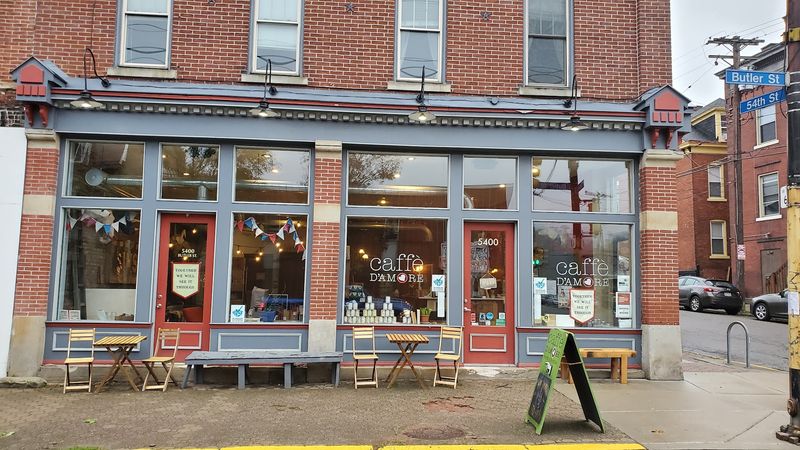
Caffè d’Amore has the kind of cozy neighborhood identity that often creates the strongest local loyalty. It is not trying to dominate the entire city conversation.
Instead, it succeeds by becoming deeply meaningful to the people who return again and again.
That smaller-scale devotion matters. A café becomes an institution when it serves as a reliable extension of the neighborhood, and Caffè d’Amore seems to do that through warmth, ethical sourcing, and an inviting atmosphere.
It gives people reasons to feel good about coming back.
The experience sounds personal rather than transactional, and that can be more powerful than trendiness. When regulars feel known, the shop becomes part of their routine in a way that larger chains rarely achieve.
Pittsburgh has room for coffee places with big regional reach, but it also depends on intimate cafés like this one. Caffè d’Amore earns its reputation through comfort, familiarity, and steady community trust.
Square One Coffee
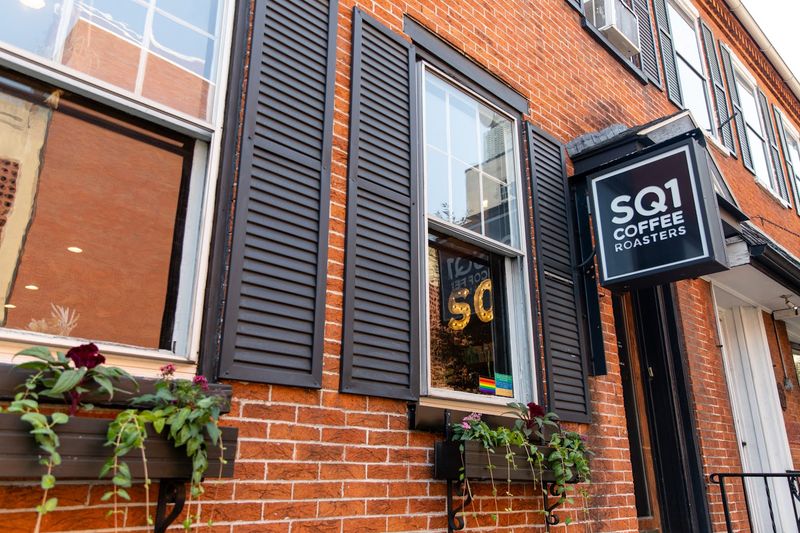
Square One Coffee has become a Lancaster staple by building its identity around relationships as much as drinks. In a smaller city, that kind of grounded presence matters even more because people notice which businesses truly invest in local life.
Square One seems to have done that steadily.
Its emphasis on sustainability and community connection gives the café a sense of values that extends beyond the menu. Customers often stay loyal to places that align quality with purpose, especially when the atmosphere remains approachable.
That combination can create long-lasting trust.
The shop also benefits from being woven into Lancaster’s everyday rhythm. A coffee place does not need to be flashy to become essential – it just needs to be good, reliable, and connected to the people around it.
That is the impression Square One leaves. It feels like a café that has earned its status through consistency, care, and a strong understanding of what its neighborhood actually needs.
Backyard Beans Coffee Company
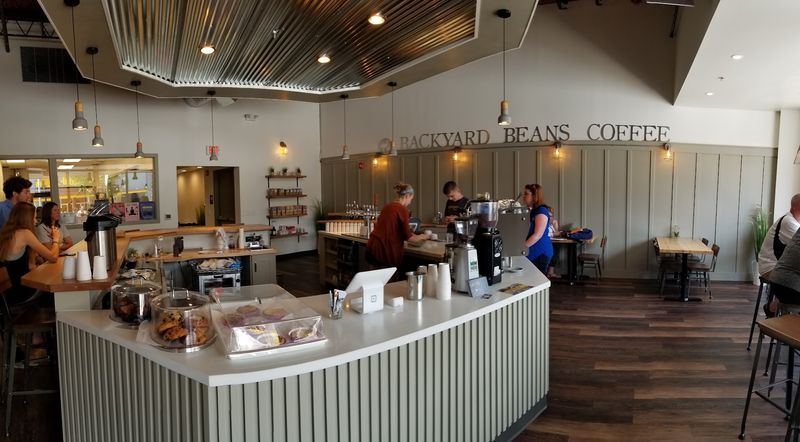
Backyard Beans Coffee Company has become a favorite in State College by tapping into something deeper than campus traffic. Near Penn State, it serves a community that includes students, longtime residents, and the many people moving between those worlds.
That gives the café a unique role in town.
Its emphasis on local sourcing helps strengthen that connection. When a coffee shop reflects the region around it, customers often feel more invested in supporting it, especially in a place where local identity can easily be overshadowed by university life.
Backyard Beans appears to bridge that gap well.
The shop likely works because it feels useful to different kinds of regulars. It can be a study stop, a casual meeting place, or a dependable daily ritual, which is exactly how institutions quietly form.
In State College, that versatility matters. Backyard Beans has earned loyalty by giving the town a coffee space that feels both community-rooted and genuinely welcoming.