Some theaters feel old because of velvet seats and framed posters, but the Savannah Theatre feels old because it has genuinely watched America grow up. Opened in 1818 on Chippewa Square, this Georgia landmark is still selling tickets, still filling seats, and still making people laugh, sing, and lean forward.
You can visit for the music, the history, the ghost stories, or simply the odd thrill of sitting where audiences have gathered for more than two centuries. What makes it special is that it is not frozen in time – it is still very much alive.
A Stage That Has Outlasted Empires
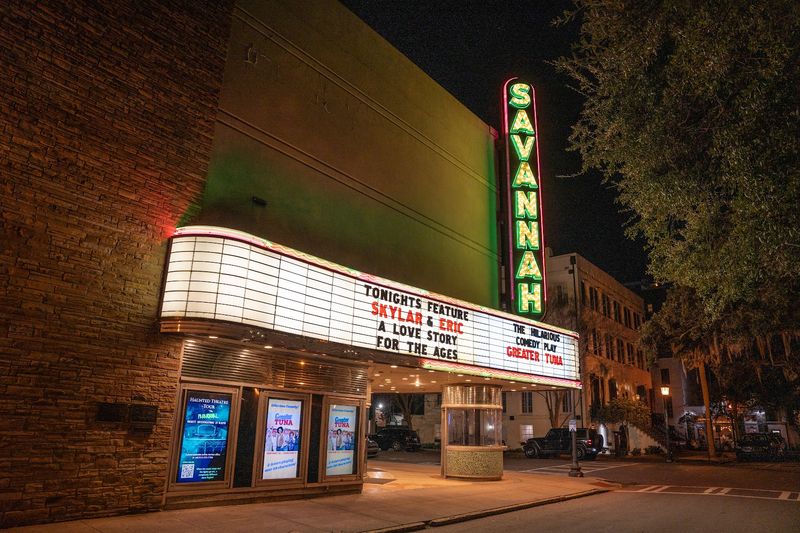
The Savannah Theatre opened on December 4, 1818, with a performance of The Soldier’s Daughter, which feels almost impossible when you stand outside its doors today. That date lands just 31 years after the U.S.
Constitution was ratified, while George IV was still king of England. You are not just looking at an old building, but at a stage that has outlasted governments, wars, fashions, and entire entertainment industries.
Its claim is especially powerful because it remains on its original site at 222 Bull Street, facing Chippewa Square in Savannah’s Historic District. Many historic theaters have been rebuilt elsewhere, converted into museums, or reduced to plaques.
This one still asks a simple question: what are you doing tonight?
That continued use is what makes the place feel alive instead of antique. When the lights dim, the age of the room becomes part of the show.
You sense time sitting beside you.
Where Chippewa Square Turns Into a Lobby
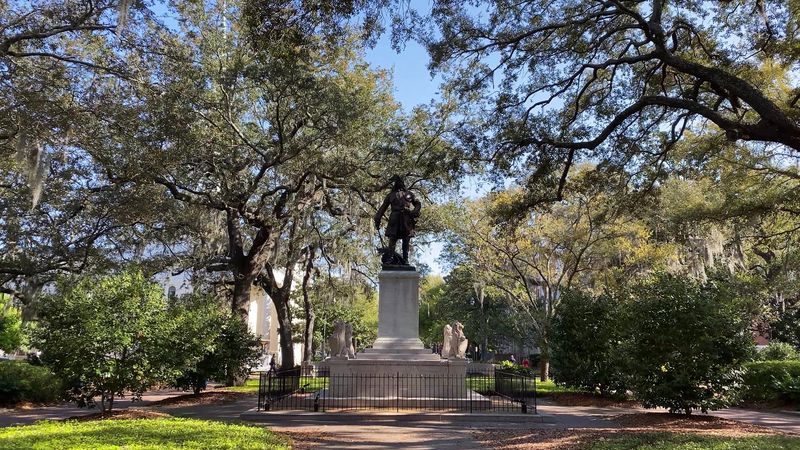
The Savannah Theatre sits where sightseeing and showtime naturally collide, right on Chippewa Square in the heart of the city’s landmark Historic District. If you arrive early, you can wander beneath live oaks, pass 18th and 19th century architecture, and feel the neighborhood shifting from daytime tour route to evening gathering place.
It is one of those rare venues where the walk to the door is almost part of the ticket.
Chippewa Square is famous for another reason too: the park bench scenes from Forrest Gump were filmed there. The actual bench now lives at the Savannah History Museum, but people still pause in the square to imagine it.
That pop culture layer adds a quirky modern wink to a much older setting.
For visitors, the location is a gift. Dinner, hotels, squares, ghost tours, and the theater are all close together.
You can make a whole night without moving your car.
From Opera Nights to Vaudeville Weirdness
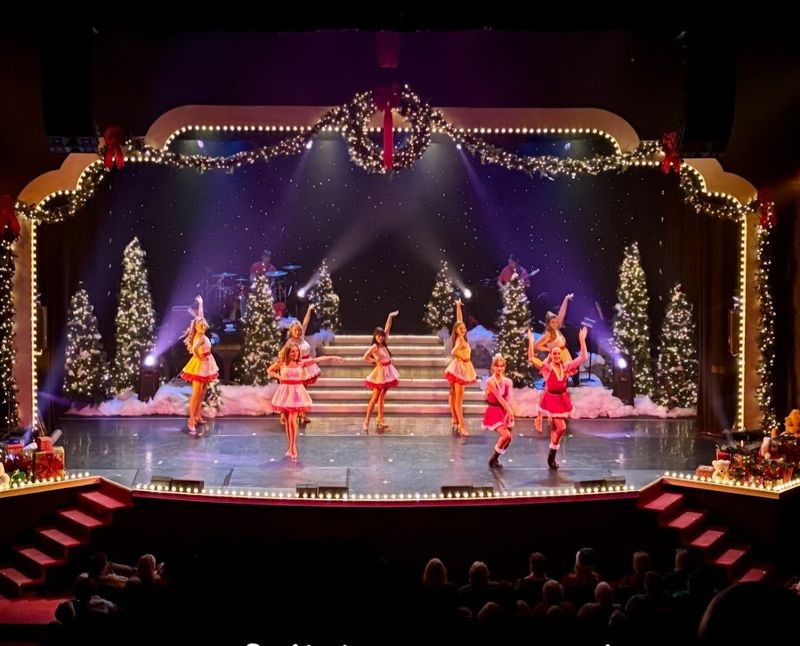
The Savannah Theatre has never survived by being only one thing. Over more than 200 years, it has hosted dramatic plays, opera, vaudeville acts, musical productions, and movies, changing with whatever audiences wanted next.
That flexibility may be the real secret behind its long life.
Picture the same site welcoming formal opera crowds one decade, comic vaudeville performers another, and filmgoers later on. The building has been damaged by an 1898 hurricane and major fires in 1906 and 1948, yet it kept returning.
Some places become historic because nothing ever happens to them, but this theater became historic because everything happened to it.
That makes its story feel less like preservation and more like survival with a spotlight. You can sense the improvisational spirit in the way it still operates today.
The Savannah Theatre seems to say that entertainment changes, but the hunger for a shared room never really does.
Art Deco Bones Inside an 1818 Story
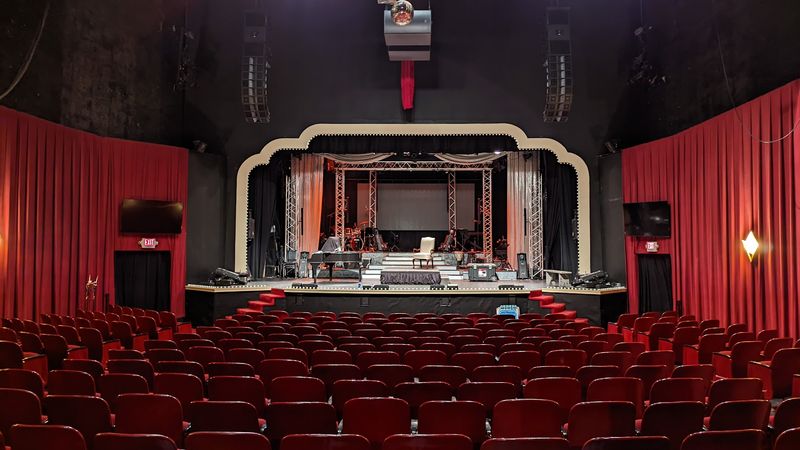
If you expect the Savannah Theatre to look purely colonial inside, the 1948 Art Deco character may surprise you. After a major fire, the theater took on a mid-century look that now gives the space a layered, slightly unexpected personality.
It is old, but not in the way a house museum is old.
The original 1818 structure was designed by British architect William Jay, whose work also shaped important Savannah landmarks like the Telfair Mansion and the Owens-Thomas House. Later fires and renovations changed the facade and interior, leaving behind a building that carries several eras at once.
That patchwork is part of its charm.
Walking in, you are not stepping into a perfectly preserved time capsule. You are stepping into a place that has been repaired, redesigned, and reused because people kept needing it.
The Art Deco atmosphere makes the history feel practical rather than precious, which suits Savannah beautifully.
What Is Actually Playing Tonight
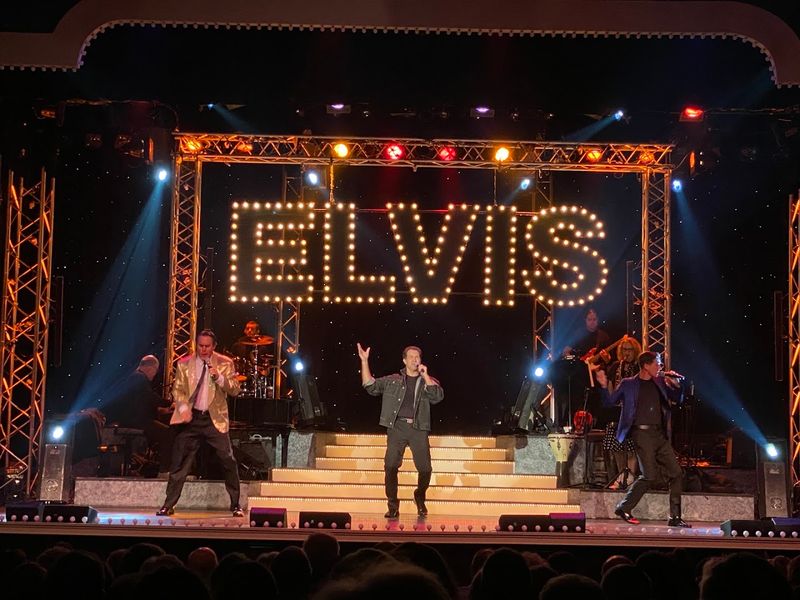
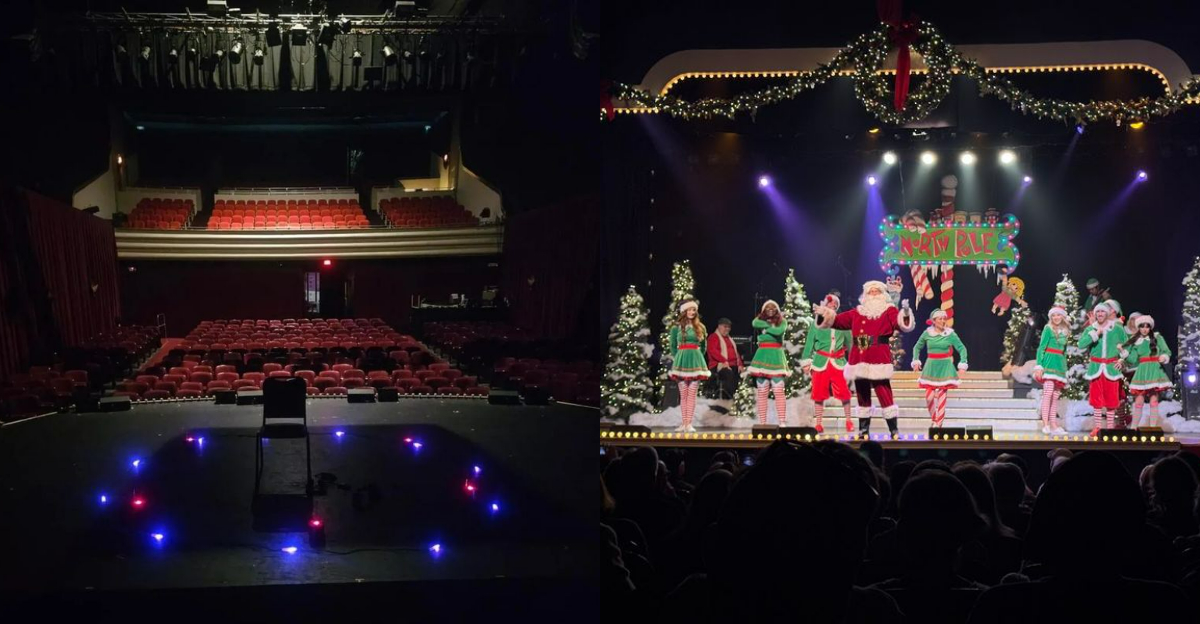
Today, the Savannah Theatre is best known for live musical revues and stage productions that lean lively, polished, and crowd-friendly. Since 2002, its programming has centered heavily on music, with shows covering pop, jazz, country, Broadway, rock and roll, and seasonal favorites.
If you are hoping for a quiet experimental monologue, this probably is not the room.
What you are more likely to find is a fast-moving evening built around strong vocals, familiar songs, dancing, comedy, and a sense that the cast wants you to have fun. The live band matters, because it gives the performances a pulse that recorded backing tracks cannot fake.
You hear real musicians reacting in real time.
That makes the experience easy to recommend to mixed groups. Grandparents, kids, theater fans, and casual travelers can usually find something to enjoy.
It is accessible without feeling lazy, which is harder to pull off than it looks.
The Resident Cast You Can Almost High-Five
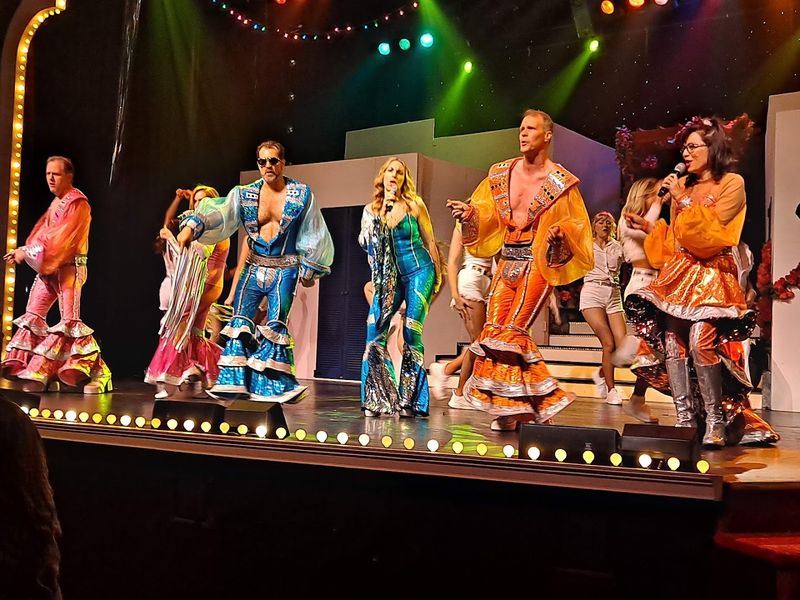
One reason the Savannah Theatre feels personal is that it uses a resident cast rather than relying only on one-night touring acts. These singers, dancers, musicians, and production people perform repeatedly throughout the year, building the kind of timing that comes from living with a show.
You can feel that familiarity in the way numbers move and jokes land.
The venue seats roughly 500 to 525 people, so the scale stays intimate. From many seats, performers are close enough for real eye contact, facial expressions, and small moments that vanish in larger halls.
That closeness can make even a big musical number feel surprisingly human.
Co-owners Matt and Michelle Meece have been closely tied to the theater’s modern era, and audience reviews often mention the warmth of the cast and staff. After some shows, visitors describe meeting performers in the lobby.
That kind of access turns a night out into a memory.
The Feel of the Room Once the Lights Drop
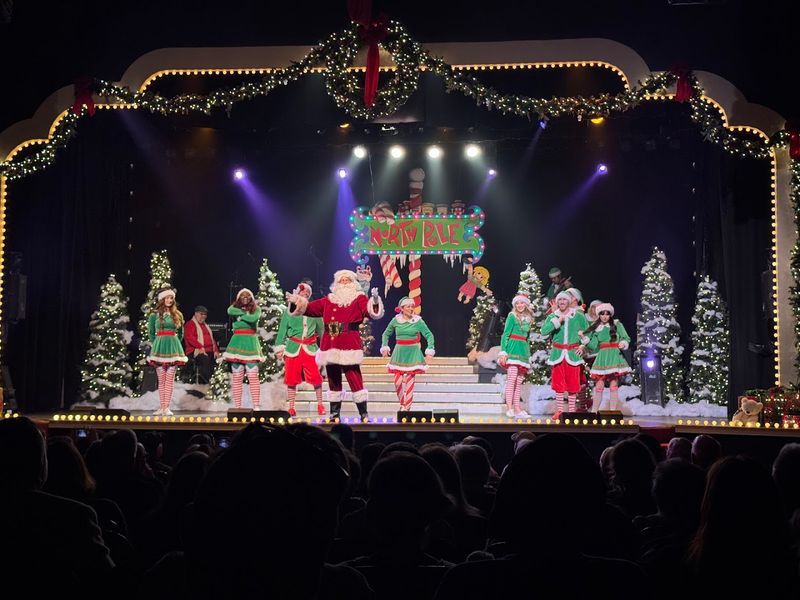
Attending a show at the Savannah Theatre feels more relaxed than a formal concert hall, but more polished than casual nightlife. You find your seat, notice how close the stage is, and quickly understand why people call the room intimate.
The sound can feel immediate because the venue is large enough for energy but small enough for detail.
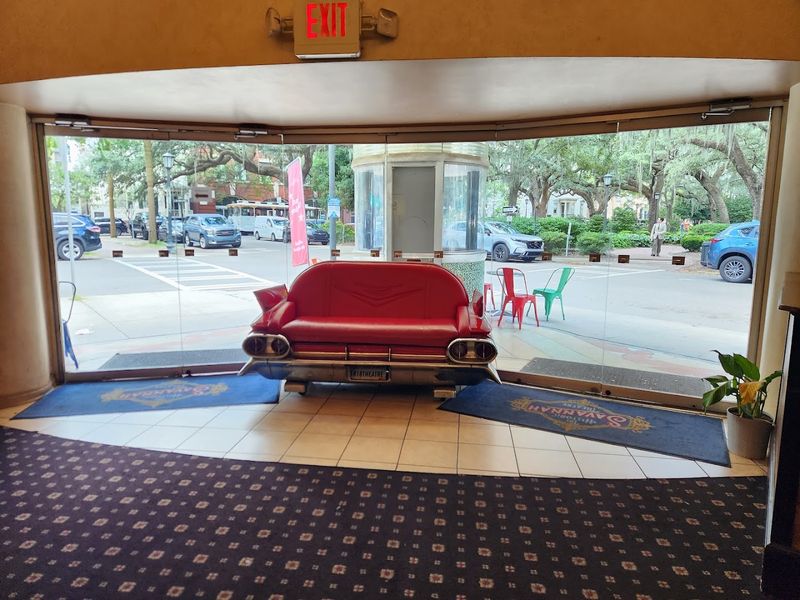
The crowd is usually a mix of tourists, locals, families, couples, and repeat visitors who treat certain shows as traditions. The lobby snack bar offers refreshments, including drinks, wine, candy, soda, popcorn, and other easy theater comforts.
That simple setup helps the evening feel welcoming instead of stiff.
Because the room is compact, sight lines tend to feel personal, and audience reactions travel fast. Laughter spreads, applause feels communal, and a strong vocal moment can land with surprising force.
If you like performances where the room matters, this is the kind of place you remember.
A Savannah Night Built Around the Theater
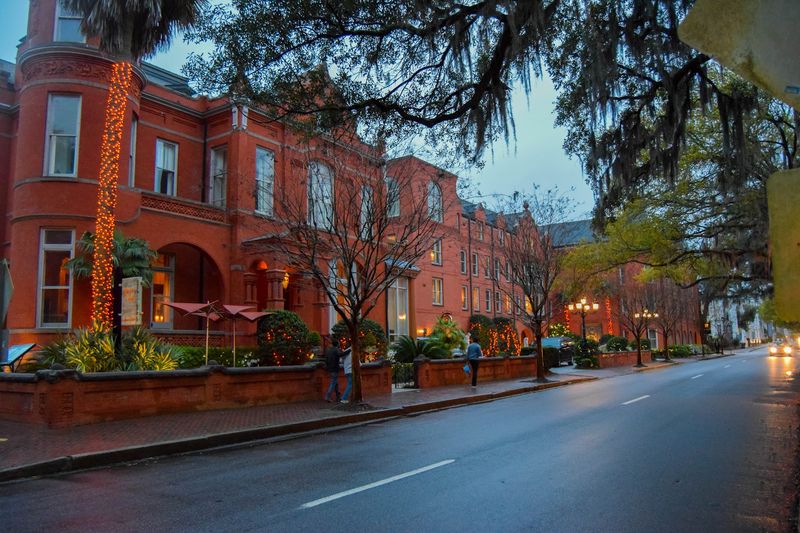
The Savannah Theatre works especially well because Savannah itself is built for wandering. The Historic District has a compact street grid softened by public squares, shaded sidewalks, historic homes, restaurants, churches, and small surprises tucked into short walks.
You do not have to treat the theater as an isolated destination.
The city has 22 of its original 24 public squares woven through downtown, which changes the rhythm of exploring. One block might feel residential and quiet, the next opens into green space, monuments, benches, and live oaks.
By the time you reach Chippewa Square, you already feel like you have been moving through a stage set.
That is why an evening show fits so naturally into a Savannah trip. You can tour in the morning, linger over dinner, and still arrive without rushing.
The theater becomes part of the city’s slow, atmospheric storytelling, rather than a separate attraction you check off.
Tickets, Timing, Parking, and Smart Seasons
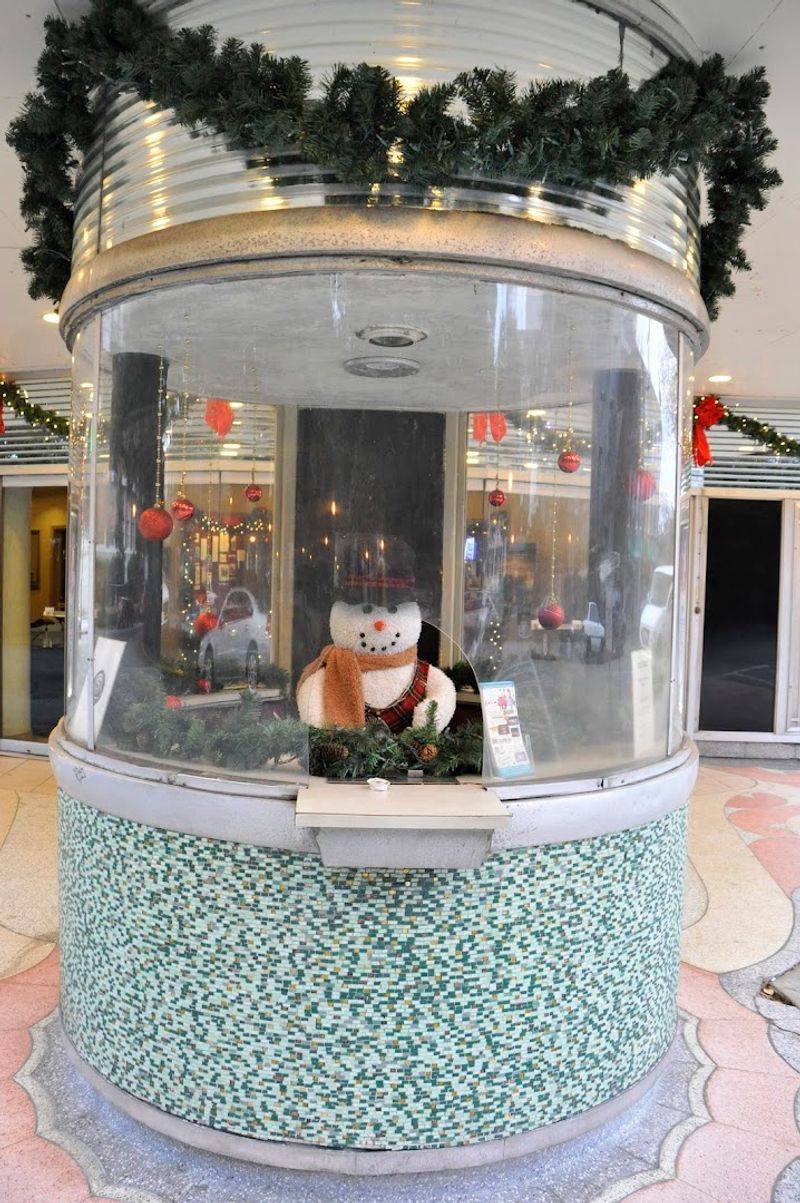
Planning a visit to the Savannah Theatre is refreshingly straightforward. Tickets are typically available through the theater’s website or by phone, and checking the official schedule is the smartest move because performances can vary by season.
Shows commonly run on Wednesday through Saturday evenings, with some Tuesday performances and Sunday matinees appearing on the calendar.
Because the theater is at 222 Bull Street near Chippewa Square, parking requires normal Historic District patience. You may find metered street parking, nearby garages, rideshare options, or a walk from your hotel if you are staying downtown.
I would arrive early enough to enjoy the square and avoid turning curtain time into a stress test.
Spring and fall usually bring the most comfortable walking weather, but Savannah’s mild winters are underrated. January and February can be surprisingly practical for travelers who want fewer crowds while attractions remain active.
Pairing an off-season visit with a show makes excellent sense.
The Ghost-Light Feeling After the Final Bow
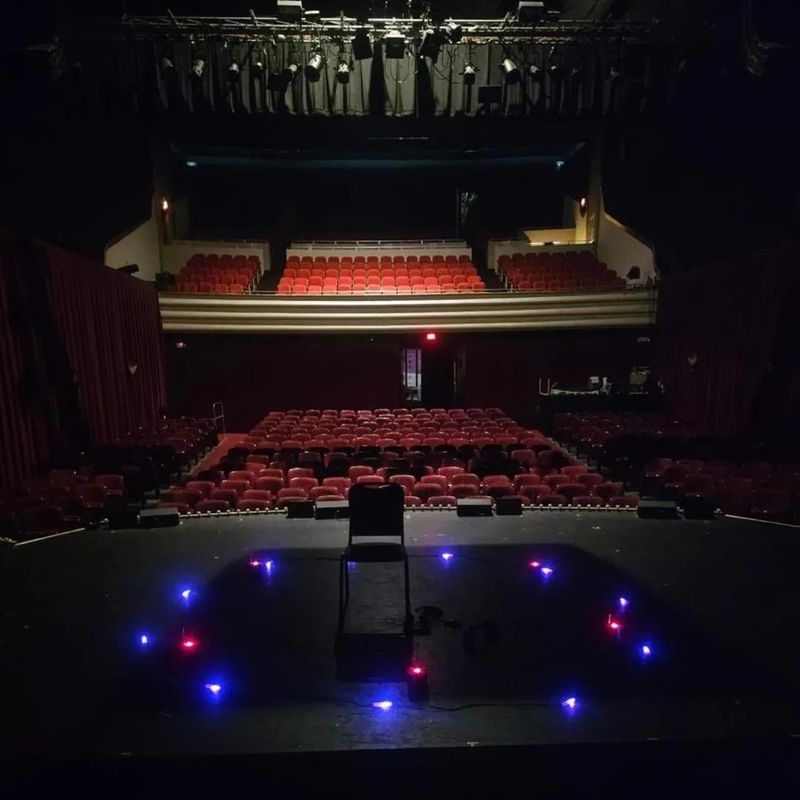
What stays with you after a Savannah Theatre show may not be one specific song, costume, or joke. It is the strange awareness that people have been reacting in this same place since 1818.
Applause feels different when you imagine layers of earlier audiences sitting somewhere in the dark with you.
That does not mean the evening has to be solemn. In fact, part of the charm is that the history sits quietly behind a very present-tense experience of music, laughter, snacks, and ordinary fun.
The past is not lecturing you, but it is there.
Savannah is famous for ghost stories, and the theater has even attracted paranormal tours and investigations, according to many recent visitors. Whether or not you believe in that side of the building, the atmosphere is real.
A theater this old naturally collects echoes, and leaving after the final bow can feel like stepping out of one century into another.
Why a Working Old Theater Still Matters
The Savannah Theatre matters because it proves an old theater does not have to become a silent monument to be respected. It can sell tickets, hire performers, update shows, serve popcorn, welcome tourists, and still carry the weight of two centuries.
That combination is rarer than it should be.
Unlike a landmark you only observe, this is a commercial performing arts theater that depends on people choosing to attend. Every ticket helps keep the lights on, the cast working, the band playing, and the building useful.
Preservation here is not only about plaques and restoration, but participation.
That is the real reason to go. You are not merely rewarding nostalgia or checking off Georgia’s oldest theater.
You are stepping into a living system where history earns its place by continuing to entertain. In a world full of disposable screens and temporary venues, that kind of continuity feels quietly radical.