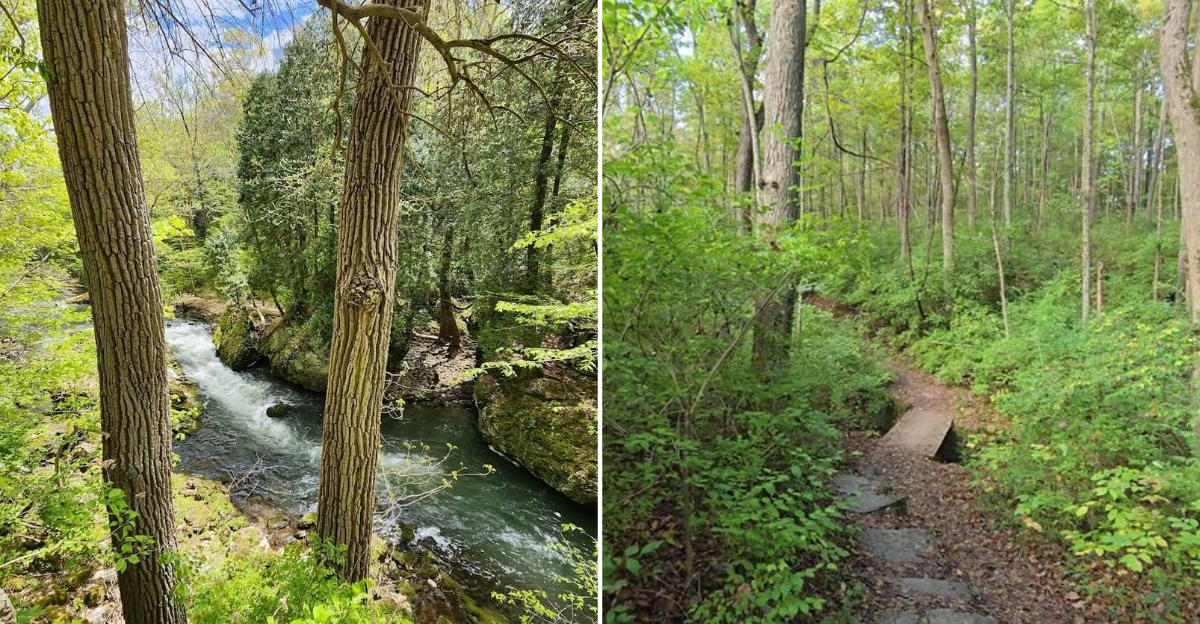
Clifton Gorge State Nature Preserve is the kind of Ohio place that makes you slow down before the trail even begins. One minute you are near quiet roads and farm country, and the next you are staring into a limestone gorge carved by the Little Miami River.
The preserve feels rugged, intimate, and surprisingly dramatic, with narrow paths, rocky ledges, rushing water, and forest views that change with every season. If you want a hike that feels bigger than its mileage, this Yellow Springs landmark deserves a careful spot on your list.
Start With the Gorge Overlooks Near Clifton
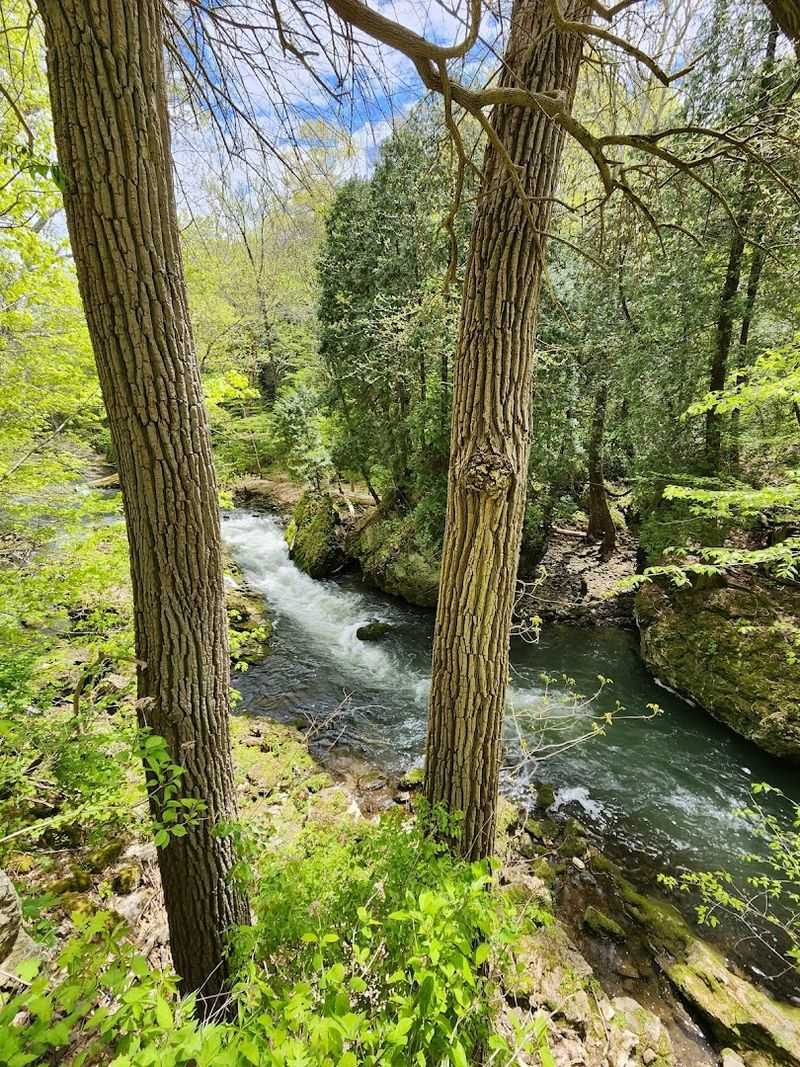
Begin your visit near the Clifton side of the preserve, where short paths lead quickly toward some of the easiest gorge views. This is the best introduction if you want drama without committing to the rockier lower trail right away.
The overlooks let you see how sharply the Little Miami River has cut through limestone and dolomite.
From these viewpoints, you can pause and orient yourself before choosing a longer route. The scenery feels especially powerful after rain, when whitewater gathers speed through the narrow channel below.
Even on a calm day, the depth of the gorge makes the landscape feel unusually wild for western Ohio.
This area is also practical for visitors with limited time. You can get a strong sense of Clifton Gorge in a short walk, then decide whether to continue deeper into the preserve.
It is not fully accessible, but it is less demanding than the lower rocky sections.
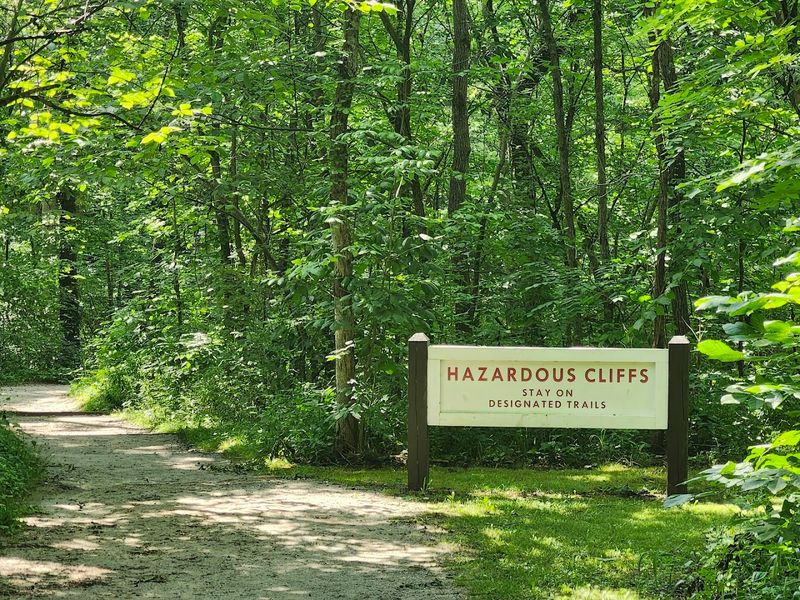
Keep your valuables out of sight at parking areas, follow posted preserve rules, and stay behind barriers. The cliffs are beautiful, but they are also steep enough to require full attention.
Follow the Lower Gorge Trail for the Wildest Water Views
The lower gorge trail is where Clifton Gorge feels most alive, especially when the river is running high. You walk close to the Little Miami River, hearing water ricochet through the narrow channel and over exposed rock.
The views are not just scenic, they feel energetic and close enough to command your attention.
This route is also the section where you need the most care. Reviews often mention uneven rocks, slick surfaces after rain, roots, steps, and narrow footing.
Sturdy shoes make a real difference here, and moving slowly is part of enjoying the place safely.
If you are comfortable on rugged paths, this trail rewards you with the preserve’s most memorable water scenes. The gorge walls rise around you, and the river shifts between calm pools and loud, fast currents.
After a wet spring or extended rainfall, the whitewater can look spectacular.
Do not treat this as a casual paved stroll. It is manageable for many hikers, but not suited for strollers, wheelchairs, or anyone unsteady on uneven terrain.
Choose dry conditions if balance is a concern.
Take the North Rim Trail for an Easier Perspective
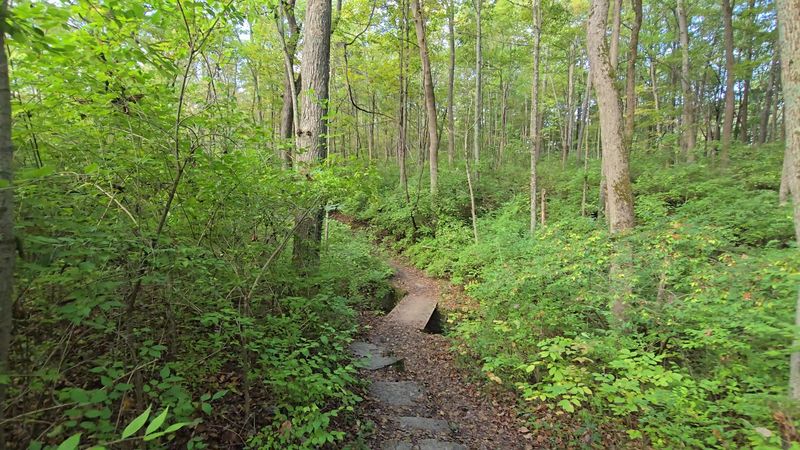
The North Rim Trail gives you a calmer way to experience Clifton Gorge without dropping immediately into the roughest terrain. It stays higher above the river and offers a different angle on the cliffs, trees, and carved rock below.
If you like views but prefer steadier footing, this is usually the smarter starting point.
The trail still asks for attention because roots, rocks, and natural surfaces are part of the preserve experience. However, many visitors find it easier than the lower gorge route.
It is a good option when the lower trail is slick from recent rain or when you simply want a slower woodland walk.
One of the best parts of the rim route is the way the scenery opens and closes through the trees. You might catch a glimpse of the water far below, then step into quiet forest shade.
In spring and summer, wildflowers and thick greenery soften the rocky landscape.
This trail also pairs well with other routes if you want a loop-style outing. Start high, descend carefully where allowed, then climb back with a fuller sense of the gorge’s depth.
Watch the Little Miami River Change the Mood
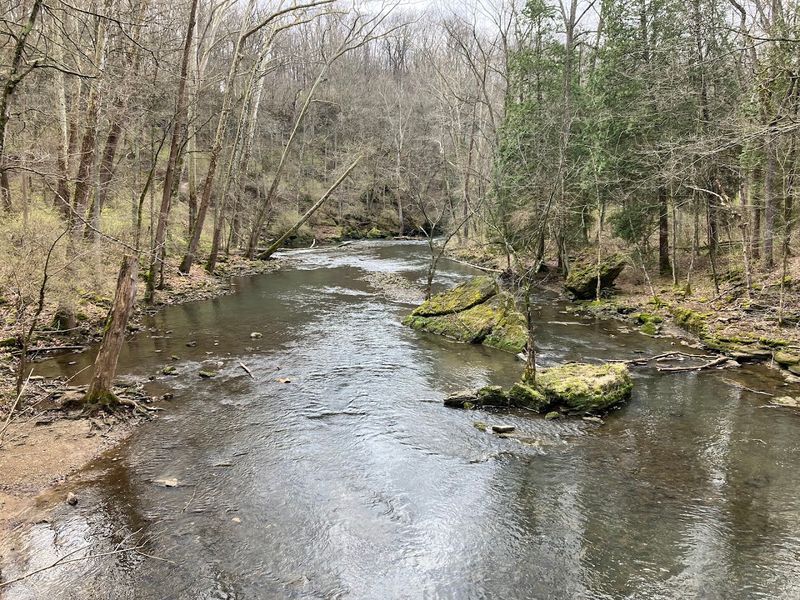
The Little Miami River is the reason Clifton Gorge exists, and it is the feature that changes the whole mood of a visit. In dry stretches, it can feel clear, cool, and quietly sculptural as it moves between rocks.
After heavy rain, it becomes louder and more forceful, turning the gorge into a whitewater showcase.
This is why timing matters so much here. A late May hike after a wet spring can deliver roaring water and misty views, while a winter visit might frame the river with snow and bare branches.
Neither version is better, but each one tells a different story about the landscape.
You do not need to be a geologist to appreciate what the river has done. The tight passage, exposed stone, potholes, and cliff faces make erosion easy to see.
It is one of those places where natural history feels visible instead of abstract.
Plan to stop often, but only from safe spots and designated overlooks. The water is beautiful, yet the surrounding rock can be slick and unforgiving.
Give yourself time to enjoy it without rushing.
Notice the Limestone and Dolomite Geology
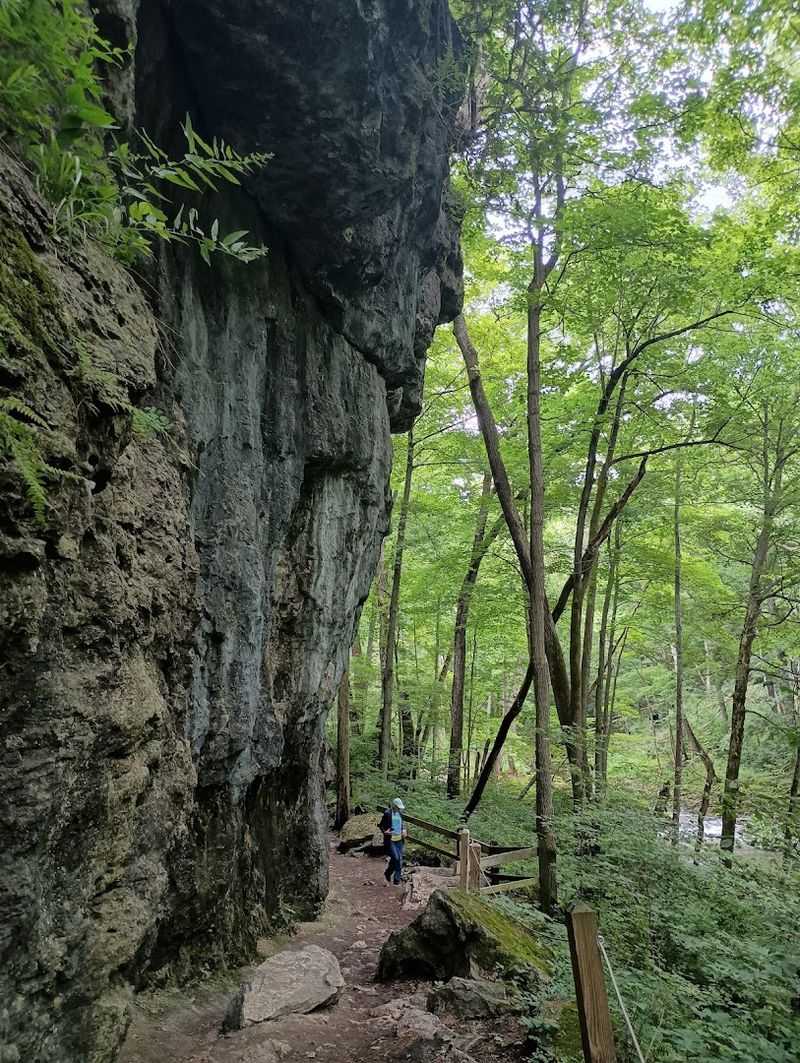
Clifton Gorge is famous because the geology is not hidden under a simple forest trail. Limestone and dolomite walls rise around the paths, showing layers shaped by water over a very long time.
You can see why the preserve is treated as a special natural area rather than just another hiking spot.
The gorge narrows in places, creating dramatic rock corridors and powerful river movement. That tightness is part of what makes the views feel so intense.
Instead of a broad valley, you get a compact, vertical landscape where cliffs, water, and trees compete for space.
Look for textures as you walk: mossy ledges, fractured rock, rounded edges, and damp stone near the river. These details help explain why the footing can be uneven and slippery.
The same forces that make the place beautiful also make it rugged.
If you stop by the nature center during a longer hike, you may find context about the area’s geology and ecology. Even without formal interpretation, slow observation adds depth.
The rocks make the trail feel like an outdoor classroom.
Plan for Rocky, Narrow, and Sometimes Slick Trails
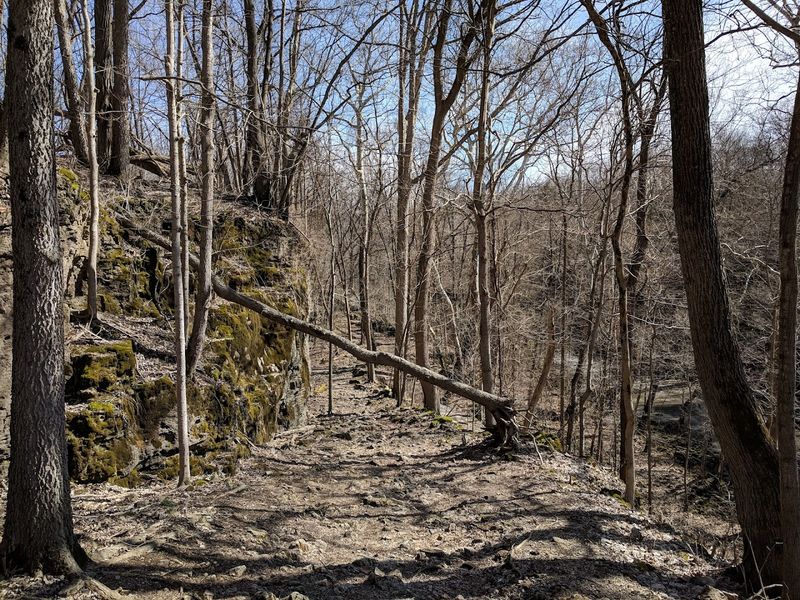
Clifton Gorge is beautiful, but it is not a place to underestimate your footing. Many trail sections include rocks, roots, stairs, uneven ground, and narrow passages near steep terrain.
If you come expecting a polished city path, the preserve may surprise you quickly.
Good footwear is the easiest way to improve your experience. Hiking shoes or grippy trail sneakers are far better than smooth-bottomed casual shoes, especially after rain.
Several visitors mention that the lower trails can become slick, and that warning is worth taking seriously.
You should also pace yourself, particularly if you are hiking with children or anyone who feels unstable on natural surfaces. The trails are rewarding, but they are not stroller-friendly or wheelchair-accessible in the gorge sections.
Handrails and steps help in places, but they do not remove the need for caution.
Bring water, keep your hands free when possible, and avoid stepping off trail for photos. The preserve protects fragile habitat as well as visitors.
Staying on marked paths keeps both the landscape and your hike in better shape.
Connect Your Hike Toward John Bryan State Park
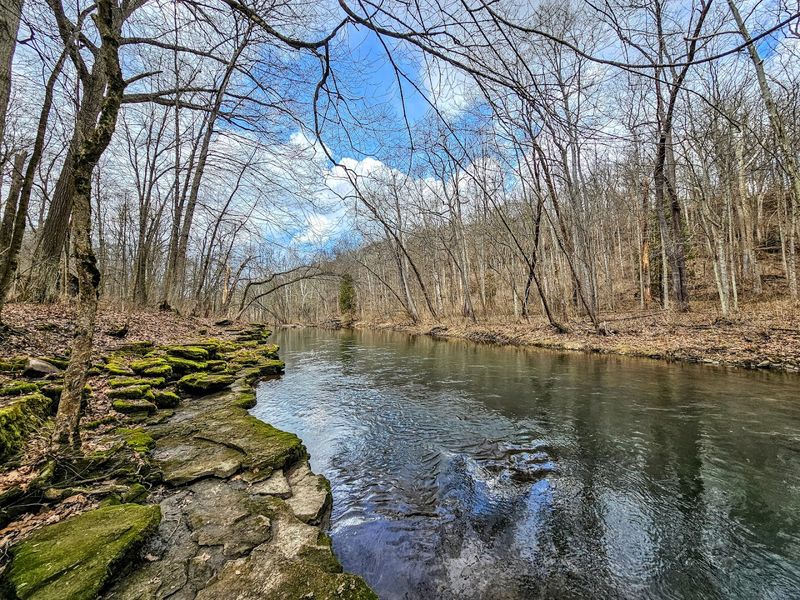
One of Clifton Gorge’s biggest advantages is its connection to John Bryan State Park. If you want more mileage, you can start in the preserve and continue into the neighboring park for a longer woodland and river hike.
This makes the area flexible for both short visits and day-long outings.
Many repeat visitors like building a route that begins at Clifton Gorge, follows the river corridor, and reaches farther bridges or park trails. The experience shifts as you move, but the Little Miami River remains the anchor.
It is a satisfying way to turn a compact preserve visit into a fuller adventure.
That said, plan your distance before you get carried away by the scenery. Out-and-back routes can feel easy at first, then longer on the return once stairs and rocks add up.
Check maps at trailheads and pay attention to where you parked.
This connection is especially useful when parking near Clifton is busy. Some hikers prefer parking at John Bryan and walking in.
Choose the option that matches your time, energy, and comfort level.
Visit in Different Seasons for Changing Scenery
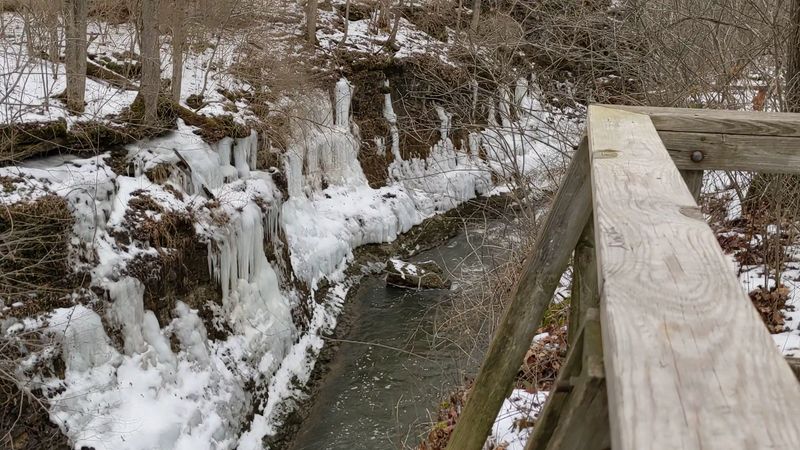
Clifton Gorge is not a one-season destination. Spring brings wildflowers, fresh green leaves, and stronger water after rain, while summer wraps the gorge in dense shade.
Fall adds color to the rim trails, and winter can make the cliffs and river feel stark, quiet, and surprisingly dramatic.
If you enjoy photography, each season gives you a different reason to return. Wet weather can create powerful whitewater, but it also makes rocks slick.
Snow can make the gorge look magical, though cold conditions require extra care on steps and uneven surfaces.
Spring is especially rewarding because the preserve protects delicate plant communities. You may notice different flowers blooming from one visit to the next.
Stay on trail, even when a photo angle tempts you, because closed or protected areas help vegetation recover and thrive.
Midweek visits often feel more peaceful than busy weekends, particularly when the weather is perfect. Morning light can be lovely in the trees, while late afternoon gives the gorge a softer mood.
The hours run 8 AM to 8 PM.
Know the Preserve Rules Before You Go
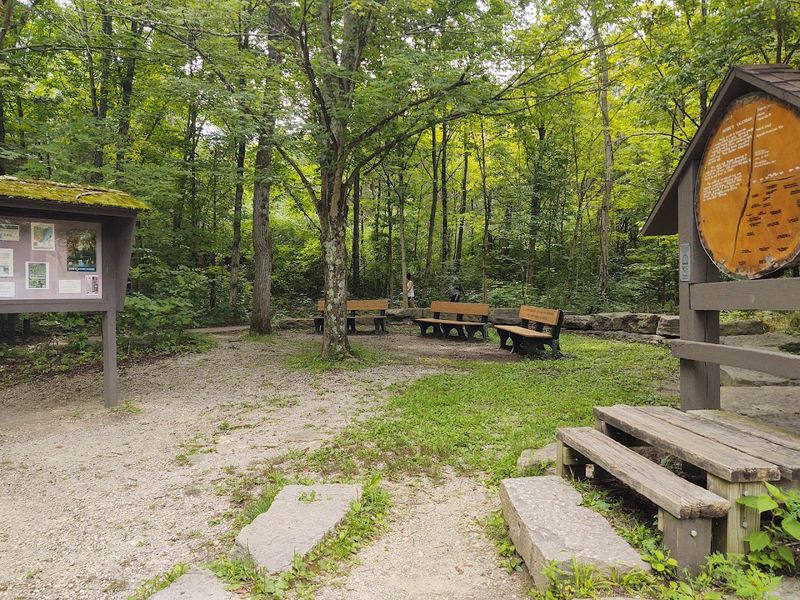
Because Clifton Gorge is a state nature preserve, the rules are stricter than at many general recreation areas. The most important one for many visitors is that pets are not allowed.
If you are traveling with a dog, you will need to choose a different nearby walk rather than bringing it onto these trails.
The rule can disappoint people, but it reflects the preserve’s purpose. Sensitive plants, wildlife, nesting areas, and narrow trail conditions all benefit from reduced disturbance.
This place is managed first for conservation, with hiking allowed in ways that protect the habitat.
You should also expect limited amenities. There may not be trash or recycling on the trail, so carry out everything you bring in.
Restrooms are not always available at every access point, though visitors often mention facilities near the nature center area when hiking through connected routes.
Before leaving your car, secure valuables and read posted signs. Some parking areas include warnings, and it is smart to take them seriously without letting them ruin the trip.
Prepared visitors tend to enjoy the preserve more fully.
Pair the Hike With Yellow Springs and Clifton Stops
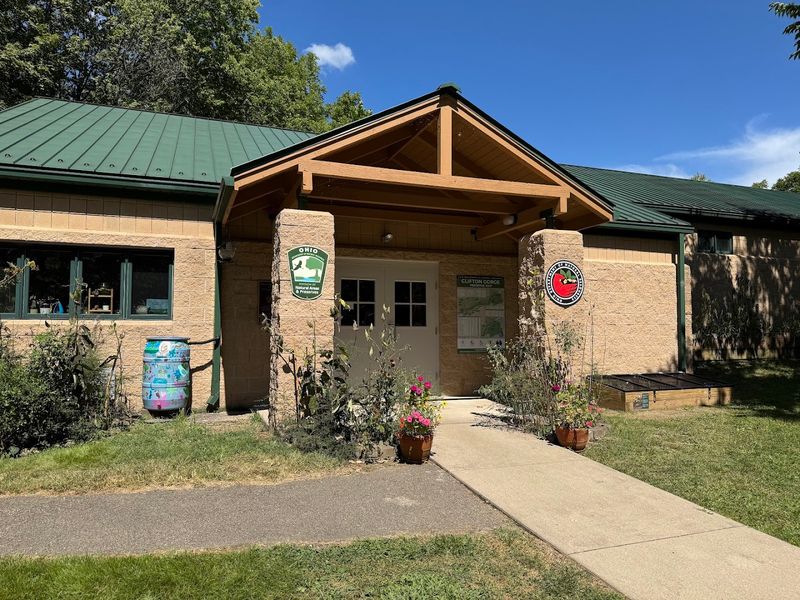
Part of the appeal of Clifton Gorge is how easily it fits into a bigger Yellow Springs or Clifton day. You can hike the gorge, then grab food, wander nearby streets, or visit the historic mill area.
The preserve feels remote on the trail, yet it sits close to small-town comforts.
Many visitors like starting with breakfast or coffee before hiking, especially if they plan to tackle both rim and lower sections. Others save a meal for afterward, when rocky steps and river views have worked up an appetite.
Either way, the location makes the outing feel easy to build around.
The address is 2381 OH-343, Yellow Springs, OH 45387, and the preserve is generally open from 8 AM to 8 PM. For current details, check the Ohio Department of Natural Resources page before you go.
Weather, trail conditions, and preserve notices can affect your plan.
Give yourself more time than you think you need. Clifton Gorge is short enough for a quick stop, but beautiful enough to slow you down.
That is exactly why people keep returning.