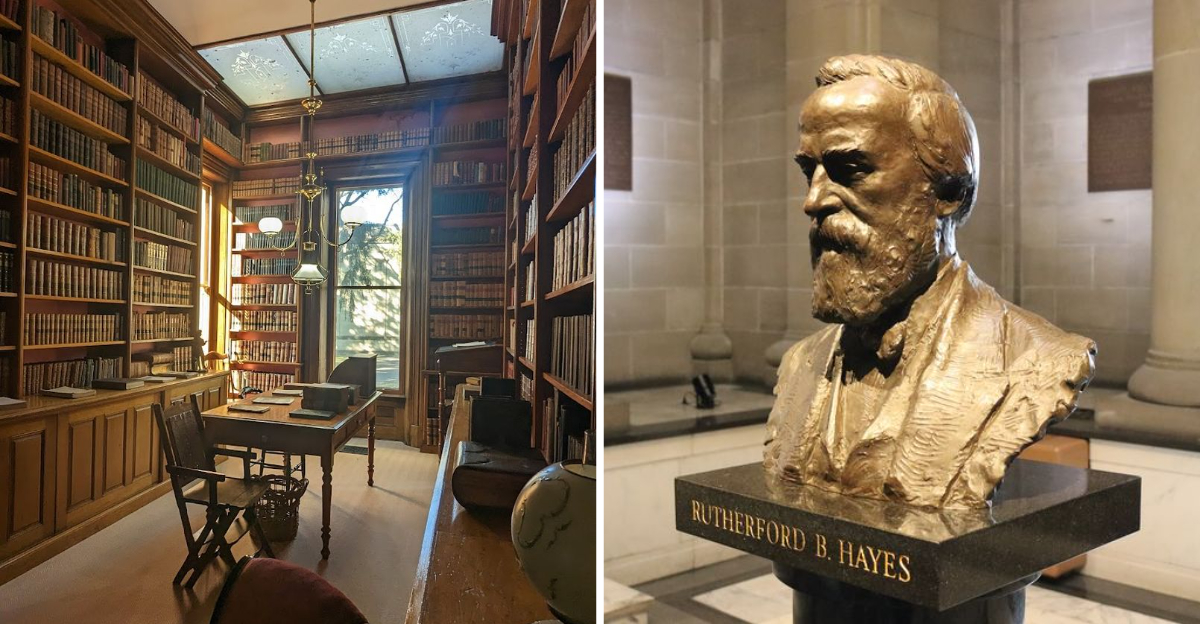
Long before presidential libraries became national landmarks, a quiet estate in Fremont, Ohio, set the standard. The Rutherford B.
Hayes Presidential Library & Museums brings together a president’s home, personal papers, artifacts, wooded grounds, and family burial site in one remarkably complete place. If you enjoy history that feels personal rather than distant, this is the kind of stop that rewards slow looking.
Spiegel Grove is not just a museum address – it is where public history, family memory, and Ohio pride meet.
The Birthplace Of America’s Presidential Library Tradition
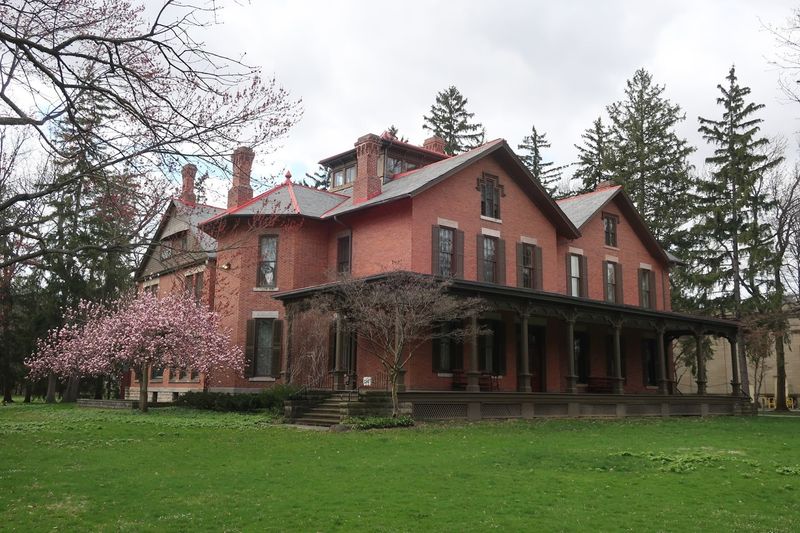
More than a century ago, Fremont became the place where America first learned what a presidential library could be. The Rutherford B.
Hayes Presidential Library & Museums opened in 1916, built around the records, books, and personal collections preserved by Hayes and his family. You feel that early ambition the moment you arrive at Spiegel Grove, because the site was designed to connect documents, objects, house, landscape, and memory.
Unlike later presidential libraries, this one grew from a family estate rather than a federal template. Hayes’ son, Colonel Webb C.
Hayes, helped create the institution and donated materials so the public could study the 19th president’s life with real depth. That decision gave visitors access to a rare combination of scholarship and setting, which still makes the museum feel unusually grounded.
If you are used to history being locked behind glass, this place feels more immediate. You can move from exhibits about disputed elections to the actual rooms where the Hayes family lived, then walk the same shaded grounds they knew.
It is a reminder that presidential history started here with papers, place, and care.
Spiegel Grove, The Estate That Frames The Story
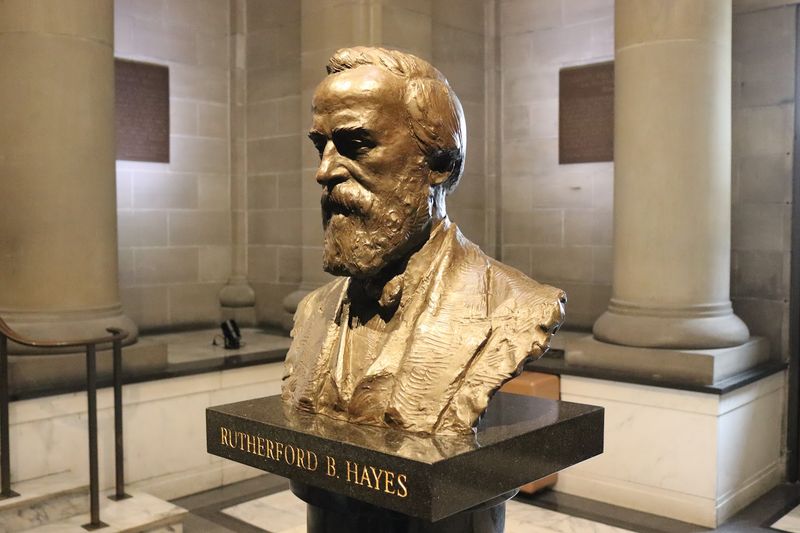
Before you step inside a building, the landscape tells you this is no ordinary museum campus. Spiegel Grove spreads across about 25 acres in Fremont, with mature trees, curving paths, gardens, and open views that soften the grandeur of the estate.
You can come for presidential history and still find yourself lingering because the grounds invite a slower pace.
The name Spiegel Grove comes from the reflective pools that once appeared after rains, and that poetic detail suits the property well. Walking here gives you room to think about the Hayes family not as textbook figures, but as people who lived, entertained, mourned, and planned in this wooded setting.
Reviewers often mention the beauty of the grounds, and it is easy to understand why after one loop around the paths.
For practical planning, the outdoor areas are especially useful if your schedule is tight or you are traveling with someone who needs a break from indoor exhibits. The paths lead toward the home, museum, and gravesite, making the estate feel connected rather than scattered.
Bring comfortable shoes, because the best visit includes time outside.
A Guided Look Inside The Hayes Family Home
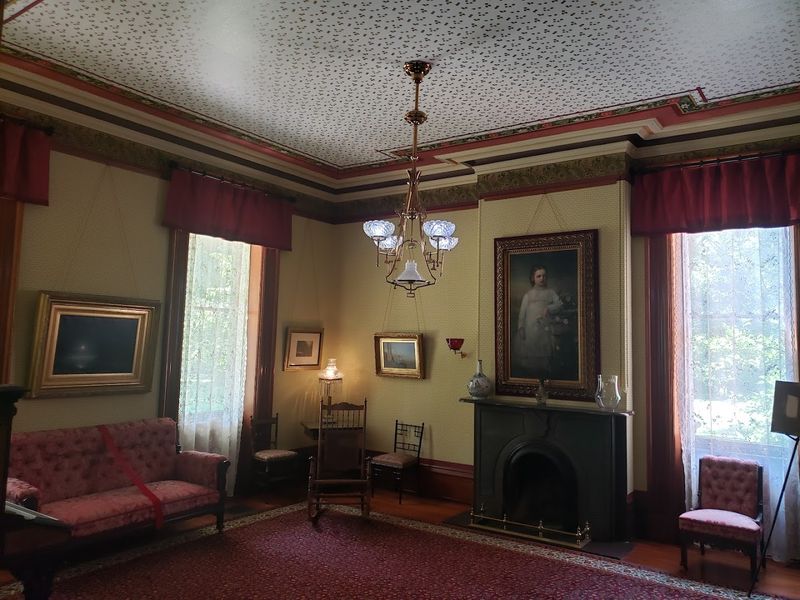
Inside the Hayes residence, the story becomes intimate in a way exhibit labels alone cannot manage. The house is often described as a 31-room mansion, and guided tours help you understand how generations of the family shaped the rooms over time.
You see Victorian details, family furnishings, artwork, photographs, and domestic spaces that make the public figure feel more human.
A good guide can make the home tour one of the strongest parts of the visit, and many guests remember docents who shared sharp details about Rutherford, Lucy, and their descendants. You may hear about household routines, political visitors, architectural changes, and the ways the family preserved its own history.
If you like asking questions, this tour rewards curiosity, so do not hesitate to speak up when a room sparks something.
Accessibility has also been part of the site’s care, including restored elevator access that helps guests see more of the house. Plan about an hour for the tour, then give yourself breathing room afterward to connect what you saw with the museum galleries.
The home is not just a backdrop; it is central evidence.
Museum Galleries Filled With Presidential Artifacts
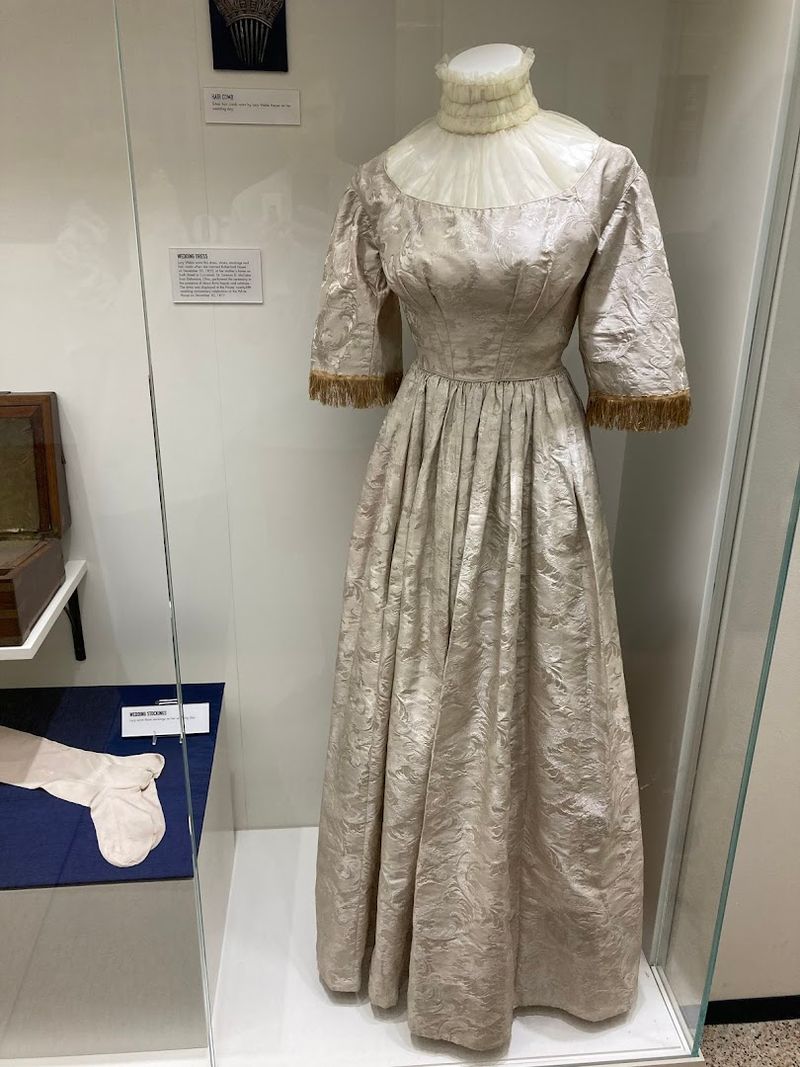
Past the charm of the estate, the museum gives you the serious substance that made the institution groundbreaking. Its galleries hold Hayes family materials, presidential documents, campaign items, personal belongings, and broader American history artifacts collected and preserved over generations.
Visitors often arrive knowing only a little about Hayes and leave surprised by how much there is to absorb.
The museum is especially helpful if you want context for the contested election of 1876, Hayes’ presidency, Lucy Hayes’ role, and the family’s long commitment to public memory. Exhibits also stretch beyond one administration, showing how a 19th-century household intersected with military service, reform movements, political culture, and national change.
For a more chronological visit, some guests recommend starting on the lower level before moving upward.
Give yourself enough time to read, because the collection is denser than it first appears. A quick walk-through will show you impressive objects, but a slower visit reveals the arguments and tensions behind them.
If presidential history usually feels too polished, these galleries offer a more textured account of leadership, compromise, and consequence.
Hayes, The Contested Election, And A Complicated Presidency
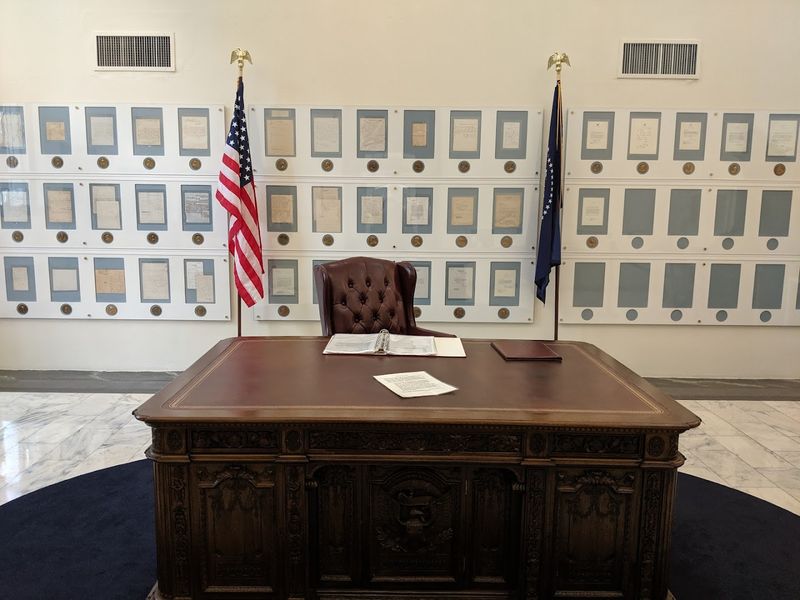
One reason this museum matters is that it does not rely only on nostalgia. Hayes entered the White House after the fiercely disputed election of 1876, a political crisis that tested public trust and reshaped the post-Civil War nation.
Standing in the galleries, you can track how a one-term president became tied to some of the most difficult questions in American democracy.
The exhibits help you see Hayes as more than a name between Grant and Garfield. His administration touched civil service reform, currency debates, education, veterans’ issues, and the end of federal Reconstruction policies in the South.
Some choices still invite argument, and that tension makes the museum stronger because you are encouraged to think rather than simply admire.
If you are visiting with students, family members, or friends who follow current politics, this section can start meaningful conversations. The disputed election material feels surprisingly relevant whenever Americans debate voting, legitimacy, compromise, and leadership under pressure.
You leave with a clearer sense that history is not tidy, and that presidential sites are most useful when they let complexity remain visible.
The Gravesite And The Quiet Power Of Place
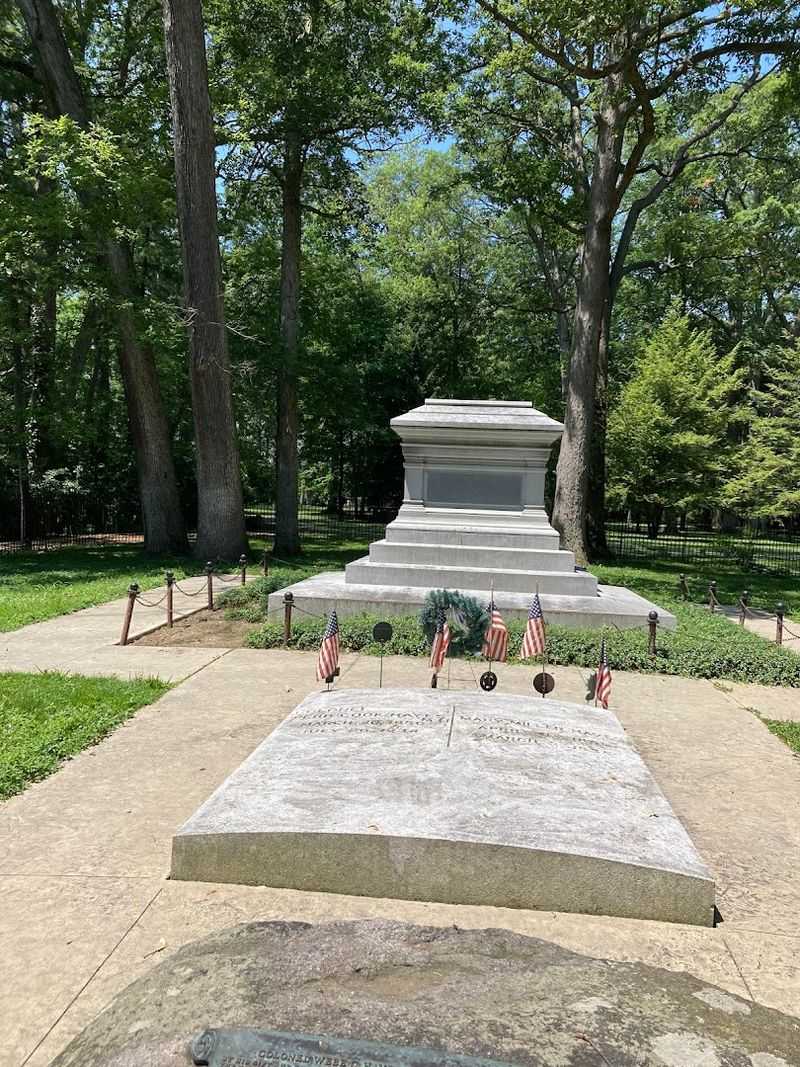
Not far from the museum and house, the gravesite brings the visit into a quieter register. Rutherford B.
Hayes and Lucy Webb Hayes are buried on the grounds at Spiegel Grove, close to the home and landscape that shaped their later years. The markers are modest compared with the scale of the estate, and that contrast often stays with visitors.
Walking to the grave gives you a chance to slow down after absorbing galleries full of documents and artifacts. It is one thing to study a president through elections and policies, and another to stand where family, service, and mortality meet.
The path there is part of the experience, especially when the trees are full, the air is cool, or the grounds are nearly empty.
Please treat this area as both a public landmark and a burial place. Keep conversations low, give others room, and take photos respectfully if you choose to take them.
The gravesite costs nothing to approach through the grounds, making it an important stop even for travelers who only have time for a brief outdoor visit.
Planning Your Visit To Spiegel Grove
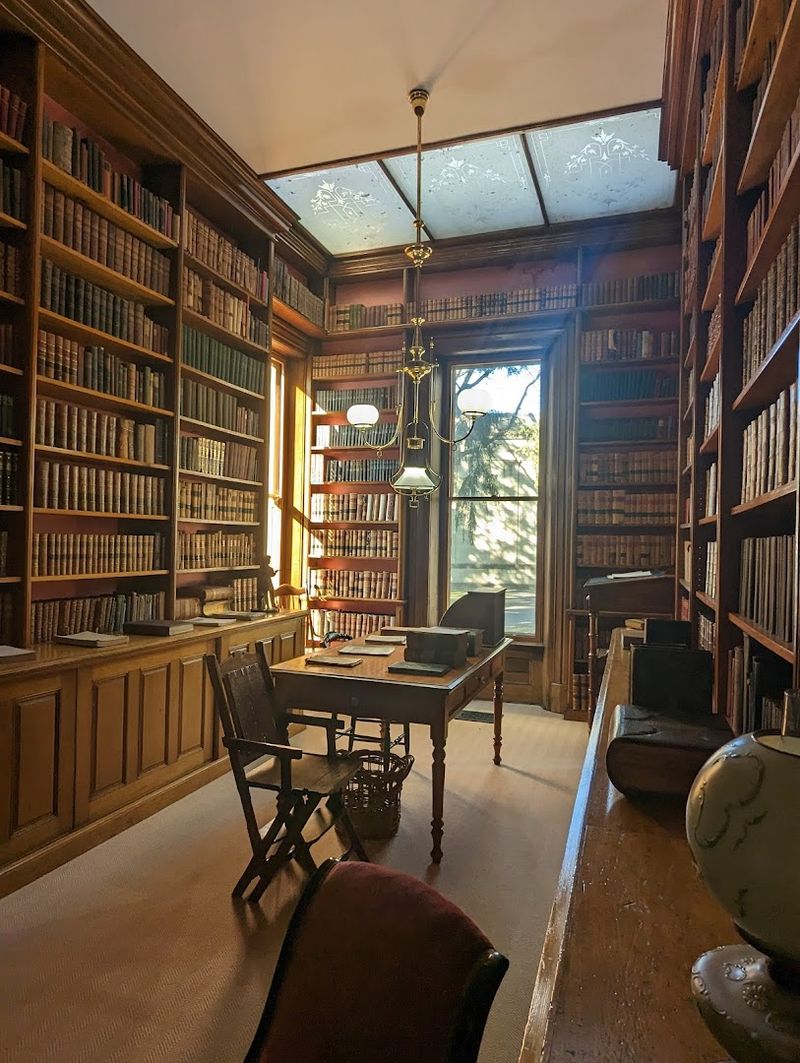
Good planning helps you get the most from a site with several moving parts. The Rutherford B.
Hayes Presidential Library & Museums is located at Spiegel Grove in Fremont, Ohio 43420, and the museum can be reached at +1 419-332-2081. Hours commonly run 9 AM to 5 PM Monday through Saturday, with Sunday hours from noon to 5 PM, though checking the official website before driving is smart.
Most visitors should budget more time than they first expect. Reviews often mention about an hour for the house tour, roughly an hour and a half for the museum, and another 45 minutes or more for the grounds.
If you like reading labels, taking photos, or walking at an unhurried pace, three to four hours can disappear quickly.
Ticket details can change, and this is a state-supported site rather than a National Park Service property, so do not assume a federal pass will apply. The official website at rbhayes.org is the best place to confirm admissions, tours, special programs, and seasonal events.
Arrive earlier in the day if you want the full experience.
Why History Lovers Rate It So Highly
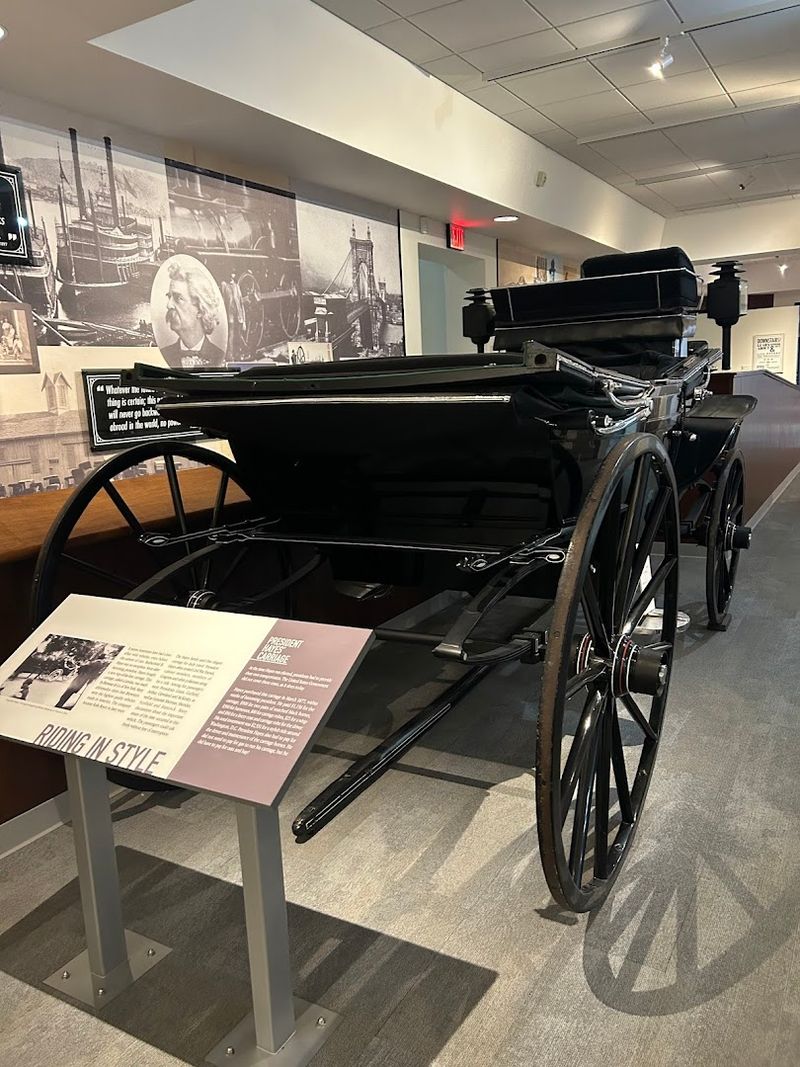
A 4.8-star rating from hundreds of reviews tells you people are finding more here than a quick roadside stop. Guests praise the preserved home, knowledgeable staff, beautiful grounds, and the sheer amount of history packed into the museum.
Even visitors who admit they knew little about Hayes often leave impressed by the depth of the collection.
The strongest reactions usually come from the combination of place and material. You are not just seeing artifacts in a neutral room; you are seeing them beside the residence, trees, paths, and burial site tied to the family.
That layered experience makes the museum appealing to presidential site collectors, Ohio travelers, families, students, and anyone who likes historic homes.
As with any guided attraction, individual tour experiences can vary, so bring patience and questions. If a guide moves quickly, focus on the rooms, details, and follow-up opportunities in the museum.
The overall site has enough substance to carry the visit, and the best approach is to give yourself time rather than rushing from one highlight to the next.
Small Details That Make The Visit Memorable
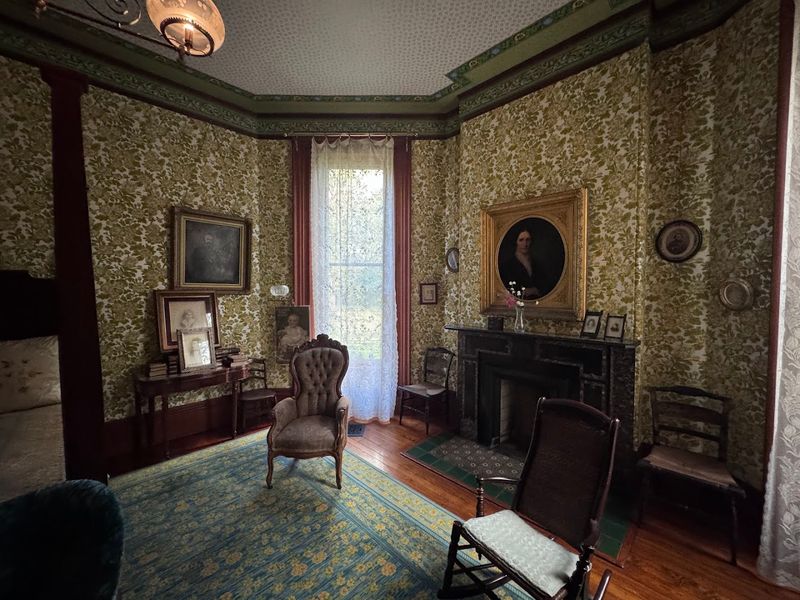
The most memorable moments at Spiegel Grove are often the small ones. You may notice an old photograph matching a room you just walked through, a family object that makes a president feel ordinary, or a path curving toward trees that have watched generations pass.
These details make the visit feel personal instead of overly formal.
Seasonal programming can add another layer, from holiday-decorated home tours to outdoor walks and special exhibits. Some visitors mention carriage rides, nighttime tours, gardens beginning to bloom, or quiet rainy-day visits when the estate feels almost private.
If you live within driving distance, this is the kind of museum that can reward repeat visits because different seasons change the mood.
Bring your curiosity, but also bring practical expectations. Wear comfortable shoes, charge your phone, check tour times, and consider starting with the museum if you want background before entering the house.
By the time you leave, the first presidential library in the United States feels less like a trivia fact and more like a carefully preserved conversation between a family, a nation, and the public.