Hidden along Pisgah Highway, the Cradle of Forestry in America turns a walk in the woods into a story about vision, science, and survival. This North Carolina museum sits where the nation’s first forestry school helped shape how Americans think about public land.
You get historic buildings, hands-on exhibits, paved trails, mountain air, and enough real-world history to make the forest feel newly alive. If you are already near Looking Glass Falls, the Blue Ridge Parkway, or Pisgah Forest, this stop deserves a place on your day plan.
The Visitor Center Sets The Scene
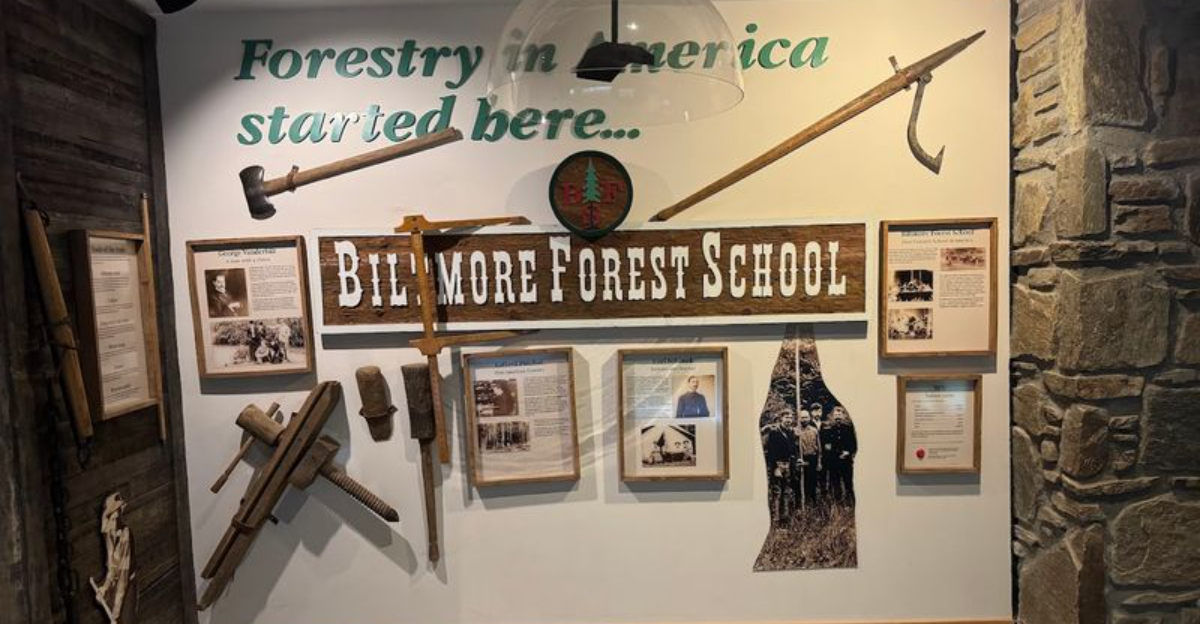
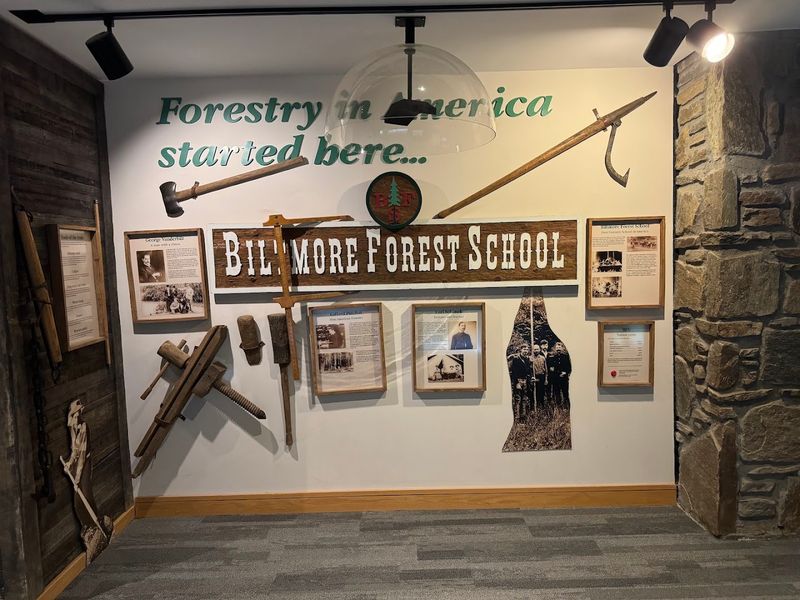
Before you step onto the trails, the visitor center gives the whole place context without making the story feel heavy. You can start with the short documentary, which many visitors mention as one of the best ways to understand Carl Schenck, George Vanderbilt, and the early push for scientific forestry in America.
It is the kind of film that makes the trees outside feel less like scenery and more like evidence.
Inside, the exhibits balance history with hands-on learning, so adults can study old photographs and forestry tools while kids stay busy with interactive displays. Families often appreciate that the museum speaks to different ages at once, especially children around elementary school age who like touching, building, crawling, and asking questions.
Clean restrooms, helpful staff, and a small gift shop make it easy to settle in before heading outdoors.
Give yourself time here instead of treating it as a quick ticket counter. Ask staff what is open that day, which trail best fits your group, and whether any special demonstrations are scheduled.
Since the site typically operates from 10 AM to 5 PM, arriving earlier helps you enjoy the museum, trails, and historic buildings without rushing.
Carl Schenck’s Forestry Legacy Comes Alive
Long before sustainability became a common word, the work taught here helped define what responsible forest management could look like. Carl Schenck, a German forester hired by George Vanderbilt, trained students on the Biltmore Estate lands and brought a scientific approach to American forestry.
At the Cradle of Forestry in America, that story feels grounded because you are standing near the actual landscape where those ideas were tested.
The museum does a strong job explaining why this mattered. Instead of presenting forestry as only logging or preservation, it shows the careful balance between using resources and keeping forests healthy for the future.
You see how measurement, planning, replanting, and long-term observation became practical tools, not abstract ideals.
That perspective is especially useful if you enjoy the mountains around Pisgah National Forest but have never thought much about how these lands were protected and managed. Bring curious questions, because the staff and volunteers are often eager to connect the past with what visitors see today.
By the time you leave, a simple mountain drive may look different, because you understand the planning and conviction behind the forests that surround you.
Paved Trails Make The History Easy To Reach
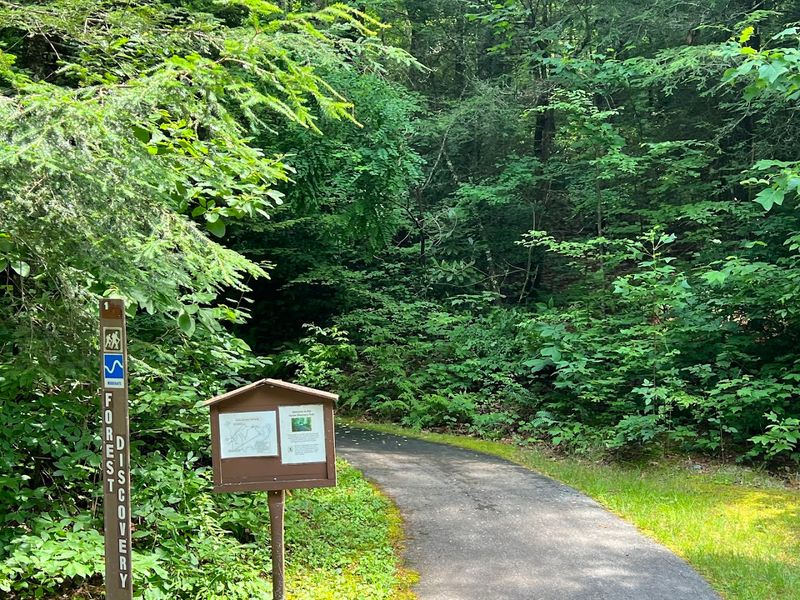
Once you leave the visitor center, the paved walking paths make the site feel welcoming for many kinds of travelers. Parents pushing strollers, older visitors, and guests who prefer smoother footing can still reach meaningful outdoor exhibits without committing to a rugged hike.
Reviews often mention how well maintained the trails are, which matters when you are trying to enjoy history instead of watching every step.
The Campus Trail is a favorite because it links several historic buildings and interpretive stops in a manageable loop. You can move at your own pace, pause for photos, listen to narrations, and let kids burn off energy while still learning.
The forest provides shade on warm days, and benches or resting spots make the route feel relaxed rather than forced.
Plan for comfortable shoes, water, and a little flexibility, especially if mountain weather shifts during your visit. The paths may be easy, but the setting still feels like Pisgah, with damp air, changing light, and native trees all around.
If you are traveling with a dog, check current rules, but many visitors note that leashed dogs are welcome on the walking trails.
Historic Buildings Add Texture To The Story
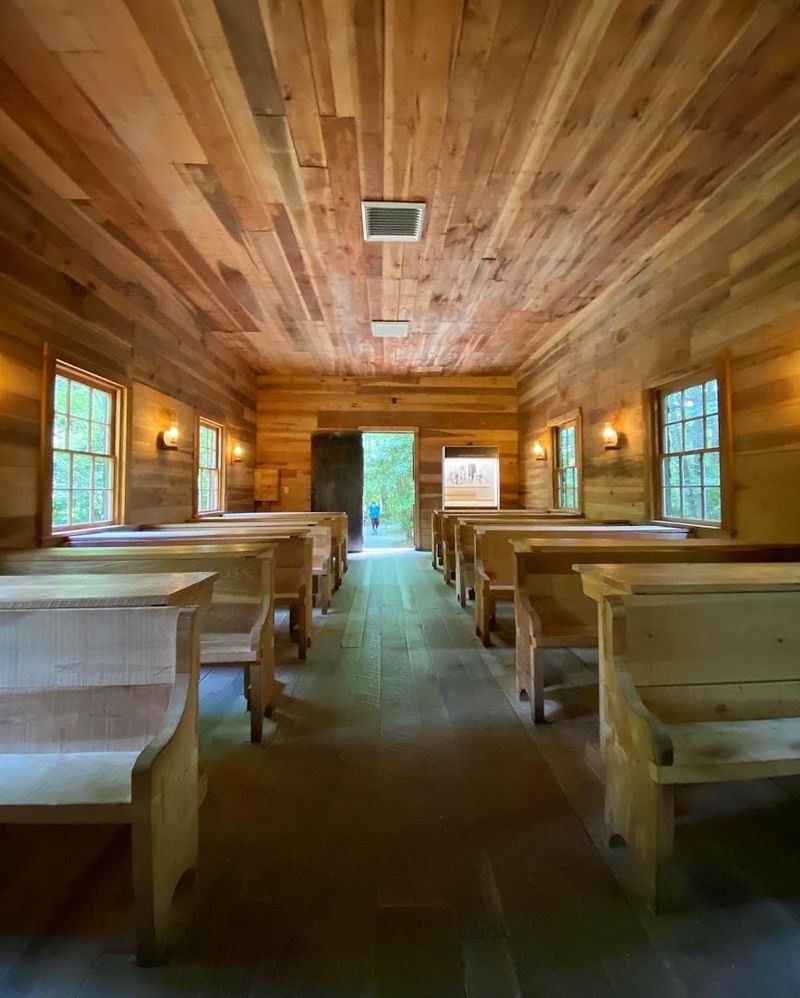
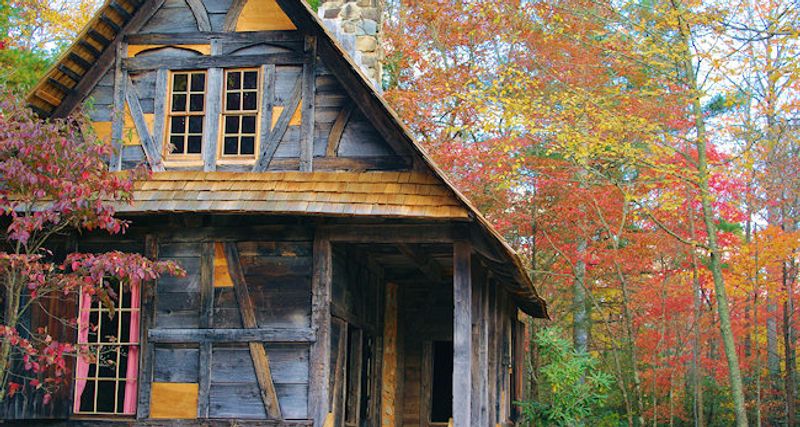
Scattered among the trees, the early-1900s buildings help the museum move beyond panels and display cases. You can picture students learning field skills, instructors explaining forest measurements, and daily life unfolding in a remote mountain setting.
That physical connection is what makes the Cradle of Forestry in America feel different from a standard indoor museum.
Each outbuilding adds a layer to the site’s personality. Some stops focus on education, some on work, and others on the practical realities of living and learning in the woods.
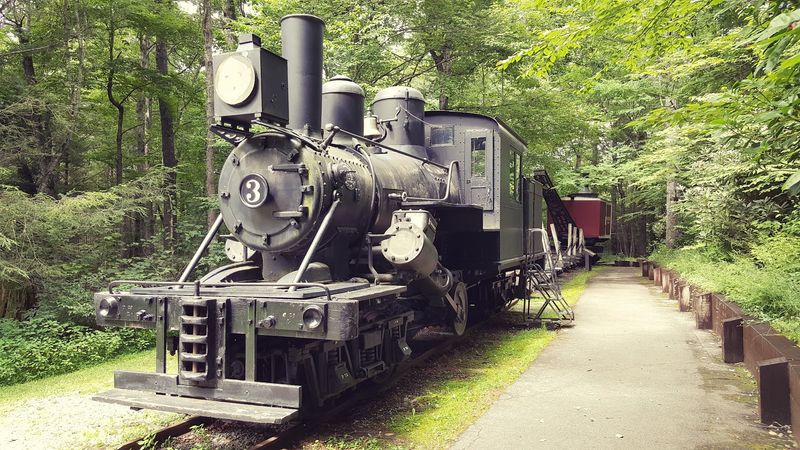
Visitors often mention the historic railroad features, old equipment, and narrated points along the route because they make the past easier to understand without needing a textbook.
Take your time with these outdoor exhibits, especially if you like photography or local history. Morning or late afternoon light can make the wooden structures and forest backdrop especially striking, and the slower pace gives children time to notice details adults might miss.
If certain buildings are closed during your visit, the exterior views and interpretive signs still help you follow the story from forestry school to national conservation landmark.
Kids Get More Than A Walk In The Woods
Families often discover that this museum works because children are not expected to simply look and stay quiet. Inside, hands-on exhibits invite them to build, crawl, pretend, compare tree rings, and connect forest facts with play.
One reviewer even admitted to crawling through the underground animals tunnel as an adult, which tells you the displays have more charm than you might expect.
Outside, the paved trails give kids room to move while still keeping the day structured. A scavenger hunt can turn the walk into a mission, and stops like the train area or old equipment create natural pauses for imagination.
Younger visitors may pretend to be engineers, forestry students, firefighters, or explorers while adults absorb the history around them.
If you are visiting with children, start at the visitor center and ask about current activities before choosing a trail. Pack snacks, water, and weather layers, then let the visit unfold at a child-friendly pace.
The best moments here often happen when you stop hurrying, answer a question about a tree or tool, and realize the museum has quietly made science, history, and outdoor time feel connected.
Festival Days Bring Forestry Skills Into Motion
On special event days, the quiet educational site can shift into something much more animated. The John G.
Palmer Woodsmen’s Meet and festival-style programming bring forestry students together for old-time skills like crosscut sawing, archery, axe throwing, and pole felling. Watching those events gives you a sharper appreciation for the strength, accuracy, and teamwork behind traditional forest work.
These gatherings also connect the museum’s history to living forestry education. Instead of only reading about students from the past, you see modern competitors representing schools and keeping technical skills visible.
Friendly announcers, food vendors, and a crowd of families can make the day feel festive while still staying rooted in the site’s mission.
If an event is important to your trip, check the official website or call ahead at +1 828-877-3130 before you go. Schedules can vary by season, and mountain weather may affect outdoor activities.
Arrive early for parking, bring patience for busier paths, and plan extra time in the visitor center so you can understand why these competitions belong so naturally at the birthplace of American forestry education.
Planning A Smooth Visit From Pisgah Highway
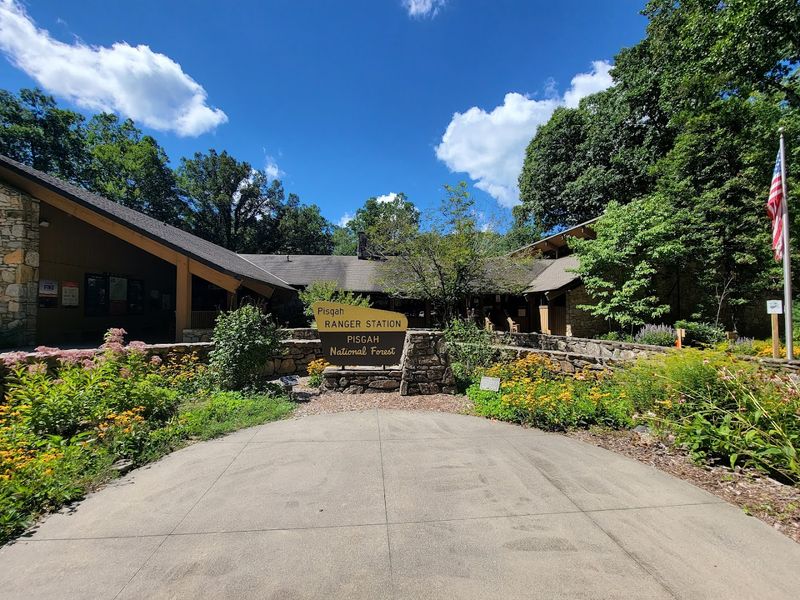
Located at 11250 Pisgah Highway in Pisgah Forest, the Cradle of Forestry in America fits easily into a mountain day trip. Many travelers pair it with Looking Glass Falls, the Blue Ridge Parkway, or a meal at the Pisgah Inn area, since the route already passes through some of the region’s most rewarding scenery.
The museum’s 4.8-star rating across more than 1,100 reviews reflects how consistently visitors value the mix of history, nature, and hospitality.
Typical hours are 10 AM to 5 PM, but seasonal closures and program changes are worth checking before you drive. There is a small fee for entry, and some visitors report using eligible senior or national passes, so bring yours if that applies.
Clean bathrooms, picnic tables, parking, and helpful staff make the logistics easier than many outdoor attractions.
Weather deserves attention because Pisgah can be rainy even when nearby towns look clear. Bring a light rain jacket, comfortable walking shoes, and enough time to see both the exhibits and at least one trail.
If someone in your group has mobility concerns, ask which paths are best that day, since many paved sections are considered accessible and manageable.
Quiet Corners Reward A Slower Pace
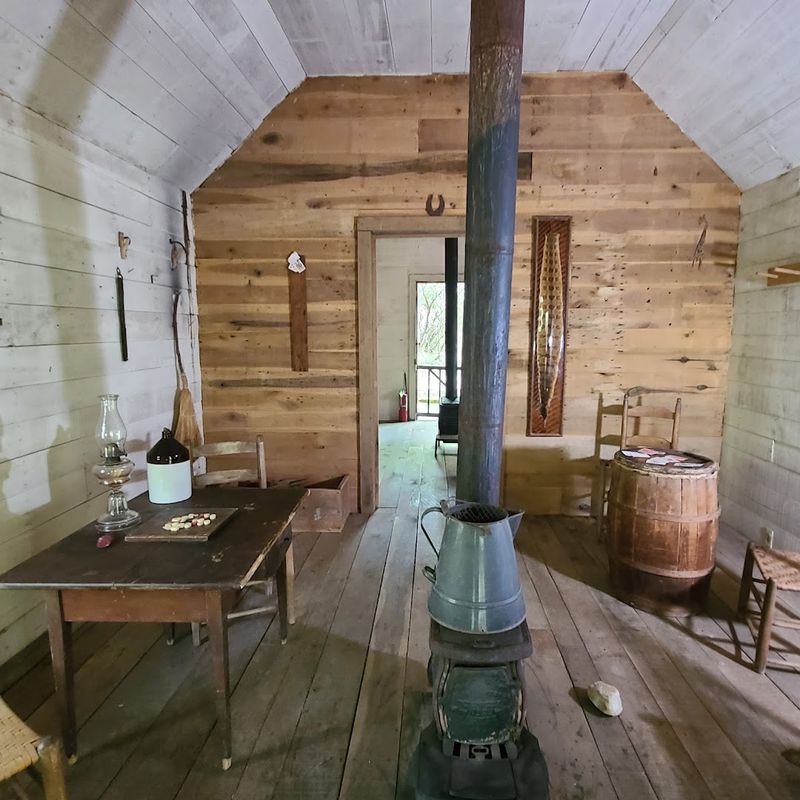
It is tempting to treat the museum like a checklist, but the quieter corners are part of the reward. Benches, shaded stretches, and small interpretive stops give you room to let the story settle while the forest does what it does best.
You might hear birds, wind in the canopy, or kids comparing old buildings to something from a storybook. Those little pauses make the history feel less distant.
If you have extra time, take it here. The Cradle of Forestry is most memorable when you stop rushing and notice how the past and present share the same woods.