Hidden along Nash Hill Road in Ludlow, Lupa Zoo feels more like a family discovery than a polished tourist stop. Its story begins on old farmland with Polish immigrant roots, and today the property welcomes visitors with hundreds of animals, play spaces, gardens, and easygoing Western Massachusetts charm.
If you like small zoos where kids can get close, grandparents can keep pace, and the day does not feel overplanned, this place deserves your attention. Here is what makes Lupa Zoo such a quietly memorable outing.
A Farm-Born Zoo With Polish Immigrant Roots
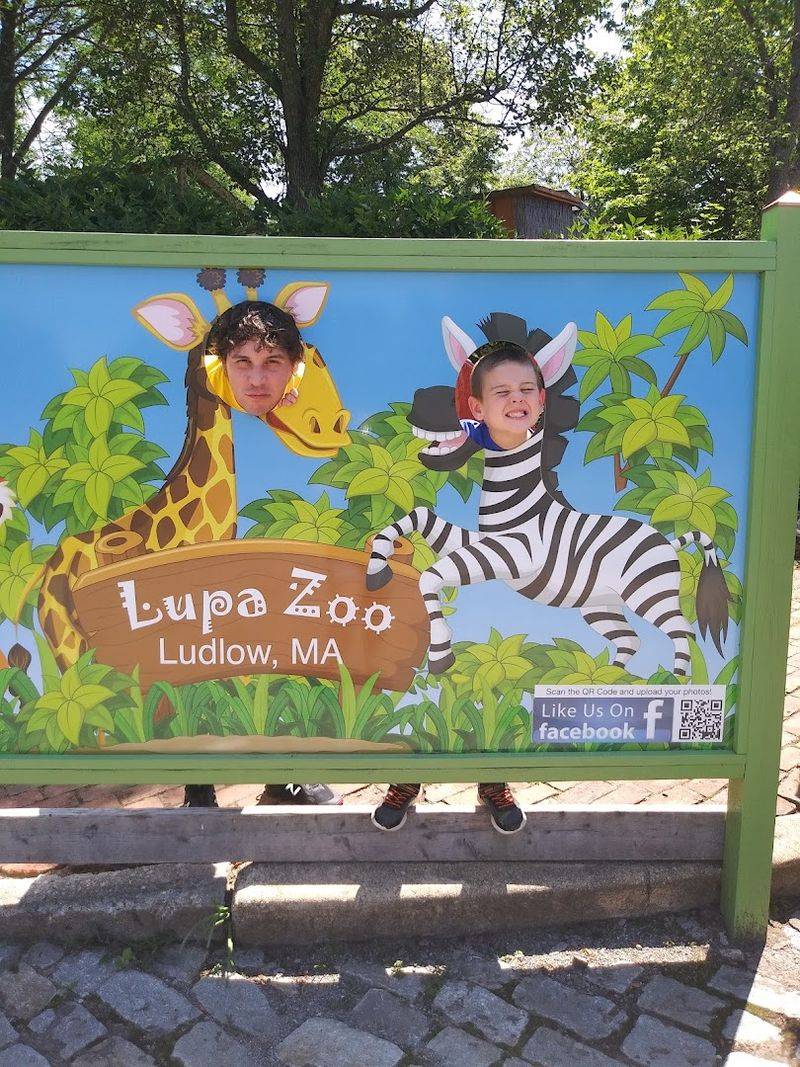
Down a country road in Ludlow, the zoo still carries the feeling of land that was worked before it was visited. You notice it in the open layout, the practical paths, the unpretentious buildings, and the way families drift from pen to playground without feeling rushed.
The Polish immigrant story behind the property gives Lupa Zoo a personal texture that larger attractions often lose.
Instead of a place designed around spectacle, this feels like a family dream that kept growing animal by animal. Old farmland became a home for exotic and domestic species, with room for zebras, monkeys, deer, donkeys, birds, reptiles, and curious little creatures kids remember long after leaving.
That background makes the zoo easier to appreciate on its own terms.
You should arrive expecting charm, closeness, and a bit of rustic character, not a giant metropolitan zoo. The payoff is a visit that feels grounded and local, especially when staff members chat warmly or animals wander close to the fence.
At 62 Nash Hill Road, the setting is part of the story, and that makes the experience feel distinctly Western Massachusetts.
A Manageable Size That Works for Real Families
Some zoos demand a full day, aching feet, and a tactical plan worthy of a road trip binder. This one is different in the best possible way.
Most visitors can see the grounds in about one to two hours, which makes it especially practical if you have toddlers, older adults, or kids who melt down when an outing stretches too long.
The paths are wide enough for strollers and wagons, and reviewers often mention having room to move even on busier days. That matters when you are pushing snacks, jackets, water bottles, and one child who suddenly refuses to walk.
You can pause near shaded seating, regroup at a play area, or loop back to a favorite animal without feeling trapped.
For families visiting from Springfield or nearby towns, the scale is a major advantage. A short drive can turn into a satisfying half-day outing with animals, playgrounds, and maybe a snack before heading home.
You get enough variety to keep everyone engaged, but not so much ground to cover that the visit becomes exhausting.
Close-Up Animal Encounters Without the Big-Zoo Crowds
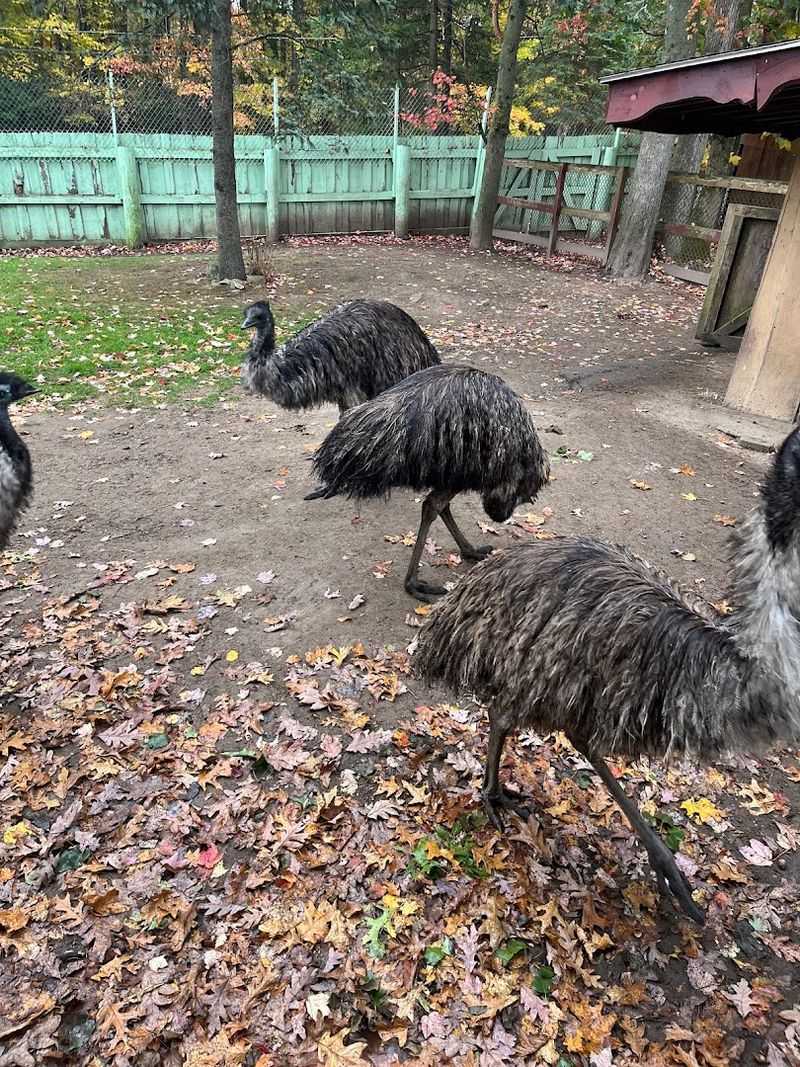
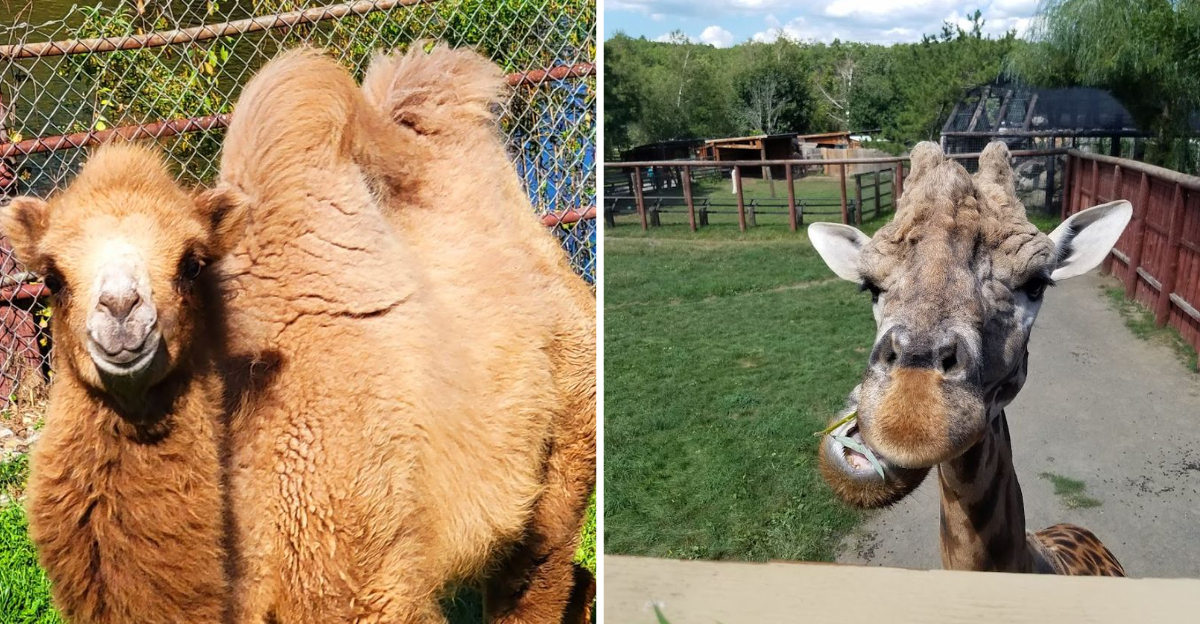
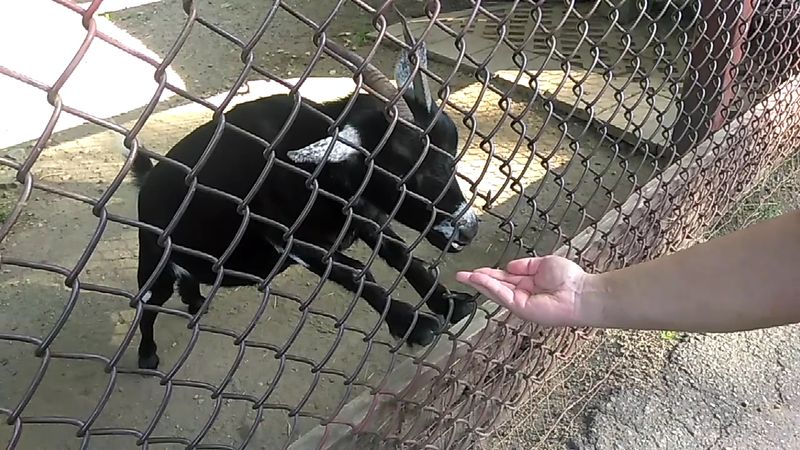
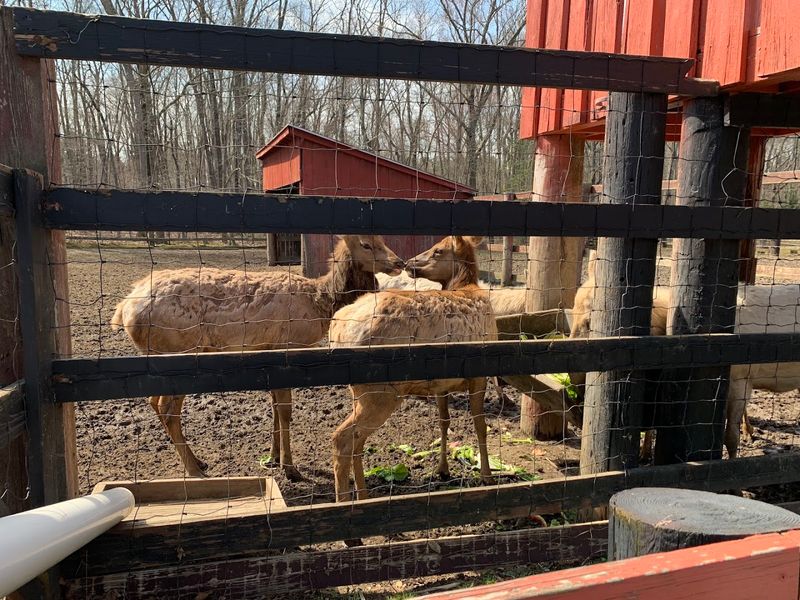
The best moments here often happen at fence level, when an animal steps closer and a child realizes the visit is not just about looking. Guests regularly mention feeding deer, meeting friendly farm animals, and seeing species at a distance that feels surprisingly personal.
That close access is one of Lupa Zoo’s strongest draws.
You may find animals that are curious, alert, and interactive, from donkeys and zebras to monkeys, otters, oryx, and small domestic favorites. Several reviews describe clean areas, visible food and water, and staff presence around the grounds, which helps the experience feel more cared for than casual.
Feeding opportunities add a hands-on rhythm to the walk.
Because the zoo is smaller, you are not peering across enormous habitats trying to convince a toddler that a sleeping shape is exciting. The animals are often near enough to spark real questions, like what a zebra eats or why a monkey moves that way.
Those simple exchanges are where the visit becomes memorable for both kids and adults.
Playgrounds That Save the Day Between Exhibits
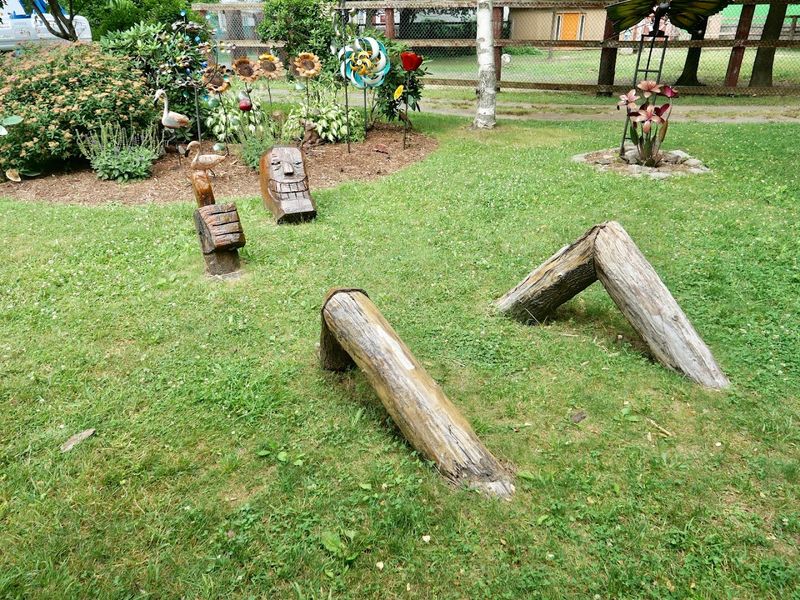
Any parent knows the magic of a well-placed playground during an animal outing. At Lupa Zoo, play areas are not an afterthought tucked away at the end.
They are part of the rhythm, giving kids a place to climb, run, reset, and burn off energy between animal stops.
Visitors mention multiple playground areas suited to different ages, which is helpful if you are visiting with siblings or cousins who never agree on one activity. A toddler can stay busy while an older child tries something bigger, and adults can catch a breath without ending the visit.
The layout makes it easier to stretch a short zoo trip into a comfortable few hours.
Those breaks also make the animal encounters more enjoyable because kids are not being asked to quietly observe for too long. You can feed animals, play for ten minutes, visit the monkey barn, then stop again before anyone gets cranky.
For local families with memberships, that mix is a big reason repeat visits still feel worthwhile.
Animal Variety in a Small-Zoo Setting
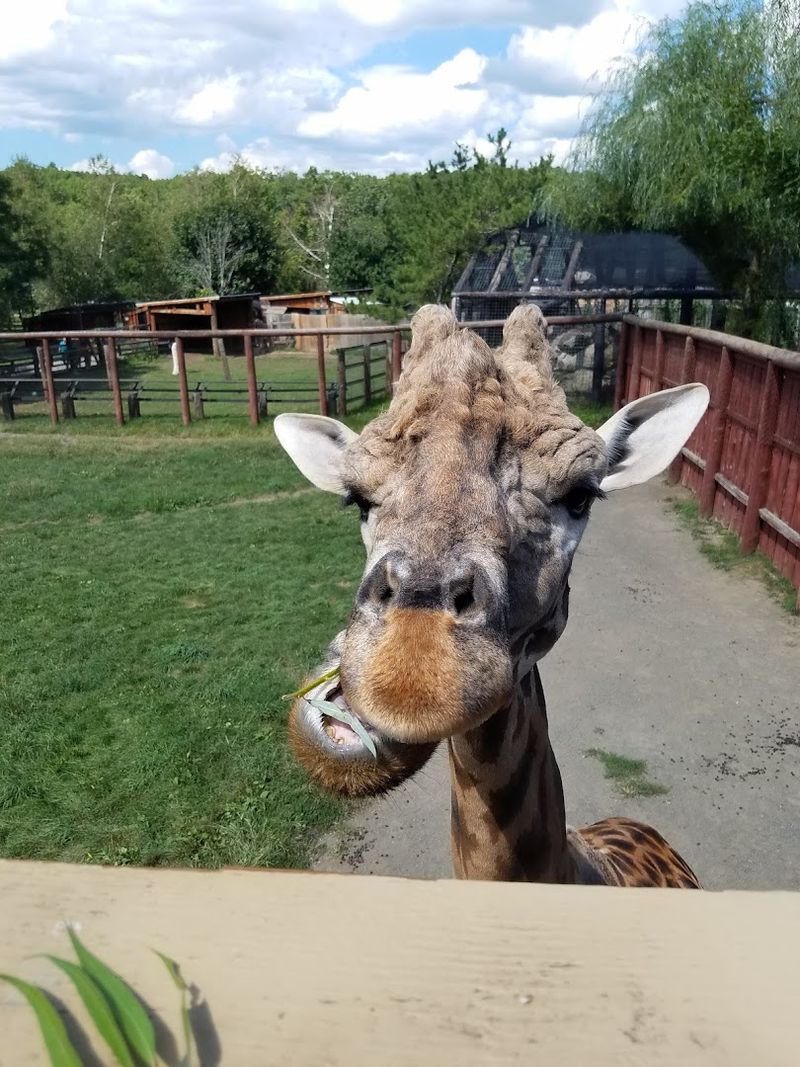
A compact footprint does not mean a thin animal lineup here. Visitors mention monkeys, zebras, donkeys, otters, oryx, deer, reptiles, birds, and other domestic and exotic species across the grounds.
With roughly 500 animals reported at the zoo, the variety is one of the reasons the visit feels fuller than its size suggests.
The appeal is not only in how many animals you can see, but in how quickly the experience changes. One moment you may be watching a monkey, then a few minutes later a child is feeding a deer or laughing at a donkey’s personality.
That pace works beautifully for younger attention spans.
Adults also get enough interest to stay engaged, especially if they enjoy comparing species, reading signs, or catching feeding-time behavior. Reviews often mention favorite animals by name or type, which says a lot about how personal the visit can feel.
When everyone leaves with a different favorite, the zoo has done something right.
Staff Interactions That Add Heart to the Visit
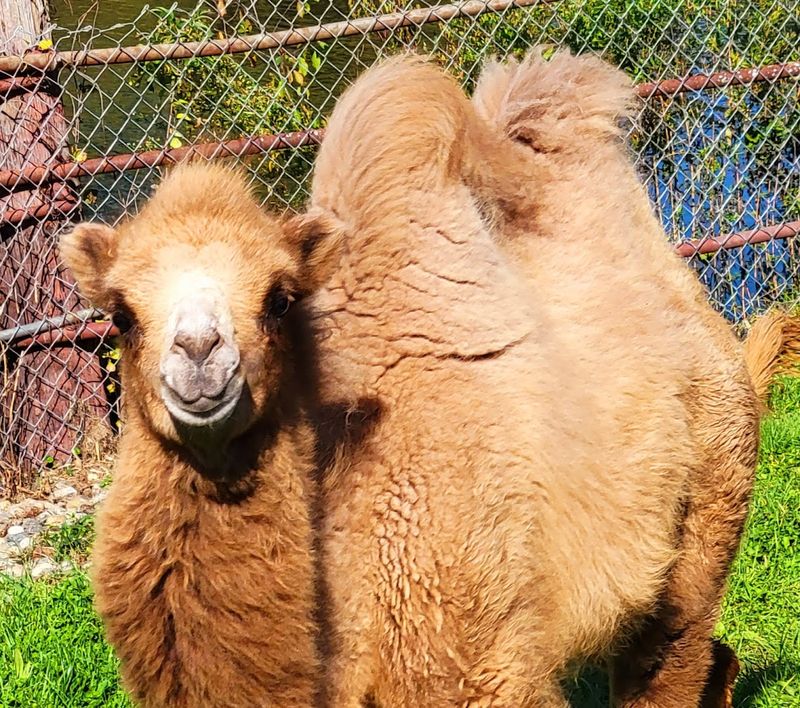
Friendly staff can change the entire tone of a small attraction, and Lupa Zoo earns many of its best reviews through human moments. Guests describe welcoming ticket booth conversations, helpful employees around the grounds, and occasional close-up animal experiences that kids talk about afterward.
Those interactions make the zoo feel cared for rather than merely operated.
Some families have mentioned children getting a closer look at animals like a ferret, tree frog, or snake when staff were able to offer an educational moment. Birthday party visitors also praise staff for bringing out animals and making children feel included.
Those are not guaranteed every day, but they show the personality of the place.
When you visit, it is worth asking polite questions if staff are nearby and not busy. Children often learn more from a two-minute conversation than from a sign they barely read.
A keeper explaining what an animal eats or why it behaves a certain way can turn a casual stop into the highlight of the trip.
Gardens, Quiet Corners, and Pollinator Inspiration
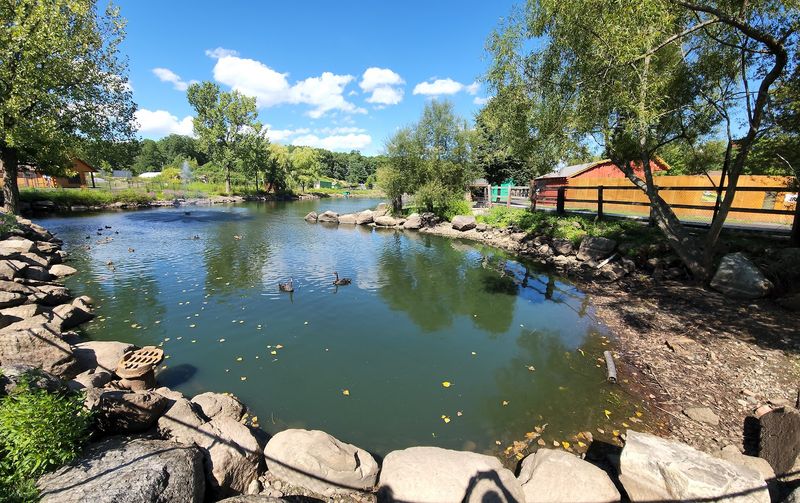
Beyond the animals and play spaces, the grounds include garden elements that give the zoo a calmer side. Visitors have noted botanical areas, quiet seating, and even learning moments connected to conservation and pollinator gardens.
That makes the experience feel broader than a simple walk past enclosures.
If you enjoy noticing plants, pollinators, and habitat details, take your time instead of rushing from animal to animal. The setting can spark practical ideas for your own yard, especially if you are curious about supporting bees, butterflies, and native wildlife.
One reviewer even connected the visit to building a pollinator garden at home.
These quieter corners are also useful when a child needs a break or an older adult wants to sit and chat. A small zoo benefits from places where the pace can soften.
At Lupa Zoo, those pauses help balance the excitement of feeding animals and playground time, making the outing feel less frantic and more personal.
Planning a Smooth Visit to Nash Hill Road
Practical planning helps you get the best version of Lupa Zoo. The address is 62 Nash Hill Road in Ludlow, Massachusetts, and regular hours are generally 10 AM to 4 PM Tuesday through Sunday, with Monday closed.
Since hours can change, checking the official website before driving over is always smart.
Weekdays tend to feel calmer, and several visitors describe Tuesday or slower-day visits as especially easy. On busier days, the wide walkways help, though entry lines can still take a little time.
Bring comfortable shoes, animal-feeding cash or card if offered, sunscreen, water, and a change of clothes if the splash pad is part of your plan.
Expect a rustic property with a mix of paved and gravel areas, including an inclined parking section mentioned by some guests. That does not ruin the trip, but it is useful to know if you are bringing a stroller, wagon, motorcycle, or someone with mobility concerns.
Arrive with realistic expectations, and the zoo’s close animal access, friendly scale, and kid-focused features can easily carry the day.