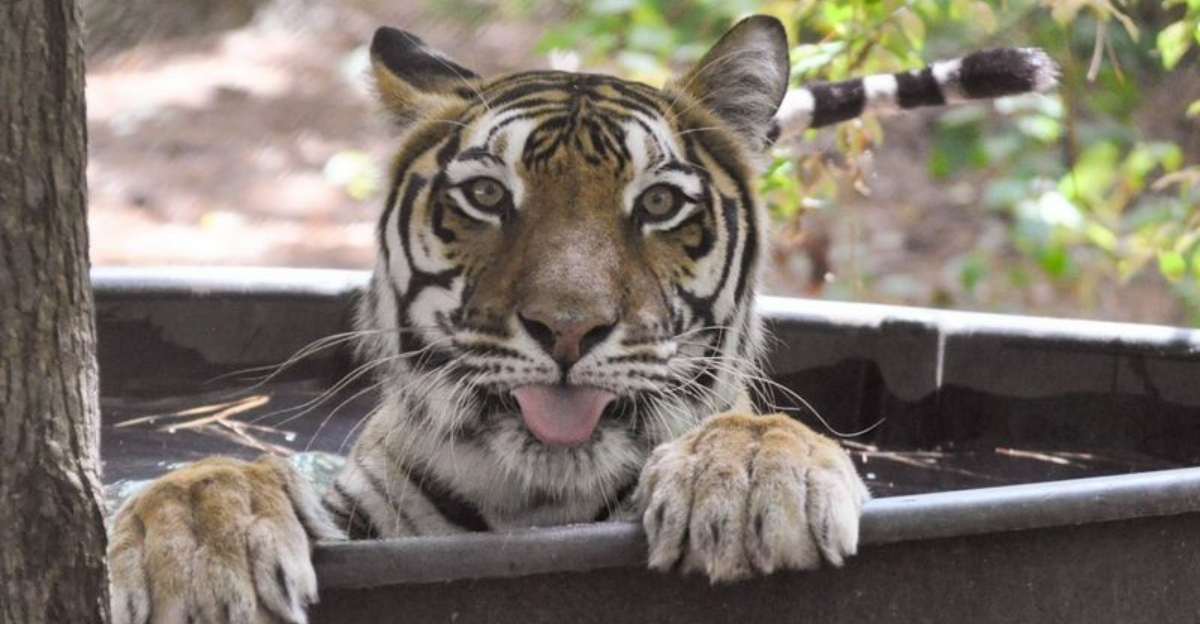
A visit to Carolina Tiger Rescue feels less like checking off an attraction and more like being let into a serious, compassionate story already in progress. Tucked along Hanks Chapel Road in Pittsboro, this sanctuary gives rescued wild cats space, care, and dignity after lives that often began in captivity, private ownership, or failing facilities.
You come for the tigers, but you leave thinking about responsibility, conservation, and how close beauty can sit beside heartbreak. If you want a North Carolina trip with meaning behind the photos, this place is absolutely worth planning around.
What Carolina Tiger Rescue Actually Is, And What It Refuses To Be
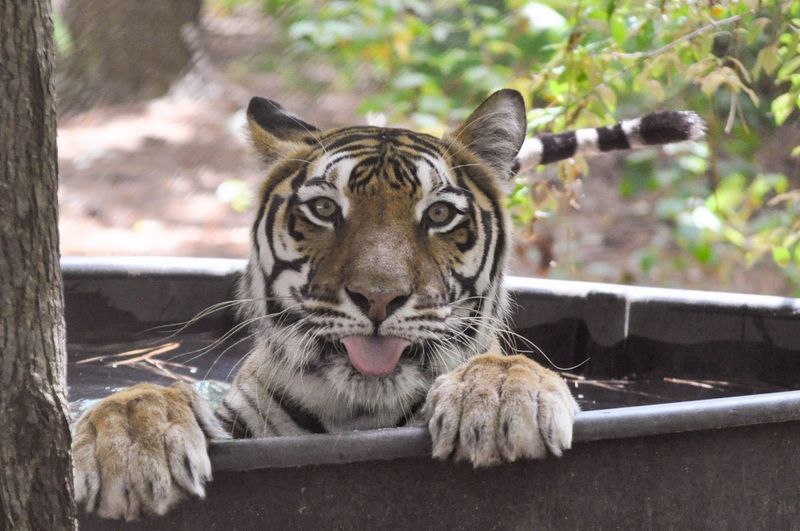
Carolina Tiger Rescue is not the kind of place where you wander between cages with popcorn in hand. It is a 501(c)(3) nonprofit wildlife sanctuary in Pittsboro, North Carolina, focused on providing permanent care for wild cats and other rescued animals that cannot safely return to the wild.
That distinction matters from the moment you arrive. This is not a zoo, not a breeding facility, and definitely not a place where you can pet, hold, or pose with a tiger cub.
The sanctuary ended its former breeding programs years ago and now operates as a no-touch facility under serious animal care standards. Visitors stay safely back from enclosures, usually several feet away, and every rule is designed around the animals first.
For you, that makes the experience feel more honest. You are not being sold fantasy.
You are being invited to understand why wild animals deserve something better than entertainment.
The Residents Have Names, Histories, Preferences, And Scars
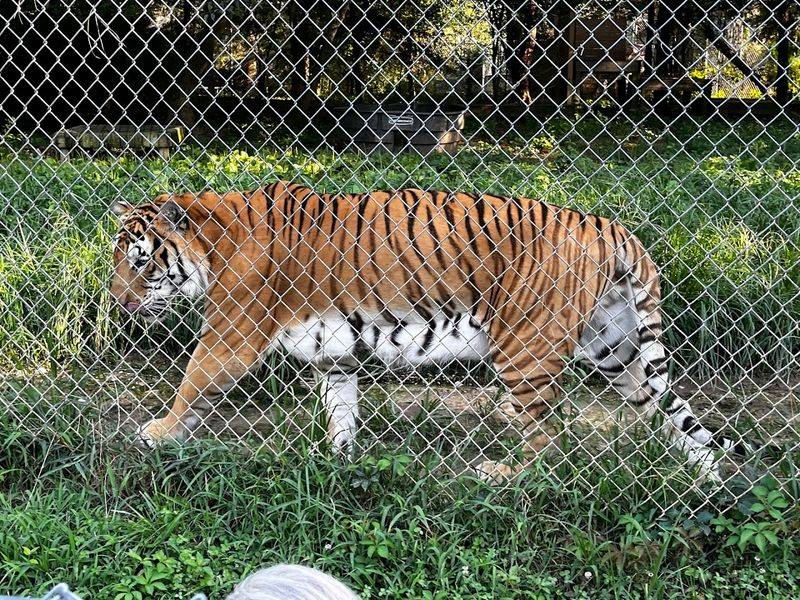
The animals at Carolina Tiger Rescue are not presented as anonymous examples of their species. They are introduced by name, with histories that often include private ownership, confiscation, roadside attractions, failed facilities, or situations where people eventually realized they could not care for a wild predator.
You may hear about tigers, lions, cougars, leopards, caracals, servals, bobcats, ocelots, kinkajous, coatimundis, and other residents depending on the tour. Some animals are visible to guests, while others prefer privacy and are not part of the public route.
That can surprise visitors who expected a checklist of every animal on the property. But it also reinforces the sanctuary’s priorities, because the residents do not exist to perform for anyone.
The backstories can be difficult, especially when guides explain injuries, neglect, declawing, or other consequences of captivity. Still, learning those details makes each animal feel specific and memorable, not like a display you briefly passed on vacation.
Rescue Comes First, And Education Follows Every Footstep
The central idea behind Carolina Tiger Rescue is simple, even when the work is complicated: wild animals belong in the wild. The animals living here remain because release is no longer safe, realistic, or humane after lives shaped by captivity and human decisions.
That rescue-first philosophy affects everything you notice. Enclosures are built for long-term care, tours are guided instead of free-roaming, and the conversation stays focused on welfare rather than spectacle.
Education is still a major part of the visit, but it never feels like a lecture pasted onto an attraction. Guides connect each animal’s story to larger issues like exotic pet ownership, cub petting, conservation, and the laws that do or do not protect wild cats.
You leave with more than a few dramatic sightings. You also leave with a clearer understanding of how human choices create sanctuary needs, and why true rescue work is lifelong, expensive, and deeply intentional.
The Guided Tour Turns A Walk In The Woods Into A Field Lesson
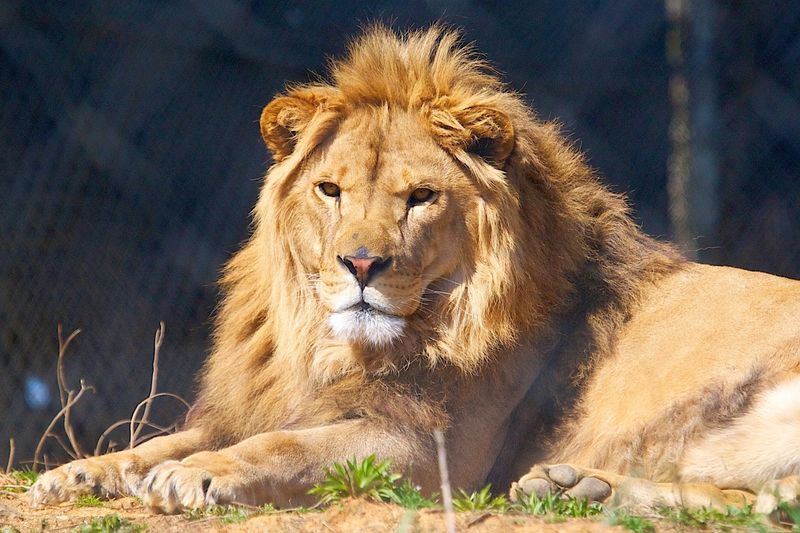
You cannot just show up and stroll through Carolina Tiger Rescue on your own, and honestly, the guided format is part of what makes the visit work. Tours are led by staff members or trained volunteers who know the animals, the facility, and the complicated rescue stories behind the residents.
Public tours typically last around an hour and a half to two hours and follow an unpaved walking route through the sanctuary. You should expect gravel, dirt, uneven ground, seasonal heat, insects, and the kind of practical footwear that does not mind a little dust.
The guide controls the pace and shapes the experience around what the animals are doing that day. Sometimes you see feeding activity, sometimes a tiger chooses shade, and sometimes a smaller cat steals the whole tour.
Because the guides answer questions as you go, the visit feels personal. You are not reading plaques.
You are listening to people who genuinely care.
The First Close Look At A Tiger Is Bigger Than You Expect
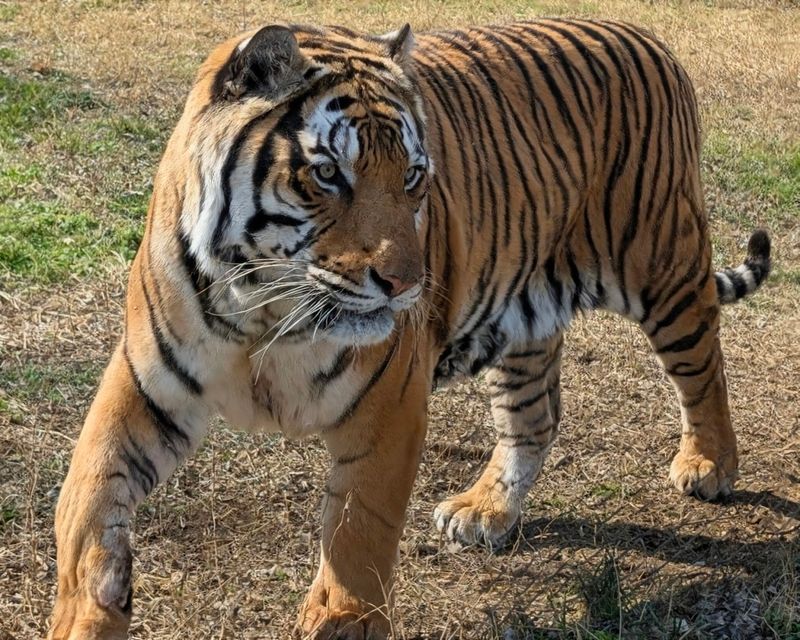
Even if you have seen tigers in documentaries, books, or traditional zoos, standing near one at ground level feels different. At Carolina Tiger Rescue, there is no illusion that these animals are oversized house cats, because their size, focus, and quiet strength are impossible to soften.
You may see a tiger resting in the shade, pacing with deliberate steps, watching a sound in the trees, or showing sudden interest when food or enrichment appears. The enclosure barriers and safety rules are always present, but the distance still feels close enough to make your body pay attention.
That moment is not about thrill-seeking. It is about realizing how absurd it is that animals this powerful were ever treated as pets, photo props, or roadside entertainment.
The best part is the respect built into the encounter. You get proximity without exploitation, awe without touching, and a memory that feels more meaningful because boundaries were kept intact.
The Smaller Wild Cats Quietly Change The Conversation
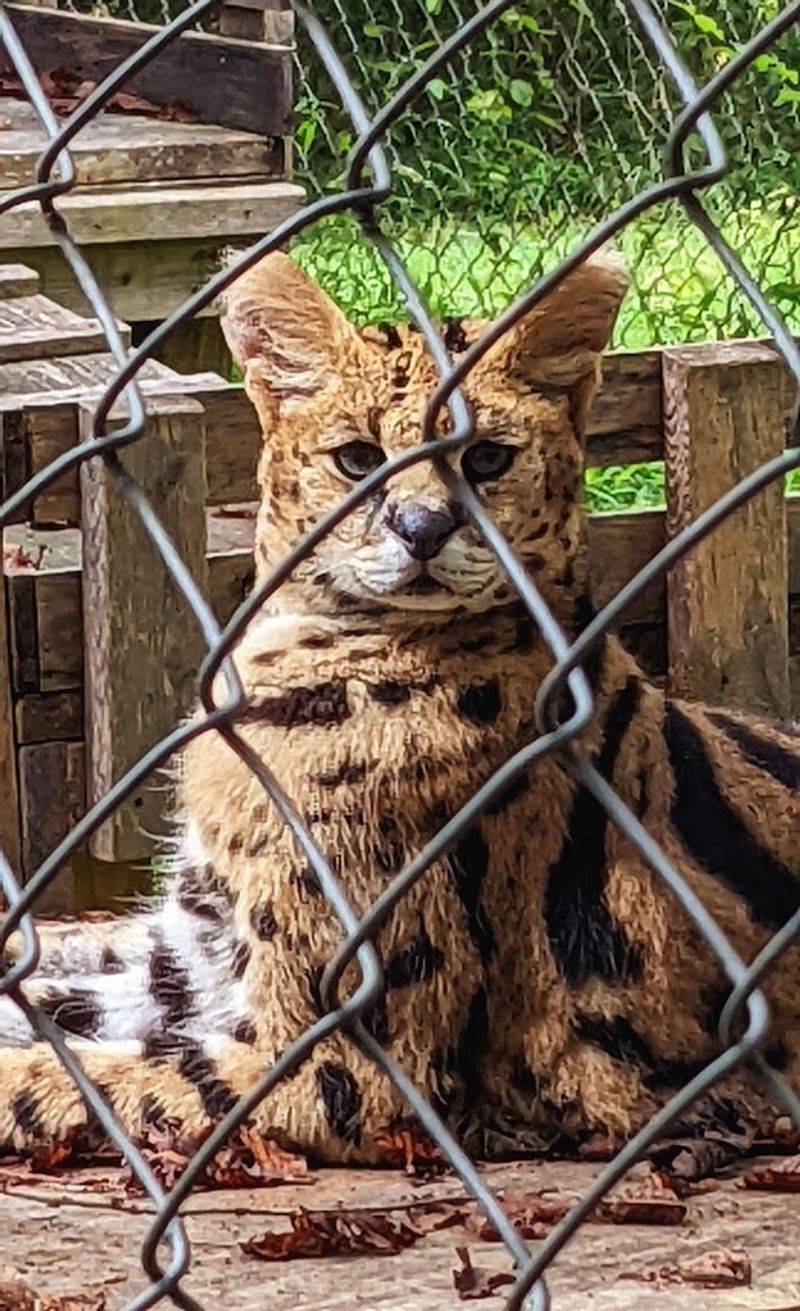
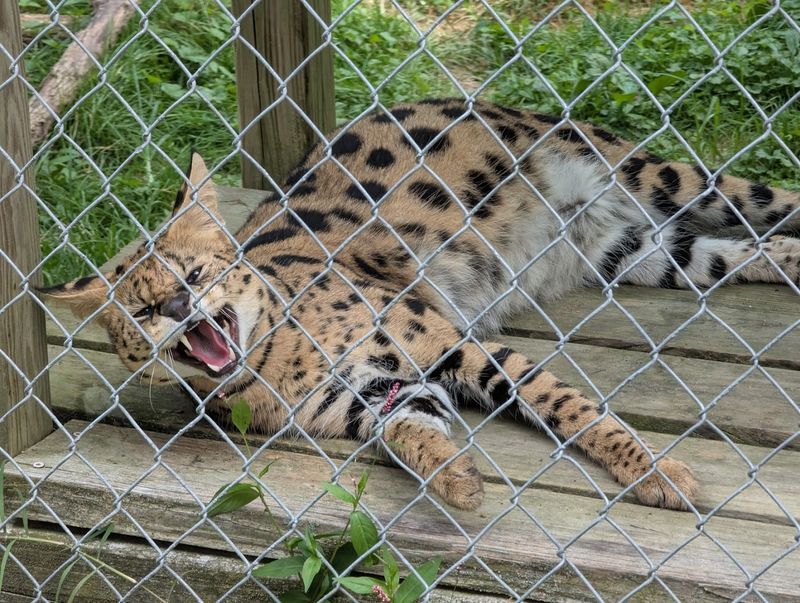
Tigers and lions naturally pull attention, but Carolina Tiger Rescue’s smaller wild cats often become the animals people talk about on the drive home. Caracals, servals, bobcats, ocelots, and similar species have an intensity that is easier to miss until a guide helps you slow down and really look.
A caracal’s black ear tufts, a serval’s alert posture, or a bobcat’s compact confidence can be just as memorable as a tiger’s stride. These animals also help explain a quieter side of the exotic pet trade.
Because smaller cats seem more manageable to some buyers, they are often marketed in ways that hide the truth about their needs. They are still wild animals, with specialized diets, instincts, space requirements, and behaviors that do not fit ordinary homes.
Seeing them in sanctuary care makes the lesson land gently but firmly. Cute does not mean domestic, and rare does not mean appropriate to own.
The Non-Cat Residents Add A Strange Little Plot Twist
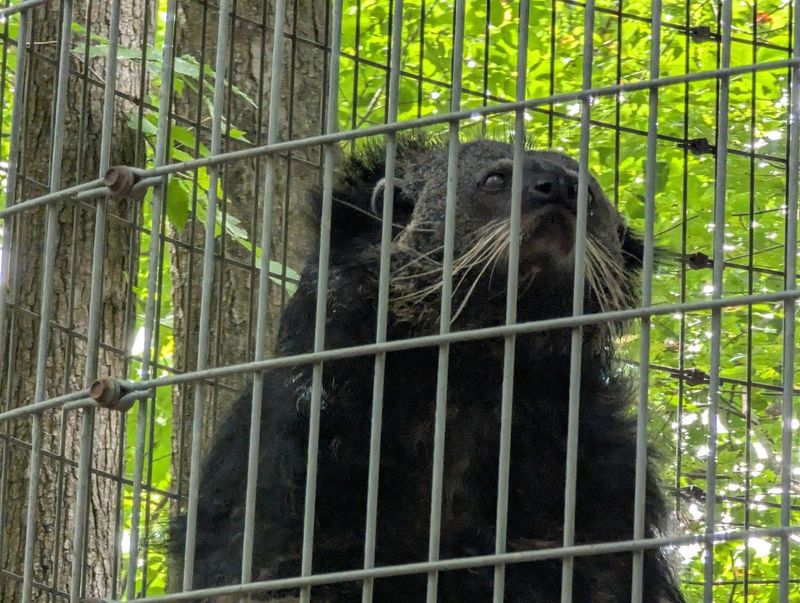
Despite the name, Carolina Tiger Rescue is not only about tigers. The sanctuary has also cared for animals such as kinkajous and coatimundis, and those unexpected residents often jolt visitors out of any simple idea of what a big cat sanctuary should be.
Kinkajous are tropical mammals related to raccoons, with bright curiosity and foraging habits that make them fascinating to learn about. Coatimundis bring their own energy, reminding you that the exotic pet trade reaches far beyond famous predators.
These animals may not have the cinematic presence of a tiger, but they are important to the sanctuary’s educational story. People purchase unusual mammals for novelty, social media attention, or misplaced affection, then discover that wild behavior does not disappear in a living room.
The surprise is part of the point. By meeting animals you did not expect, you start to understand how broad the rescue problem really is, and how many species suffer when curiosity becomes ownership.
The Exotic Pet Trade Is The Uncomfortable Thread Running Through Everything
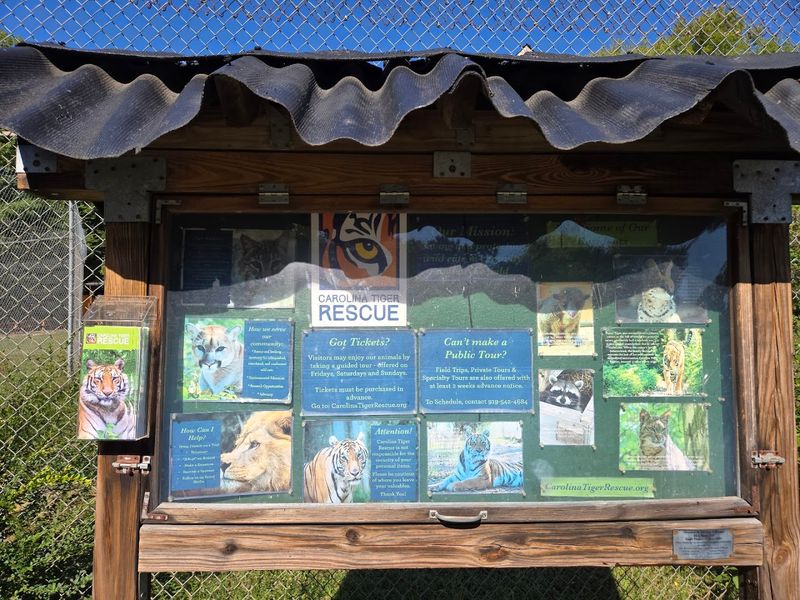
Carolina Tiger Rescue does not bury the hard subject behind the beauty of the animals. A major part of the tour is understanding how wild cats and other exotic species end up in captivity, often through private ownership, cub petting operations, roadside zoos, traveling attractions, or facilities that collapse financially.
The guides discuss these issues directly, but not in a way that feels manipulative or sensational. Instead, they connect facts to the animals in front of you, which makes the information much harder to dismiss.
You hear why cub petting is harmful, why breeding for public interaction creates lifelong consequences, and why owning a wild animal is not a harmless personal choice. Laws vary, enforcement can be difficult, and the animals usually pay the price.
By the end, you understand what responsible tourism looks like. Avoid places that offer touching, posing, or breeding for entertainment, and support sanctuaries that put animal welfare first.
There Are Ways To Stay Connected After The Tour Ends
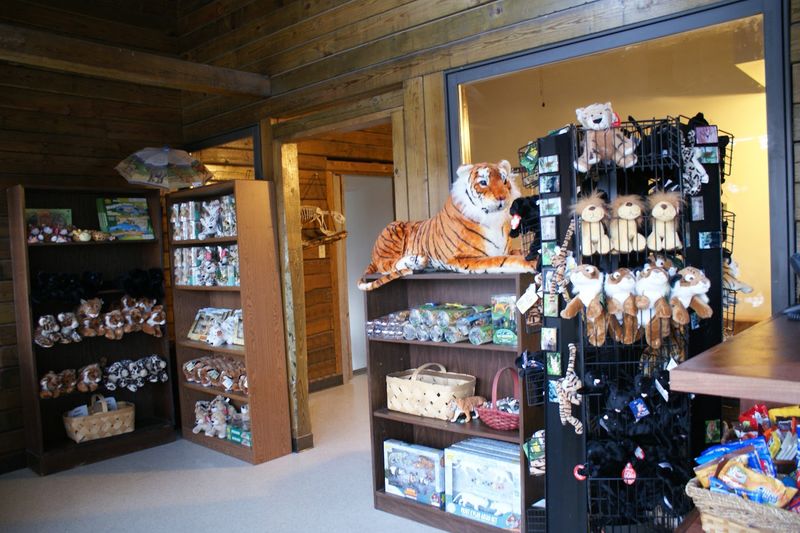
One of the unexpected effects of visiting Carolina Tiger Rescue is that a single tour may not feel like enough. After hearing the animals’ stories and seeing the work involved, it is easy to understand why many visitors look for ways to keep supporting the sanctuary.
Volunteers play a major role in the organization, helping with tasks such as grounds maintenance, construction, education, tour support, and animal care related work according to training and commitment level. These programs are structured, because caring for dangerous wild animals requires consistency, safety, and respect for protocol.
Financial support matters too. Donor adoption programs let supporters sponsor individual animals, helping offset ongoing costs like food, veterinary care, enclosure upkeep, and enrichment.
That connection can make the visit feel less like a one-time outing and more like joining a larger circle of care. You may arrive as a curious guest, but you can leave as an advocate.
Pittsboro Makes The Sanctuary Feel Like A Real Escape

Carolina Tiger Rescue sits at 1940 Hanks Chapel Road in Pittsboro, and the drive helps set the tone before the tour even begins. You leave behind the busier rhythm of Raleigh, Durham, Chapel Hill, or other Triangle communities and move into Chatham County’s quieter mix of woods, farmland, and back roads.
Pittsboro is close enough for an easy day trip, roughly southwest of Raleigh and not far from Chapel Hill, but it feels like a genuine change of scene. That balance makes the sanctuary especially appealing if you want something meaningful without planning a full vacation.
Build in extra time if you can. Downtown Pittsboro has local shops and places to eat, and the slower pace pairs well with a reflective sanctuary visit.
Just remember that tours should be booked in advance, and practical preparation matters. Wear closed-toe shoes, dress for weather, bring water when it is warm, and arrive ready to listen.