Wonder Gardens stands as a living piece of Florida history, celebrating 90 years of welcoming visitors to its three-acre paradise in Bonita Springs. Since opening in 1936, this remarkable roadside attraction has transformed into a vital sanctuary for rescued birds and reptiles that cannot return to the wild.
Families discover exotic parrots, graceful flamingos, ancient tortoises, and powerful alligators all thriving in carefully maintained habitats among stunning botanical gardens. Whether you’re seeking an educational adventure or simply want to experience old Florida charm, this hidden gem offers something special for nature lovers of all ages.
Historic 1936 Origins – The Beginning of Florida’s Oldest Roadside Attraction
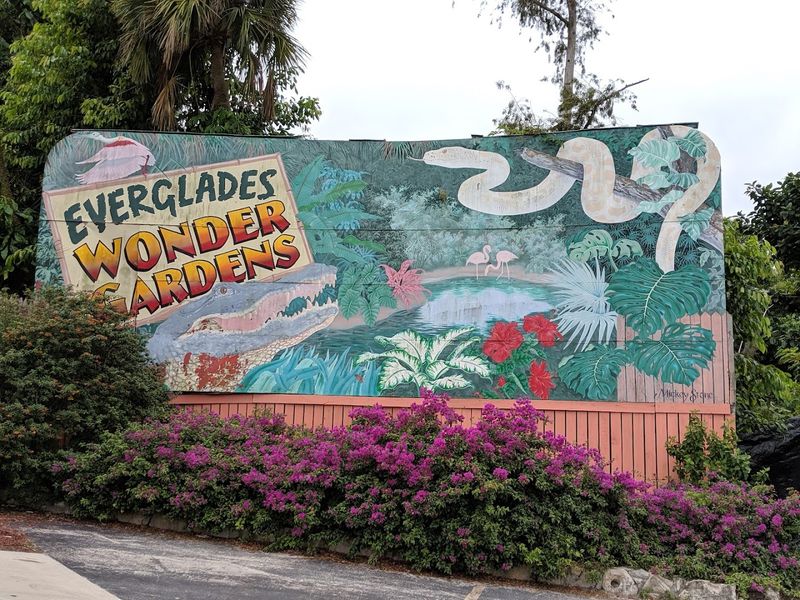
Back when Route 41 was the main highway through Southwest Florida, two visionary naturalists decided to create something magical. Bill and Lester Piper opened Wonder Gardens in 1936, making it the oldest continuously operating roadside attraction in the entire state.
They wanted travelers to stop, stretch their legs, and experience Florida’s incredible wildlife up close.
The original concept combined botanical beauty with animal exhibits, creating an educational experience unlike anything else on the tourist trail. Old highway signs from that era still decorate the grounds today, offering authentic glimpses into Florida’s tourism past.
Visitors love photographing these vintage markers that transport them back to simpler times when roadside attractions ruled family vacations.
Nearly a century later, Wonder Gardens maintains its historic mission while adapting to modern conservation needs. The facility now focuses heavily on rescuing animals that were illegally kept as pets or injured in the wild.
This blend of preservation and education honors the Piper brothers’ original vision while serving today’s environmental challenges.
Walking through Wonder Gardens feels like stepping into a time capsule where old Florida hospitality meets contemporary wildlife care. The place hasn’t lost its nostalgic charm even as it grows more important for animal rehabilitation and public education about native species.
Three Acres of Botanical Paradise – Exploring the Lush Gardens
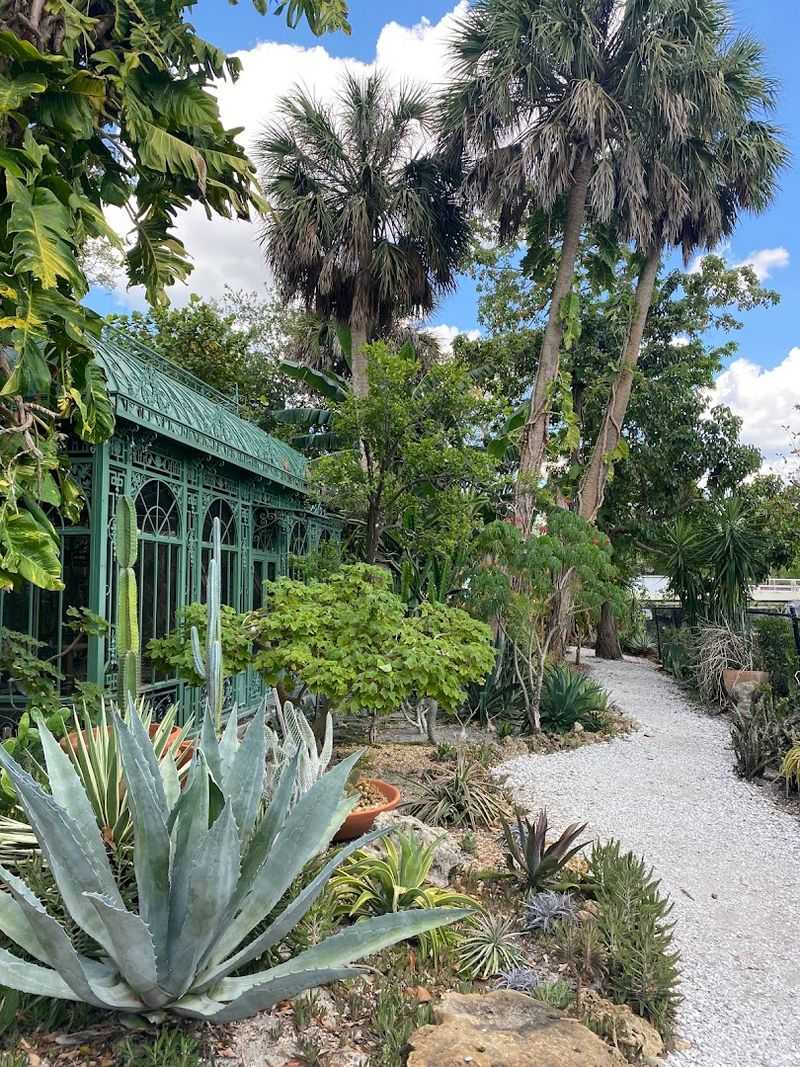
Meandering paths wind through three carefully landscaped acres where every turn reveals something beautiful and unexpected. Towering palms provide welcome shade while exotic flowering plants add bursts of color throughout the year.
The garden design encourages slow exploration, rewarding patient visitors with hidden corners filled with rare orchids and spectacular bromeliads that thrive in Florida’s humid climate.
Horticulture enthusiasts discover an impressive collection of tropical and subtropical species arranged in themed garden areas. The bromeliad garden alone showcases hundreds of varieties, their vibrant colors and unique shapes creating natural artwork.
Orchid lovers find equally impressive displays, with blooms appearing throughout different seasons to ensure something’s always flowering magnificently.
What makes these gardens special isn’t just the plant diversity but how they’re integrated with animal habitats. Birds nest in flowering trees while tortoises browse near ground-level plantings, creating authentic ecosystem interactions.
This thoughtful design lets visitors observe how Florida wildlife naturally coexists with native and adapted plant species in healthy environments.
Photography opportunities abound as sunlight filters through canopy leaves and reflects off pond surfaces. The green iron aviaries and vintage greenhouses serve as stunning architectural backdrops, making every photo Instagram-worthy while celebrating the property’s historic structures and botanical heritage beautifully.
Rescued Bird Sanctuary – A Safe Haven for Exotic Feathered Friends
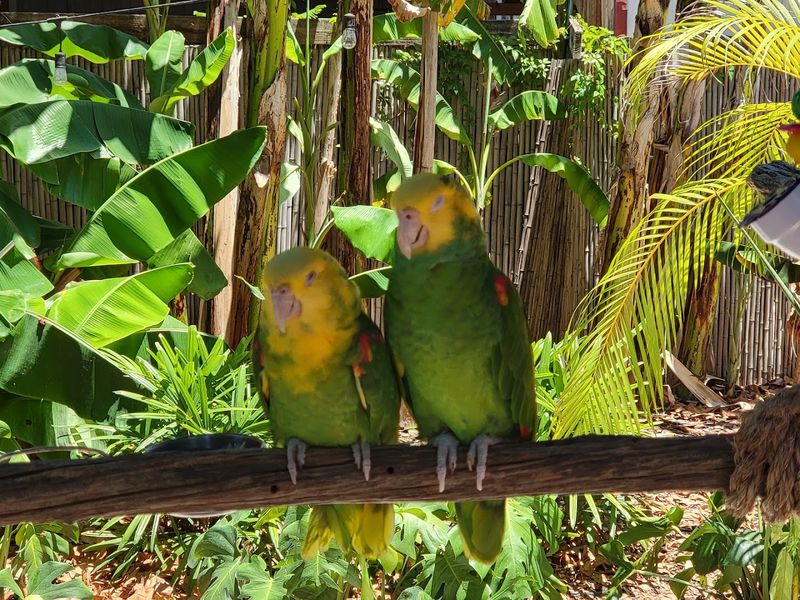
Wonder Gardens provides permanent homes for exotic birds that cannot survive in the wild, many confiscated from illegal pet trade operations. These beautiful creatures received second chances when people realized keeping parrots, macaws, and other tropical species as pets often causes serious problems.
Staff members carefully evaluate each bird’s needs before creating specialized living spaces that promote natural behaviors and social interactions.
Visitors encounter an astounding variety of species from around the world, each with fascinating stories of rescue and rehabilitation. Some birds arrived injured, others were surrendered by overwhelmed owners who underestimated the decades-long commitment parrots require.
Educational signs throughout the sanctuary explain why wild animals don’t make good pets and how well-meaning people sometimes cause harm through misguided compassion.
The conservation status of each species appears clearly marked, teaching guests about worldwide threats these animals face. Many birds displayed here come from endangered populations, making their survival stories even more meaningful.
Staff and knowledgeable volunteers eagerly share information about individual personalities, dietary needs, and the specialized care required for long-term health.
Children especially love watching parrots demonstrate their intelligence through puzzle-solving and communication. These interactions create powerful teaching moments about respecting wildlife and supporting legitimate conservation efforts rather than contributing to harmful exotic pet markets.
Reptile Rehabilitation Center – Alligators, Tortoises, and More
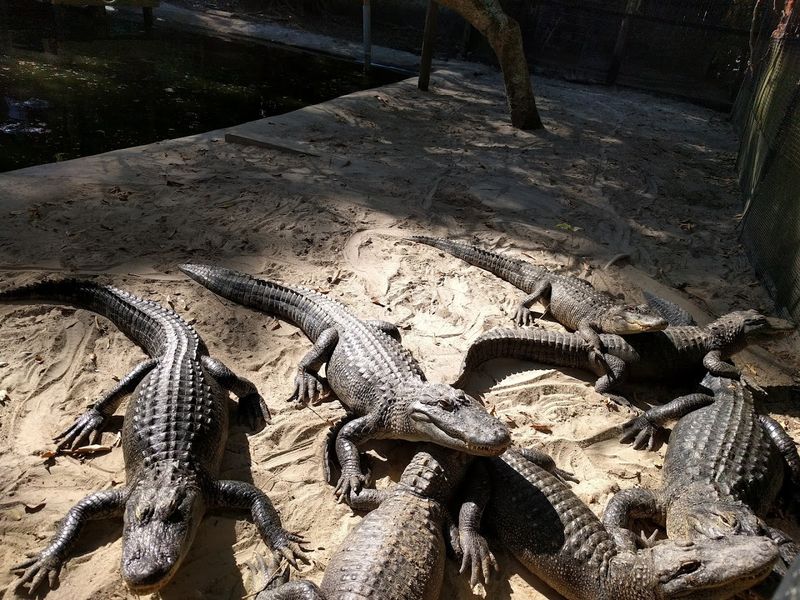
Behind secure fencing, powerful American alligators bask in the Florida sun while ancient tortoises slowly patrol their spacious enclosures. These reptiles all share similar stories—they’re non-releasable animals that found permanent sanctuary after human encounters went wrong.
Some alligators grew too comfortable around people, making them dangerous if returned to wild areas where they might approach homes or swimming areas.
The tortoise collection includes several impressively large individuals that can live over a hundred years with proper care. Many arrived after outgrowing backyard ponds where owners initially thought raising baby turtles would be simple.
Watching these prehistoric-looking creatures munch vegetables helps visitors understand the serious, long-term commitment required for reptile ownership and why impulsive purchases cause problems.
Wild iguanas freely roam the grounds, creating unexpected photo opportunities and delighting children who’ve never seen large lizards up close. Staff explains how these introduced species arrived in Florida and their impact on native ecosystems.
Even black racer snakes occasionally make appearances, though they’re harmless natives providing natural pest control services.
Educational programming emphasizes respecting reptiles while understanding their important ecological roles. Kids learn alligators aren’t monsters but fascinating predators deserving protection.
This balanced approach to reptile education helps create informed future conservationists.
Famous Flamingo Flock – The Photogenic Pink Stars
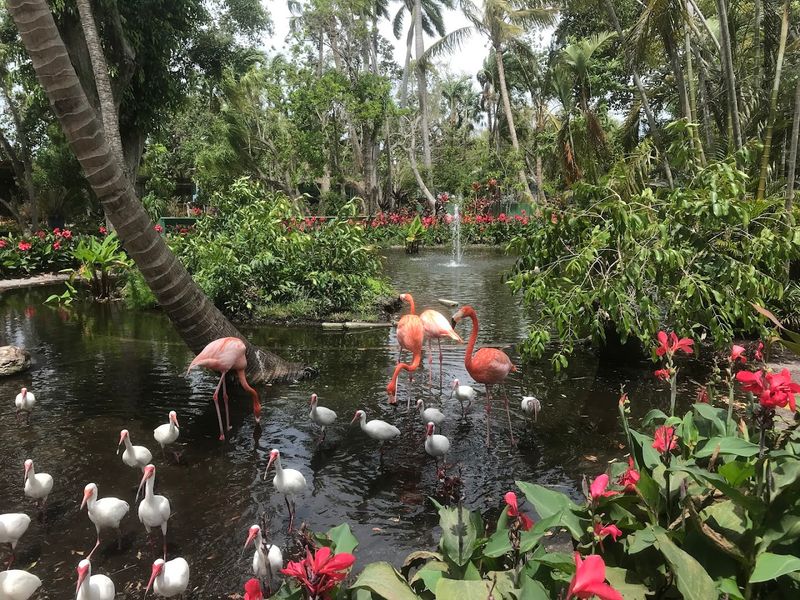
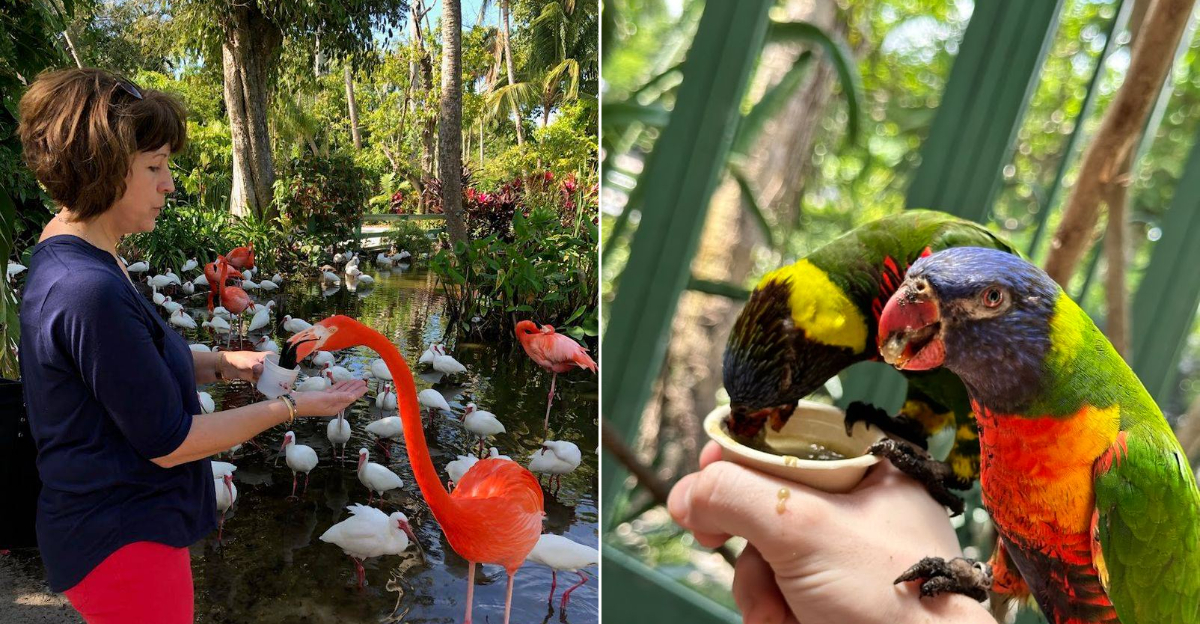
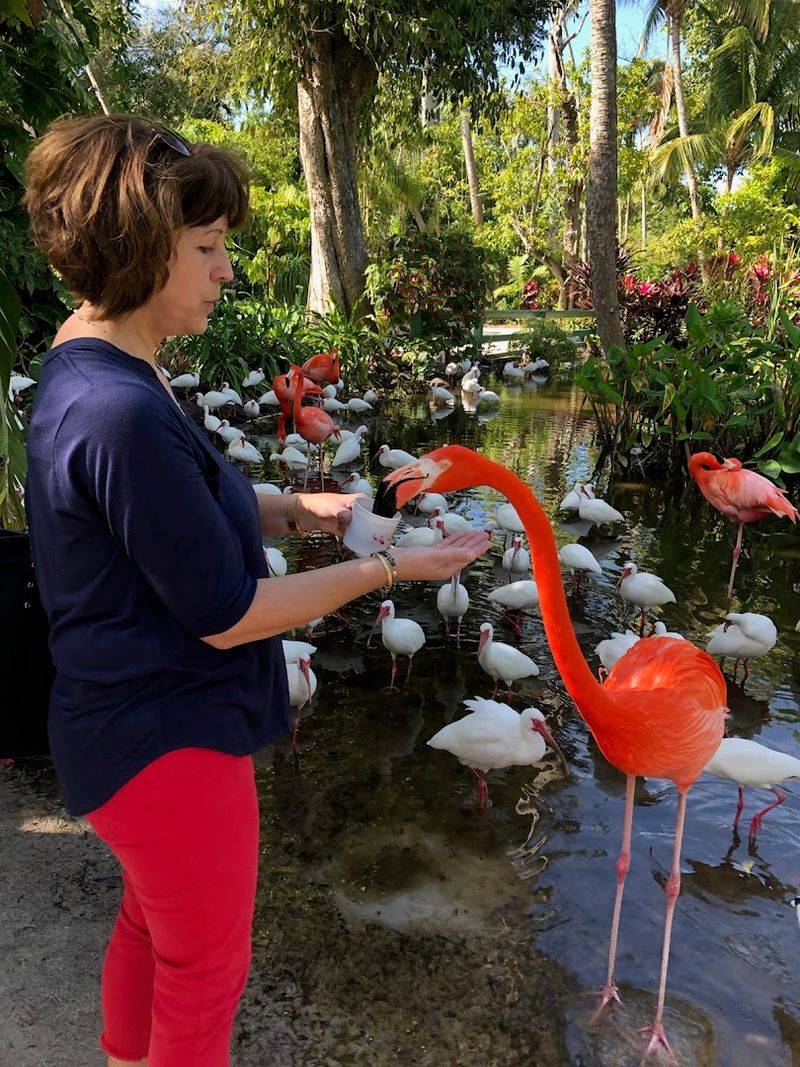
Nothing captures visitor attention quite like Wonder Gardens’ stunning flamingo flock, their vibrant pink feathers creating spectacular photo opportunities against lush green backgrounds. These long-legged beauties are undeniably the park’s most photographed residents, striking elegant poses that seem almost choreographed for social media perfection.
Their distinctive coloring comes from carotenoid pigments in their specialized diet, carefully maintained by dedicated staff members.
Flamingos naturally live in large social groups, and Wonder Gardens works hard to provide appropriate flock dynamics for their birds’ psychological wellbeing. Watching them interact—preening each other, vocalizing in their distinctive honking calls, and performing synchronized movements—demonstrates complex social behaviors most people never associate with birds.
These interactions fascinate both young children and adult visitors equally.
The facility actively fundraises for hurricane shelter construction to protect their flamingo flock during severe storms. Florida’s hurricane season poses serious threats to outdoor bird exhibits, and a dedicated shelter would ensure these beloved animals stay safe during dangerous weather.
Generous donations from visitors help make this critical infrastructure project possible.
Photography tips from staff help guests capture perfect flamingo portraits without disturbing the birds. Early morning visits offer the best lighting conditions, and patience rewards photographers with amazing shots of natural behaviors like feeding, bathing, and those iconic one-legged standing poses everyone loves.
Vintage Green Iron Aviaries – Historic Enclosures with Character
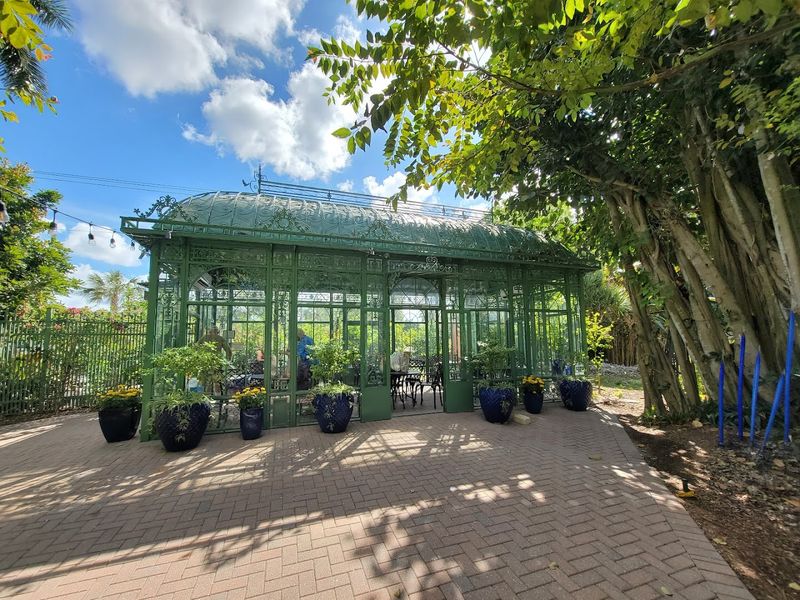
The distinctive green iron aviaries stand as architectural treasures from Wonder Gardens’ earliest decades, their ornate metalwork representing craftsmanship rarely seen in modern construction. These historic structures weren’t just functional animal enclosures but artistic statements that enhanced the visitor experience through beautiful design.
Photographers particularly love how the vintage green paint and decorative ironwork create stunning backdrops for wildlife and garden photos.
Maintaining these aging structures requires significant resources and specialized expertise in historic preservation. The nonprofit organization that now operates Wonder Gardens commits to protecting these irreplaceable buildings while ensuring they meet current animal welfare standards.
Careful restoration work preserves original architectural details while subtly incorporating modern improvements for resident birds’ comfort and security.
Vintage greenhouses complement the aviaries, their glass panels and iron frames evoking old-fashioned botanical conservatories from America’s golden age of public gardens. Inside, tropical plants thrive in humid conditions while visitors enjoy protected viewing during Florida’s occasional rainy spells.
The tea house setting attracts event planners who recognize its charm for intimate celebrations.
Walking past these green iron structures feels like traveling through time to when roadside attractions emphasized artistic design alongside entertainment value. Modern zoos favor functional concrete and chain-link, making Wonder Gardens’ commitment to historic preservation even more special and worthy of photography, appreciation, and continued community support.
Interactive Parrot Exhibits – Dancing and Talking Birds
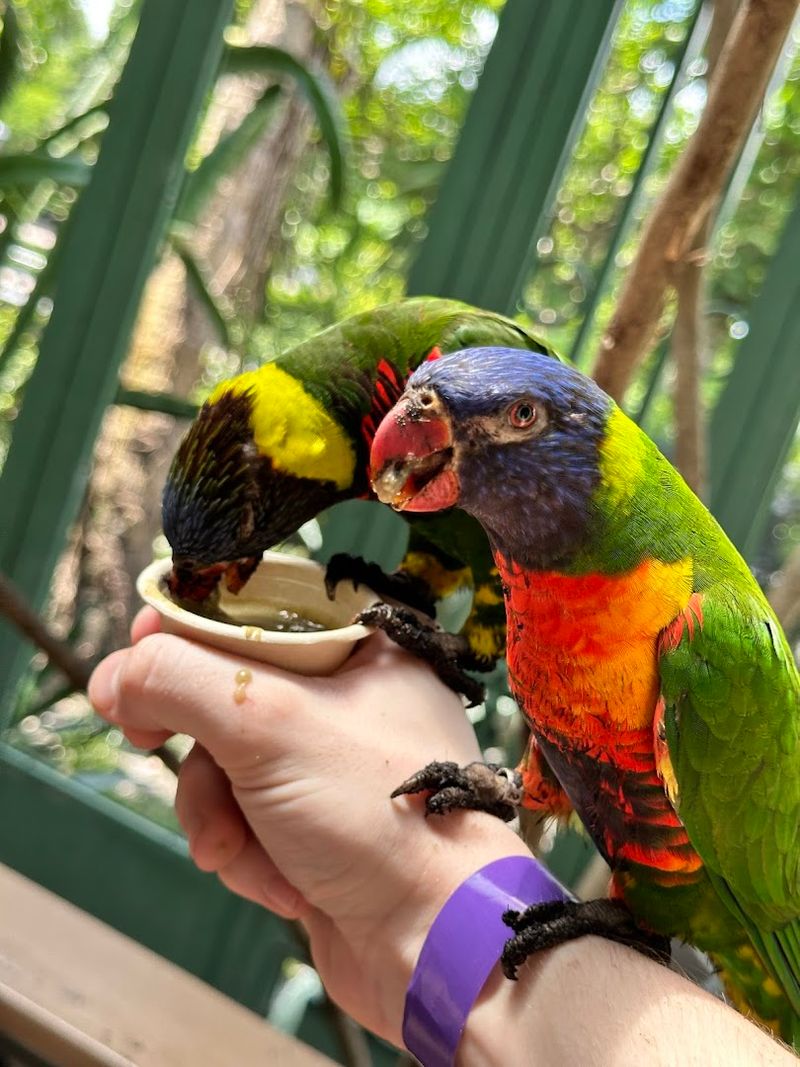
Certain parrots at Wonder Gardens love showing off for visitors, dancing on their perches and calling out greetings that delight children and adults alike. These highly intelligent birds developed distinct personalities during their years at the sanctuary, with favorites like Calypso becoming celebrities among regular visitors.
Staff encourages appropriate interaction while teaching guests about respecting animal boundaries and recognizing stress signals.
Parrots possess remarkable cognitive abilities comparable to young children, solving complex puzzles and learning extensive vocabularies when properly stimulated. Watching them manipulate enrichment toys demonstrates problem-solving skills that surprise people who’ve never spent time around these feathered geniuses.
Educational programming explains how this intelligence makes parrots particularly unsuitable as casual pets—they require constant mental stimulation and social engagement throughout their decades-long lifespans.
Some birds vocalize on cue, repeating phrases they’ve learned over years of human interaction. Others prefer showing off physical abilities through acrobatic displays, hanging upside-down or climbing elaborate structures with impressive dexterity.
Each parrot’s unique personality shines through during these spontaneous performances, creating memorable moments visitors talk about long after leaving.
Photography challenges arise with fast-moving, brightly colored subjects, but patient visitors capture amazing shots of parrots mid-dance or mid-speech. Staff shares tips about timing and positioning for best results, helping amateur photographers achieve professional-looking wildlife portraits without expensive equipment or extensive experience.
Educational Conservation Programs – Learning About Wildlife Protection
Every animal enclosure features detailed educational signage explaining each species’ conservation status, native habitat, and the threats they face in wild populations. This comprehensive approach transforms casual visits into meaningful learning experiences about global biodiversity challenges.
Students on school field trips discover how individual choices—from purchasing exotic pets to supporting habitat destruction through consumer decisions—directly impact animal survival worldwide.
Staff members and passionate volunteers eagerly engage visitors with fascinating natural history facts and conservation success stories. One elderly gentleman particularly loves having guests smell various leaves while sharing historical anecdotes about the property’s nine-decade evolution.
These personal interactions create connections between people and wildlife that sterile exhibits simply cannot achieve, inspiring genuine concern for environmental protection.
The facility emphasizes that rescued animals here were pets abandoned by owners or confiscated from illegal trade operations. This powerful message helps children understand wild animals aren’t toys but living creatures deserving respect and appropriate care.
Repeated reminders throughout tours reinforce that exotic animals belong in nature or qualified sanctuaries, never bedroom cages or backyard enclosures.
Wonder Gardens actively participates in regional conservation networks, sharing expertise and resources with other rehabilitation facilities. Visitors learn their admission fees directly support not just this sanctuary but broader wildlife protection efforts across Florida, making each ticket purchase a meaningful contribution toward environmental stewardship and animal welfare.
Small-Scale Charm – An Intimate Alternative to Big Zoos
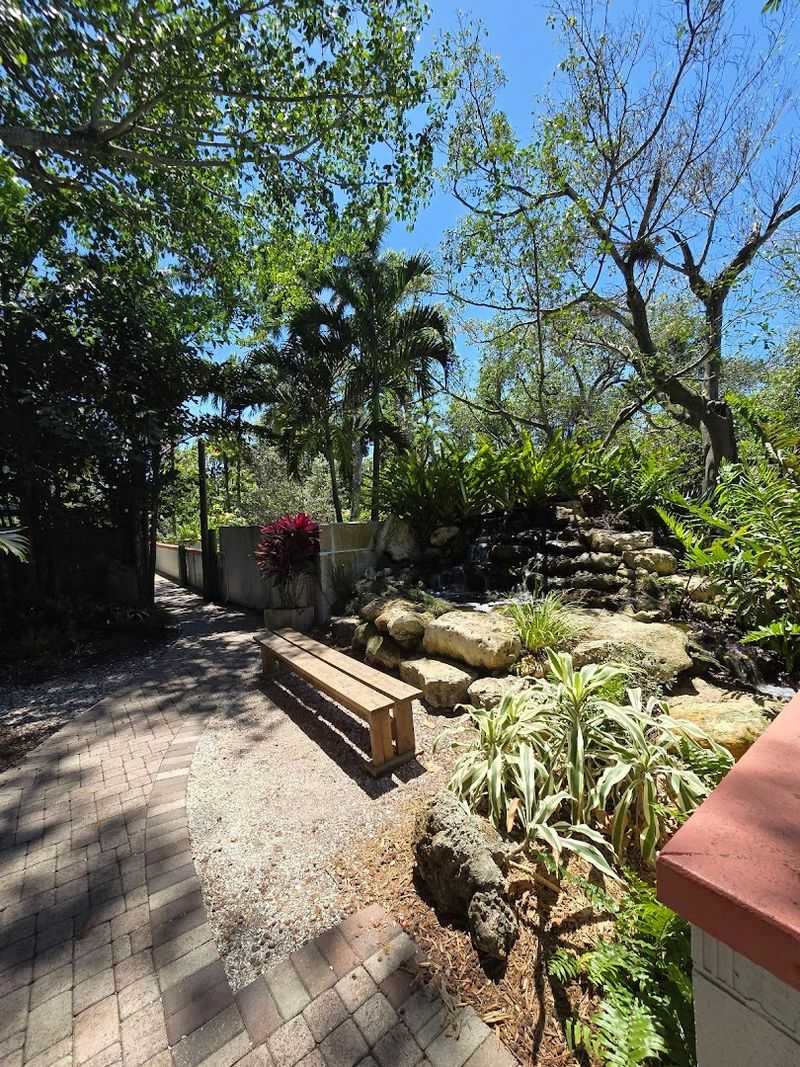
Unlike sprawling commercial zoos requiring full-day marathons, Wonder Gardens offers a refreshingly intimate experience completable in one to two leisurely hours. This manageable size particularly appeals to families with young children who tire quickly or visitors seeking peaceful nature experiences without overwhelming crowds.
The compact layout means guests actually see everything without exhausting themselves or missing important exhibits hidden across vast properties.
Mostly shaded pathways wind through the three acres, providing comfortable walking even during hot Florida afternoons. The easy, accessible trails accommodate strollers, wheelchairs, and visitors with limited mobility who often struggle at larger facilities with challenging terrain.
Clean bathrooms located conveniently near the main building eliminate the long treks common at sprawling attractions.
Many reviewers describe Wonder Gardens as perfect for a relaxed morning outing rather than an all-day commitment. This appeals to travelers wanting authentic Florida experiences without dedicating entire vacation days to single attractions.
The manageable scope also makes annual memberships worthwhile for local families who enjoy frequent short visits throughout the year.
Limited parking remains the main challenge, with seasoned visitors recommending arrival before 10 AM or after 12:30 PM to avoid frustration. The small lot reflects the facility’s intimate scale—designed for modest crowds that preserve the peaceful, uncrowded atmosphere guests specifically seek when choosing Wonder Gardens over massive theme parks and sprawling zoos nearby.
Family-Friendly Features – Perfect for All Ages and Young Children
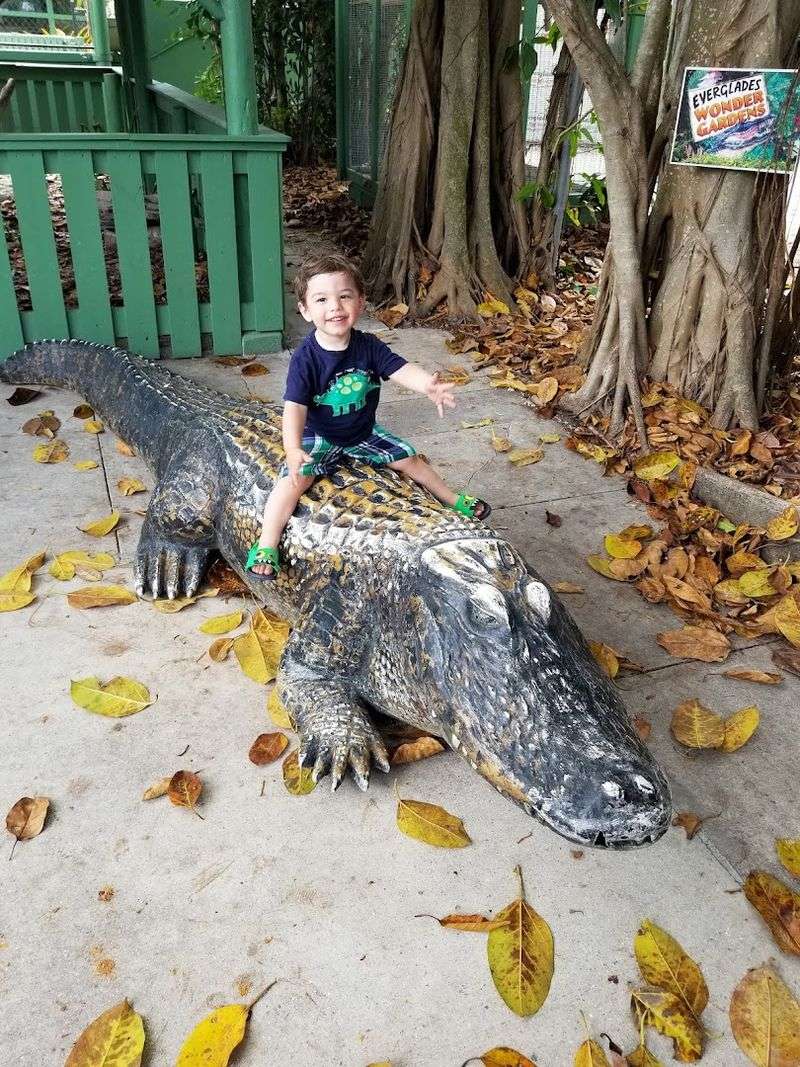
Parents consistently praise Wonder Gardens as ideally suited for young children who might feel overwhelmed at larger attractions. The manageable size means toddlers can walk most paths without constant carrying, while the variety of colorful animals maintains attention spans better than lengthy exhibits.
Kids encounter exotic birds at eye level in low aviaries, creating magical close-up experiences impossible at traditional zoos with distant viewing areas.
Flamingos particularly captivate young visitors, their vibrant pink color and funny waddles generating endless giggles and pointing. Children safely observe alligators behind secure fencing at appropriate distances that satisfy curiosity without inducing fear.
Free-roaming iguanas create exciting scavenger hunt opportunities as kids spot these harmless lizards throughout the property.
The gift shop offers affordable souvenirs including cute stickers and conservation-themed bracelets that support turtle rescue efforts. Grandparents love finding age-appropriate gifts that combine fun with educational value, teaching grandchildren about wildlife protection through tangible items they’ll treasure.
An outdoor plant shop lets gardening-enthusiast adults browse while kids remain engaged with nearby animal exhibits.
Multiple families mentioned celebrating birthdays and special occasions here, with staff creating memorable experiences through personal attention. Some couples even host wedding receptions on the grounds, utilizing the beautiful scenery and unique atmosphere for intimate celebrations that guests genuinely enjoy exploring between traditional reception activities and photographs.