If you think presidential museums are stiff halls full of plaques and portraits, this one may surprise you. The Jimmy Carter Presidential Library & Museum in Atlanta feels personal, reflective, and unexpectedly grounded, starting with a childhood shaped in rural Georgia and ending with a global humanitarian legacy.
You move from peanut farm memories to campaign grit, Oval Office drama, and post-presidential service without losing sight of the man at the center of it. It is the kind of museum that gives you history, but also leaves you thinking about character, failure, and what a public life can become.
A presidential story that begins in Plains
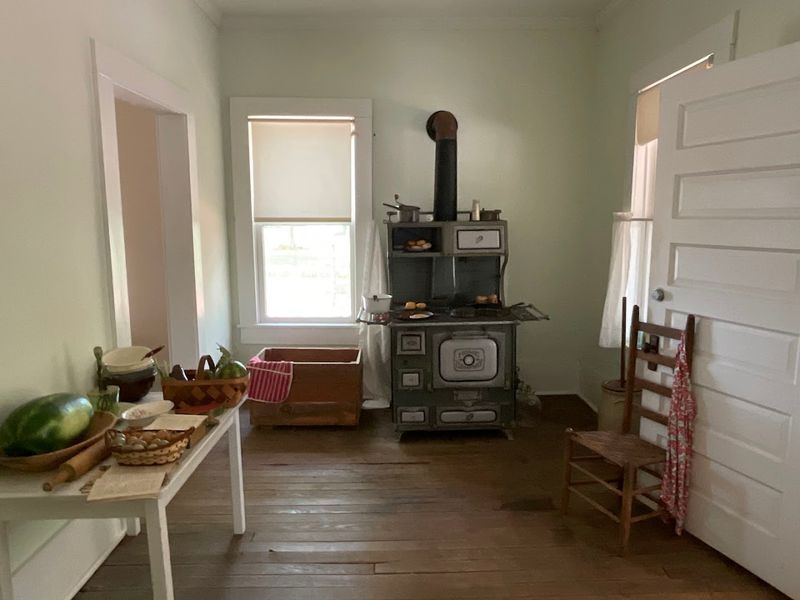
The story here starts far from Washington, and that is exactly why it lands. Before the campaign buses, treaties, and White House meetings, you meet Jimmy Carter as a boy from Plains, Georgia, shaped by farm work, family discipline, faith, and a very practical small-town world.
The museum does not romanticize any of it, which makes the introduction feel stronger.
One detail that stuck with me is how plainly the exhibits explain that Carter grew up without indoor plumbing until he was a teenager. That fact is not used as a dramatic flourish.
Instead, it helps you understand the kind of daily life that formed his habits, his frugality, and his belief that public service should stay connected to ordinary people.
As an opening section, it works beautifully because it gives you a human scale first. You are not dropped into headlines.
You are invited to see how a presidency can begin in a place where chores, church, school, and community mattered every single day.
The quiet Atlanta campus that sets the tone
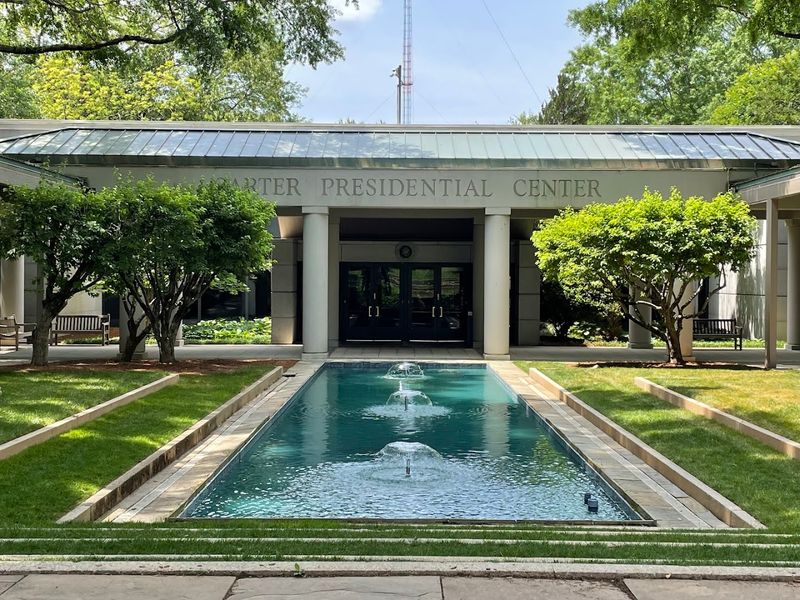
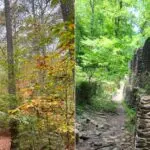
Even before you step inside, the setting changes your expectations. The Jimmy Carter Presidential Library & Museum sits on a wooded Atlanta campus along John Lewis Freedom Parkway, and the grounds feel more like a contemplative park than a ceremonial government complex.
Walking paths, a pond, and carefully kept gardens create an atmosphere that is calm instead of grandiose.
What makes the property feel especially alive is that it shares the campus with the Carter Center. That matters, because the site does not come across as a closed chapter.
You are standing in a place connected to ongoing work in global health, election monitoring, and conflict resolution, which gives the whole visit a sense of purpose beyond memory.
First impressions count in museums, and this one gets them right by lowering the volume. You are not hit with patriotic spectacle.
Instead, you ease into the story, and that softer beginning makes the later galleries feel more personal, more credible, and much easier to absorb.
Childhood galleries that feel genuinely lived in
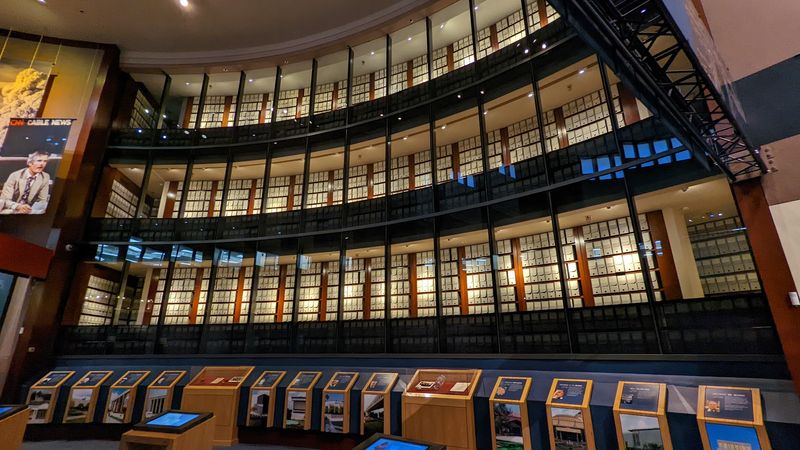
The childhood galleries are some of the most affecting spaces in the museum because they feel specific, not generic. You see photographs, school materials, farm tools, and family belongings that build a believable picture of life in Plains during the 1930s and 1940s.
Instead of flattening the past into a neat origin story, the exhibits let the texture of ordinary life do the work.
I liked that many of the objects connected directly to the Carter family rather than acting as broad historical stand-ins. A report card, diploma, ring, and farm-related artifacts make the displays feel lived in.
Those details bring you closer to the rhythms of childhood, education, labor, and expectation in a rural Georgia setting.
If you visit with kids or someone who thinks presidential history sounds distant, this section helps. It translates a famous life into recognizable building blocks like homework, chores, siblings, and growing responsibilities.
That grounding gives everything that follows more weight, because the person at the center already feels real.
The long road from the Navy to Georgia politics
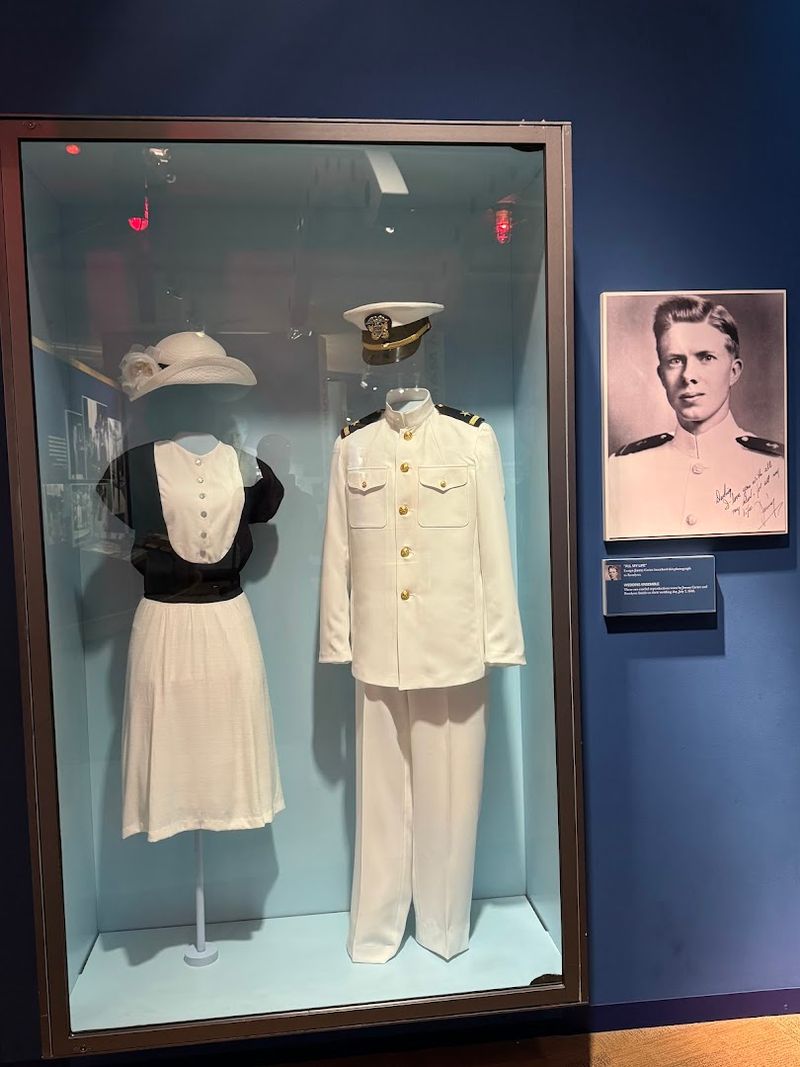
One of the museum’s smartest choices is showing how long Carter’s path to national office really was. This was not a sudden leap from peanut farm to presidency.
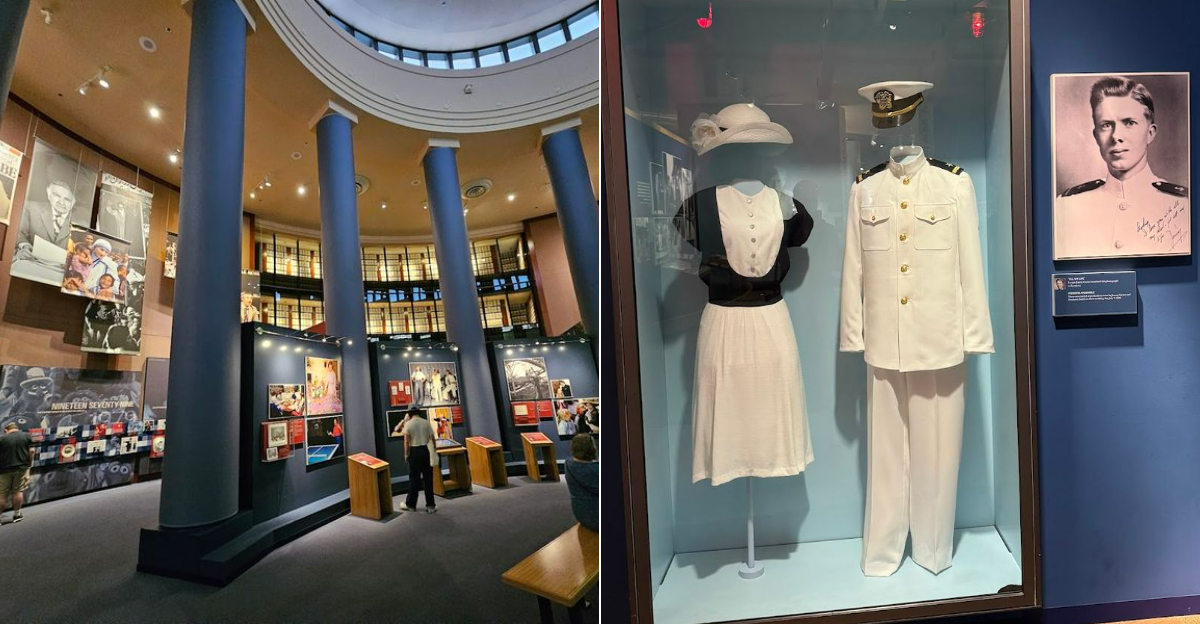
The exhibits trace his time in the Navy, his return to Georgia, his service in the state senate, and the gradual shaping of a political identity around efficiency, civil rights, and environmental concerns.
I appreciated that the museum includes his failed 1966 run for governor instead of skipping ahead to the win in 1970. That loss makes the later success more believable, and it also adds honesty to the narrative.
You leave with a clearer sense that political careers are built through adjustment, persistence, and some public disappointment.
This section is especially useful if you want context for the president Carter became. It shows that many of his priorities did not suddenly appear in Washington.
They were already visible in Georgia, where he was testing ideas about reform, race, government management, and what practical leadership should actually look like.
A 1976 campaign built from almost nothing
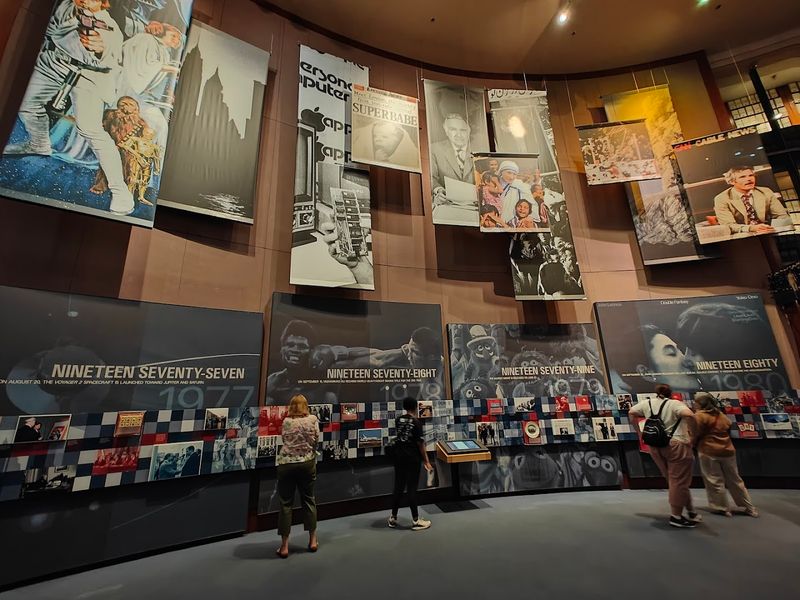
The 1976 campaign gallery captures something that is easy to forget now: Jimmy Carter was once a genuine outsider with low name recognition outside Georgia. The museum uses buttons, posters, press clippings, television footage, and slogans like Why Not the Best? to recreate the feeling of a campaign that had to introduce its candidate from the ground up.
What I found most engaging was the sense of momentum built into the displays. You can trace the shift from a lean, almost improvised operation to a serious national effort with broader organization and sharper messaging.
That evolution gives the gallery its own narrative arc, which makes it feel less like a wall of memorabilia and more like a story unfolding in real time.
If you enjoy political history, this section is a treat. If you usually do not, it still works because it shows campaigns as human ventures full of uncertainty, strategy, and stamina.
You can almost feel the bus miles, handshakes, and long-shot optimism in the room.
The Oval Office replica everyone stops for
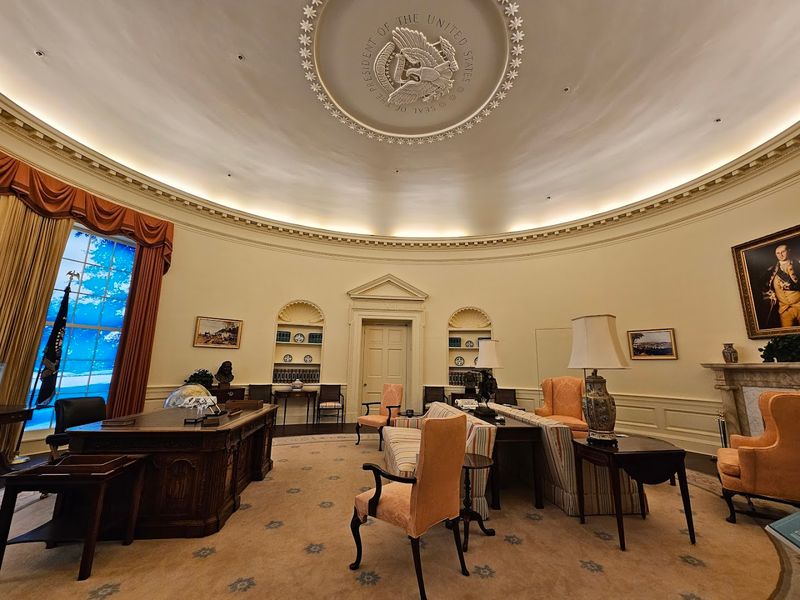
The most photographed part of the museum is easy to understand once you see it. The full-scale Oval Office replica is striking because it turns an iconic room into something physical and surprisingly intimate.
From the desk to the rug and decor, the recreation gives you a concrete sense of where Carter worked through some of the most visible and difficult years of his public life.
What stood out to me was the size. Like many visitors, I was reminded that the Oval Office feels smaller in person than television suggests.
That detail changes your perception a bit, because the office becomes less like a mythic set and more like a working room where meetings, pressure, and decision-making happened at close range.
Even if you are not normally drawn to replicas, this one earns its popularity. It is a rare museum feature that feels both familiar and revealing at the same time.
You arrive expecting a photo opportunity and leave with a better sense of presidential space, scale, and symbolism.
Policy galleries with real substance
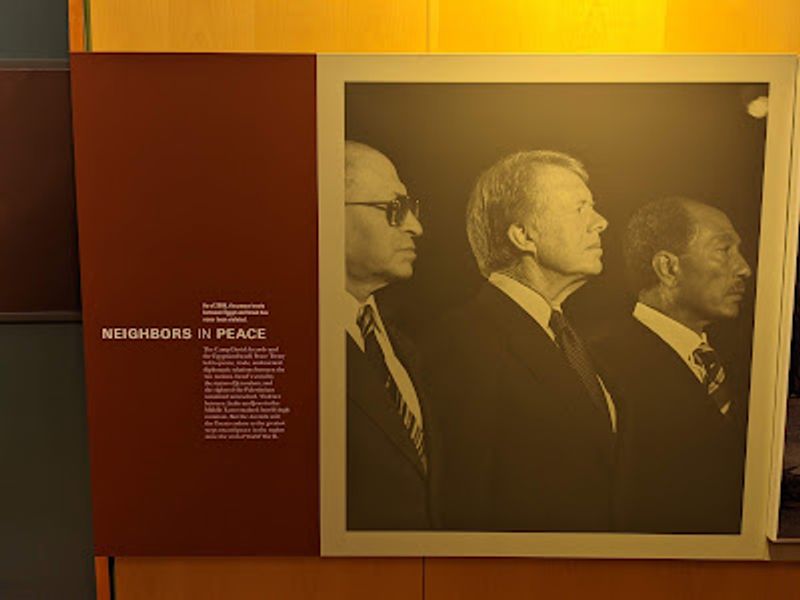
Some presidential museums lean hard on nostalgia, but this one gives real space to policy. The galleries on Carter’s administration cover the energy crisis, environmental action, the creation of the Department of Energy, expansion of parklands, and especially the Camp David Accords.
The result is a section that respects visitors enough to present governing as complicated work, not just a backdrop for personality.
The Camp David material is especially compelling because it includes notes, drafts, and photographs tied to the thirteen-day negotiations. Primary sources change the emotional distance of history.
Instead of hearing that diplomacy happened, you see how tense, deliberate, and document-heavy those breakthroughs actually were.
I also liked that these rooms do not pretend every issue can be absorbed in a minute. Some panels reward slow reading, while photographs and objects help casual visitors stay engaged.
That balance makes the policy section more approachable than you might expect, even if you walk in thinking legislation and treaties usually feel abstract inside a museum.
The hostage crisis gallery refuses easy answers
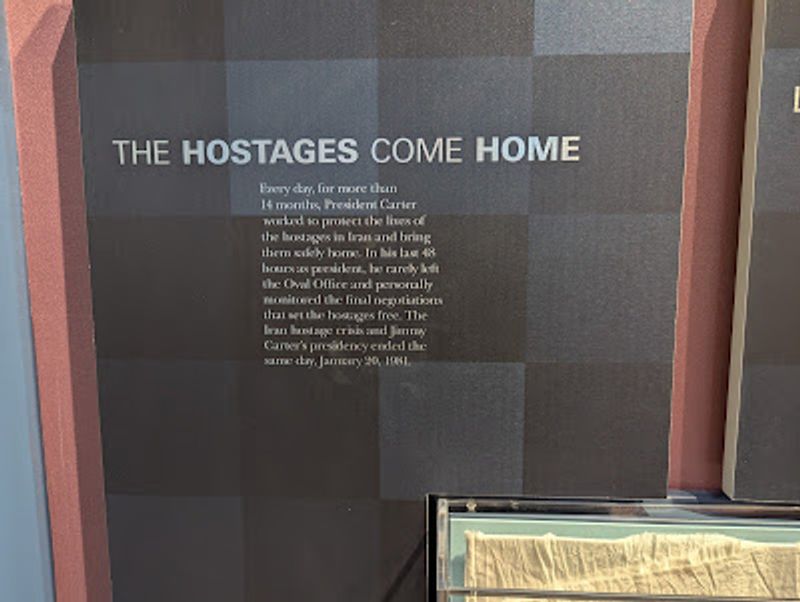
The Iran hostage crisis gallery is one of the museum’s most serious spaces, and it is also one of its most important. Rather than dodging the episode or reducing it to campaign fallout, the exhibits devote meaningful attention to the 444-day ordeal, the diplomatic efforts, and the failed rescue mission in 1980.
The tone stays measured, which makes the history feel more trustworthy.
The most affecting elements are the personal letters from some of the fifty-two American hostages. Those items pull the story away from polling numbers and televised summaries and return it to fear, waiting, and family strain.
When museums can shift scale like that, from international crisis to intimate human experience, the impact tends to stay with you.
I came away appreciating that this section does not push visitors toward a simple verdict. It asks you to sit with complexity, pressure, and uncertainty instead.
That choice fits the museum as a whole, which is strongest when it allows Carter’s hardest moments to remain difficult rather than neatly resolved.
A post-presidency that nearly becomes a second act
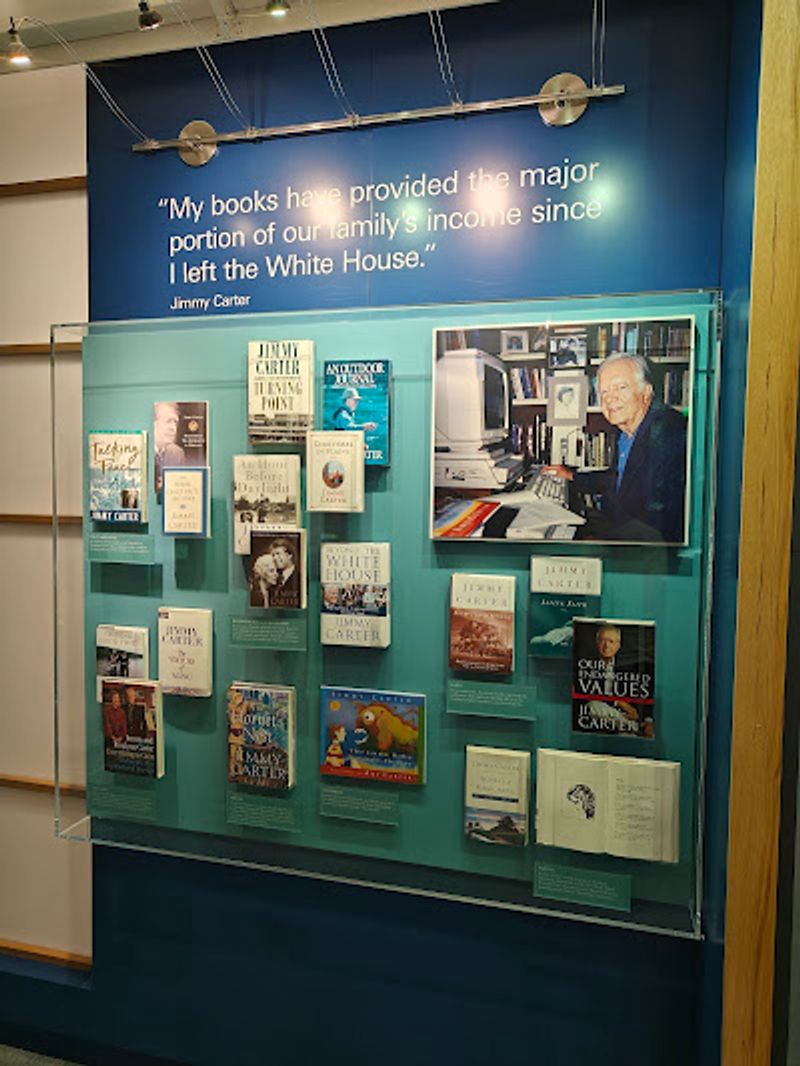
Many visitors arrive expecting the White House years to dominate the museum, but the post-presidency galleries may be the real surprise. Carter’s life after 1981 receives substantial space, and for good reason.
Through Habitat for Humanity, the Carter Center, election monitoring, and disease eradication work, the museum shows a public career that expanded rather than faded after leaving office.
I found these rooms especially moving because they reframe legacy. You see tools from building projects, materials tied to global health campaigns, and reminders of work that reached far beyond American politics.
The Nobel Peace Prize appears in this broader context, not as a standalone trophy, but as part of a decades-long commitment to service and human rights.
By the end of this section, the timeline itself becomes astonishing. Carter spent more years as a former president than anyone in United States history, and the museum uses that fact well.
It encourages you to measure a presidency not only by four years in office, but by the life that followed.
Practical tips that can quietly improve your visit
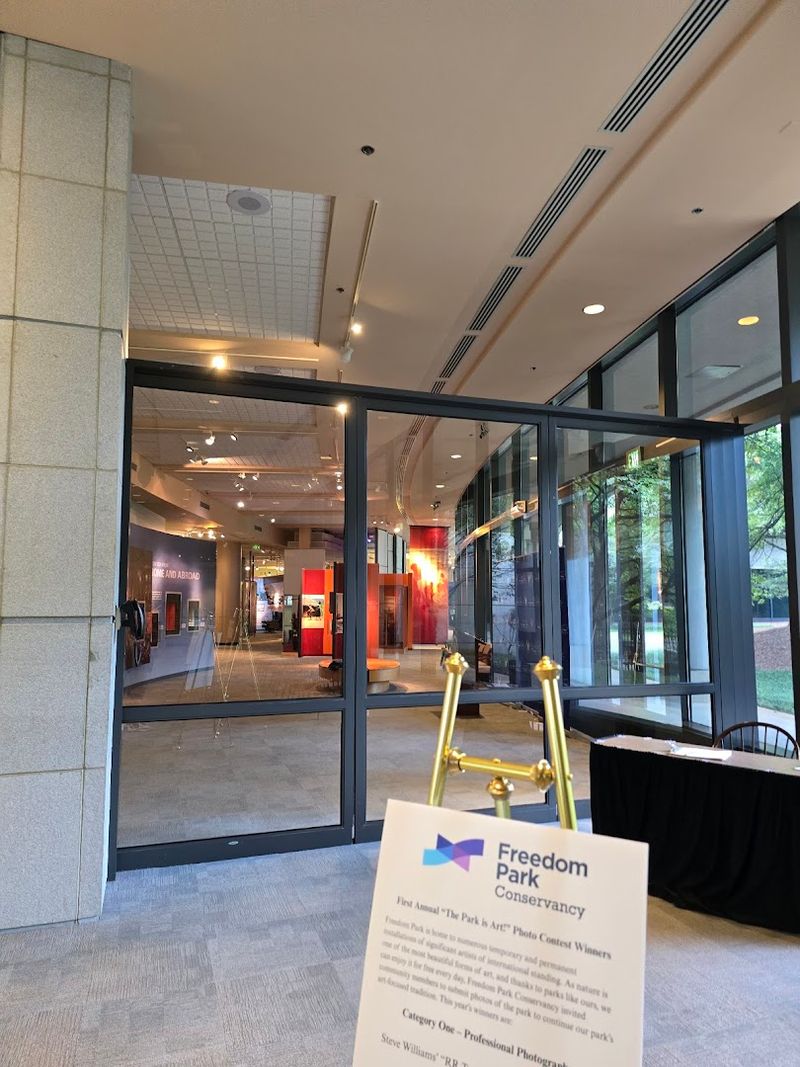
If you like visiting museums without feeling rushed, timing matters here. A comfortable visit usually takes somewhere between ninety minutes and two and a half hours, depending on how closely you read the policy sections and whether you spend time on the grounds.
Weekday mornings tend to be the calmest, and that can make a real difference in the busier galleries.
The museum is at 441 John Lewis Freedom Pkwy NE in Atlanta, with on-site parking that many visitors find refreshingly easy. Hours can shift, so it is smart to confirm them before heading over, but the library commonly opens in the morning and closes in the late afternoon.
Admission has generally been modest, with discounts for seniors, students, and military visitors, plus free entry for younger children.
If you are deciding what to skip, I would not rush the opening film unless time is very tight. It helps frame the exhibits well.
Instead, trim your visit by moving faster through text-heavy panels if you prefer the visual, artifact-rich parts.
Why this museum works even if you are not a history buff
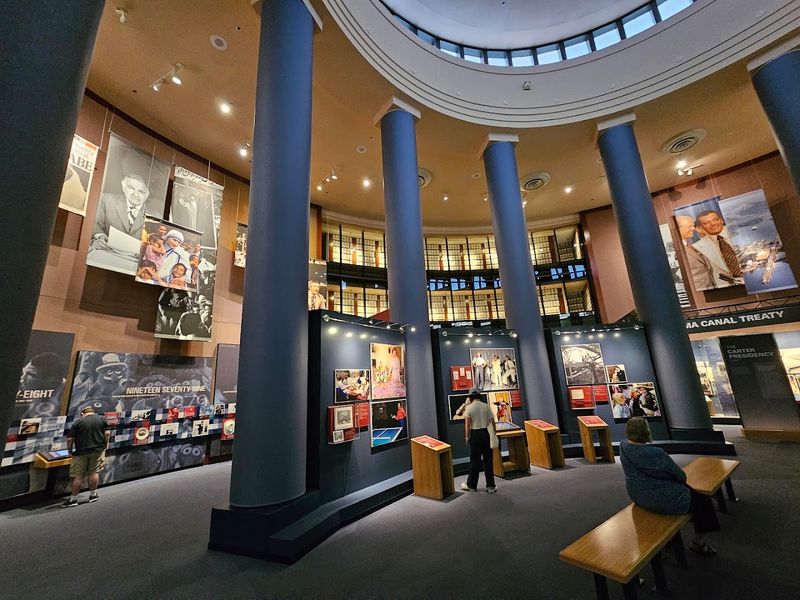
What makes this museum memorable is not just the subject, but the tone. It presents Jimmy Carter as a full person rather than a polished symbol: a farmer, naval officer, governor, one-term president, and decades-long humanitarian.
That wider frame makes the museum appealing even if you do not usually seek out presidential history on your trips.
I think the strongest choice is its comfort with ambiguity. The exhibits do not erase failures, and they do not flatten achievements into applause lines either.
You see victories, disappointments, criticism, and long-term service held together in one narrative, which feels much more honest than the triumph-only approach some institutions prefer.
By the time you leave, the museum has done something more interesting than simple commemoration. It has invited you to think about character, moral seriousness, and what happens when a public figure refuses to be defined by a single election cycle.
That makes the experience resonate beyond politics, and probably beyond whatever expectations you had when you walked in.
The grounds are an unexpected final exhibit
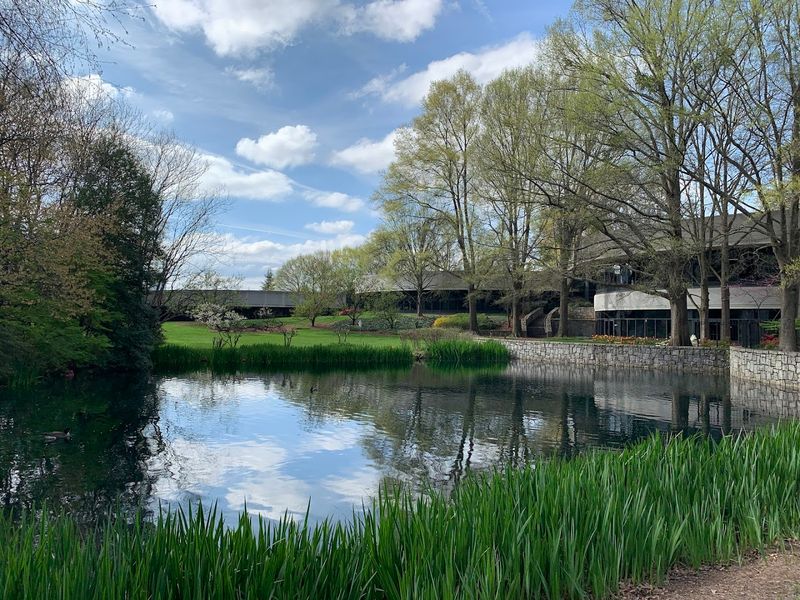
One unconventional reason this museum stays with people is that the experience does not really end at the exit. The surrounding grounds, with their paths, pond, and garden spaces, act like a final exhibit without labels.
After moving through intense political history, diplomacy, crisis, and humanitarian work, the landscape gives you room to absorb what you just saw.
I like museums that understand pacing, and this place does. The outdoor areas soften the transition back into city life, even though you are still in Atlanta.
Depending on the season, you may get blooms, reflections on the water, and skyline glimpses that make the campus feel both serene and quietly connected to the wider world Carter kept engaging long after office.
If you have extra time, do not make the mistake of heading straight back to your car. Walk a loop.
Sit for a minute. The museum’s story is about service, patience, and perspective, and the grounds extend that mood in a way that feels unusually thoughtful for a presidential site.