Some amusement parks entertain you for a season, but Kennywood has been part of western Pennsylvania life for well over a century. Tucked into the hills of West Mifflin, it blends old-school charm, local memory, and real thrill rides in a way that feels increasingly rare.
You can come for the coasters, the fries, or the nostalgia, then realize the park itself is the attraction. Its story is not just about rides – it is about how one community kept showing up, generation after generation.
From Picnic Grove to Landmark
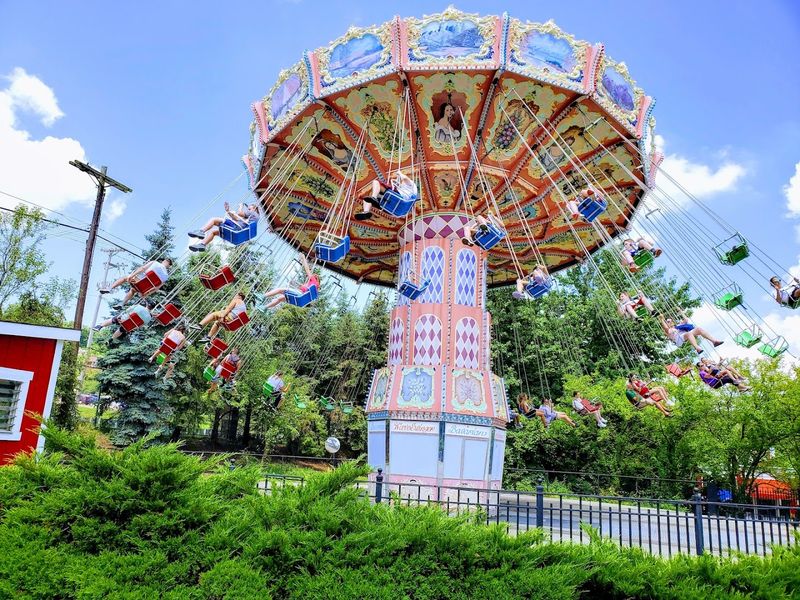
Long before Kennywood became a coaster destination, it was simply Kenny’s Grove, a shady picnic ground where local families gathered near the Monongahela. That easygoing beginning matters because the park was never born from a flashy master plan.
It grew from a place people already loved.
When the park opened on May 30, 1898, it functioned as a trolley park at the end of the Mellon family’s Monongahela Street Railway line. In practical terms, the railway needed weekend riders, and this riverside grove gave them a reason to stay on the route a little longer.
I love that the origin feels so human and unpretentious.
Even the name carries that grounded spirit. Kennywood was named for the land’s owner, Charles K.
Kenny, giving the park a deeply local identity from the start. More than 125 years later, that community-rooted beginning still explains why the place feels less like a corporate invention and more like a family story shared across Pittsburgh.
One of Only Two National Historic Landmark Parks
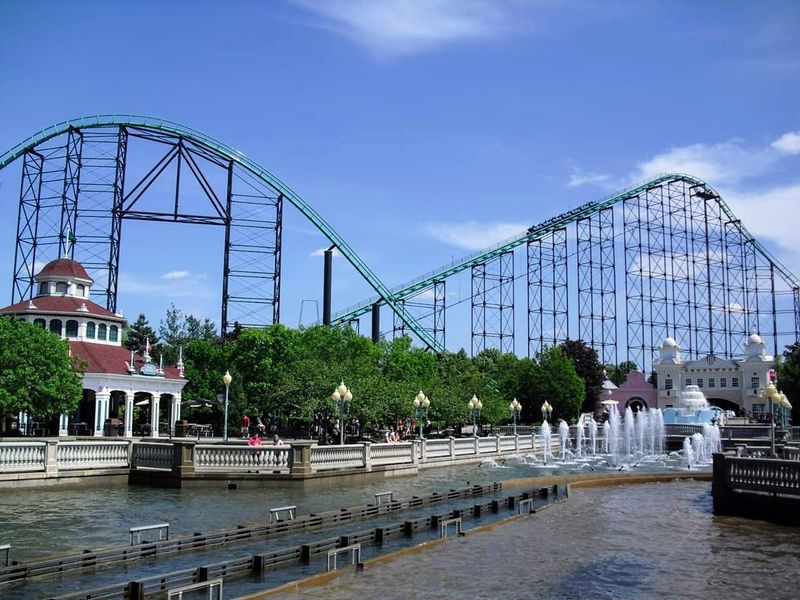
Kennywood is not just old – it is nationally significant. Along with Rye Playland Park, it is one of only two amusement parks in the United States designated as a National Historic Landmark, a status that says the park matters to American cultural history as much as it matters to thrill seekers.
That distinction turns an ordinary park visit into something closer to walking through a living museum.
What makes the designation remarkable is that Kennywood still functions as an amusement park, not a frozen exhibit behind ropes. Its layout, buildings, and attractions preserve pieces of the early 20th century while still serving people who came to laugh, scream, and eat fries.
You are not looking at history from a distance – you are moving through it.
That is incredibly rare in this industry, where constant replacement is usually the rule. At Kennywood, preservation is part of the experience, not a side note.
The result feels special because the park’s past has not been erased to make room for its present.
The Wooden Coasters That Built the Legend
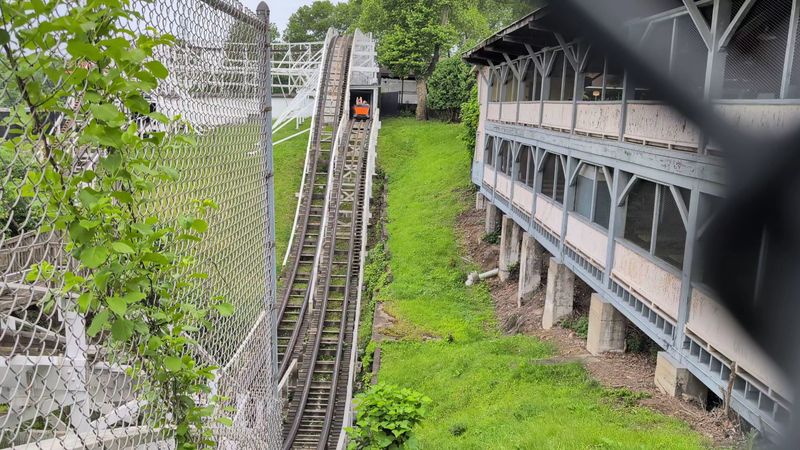
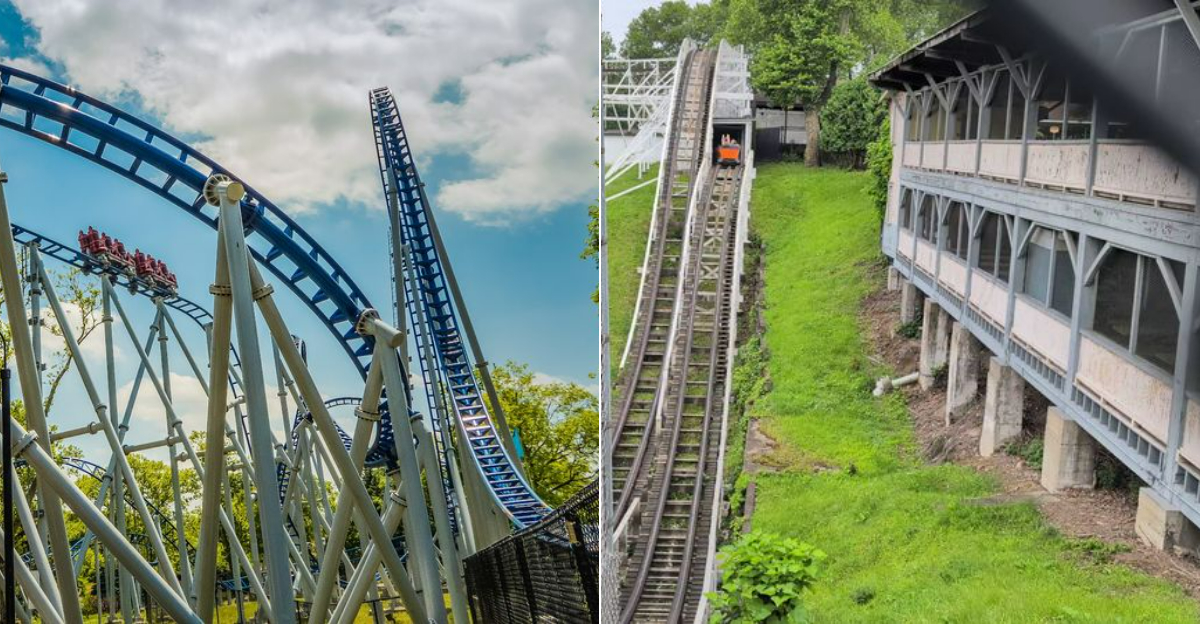
If you want to understand Kennywood’s personality, start with the wooden coasters. The Jack Rabbit opened in 1920, and the Racer followed in its current form in 1927, giving the park the kind of creaky, open-air thrills that modern rides rarely replicate.
Every bump feels personal, and that is exactly the point.
These coasters are not smooth in the polished, engineered way newer rides are. They rattle, dive, and charge through their courses with an energy that makes you feel every inch of track beneath you.
When you ride them, you are not just chasing adrenaline – you are touching a piece of amusement history that still does its job beautifully.
The Racer’s older predecessor from 1910 was once the largest twin-track coaster in the world, which tells you how ambitious Kennywood was even then. That spirit still comes through today.
Plenty of parks have coasters, but not many can offer century-old wooden rides that continue to define the entire atmosphere of the place.
Steel Speed Without Losing the Soul
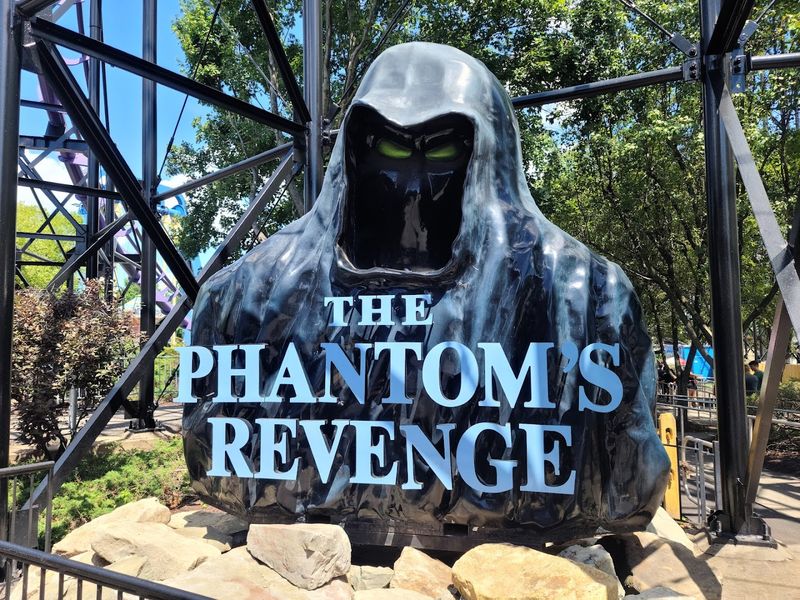
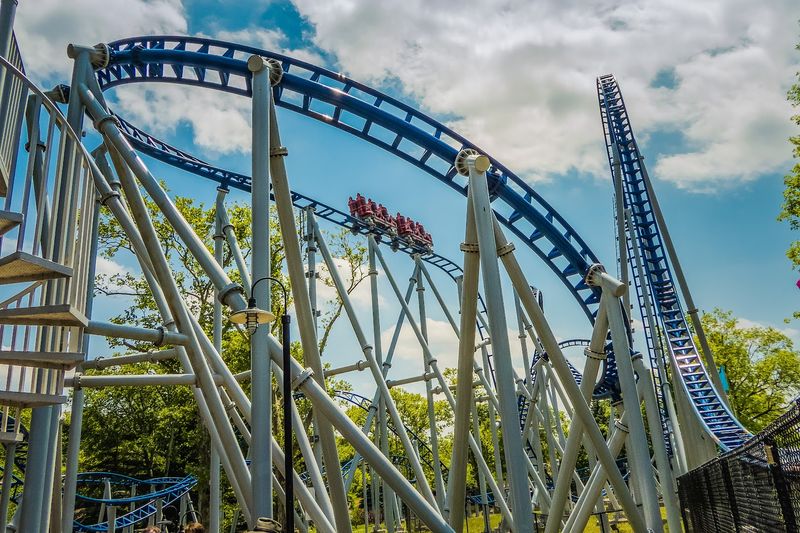
Kennywood could have chased modern relevance by clearing out its past, but it chose a more interesting path. The park added major steel coasters like Phantom’s Revenge and Steel Curtain while keeping its historic identity intact, creating a lineup where old wood and modern steel stand side by side.
That balance is one of the park’s most unusual strengths.
Phantom’s Revenge delivers the kind of speed that turns even experienced riders quiet for a moment before the drop. Steel attractions bring height, force, and modern spectacle, yet they do not overwhelm the park’s older personality.
Instead, they expand the story, proving Kennywood is still willing to evolve without pretending it was built yesterday.
The earlier Steel Phantom made headlines in 1991 by setting world records for its longest drop and fastest speed. That era announced Kennywood’s willingness to compete in the modern thrill market.
What impresses me most, though, is that the park managed to grow bolder without bulldozing the reasons people fell in love with it in the first place.
Lost Kennywood and the Art of Remembering
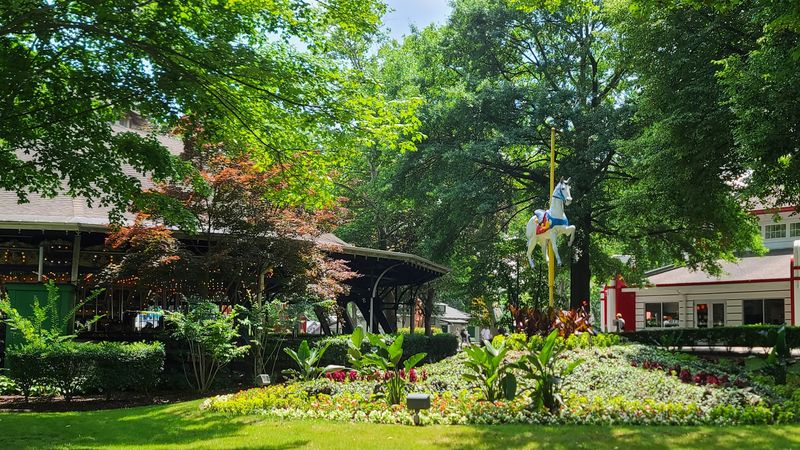
Lost Kennywood is one of the cleverest themed areas you will find anywhere because it is not trying to imagine a fantasy world. It is trying to remember a real one.
Added in 1995, the section recreates the feeling of an earlier amusement era, with architecture and details that deliberately echo the park’s own past.
Walking through it feels like stepping into a time capsule designed by people who understand how memory works. The façades, signage, and atmosphere nod to turn-of-the-century parks, including a replica of the entrance to Pittsburgh’s long-gone Luna Park.
Instead of hiding history behind a plaque, the area lets you feel surrounded by it.
What makes Lost Kennywood even more poetic is where it stands. The area was built on the former site of the park’s Sunlite Pool, which means this section literally rises from Kennywood’s own vanished chapter.
That gives the place unusual emotional weight. You are not only visiting a themed space – you are walking across preserved layers of local memory.
Kiddieland and the First-Ride Tradition
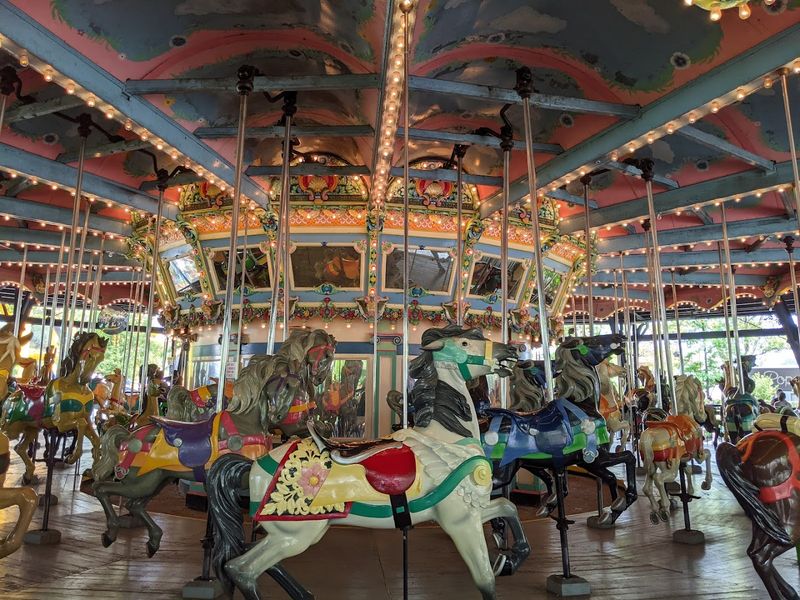
Kennywood’s long life is not only about thrill rides. It is also about the smaller moments that repeat across generations, and nowhere is that clearer than Kiddieland.
Created in the 1920s, this family-focused area became one of the earliest spaces anywhere designed specifically with children in mind, giving the park a second kind of legacy.
That legacy is deeply personal for Pittsburgh-area families. For many people, a first ride in Kiddieland is a rite of passage, the kind of memory that gets retold at cookouts, graduations, and holiday dinners.
Grandparents point out where they rode, parents repeat the story, and children step into the same tradition without needing a long explanation.
I think that continuity is one reason Kennywood feels so emotionally durable. Parks change, cities change, and families change, but this corner keeps offering a gentle introduction to amusement park joy.
It gives the bigger, louder attractions a human center. Before the giant drops and fast launches, there is often a small ride, a nervous smile, and a camera waiting.
Potato Patch and the Taste of the Park

At some parks, food is a backup plan when your group gets hungry. At Kennywood, certain snacks are part of the itinerary, and the clearest example is the Potato Patch.
Those loaded fries have become such a local institution that people talk about them with the same enthusiasm they reserve for the coasters.
That may sound funny until you see how often the stand shows up in reviews, memories, and family routines. People do not just happen to eat there because it is nearby.
They plan for it, crave it, and measure the visit partly by whether they got their fries. In a region that takes comfort food seriously, that kind of devotion says a lot.
The park’s food culture gives Kennywood a more rooted, regional personality than many larger amusement destinations. You are not just consuming generic theme park snacks between rides.
You are participating in a local ritual that visitors recognize immediately and outsiders remember later. Sometimes the taste of a place explains its staying power as clearly as any roller coaster ever could.
Phantom Fall Fest, Holiday Lights, and Return Visits
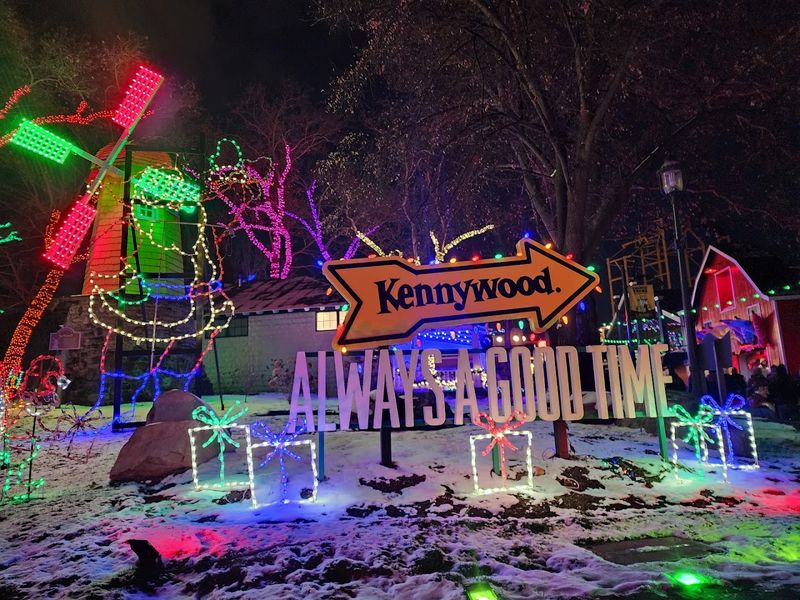
Kennywood’s appeal does not end when summer does, and that has become an important part of its modern identity. Seasonal events like Phantom Fall Fest and Holiday Lights bring people back for atmosphere as much as attraction counts, proving the park can shift moods without losing itself.
One visit starts to feel less like enough.
During fall, the park leans into Halloween energy that attracts guests who may not come only for coaster credits. Later in the year, holiday displays, music, and illuminated walkways turn the familiar grounds into something softer and more reflective.
Even reviews from colder visits often focus on beauty, tradition, and the pleasure of returning.
Kennywood also connects these events to the region’s cultural life through traditions like Polish Day and other heritage celebrations. That matters because it broadens the park beyond entertainment alone.
It becomes a gathering place where local identity gets expressed in public, seasonal ways. In that sense, the calendar is part of the attraction – each event gives people another reason to make the park part of family life again.
A Park That Belongs to Pittsburgh
Some amusement parks are destinations you visit once. Kennywood feels more like a place that belongs to its region, woven into how Pittsburgh and the surrounding communities imagine summer, family outings, and local identity.
School trips, first dates, annual passes, and reunion photos all seem to lead back here sooner or later.
Part of that connection comes from longevity, but part of it comes from the park’s tone. Kennywood does not feel detached from western Pennsylvania culture.
It feels shaped by it, from its hillside setting in West Mifflin to the way locals talk about rides, foods, and traditions as if they are shared neighborhood references. That kind of civic ownership cannot be manufactured.
Even the Olde Kennywood Railroad hints at the park’s wider historical reach. One of its engines appeared at the 1939 World’s Fair before becoming part of the park, a small but telling example of Kennywood preserving pieces of American history along with its own.
That is why the park lasts – it is not just in the Pittsburgh area, it is part of Pittsburgh’s story.