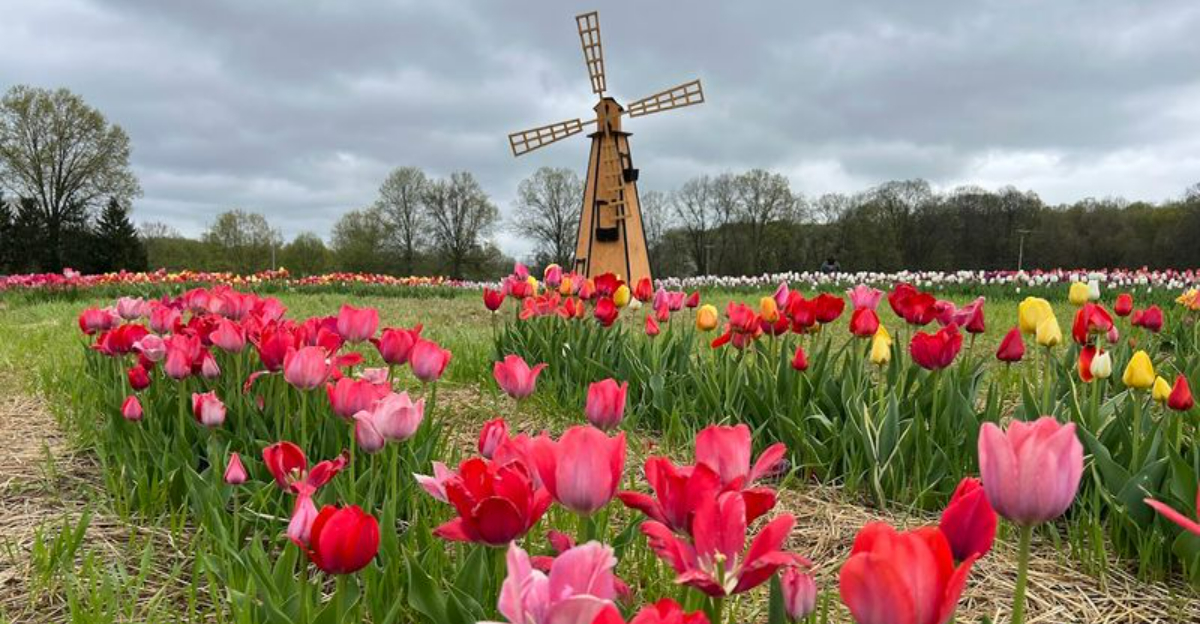
Some spring day trips feel overplanned, but White House Fruit Farm in Canfield makes it easy to just show up and enjoy what is growing, baking, and blooming right in front of you. One minute you are looking across tulip fields, and the next you are walking out with warm donuts and a bag full of market finds you did not expect to buy.
It feels genuinely agricultural, not polished into something artificial, which is exactly why it sticks with you. If you want a low-pressure outing with color, flavor, and a real sense of place, this Ohio farm absolutely delivers.
A Real Farm Before Anything Else
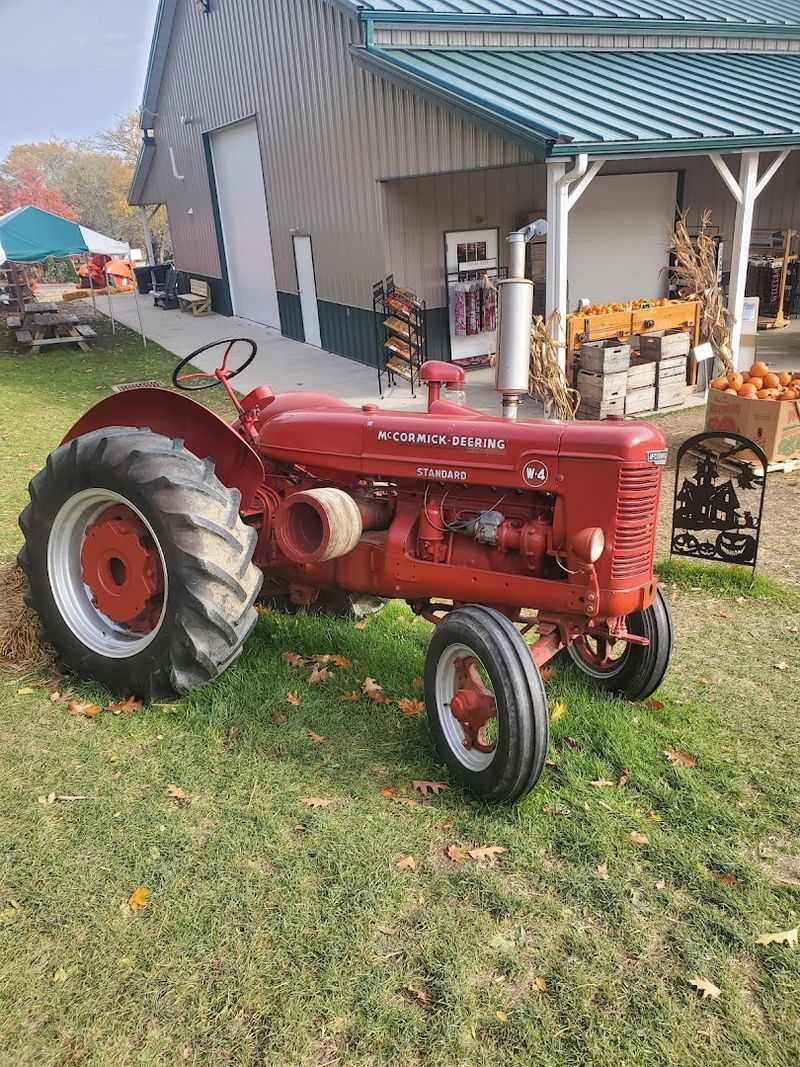
White House Fruit Farm does not feel like a staged attraction that borrowed a barn and added a gift shop. When you pull in, the first impression is that this place still works for a living, with fields, equipment, and the kind of practical rhythm that comes from generations of growing food.
That matters, because it gives every part of the visit a sense of honesty you can feel right away.
The Hull family has operated the farm across generations, and today the property covers about 200 acres with more than 75 acres in fruits and vegetables. I love that the market grew out of a renovated 1881 barn, because even while you browse, the old structure and visible silo keep reminding you where you are.
You are not stepping into a manufactured rural fantasy. You are stepping into a place shaped by soil, weather, and actual work.
That working atmosphere is part of the appeal. Rolling northeast Ohio hills, the smell of earth, and the occasional muddy patch underfoot make the whole visit feel grounded, useful, and refreshingly real.
Tulip Rows That Slow You Down
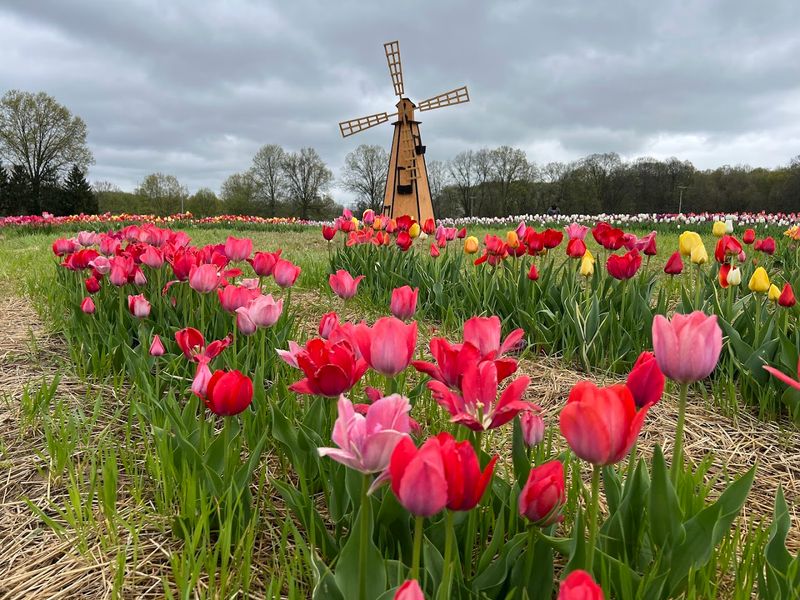
Spring at White House Fruit Farm gets most of its attention from the tulips, and once you see the fields, it is easy to understand why. The farm plants around 500,000 tulip bulbs, creating long bands of color that stretch across the landscape in a way that feels cheerful without being overly polished.
Instead of a rushed photo stop, the experience invites you to wander, pause, and let the fields do most of the talking.
What I like most is that the beauty here feels tactile. If you join a u-pick workshop, you are not choosing flowers from a cooler under fluorescent lights.
You are selecting stems from the ground, sometimes still cool with morning dew, with a little dirt on your hands by the end. That tiny bit of mess makes the bouquet feel more personal, like you earned it instead of simply buying it.
Even if you are only walking the ticketed tulip displays and buying pre-cut blooms, the mood stays unhurried. The colors are vivid, the paths are easy to follow, and the whole scene feels calm rather than precious.
The Donut Counter Strategy
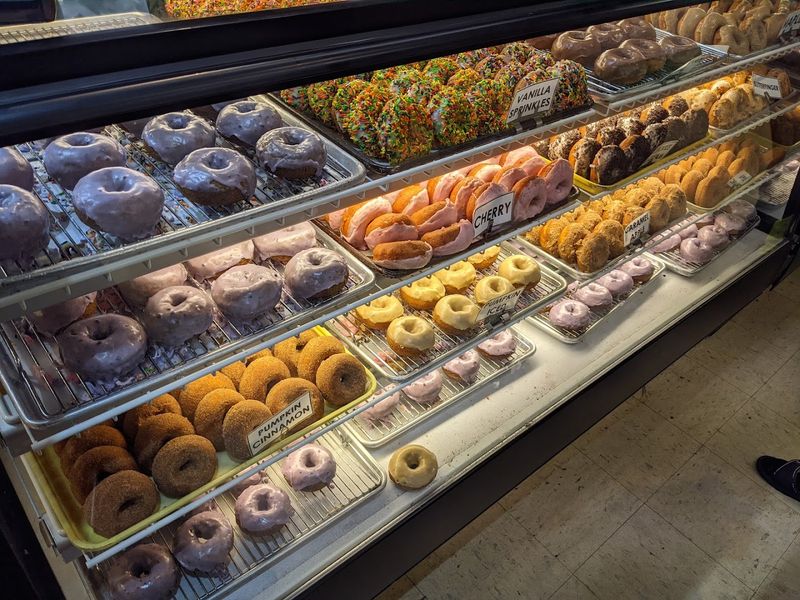
If you go to White House Fruit Farm without a donut plan, you are taking an unnecessary risk. The donuts are made fresh daily, they have a loyal following, and the popular varieties can disappear early, especially when spring crowds arrive for tulips.
That is why people who know the farm tend to show up sooner rather than later.
The signature Blueberry Iced donut gets a lot of love, and honestly, it deserves it. It has become the donut people mention by name, the one relatives request, the one that convinces first-time visitors to carry out a whole box instead of just one.
Other flavors rotate through the case too, including chocolate iced, apple cinnamon, and seasonal lemon options, but the common thread is that they taste like they were made on site because they were.
There is something oddly satisfying about eating a warm donut on a working farm in spring. It has the same comforting, seasonal pull that apple cider donuts have in fall, only here the mood is lighter, brighter, and tied to blooming fields instead of harvest.
Inside The Market Maze
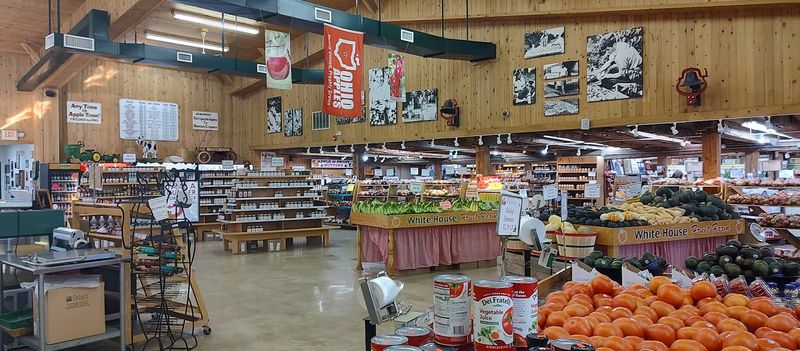
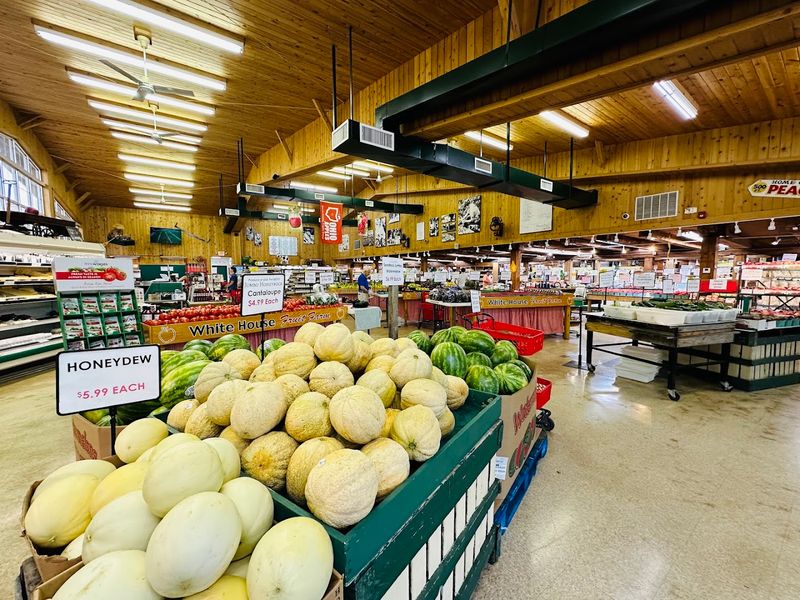
The country market at White House Fruit Farm is the kind of place where a quick browse turns into a slow lap, then another lap because you keep spotting things you missed. It is much bigger and more varied than a standard roadside produce stand, with produce, baked goods, jams, specialty foods, deli items, fudge, cider, and shelves full of local favorites.
You go in expecting fruit and leave wondering how you also bought salsa, cheese, and a loaf of bread.
What makes it memorable is the sense of continuity between the farm outside and the products inside. Many of the packaged goods use fruit grown right on the property, so a jar of apple butter or a blueberry dessert mix does not feel random.
It feels connected to the orchards and fields just beyond the walls. That connection gives the market more personality than a grocery store could ever fake.
I also like that the space still feels rooted in the barn rather than separated from it. You are shopping, yes, but you still feel close to the land, the season, and the source of what you are carrying home.
The Orchard Is Part Of The Mood
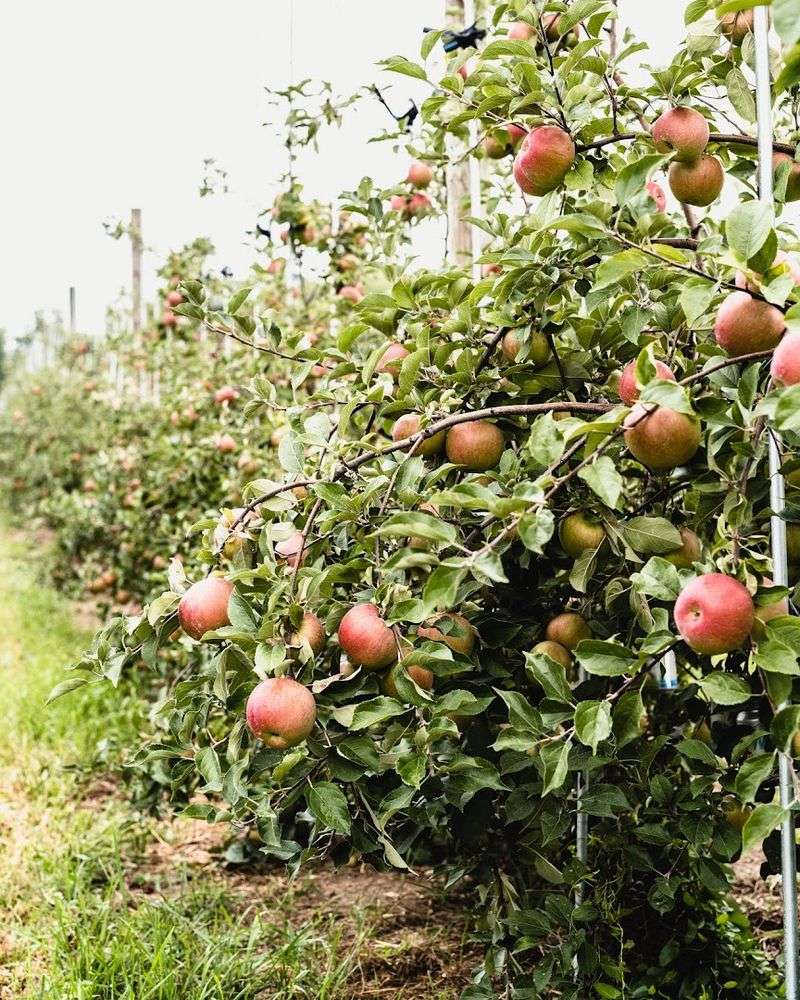
Even if you visit White House Fruit Farm mainly for tulips or donuts, the orchard deserves your attention. The fruit trees give the property its identity, and they shape the feeling of the place in a quieter, steadier way than the more obvious attractions.
You may not be there during apple season, but the rows still tell you what kind of farm this is.
In spring, the orchard has its own kind of beauty. Instead of the loud color of tulips, you get softer pale pink and white blossoms scattered through the trees, with pollinators moving through the branches and that gray-green Ohio sky hovering overhead.
It feels atmospheric rather than dramatic, and that is exactly why I find it memorable. The blossoms do not demand your attention.
They reward it.
There is also something grounding about seeing the trees before the fruit arrives. You are looking at the early stage of the season, the setup before the market tables fill out later in the year.
That makes the whole visit feel more connected to time, weather, and the farm’s actual agricultural cycle.
The Drive To Canfield Helps

Part of why White House Fruit Farm works so well as a day trip is that Canfield itself sets the tone before you even arrive. Located about fifteen miles southeast of Youngstown, the town has that easy northeast Ohio character where farmland, homes, and local businesses blend together without much fuss.
The drive in feels like a transition away from noise and into a place that still moves at a more reasonable pace.
Canfield’s agricultural roots give the farm context, not just scenery. This is a community long connected to fairs, orchards, and farming traditions, and the famous Canfield Fair says a lot about that history.
White House Fruit Farm feels like a natural extension of the area rather than a standalone attraction dropped onto the map for tourists. That local fit matters because the visit feels more embedded, more believable, and frankly more satisfying.
I think that is why the farm feels worth the drive from so many parts of Ohio and nearby Pennsylvania. You are not only visiting a market or flower field.
You are stepping into a region where agriculture still visibly shapes daily life.
How To Time It Like A Regular
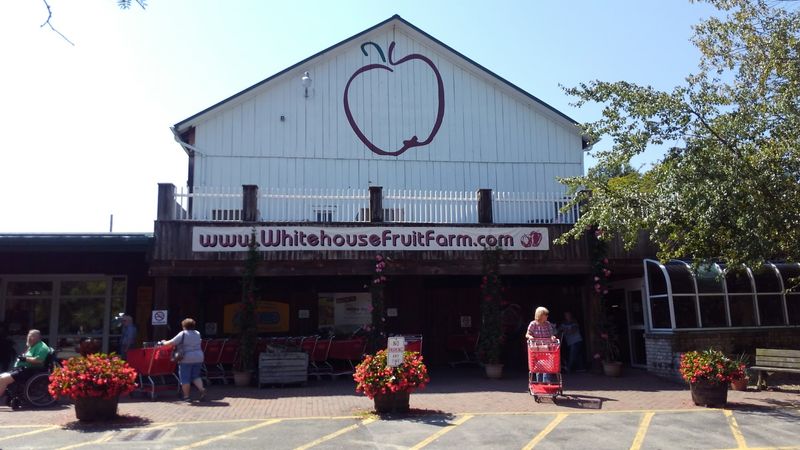
If you want the best version of White House Fruit Farm in spring, timing matters more than people sometimes realize. Tulip season usually runs through April into early May, but bloom timing shifts with the weather, so checking current updates before you go is smart.
The market generally operates Monday through Saturday from 9 AM to 5 PM and Sunday from 11 AM to 5 PM, which makes early planning easy.
My strongest advice is simple: go early, especially on a weekday if you can. That gives you a better shot at fresh donuts, easier parking, and a quieter experience in the tulip areas before the heavier crowds arrive.
Weekend afternoons can get busy, particularly during peak bloom, and some special experiences like workshops may require tickets or reservations. A little planning saves a lot of standing around.
Bring comfortable shoes because field walking is not the place for flimsy footwear. A reusable bag helps if the market gets you, cash can be useful during busy event periods, and it is worth remembering that pets are generally not allowed unless they are ADA-compliant service animals.
Who Ends Up Loving It Most
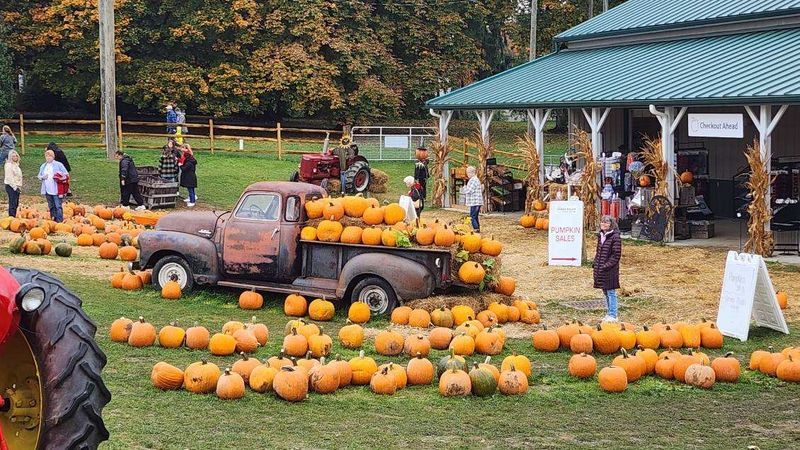
White House Fruit Farm is one of those rare places where different people can visit for completely different reasons and all leave happy. Families with kids can make a relaxed afternoon out of the grounds and market, couples can treat it like an easy spring date, and anyone craving fresh air will find enough to browse, taste, and photograph without feeling like they need a strict itinerary.
The farm gives you room to shape the outing around your own pace.
That flexibility is a big part of the charm. There is no single main event forcing everyone into the same experience.
Some visitors come mostly for the donuts. Others care most about tulips, deli finds, cider, or seasonal produce.
Most people end up doing a little of everything because the farm keeps offering small temptations just beyond the thing you originally came for. That is how a quick stop becomes half a day.
I think it works best for people who enjoy places with texture instead of polish. If you like outings that mix color, food, shopping, and a little dirt on your shoes, this farm makes it very easy to feel like the trip was worth it.
Why This Kind Of Day Still Matters
There is a reason a few hours at White House Fruit Farm can feel more satisfying than flashier day trips. A working farm offers something a botanical garden or polished retail destination usually cannot: the sense that what you are seeing, smelling, and tasting comes from a place that actually produces something real.
That gives the visit a quiet weight, even when the day itself feels light and fun.
You notice seasonal rhythms more clearly here. Tulips bloom for a brief window, orchard blossoms hint at fruit still to come, and market shelves reflect what the farm and surrounding region are making right now.
That connection to timing is part of what people are seeking, whether they say it directly or not. It feels good to spend time somewhere that is not detached from weather, labor, and harvest.
And honestly, the take-home version of the story is part of the magic. Leaving with a bouquet you picked, a jar of farm-linked jam, and a bag of still-warm donuts is not glamorous travel content.
It is better than that. It is specific, useful, delicious, and deeply memorable.