Step inside the Logan Inn in New Hope, Pennsylvania, and you’re walking through the same doors that George Washington himself once passed through.
This remarkable building has been welcoming travelers since 1727, making it one of America’s oldest continuously operating inns.
During the Revolutionary War, it became more than just a place to rest—it transformed into a gathering spot where soldiers celebrated victories, mourned losses, and found shelter during one of the most pivotal times in American history.
Today, visitors can experience that same colonial charm while enjoying modern comforts in a town brimming with history.
A Tavern That Dates Back to 1727
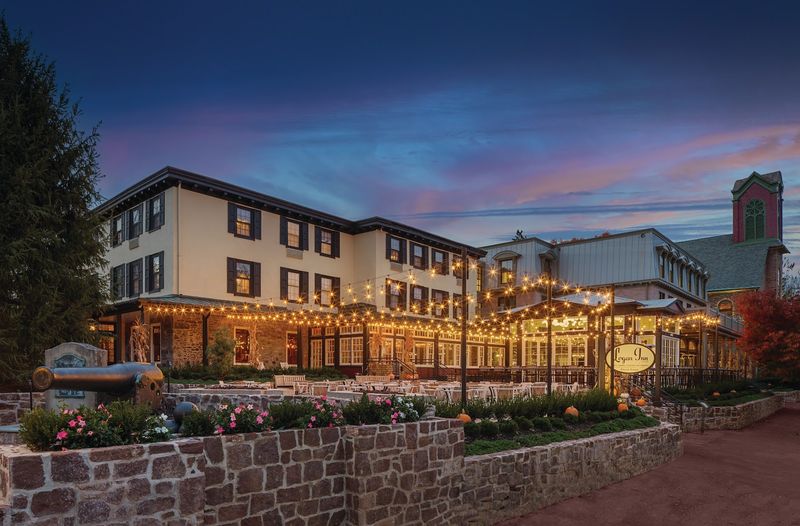
Picture a time when America was still a collection of British colonies, and travelers needed safe places to rest along dusty roads. That’s exactly when the Logan Inn first opened its doors as the Ferry Tavern.
Built in 1727, this establishment served weary travelers who needed to cross the Delaware River.
The tavern quickly became essential to the area’s daily life. Merchants hauling goods between cities would stop for meals and lodging.
Local residents gathered to share news and conduct business. The building itself was constructed using traditional colonial methods, with thick stone walls and hand-hewn beams that still stand today.
Nearly three centuries have passed since those first guests arrived, yet the inn continues serving visitors. Few businesses anywhere can claim such an impressive timeline.
The original structure has been carefully preserved through generations of ownership, allowing modern guests to experience authentic colonial architecture.
Walking through its rooms feels like stepping back in time. Original fireplaces, low doorways, and creaking floorboards tell stories of countless travelers who sought shelter here.
The inn’s longevity proves its importance to the community and its enduring appeal to those seeking connection with America’s past.
Built at a Strategic Midpoint Between Cities
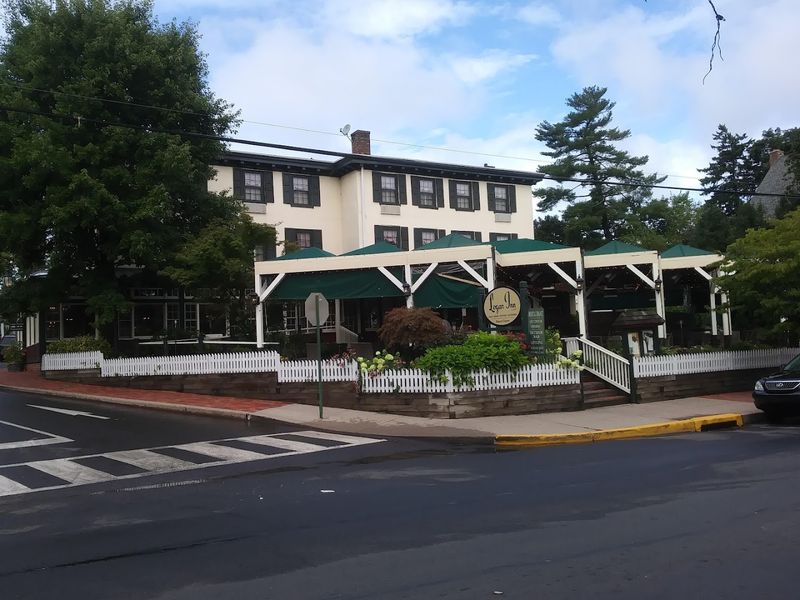
Geography determined this inn’s success long before anyone knew it would become famous. Positioned perfectly between Philadelphia and New York, the location served as a natural stopping point along a crucial colonial route.
Travelers couldn’t easily complete the journey in one day, making this midpoint spot absolutely vital.
Stagecoaches rumbled up to the inn’s entrance regularly, their passengers grateful for the chance to stretch and eat. Merchants transporting goods needed safe storage for their valuable cargo overnight.
Even mail carriers relied on this strategic location to rest their horses and grab a meal before continuing their routes.
The Delaware River crossing nearby added to the inn’s importance. Ferries operated at unpredictable schedules depending on weather and water conditions.
Travelers often waited hours or even days for safe passage, turning the tavern into a bustling hub of activity and conversation.
This geographic advantage transformed a simple tavern into a communication center where news traveled between major cities. People exchanged information about politics, trade, and eventually, revolutionary ideas.
The building’s position didn’t just serve practical needs—it placed the inn at the crossroads of colonial American life, making it witness to history unfolding.
George Washington Was a Frequent Guest
Imagine being the innkeeper when George Washington walked through your door. Historical records confirm that the future first president visited this inn multiple times, making it a genuine connection to American leadership.
Washington wasn’t just passing through randomly—he deliberately chose this establishment for rest and meetings.
During his visits, Washington likely discussed military strategies over meals in the tavern’s main room. He would have warmed himself by the same fireplaces that guests use today.
The general’s presence attracted other important figures, turning ordinary evenings into gatherings of influential colonial leaders.
These weren’t brief stops either. Washington sometimes stayed overnight, sleeping in rooms that still exist within the building.
Staff served him meals prepared in the colonial kitchen, using ingredients from local farms. His repeated visits proved he trusted the inn’s discretion and comfort during uncertain times.
Why did Washington favor this particular establishment? Its location between major cities provided privacy for sensitive discussions.
The innkeepers maintained loyalty to the revolutionary cause. Plus, the building offered genuine comfort after long days of travel or military planning.
His patronage forever linked this inn to America’s founding story, giving modern visitors a tangible connection to the man who shaped our nation.
A Gathering Place for Revolutionary War Troops
When war came to Pennsylvania, this peaceful inn transformed into something far more important than a rest stop. Soldiers marched through Bucks County regularly, and they needed places to eat, sleep, and recover between battles.
The tavern opened its doors to Washington’s troops, becoming a temporary base for exhausted fighters.
Meals served to dozens of soldiers at once filled the dining areas with energy and conversation. Young men far from home found comfort in hot food and warm fires.
The innkeepers worked tirelessly, preparing enough provisions to feed entire units passing through the region.
These weren’t glamorous gatherings—soldiers arrived covered in mud, nursing injuries, and carrying heavy equipment. They slept wherever space allowed, often cramming multiple men into small rooms.
The building buzzed with activity as troops came and went, creating a constant flow of military presence.
Officers used the inn for planning sessions, spreading maps across tavern tables to discuss upcoming movements. Enlisted men swapped stories and sang songs to lift spirits before facing more hardship.
The building provided more than physical shelter—it offered psychological refuge where soldiers could briefly forget the dangers awaiting them outside those protective walls. This role in supporting the war effort made the inn an unsung hero of the Revolution.
Where Soldiers Celebrated Turning Points
Victory tastes sweetest when shared with fellow fighters who risked everything. Local tradition holds that soldiers gathered at this very inn to celebrate major achievements, including symbolic moments marking the fall of British authority.
Imagine the joy when troops learned of victories against King George’s forces—they needed somewhere to express their relief and hope.
Toasts rang out through the tavern’s rooms as soldiers raised whatever drinks they could find. These celebrations weren’t just about alcohol—they represented freedom itself.
Men who had watched friends die in battle finally saw their sacrifices producing results. The inn’s walls absorbed their cheers, laughter, and patriotic songs.
Historical documentation confirms the building served as a gathering place during the war, supporting the tradition of celebration here. While we can’t know every specific toast made, the inn’s role as a soldier haven makes these stories entirely plausible.
Revolutionary fighters needed spaces where they could safely express emotions without fear.
These celebrations also built morale for upcoming challenges. Soldiers facing uncertain futures drew strength from shared moments of triumph.
The innkeepers likely joined in, proud to host such historically significant gatherings. Those toasts to freedom still echo through the building today, reminding visitors that ordinary places can witness extraordinary moments when ordinary people accomplish the impossible together.
A Makeshift Hospital and Refuge
Not every story from this inn involves celebration. War brings suffering, and the building witnessed terrible hardships during the Revolution’s darkest days.
Wounded soldiers needed medical care, and the inn became a makeshift hospital when proper facilities couldn’t handle the flow of injured men.
Rooms normally reserved for paying guests instead housed soldiers recovering from battle injuries. Basic medical supplies lined shelves as caregivers worked desperately to save lives.
The sounds of pain replaced cheerful tavern conversations, transforming the atmosphere into something far more somber and serious.
The basement served an even grimmer purpose—it temporarily stored bodies of soldiers who didn’t survive. During harsh winter campaigns, frozen ground prevented proper burials.
This practical but heartbreaking solution allowed the inn to provide dignity even in death. Families eventually claimed their loved ones when conditions improved.
These realities reveal the complete picture of the inn’s wartime role. It wasn’t all heroic toasts and strategic planning—real people suffered and died here.
The building absorbed both triumph and tragedy, making it a genuine witness to war’s full spectrum. Modern visitors walking through these historic spaces should remember both the celebrations and the sacrifices that occurred within these walls.
Understanding both aspects honors those who served and reminds us that freedom came at an enormous human cost.
Renamed in 1828 With Local Significance
Names carry meaning, and changing a name signals transformation. For over a century, people knew this establishment as the Ferry Tavern, a practical description of its location near the river crossing.
But in 1828, new owners decided the building deserved a name reflecting deeper local connections and evolving identity.
They chose to honor a Lenni Lenape leader, renaming it the Logan Inn. This decision acknowledged the Native Americans who originally inhabited the region before European settlement.
Chief Logan became known for his eloquence and leadership, making him a respected figure even among colonists. The name change showed growing appreciation for the area’s complete history.
By this time, the Revolutionary War had ended decades earlier. America had established itself as an independent nation.
The inn’s role shifted from military support back to serving travelers, though its historic importance remained recognized. The new name helped distinguish it from other ferry-related businesses sprouting up along the Delaware.
This renaming also reflected the post-war era’s attempts to create a uniquely American identity. Rather than purely European influences, people began incorporating indigenous heritage into their cultural understanding.
The Logan Inn name has stuck for nearly two centuries now, becoming inseparable from the building’s identity and New Hope’s historic character. It represents both respect for the past and movement toward a new American future.
One of the Oldest Inns Still Operating Today
How many businesses from 1727 still operate today? Extremely few.
The Logan Inn stands among approximately five oldest continuously operating inns in the entire United States. That’s not just impressive—it’s nearly miraculous considering fires, wars, economic depressions, and changing travel patterns that closed countless similar establishments.
Continuous operation means the building never sat abandoned or converted to other uses. Through every generation, someone maintained the inn and welcomed guests.
This unbroken chain of hospitality stretches back almost three hundred years, connecting modern visitors directly to colonial-era travelers.
Parts of the original 18th-century structure remain intact despite necessary expansions and updates. Stone walls from 1727 still support the building.
Original beams and fireplaces survived centuries of use. Walking through certain areas feels genuinely authentic because they are—these aren’t recreations or theme park attractions.
Maintaining such an old building requires constant care and significant investment. Owners must balance preservation with modern safety codes and guest expectations.
Yet they’ve succeeded, keeping the inn both historically accurate and comfortably functional. This achievement deserves recognition because it preserves tangible American history that visitors can actually experience rather than just read about.
The building itself serves as a teaching tool, showing future generations how colonial Americans lived, traveled, and built communities that still thrive today.
A Historic Setting With Modern Comforts
At Logan Inn, the balance between preservation and comfort is part of what makes a stay feel special. While the building dates back to 1727, its interiors have been thoughtfully updated to meet modern expectations without stripping away its historic character.
Original architectural elements—like exposed wood beams, wide-plank floors, and period-style fireplaces—remain central to the experience, offering a tangible connection to the inn’s 18th-century roots.
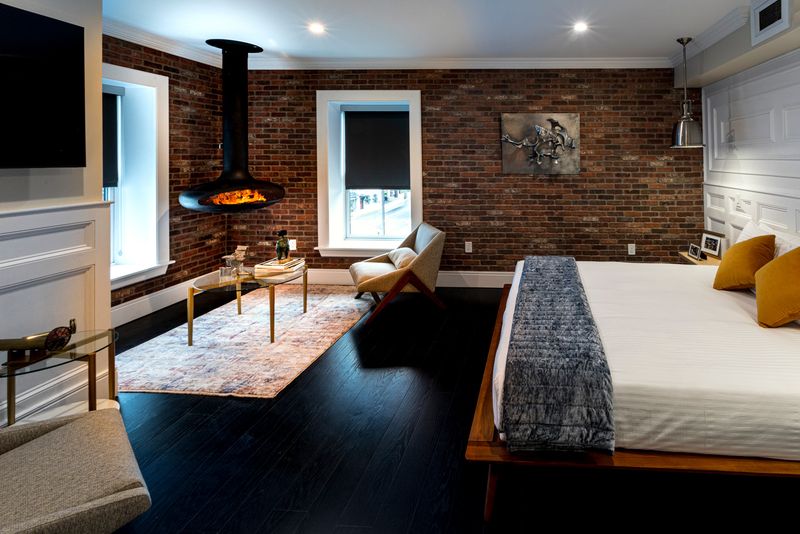
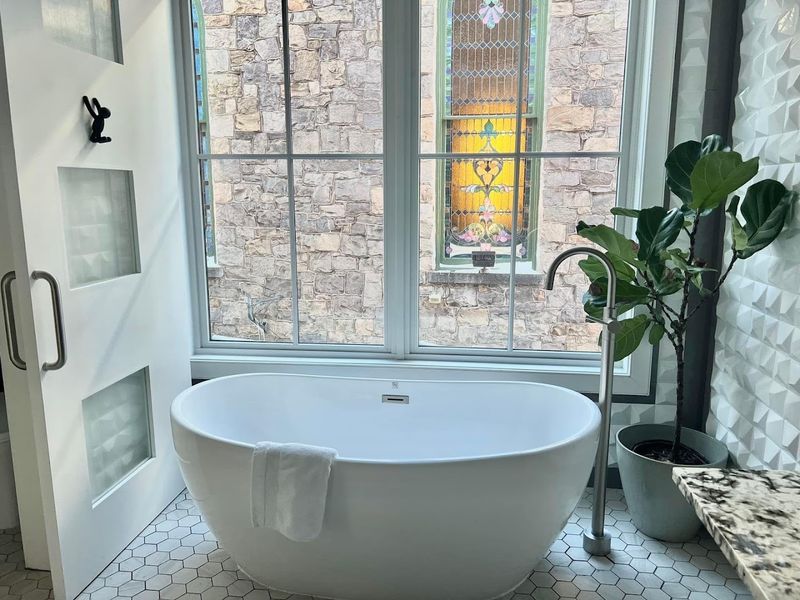
Guest rooms, however, reflect a more contemporary approach. Many feature boutique-style design with updated furnishings, private bathrooms, climate control, and high-end linens—details that elevate the stay beyond what you might expect from a property of this age.
Some rooms even blend antique accents with modern lighting and décor, creating a layered aesthetic that feels both historic and current.
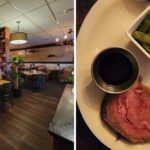
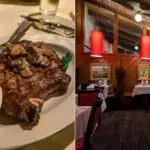
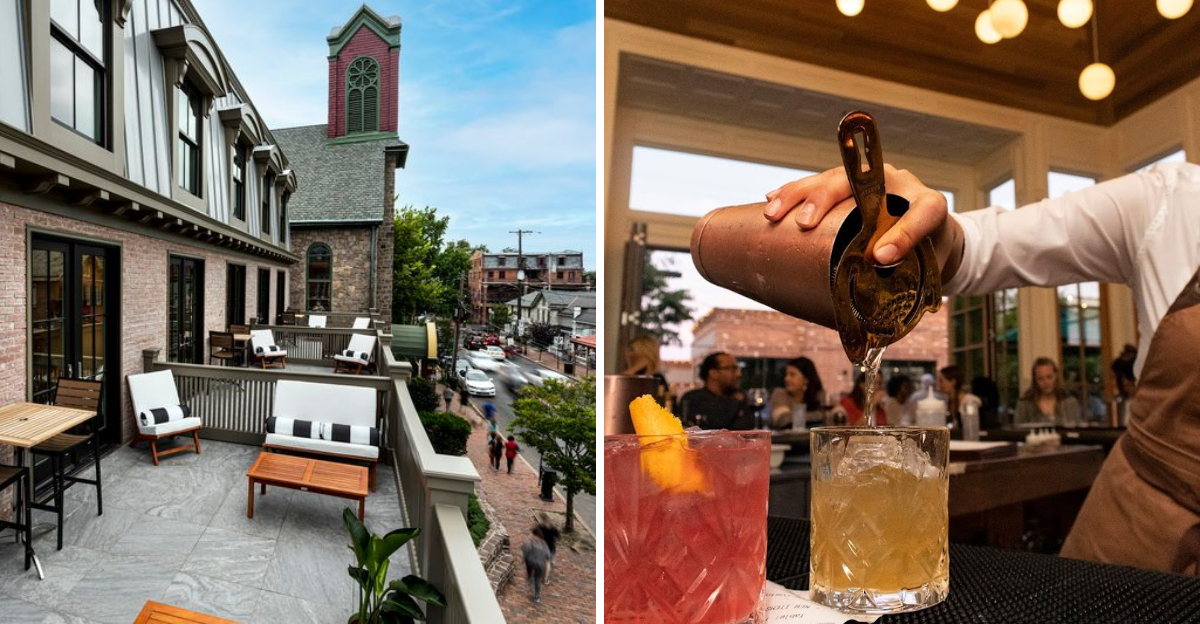
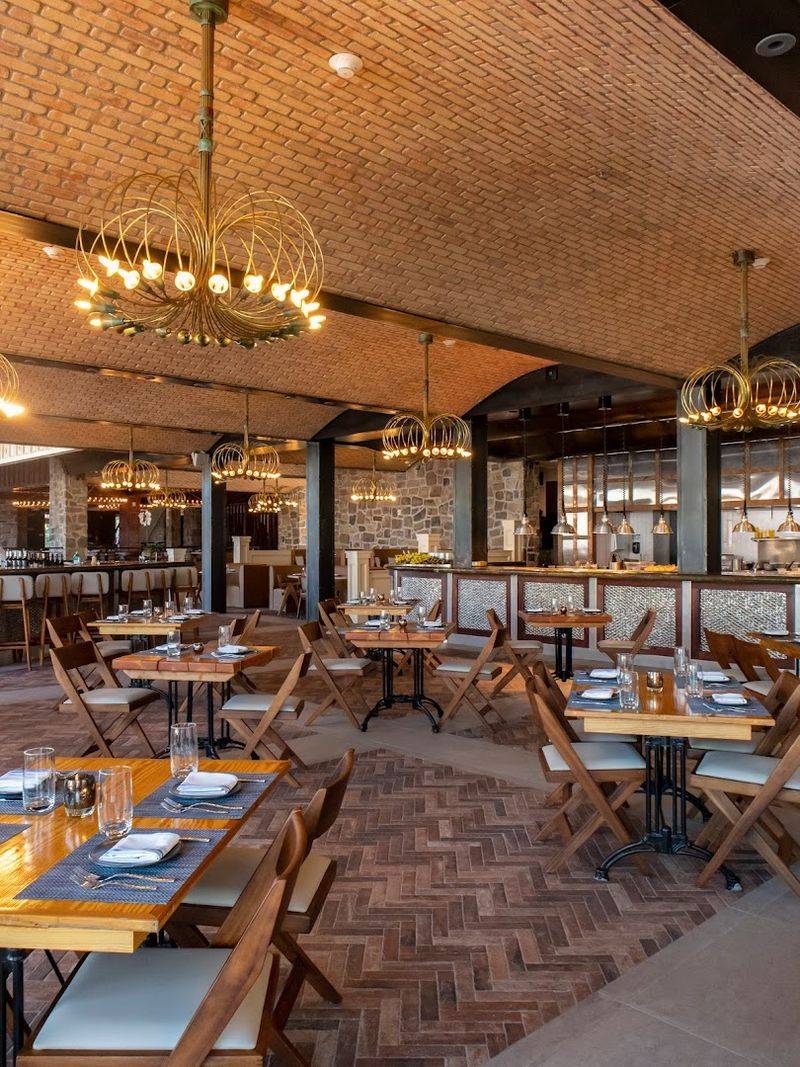
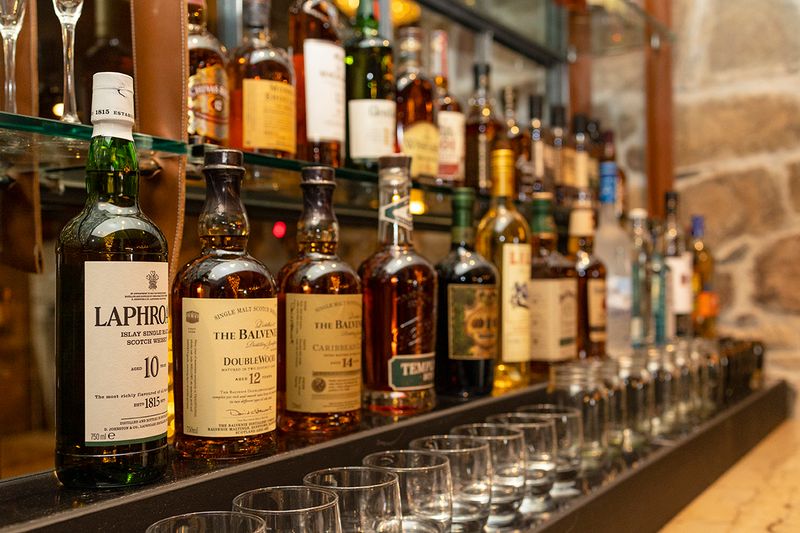
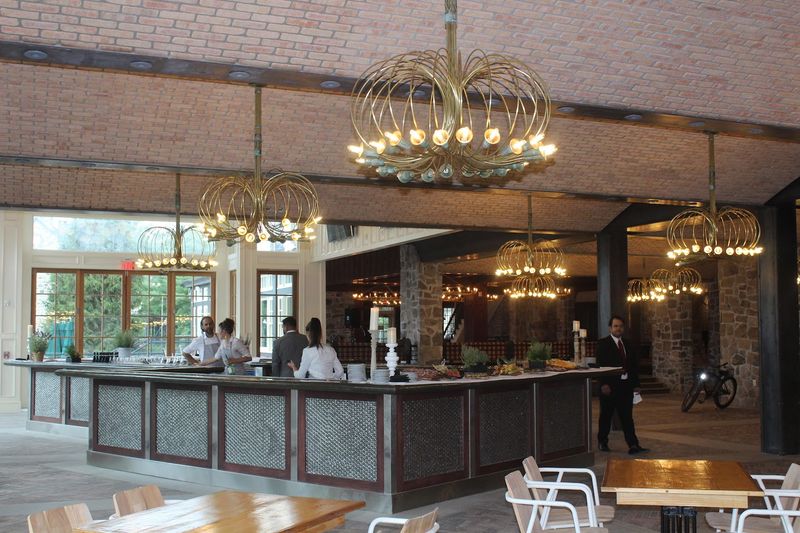
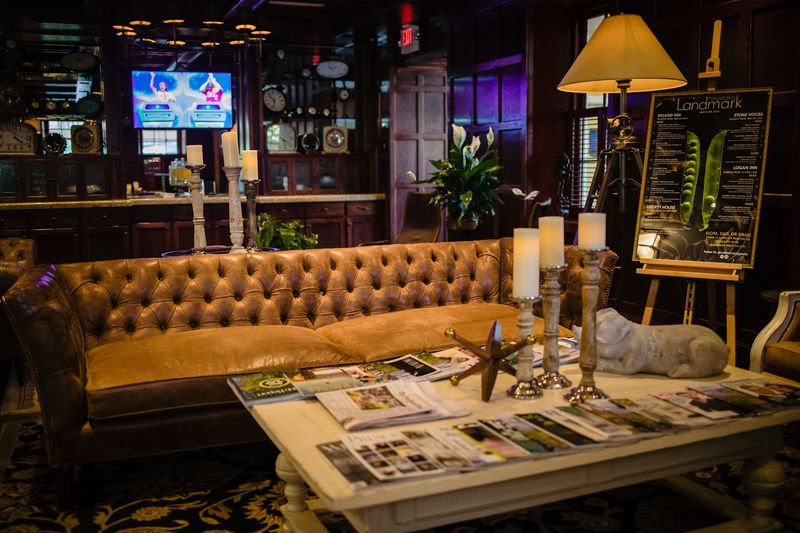
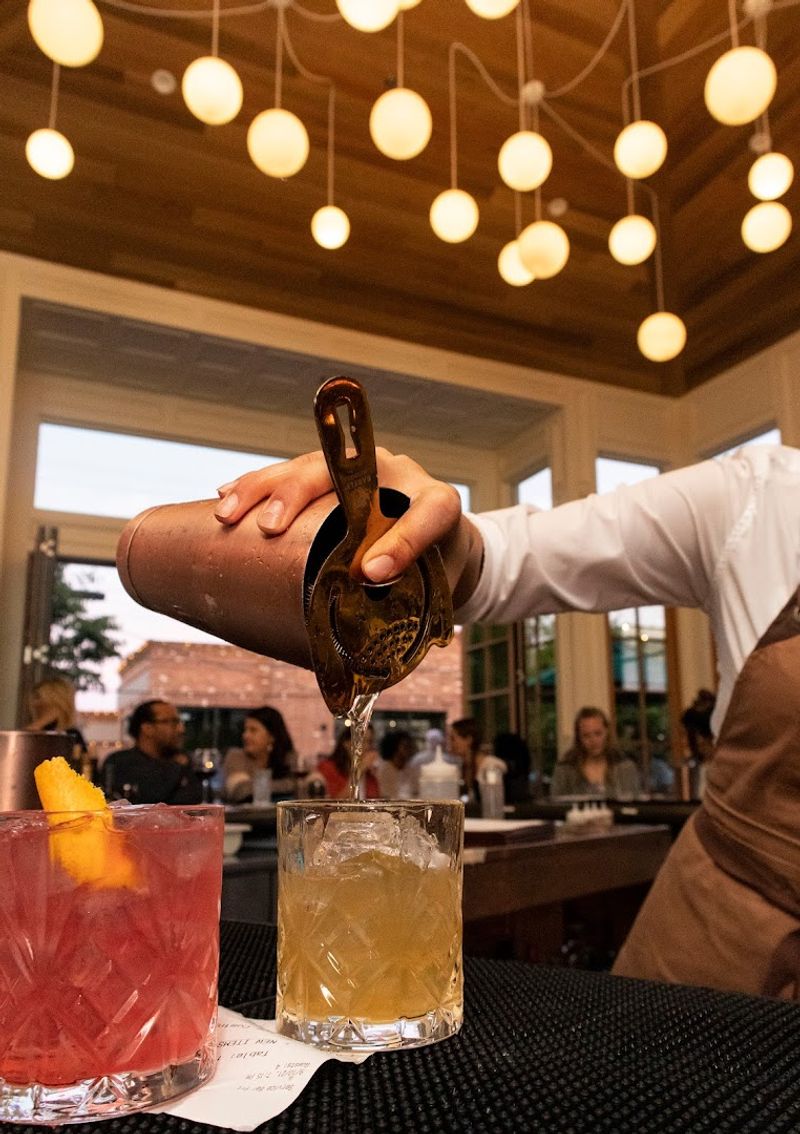
The on-site restaurant and bar continue the tradition of the inn as a social hub, now with a refined, modern menu and craft cocktails served in spaces that still echo their colonial past. Whether you’re stopping in for dinner or staying overnight, the experience manages to feel immersive without sacrificing comfort.
It’s this careful mix of old and new that allows the Logan Inn to remain relevant nearly 300 years after it first opened its doors.
Visitor Information & Tips
Planning a visit to Logan Inn is straightforward thanks to its central location in downtown New Hope. The inn is located at 10 W Ferry St, New Hope, PA 18938, and can be reached at (215) 862-2300.
The official website is www.loganinn.com, where you can check availability, dining options, and current offerings.
Check-in begins at 3:00 PM and check-out is at 11:00 AM, with early or late options available depending on availability. Valet parking is offered for overnight guests, which is helpful given the inn’s busy downtown setting.
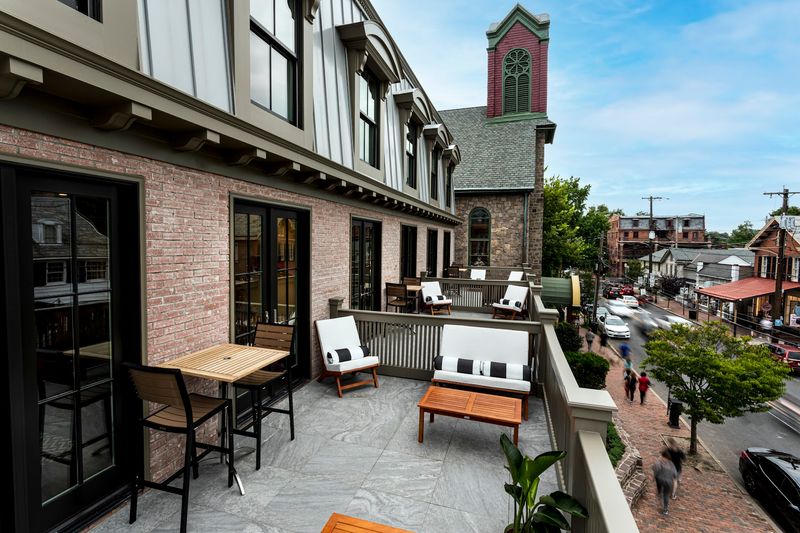
Because the inn sits in the heart of New Hope, you can easily walk to nearby shops, galleries, and the Delaware River, making it an ideal base for a weekend trip.
The property itself includes an on-site restaurant, bar, and lounge spaces, so you don’t need to leave to enjoy a full evening out.
For the best experience, it’s recommended to book well in advance, especially during fall foliage season, holidays, and weekends when rooms fill quickly.
Whether you’re staying overnight or just visiting for a meal, arriving early allows time to explore the surrounding town and fully enjoy the inn’s historic atmosphere.