Located in the heart of rural Florida, Barberville Pioneer Settlement offers visitors a unique chance to experience life as it was more than a century ago. This living history museum features authentic pioneer cabins, hands-on craft demonstrations, and a complete village that brings Florida’s past to life.
With over 30 historic buildings, friendly farm animals, and skilled artisans showing traditional trades, the settlement creates an unforgettable journey through time. Whether you’re a history enthusiast, a curious student, or a family looking for an educational adventure, this remarkable place provides something special for everyone.
Original Pioneer Cabins That Tell Stories of Early Florida Life
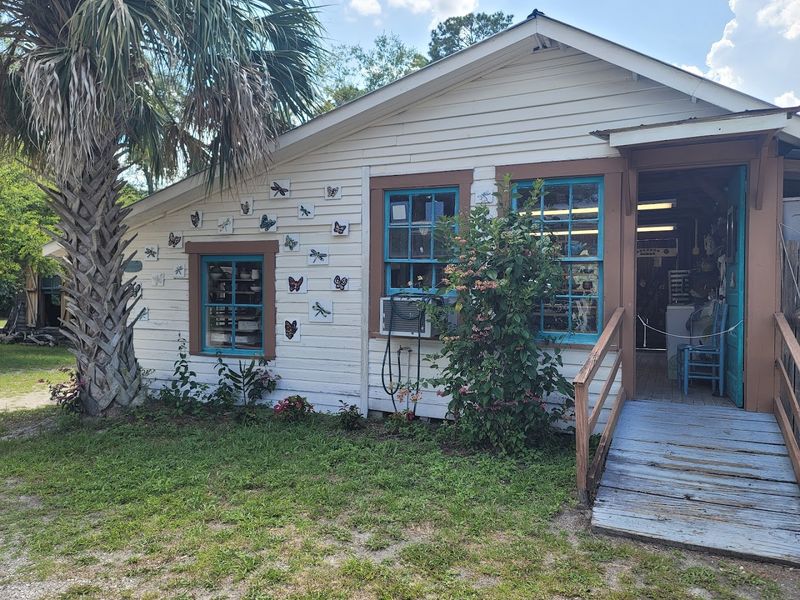
Step into authentic log cabins that housed Florida’s earliest settlers and feel the rough-hewn walls that witnessed daily pioneer struggles. These carefully preserved structures show exactly how families carved out lives in the wilderness with limited resources.
Each cabin displays period furniture, cooking tools, and personal belongings that paint vivid pictures of frontier existence.
Walking through these homes reveals ingenious solutions settlers developed for Florida’s unique challenges. Notice the high ceilings designed for heat escape and the sturdy construction that withstood countless hurricanes.
Small windows kept homes cool while protecting against insects and wild animals.
One particularly charming cabin sits deep in the woods, offering visitors a secluded glimpse into solitary pioneer life. Even on rainy days, this structure maintains its magical atmosphere and authentic character.
The logs still show axe marks from their original shaping over a century ago.
Children especially love exploring these cabins because they can imagine what bedtime felt like without electricity or running water. The experience helps everyone appreciate modern conveniences while respecting the incredible toughness of early Floridians who built communities from nothing.
Traditional Blacksmithing Classes Where Sparks Fly
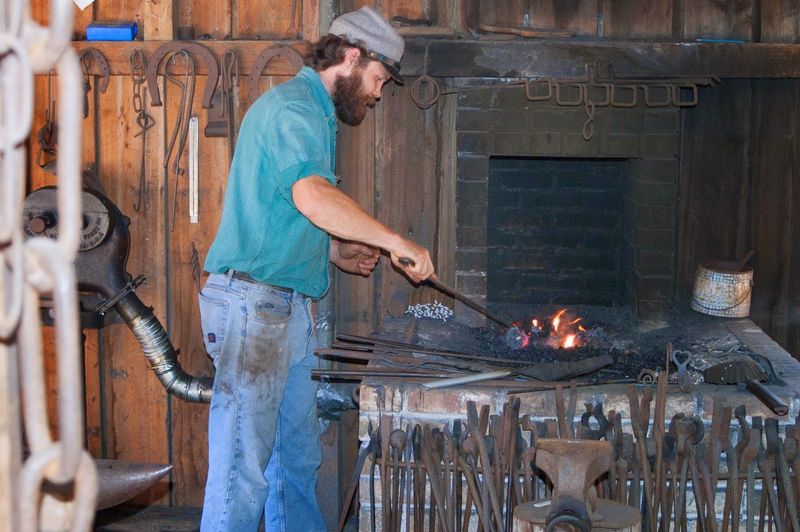
Saturday mornings transform into fiery adventures when the blacksmithing classes fill with eager students ready to hammer hot metal. Heinrich, the knowledgeable instructor, guides participants through creating small treasures they’ll actually use at home.
The reasonable pricing makes this hands-on experience accessible for anyone curious about this ancient craft.
Watching metal glow orange in the forge creates instant fascination. Students learn proper hammer techniques, safety procedures, and the patience required for shaping stubborn iron.
Each strike of the hammer connects modern visitors with centuries of metalworking tradition.
The workshop operates in an authentic blacksmith shop filled with original tools and equipment. Coal smoke mingles with the rhythmic clang of metal on metal, creating an atmosphere that transports participants straight into the past.
Many visitors describe their blacksmithing experience as a highlight they’ll never forget.
Walking home with your handcrafted item provides incredible satisfaction and a permanent reminder of your settlement visit. From hooks to small decorative pieces, each creation represents hours of focused work and newly acquired skills.
The class welcomes beginners and provides all necessary safety equipment for a memorable learning adventure.
Complete Village of Historic Buildings Preserved in Time
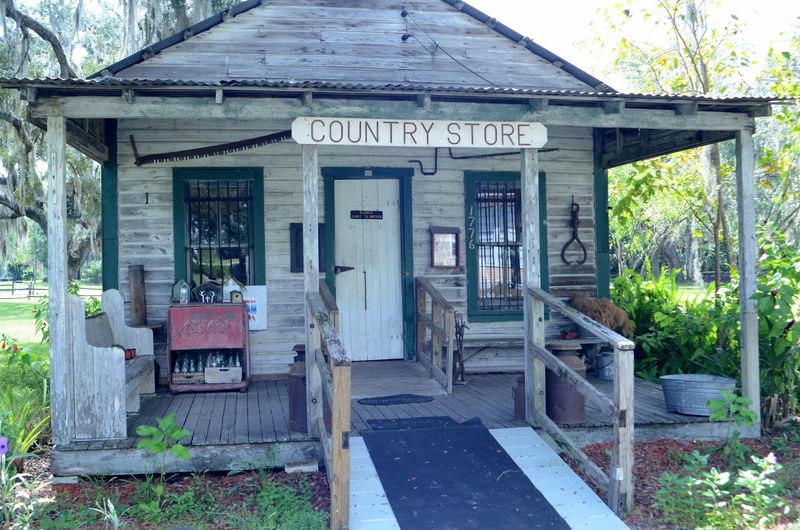
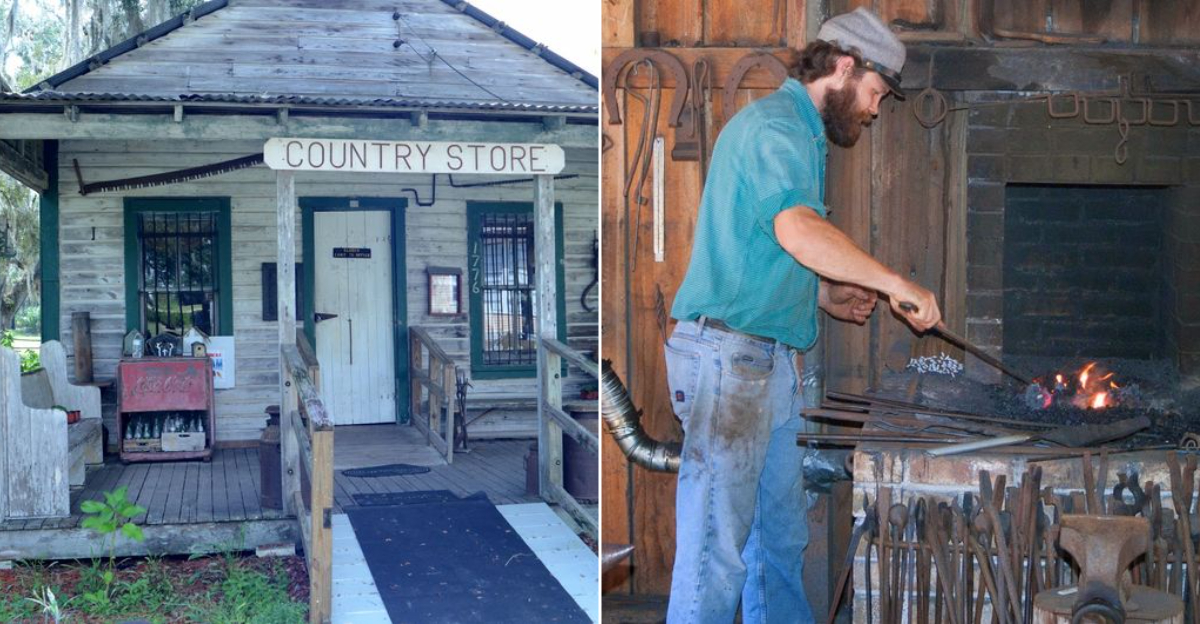
Over thirty authentic structures create a complete functioning village that demonstrates how pioneer communities operated. Each building served essential purposes, from the one-room schoolhouse where children learned their lessons to the post office that connected settlers with distant loved ones.
The careful arrangement shows how settlements organized themselves for maximum efficiency.
A beautiful white church stands ready for services just as it did generations ago. The general store stocks period merchandise while the print shop displays antique printing presses that once produced local newspapers.
An old car garage showcases early automotive history alongside horse-drawn equipment.
Walking between buildings takes visitors on approximately three-quarters of a mile journey through different aspects of pioneer existence. Signage helps identify structures and their original purposes.
The settlement thoughtfully spaces everything close enough for comfortable exploration while maintaining authentic distances.
Special event days bring these buildings alive with period-dressed interpreters demonstrating daily activities. Even during regular hours, the structures themselves tell powerful stories about community cooperation and frontier ingenuity.
Photographers especially appreciate how these weathered buildings create stunning compositions against Florida’s natural landscape, offering endless opportunities for capturing history.
Hands-On Craft Demonstrations Teaching Old-Time Skills
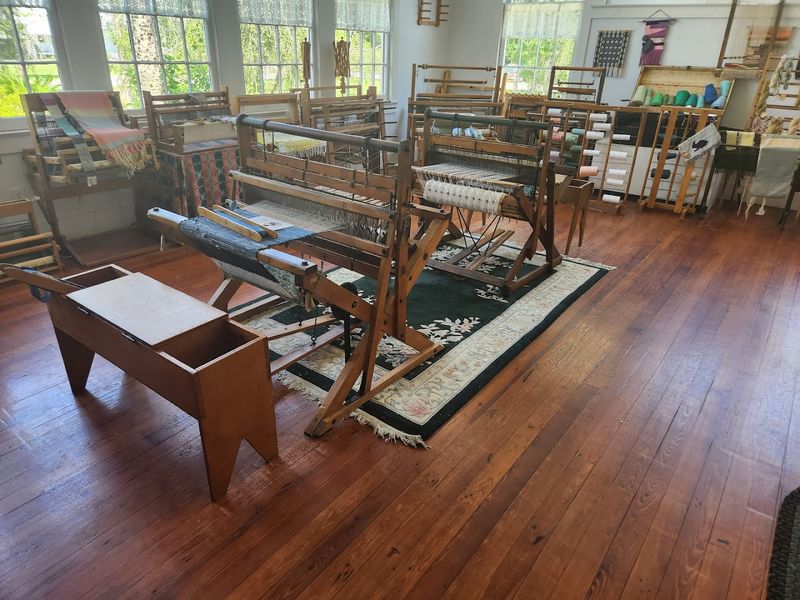
Candle making stations fill the air with beeswax scent while looms click rhythmically as weavers demonstrate textile creation. These aren’t just displays behind glass—visitors can actually try their hands at crafts that kept pioneer households running.
Skilled demonstrators patiently explain techniques passed down through generations.
Watch as simple materials transform into useful household items through practiced movements. The candle makers pour hot wax into molds, explaining how families once depended entirely on homemade candles for light.
Weavers show how thread becomes cloth through seemingly magical patterns and careful attention.
Field trip groups rotate through various craft stations, spending quality time learning each skill. Elementary students particularly enjoy these interactive experiences because they provide concrete understanding of abstract history lessons.
Every child leaves knowing exactly how much work went into creating everyday pioneer necessities.
During festivals, additional craftspeople set up demonstrations showing pottery, basket weaving, and other traditional arts. Visitors often purchase handmade items, supporting living traditions while taking home authentic pieces.
The engaging staff makes even complex techniques understandable for beginners, encouraging everyone to appreciate the incredible skill required for frontier self-sufficiency and creative problem-solving.
Farm Animal Encounters That Delight All Ages
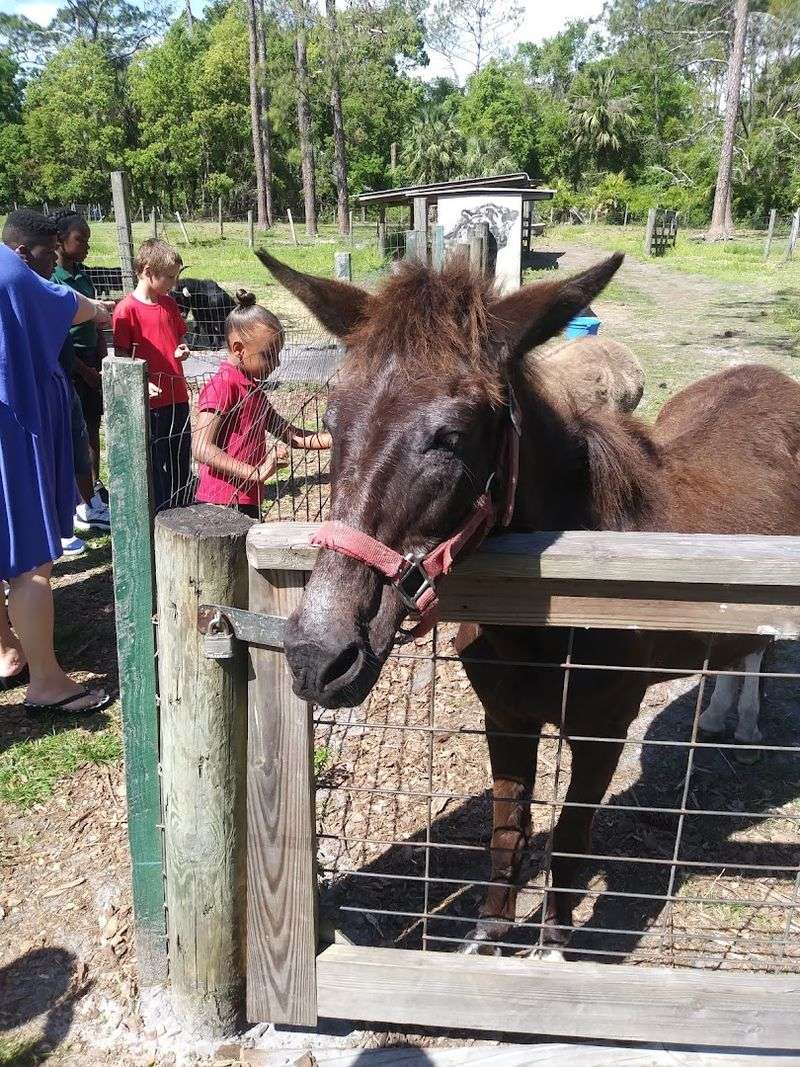
Nigerian Dwarf goats greet visitors with friendly curiosity while a gentle donkey watches contentedly from the barn area. The settlement maintains a small working farm that introduces children to animals pioneers relied upon for survival.
Chickens scratch in the dirt and ducks waddle around, creating an atmosphere of rural authenticity.
LaMancha goats, recognizable by their tiny ears, offer unique photo opportunities and gentle interactions. These animals aren’t just decorations—they represent the livestock that provided milk, eggs, meat, and labor for frontier families.
Staff members share fascinating information about each animal’s role in pioneer agriculture.
Many visitors mention the peacocks that roam freely around the property, adding unexpected beauty and excitement. Children especially love encountering these magnificent birds with their iridescent feathers.
The animals make history tangible for young visitors who might otherwise struggle connecting with abstract historical concepts.
Parents appreciate how the farm area provides hands-on learning without requiring constant supervision. The animals are accustomed to visitors and generally friendly, though settlement rules ensure everyone treats them respectfully.
For city children who’ve never touched a goat or collected eggs, these encounters create unforgettable memories that spark curiosity about agricultural life.
Seasonal Festivals Bringing History to Life
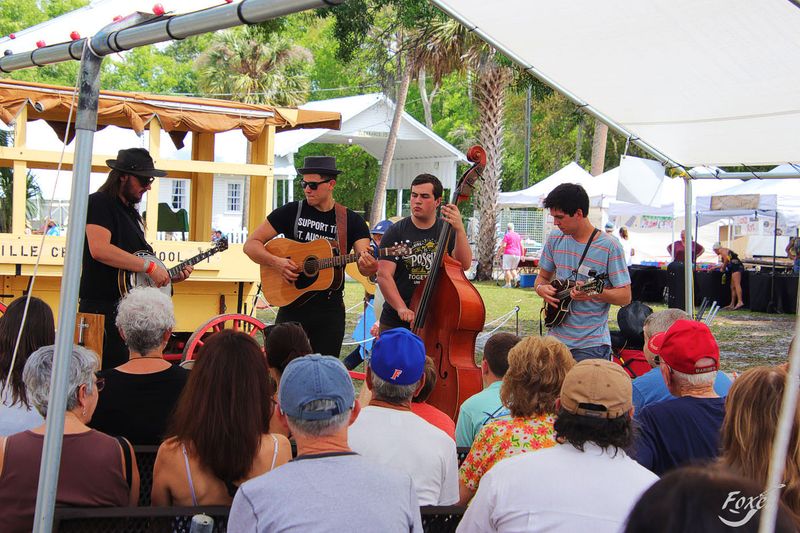
Spring Frolic and Fall Jamboree transform the settlement into bustling celebrations featuring live music, square dancing, and dozens of artisan vendors. Musicians perform from various porches throughout the village, creating layers of sound that blend into joyful atmosphere.
Visitors wander between music tents discovering everything from bluegrass to folk traditions.
These twice-yearly festivals occur in April and November, attracting crowds who appreciate authentic cultural experiences. Food vendors offer treats while craftspeople demonstrate and sell handmade goods.
The combination of history, music, and community creates magical days that families return to year after year.
Monthly Music on the Porches events on first Mondays provide regular opportunities for musical gatherings. Square dancing and contra dancing sessions teach traditional dance forms to new generations.
The settlement becomes a living, breathing community rather than just a preserved museum.
Gorgeous handmade items like Christmas wreaths become treasured purchases that support traditional craftspeople. Festival attendance requires no special historical knowledge—just curiosity and willingness to enjoy simple pleasures.
Even frozen custard vendors find their place among the festivities, proving that celebrations can honor the past while embracing present joys and creating future memories.
Educational Field Trip Programs That Make History Fun
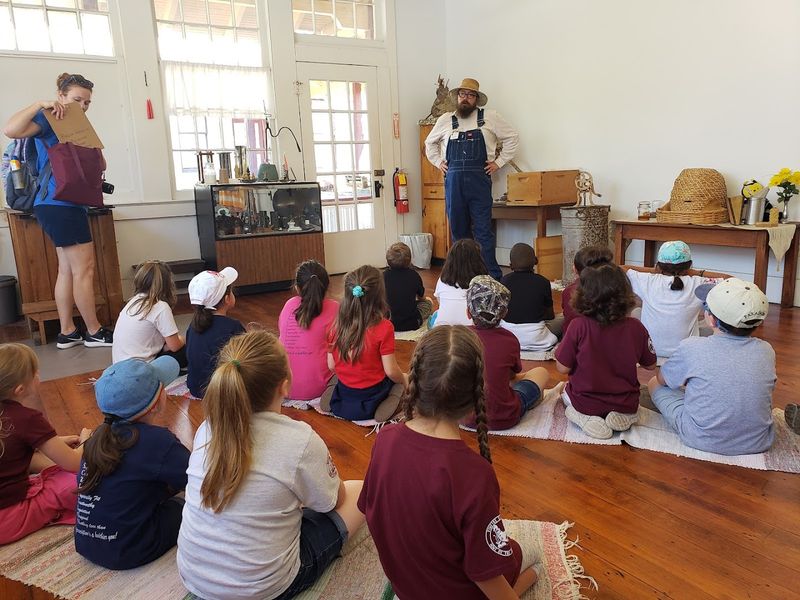
Elementary school buses arrive regularly carrying excited students ready for immersive historical adventures. Upon arrival, groups receive clear instructions before rotating through different stations showcasing pioneer jobs.
This organized approach ensures every child experiences multiple aspects of settlement life during their visit.
Each station teaches specific skills that kept communities functioning smoothly. Students might try candle making at one stop, learn about farming at another, then discover blacksmithing basics at a third.
The hands-on nature helps concepts stick far better than textbook reading ever could.
Incredibly engaged staff members interact enthusiastically with children, answering endless questions with patience and knowledge. Their passion for history proves contagious, turning skeptical students into curious learners.
The two-and-a-half-hour programs typically conclude with lunch, allowing families to enjoy the experience together.
Teachers appreciate how field trips align with curriculum standards while providing memorable experiences students discuss for weeks afterward. Many families return privately after school visits because children beg their parents to revisit favorite activities.
The settlement offers group rates and customized programs that accommodate different age levels and learning objectives, making educational visits both affordable and enriching for schools throughout Florida.
Train Depot and Caboose Celebrating Railway Heritage
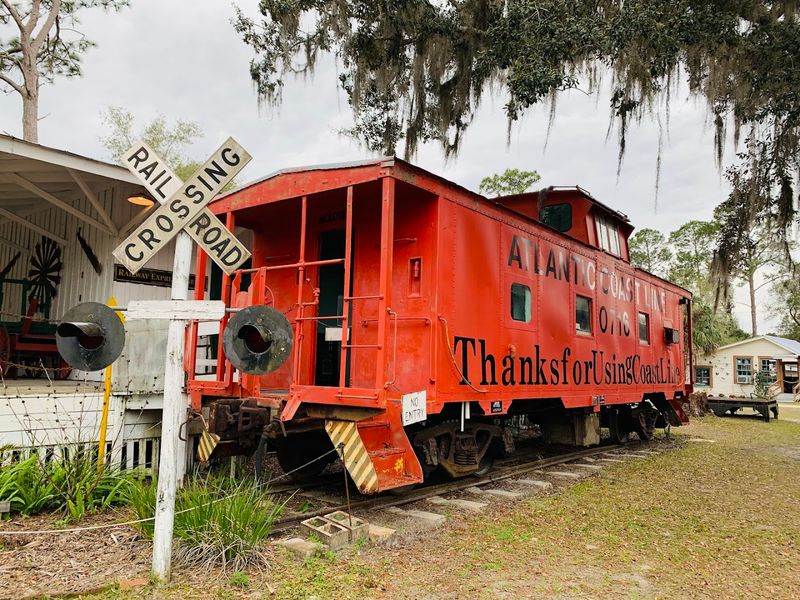
A genuine caboose sits proudly near the historic train depot, reminding visitors how railways revolutionized Florida’s development. Children climb aboard imagining cross-country adventures while parents photograph these beautifully preserved pieces of transportation history.
The bright red caboose makes an irresistible backdrop for family pictures.
Inside the depot building, an elaborate model train display showcases miniature railways with incredible detail. Tiny locomotives chug around carefully crafted landscapes, delighting train enthusiasts of all ages.
This display represents countless hours of dedication from passionate volunteers who maintain the settlement’s attractions.
Railways connected isolated pioneer communities to broader markets and modern conveniences. The depot served as community gathering place where settlers received mail, shipped agricultural products, and welcomed new arrivals.
Understanding this infrastructure helps visitors appreciate how transportation shaped settlement patterns.
The combination of full-size equipment and miniature displays provides perspective on railway operations at different scales. Young train lovers spend considerable time examining every detail while learning about steam engines and early diesel locomotives.
This station successfully bridges past and present, showing how transportation continues evolving while honoring the crucial role railways played in developing rural Florida communities and connecting distant populations.
Self-Guided Walking Tours at Your Own Pace
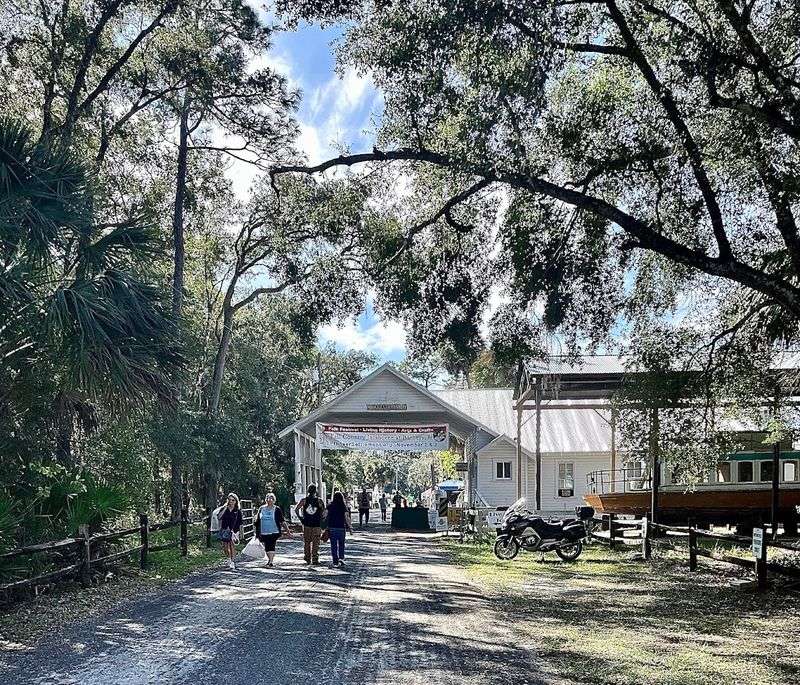
For just ten dollars per adult and four dollars for children under twelve, visitors receive admission to explore the entire settlement independently. Self-guided tours allow families to move at speeds comfortable for their youngest members or linger longer at personally fascinating exhibits.
This flexibility makes the settlement accessible for various mobility levels and attention spans.
Clear pathways connect all buildings in a logical sequence that covers approximately three-quarters of a mile. Visitors can complete tours in under two hours or spend entire afternoons discovering hidden details.
No reservation requirements mean spontaneous visits fit easily into vacation schedules.
The settlement opens Tuesday through Saturday from nine until four, plus Sundays from noon to four. These generous hours accommodate different travel plans while giving staff time to maintain the extensive property.
Closed Mondays provide necessary maintenance days for preserving delicate historical structures.
Some visitors prefer exploring without guided commentary, allowing imagination to fill historical gaps. Others appreciate the option to ask volunteer docents questions when curiosity strikes.
The self-guided format respects individual learning styles while ensuring everyone accesses the same quality experience. RV camping on grounds provides opportunities for multi-day exploration, letting history enthusiasts thoroughly absorb settlement atmosphere.
Living History Interpreters in Period Costume
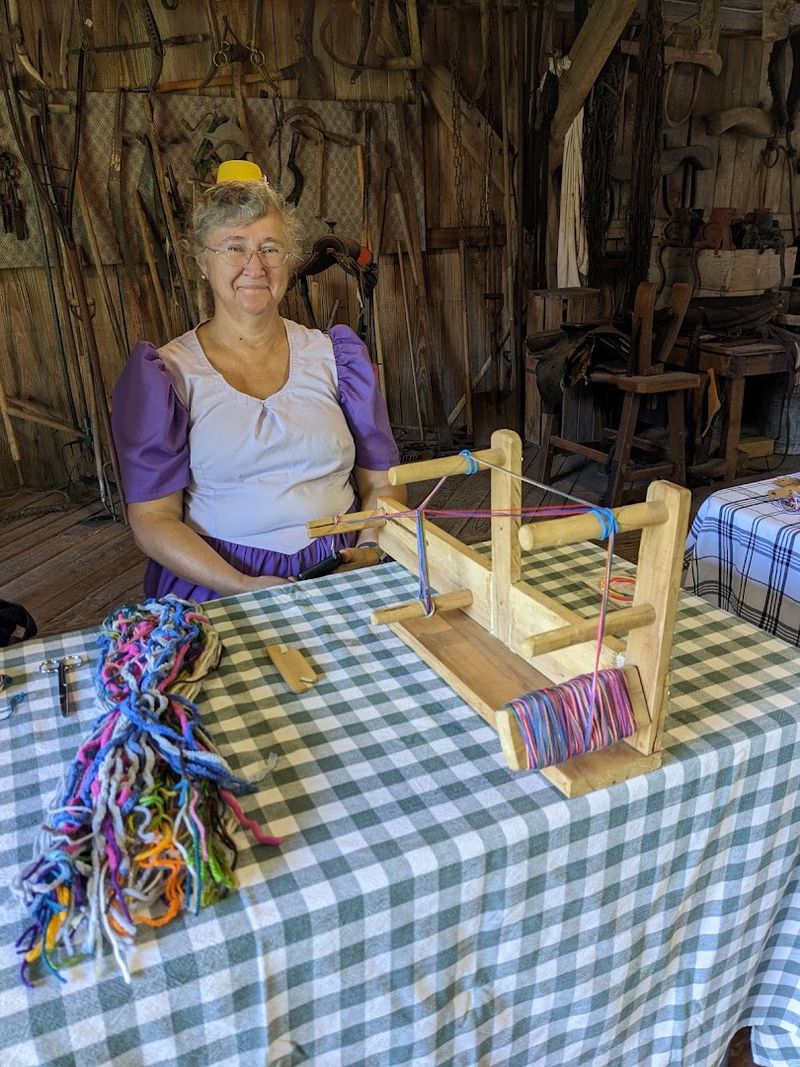
During special events, costumed interpreters populate the settlement dressed in authentic period clothing that transports visitors completely into the past. Women wear long skirts and aprons while men don work clothes appropriate for various trades.
These dedicated volunteers embody historical figures, making abstract history suddenly real and relatable.
Watching someone dressed in full pioneer garb demonstrate butter churning or rope making creates powerful connections across time. The interpreters don’t just wear costumes—they research historical accuracy and adopt period-appropriate behaviors.
Children particularly respond to this immersive approach, asking questions they’d never think to pose in regular classrooms.
Regular visiting hours feature fewer costumed interpreters, but the settlement maintains its educational mission through knowledgeable staff and volunteers. The enthusiastic little old lady who greets visitors at registration earns consistent praise for her warmth and helpfulness.
Her genuine passion sets positive tones for entire visits.
Photographers treasure opportunities to capture period-dressed individuals against authentic backdrops. These images look remarkably like vintage photographs, creating artistic possibilities alongside educational value.
The combination of preserved buildings, traditional crafts, and costumed interpreters creates comprehensive living history experiences that help modern Floridians understand and appreciate their pioneer heritage.